A lack of electrolytes can manifest through several symptoms, as electrolytes play a key role in numerous bodily functions, including fluid balance, muscle function, and nerve transmission. Here are some signs and symptoms that may indicate an electrolyte imbalance: persistent fatigue and general weakness, muscle cramps, headaches, and dizziness—often caused by dehydration—dark urine and decreased urination, as well as potential digestive issues.
What are the benefits of electrolytes?
Essential for many physiological functions, electrolytes cannot be produced by our bodies and must be regularly obtained through our diet, as we lose a significant amount through sweat. They play numerous roles in our bodies: muscle function, digestion, nerve function, cardiovascular function... They are involved in a wide variety of physiological processes.
Let’s take a closer look at all the benefits of electrolytes and how to consume them to get the most out of them.

What are electrolytes?
Electrolytes are found throughout the body. They are essential minerals that carry an electrical charge. When dissolved in water, they dissociate into positively or negatively charged ions, allowing them to support many of the body's vital functions. Since water accounts for more than half of our body weight, electrolytes are found in most of our body’s cells and fluids, even though the body cannot produce them on its own. They must therefore be obtained through diet or by drinking fluids rich in minerals.
Under normal conditions, dietary intake of electrolytes is sufficient. However, supplementation may be necessary in cases of increased hydration needs, such as during physical exertion or in hot weather. This helps maintain hydration and prevent deficiencies. Deficiencies are undesirable because electrolytes play several essential roles in the body, particularly in maintaining the fluid balance necessary for various physiological processes and optimal physical performance.
The main electrolytes are sodium (Na+), potassium (K+), calcium (Ca2+), and magnesium (Mg2+).
Learn more about electrolytes
What do electrolytes do in the body?
Electrolytes are classified into 18 groups (or families), each with its own specific characteristics. They play multiple complex roles in the body. In particular, they are involved in regulating body fluids, muscle contraction, and nerve transmission, and in regulating the body’s pH (hydrogen ion concentration).
Let’s take a look at the main electrolytes and their key functions:
Sodium (Na+)
Sodium, found primarily in table salt, is involved in the transmission of nerve impulses , which enables, among other things, muscle contractions. Its primary role is to help regulate body fluids, which promotes better circulation of nutrients and waste products. By balancing blood volume, it helps regulate blood pressure.
Potassium (K+)
It belongs to the family of alkali metals and It plays a role in the following functions: Potassium, found in bananas and dried fruits, helps maintain a stable electrical potential across cell membranes, which enables proper nerve and muscle function. It works in tandem with sodium: the sodium-potassium pump is responsible for regulating cellular homeostasis (=balance) between sodium and potassium.
It helps regulate blood pressure by promoting the dilation of blood vessels.
Calcium (Ca2+)
Calcium is found in dairy products and legumes. Calcium is the main mineral component of bones and teeth and promotes their strength. It also plays a role in skeletal and cardiac muscle contraction as well as in the transmission of nerve signals between neurons, like potassium and sodium.
Magnesium (Mg2+)
Magnesium is abundant in nuts and seeds. It plays an essential role in the production of ATP (Adenosine Triphosphate), the cells’ primary energy source. Like other electrolytes, it contributes to muscle and nerve function. It is also a component of bone tissue and plays a role in bone density. Finally, it plays a key role in the body’s immune defenses.
Anions are also found:
Chlorides (Cl-)
They also help maintain the balance of body fluids. Chlorides also play a role in digestion, as they are components of hydrochloric acid produced by the stomach, which breaks down food into nutrients.
Bicarbonate (HCO3-)
It acts as a buffer against acids produced by the body, helping to neutralise them. It contributes to acid-base balance by maintaining blood pH within an optimal range of 7.35 to 7.45, which is essential for the body’s proper functioning. It also helps neutralise stomach acid to protect the stomach lining.
Phosphate (PO43-)
They are involved in the cellular respiratory chain: they therefore play an important role in physical endurance.

What are the benefits of electrolytes?
By conducting electrical charges through our bodies, electrolytes help to:
Maintain adequate and sufficient water distribution in the body: This is referred to as "plasma osmolarity." By properly balancing the distribution of fluid volumes in the body, electrolytes ensure stable blood pressure and adequate fluid balance. Charged electrolytes attract and retain water in cells and promote its absorption by the intestines. It is therefore important to replenish the electrolyte reserves lost when we sweat. Learn more about the link between diet and sweating.
Maintaining adequate mineral levels to ensure acid-base balance: Minerals act as acid buffers, helping to maintain blood pH within a range of 7.35 to 7.45. Electrolytes play a role in the absorption and transport of minerals, so they are essential for acid-base balance. It is worth noting that excess acidity can strain the kidneys, which are responsible for eliminating this type of waste. Discover which foods are good for the kidneys
Contributing to good cardiovascular health: The role of electrolytes in maintaining blood volume balance, blood pressure, and a regular heartbeat makes them essential for proper cardiovascular function.
Supporting better athletic performance: They play a role in muscle contraction and relaxation, as well as hydration levels, which helps reduce the risk of cramps and promotes better recovery. In fact, by regulating acidity and managing metabolic waste products, such as lactic acid produced during exercise, electrolytes optimize physical performance and recovery. Discover the importance of collagen in sports recovery.
Reducing feelings of fatigue and promoting concentration: Electrolytes contribute to energy production in our cells by facilitating the transport of glucose—an essential fuel for our cells—and by aiding in the synthesis of ATP, the molecule that supplies energy to muscles and the brain. They also limit the risk of dehydration, which causes fatigue and concentration problems. Learn more about the link between heat and fatigue
Spotlight on our Electrolyte Powder Dietary Supplement

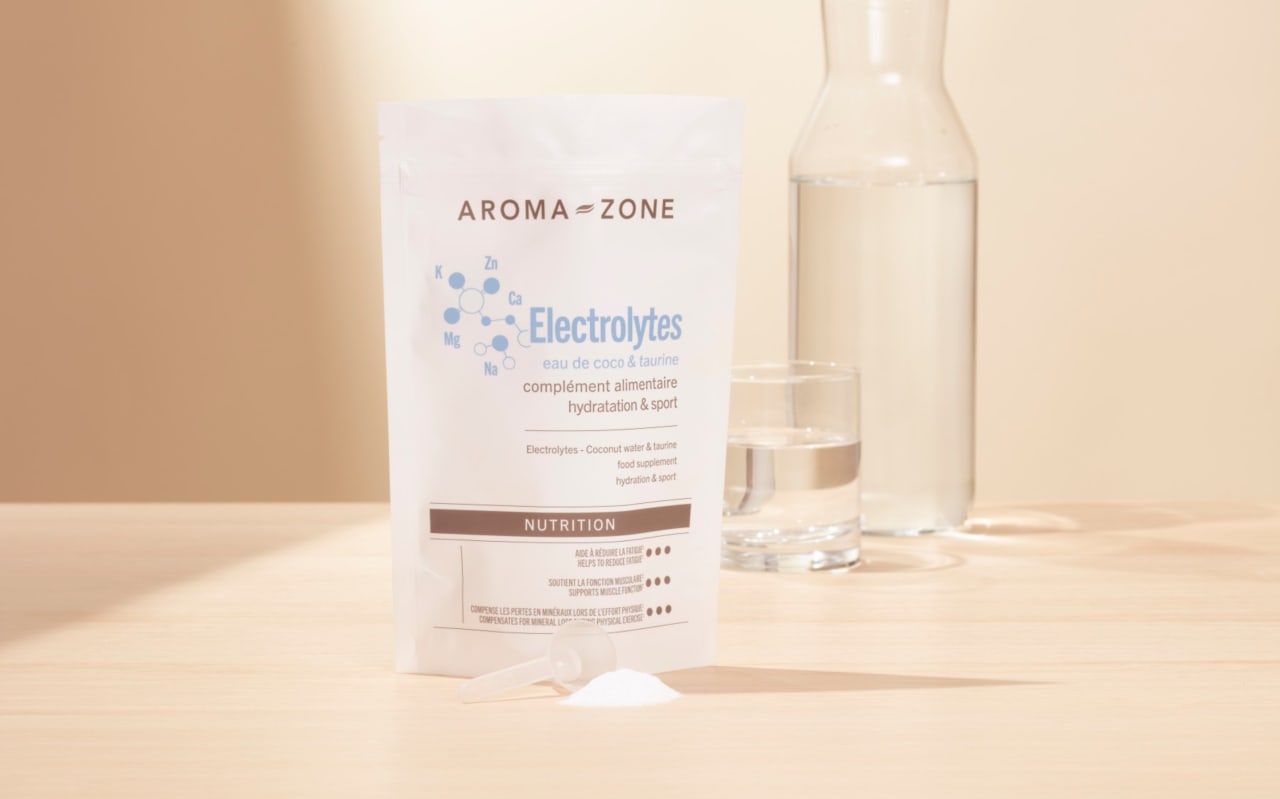
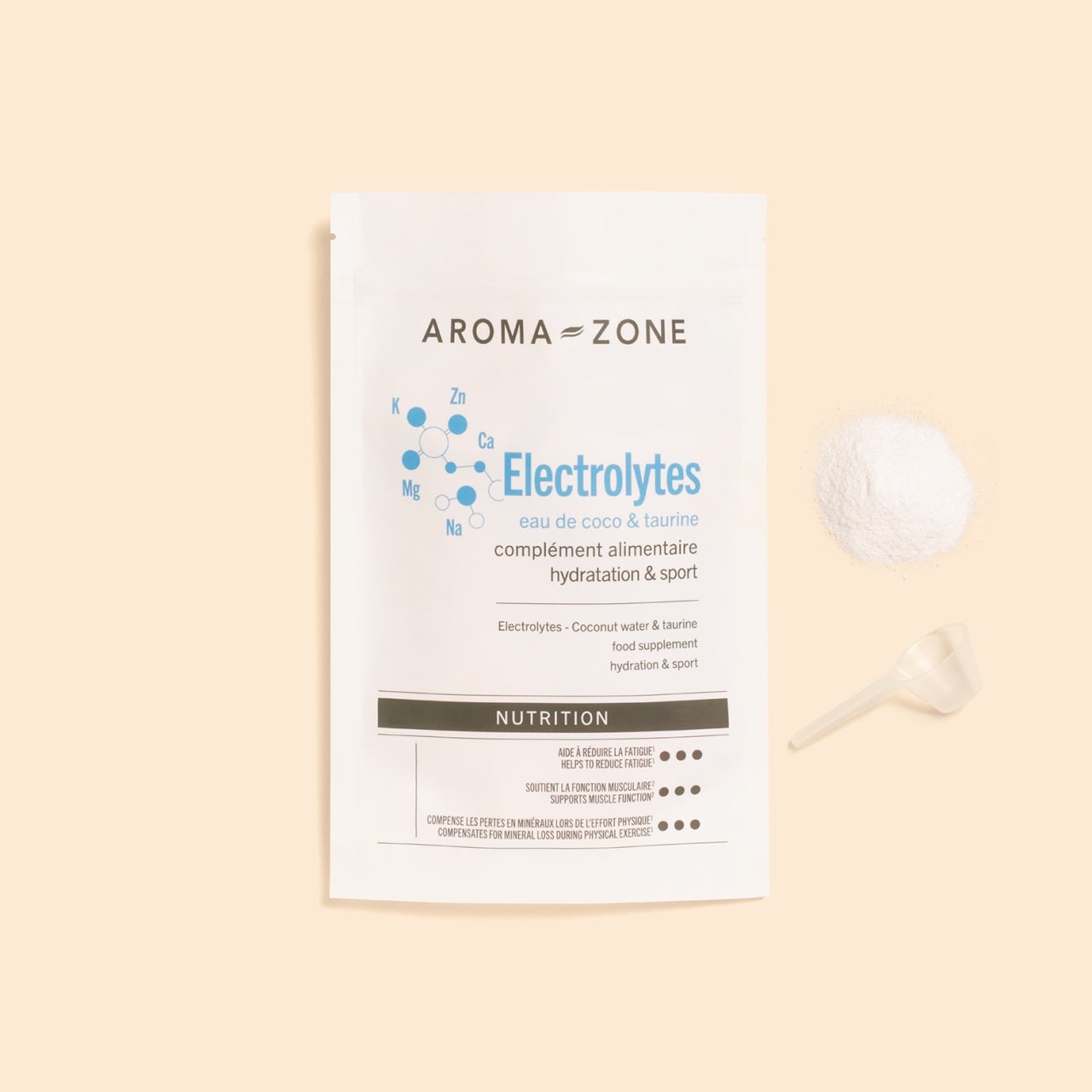
This powder contains the essential electrolytes to help you maintain proper hydration and replenish losses from sweating: Magnesium, Potassium, Calcium, and Zinc also help improve muscle function and reduce fatigue. Other ingredients enrich this electrolyte powder, such as taurine, which enhances their effects, and coconut water. The perfect combination for preparing a drink that will restore your fluid and electrolyte balance after workouts or in hot weather.
When should you take an electrolyte supplement?
When?
During physical activity: movement causes our body to generate heat, and to maintain a stable body temperature, this leads to increased sweating. While sweating is an essential process, it still leads to a loss of water and electrolytes that must be replenished to prevent a decline in our physical and mental performance due to dehydration.
In summer during extreme heat: Following the same cooling mechanism as during physical activity, fluid and mineral losses associated with sweating must also be replenished.
During certain trips that promote dehydration: In the mountains and on aeroplanes, the air is dry, which promotes dehydration and can lead to fatigue and headaches. It is recommended to ensure adequate and high-quality hydration to avoid these discomforts.
Who is this for?
Athletes: Any physical activity leads to sweating to a greater or lesser extent and requires replenishment of the water and electrolytes necessary for our body to function properly and to optimize performance.
People with increased hydration needs: people exposed to heat, those who regularly spend time at high altitudes or live in the mountains, or those who travel frequently by plane are more likely to experience insufficient hydration.
How?
For athletes : It is recommended to consume an electrolyte-rich drink throughout your workout to compensate for losses and avoid a drop in performance, and after your workout to ensure that water and electrolyte levels are restored to sufficient levels.
For daily hydration: It is recommended to consume this drink throughout the day to maintain proper hydration levels.
What is the recommended dosage?
It is recommended to dissolve 1 measuring spoon (equivalent to 4.2 grams) in 500 ml to 1 litre of water and mix well before drinking.
A 200-gram doypack contains approximately 45 doses of 4.2 g.
Contraindications
Not recommended for pregnant or breastfeeding women
Not recommended for children
Not recommended for the elderly or people with kidney disease
Expert tip
To maximise the benefits of your electrolyte drink, it is recommended to adopt a mineral-rich diet by consuming more vegetables, nuts (walnuts, hazelnuts, almonds...), dried fruits (figs, apricots, bananas...), and high-quality water by regularly eating water-rich fruits such as citrus fruits, melons, and watermelons.
Learn more

How do you know if you’re low on electrolytes?

How do you know if you’re low on electrolytes?

Is it good to drink electrolytes?

Is it good to drink electrolytes?
Drinking electrolytes can be beneficial in certain situations, especially when there is a risk of electrolyte imbalance. Here are some points to consider regarding electrolyte intake during intense exercise, in hot weather, and when you feel severely dehydrated.

Why consume electrolytes?

Why consume electrolytes?
Consuming electrolytes is important for several reasons related to health and the body’s proper functioning. Electrolytes are electrically charged minerals that play a crucial role in various physiological functions. It is therefore advisable to consume them to maintain fluid balance and support muscle and arterial function. They are normally present in a daily diet if it is balanced and contains essential minerals (magnesium, calcium, etc.), but consuming electrolyte-rich beverages can be beneficial for athletes and in hot weather, as sweating leads to a loss of water and electrolytes.
Spotlight on Christine Barris, Naturopath, Sophrologist and trainer

After a Master's degree in Management, followed by 20 years working for well-known companies in the food supplement and natural cosmetics sectors, I decided to turn my passion for nature into my profession. I now practise human and animal naturopathy, as well as sophrology. I also coach future naturopaths and sophrologists at various schools.
Bibliography
1
Shrimanker I, Bhattarai S. Electrolytes. July 24, 2023. In: StatPearls [Internet]
Treasure Island (FL): StatPearls Publishing; Jan 2025–. PMID: 31082167
2
Nutritional Reference Values for Vitamins and Minerals
ANSES, February 21, 2025