Which Nourishing Hair Care Products Should You Choose for Your Hair?

Dry, dehydrated and damaged hair has a crucial need for lipids. If this applies to you, it's essential to introduce nourishing hair treatments into your daily routine. Fatty substances such as ceramides, phytosterols, oils and plant butters help restore softness, suppleness and shine. There is, however, one condition to bear in mind: choose nourishing products suited to your hair's porosity and thickness, so you avoid weighing it down.

Reading time: 0 min.

Summary

  • Dry, damaged or dehydrated hair particularly benefits from nourishing treatments rich in lipids such as plant oils, butters, ceramides and phytosterols, known for restoring softness, suppleness and shine to the hair fibre.

  • The article outlines a tailored protocol based on hair porosity and thickness: targeted choice of oils (jojoba, argan, coconut and so on), weekly masks, oil baths or serums, with specific advice on frequency of application and combining active ingredients for each hair type, to help you optimise results.

  • The article also flags points to watch for, including how to avoid weighing down fine hair or creating a sticky effect, along with recommendations for adapting the routine for sensitive scalps or oily roots.

What Is a Nourishing Hair Care Product?

A nourishing hair care product is one that provides the hair with fatty substances. This type of product is particularly suitable for dry, rough, and damaged hair. It can be composed entirely of lipids (such as oil baths) or work on the principle of emulsion (a mixture of water and oil, as in your masks and conditioners).

These nourishing products are essential all year round to help maintain healthy, beautiful hair. They can also be used as intensive treatments after periods of stress or damage to the hair fibre, such as after sun exposure, bleaching at the salon, or frequent use of heat styling tools like blow dryers, straighteners or curling irons.
Why Is It Important to Nourish Your Hair Regularly?

Our hair has a real need for lipids in order to maintain a healthy appearance—and in fact, it naturally contains them. These “good fats” are found at two levels. First, between the hair scales: ceramides, sterols and fatty acids act as an intercellular cement. Then, around the cuticle: sebum lubricates and protects the hair fibre from external aggressions.

However, this natural hydrophobic barrier is not invulnerable. When it is overexposed to external aggressions, it eventually loses some of its impermeability. It's as if you were stripping the surface of your hair. As a result, the hair is no longer sufficiently lubricated and the scales of its cuticle become raised. In concrete terms, it becomes more porous : it lets moisture escape and, conversely, swells like a sponge in a humid environment. When this dryness/dehydration sets in, hair becomes frizzy, dull, and brittle.

This is where nourishing hair care products come in! They are designed to help you preserve this precious shield by compensating for its lipid deficiencies.

What Are the Benefits of Nourishing Hair Products?

  • They form a protective film around the hair. They protect the hair fibre from dehydration, but also from water infiltration from the outside (hygral fatigue).

  • They help to "repair" the hair. Certain fatty substances have the ability to penetrate the hair more deeply, which can help to fill in small gaps.

  • They smooth and lubricate the cuticle. They restore shine and silkiness to dry hair, while making it easier to style.

  • They improve hair flexibility. Hair gradually becomes more malleable, easier to bend, and more resistant to breakage.

Spotlight on the Hair Mask

What Is the Difference Between a Hydrating Mask and a Nourishing Mask?

A moisturising mask primarily delivers humectant active ingredients to the hair (substances that attract water, such as aloe vera). A nourishing mask, on the other hand, aims to strengthen the hydrolipidic film that protects the hair fibre. To do this, it contains a generous quantity of lipids. Neither treatment is better than the other: they're two complementary treatments, since water without lipids isn't necessarily beneficial for the hair.

What Ultra Nourishing Treatments Should I Use on My Hair?

Vegetable Oils

Good to know: it is very important to choose a nourishing oil that is suited for your hair type. Oils rich in saturated fatty acids are the most penetrating. They're therefore ideal for nourishing the hair more deeply, but also for strengthening its structure. They're particularly suitable for thick, curly or very porous hair. Oils with a high content of unsaturated fatty acids, on the other hand, tend to remain on the surface of the cuticle. These are more like finishing oils for fine and damaged hair. They seal in moisture and coat the hair.

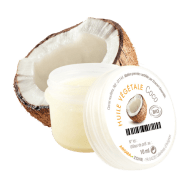
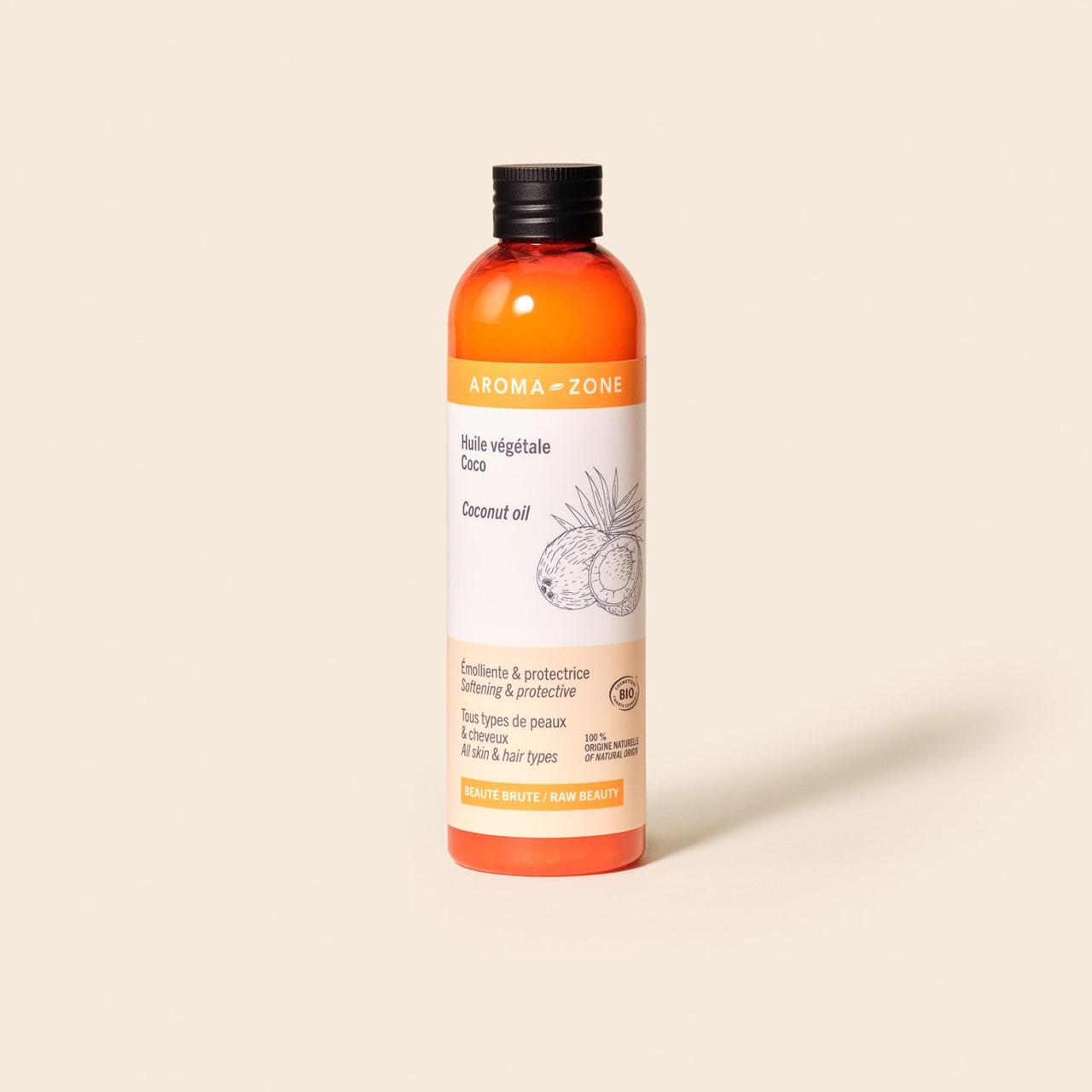
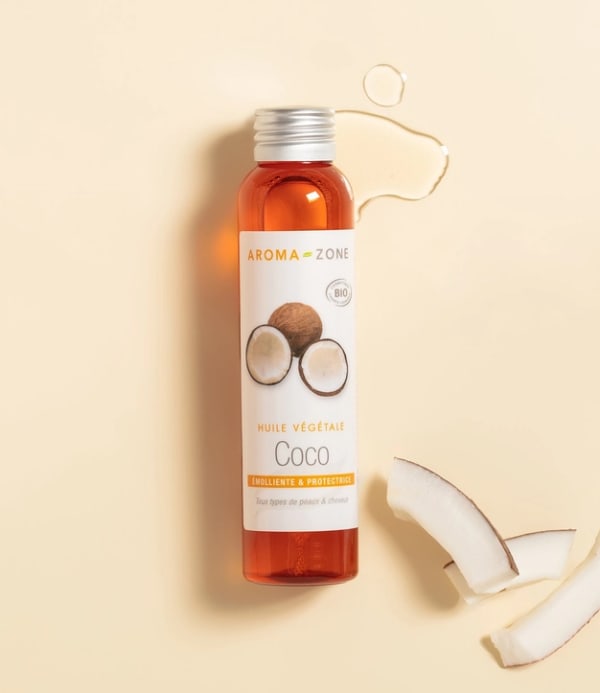
Organic Coconut Oil. This is the ultimate nourishing treatment for thick, frizzy hair. Rich in lauric acid and highly penetrating, it smooths the hair and restores its vigor.

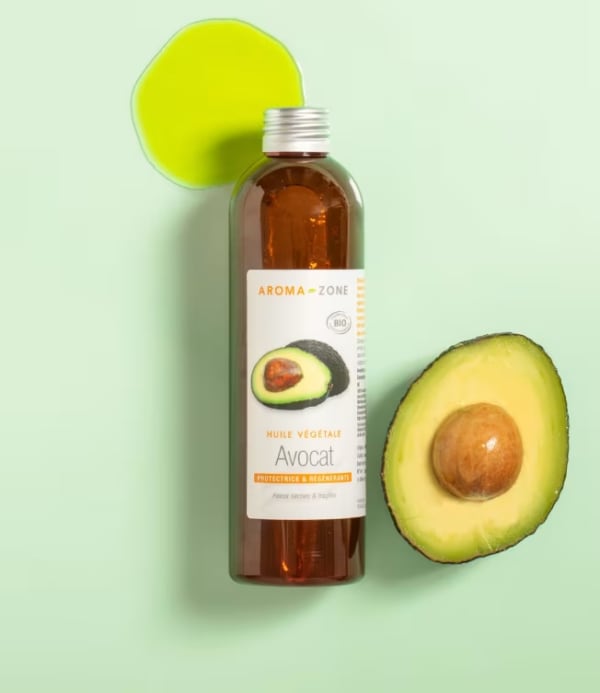
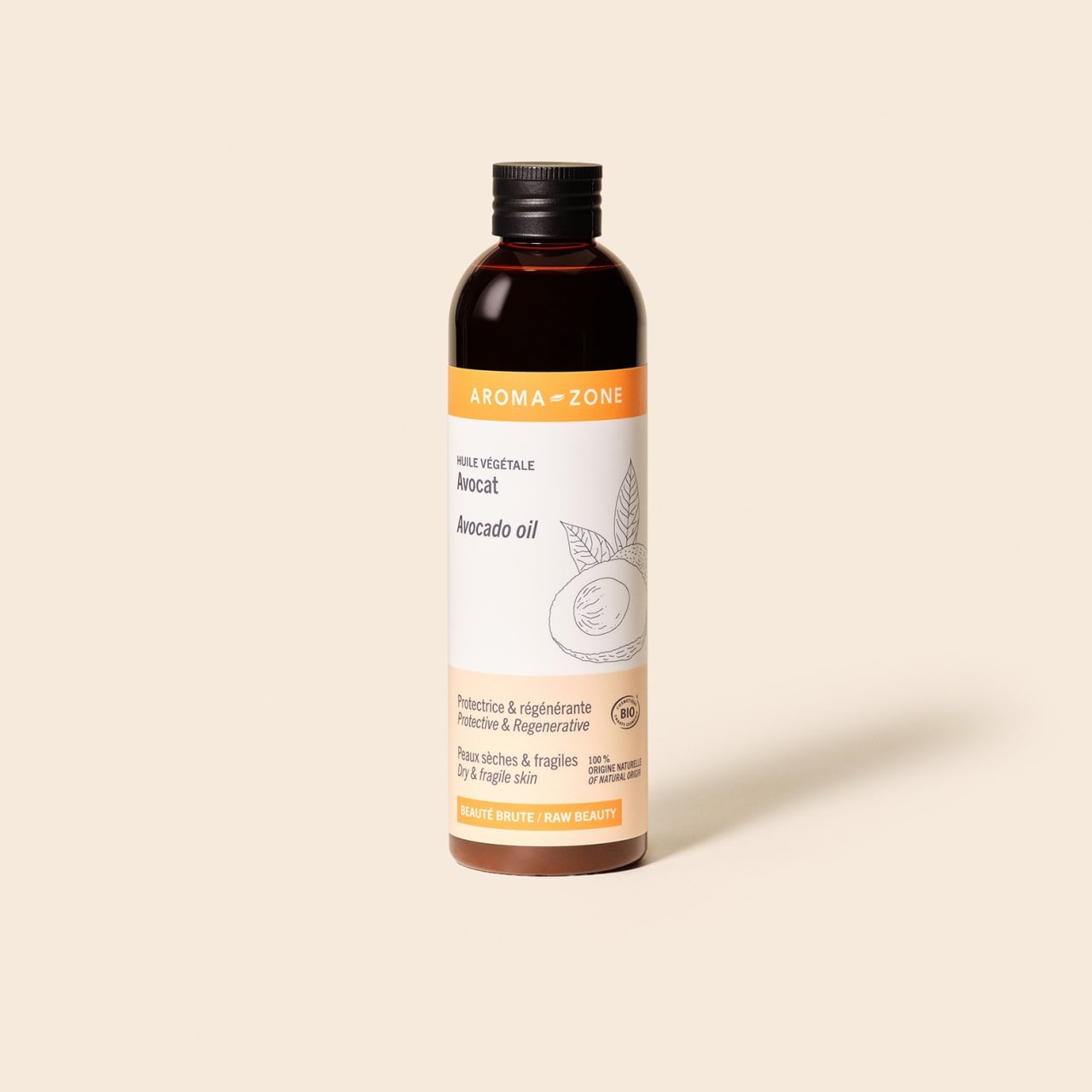
Organic Avocado Oil. Neither too heavy nor too light, it is an excellent compromise for medium-thick hair. It beautifies the hair and is renowned as an anti-hair loss active ingredient.

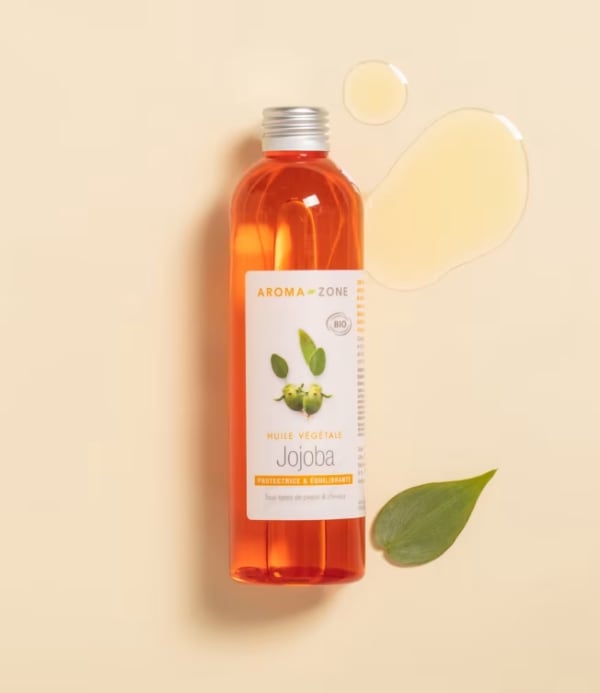
Organic Jojoba Oil. This is one of the lightest vegetable oils available, perfectly suited to fine, dry hair. It coats the hair with shine and softness.

Plant Butters

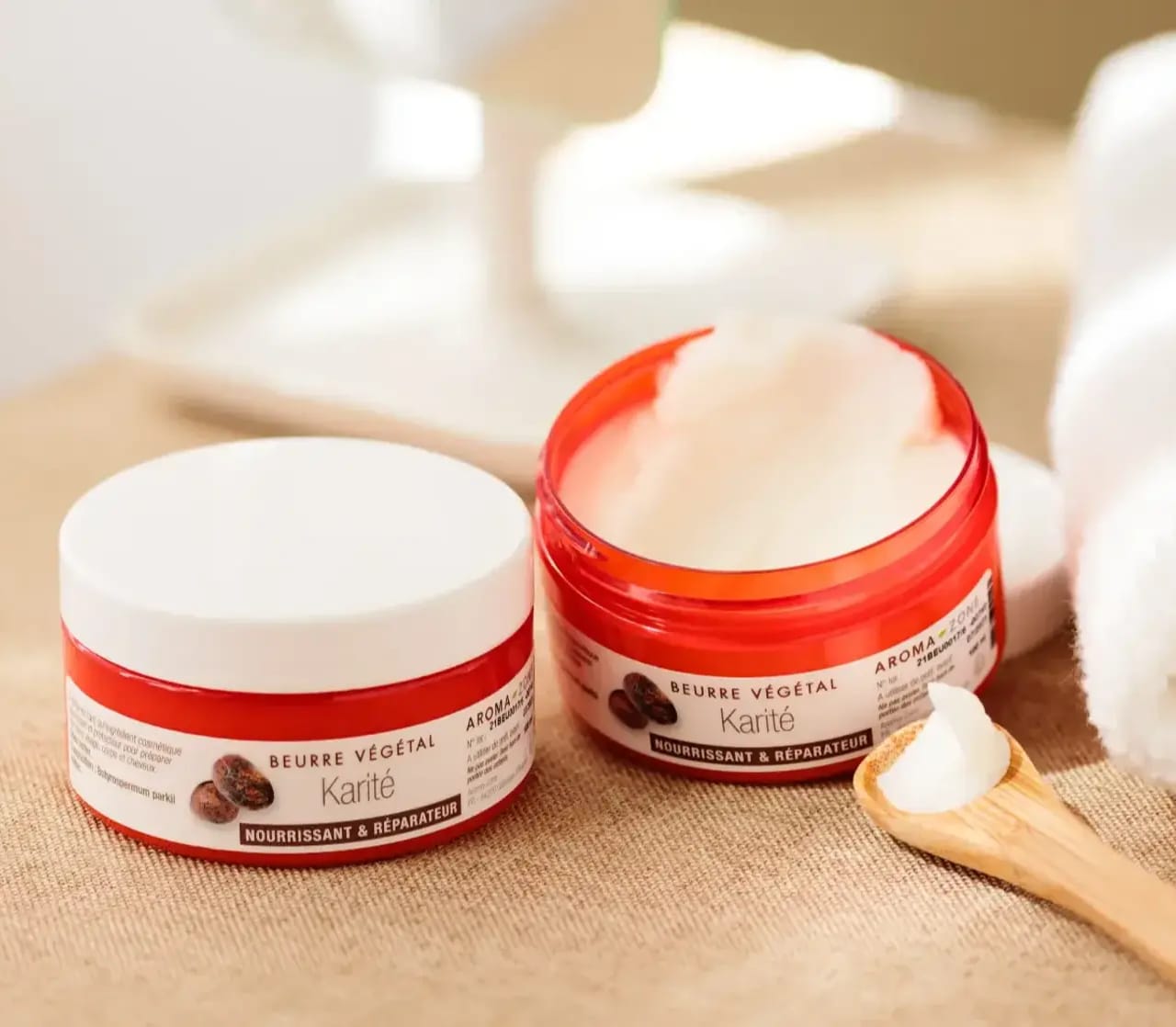
Good to know: just like plant oils, plant butters are made up of triglycerides. Their texture is thick and creamy, simply because they're richer in saturated fatty acids (which solidify below a certain temperature). They're therefore particularly suited to porous and curly hair types. You can, for example, apply them as they are or blended together, as an intensive nourishing mask on the lengths of your hair. Beforehand, melt them very gently in a double boiler.

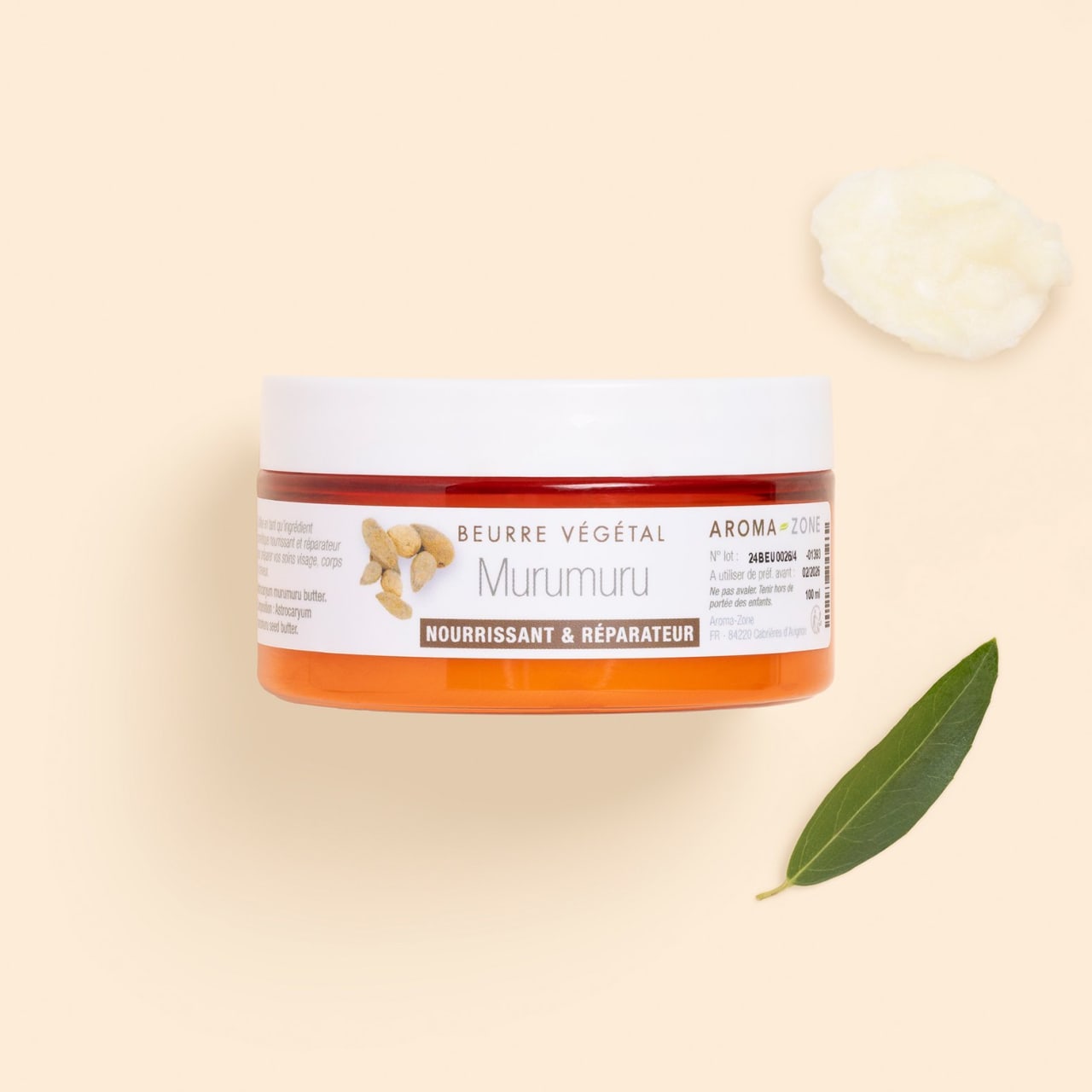
Raw Murumuru Butter. This plant butter has remarkable penetrating power in the hair fiber. It repairs, nourishes, and strengthens dry and frizzy hair.

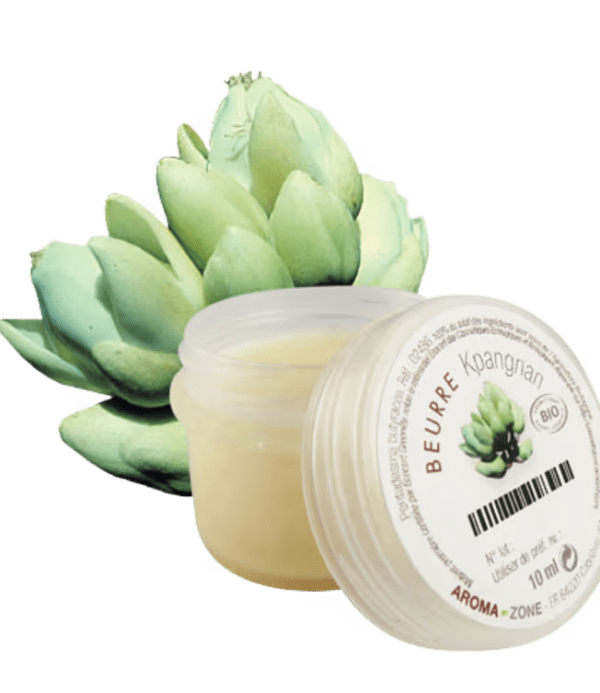
Organic raw Kpangnan butter. This is a little-known alternative to shea butter. It has similar nourishing properties, with a more subtle scent and a less sticky texture. 

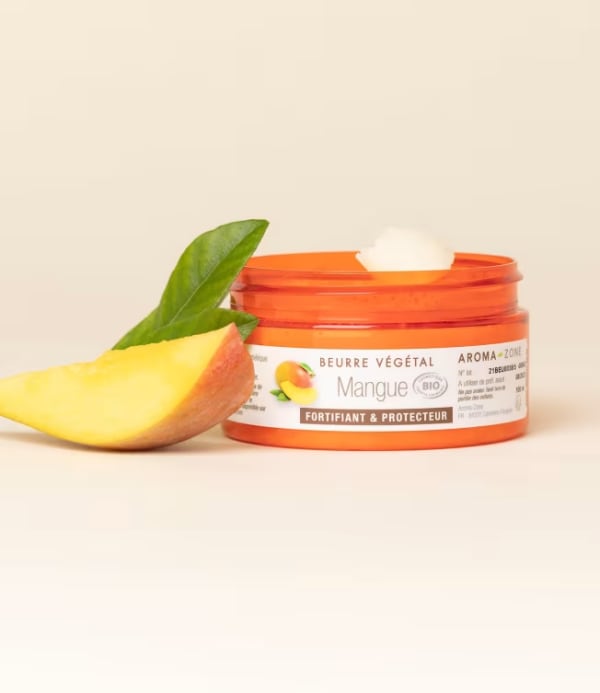
Organic Mango Butter. Rich in isostearic acid, it is ideal for making nourishing and creamy hair care products. It prevents split ends and makes coarse hair shine.

Nourishing Active Ingredients

Good to know: unlike plant oils and plant butters, the products below aren't meant to be used pure on your hair. They should be incorporated into your home made hair care recipes. Some of them can also be used to personalise our neutral bases. They strengthen their nourishing, fortifying and "repairing" properties.

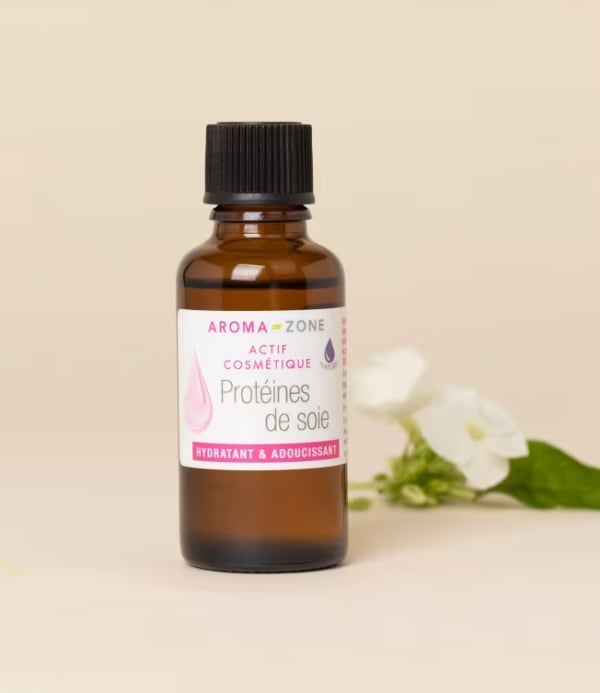
Active silk protein: They make hair soft and shiny and help maintain its natural moisture. They are therefore ideal as an active ingredient in your shampoo and styling product formulations.

Phytosterol concentrate. Both nourishing and emollient, it helps compensate for the lack of oil at the ends. It leaves hair more supple and protected.

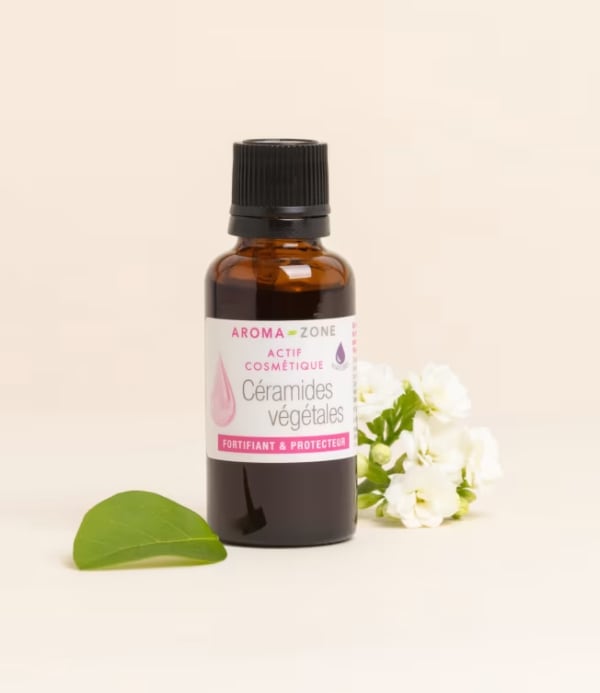
Plant ceramides. This is a lipid-replenishing active ingredient known for its ability to strengthen the hair's natural lipid barrier. It makes hair stronger, softer, and easier to style.

Our Care Routine for Dry and Damaged Hair

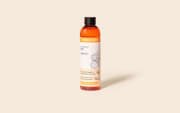
  1. Apply an oil treatment using Hair Care Oil. Apply 1 to 3 tablespoons of the formula throughout your hair, depending on its length. Work section by section, smoothing the hair fibre without rubbing. Focus on the ends, which are drier and more fragile. Leave on for 1 hour or even overnight under a towel or shower cap.

  2. Wash your hair with Nourishing & Repairing Solid Shampoo. Wet your hair, run the shampoo under warm water, then lather it onto your scalp. Massage with your fingertips, letting the lather run down the lengths of your hair. Rinse and wash a second time if necessary.

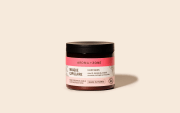
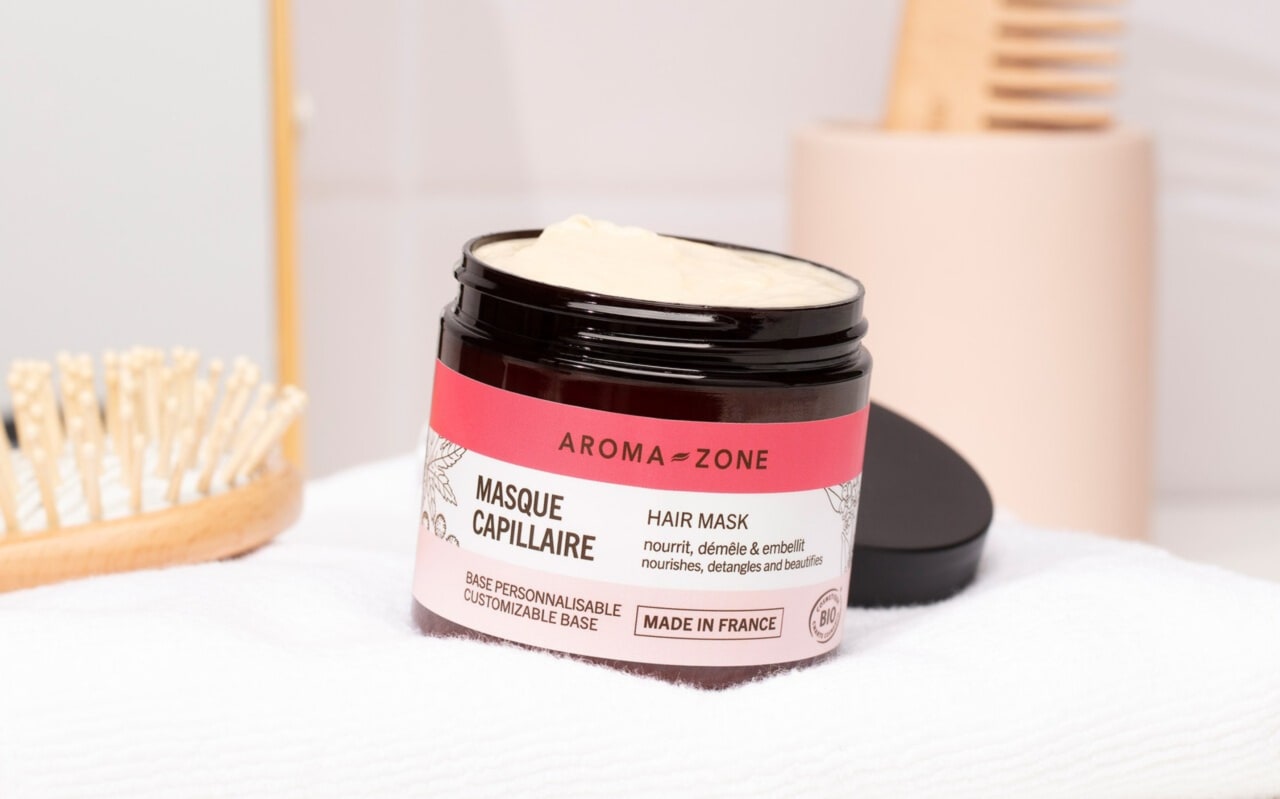
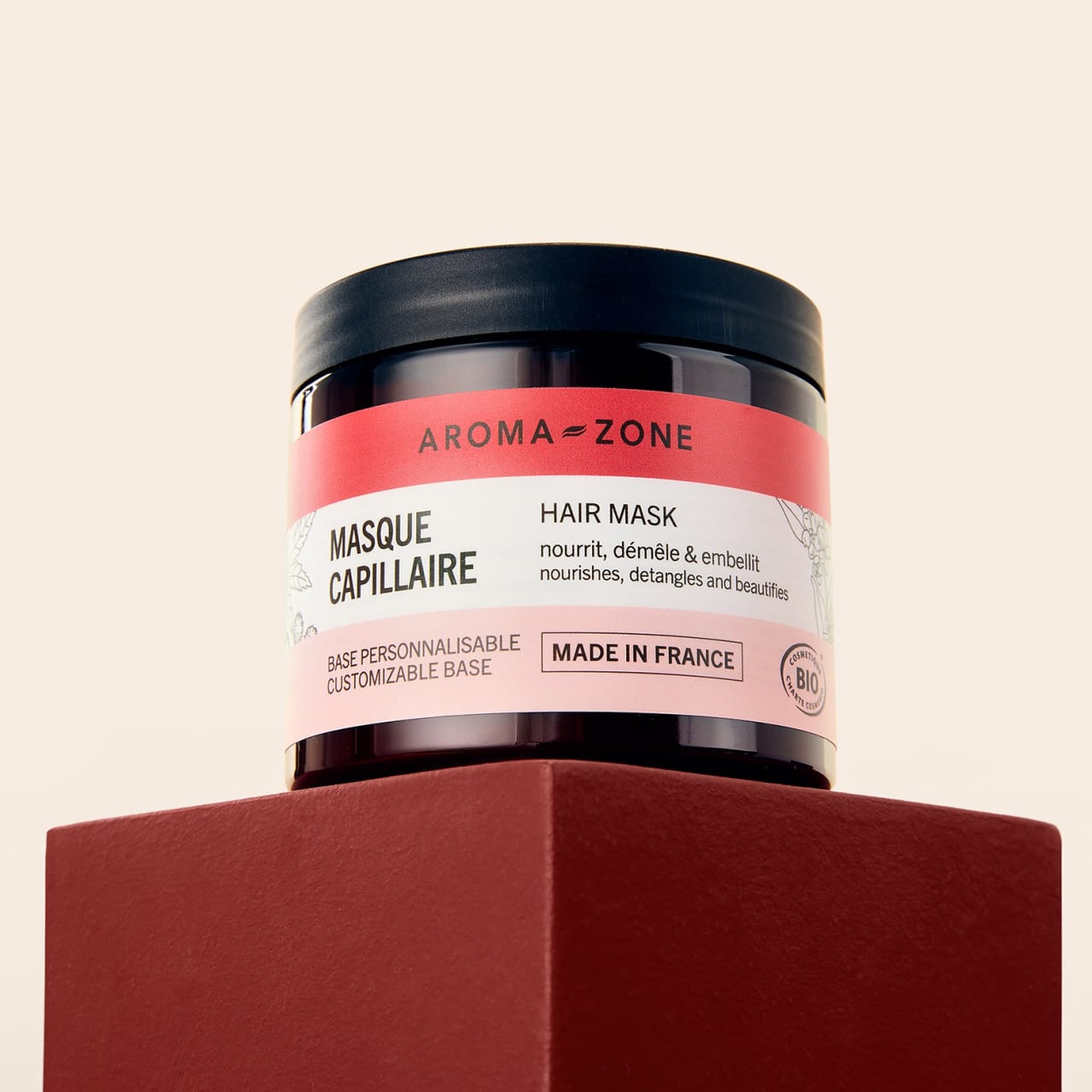
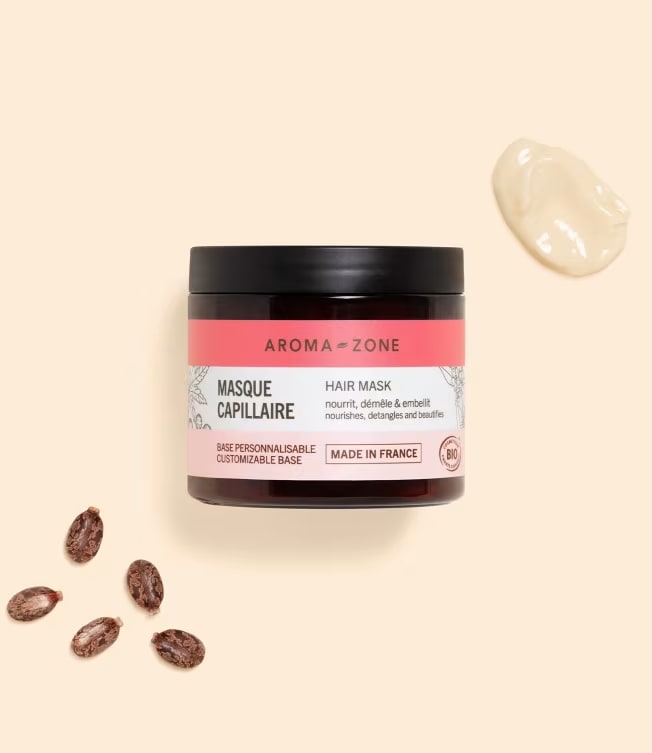
  3. Nourish your hair with the Hair Mask. Apply a generous amount of product to the lengths of your hair. Use a comb to distribute the formula. Leave on for 1 to 2 minutes for a conditioner. If you want a more intensive treatment, leave it on for 10 to 15 minutes before rinsing. Gently squeeze out excess water and let your hair air dry.

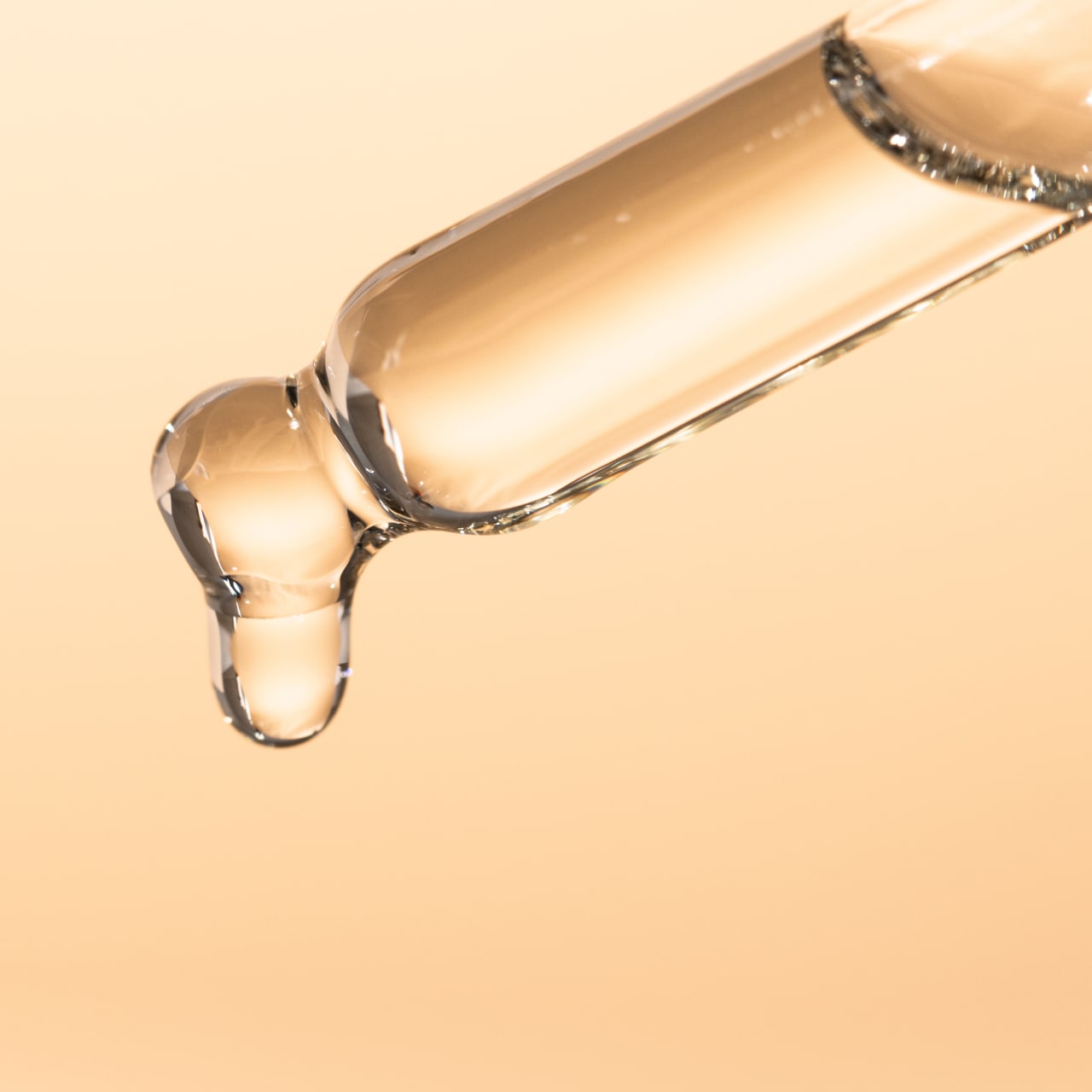
  4. Rehydrate and plump your hair with Hyaluronic Acid Serum. Just a few drops are enough to strengthen the hair fibre (especially the ends) against external aggressions. Reapply as often as necessary, using a small amount each time.

Our Mask Recipes for Dry to Very Dry Hair

Nourishing Hair Mask with Coconut & Castor Oils

Ingredients (without scales)

Preparation

1

Transfer the coconut and castor vegetable oils into the 200 ml organic neutral hair mask jar.

2

Mix.

3

It's ready!

Store your jar away from heat and light.

* Shelf Life: When stored properly and manufactured under optimal hygienic conditions, your product will last at least 3 months.

Nourishing Hair Mask for Sensitive Scalp

Ingredients (without scales)

Tip

Level off the mounds: to do this, run a spatula or the edge of a knife over the mound to remove any excess product.

Preparation

1

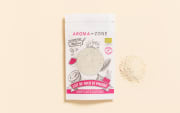
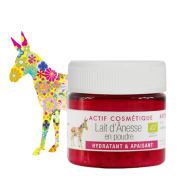
Place the coconut milk, donkey milk, and marshmallow powders in a bowl.

2

Gradually add warm water while stirring until you obtain a smooth, even paste.

* Storage: This preparation does not keep; use it immediately.

Precautions for Use

Some of the products mentioned in this guide may have specific precautions for use. Please take the time to consult our technical data sheets before using them.

If you wish to make a homemade recipe or customise one of our neutral bases, be sure to follow the recommended usage rates and dosages. When using a product for the first time, perform a patch test in the crease of your elbow. Monitor the area for any skin reaction over the following 48 hours.

Expert Advice

Your scalp naturally produces fat tailored to your hair: sebum. While oily hair tends to have too much of it, dehydrated or dry hair can lack it, and this is even more true for curly hair, since sebum travels less easily along a helical structure. The first nourishing treatment for your hair is, therefore, brushing! Several times a day, use a boar bristle brush to distribute this precious sebum from root to tip. Plant fibre alternatives (sisal, tampico and so on) are also available.

Learn More

Nourishing Egg Shampoo

This is probably one of the oldest shampoos in the world! The egg white contains saponins, naturally cleansing substances that give it washing properties. The yolk, meanwhile, is rich in monounsaturated fatty acids, proteins, vitamins (A, D, E and B vitamins), minerals and trace elements (such as selenium, phosphorus and zinc), and antioxidants (including lutein and zeaxanthin).

How to make it: Beat two eggs with 50–100 g of mineral water at room temperature. Apply the mixture evenly to previously wet hair. Massage your scalp thoroughly and leave it on for a few moments. Rinse thoroughly with cool or lukewarm water.

Important: Do not use hot water, as it may cause the egg to coagulate, making it much more difficult to rinse out.

Repairing Egg Yolk Mask

The yolk (vitellus) is the most beneficial part of the egg for nourishing dry hair. You can use it to make a quick nourishing mask for your hair. The advantage of this minimalist treatment is that it is very easy to customise (with active ingredients) or scent (with ready-to-use fragrances or essential oils). Some people also add yogurt!

How to make it Beat two egg yolks in a bowl. Massage the mixture into your damp hair, focusing on the lengths. Leave on for 20 minutes, then rinse. A traditional Moroccan Jewish recipe recommends adding a glass of fig alcohol (mahia) to maximize its benefits for dry hair.

How Can You Stop Your Hair Feeling Like Straw?

Hair that feels or looks like straw is usually a sign of dry or dehydrated hair. This happens when the hair cuticles become raised, often as a result of repeated stressors such as frequent washing, heat styling or harsh hair treatments. To restore softness, shine and manageability, it is important to replenish the hair's natural lipid barrier. The most effective ingredients for this purpose include ceramides, which help strengthen the hair fibre, as well as plant oils and vegetable butters, which provide deep nourishment and long-lasting protection.

What Can You Do for Dry Hair?

In addition to the advice above, make sure to avoid overly vigorous brushing and chemical treatments at the hairdresser. Space out hair washes as much as possible, using only gentle shampoos and occasionally alternating with a no-poo routine.

Focus on Our Writer, Hélène Betoux

Hélène Betoux is a French beauty journalist specialising in web media. Every day she writes tips, advice and guides to help consumers choose the right beauty products. With a strong interest in natural, organic and clean cosmetics, she analyses and shares trends and innovations in the sector.

Bibliography

1

Audrey Davis-Sivasothy.

The Science of Black Hair. Saja Publishing, 2011.

2

Ghabha Djouder.

Secrets de beauté d’Orient (Beauty Secrets of the Orient). Flammarion, 2006.

3

Yasmine Rimouche. Hair products and advice at the pharmacy.

Claude Bernard University Lyon I, Faculty of Pharmacy, 2013.