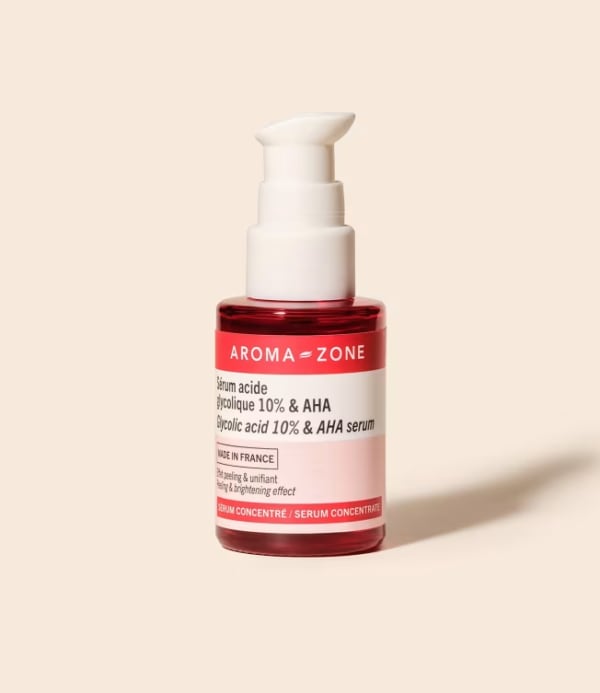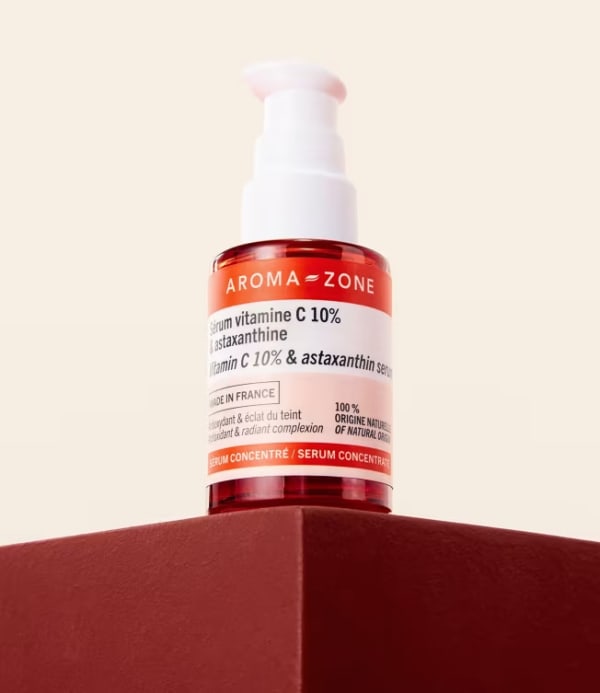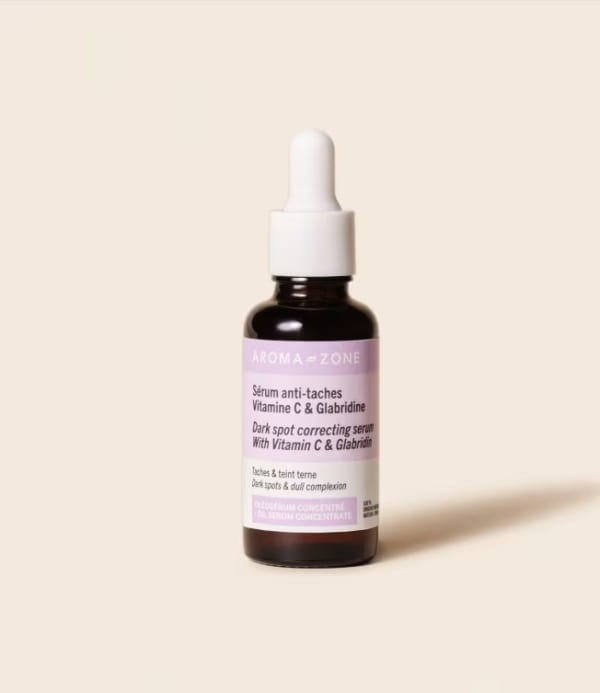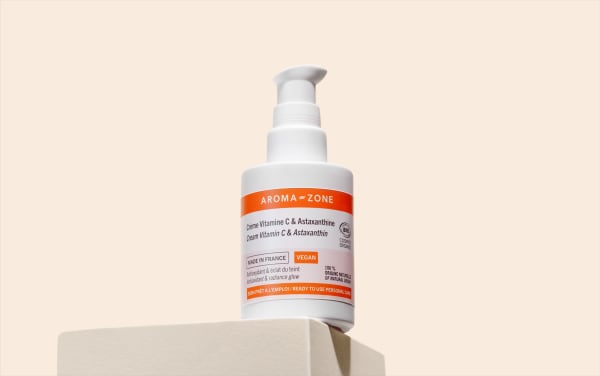
Far from being an isolated aesthetic factor, skin radiance depends on several structural and biological factors. Dermatological studies show that radiant skin combines strong specular reflection (the skin’s surface reflects light effectively) with good light diffusion (light travels harmoniously through the lower layers of the epidermis and into the dermis before being reflected back to the skin’s surface) (1).
This subtle balance between reflection and diffusion stems from several factors:
The quality of the skin’s micro-relief: the finer and more even the skin texture, the more the skin’s surface reflects light
The evenness of the complexion: the absence of brown or white patches enhances the perceived radiance
Skin hydration: the water present in the tissues alters the refractive indices of light, hence its key role in optical transparency and light diffusion
The quality of the dermis: the denser the collagen fibres, the more organised the dermal structure and the more effectively light is diffused towards the surface (2)
The distribution of radiance: evenly distributed sebum (without localised excess, particularly in the T-zone) gives the face a more youthful and radiant appearance (3)
Vascular function: skin that receives sufficient oxygen and nutrients via microcirculation has a more ‘vibrant’ and radiant complexion.
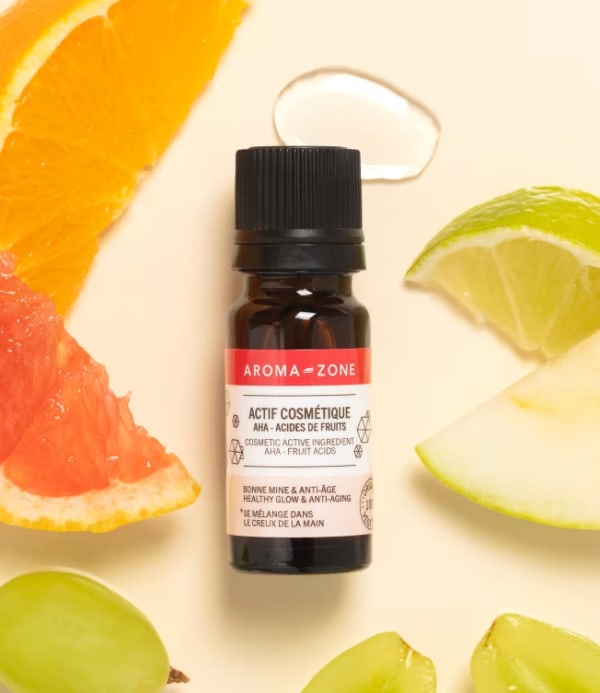
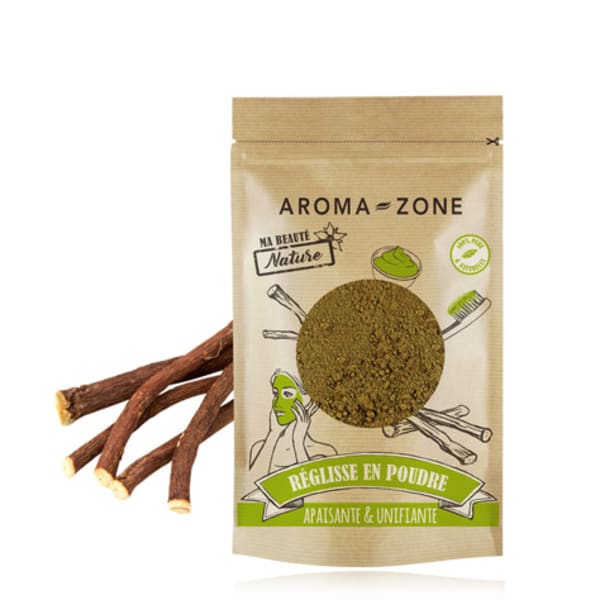
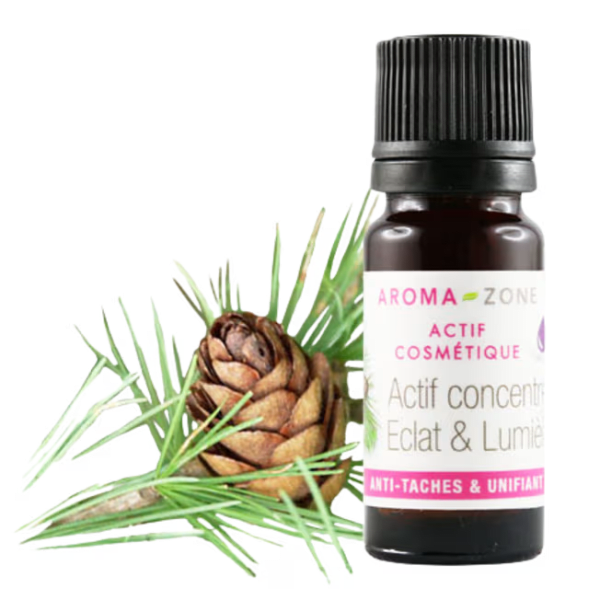
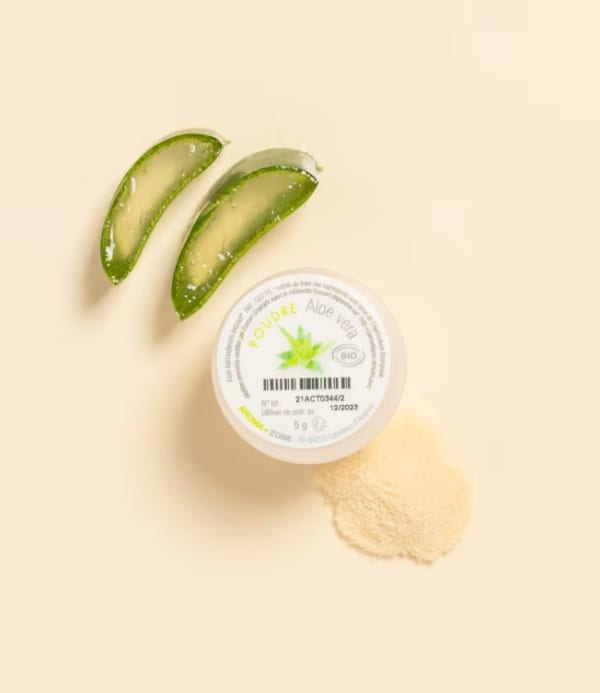
All natural active ingredients that are truly capable of maintaining the skin’s natural radiance are those that can improve these six factors.