What Are the 3 Fruits to Avoid During Pregnancy?

What Are the 3 Fruits to Avoid During Pregnancy?


By Louise Hourcade

Published on: Tuesday, August 26, 2025, Updated on: Friday, October 30, 2026

Pregnancy changes our relationship with food: every bite becomes a choice for two. Between new cravings and heightened caution, certain fruits—though natural—can pose risks. Their consumption, which is sometimes harmless outside of pregnancy, raises questions about safety and well-being. So, how can you navigate this without stress? Let’s take a look together at the fruits to avoid, and above all, the healthy alternatives for a balanced and stress-free diet.

Contents

Related products

Why should certain foods be avoided during pregnancy?

Pregnancy makes the body more vulnerable to certain infections and nutritional imbalances. Germs like Listeria or Toxoplasma, found in raw or poorly washed foods, can have serious consequences. Some foods also contain substances to watch out for: excessive caffeine, high levels of vitamin A, or heavy metals in certain fish.

This is why dietary vigilance is essential—not to impose excessive restrictions, but to reduce risks as the progression of pregnancy and to prioritise a protective, varied diet that supports the well-being of both the mother and the unborn child.

Why should you be careful with certain fruits during pregnancy?

Fruits are naturally associated with health. Rich in fibre, vitamins, and antioxidants, they contribute to the expectant mother’s balanced diet. However, pregnancy is a time when the body becomes more sensitive, and when excesses or certain compounds can have an impact. Behind this “100% beneficial” image, here are the main points to watch out for:

  • Excess sugar: Very sweet fruits, such as grapes, figs, or mangoes, contain high levels of glucose and fructose. This natural sugar is generally well-tolerated, but during pregnancy, it can contribute to blood sugar imbalances and increase the risk of gestational diabetes. In addition, eating very sweet fruits too often can lead to excessive weight gain, which can sometimes be difficult to control.

  • Effect on digestion: Pregnancy already alters digestive function, often leading to bloating or frequent constipation. Certain fruits, rich in insoluble fibre or active digestive enzymes (such as prunes or papaya), can strongly stimulate bowel movements. In small amounts, this is beneficial, but an excess can cause intestinal contractions and increase discomfort.

  • Natural active substances: Some exotic fruits contain enzymes or irritating compounds. Green papaya, for example, contains papain, an enzyme that may stimulate uterine contractions. Pineapple, especially when very ripe, contains bromelain, an enzyme that thins the blood and can sometimes irritate the digestive lining.

  • Risk of contamination: Raw fruits, when poorly washed or stored, can transmit bacteria (Salmonella, Listeria) or parasites (Toxoplasma). Even though the risk remains low, the consequences can be significant during pregnancy. Hence the importance of thorough washing, careful peeling, and refrigeration.

  • Pesticide residues: Certain delicate fruits eaten with the skin—such as strawberries, apples, or grapes—tend to accumulate higher levels of chemical residues. Chronic exposure, even at low doses, should be minimised during pregnancy. Choosing organically grown fruits can significantly reduce this risk.

Fruits remain our daily allies. But getting to know them better means learning to enjoy their benefits without any drawbacks, by prioritising those that truly support the well-being of both mother and baby.

What are the 3 fruits most strongly discouraged for pregnant women?

When we talk about the 3 fruits to avoid during pregnancy, the main goal is to prevent certain digestive or metabolic discomforts, or even to rule out infection risks. These recommendations aren’t meant to make you feel guilty, but to guide you toward safer choices that respect the well-being of both mom and baby. Here are the 3 fruits that regularly come up in safety advice.

Papaya (especially green)

Unripe papaya contains an enzyme called papain, which is sometimes used as a meat tenderiser. This substance can stimulate uterine contractions and cause digestive issues. Additionally, its latex, rich in active compounds, can be irritating to the stomach. When eaten ripe and properly prepared, papaya is generally safe, but the unripe variety should be avoided during pregnancy, especially in the early stages.

Pineapple (in large quantities)

Fresh pineapple is rich in bromelain, an enzyme that thins the blood and can irritate the digestive lining. In high doses, it increases stomach acidity and stimulates digestion, which is often already disrupted in pregnant women. An occasional small piece of pineapple is not a problem, but regular or excessive consumption is not recommended.

Grapes

Grapes, whether white or black, are high in simple sugars and can thus disrupt blood sugar levels. When eaten frequently, they promote weight gain and increase the risk of gestational diabetes. Additionally, their thin skin accumulates more pesticide residues when they are not organically grown. It is therefore best to limit them during pregnancy or choose them in small quantities, always well-washed and, if possible, organic.


What are the possible side effects associated with these fruits?

When we talk about the 3 fruits to avoid during pregnancy, these aren’t just arbitrary restrictions. Each one can cause certain digestive or metabolic issues, which vary in severity depending on each pregnant woman’s sensitivity. Here are the most commonly observed side effects:

  • Diarrhoea: Caused in particular by fruits high in fibre or active enzymes (such as green papaya or excessive pineapple), it can lead to dehydration and increase fatigue.

  • Abdominal cramps: A result of excessive stimulation of intestinal transit, they disrupt digestive comfort already compromised by pregnancy.

  • Heartburn and acid reflux: Due to its natural acidity and bromelain, pineapple can exacerbate acid reflux, which is common during the third trimester.

  • Bloating and digestive discomfort: Excess fibre or fermentable sugars (found, for example, in grapes) promote gas production, which increases feelings of heaviness.

  • Excessive weight gain: Certain fruits high in simple sugars, such as grapes or figs, can contribute to rapid weight gain if consumed without moderation.

  • Blood sugar imbalance: Linked to these same simple sugars, it increases the risk of gestational diabetes and requires special vigilance in women who are predisposed.

  • Irritation of the digestive tract lining: Certain active compounds (bromelain, papain) are irritating and can increase intestinal or gastric sensitivity.

  • Risk of infection: Common to all poorly washed raw fruits, this risk includes toxoplasmosis, listeriosis, and salmonellosis. These are rare but potentially serious infections, hence the importance of washing and peeling.

In summary, these side effects do not occur systematically: they depend on the amount consumed, individual tolerance, and the context. Being aware of these risks simply helps you better understand why certain foods are among the 3 fruits to avoid during pregnancy, and to adapt your diet with discernment.

Are there safe alternatives to eat instead?

Fortunately, most fruits are perfectly safe to eat during pregnancy. To add variety to your diet and minimise discomfort, here are some safe and delicious alternatives to enjoy in salads, smoothies, or compotes:

  • Organic apples and pears: Rich in gentle fibre, they regulate digestion and provide steady energy.

  • Bananas: Ideal for curbing cravings, they support nervous system balance thanks to their potassium and magnesium.

  • Berries (strawberries, raspberries, blueberries): Packed with antioxidants and vitamin C, perfect for boosting immunity.

  • Citrus fruits (oranges, clementines, grapefruit): Hydrating, rich in vitamin C and soluble fibre.

  • Peaches and nectarines (if ripe and organic): Juicy, easy to digest, provide soluble fibre and beta-carotene.

  • Melon and watermelon: Highly hydrating, rich in water and minerals, perfect for relieving that heavy feeling and preventing summer dehydration.

  • Organic dried fruits (apricots, dates, figs): Energy-boosting and remineralising, dried fruits should be eaten in small amounts to avoid excess sugar.

With these choices, the expectant mother can continue to enjoy fruit while looking after her own well-being and that of her baby.

How can you incorporate the right fruits into a balanced diet during pregnancy?

The key is not only choosing the right fruits, but also knowing how to incorporate them into a varied eating routine that’s tailored to pregnancy. A few simple guidelines:

  • Prioritise quality: Choose organic, seasonal, and well-washed fruits. This limits exposure to pesticides and maximises nutritional benefits.

  • Stick to portion sizes: Two to three servings of fruit per day provide a good balance during pregnancy. The idea isn’t to eat fruit at every meal, but to spread it out between breakfast, a snack, or an afternoon treat. This approach provides steady energy throughout the day without causing blood sugar spikes that tire the body and lead to cravings.

  • Vary the colours: Each colour corresponds to a family of antioxidants (vitamin C in citrus fruits, carotenoids in apricots, anthocyanins in berries). By alternating, you meet more of your essential needs.

  • Adapt the forms: Eating fresh fruit naturally provides fibre, which is essential for supporting digestion and maintaining satiety. When cooked or made into compote, fruits are gentler on the stomach and easier to digest. When made into homemade smoothies, they combine hydration, flavor, and quick energy, while allowing you to mix several fruits into a single colourful and delicious treat.

  • Smart Pairing: Combine fruits with sources of protein or healthy fats to stabilise blood sugar levels. For example, a banana with a handful of almonds, apple slices with plain yogurt, or berries in oatmeal. These combinations slow down sugar absorption and provide sustained energy.

These simple steps help turn fruits into true allies for well-being, perfectly integrated into a balanced diet that meets the needs of both the expectant mother and her baby.

What foods are off-limits at the beginning and throughout pregnancy?

Here is a list of foods to avoid during pregnancy.

Raw or undercooked meat

  • Examples: carpaccio, tartare, raw deli meats (raw ham, sausage).

  • Risk: toxoplasmosis (if the pregnant woman is not immune) and listeriosis, two infections that are dangerous for the fetus.

Raw or smoked fish

  • Examples: sushi, sashimi, fish carpaccio, smoked salmon, herring, tarama.

  • Risk: contamination with Listeria or parasites (Anisakis).

Raw seafood

  • Examples: oysters, mussels, clams, raw shellfish.

  • Risk: high risk of bacterial or viral contamination (hepatitis A, norovirus).

Raw-milk cheeses and soft cheeses

  • Examples: Camembert, Brie, Roquefort, Munster, raw-milk goat cheese.

  • Risk: listeriosis, as these cheeses promote the growth of pathogenic bacteria.

  • Exception: cooked (Emmental, Comté, Parmesan) or pasteurised cheeses are safe.

Raw or undercooked eggs

  • Examples: homemade mayonnaise, chocolate mousse, tiramisu, soft-boiled eggs.

  • Risk: salmonellosis, which can cause severe diarrhoea, fever, and dehydration.

Liver and foods rich in animal-derived vitamin A

  • Examples: veal liver, liver pâtés, cod liver oil.

  • Risk: excess vitamin A, which is toxic to embryonic development (birth defects).

Alcohol

  • Regardless of the amount (even a small glass of champagne).

  • Risk: fetal alcohol syndrome (irreversible damage to brain and physical development).

Certain beverages and stimulants

  • Excess caffeine (coffee, tea, energy drinks, cola).

  • Risk: palpitations, insomnia, miscarriage, or fetal growth restriction if consumed in excess (>200 mg/day).

Unwashed or soiled produce

  • Examples: poorly washed raw vegetables, unwashed bagged salads, fresh herbs.

  • Risk: toxoplasmosis and listeriosis if traces of soil or contaminated water remain.

Raw seed sprouts

  • Examples: alfalfa sprouts, soybean sprouts, watercress sprouts.

  • Risk: they are highly susceptible to bacterial contamination (salmonella, E. coli).

In addition to fruits: a focus on our dietary supplements

In addition to making good fruit choices, certain plants and microalgae can support the health of the expectant mother. Here are two well-known examples:

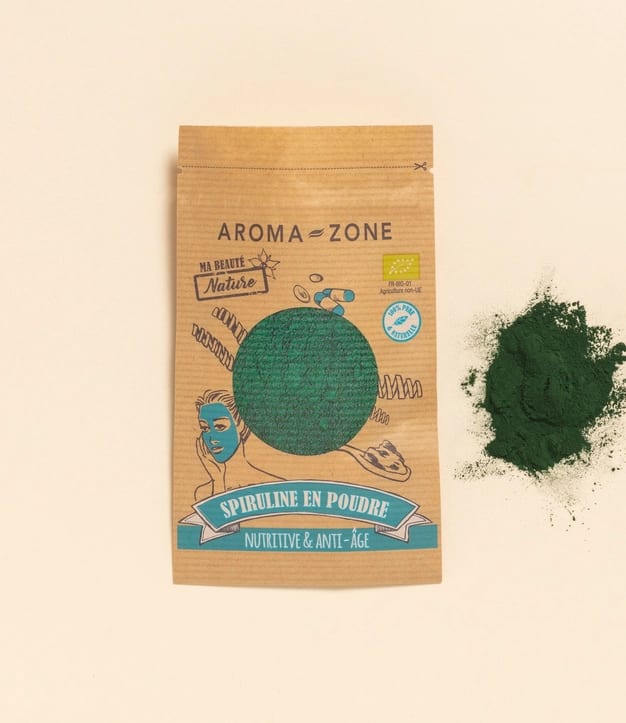
Spirulina During Pregnancy

Spirulina is a microalgae rich in protein, iron, zinc, magnesium, and vitamin B12. It also provides calcium and phosphorus, which are essential for the development of the fetus’s skeleton. Its iron content is particularly beneficial, as it helps prevent anemia—a common condition during pregnancy—while being easily absorbed and better tolerated than some traditional sources. Spirulina also supports vitality, promotes hair growth, and may aid in lactation after childbirth. It is best consumed in powder form, mixed into yogurt or a smoothie, starting gradually (1 g per day) and then increasing as needed. Before taking any supplements, it is recommended to consult a healthcare professional.

Discover Organic Spirulina Marine Active Ingredient
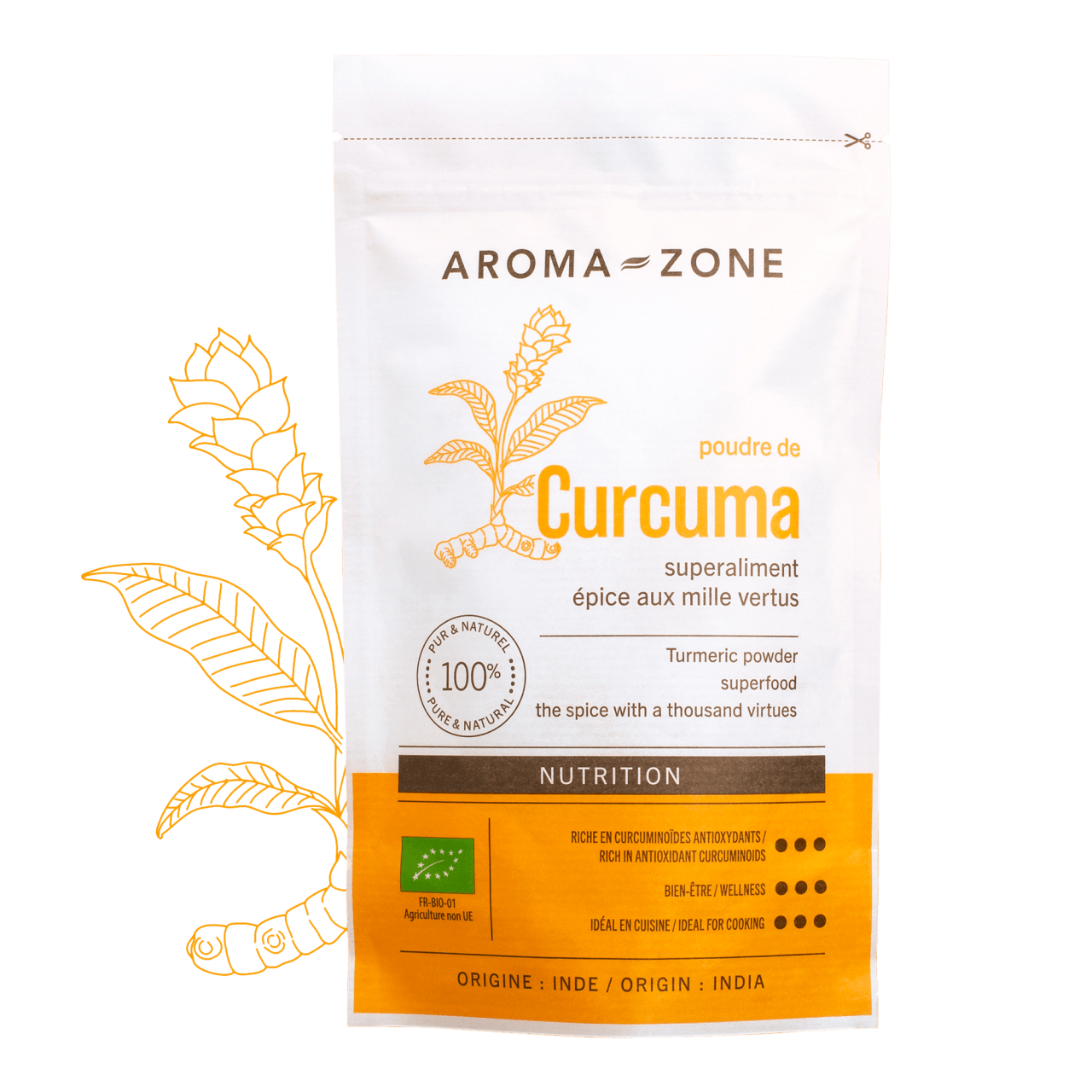
curcuma

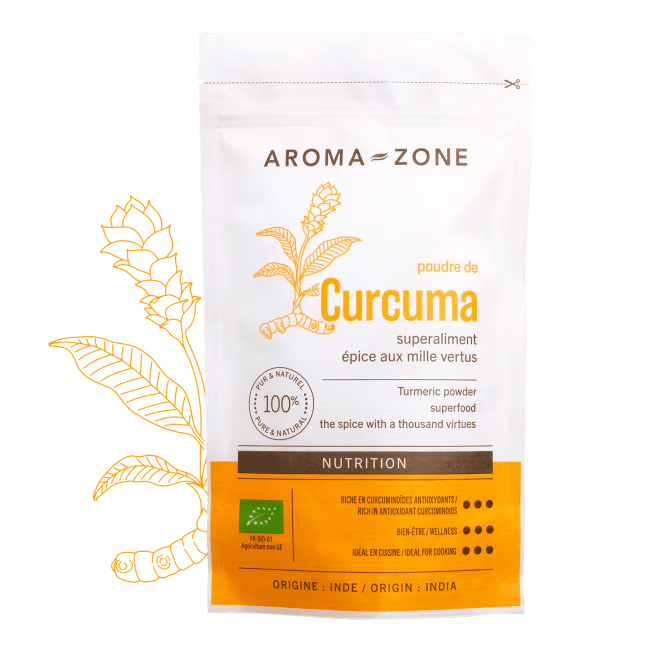
Turmeric During Pregnancy

Turmeric is a root known for its antioxidant and soothing properties. While curcumin-concentrated capsules are prohibited during pregnancy, using it in food remains safe and beneficial. In small doses (up to 1 teaspoon, not daily), it can help relieve first-trimester nausea and reduce heartburn caused by acid reflux. It easily blends into dishes or drinks like “golden milk,” a comforting beverage made with milk, turmeric, and mild spices. For a delicious treat, prepare golden milk by gently heating a cup of milk (plant-based or dairy) with a teaspoon of turmeric, honey, a pinch of ginger, pepper, cinnamon, and a teaspoon of coconut oil.

Discover Organic Turmeric Powder

Our recipes for taking care of yourself during pregnancy

Contraindications / Precautions:

  • Check the quality and origin of the fruit: Choose organic, seasonal, and well-washed fruit to minimise chemical and microbiological residues.

  • Avoid overconsumption and prioritize variety: Vary the colours and types of fruit to benefit from their nutritional value, while avoiding excessive consumption of any single type.

  • Seek advice from a healthcare professional: In cases of diabetes, allergies, or a sensitive constitution, adjust your dietary choices with appropriate monitoring.

Expert Advice

What I always remind expectant mothers is the importance of staying calm about food. Too many rules or restrictions create unnecessary guilt. Yet a balanced pregnancy relies above all on the variety and freshness of foods. Fruits, when chosen organic, thoroughly washed, and eaten in moderation, remain valuable allies for energy, digestion, and immunity. The key is to listen to your body, respect your own rhythm, and prioritise enjoyment at mealtime, because that’s what also nourishes the baby’s well-being.

Spotlight on Our Writer: Louise Hourcade

After graduating from ESCP Business School in 2020, Louise began her career as a writer in 2021. Today, she writes a newsletter where she shares cultural recommendations and more personal articles, such as dating apps, therapy, and career guidance. She also writes for media outlets, brands and agencies on subjects such as well-being, mental health, culture, and society.

Bibliography

  1. EFSA Panel on Nutrition, "Scientific Opinion on Dietary Reference Values for carbohydrates and dietary fiber"

    EFSA Journal, 2010.

  2. Piccoli GB, Clari R., et al. "Type 1 Diabetes and Pregnancy: Challenges and Opportunities"

    Nutrients, 2020.

  3. K. Mahan, S. Escott-Stump, "Krause’s Food & the Nutrition Care Process"

    Elsevier, 14th edition, 2017.

  4. WHO, "Healthy diet during pregnancy and breastfeeding"

    World Health Organization, 2021.

  5. Tisserand R., Young R., Essential Oil Safety, 2nd edition

    Churchill Livingstone, 2014 (for the regulatory approach to plants and natural extracts).

Frequently Asked Questions

Frequently Asked Questions