TYPE OF EXTRACT | Key characteristics |
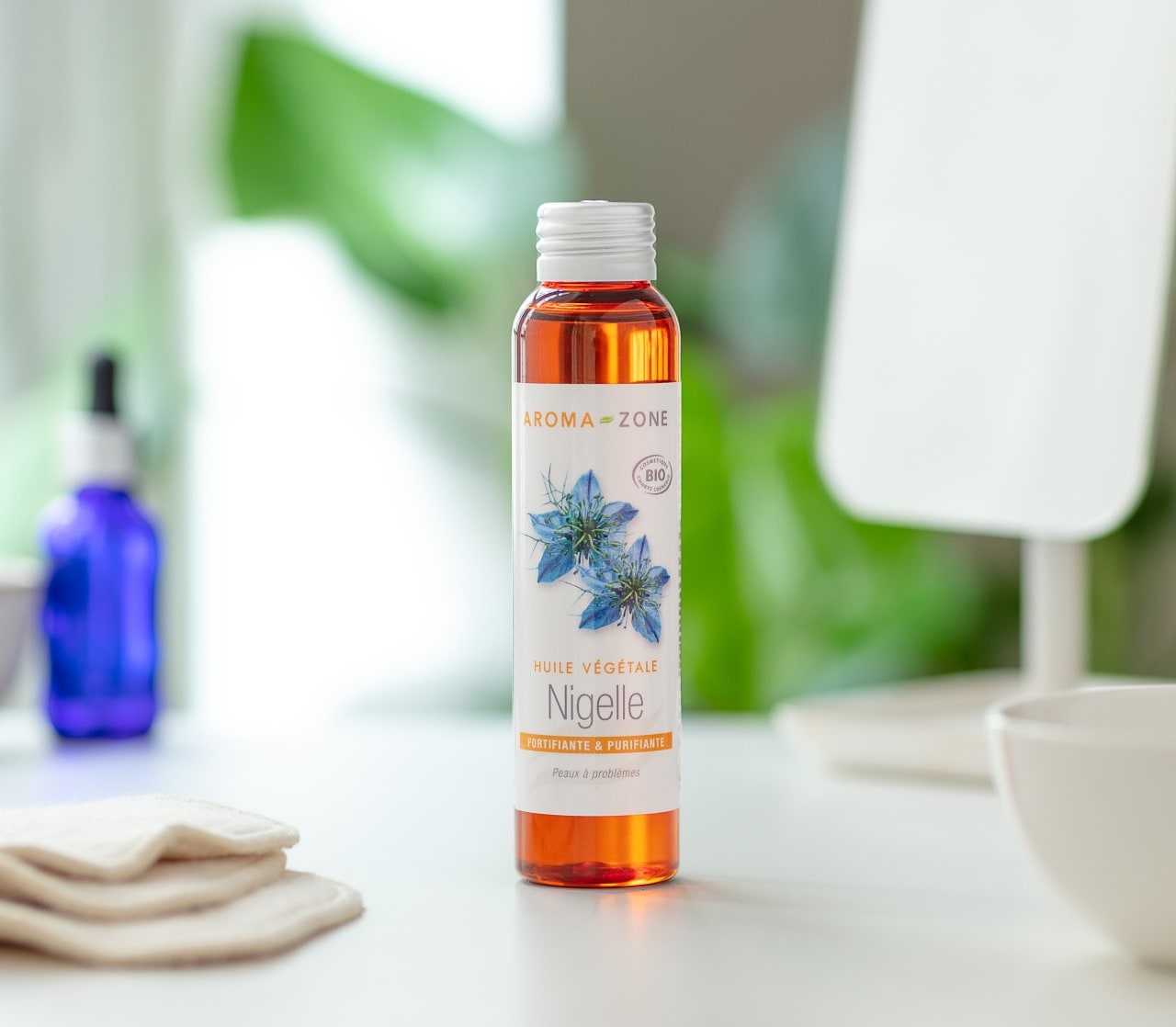
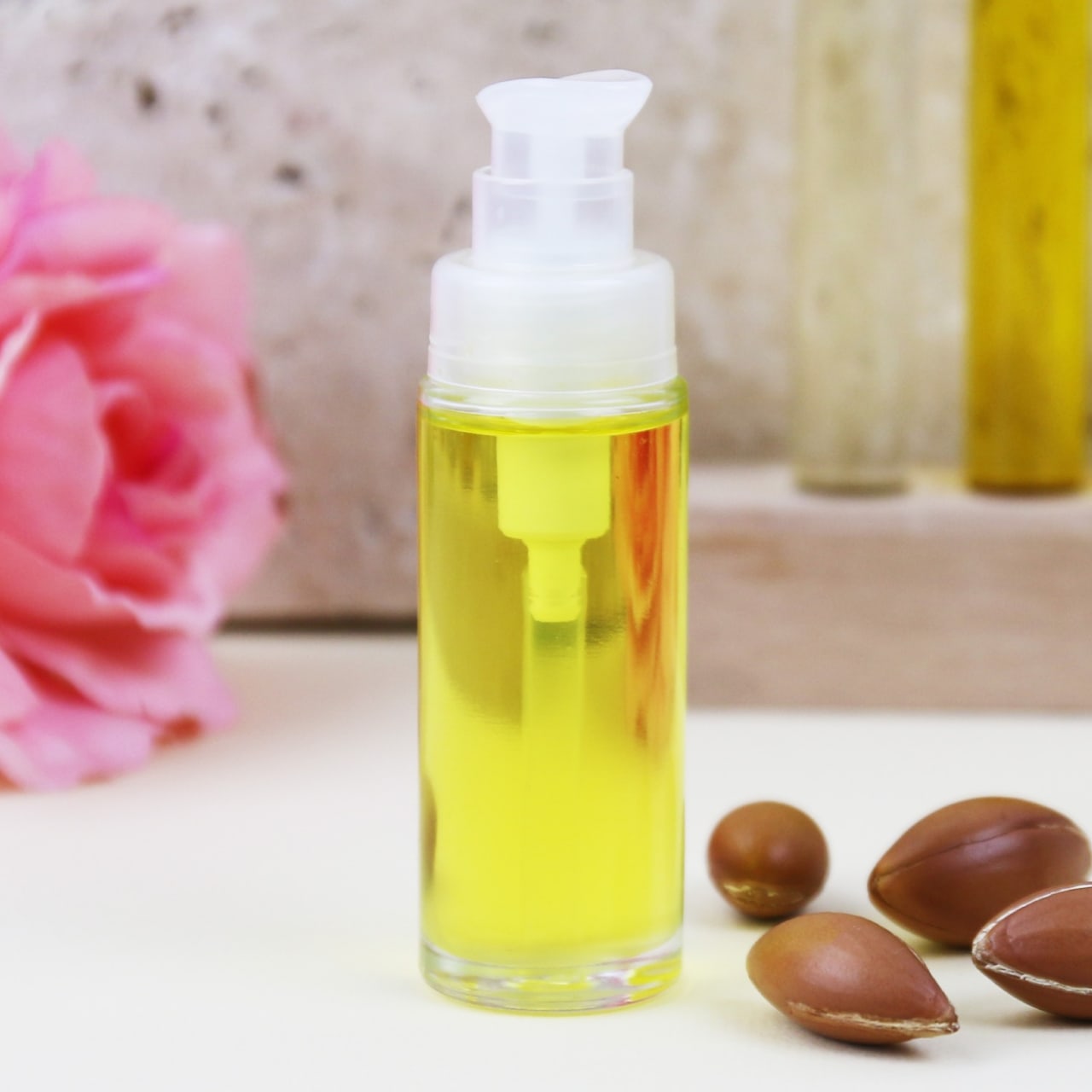
VEGETABLE OIL | Derived from lipid-rich seeds or fruits, generally obtained by cold pressing. Mainly composed of triglycerides (fatty acids and glycerol). Can be fluid or thicker depending on its composition (saturated or unsaturated fatty acids). Also contains active compounds (vitamin E, carotenoids, phytosterols) that help protect the skin barrier. |
HYDROSOL | Water obtained from the distillation of plants. Contains a low concentration of water-soluble aromatic compounds. Less concentrated than essential oils. |
Using plant oils and hydrosols alone on the skin: is it possible? Ask-Aroma-Zone
By Lou Dumas
Published on: Tuesday, May 05, 2026, Updated on: Monday, October 12, 2026
In a minimalist skincare routine, certain plant-based ingredients can sometimes be sufficient on their own. Plant oils and hydrosols are among the most commonly used bases in natural cosmetics due to their ease of use and their affinity with the skin. But can they really be used undiluted? And more importantly, is this always the best solution for the skin on a daily basis? Let’s take a closer look together.
Contents
Related products
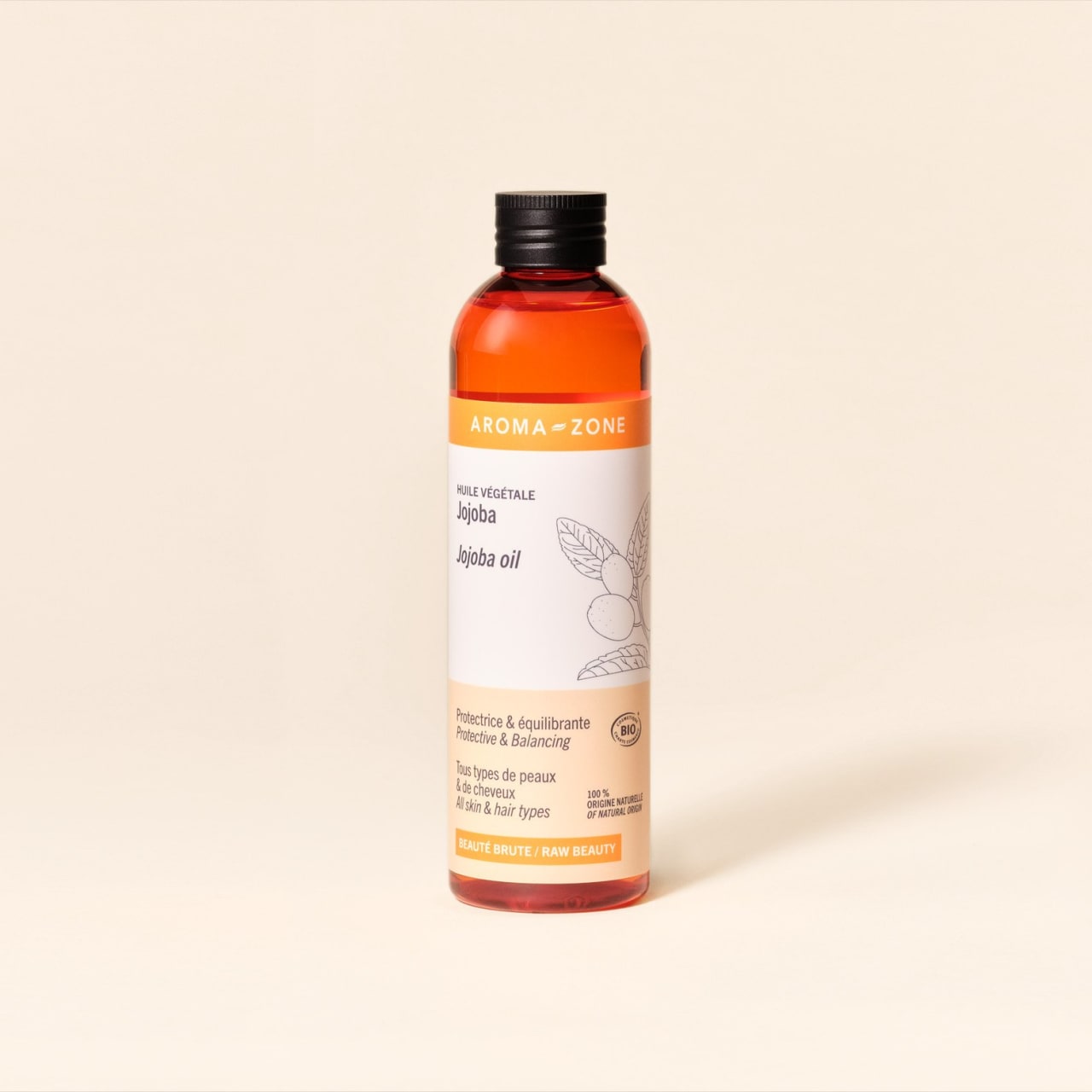
Organic Jojoba Oil
Protective
Purifying
£16.50
250 ml
2 options
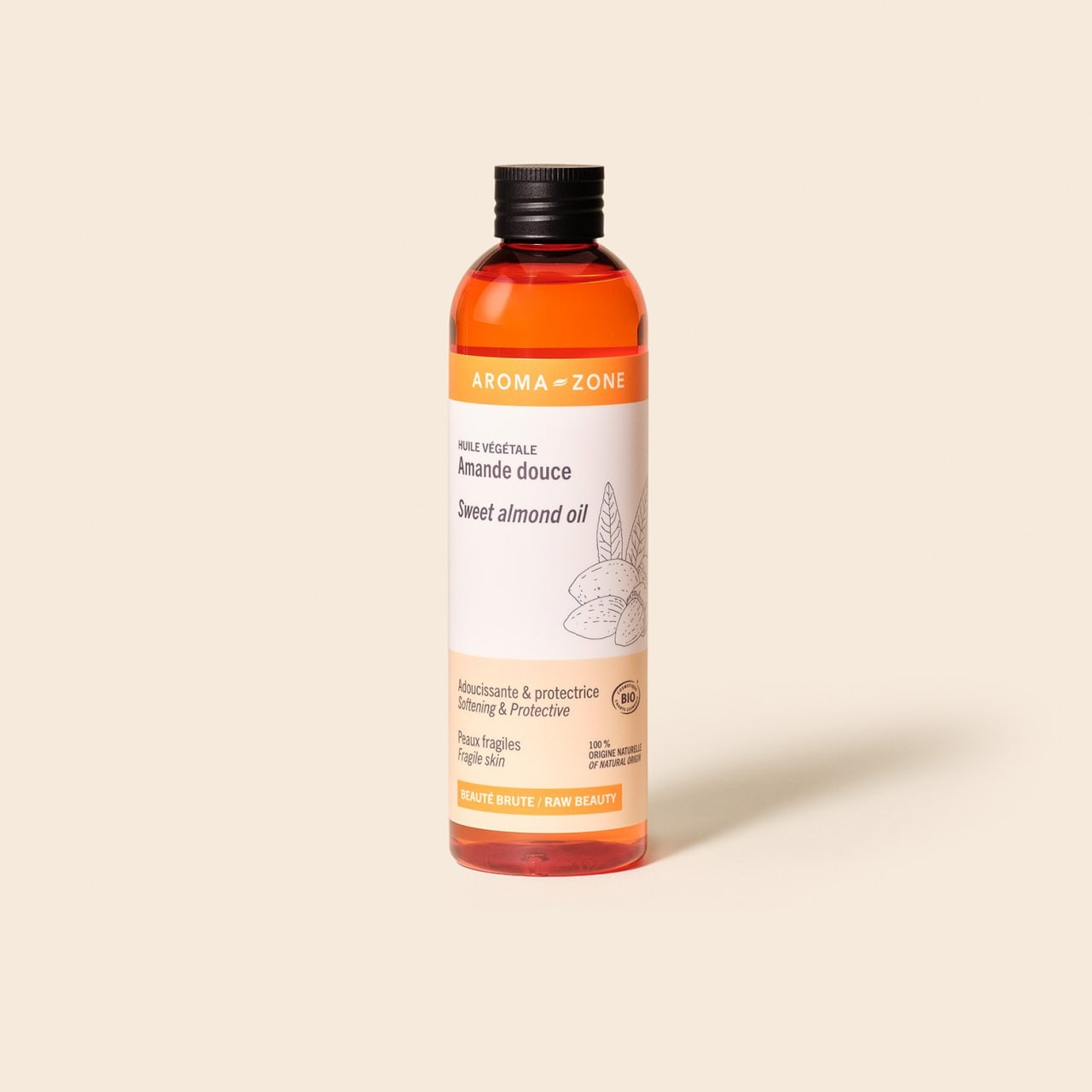
Organic Sweet Almond Oil
Protective
£13.00
250 ml
2 options
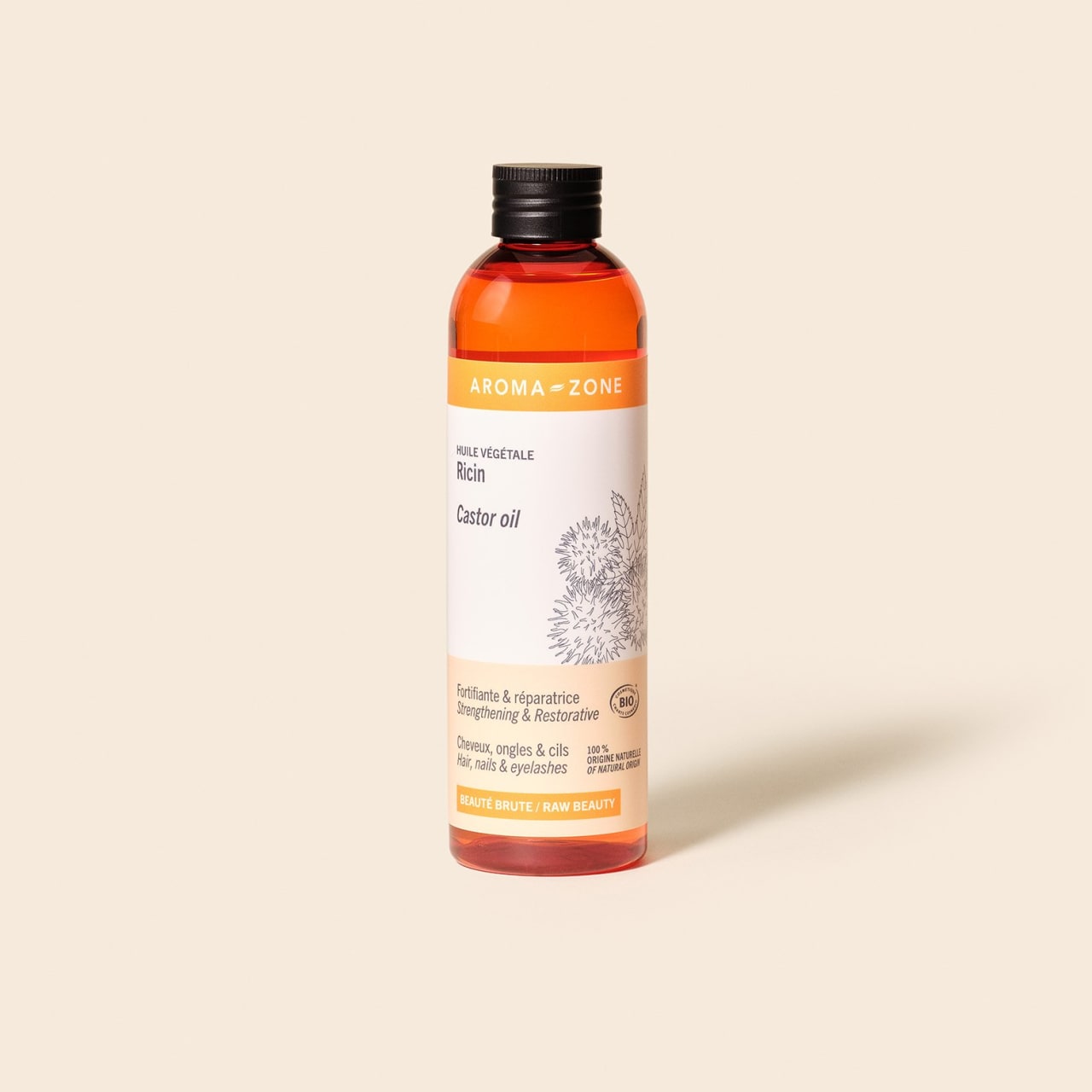
Organic Castor Oil
Repairing
£7.50
250 ml
2 options
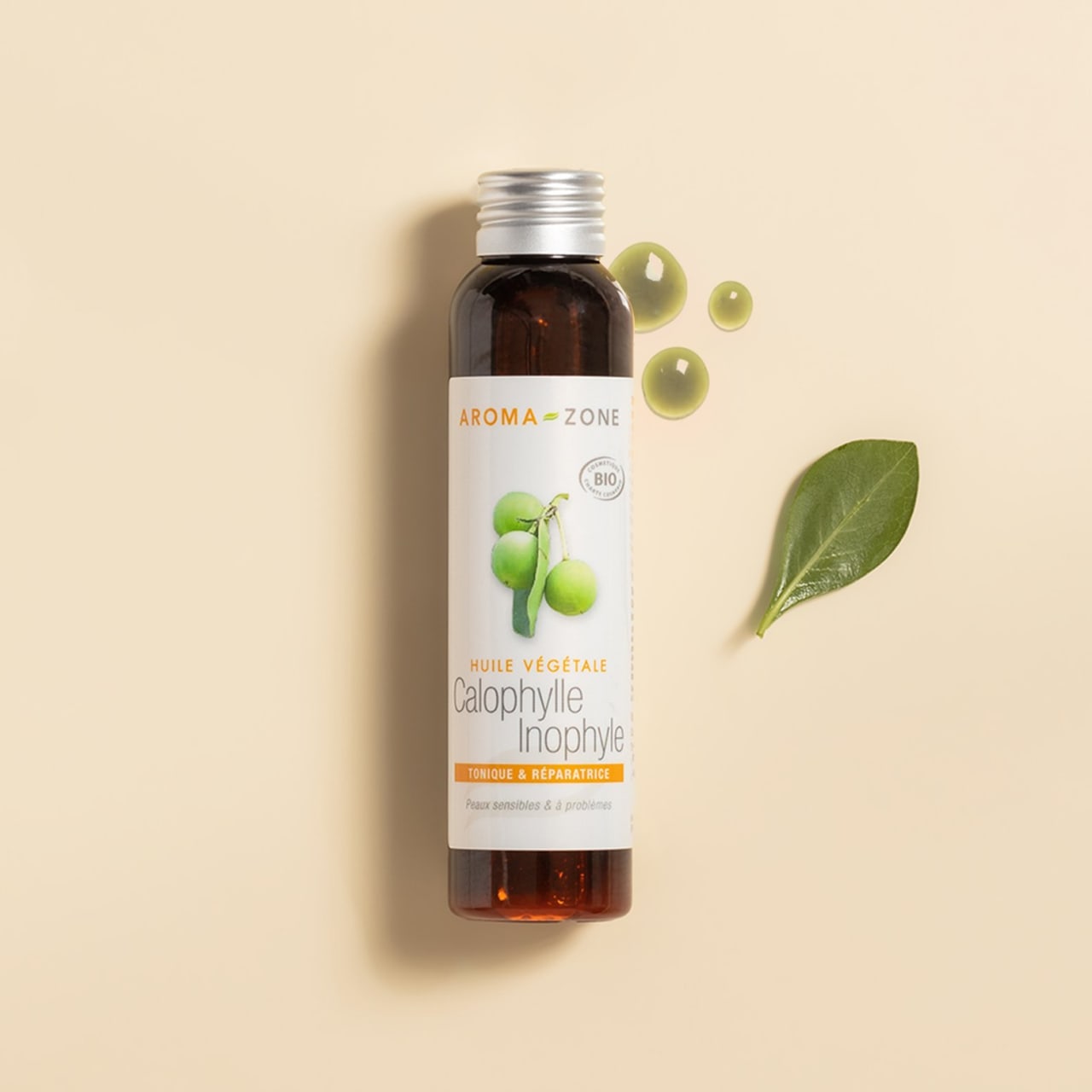
Organic Tamanu Oil
Circulatory
Soothing
£7.00
100 ml
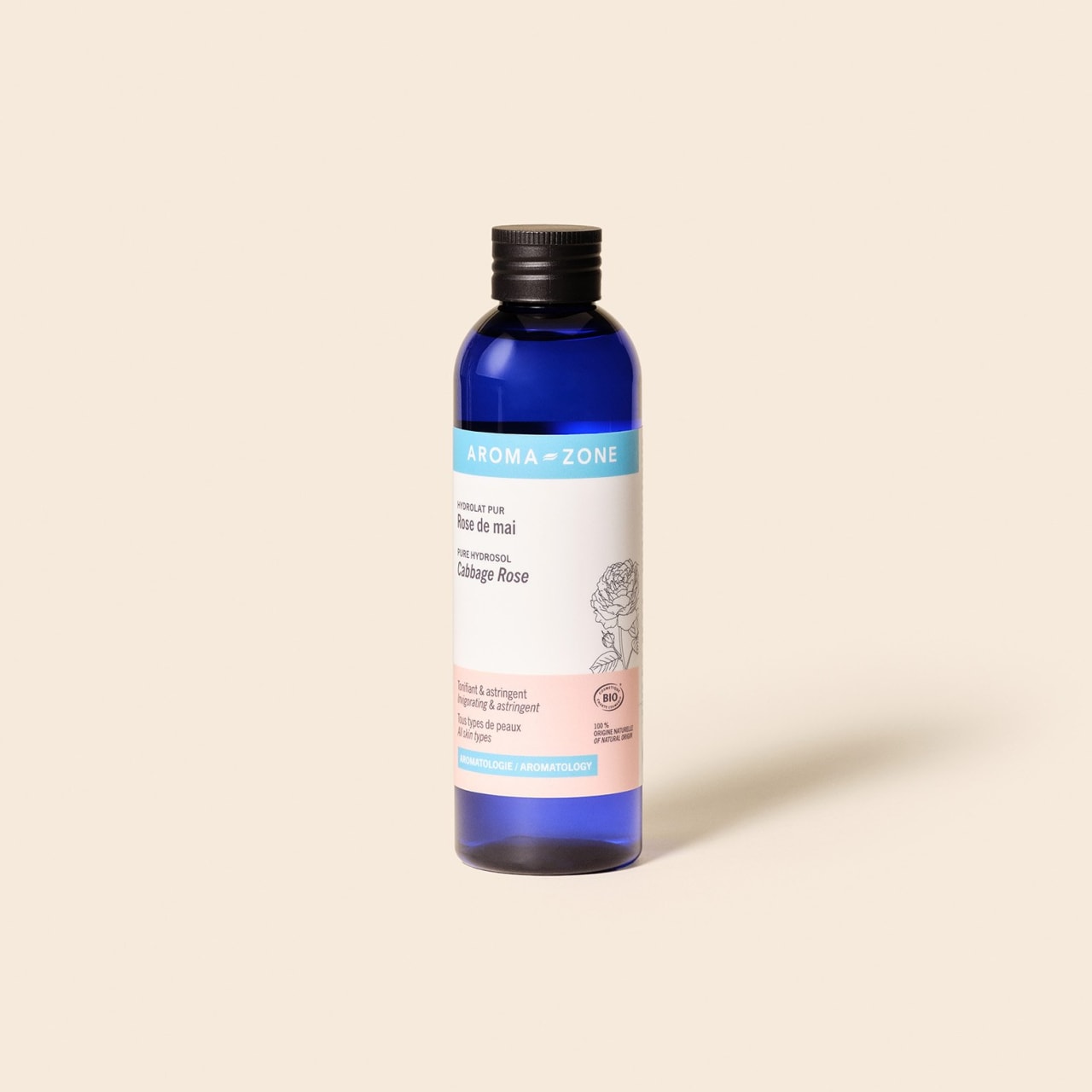
Organic Rose de Mai Hydrosol
Purifying
Soothing
£8.50
200 ml
In brief
In short:
At Aroma-Zone, most plant oils and hydrosols are positioned as cosmetic ingredients to be combined in personalized recipes or routines.
Combining several plant oils or hydrosols often results in a more comfortable, more sensory routine that is 100% tailored to the skin’s needs.
These plant extracts at a glance
Key characteristics
What is the difference between a hydrosol and a floral water for skin care?
In practice, a floral water is the same type of product as a hydrosol; the term is often used when the distilled plant is a flower. In some cases, the term “floral water” can also refer to a reconstituted scented water, without distillation, which implies a different composition. For skin use, it is therefore best to verify that it is indeed a pure hydrosol, obtained through distillation.
Which plant oils can be applied undiluted for skincare?
In the Aroma-Zone catalog, oil blends are prioritized to achieve a more balanced texture and enhanced sensory experience.
The composition of plant oils, rich in triglycerides and fatty acids, gives them a strong affinity with skin lipids. They thus help strengthen the hydrolipidic film and limit transepidermal water loss (TEWL) (2). More specifically, certain oils have beneficial effects on the skin’s barrier function and inflammatory processes, depending on their fatty acid profile (omega-3, omega-6, saturated, or monounsaturated fatty acids) (2,3).
At Aroma-Zone, most plant oils are sold as cosmetic ingredients intended for use in personalized recipes or routines. This regulatory positioning allows us to highlight their synergistic benefits, particularly for:
Adjusting texture and feel on the skin
Combining different fatty acid profiles
Improving absorption or application comfort
Tailoring the skincare product to different skin needs.
Our selection of plant oils to use in combination
Organic Jojoba Oil
A liquid wax with a composition similar to human sebum, often well-tolerated.
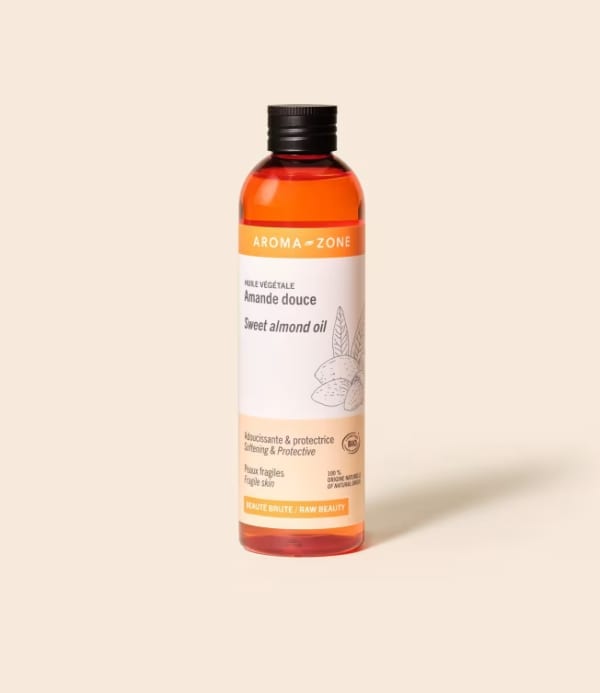
Organic Sweet Almond Oil
Rich in unsaturated fatty acids, suitable for sensitive skin.
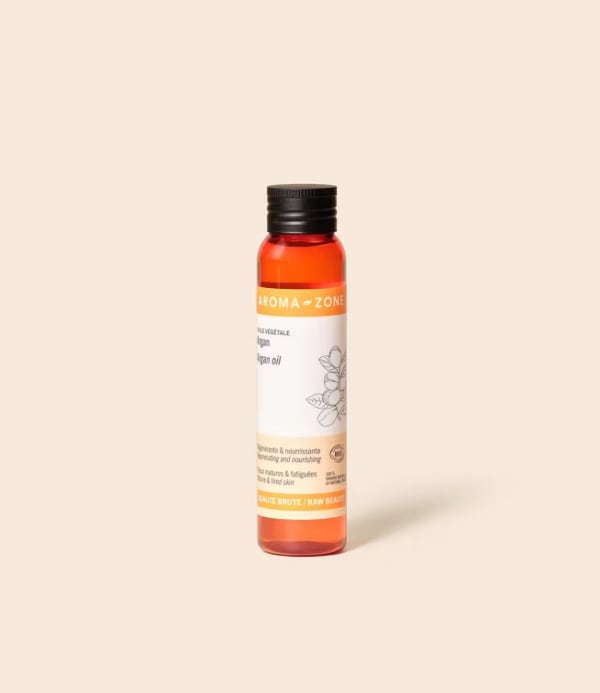
Organic Argan Oil
Contains tocopherols and unsaturated fatty acids, which help protect the skin.
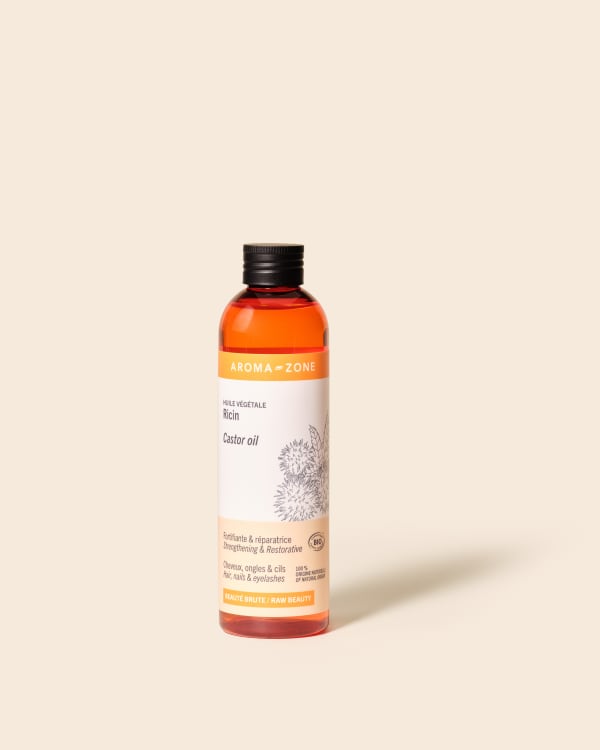
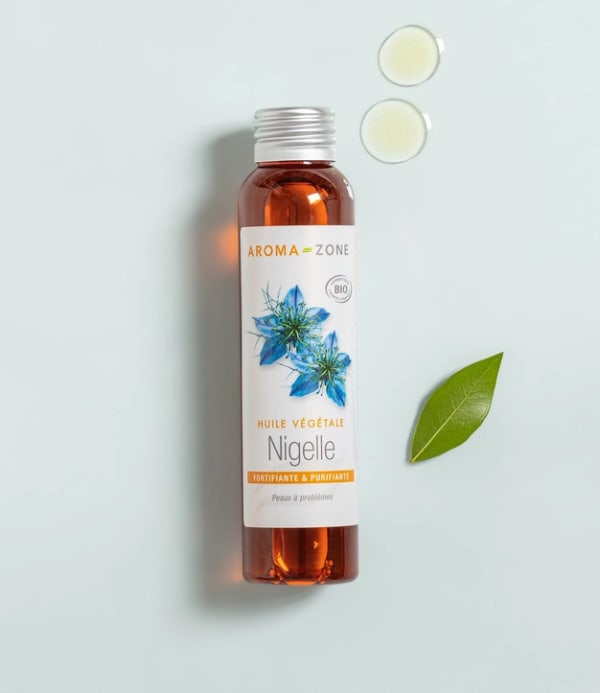
Organic Black Cumin Oil
A complex, fortifying, purifying, and highly aromatic formulation.
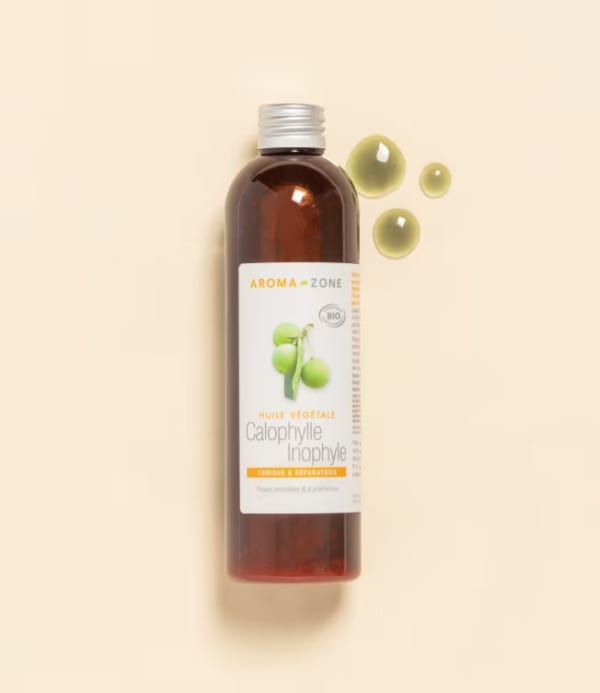
Organic Calophyllum inophyllum Oil
An oil rich in powerful soothing active ingredients.
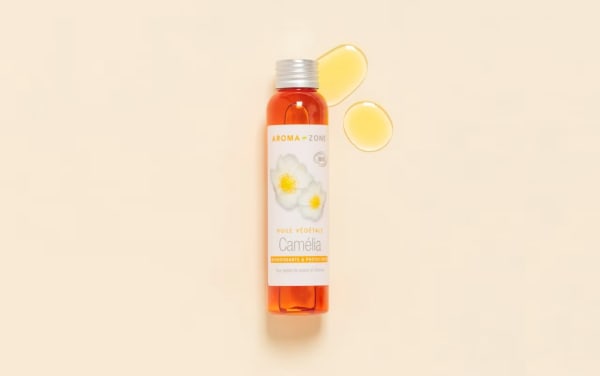
Organic Camellia Oil
Protective and deeply penetrating, this oil is ideal for creating skincare products for dry skin.
To find out which plant oil to choose based on your skin type, check out our dedicated guide: Which facial oil should you use based on your skin type and needs?
Our selection of ready-to-use skincare oils
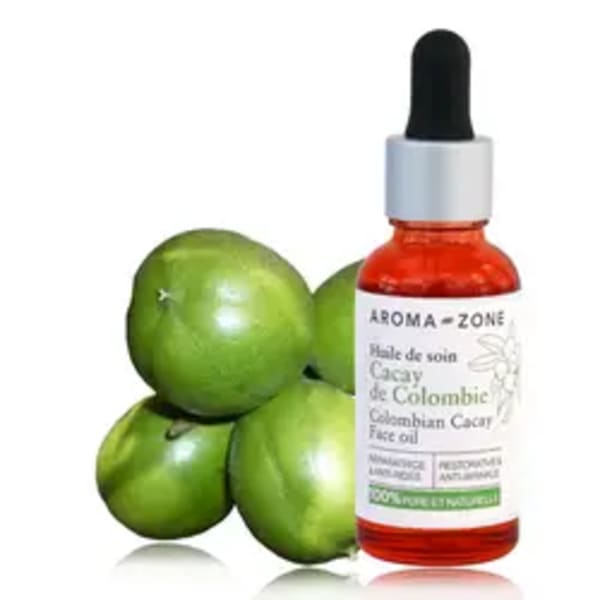
Cacay Oil from Colombia
Naturally rich in carotenoids and vitamin E, this precious oil is prized for its benefits on skin showing signs of aging. Its light texture absorbs easily and helps maintain the skin’s comfort, suppleness, and hydration. Just a few drops are enough to apply to the face, neck, and décolletage, like a nourishing oil-based serum.
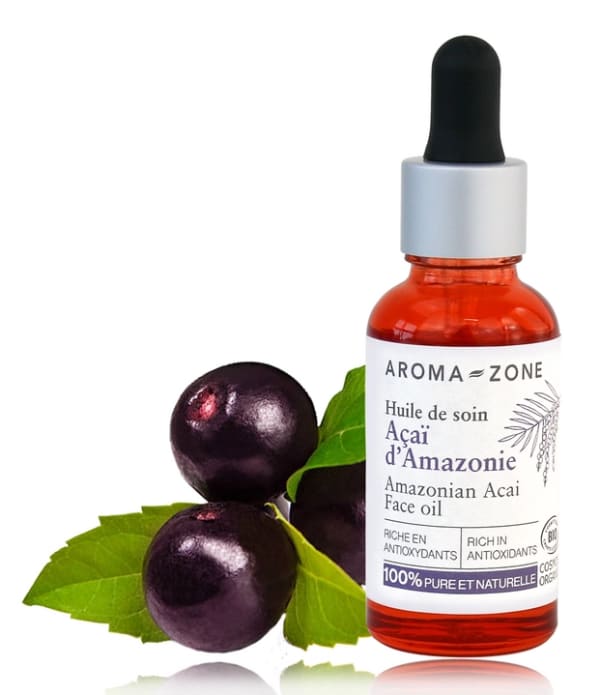
Amazonian Acai Skincare Oil
Naturally rich in antioxidant flavonoids, this precious oil is prized for helping the skin combat oxidative stress and external aggressors. Derived from Amazonian acai, its nourishing texture helps restore comfort, suppleness, and radiance to tired skin. Just a few drops massaged into the face are enough to enjoy its soft, revitalizing feel.
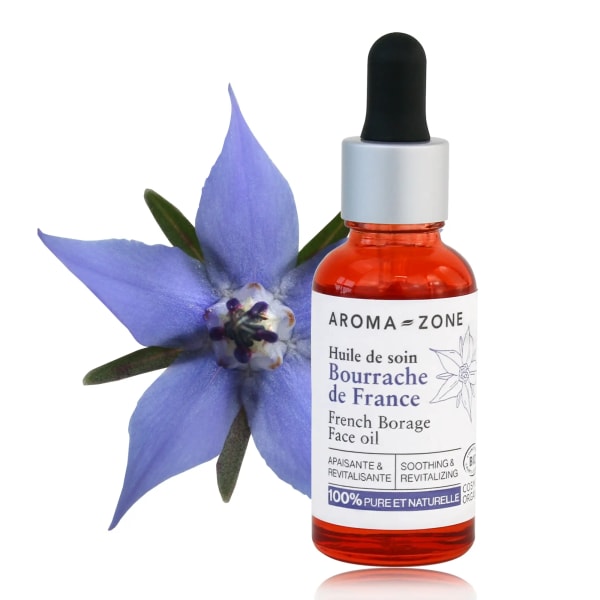
French Borage Skincare Oil
Naturally rich in essential fatty acids, this organic virgin French borage oil helps support the hydrolipidic film and preserve the skin’s suppleness. Its nourishing texture is particularly appreciated by delicate, dry skin or skin prone to tightness. Just a few drops applied as a serum to the face, neck, or décolleté are enough to provide comfort and softness every day.
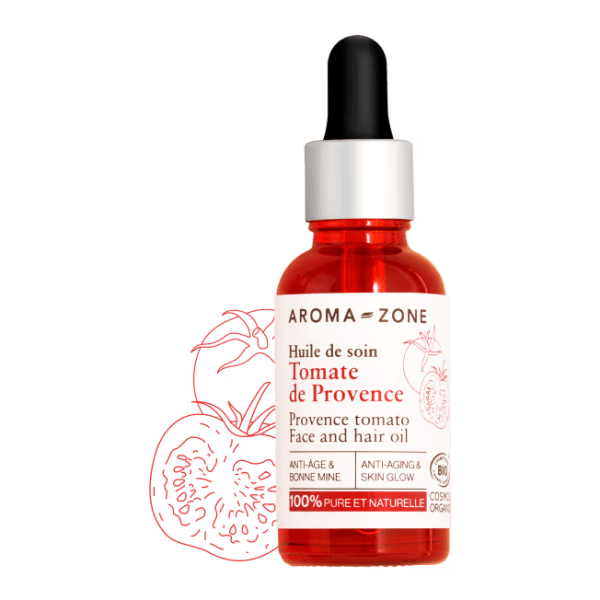
Provence Tomato Skincare Oil
Naturally rich in carotenoids and lycopene, this organic Tomato de Provence oil is prized for helping the skin combat oxidative stress and restore a radiant complexion. Its lightweight texture is suitable for all skin types seeking radiance and comfort. Sourced from a local, short-supply-chain network, it makes use of organic tomato seeds left over from the production of juice and purees in Provence.
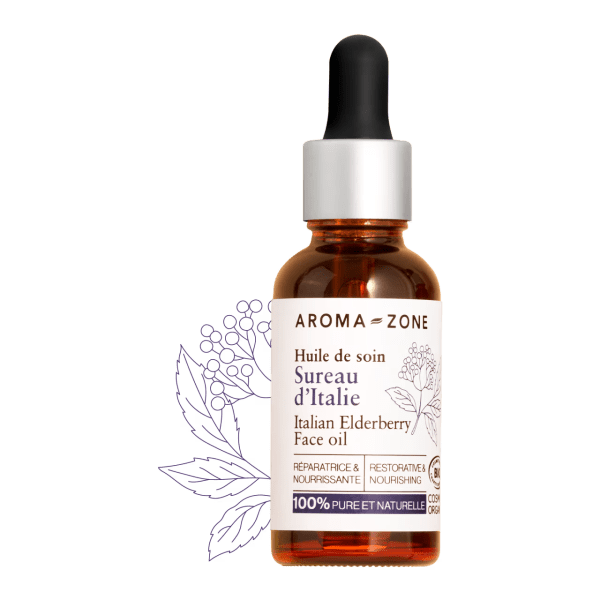
Italian Elderberry Skincare Oil
Naturally rich in omega-3s and essential fatty acids, this organic Italian Elderberry oil is prized for its ability to support mature or delicate skin in need of comfort and suppleness. Derived from elderberry seeds, its nourishing texture helps improve the skin’s softness and elasticity. Massaging a few drops onto the face, neck, and décolleté provides a daily sensory skincare experience.
Discover our full range of facial care oils.
What’s the difference between a plant oil and a facial serum?
A plant oil is a lipid-rich raw material that acts primarily on the skin’s surface to strengthen the skin barrier and limit water loss (1,3).
A facial serum is a complete cosmetic formula, often water-based or hybrid, designed to deliver targeted active ingredients at precise concentrations.
Oleoserums, composed solely of oils and fat-soluble active ingredients, fall somewhere in between: more technical than a simple oil, but without an aqueous phase. These different formats can be complementary depending on the skin’s needs (2).
Hydrosols on the skin: what are the benefits and limitations?
Hydrosols, also known as floral waters, are the aqueous phase obtained during the distillation of aromatic plants. They contain a low concentration of water-soluble aromatic compounds derived from the same raw material as essential oils, but in much smaller quantities (4). When applied to the skin, they primarily act as a toner: their watery texture allows for a light application, appreciated for refreshing, soothing, or cleansing the skin without a occlusive effect.
The use of hydrosols as cosmetic ingredients is based on several benefits: immediate surface hydration, a toning and rebalancing effect on the skin pH, and a supply of water-soluble active compounds. However, their effects are short-lived. Without a lipid phase, they cannot sustainably strengthen the skin barrier or effectively limit transepidermal water loss (2). This limitation stems from the very structure of the stratum corneum, whose integrity depends on a specific lipid organization. Furthermore, their quality is highly dependent on their production and storage methods. Since hydrosols are aqueous matrices with low concentrations of preservatives, they are also naturally more susceptible to microbiological contamination (4).
Hydrosols are sensitive products that can degrade rapidly:
They must be stored in a cool place after opening
Their shelf life is generally shorter than that of plant oils
Their effectiveness may diminish over time.
When used in a skincare routine, hydrosols are particularly valued as a complementary step to refresh, soothe, or prepare the skin before applying another product. At Aroma-Zone, they are offered as cosmetic ingredients to be incorporated into custom blends or recipes, allowing you to enjoy a more comprehensive routine tailored to your skin’s needs.
To help you choose the right hydrosols for your skin type, check out our dedicated guide: Hydrosols for the Face.
Our selection of suitable hydrosols
Remember to store these products in the refrigerator between uses.
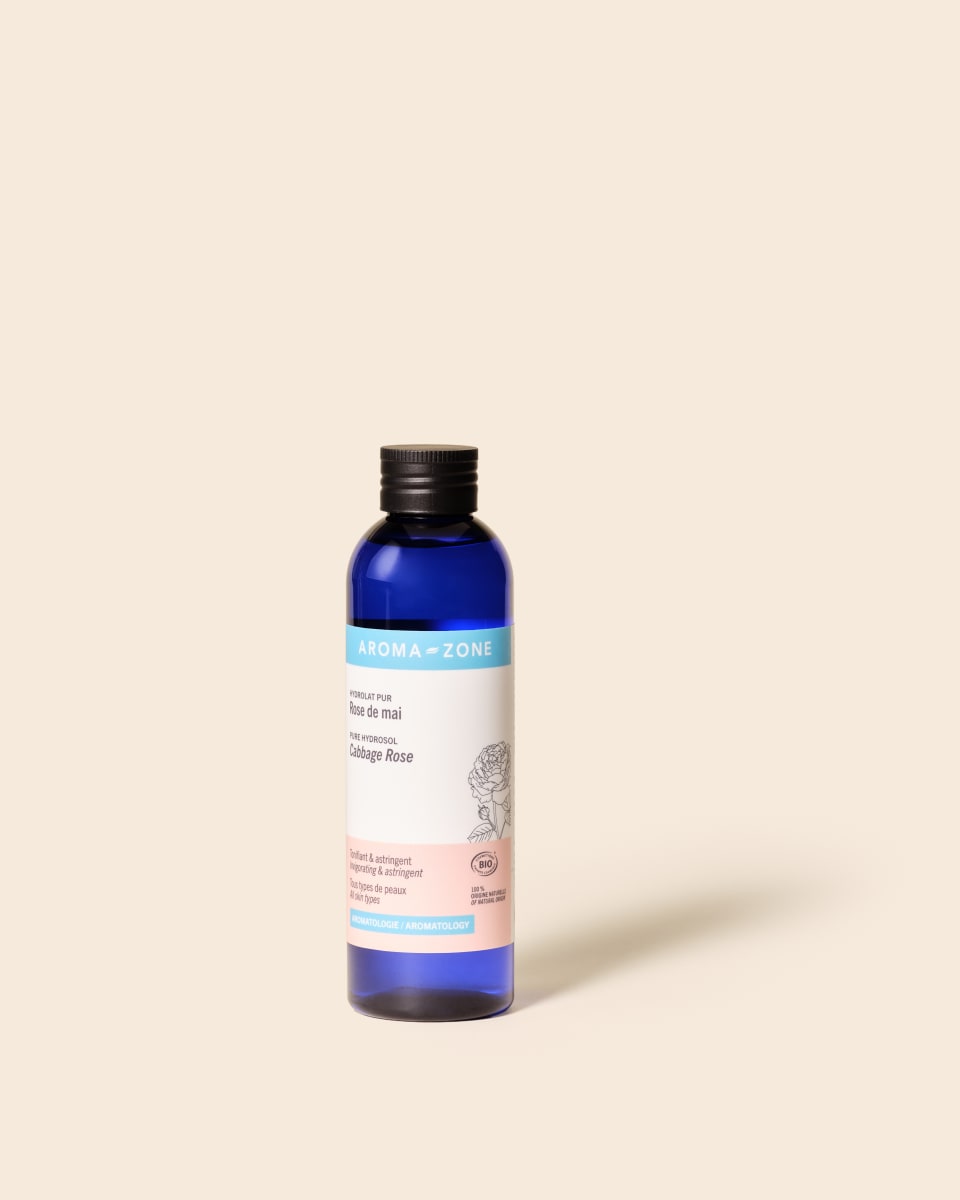
Organic May Rose Hydrosol
A top choice for a toner to soothe delicate skin.
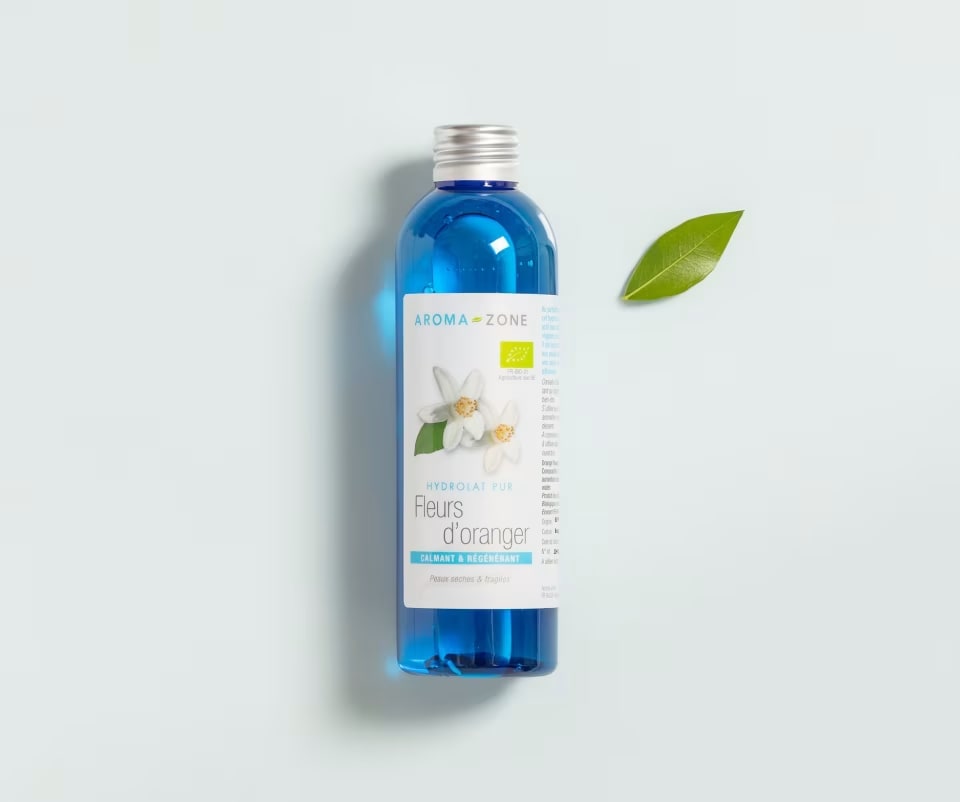
Organic Orange Blossom Hydrosol
With a floral scent, this hydrosol has toning, revitalizing, and soothing properties for the skin and is valued for use in skincare products for dry skin.
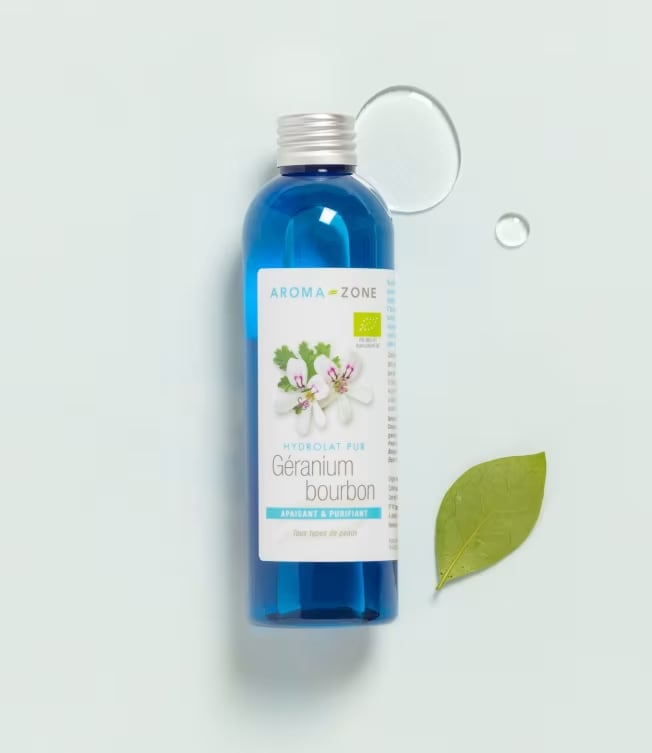
Organic Bourbon Geranium Hydrosol
Purifying and soothing, it is suitable for tight or blemish-prone skin. Astringent, it revives the skin’s radiance.
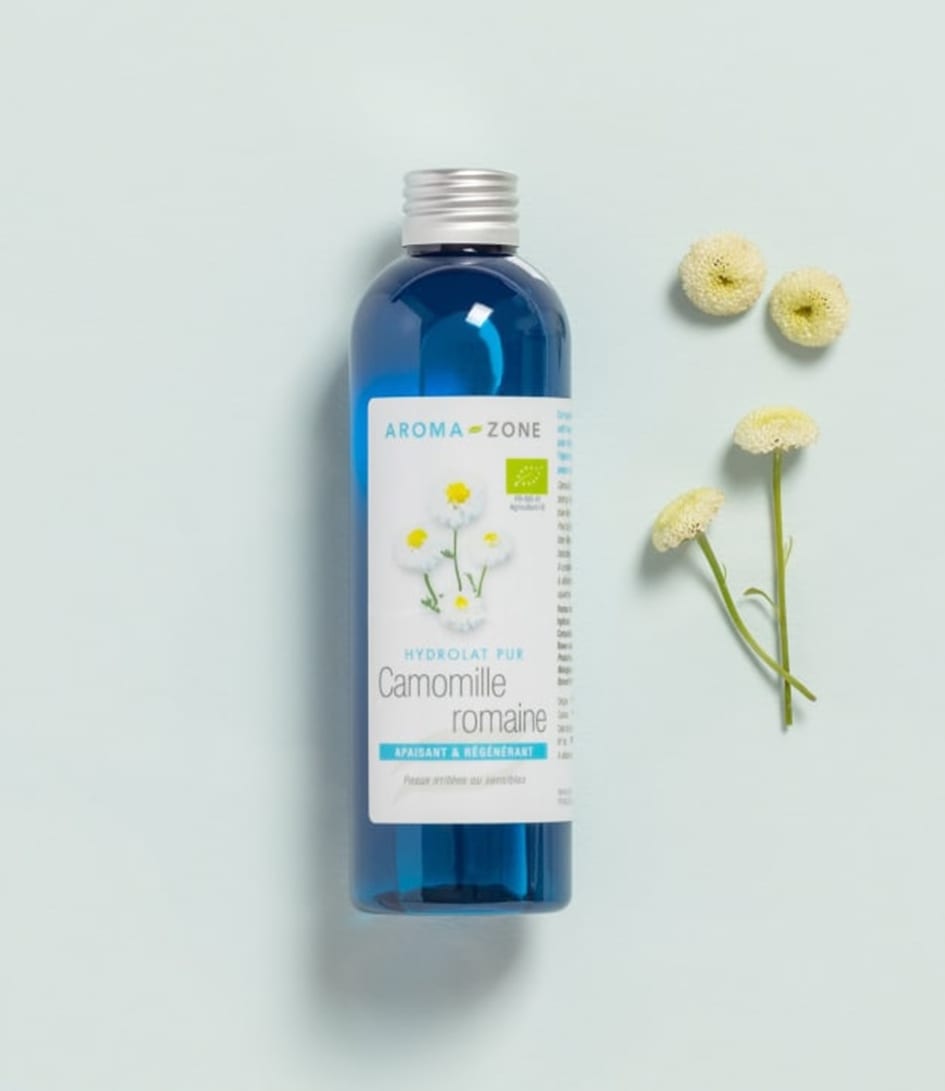
Organic Roman Chamomile Hydrosol
Known for revitalizing, soothing, and purifying the skin, it is used to create soothing skincare products for delicate skin.
How should hydrosols be applied to the skin for maximum effectiveness?
To maximize the benefits of a combination of hydrosols of your choice:
Apply your blend to clean skin
Spray directly onto the face or apply with a cotton pad
Let it absorb without rinsing
Reapply throughout the day if necessary.
Applying to slightly damp skin helps prolong the feeling of hydration. However, without additional lipids, this hydration is only temporary.
What is the recommended dosage of hydrosol and oil for the face?
In a minimalist routine combining hydrosols and skincare oils or plant oils, there is no strict universal dosage. Nevertheless, a simple balance allows you to align with the skin’s physiological function: a few sprays of blended hydrosols to moisturize the skin, followed by 2 to 4 drops of combined plant oils to lock in hydration.
This principle is based on the complementary nature of:
An aqueous phase (hydrosol), which provides water A lipid phase (plant oil), which limits evaporation and strengthens the skin barrier
This approach replicates, in a simplified form, the natural structure of the hydrolipidic film, which is composed of both water and lipids. It thus helps optimize skin comfort and maintain longer-lasting hydration (2,3).
What the experts say
A Word from the Dermatologist
"Hydrosols are beneficial for reactive skin prone to rosacea when sprayed directly after cleansing. Hydrosols of Helicrysum italicum (Immortelle) or Matricaria chamomilla (Chamomile) are suitable. We can also recommend hydrosols of Pelargonium graveolens (Rose Geranium) or Lavandula angustifolia (True Lavender), whose astringent properties help balance seborrheic skin.
As for plant oils, their composition profile of saturated/unsaturated fatty acids and their unsaponifiable content explain their properties. Shea butter is particularly suitable for atopic skin. Jojoba oil, a non-comedogenic plant wax, is suitable for acne-prone skin. Cacay oil, rich in polyunsaturated fatty acids and antioxidants, has the characteristics of a dry oil that can be recommended to address photoaging. This is also true of camellia oil, whose fatty acid composition and squalene content better support the barrier function of dry skin."
Dr. Reyhan Amode, dermatologist and member of the Aroma-Zone College of Dermatologists
A Word from the Phytotherapist
"They say that rosehip oil is 'the queen of anti-aging plant oils'—is that true?
It is undoubtedly one of the most precious plant oils. With its deep orange hue, which attests to its antioxidant properties, I first used it during pregnancy to protect my belly from stretch marks. And it proved highly effective. Renowned for reducing all types of skin imperfections—fine lines, wrinkles, scars, and stretch marks—it also helps minimize dark spots. A wonderfully versatile oil with a delicate scent—not always appreciated at first, but quickly embraced. Be careful with light-colored clothing after applying it! It’s slightly comedogenic, so for anti-aging facial care, pair it with hazelnut or jojoba oil."
Caroline Gayet, phytotherapist
Precautions
Even though plant oils and hydrosols are generally well-tolerated, certain precautions are necessary. It is recommended to perform a patch test before first use, especially on sensitive or reactive skin. Essential oils should not be confused with hydrosols, which are much more concentrated and require specific precautions. The quality of the raw materials is essential: opt for pure, unadulterated products that have been properly stored away from heat and light. Hydrosols should be kept in a cool place after opening. In the case of a skin condition, it is best to seek medical advice.
Expert Advice
The quality of the raw materials is crucial here: an oxidized plant oil or a poorly stored hydrosol quickly loses its properties and can compromise skin comfort. Opt for virgin, fresh oils stored away from heat and light, and recently made hydrosols, kept in the refrigerator after opening. A simple routine leaves no room for compromise: with just a few products, their quality makes all the difference.
Article written by Lou Dumas, Naturopath

Lou graduated from HEC in 2012. She gained ten years of experience in marketing for cosmetics and perfumes before becoming an independent consultant in this field. She recently completed a three-year naturopathy program at the European College of Holistic Naturopathy (CENATHO, Paris) with the goal of supporting the physical and mental health of the people she works with through a holistic approach to lifestyle.
Bibliography
SKIN CARE, La Peau Ed. La Plage, 2025
Lin, T.-K. et al. (2018). “Anti-inflammatory and skin barrier repair effects of topical application of some plant oils.”
https://pmc.ncbi.nlm.nih.gov/articles/PMC5796020/
Nowak, I. & Zielonka-Brzezicka, J. (2022). “Vegetable Butters and Oils as Therapeutically and Cosmetically Active Ingredients for the Skin.”
https://pmc.ncbi.nlm.nih.gov/articles/PMC9083541/
Treatise on Scientific and Medical Aromatherapy
Hydrosols and Plant Oils, Michel Faucon, 2025 edition.