
Pins and needles in the feet is one of the sensory disorders known as "paresthesia." It manifests as abnormal sensations on the skin’s surface: tingling, numbness or the sensation of an electric current… These sensations can occur occasionally or chronically, affect one foot or both, and manifest at different times of the day, or even at night. They are linked to a temporary or long-term dysfunction of the peripheral nervous system, which consists of the nerves responsible for transmitting information between the body and the brain. When this system is disrupted, it can send erroneous or exaggerated signals, giving rise to these confusing sensations.
Pins and needles in the feet: what to do?
Published on: Wednesday, June 18, 2025, Updated on: Wednesday, September 30, 2026
A tingling sensation, like ants crawling under the skin, or numbness… Pins and needles in the feet is as unpleasant as it is common. Sometimes temporary—due to poor posture—it can in other cases become persistent and indicate an underlying imbalance. Why does it occur? And most importantly, how can it be alleviated naturally? In this article, we help you understand this phenomenon in detail, providing clear explanations and tailored solutions.
Contents
Related products

Organic Sugar Body Scrub
Exfoliating
£9.00
200 g
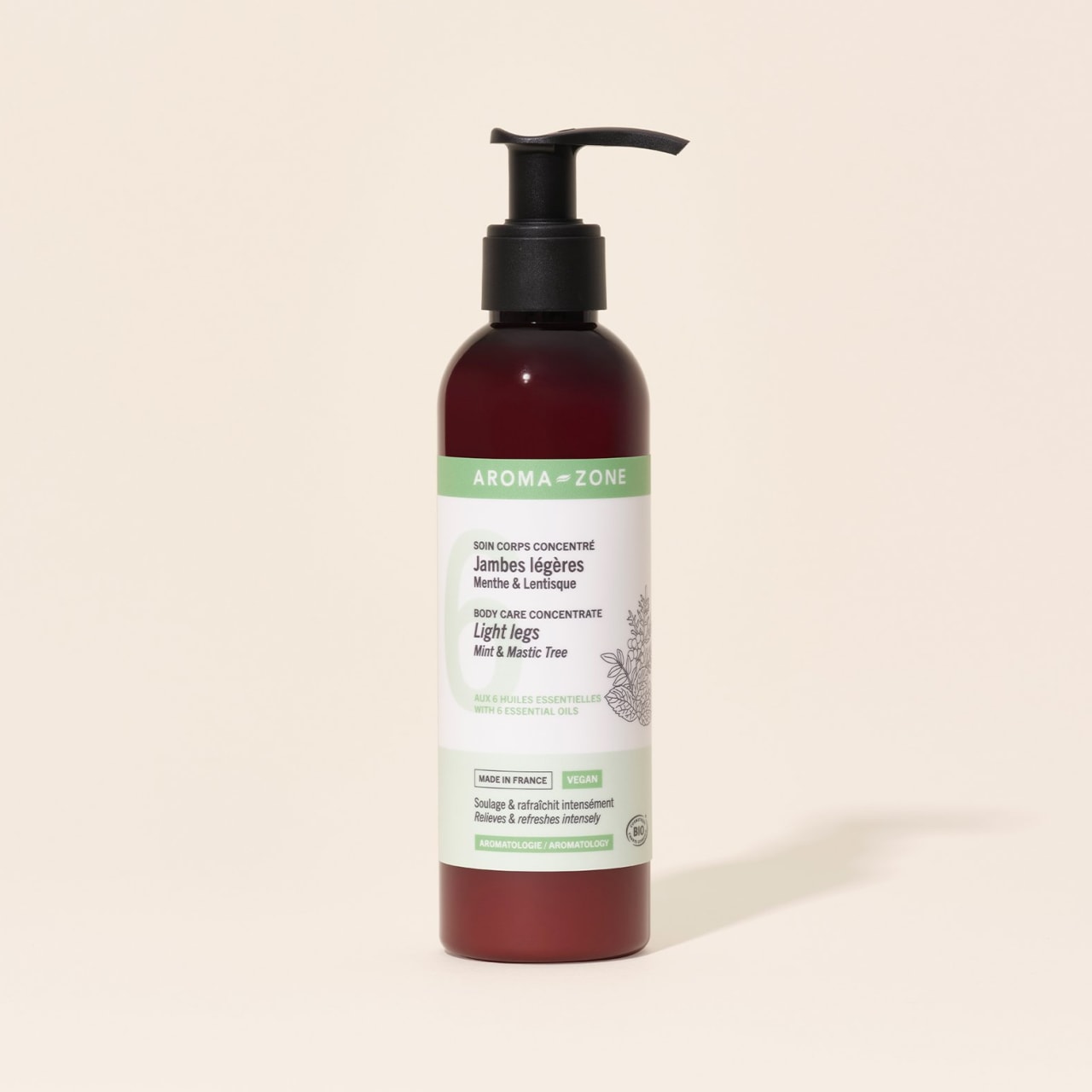
£12.00
200 ml

Triple Magnesium Complex - 120 Capsules
Vitality
Stress
£15.00
article
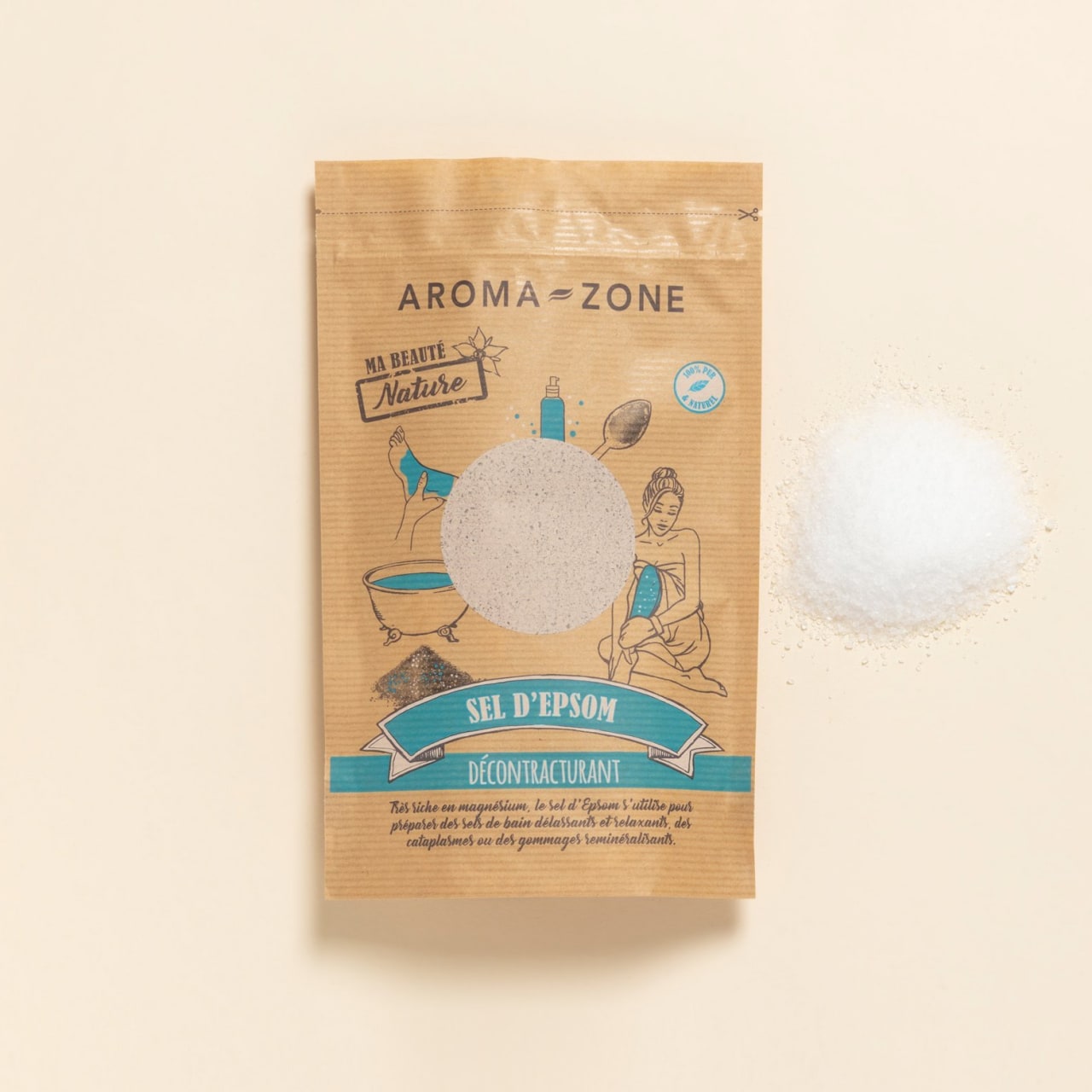
Epsom Salt
Exfoliating
£3.50
500 g
Pins and needles in the feet: what is it?
Why does this tingling occur?
There isn’t just one explanation for this tingling sensation. Circulation, nerves, posture, nutritional deficiencies… here’s an overview of the most common causes.
Poor blood circulation
When venous return is impaired, particularly in the legs, blood circulation is poor and can stagnate. This slowdown leads to insufficient oxygenation of the tissues, causing sensations of heavy legs, tingling, or numbness. People prone to venous insufficiency, varicose veins, or prolonged sedentary lifestyles are particularly affected. To learn more, check out our article: What Is Poor Blood Circulation?
Nerve compression
Pressure on a nerve, caused by poor posture, ill-fitting shoes, or a musculoskeletal disorder (such as a herniated disc), can lead to tingling in the feet. When the sciatic nerve is irritated or compressed, it can cause paresthesia that extends down to the toes, resulting in this tingling sensation.
Prolonged or poor posture
A common misconception to debunk: when you sit cross-legged for too long and feel “pins and needles in your feet,” you often assume it’s a circulation problem. In reality, it’s a compressed nerve sending these unusual signals, not a problem with blood flow. Fortunately, the sensation usually goes away after just a few minutes.
So be careful not to stay in the same position for long periods of time (sitting cross-legged, with legs crossed, squatting, etc.).
A deficiency in micronutrients
A lack of certain vitamins or minerals can affect nerve health. This is particularly true for vitamins B9 and B12, as well as magnesium and iron. A prolonged deficiency can weaken nerve transmission and contribute to the onset of abnormal sensations in the feet. Veganfriends, pay special attention to the risks of vitamin B12 and iron deficiency if you experience tingling in your feet.
Peripheral neuropathy
It involves a dysfunction or impairment of the peripheral nerves. This condition can be caused by chronic diseases (particularly diabetes), viral infections, exposure to certain toxins, or excessive alcohol consumption. Neuropathies often cause tingling sensations associated with a loss of sensation, or even pain.
A metabolic imbalance
High blood sugar levels can cause long-term nerve damage. People with diabetes are therefore particularly prone to tingling in the extremities (feet and hands), which is linked to diabetic neuropathy. This type of symptom requires close medical monitoring.
Certain chronic conditions
In some cases, tingling in the feet may be linked to more complex inflammatory or infectious diseases, such as Lyme disease, multiple sclerosis, or fibromyalgia. These conditions can disrupt the nervous system, causing widespread pain or sensory disturbances. If these symptoms are accompanied by persistent fatigue, muscle pain, or other unusual signs, it is essential to consult a healthcare professional for a comprehensive evaluation.
What symptoms accompany these sensations?
The sensation of “pins and needles” in the feet doesn’t always occur on its own: it can be accompanied by other symptoms, which vary depending on the cause of the condition.
Tingling sensations: an unpleasant electrical or tactile sensation, localised or widespread
Numbness: temporary loss of sensation in certain areas of the foot
Burning or sensation of heat: often a sign of an irritated or inflamed nerve
Radiating pain: the discomfort may extend up to the calves or legs, as in the case of sciatica
Feeling of muscle weakness: sometimes associated with difficulty controlling certain foot movements
Decreased or altered sensitivity to touch: certain areas may feel numb or, conversely, more sensitive than usual.
When should you be concerned?
If your tingling cannot be explained by simple poor posture and does not go away quickly, but instead becomes frequent, persistent, or is accompanied by a loss of sensation, pain, or difficulty walking, it is important to seek medical advice. It is advisable to consult a healthcare professional to rule out a more serious nerve condition or to obtain an accurate diagnosis.
What are some natural ways to alleviate it?
Depending on the cause of the tingling—nutrient deficiency, poor circulation, or nerve compression—natural approaches may vary, but certain targeted solutions can provide significant relief and support nervous and circulatory balance.
Organic Emulgel for Light Legs
If you experience tingling accompanied by a sensation of heat, heavy legs, or poor circulation, this gel with an immediate cooling effect can provide a welcome sense of comfort. Its formula, based on aloe vera juice and refreshing essential oils, helps tone and lighten the legs while providing a cooling sensation. Do not use on children, pregnant or breastfeeding women. Do not use on irritated or broken skin, or on mucous membranes.
Discover the Organic Light Legs Gel

Wooden foot massager
Taking care of your feet also means giving them a moment of relaxation. This wooden foot massager stimulates local blood circulation and offers a true moment of well-being, particularly useful for numb feet, temporary tingling, or accumulated tension. Used for just a few minutes a day, it helps restore energy to the extremities.
Discover the Wooden Foot Massager

Triple magnesium
Recommended for fatigue, stress, and muscle recovery, magnesium helps reduce fatigue and supports proper nervous system function, promotes normal muscle function and protein synthesis, and contributes to bone health. It is also an essential supplement for athletes, who have increased magnesium needs. Taking 3 capsules per day covers your daily magnesium needs. Pregnant or breastfeeding women should consult a healthcare professional before taking any supplements. Magnesium may have a laxative effect in some people. Organic sea lettuce extract (seaweed) provides a small amount of iodine (<10 µg per daily dose of 3 capsules, or less than 6.7% of the Reference Intake of 150 µg/day for iodine). If you have thyroid issues, consult your doctor.
Discover the Magnesium Triple dietary supplement
The right steps to take to prevent pins and needles in the feet
Here’s what you can do on a daily basis to keep your feet feeling light and free of tingling:
Move regularly: physical activity, even gentle exercise, promotes circulation and prevents venous stagnation. Walking, yoga, or a few stretching exercises can be enough to stimulate venous and nerve return.
Stay well-hydrated: proper hydration contributes to the optimal functioning of nerve and muscle cells. Drink water regularly throughout the day, even if you don’t feel thirsty.
Vary your positions: Avoid sitting or standing for too long without moving. Alternate your postures, avoid crossing your legs, and remember to take a few steps or do some stretches regularly if you work while sitting.
Exercise your feet: simple movements like flexing your toes or rotating your ankles help activate circulation and stimulate peripheral nerves. When done regularly, these exercises help reduce feelings of heaviness and prevent tingling.
Wear comfortable shoes: Choose well-fitting shoes with good arch support. Avoid shoes that are too tight or heels that are too high, as these can disrupt your posture and circulation.
Our tips for foot and leg comfort








Precautions
Natural remedies can be helpful, but they should never replace medical advice. If in doubt, don’t hesitate to consult a healthcare professional. Certain causes, such as tarsal tunnel syndrome or neuropathy, may require appropriate medical treatment or even surgery.
Expert advice
To prevent deficiencies that can cause tingling, it is essential to ensure a regular intake of key nutrients in your diet. Omega-3, found in fatty fish such as mackerel and sardines, supports the health of nerve membranes. Magnesium, essential for proper neuromuscular function, is abundant in nuts (almonds, Brazil nuts), pumpkin seeds, dark chocolate, and legumes. Vitamin B12, crucial for the nervous system, is found in animal-based foods: eggs, organ meats, seafood, and dairy products. Let’s not forget iron, which is just as essential: it plays a role in tissue oxygenation and proper neuromuscular function. It is found notably in legumes, red meat, seafood, as well as in superfoods like spirulina.
Spotlight on our naturopathic writer, Eloïse Dubois-Gaché.

Eloïse is a certified ‘naturopathic practitioner’ by the Institut Supérieur de Naturopathie (ISUPNAT) and has been practising naturopathy for over 5 years. Thanks to her extensive experience working in various herbalist shops, Éloïse provides, where necessary, comprehensive and precise advice on phytotherapy, aromatherapy, gemmotherapy and micronutrition when drawing up a personalised lifestyle programme tailored to each individual.
Bibliography
https://www.sfdiabete.org/sites/www.sfdiabete.org/files/files/JNDES/2015/15_jndes_hartemann.pdf
Kuntzer, T. (May 7, 2003). Nutritional and Alcoholic Neuropathies. Swiss Medical Journal.
https://www.revmed.ch/revue-medicale-suisse/2003/revue-medicale-suisse-2436/neuropathies-nutritionnelles-et-alcooliques
Fibromyalgia - symptoms, causes, treatments, and prevention - VIDAL. (n.d.). VIDAL.
https://www.vidal.fr/maladies/douleurs-fievres/fibromyalgie.html
Frequently Asked Questions
Associated tip
Body Care Tips


