Natural remedies for styes

Natural remedies for styes


By The Aroma-Zone editorial team

Published on: Wednesday, March 22, 2023, Updated on: Thursday, September 24, 2026

Do you constantly feel the urge to scratch your eye? Do you notice a swollen, red area forming around one of your eyes? Is it accompanied by a painful stinging sensation and/or do you find it uncomfortable to blink? Could it be a stye?

In this health guide, Aroma-Zone describes styes and their symptoms before sharing natural remedies to help you get rid of them.

Contents

Related products

What is a stye?

Medically speaking, a stye is a boil that develops from the root of an eyelash, on the outer edge of an eyelid. A boil means a bacterial infection, which in this case is common and not serious. The small red bump with a white tip that forms is about the size of a grain of barley, hence the name stye.

Although benign, a stye can be painful and often causes significant discomfort. If left untreated, the stye should disappear on its own after about ten days.

Stye or chalazion: what’s the difference?

Styes and chalazia are both inflammatory conditions that specifically affect the eyelids. However, their location and causes differ.

A chalazion results from the blockage of a Meibomian gland, which is responsible for secreting an oily substance that mixes with tears to lubricate the eye. It is located within the thickness of the eyelid rather than at its edge and is not caused by an infection.

If you suspect a chalazion rather than a stye and do not see any spontaneous improvement after a few days, we recommend that you consult a doctor or an ophthalmologist.

What are the symptoms of a stye?

The onset of a stye may be accompanied by some or all of the following symptoms: 

  • Redness and swelling on the outer edge of an eyelid;

  • Painful eyelid;

  • Itching around one eye;

  • Sensitivity to light in that same eye.

What causes a stye?

There are a number of factors that increase the risk of developing styes: 

  • Wearing contact lenses, due to frequent handling of the area;

  • Using makeup, especially when makeup isn’t removed thoroughly;

  • Dry eyes and the habit of rubbing your eyes, for mechanical reasons;

  • Skin conditions such as seborrheic dermatitis or rosacea;

  • Diabetes and immunodeficiency in the broad sense, which increase susceptibility to infections regardless of their location.

How can you relieve a stye quickly?

First and foremost, you should never try to pop a stye. Next, the first steps to take if a stye appears are, naturally: 

  • Take a break from wearing contact lenses, and switch to glasses if necessary;

  • Temporarily stop wearing makeup;

  • Regular cleaning with saline solution, always after thoroughly washing your hands.

Certain complementary natural remedies can also speed up the healing of a stye.

5 natural treatments to relieve a stye

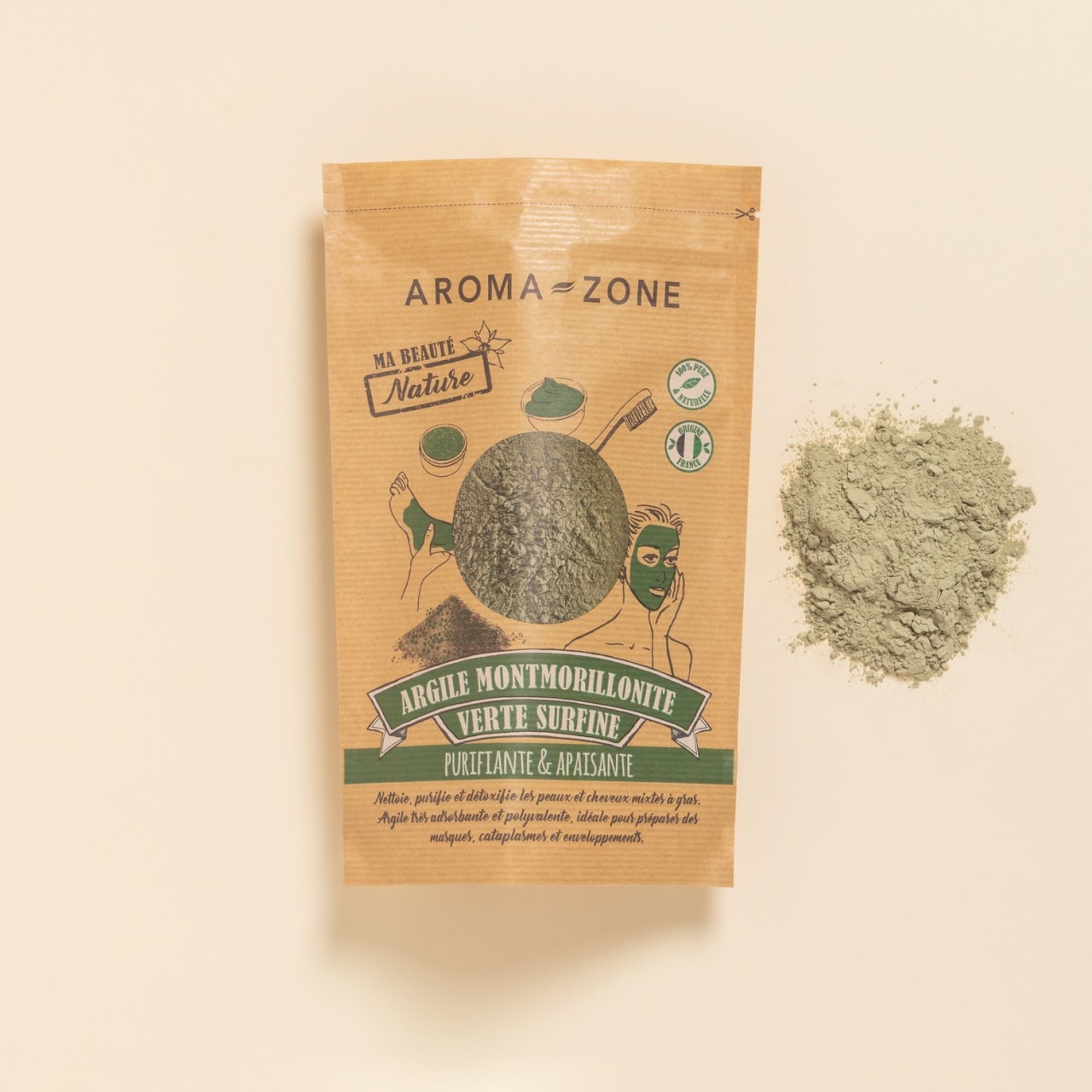
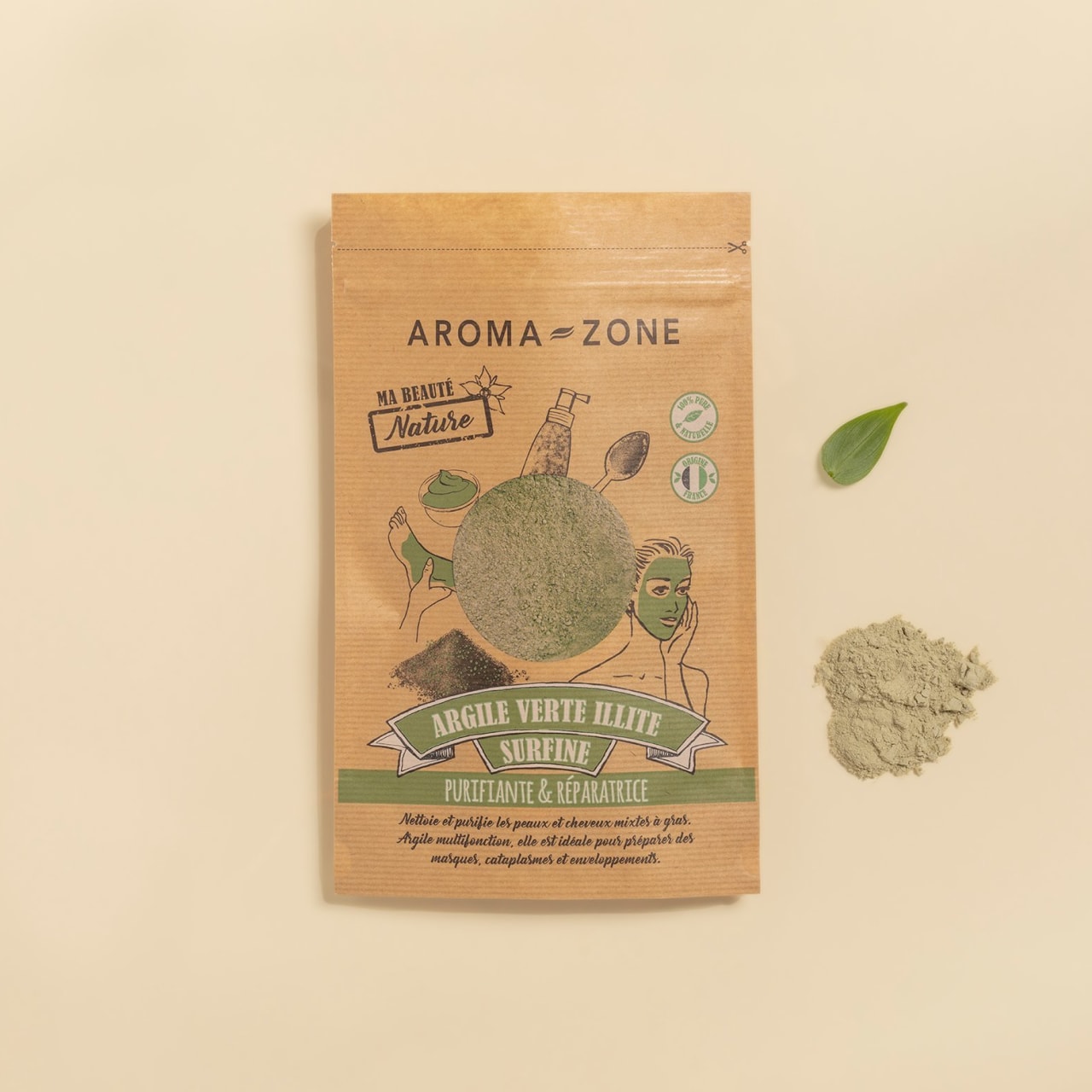
Green Clay, a Valuable Aid Against Styes

With its decongestant properties, finely ground green clay—whether Illite or Montmorillonite, helps soothe inflammation while promoting healing.

Apply it in the form of small, localized poultices daily for 30 minutes to an hour. For added convenience, you can cover the thick layer of clay paste (made by mixing clay powder with a little spring water or filtered water) with a piece of sterile gauze. Repeat this process for several days in a row.

Discover green clay

Trace elements in solution: an amazing natural treatment

In the past, people mainly used gold to relieve styes. Back then, they would place solid gold jewelry on the skin to quickly alleviate symptoms. 

In the same vein, today we can effectively use trace element solutions such as Copper-Gold-Silver, again via sterile, soaked compresses. Leave them on the painful area for 10 to 30 minutes, 1 to 3 times a day.

In some natural pharmacies, you may be able to find these same trace elements directly in the form of eye drops. Feel free to ask.

Discover the oligo'bronz cosmetic active ingredient

Herbal compresses: a time-honored remedy for styes

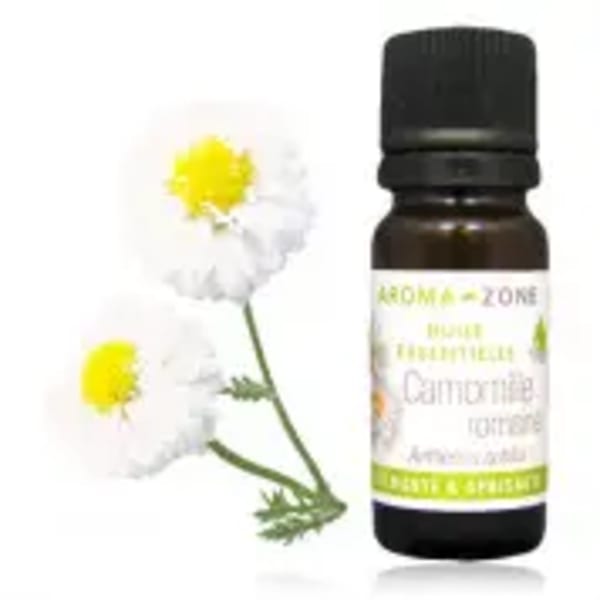
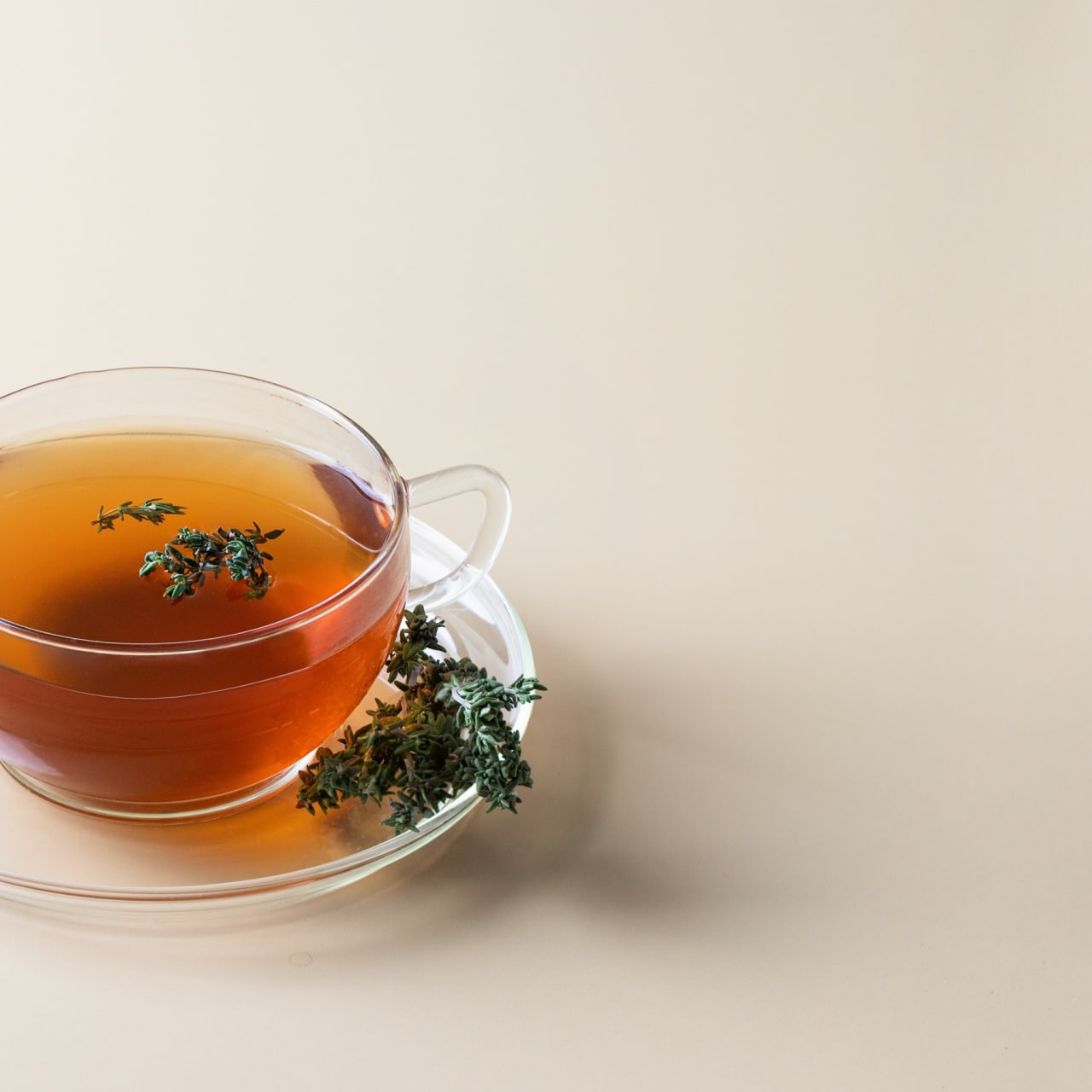
Roman Chamomile is the go-to herb that immediately comes to mind for making this type of warm compress. The soothing effects of chamomile combined with the heat of the compress (be careful not to burn yourself!) can provide significant relief. Other herbs are also very effective for treating styes when used in the same way: thyme, cornflower again, or, more specifically, elderflower and eyebright.

Discover Roman Chamomile

Essential oils: a good idea for treating styes

At Aroma-Zone, we prefer not to use essential oils on the eye. While they theoretically contain anti-infectious and anti-inflammatory molecules effective against styes, their potency could exacerbate the irritation. 

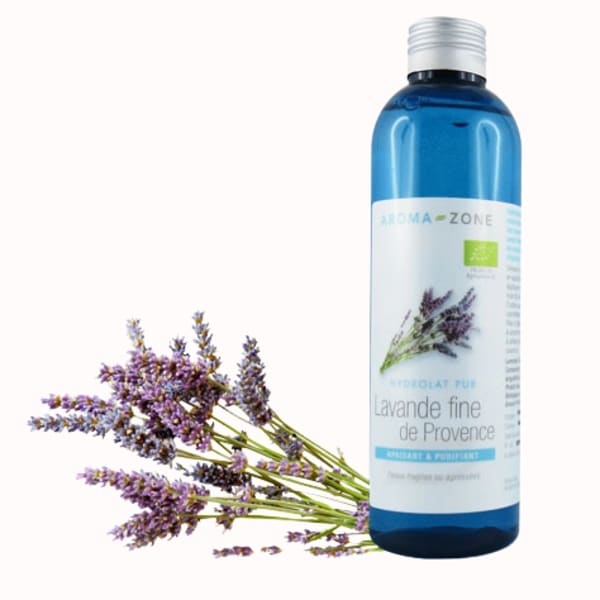
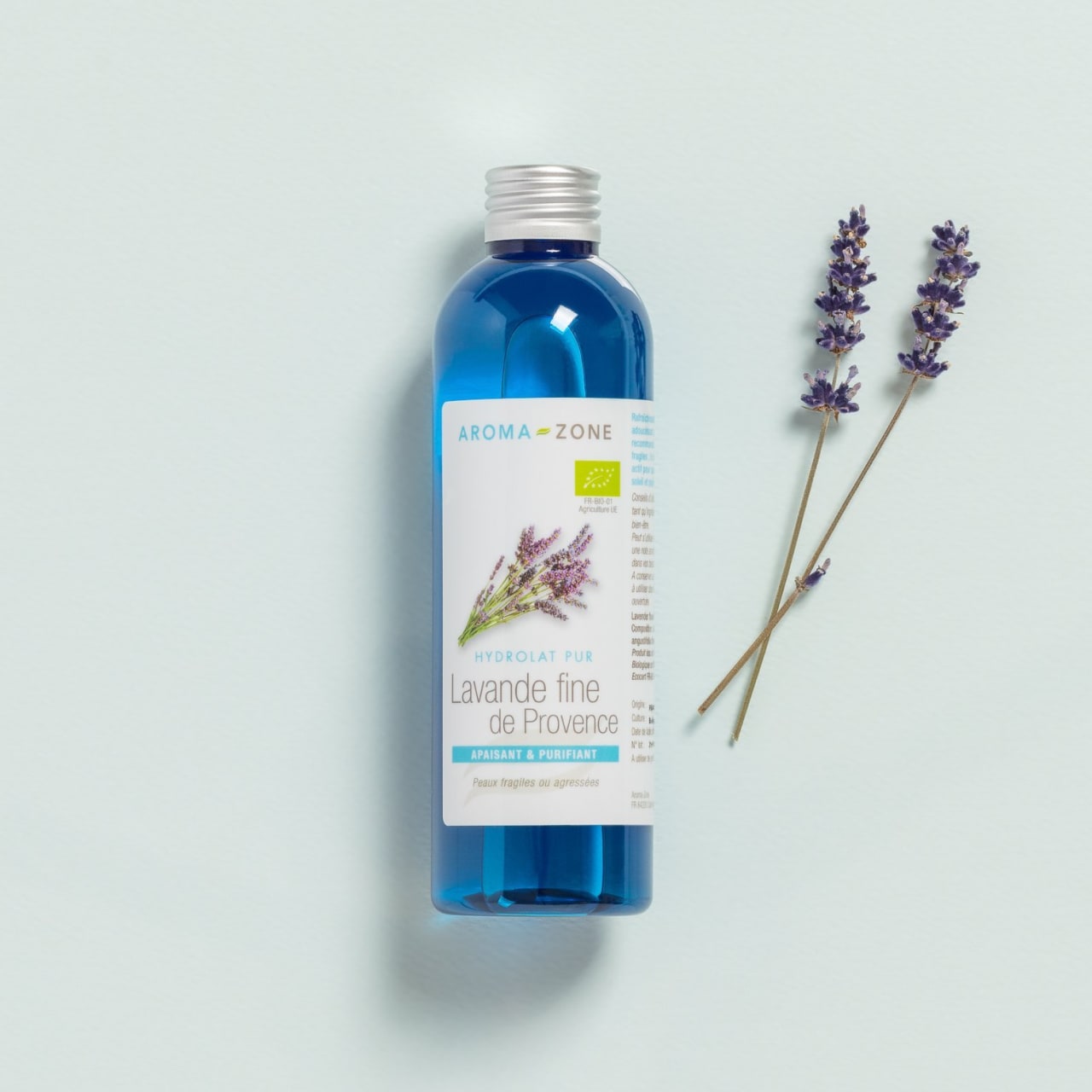
Therefore, opt for hydrosols instead, as they have no contraindications. While cornflower is a must-have, other varieties are also highly recommended for the natural treatment of styes: Organic Fine Lavender Hydrosol from Provence, Organic Roman Chamomile Hydrosol, or Organic Calendula Hydrosol.

Discover organic fine lavender hydrosol from Provence

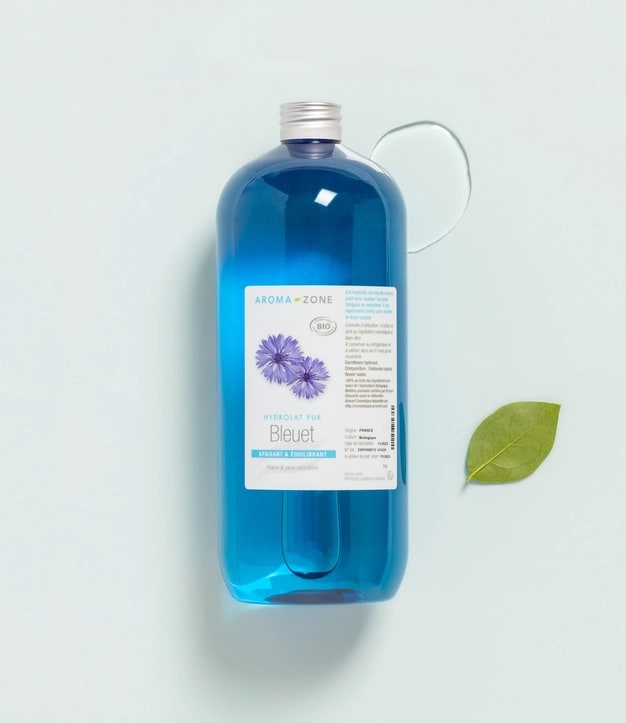
Organic Cornflower Hydrosol

Known by the Greeks for its decongestant properties, cornflower hydrosol is the perfect ingredient for soothing swollen and irritated eyes and eyelids… It’s even nicknamed “spectacle-breaker water.” 

How to use it? Soak a sterile compress in cornflower water and apply it to the stye for about 10 minutes. Repeat this 2 to 3 times a day until symptoms improve.

Discover Organic Cornflower Hydrosol

What cream should you apply for a stye?

Antiseptic eye drops and creams are available over the counter at pharmacies for topical application on the stye.

If the stye persists for more than ten days or worsens, you should consult a doctor, who may prescribe antibiotic treatment along with a corticosteroid-enriched cream.

Preventing styes: how can you avoid recurrences?

If styes become chronic, it will also be necessary to seek medical advice. Indeed, frequent recurrences can sometimes help diagnose one of the underlying causes of the stye (skin conditions, diabetes, etc.).

To prevent styes from recurring, however, you should pay special attention to hygiene and the products used in the area: 

Possible complications of a stye

In most cases, styes clear up on their own without causing major problems. However, there are potential risks of complications, including:

  • Spread of infection: If an infection is left untreated, it can spread to other parts of the eye.

    • If the infection continues to worsen, it can spread to the entire eyeball, a condition known as orbital or retro-septal cellulitis. This is a serious infection of the eye and the orbit.

    • Formation of a chalazion: An untreated stye can develop into a chalazion, a hard, painless lump.

    • This can lead to a phlegmon of the eyelid if the infection spreads to the eyelid, or to a phlegmon of the orbit if the inflammation affects the entire orbit.

  • People prone to developing styes may experience several in succession.

It is recommended to consult a doctor or an ophthalmologist in the following situations:

  • If the symptoms of the stye do not improve after a few days despite self-care.

  • In cases of severe and persistent pain, as well as discomfort.

  • If vision is impaired or there are signs of a serious infection.

  • If styes are recurrent and occur frequently.

  • If a chalazion forms following the initial stye.

A medical consultation ensures an accurate diagnosis and appropriate treatment recommendations. Although, in most cases, a stye can be effectively treated at home, certain situations may require medical intervention to prevent potential complications.

Expert advice

Traditional Chinese Medicine (TCM) considers the eyes, mirrors of the soul, to be directly linked to the energy of the liver. According to this ancient wisdom, red, itchy eyes can therefore be explained by liver imbalances caused by an overly rich diet and/or unresolved emotions. If you have a stye, adjust your diet to include lighter foods and take time to process your frustrations or sadness… Your liver and your eyes will thank you!