Myth or reality: does breathing in an essential oil really help relieve stress?

Myth or reality: does breathing in an essential oil really help relieve stress?


By Hélène Betoux

Published on: Thursday, May 07, 2026, Updated on: Monday, October 12, 2026

Inhaling essential oils seems like a simple and natural way to relieve tension and stress. However, it is reasonable to question the physiological mechanisms involved. So, myth or reality: can you relieve stress by inhaling an essential oil? The answer is yes, and science backs this up. This article examines the genuine anti-stress effects of inhaling and diffusing essential oils, in the light of current scientific research and the insights of our experts.

Contents

Related products

In brief

  • Yes, inhaling an essential oil can help reduce perceived stress.

  • Smell is not the only mechanism involved in this emotional regulation.

How can inhaling an essential oil help to relieve stress?

Yes, inhaling essential oils could indeed help to regulate the level of stress felt. This calming effect is thought to be based primarily on neurobiological mechanisms. Mechanical and psychological factors also appear to play an underestimated role in the method’s effectiveness.

Mechanical explanation : taking a deep breath of an essential oil, regardless of its aromatherapeutic properties, alters the breathing rhythm. The slower and more regular the breathing, the more active the parasympathetic nervous system becomes. The parasympathetic nervous system has a calming effect on the body, whereas stress activates its opposite: the sympathetic nervous system, which is triggered when the body needs to respond to a perceived threat.

In other words: simply taking the time to breathe and regulate your heart rate, even without essential oils, is enough to soothe the autonomic nervous system.

Neurobiological explanation: essential oils release fragrant molecules that directly stimulate the area of the brain responsible for regulating emotions and memory. Unlike other senses, such as sight or touch, Venkatesh N. Murthy, a neurobiologist at Harvard, points out that this signal “reaches the limbic system very quickly” (1), enabling a faster response to one’s emotional state. It thus helps to shift the body towards parasympathetic dominance (as opposed to the sympathetic response to stress), resulting, for example, in a reduction in heart rate and a feeling of relaxation.

In short: The scents of essential oils reach the brain’s emotional centres very quickly, triggering an almost immediate response. This helps the body transition into a state of relaxation, bringing about rapid calm.

Psychological explanation : a 2016 study on the effects of lavender essential oil concluded that expectations, individual perception and the context of use influence the physiological benefits of aromatherapy. Thus, simply finding a scent pleasant – regardless of any pharmacologically proven anti-stress efficacy – appears to reduce perceived stress.

In a nutshell : the sense of smell is also subject to the well-known placebo effect: believing that inhaling an essential oil is effective against stress… can actually induce a more noticeable feeling of relaxation (2).

What does science say about inhaling essential oils to reduce stress?

The only point on which researchers seem to agree is that smells are indeed capable of influencing physiological state by acting on the limbic system and the autonomic nervous system. By extension, it is therefore entirely likely that inhaling essential oils can modulate the emotional and physiological response to stress.

Moreover, a meta-analysis carried out in 2013 (7) confirms that inhaling lavender essential oil does indeed have anxiolytic effects.

Nevertheless, it is very difficult to establish with certainty that this anti-stress effect stems exclusively from a chemical interaction between the aromatic molecules in essential oils and the brain. The benefits to well-being may be enhanced by the simple pleasure of smelling a pleasant scent, by the sense of calm that accompanies the ritual of inhalation, or even by a placebo effect. In the absence of solid evidence, it is more reasonable to consider that the calming effectiveness of inhaling essential oils may vary significantly from one person to another.

Read also breathing techniques for managing stress and anxiety in everyday life.

What are the key factors for this to work?

There is no single, universally optimal method for maximising the benefits of anti-stress aromatherapy. The following conclusions are based on scientific studies, but may involve other anti-stress factors (hedonic aspects, the physical effects of a relaxing massage, etc.). They are therefore intended as guidelines rather than fixed benchmarks.

Methods

Science-based recommendations

Aromatic diffusion (diffuser)

Sessions lasting approximately 10 to 30 minutes in the protocols tested, with sessions of less than 20 minutes considered more effective than prolonged exposure (4). Can be used daily or on an ad hoc basis for acute stress (5).

Dry inhalation (handkerchief, stick)

Duration of approximately 1 to 15 minutes in the protocols tested, with emotional effects appearing within a few seconds. It appears more effective to have multiple short exposures during a single episode than to have a single long session (6).

Wet inhalation (steam)

Duration of approximately 5 to 15 minutes in the protocols tested. The heat of the water vapour causes a change in breathing rate, which therefore plays a potentially more significant role than the essential oil (5). Recommended for occasional use.

Massage

Duration of approximately 15 to 30 minutes in the protocols tested. The tactile sensation specific to massage appears to play a more significant role than the sense of smell in the relaxing effect (4).

Which essential oil is most effective against stress?

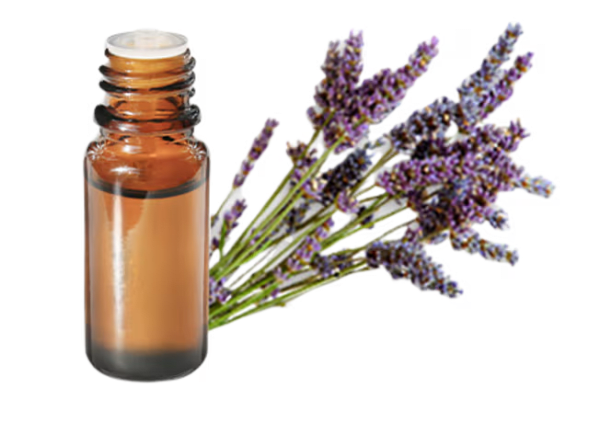
True lavender essential oil is one of the most widely studied for its effects on stress. Its compounds, notably linalool and linalyl acetate, have been shown to have calming effects on the nervous system in several clinical studies. It is therefore often regarded as a benchmark for promoting relaxation and reducing the symptoms of stress.

Our conclusion, based on the scientific literature

Myth or reality

Fact, but not necessarily for the reasons one might initially imagine. Science suggests that the context of use, individual beliefs and expectations, as well as the pleasure derived from the experience, could play a role just as important (if not more so) than the inhaled essential oil itself in the anti-stress effect felt. The effectiveness of this method could therefore be highly subjective.

What is true

  • Yes, smells trigger an emotional and physiological response.

  • Yes, certain essential oils are associated with a reduction in perceived stress.

  • Psychology, individual expectations and context play an underestimated role.

What is false

  • No, there is no evidence that essential oils are effective on their own.

  • Smell is not necessarily the dominant sense in the relaxation effect achieved.

  • There is no inhalation protocol that guarantees universal anti-stress efficacy.

Food for thought

Some of the benefits of inhaling essential oils for stress are likely to be based on a placebo effect. It would, however, be a shame to reduce this placebo effect to a mere illusion created by our brain or to a ‘false’ efficacy; on the contrary, science has proven that it is based on genuine cognitive, chemical and emotional mechanisms, which are subsequently maintained and reproduced through conditioning. Researchers refer in particular to the activation of the prefrontal cortex, the release of endorphins and dopamine, and a reduction in amygdala activity linked to anxiety.

This placebo effect, which some might dismiss, actually reminds us that our bodies are perfectly capable of modulating their own response to stress, provided we give them the chance.

This is a phenomenon also found in meditation, traditionally recommended for people experiencing stress, and whose benefits appear to be amplified by initial expectations (8). A 2023 study even managed to demonstrate that people who believe they have a tool designed to help them regulate their emotions more effectively do indeed develop better emotional regulation. Yet the tool in question is entirely fictional: it does not exist (9). 

In short, if you believe it will work, you increase your chances of it working. Beyond mere stress management, this is a wonderful philosophy of life to apply to your everyday routine.

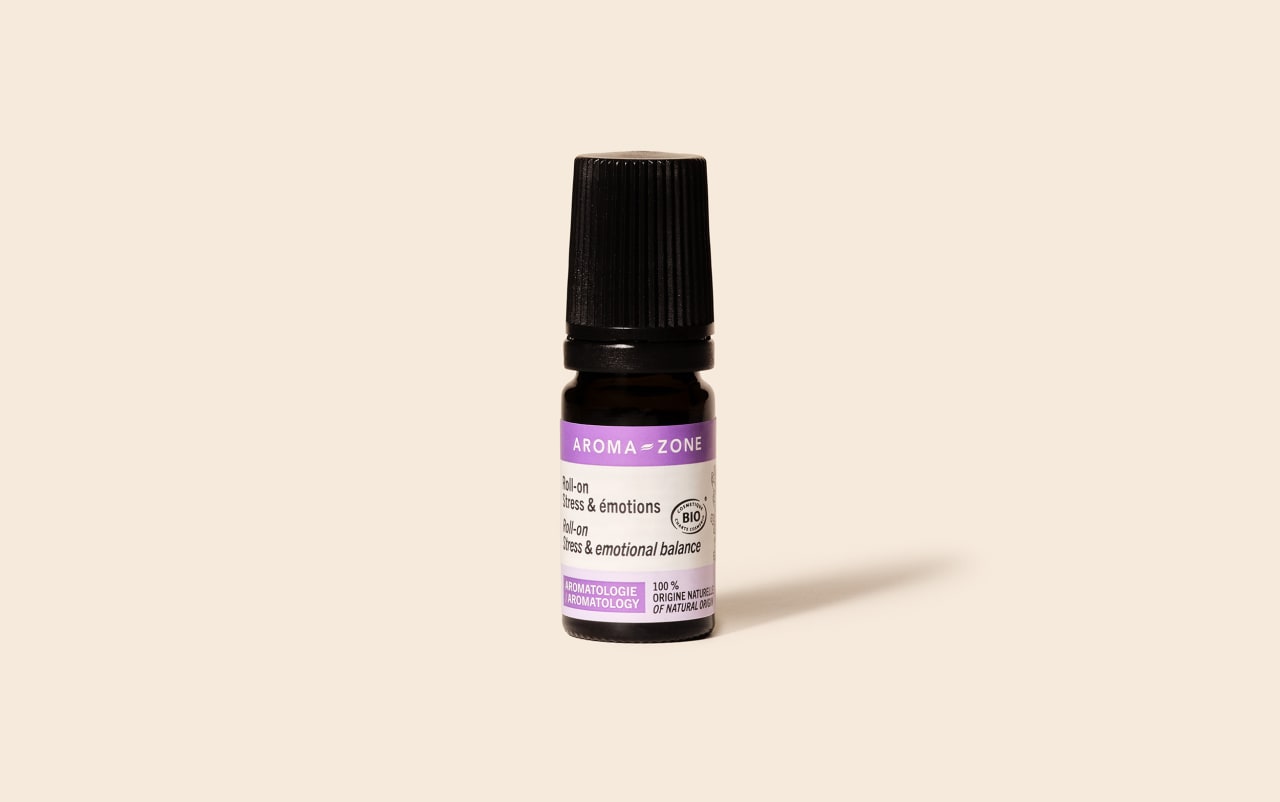
To help with occasional stress (exams, interviews, public speaking, etc.)

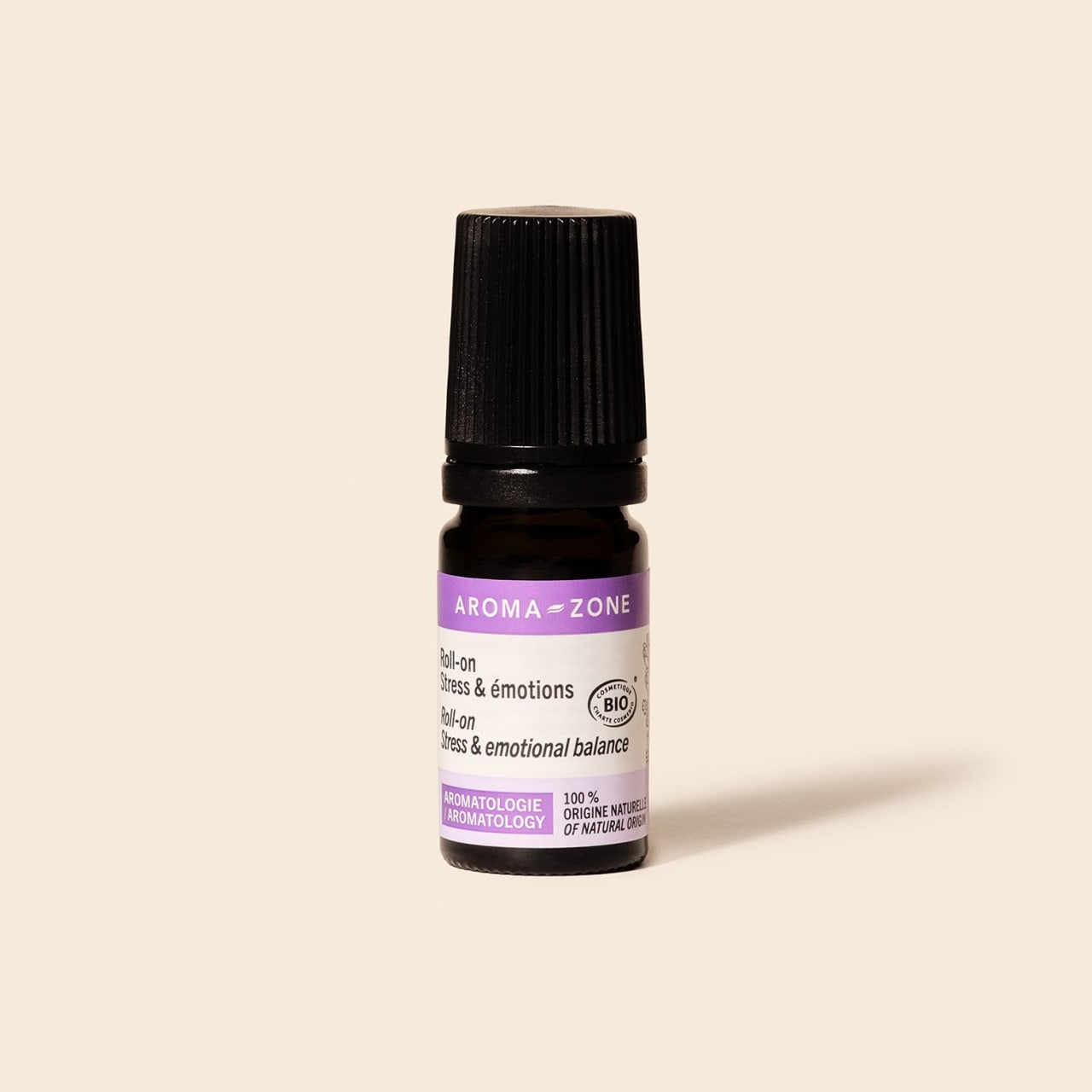
Roll-on with essential oils Stress & Emotions

Stress & Emotions Essential Oil Roll-on

Roll the ball over the inside of your wrists to apply a small amount of the formula. Take the time to breathe deeply in the blend of essential oils renowned for their calming and soothing effects: Lavender, Petitgrain, Neroli, Marjoram, Bergamot, Sweet Orange, Chamomile and Sandalwood. 100% natural, certified organic. Keep out of reach of children. Avoid contact with the eyes. Do not use on pregnant or breastfeeding women, or on children under 7 years of age. Do not swallow.

Discover the Stress & Emotions Essential Oil Roll-on

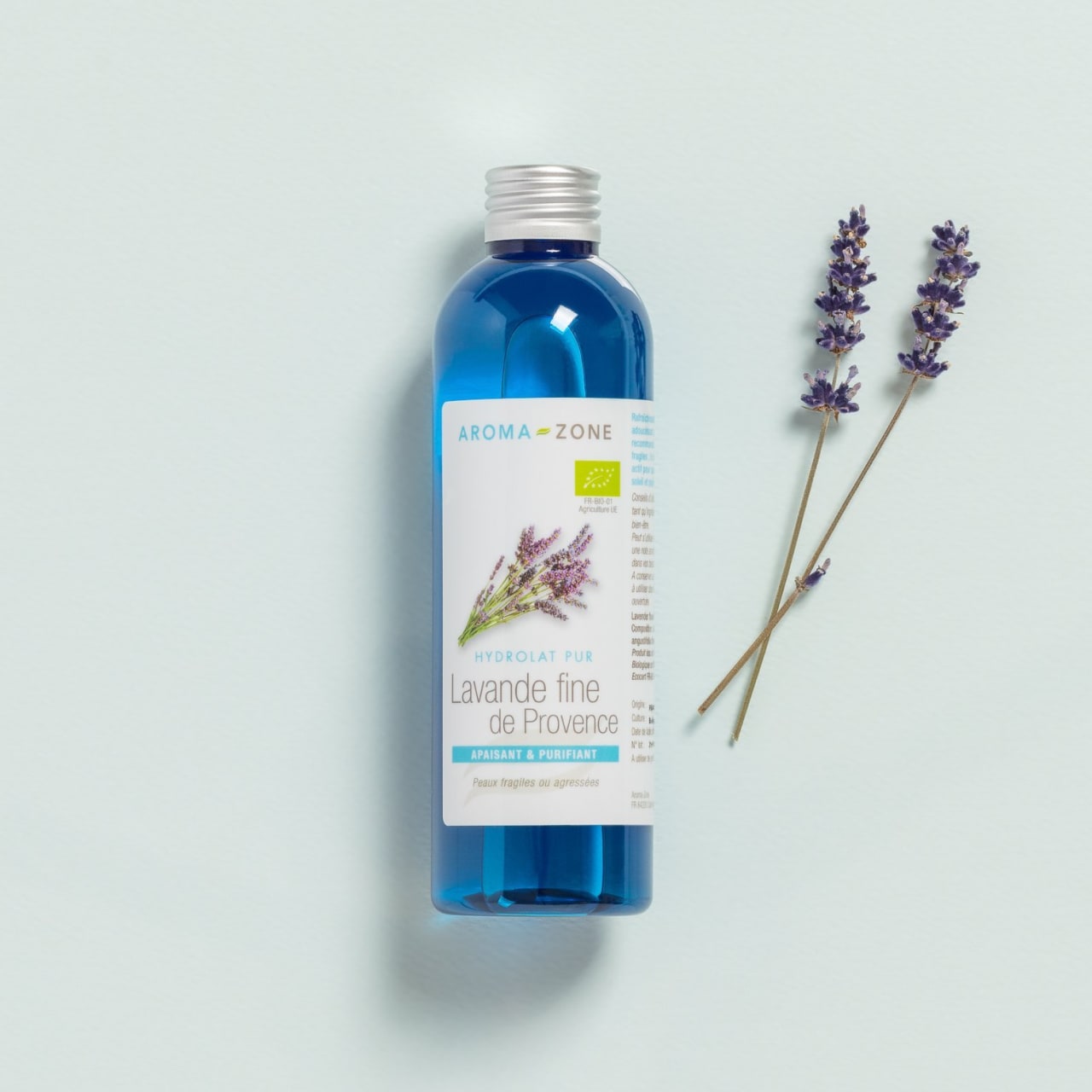
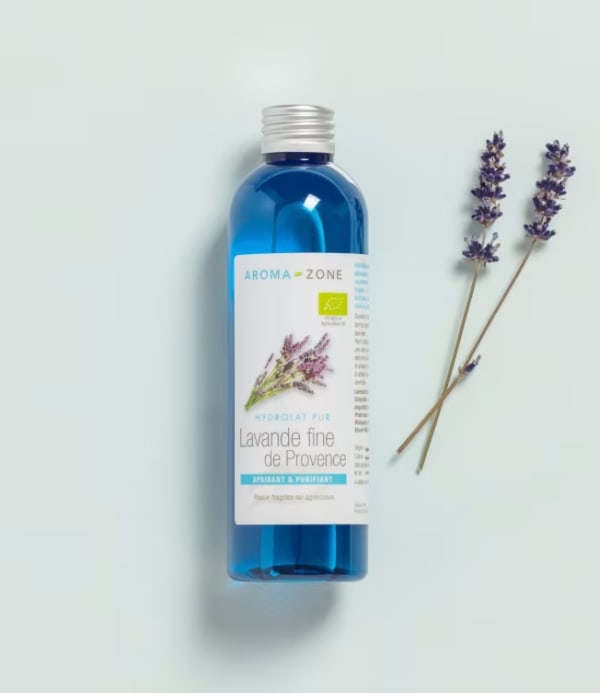
Organic Fine Lavender Hydrosol from Provence

Organic Fine Lavender Hydrosol from Provence

An alternative for pregnant and breastfeeding women: olfactotherapy is said to offer similar effects to those of aromatherapy. Simply spray a few sprays of this lavender floral water onto your wrists or a handkerchief. Then take a deep breath of its characteristic fresh scent, just as you would with an essential oil. A 100% pure and natural product, certified organic, sourced from France (Provence). Remember to keep it in the fridge between uses.

Discover the Organic Fine Lavender Hydrosol from Provence

To promote a sense of relaxation at home

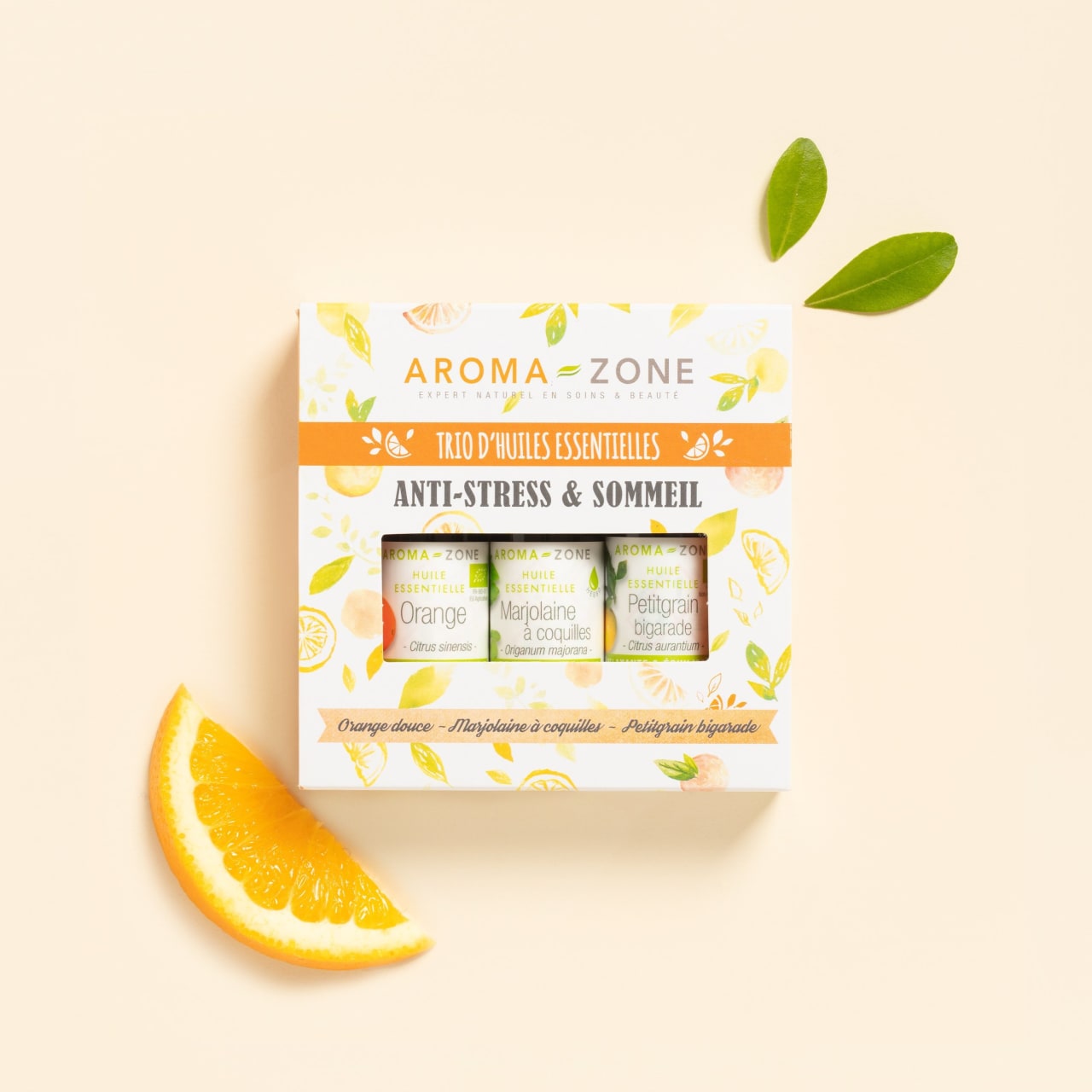
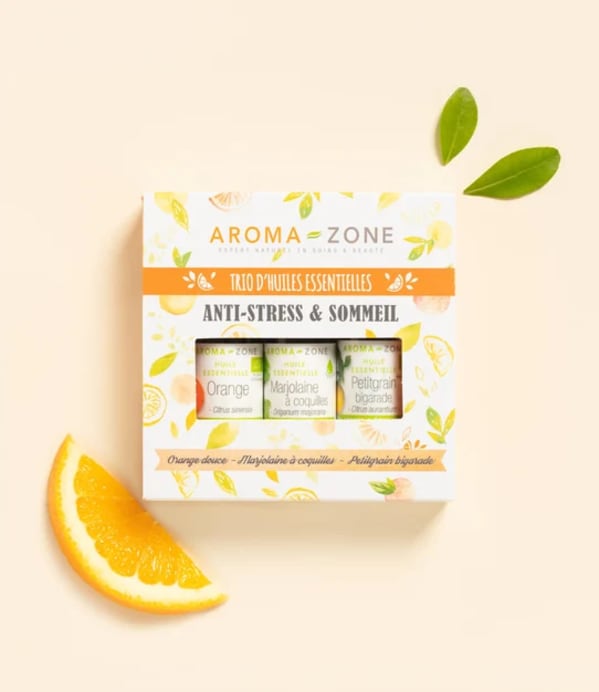
Essential oils set: Trio of essential oils – Anti-stress and Sleep

Anti-Stress and Sleep Essential Oil Trio Set

Sweet orange, marjoram and petitgrain bigarade: all the essential oils in this set can be used for inhalation (sniffed from a handkerchief) or diffused (placed in a suitable diffuser). Always read the specific precautions for use relating to the essential oils being used. Keep essential oils out of the reach of children and pets. When using essential oils for diffusion: Babies: Do not diffuse essential oils in a baby’s bedroom. Opt for cold diffusion, using a spray bottle or an electric diffuser, and avoid using oil burners. This is because heat may degrade the essential oils. Do not diffuse essential oils in a bedroom whilst sleeping. Diffuse essential oils in the bedroom no later than 30 minutes before bedtime. If using an electric diffuser, do not diffuse essential oils for more than 20 minutes at a time. Always ensure your rooms are well ventilated every day. Do not diffuse in confined, unventilated spaces. Do not inhale essential oils directly from the diffuser. Avoid diffusing essential oils too close to varnished or painted surfaces, as they may damage them.

Discover the Anti-Stress and Sleep Essential Oil Trio Set

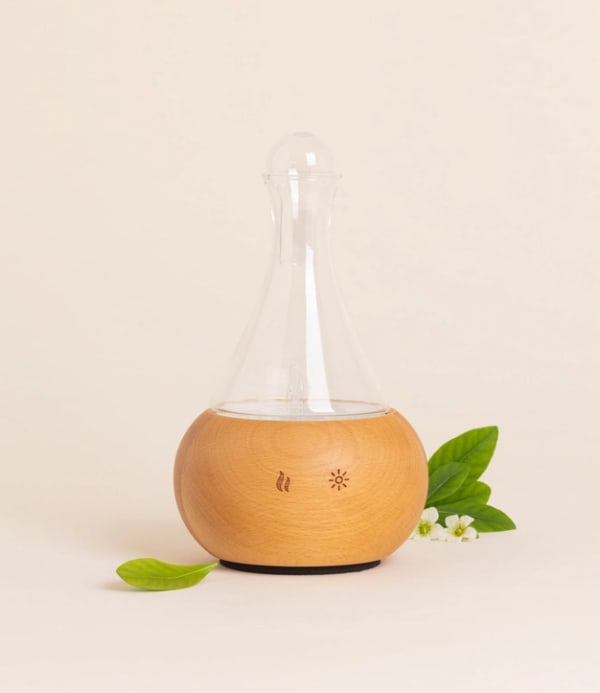
Aura Diffuser

For cold diffusion of essential oils via nebulisation (the release of micro-droplets into the air). Base made from rubberwood and fine hand-blown glass. Suitable for rooms measuring 20 to 80 m². 2-year warranty covering parts and labour.

Discover the Aura Diffuser

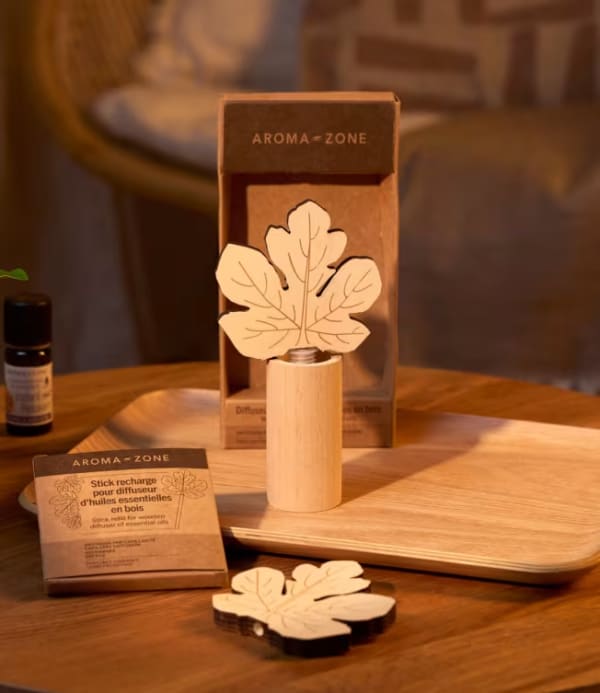
Wooden capillary diffuser for essential oils

Wooden capillary diffuser for essential oils

Ideal for constant, slow and pleasant diffusion in a small space. Convenient, it operates completely independently and does not require a mains connection. Heat-free diffusion to preserve the properties of the essential oils. Wood sourced from FSC-certified sustainably managed forests. Refillable (replace the fig leaf).

Discover the Wooden Capillary Diffuser for Essential Oils

To feel more relaxed, even when you’re on the go

Organic Fine Lavender AOP essential oil from Haute Provence

Organic Fine Lavender AOP essential oil from Haute Provence

Suitable for use in a diffuser, it is traditionally used to relax at bedtime, ease tension and reduce perceived stress. A 100% pure and natural product, certified organic, sourced from France, and guaranteed to be HEBBD (Botanically and Biochemically Defined Essential Oil). Do not use on pregnant or breastfeeding women or on children under 6 years of age. For internal use in limited doses and for short periods only, on the advice of a therapist. Avoid contact with the eyes and mucous membranes. Keep out of reach of children. Always dilute before applying to the skin. Certain natural compounds contained in this essential oil may pose an allergy risk to some sensitive individuals when the essential oil is incorporated into a cosmetic formulation. Avoid using essential oils that are old or oxidised. Store away from light and air. As a general rule, always carry out a patch test on your preparation in the crook of the elbow at least 48 hours before use. For use as a cosmetic ingredient, please refer to the specific precautions.

Discover the Organic Fine Lavender AOP Essential Oil from Haute Provence

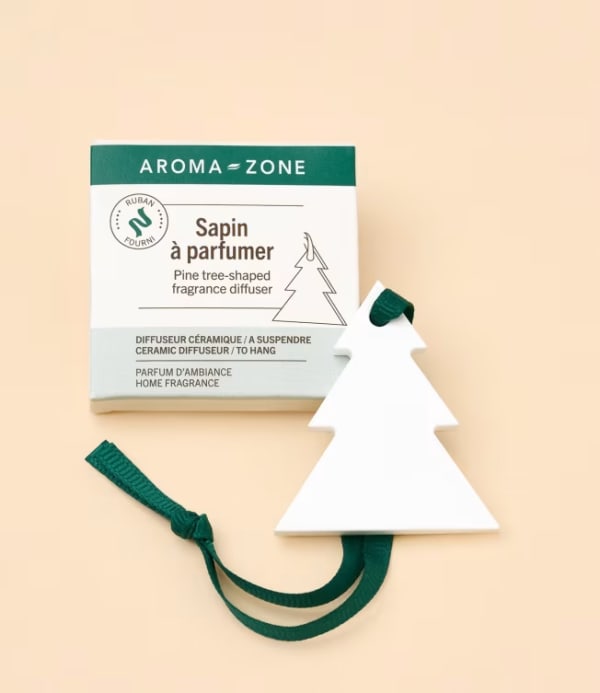
Ceramic diffuser to hang

Ceramic hanging diffuser

Ideal for diffusing essential oils in your car or at the office. It works on the principle of capillary action, ensuring slow and gentle diffusion. Available in fir tree, clover, heart, sun and star shapes. Please note: Certain essential oils may stain the stones: Bergamot, German Chamomile, Chinese Cinnamon, Lemon, Wintergreen, Fragrant Inula, Mandarin, Orange, Patchouli, Annual Tansy. Certain fragrances may stain the stones: Island Pineapple, Lemon Meringue, Gingerbread, Island Sand.

Discover the Hanging Ceramic Diffuser

What the experts say

In what situations might this aromatherapy approach be appropriate?

A word from the functional medicine doctor

"In my practice, I recommend inhaling essential oils to combat stress in two specific situations as a one-off remedy.

  1. Before an important speech – for a business leader, for example – to help cope with acute stress.

  2. Or in the slightly longer term, as an effective ‘crutch’ in the event of recent bereavement.”

Dr Yoni Assouly, functional medicine doctor and author

A word from the naturopath

“It has been shown that inhaling essential oils can reduce pre-operative anxiety. Feeling anxious the day before an operation is perfectly normal, and many patients are given medication (often sedatives) to alleviate this stress. These medicinal solutions can be associated with undesirable side effects upon waking, or even during subsequent post-operative care. This is why essential oils, which are inexpensive and often appreciated for their scent, prove to be useful complementary solutions for managing pre-operative anxiety. The most suitable oils, which have a proven track record, are lavender and orange. (10)(11) Please do, however, consult a trained professional if you wish to inhale essential oils, as there are precautions to be taken." 

Emilie Ondet, Naturopath

Precautions

Essential oils are powerful products that should only be used with proper knowledge. Please read the safety instructions for our products before use. Always dilute them in a carrier oil if you choose to apply them to your skin, for example in a homemade massage oil. Follow the recommended dosages and concentrations. If in doubt, seek advice from a healthcare professional.

Expert advice

When it comes to stress, the sense of smell remains a very personal experience: certain essential oils can be soothing, but the response varies depending on individual sensitivity. Take the time to try out different scents and favour those that spontaneously give you a feeling of comfort or relaxation. Provided there are no contraindications, this sensory exploration can become a simple ritual to support emotional balance in everyday life.

Focus on Our Writer: Hélène Betoux

Hélène Betoux is a French beauty journalist specialising in web media. Every day she writes tips, advice, and guides to help consumers choose the right beauty products. With a strong interest in natural, organic, and clean cosmetics, she analyses and shares trends and innovations in the sector.

Bibliography

  1. How Does Aromatherapy Reduce Stress? The Brain Science, Science Insights, 4 March 2026.

    https://scienceinsights.org/how-does-aromatherapy-reduce-stress-the-brain-science/

  2. Chamine I, Oken BS. Aroma Effects on Physiologic and Cognitive Function Following Acute Stress: A Mechanism Investigation.

    J Altern Complement Med. September 2016;22(9):713–21. doi: 10.1089/acm.2015.0349. Epub 29 June 2016. PMID: 27355279; PMCID: PMC5035835.

  3. Donelli D, Antonelli M, Bellinazzi C, Gensini GF, Firenzuoli F. Effects of lavender on anxiety: A systematic review and meta-analysis.

    Phytomedicine. Dec 2019;65:153099. doi: 10.1016/j.phymed.2019.153099. Epub 26 Sep 2019. PMID: 31655395.

  4. Guo P, Li P, Zhang X, Liu N, Wang J, Yang S, Yu L, Zhang W. The effectiveness of aromatherapy on preoperative anxiety in adults: A systematic review and meta-analysis of randomised controlled trials.

    Int J Nurs Stud. 2020 Nov;111:103747. doi: 10.1016/j.ijnurstu.2020.103747. Epub 12 August 2020. PMID: 32861206.

  5. Turan Kavradim S, Yangöz ŞT, Ozer Z. Effectiveness of aromatherapy inhalation on anxiety and haemodynamic variables in patients with cardiovascular disease: A systematic review and meta-analysis.

    Int J Clin Pract. 2021 Nov;75(11):e14593. doi: 10.1111/ijcp.14593. Epub 4 August 2021. PMID: 34309971.

  6. Luan J, Yang M, Zhao Y, Zang Y, Zhang Z, Chen H. Aromatherapy via inhalation effectively alleviates test anxiety in university students: A meta-analysis.

    Front Psychol. 6 January 2023;13:1042553. doi: 10.3389/fpsyg.2022.1042553. PMID: 36687893; PMCID: PMC9853416.

  7. Donelli D, Antonelli M, Bellinazzi C, Gensini GF, Firenzuoli F. Effects of lavender on anxiety: A systematic review and meta-analysis.

    Phytomedicine. Dec 2019;65:153099. doi: 10.1016/j.phymed.2019.153099. Epub 26 Sep 2019. PMID: 31655395.

  8. Hicks M, Hanes D, Wahbeh H. Expectancy effect in three mind-body clinical trials.

    Journal of Evidence-Based Complementary & Alternative Medicine. 2016;21(4):NP103–NP109. doi:10.1177/2156587216652572

  9. Shafir R, Israel M, Colloca L. Harnessing the placebo effect to enhance emotion regulation effectiveness and choice.

    Sci Rep. 9 February 2023;13(1):2373. doi: 10.1038/s41598-023-29045-6. PMID: 36759537; PMCID: PMC9911767.

  10. Allison E. Murphy, Steven L. Belmont, Nancy A. Moriber, ‘The Use of Therapeutic Inhaled Essential Oils (TIEO) as a Holistic Approach to Decrease Preoperative Anxiety in ERAS Gynaecological Surgery’, Journal of PeriAnesthesia Nursing, Volume 37, Issue 6, 2022, Pages 787–794, ISSN 1089-9472

    https://doi.org/10.1016/j.jopan.2022.03.002.

  11. Stea S, Beraudi A, De Pasquale D. Essential oils for complementary treatment of surgical patients: state of the art.

    Evid Based Complement Alternat Med. 2014;2014:726341. doi: 10.1155/2014/726341. Epub 24 Feb 2014. PMID: 24707312; PMCID: PMC3953654.

Frequently Asked Questions

Frequently Asked Questions