What are the common mistakes to avoid when managing stress, according to our experts?

What are the common mistakes to avoid when managing stress, according to our experts?


By Hélène Betoux

Published on: Tuesday, May 05, 2026, Updated on: Monday, October 12, 2026

Whilst stress is an integral part of our modern lifestyles, it can cause a sense of unease that disrupts our daily balance in the long term. Certain common mistakes in stress management contribute to making it worse and lay the foundations for it potentially becoming chronic. It is often a genuine vicious circle, where an inappropriate ‘coping’ strategy leads to the nervous system becoming more reactive to the threats it perceives. In this article, based on the scientific literature, we outline the most common mistakes that fuel your anxiety and stress; backed by insights from our expert partners, we also offer some suggestions on how to adjust your response and break free from this vicious cycle.

Contents

Related products

In brief

  • Certain common mistakes in stress management can contribute to the development of chronic stress. 

  • Inappropriate coping strategies, such as avoidance or procrastination – which offer the illusion of immediate relief – are among the most problematic behaviours. 

  • In fact, they are likely to exacerbate feelings of unease in everyday life.

What are the most common mistakes when it comes to stress management?

Classic mistakes in stress management all stem from the same root cause: an inappropriate response to the stressor, largely determined by the context in which it arises and by your personal history.

One of the most common mistakes in stress management is to respond to it in an inappropriate way. For example, you are reacting inappropriately when you turn to alcohol or food for comfort. Procrastination is also a typical strategy of escape or avoidance. These reflexes may give you an immediate sense of well-being, but they are in fact detrimental to your mental balance (1).

Failure to regulate emotions is another typical mistake whose repercussions we tend to underestimate. This may be what you are doing if you refuse to acknowledge your emotions, if you do not express them, and if you suppress them instead of seeking to understand them better. Over time, this emotional ‘suppression’ disrupts your body’s biochemical balance: it is a process of wear and tear that results in disruptions to your circadian rhythm and the atrophy of certain brain structures. Experts refer to this as ‘allostatic load’ (2).

Another mistake: dwelling on your problems. You engage in this so-called rumination when you go over your worries in your head over and over again, adopting the role of a bystander, without actively trying to resolve them. This strategy is far from harmless: it prolongs the body’s physiological response to the stressor by sustaining prolonged activation of the stress axis (3). It can even make your brain more reactive to emotional upheavals, which will help amplify your body’s reaction to future stress (4). In short: here, your stress is self-perpetuating.

You may be making these mistakes if:

  • You feel that your attempts to unwind, take your mind off things or relax are unsuccessful. They only bring you relief for a few moments, never for any length of time.

  • You are increasingly inclined to avoid any potentially stressful situation, by adopting strategies such as avoidance, procrastination or even cancellation.

  • Your stress symptoms are getting worse, a sign that your body is struggling to maintain its homeostasis: sleep disturbances, irritability, memory lapses, loss of enjoyment, etc.
Why do certain mistakes make stress worse?

Stress is a complex, multifactorial reaction. It stems from the interaction of psychological mechanisms, biological factors and environmental elements. In day-to-day life, it is therefore particularly easy to make mistakes that affect one or other of these areas and, in turn, alter your body’s ability to respond to the identified stressor. 

From a psychological perspective, stress begins when you perceive something as a threat. However, if you tend towards catastrophising, rumination or perfectionism, you will generally experience higher levels of stress, as your perception of the threat is much more acute, even in situations that most people would consider harmless.

Once the threat is perceived, your body triggers a biological and biochemical response via the HPA (hypothalamic-pituitary-adrenal) axis. This is the well-known surge of cortisol, which can disrupt your body’s normal functioning when associated with chronic stress. In the long term, some experts point in particular to damage to the hippocampus, which could reduce your ability to adapt to stress. This is, in fact, what can cause chronic anxiety and contribute to the onset of depressive disorders (8).

The intensity of the stress you experience is also influenced by various external factors. Whilst social support is associated with a calming effect on the HPA axis and a reduction in cortisol, inappropriate coping strategies (such as avoidance or procrastination) can, on the other hand, make the situation worse.

Key takeaway: how you perceive a situation therefore plays a key role in the stress you feel and in how you manage it. Hence the importance of practising positive thinking on a daily basis.

How can you avoid confusing stress with anxiety?

Stress is the body’s natural reaction to what it identifies as a stressor. It prepares the body to focus all its energy on an appropriate response: fight or flight. Anxiety, on the other hand, is far less rational: here, the perceived ‘threat’ is not real – or at least not yet – but is primarily the anticipation of danger. Just like stress, it can also become chronic; in this case, we tend to refer to it as ‘generalised anxiety disorder’.

What are the best habits to adopt?

The best approach to improving your stress management is to replace your maladaptive responses (escapism, procrastination, overeating, etc.) with adaptive coping strategies. A 2016 study highlights that these are more effective in helping you manage your daily stress (1).

Below, we’ve set out a few examples that could help you reduce your feelings of stress in the short term whilst supporting your body’s natural resilience in the long term.

Inappropriate response

Possible solution and examples of how to apply it

You tend to use avoidance strategies

Prioritise adaptive strategies that encourage you to engage.

Example: gradually expose yourself to the situations you dread (starting with small doses, then gradually increasing your exposure) to improve your stress resilience (5); begin cognitive restructuring to reduce your avoidance behaviours, by targeting limiting thoughts such as ‘it’s too hard’ or ‘I can’t do it’; improve your time management through active planning, by learning to break down tasks that seem insurmountable into smaller steps and setting yourself achievable goals.

You find it difficult to accept your emotions

Work on your emotional intelligence to regain psychological flexibility when facing the challenges of everyday life.

Example: try mindfulness meditation, using the 3-3-3 grounding technique (identify 3 things you can see, find 3 sounds you can hear and focus on 3 parts of your body); practise self-compassion, particularly if your stress stems from feelings of shame or guilt, using a journal if necessary; encourage your creative and artistic expression (art therapy through painting, music, writing, etc.) to create a space for self-expression where you can release repressed emotions and learn to manage them better.

You dwell on your problems

Shift from a passive to an active mindset to better manage the stressful situations that are troubling you.

Example: try expressive writing, which involves freely jotting down on paper whatever comes to mind for about fifteen minutes (Pennebaker was already recommending this method in 1997 (6) for people who tend to ruminate); actively engage in enjoyable activities, such as sport, which also has the advantage of helping to regulate stress-related emotions (lower cortisol levels, endorphin rush), bearing in mind that research suggests moderate but regular exercise for 30 minutes a day (7); practise letting go, not out of resignation, but out of a desire to detach yourself from unproductive, stress-inducing negative thoughts.

Key takeaways for adopting beneficial habits:

  • Address the situation rather than focusing solely on the symptoms

  • Find the right balance between problem-focused coping and emotion-focused coping

  • Seek support if needed to undertake behavioural therapy.

Expert advice

What is the most common mistake you see in your stressed patients?

A word from the functional medicine doctor

“We all tend to add activities, exercise and so on to our daily routines, when sometimes we should simply lighten the load to better combat stress. The priority remains to properly identify the main cause behind this stress before implementing new measures or prescribing anything such as dietary supplements.”

Dr Yoni Assouly, functional medicine doctor and author

Is it a mistake to rely solely on dietary supplements?

A word from the nutritionist

“Relying solely on dietary supplements to manage stress is often an ineffective approach. Indeed, this phenomenon involves biological and psychological mechanisms and is part of a broader context, including lifestyle, sleep, the working environment and social relationships. It must therefore be managed holistically: the first step, where possible, is to identify and reduce sources of stress; dietary supplements offer valuable support when incorporated into a healthy lifestyle based on sufficient sleep and a balanced diet; regular physical activity and relaxation techniques are further ways to promote wellbeing.”

Lila Bouber, PhD in Nutrition and Scientific Consultant

Our tailored skincare products

We offer a selection of treatments and products designed to provide you with daily support in managing stress. This selection combines quick-fix solutions for times of heightened stress with sustainable strategies to be adopted over the long term, ensuring their benefits last.

To calm an overactive nervous system

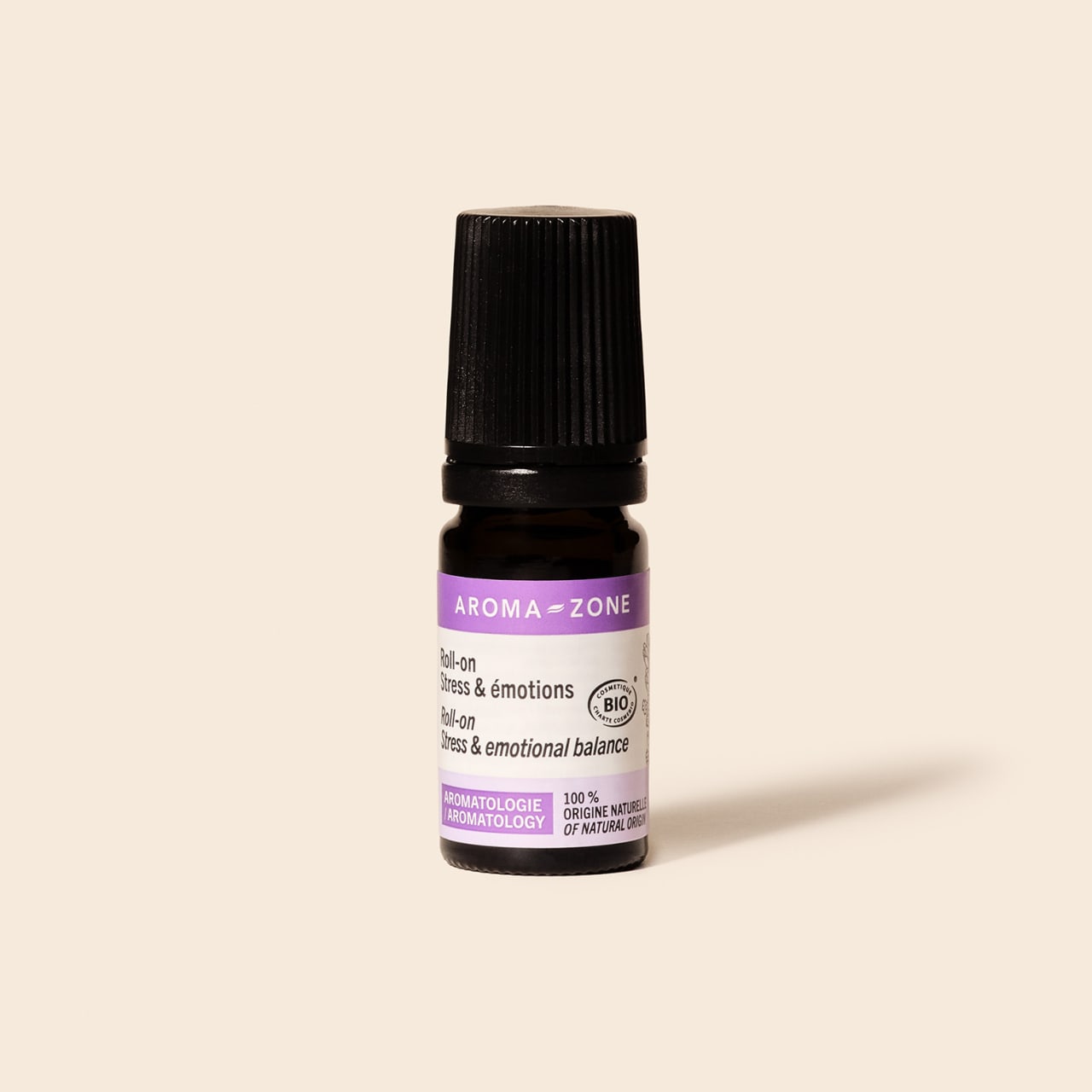
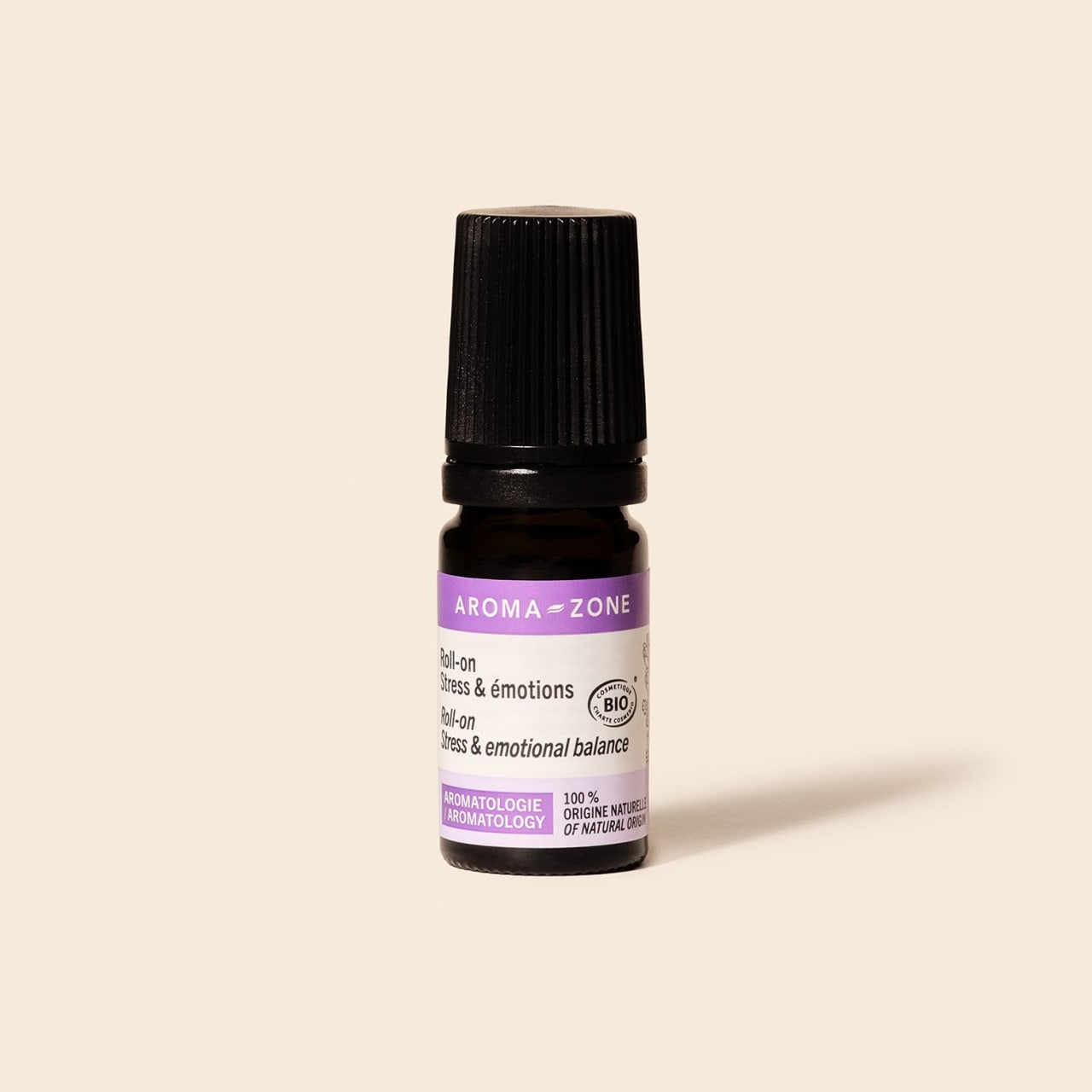
Roll-on with essential oils Stress & Emotions

Stress & Emotions essential oil roll-on

Use it as soon as you feel a spike in stress, nervous tension or overwhelming emotions. Roll the ball over your wrists and solar plexus. Breathe deeply to feel the soothing benefits of Petitgrain, Lavender, Neroli, Chamomile, Marjoram, Bergamot and Sweet Orange. Not to be used by pregnant or breastfeeding women, or by children under 7 years of age.

Discover the Stress & Emotions Essential Oil Roll-on

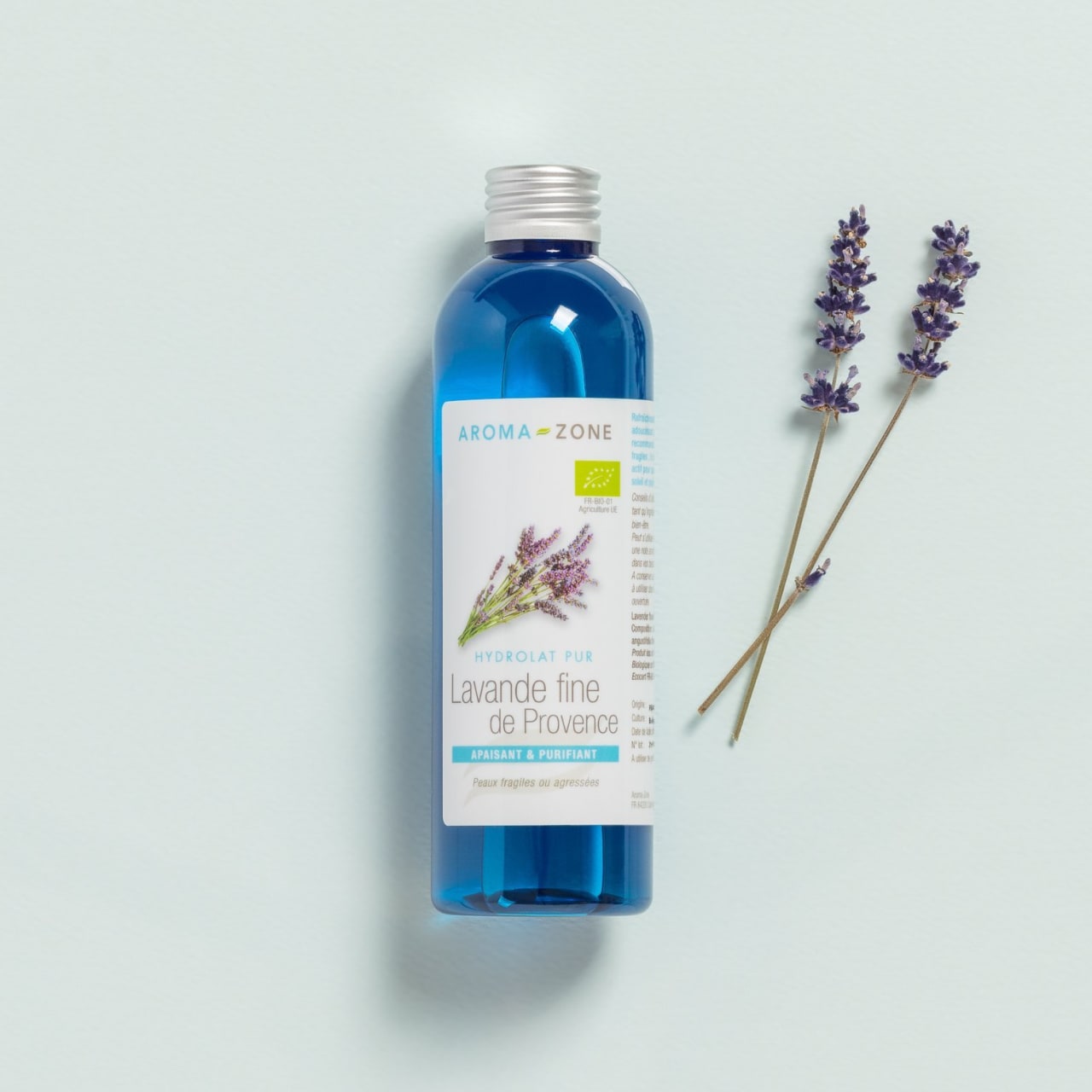
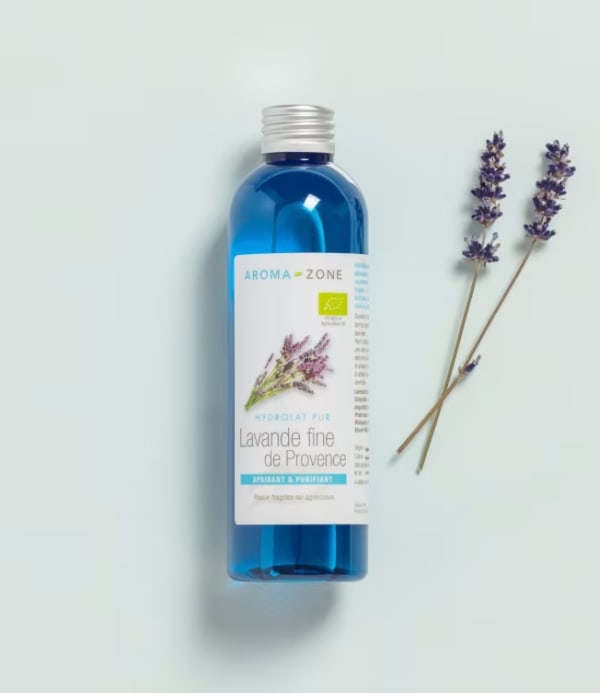
Organic Fine Lavender Hydrosol from Provence

Organic Fine Lavender Hydrosol from Provence

A suitable option for pregnant and breastfeeding women, for use in aromatherapy. Spray the hydrosol onto your skin or clothing and breathe in its scent as soon as your nervous system sends you warning signals. Lavender is one of the leading medicinal plants for treating nervousness and mental agitation.

Discover Organic Fine Lavender Hydrosol from Provence

How to learn to relax in everyday life

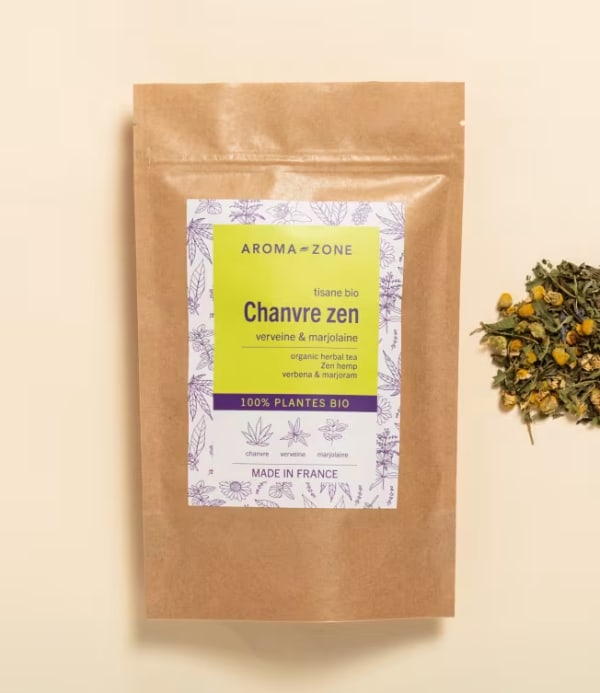
Organic Zen Hemp Herbal Tea

Organic Zen Hemp Herbal Tea

Treat yourself to a natural, relaxing break with no added flavourings, thanks to this blend of hemp (a source of cannabidiol), lemon verbena, German chamomile, marjoram, lavender and bitter orange. Selected for their ability to promote relaxation, these plants release aromatic, herbal, fresh and floral flavours. This herbal tea is caffeine-free, so you can enjoy it at any time of day, including in the evening, to help you wind down before bed. Recommended serving size: one teaspoon per cup of simmering water. Certified organic, made in France. Not recommended for pregnant or breastfeeding women. For adults only.

Discover the Organic Zen Hemp Herbal Tea

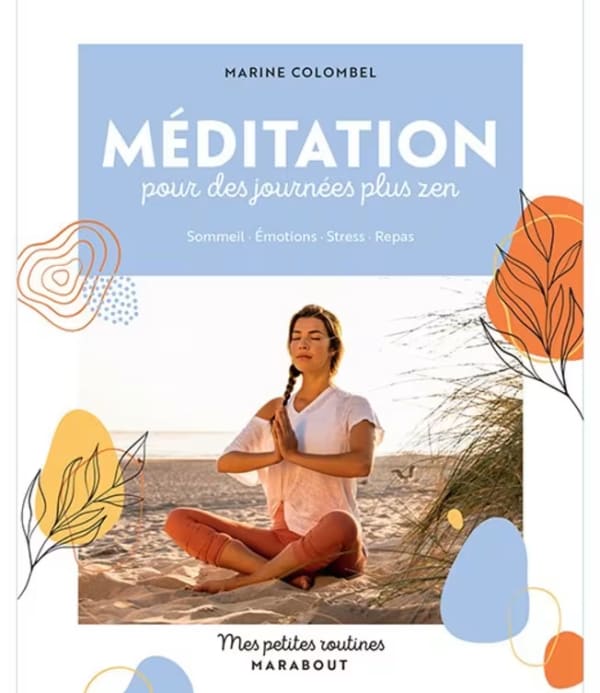
Book: Meditation for a more peaceful life

Book: Meditation for a more zen daily life

A four-week programme to introduce you to meditation and mindfulness, with exercises and routines that are easy to incorporate into your daily life. Written by psychiatrist Marie Colombel, it covers key topics such as stress, sleep, nutrition and concentration.

Discover the book *Meditation for a More Zen Daily Life*

To support recovery

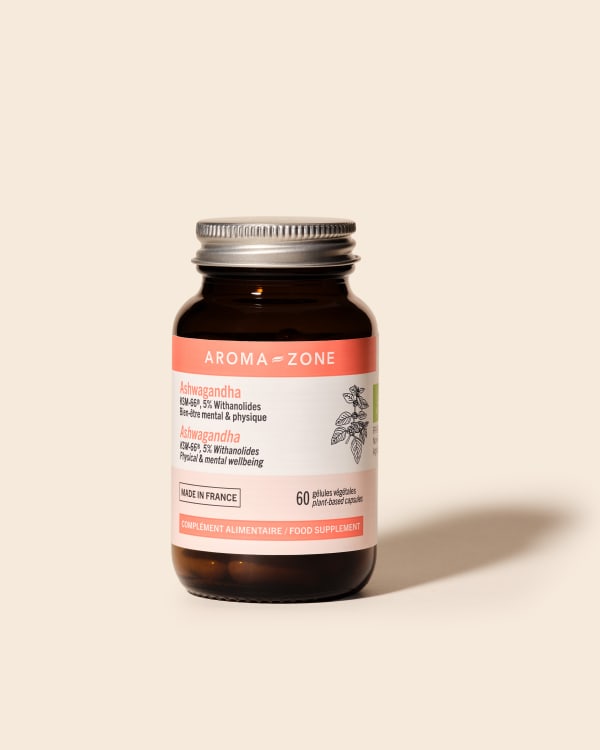
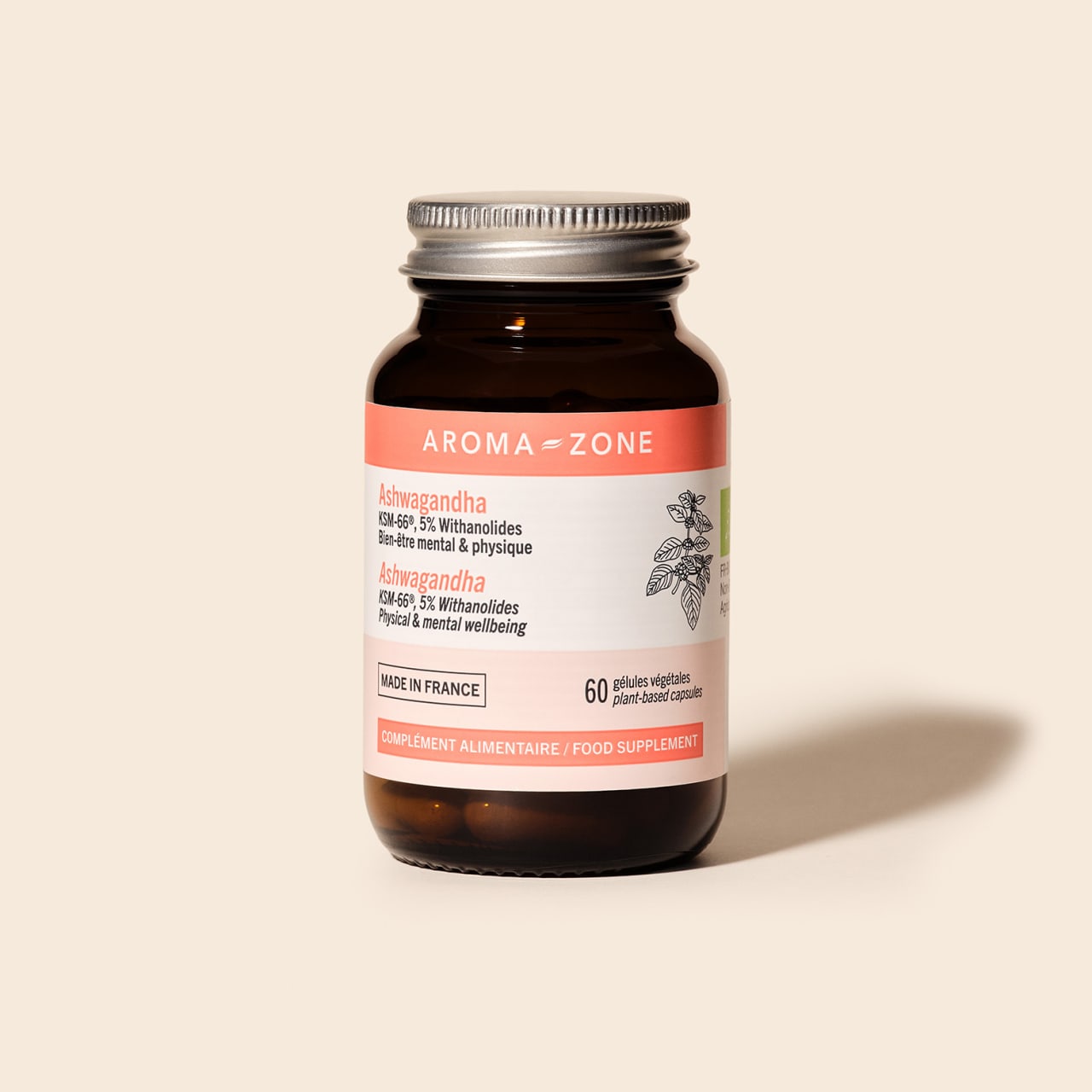
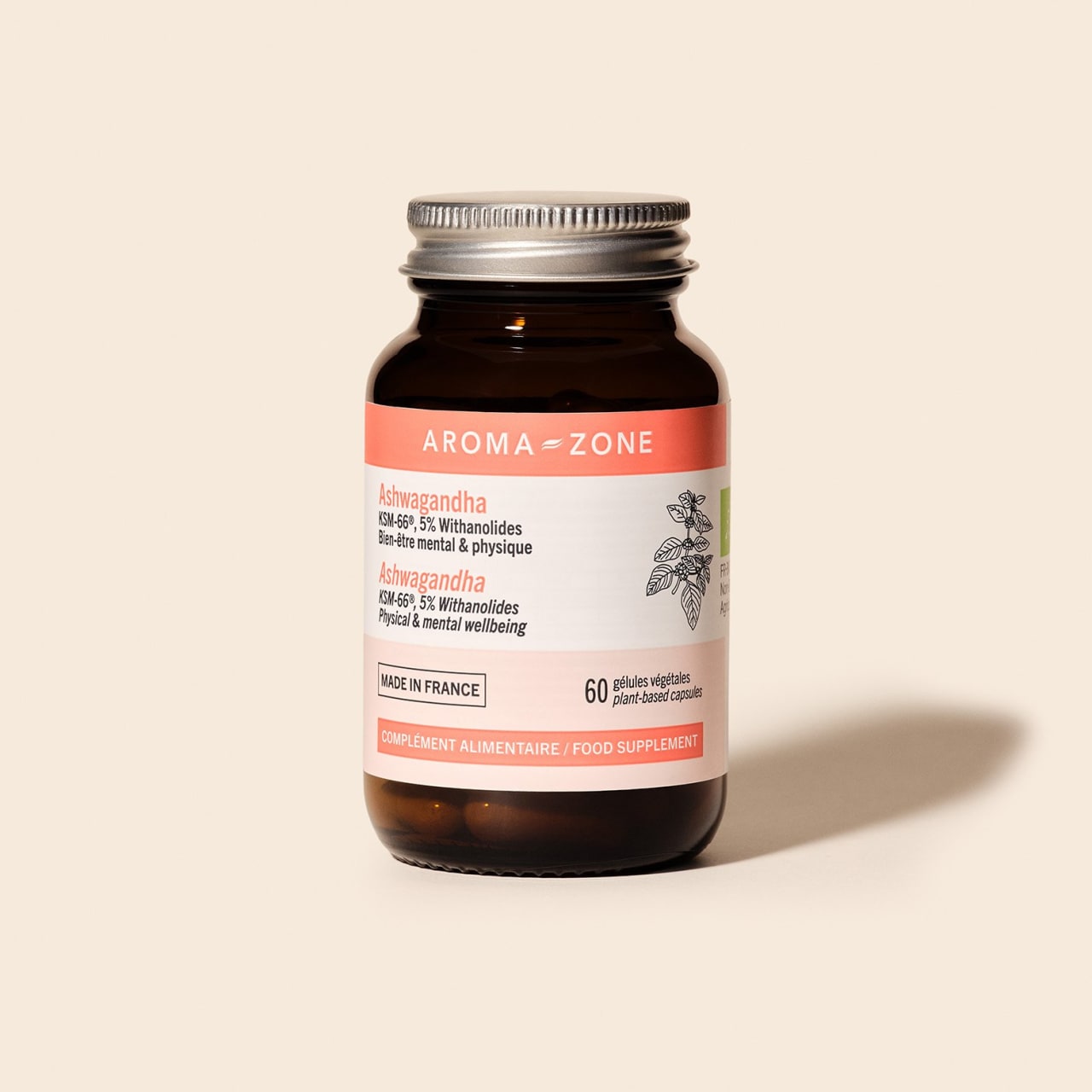
Ashwagandha Organic Dietary Supplement – 60 capsules

Organic Ashwagandha

Ashwagandha is an adaptogenic plant recognised for supporting the body’s ability to adapt to and manage stress. Its patented KSM-66® extract, thanks to its high concentration of withanolides, helps to modulate the response to physical and mental stress whilst maintaining emotional balance. Recommended dosage: 1 to 2 capsules per day, to be taken with a glass of water, ideally as a 2- to 3-month course of treatment. 100% natural, certified organic, vegan, made in France. Keep out of reach of children. Not a substitute for a varied and balanced diet and a healthy lifestyle. Do not exceed the recommended daily dose. For adults only. Not suitable for pregnant or breastfeeding women. Not recommended for those with endocrine, thyroid, liver or heart conditions, or for people taking medication that depresses the central nervous system.

Discover Organic Ashwagandha

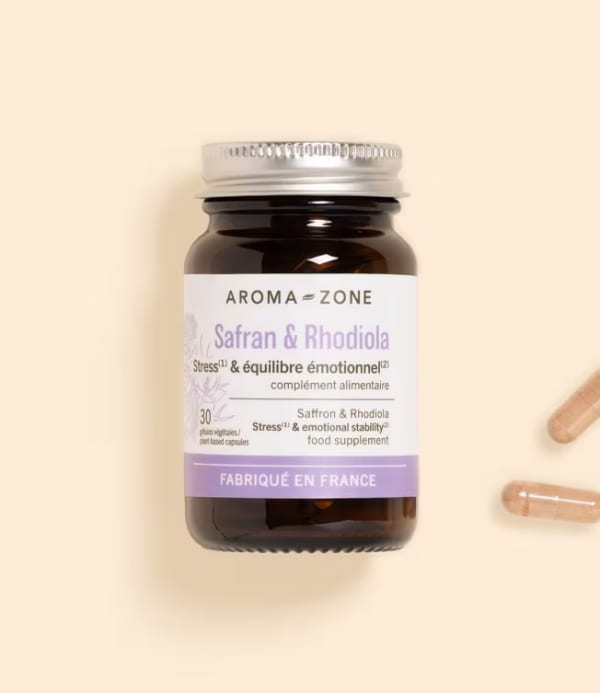
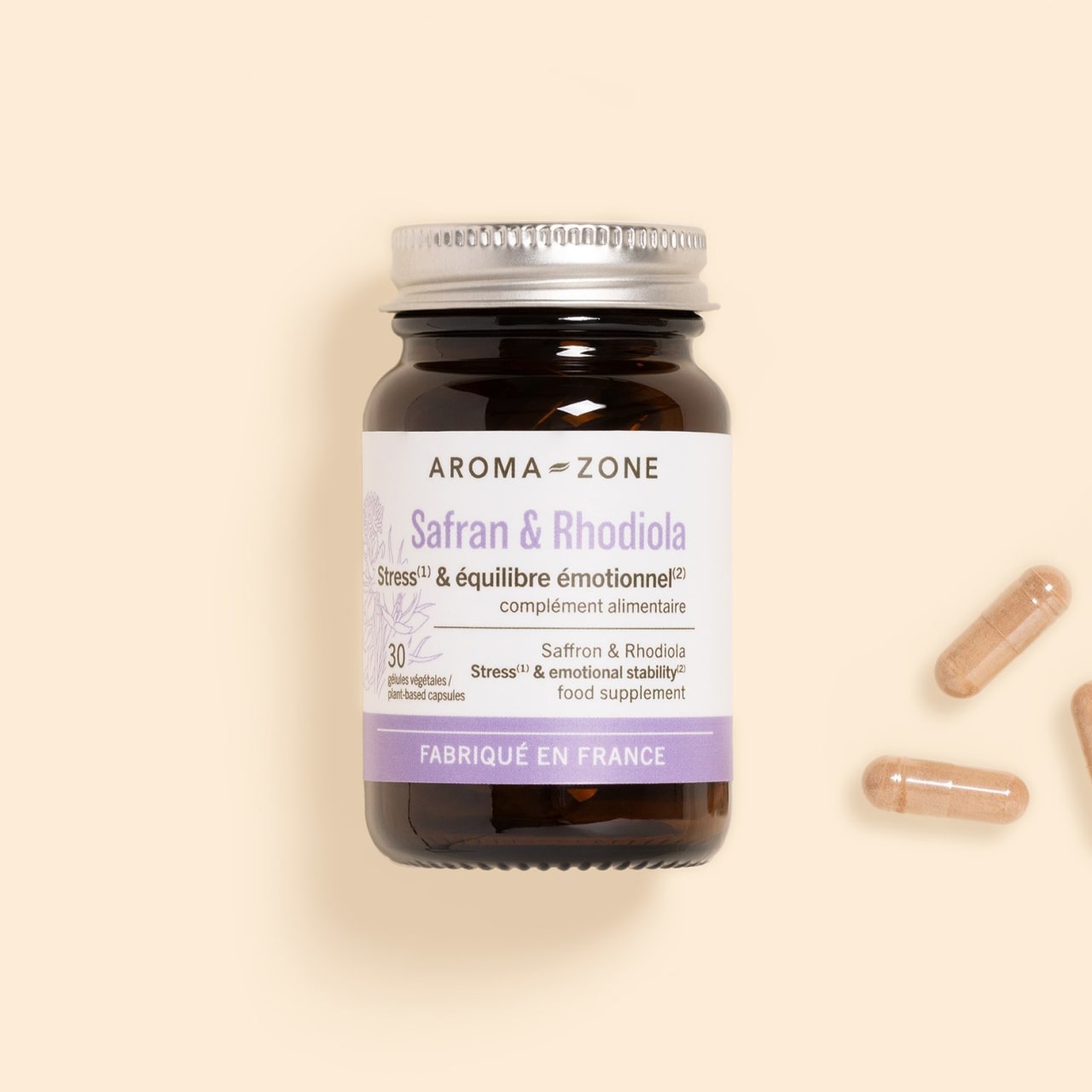
Saffron & Rhodiola - 30 capsules - Dietary supplement

Saffron & Rhodiola

It combines two patented extracts: Safr’Inside™ (scientifically proven to be effective for stress, mood and sleep quality, with results felt as early as 30 minutes after taking it) and Rhodiolife® (validated for its effects on mental wellbeing, mood and support for athletes). It is ideal for combating stress, soothing nervous tension and helping to lift low spirits. Recommended dosage: 1 capsule per day, to be swallowed with a glass of water, ideally as a 2- to 3-month course of treatment. 100% natural, vegan, made in France. Not a substitute for a varied and balanced diet and a healthy lifestyle. Do not exceed the recommended daily dose. For adults only. Do not use during pregnancy or whilst breastfeeding. Not recommended for people taking antidepressants.

Discover Saffron & Rhodiola

Triple Magnesium

Magnesium is traditionally recommended during periods of temporary stress, sleep disturbances and low energy levels. For enhanced bioavailability and an optimal dose, it is presented here in the form of a unique blend of magnesium bisglycinate, marine magnesium and organic sea lettuce extract. Recommended dosage: 1 to 3 capsules per day, to be swallowed with a glass of water, for 40 days to 3 months. 100% plant-based, vegan, made in France. Keep out of reach of children. Not a substitute for a varied and balanced diet and a healthy lifestyle. Do not exceed the recommended daily dose. For adults only. Pregnant or breastfeeding women should seek advice from a healthcare professional before taking any supplements. Magnesium may have a laxative effect in some people. Organic sea lettuce extract (seaweed) provides a small amount of iodine (< 10 µg per daily dose of 3 capsules, i.e. less than 6.7% of the reference nutritional value of 150 µg/day for iodine). If you have thyroid problems, consult your doctor.

Discover Triple Magnesium

Precautions

Repeatedly making common stress management mistakes can sometimes lead to the temptation to engage in risky behaviour. If this sounds familiar, don’t suffer in silence. Seek help from a healthcare professional as soon as possible.

Expert advice

Feeling stressed? Why not have a bath to help you take a step back? Just 25 minutes is said to be enough to significantly lower cortisol levels and increase feelings of relaxation (9). To maximise the benefits, do try adding some relaxing bath salts, such as our Epsom salts.

Focus on Our Writer: Hélène Betoux

Hélène Betoux is a French beauty journalist specialising in web media. Every day she writes tips, advice, and guides to help consumers choose the right beauty products. With a strong interest in natural, organic, and clean cosmetics, she analyses and shares trends and innovations in the sector.

Bibliography

  1. M. Kim Holton, Adam E. Barry, Don Chaney. Employee stress management: An examination of adaptive and maladaptive coping strategies on employee health.

    Work 53 (2016) 299–305, DOI:10.3233/WOR-152145.

  2. Bruce S. McEwen.

    Allostasis and Allostatic Load: Implications for Neuropsychopharmacology.

  3. Neuropsychopharmacology. Volume 22, Issue 2, 2000, pages 108–124, ISSN 0893-133X

    https://doi.org/10.1016/S0893-133X (99) 00129–3.

  4. Sladek MR, Doane LD, Breitenstein RS. Daily rumination about stress, sleep, and diurnal cortisol activity.

    Cogn Emot. 2020 Mar;34(2):188–200. doi: 10.1080/02699931.2019.1601617. Epub 8 Apr 2019. PMID: 30961457; PMCID: PMC6783329.

  5. Vrshek-Schallhorn S, Velkoff EA, Zinbarg RE. Trait rumination and response to negative evaluative lab-induced stress: neuroendocrine, affective, and cognitive outcomes.

    Cogn Emot. May 2019;33(3):466–479. doi: 10.1080/02699931.2018.1459486. Epub 6 April 2018. PMID: 29623753; PMCID: PMC6174001.

  6. Balner H, Dersjant H. Increased oncogenic effect of methylcholanthrene after treatment with anti-lymphocyte serum.

    Nature. 25 October 1969;224(5217):376–8. doi: 10.1038/224376a0. PMID: 5343886.

  7. Pennebaker, J. W. (1997). Writing about emotional experiences as a therapeutic process.

    Psychological Science, 8(3), 162–166. DOI: 10.1111/j.1467-9280.1997.tb00603.x

  8. Schuch, F. B., Vancampfort, D., Firth, J., et al. (2015). Physical activity and mental health: Current concepts.

    American Journal of Lifestyle Medicine, 9(4), 304–314. DOI: 10.1177/1559827614556844

  9. McEwen BS. Protective and damaging effects of stress mediators: central role of the brain.

    Dialogues Clin Neurosci. 2006;8(4):367–81. doi: 10.31887/DCNS.2006.8.4/bmcewen. PMID: 17290796; PMCID: PMC3181832.

  10. Matzer F, Nagele E, Bahadori B, Dam K, Fazekas C. Stress-relieving effects of short-term balneotherapy – a randomised controlled pilot study in healthy adults.

    Forsch Komplementmed. 2014;21(2):105–10. doi: 10.1159/000360966. Epub 17 March 2014. PMID: 24851847.

Frequently Asked Questions

Frequently Asked Questions