Acute or chronic stress: how can you tell where you stand?

Acute or chronic stress: how can you tell where you stand?


By Hélène Betoux

Published on: Monday, May 04, 2026, Updated on: Monday, October 12, 2026

The transition from acute to chronic stress marks a decisive turning point for your body. Whilst acute stress is a brief, adaptive reaction by your body, chronic stress is a vicious circle that prevents a return to homeostasis. This leads to various signs that your body is under strain, typically including sleep or digestive problems, headaches, weight gain or a drop in energy levels. In real life, it is not always easy to distinguish between the two. However, recognising this marks the start of a journey towards your wellbeing. The mechanisms at play, warning signs and recommended approaches: we’ve put together this guide to help you see things more clearly.

Contents

Related products

In brief

  • Unlike short-term stress, chronic stress is harmful to the body.

  • Chronic stress generally manifests as a long-term inability to recover.

  • Chronic stress often requires a multi-faceted approach.

How do you go from experiencing occasional stress to chronic stress?

The principle of allostatic load

Are you familiar with the expression ‘the straw that breaks the camel’s back’? It is precisely this – this overflow – that is at the heart of the allostatic load theory put forward by Bruce S. McEwen (1).

Acute stress is your body’s attempt to adapt to a temporary threat. It is an emergency state that the body is perfectly capable of managing, but one that comes at a physiological cost. If the regulatory systems are constantly being mobilised (by a stressor that does not go away or that recurs too frequently, for example), they eventually wear out. This wear and tear contributes to an overall imbalance, which manifests as cognitive decline (e.g. memory lapses) and physical decline (e.g. weight gain).

Once this imbalance sets in, you move from occasional stress to chronic stress. You are not ‘more stressed’ than before: your body simply can no longer function normally.

CONCLUSION: the accumulation of physiological responses to stress leads to cumulative wear and tear, which can result in the onset of chronic stress.

The vicious circle of stress

When faced with occasional stress, your HPA (hypothalamic-pituitary-adrenal) axis produces just the right amount of cortisol before returning to a state of readiness. But what do you think happens when this system is confronted with a recurring, overly intense or persistent stressor? It remains on high alert and maintains consistently high cortisol levels.

This hormonal over-activation affects the plasticity of your brain, making it more sensitive and reactive to stimuli (2). As a result, even minor events become potential stressors and trigger a disproportionate physiological response. In other words: stress leads to more stress.

On top of this comes inflammation, which sustains the hypervigilance of your neural circuits (3) whilst making your cells resistant to cortisol, resulting in self-perpetuating inflammation.

When stress takes hold, all these factors prevent the body from returning to homeostasis.

CONCLUSION: The transition to chronic stress involves feedback loops that render the body’s regulatory system ineffective.

The role of individual differences

What causes stress to shift from acute to chronic? The first things that spring to mind are, of course, repeated exposure (e.g. a toxic new manager) or particularly intense stress (e.g. : a high mental workload) and that well-known accumulation (just as small streams make big rivers, small stresses also make big stresses…). 

But there is also individual vulnerability: genetics, for example, determines our sensitivity to stress. It can make it easier for stress to become chronic in a stressful environment (4).

Research also suggests that exposure to early-life stress, for example during childhood, shapes the way we respond to stress in adulthood, through a kind of programming.

CONCLUSION: epigenetics and our personal history can accelerate the transition from acute to chronic stress.

How can you recognise the signs of chronic stress?

Key points to remember: if you’re experiencing symptoms of stress even though the source of stress has disappeared or is difficult to identify, you may be suffering from chronic stress.

The main signs summarised below will help you work out more easily whether you’re experiencing occasional or chronic stress:

Signs of occasional or acute stress

Signs of what is likely to be chronic stress

A feeling of rapid relief after the stress peak.

A feeling of remaining on high alert even after the stressor has disappeared.

A clearly identifiable stressor (e.g. an exam, a meeting, an accident, a conflict, etc.).

Stressor difficult to identify, a vague sense of unease.

Occasional sleep disturbance with a rapid return to normal.

Persistent sleep disturbances (insomnia, difficulty falling asleep, etc.).

A surge of energy at the peak of stress, followed by moderate and temporary fatigue.

Persistent fatigue, feeling of exhaustion, even whilst on holiday.

A measured reaction to the trigger, without any marked emotional outburst.

Hypersensitivity to the environment, irritability and disproportionate reactions.

Temporary physical symptoms (e.g. a stronger, faster heartbeat)

Long-lasting physical discomfort (muscle tension, headaches, diarrhoea, etc.).

Stable behaviour, with no noticeable changes.

Emergence of tendencies towards isolation, loss of motivation, difficulty concentrating, etc.

When a multidimensional approach really comes into its own: sleep, anxiety, weight gain, cardiovascular health

The allostatic load associated with chronic stress involves several of the body’s regulatory systems. These include, of course, the nervous system and the HPA axis, but also the immune system and metabolism (5). This wear and tear occurs simultaneously, leading to profound dysregulation which one-dimensional approaches may fail to address effectively.

For example, if you tend to put on weight due to stress, a diet may certainly help improve the situation; however, it does not address the root of the problem, namely endocrine dysregulation (particularly via the cortisol cycle).

Although certain targeted approaches may be relevant, the literature tends to favour a multidimensional approach (6). The latter appears, in fact, to be better suited to the multisystemic complexity of stress. It is generally based on the following pillars.

  • Regulation of the nervous system, through breathing exercises or meditation (7)

  • Emotional support, through cognitive behavioural therapy (CBT)

  • Reducing environmental stress, such as conflicts or work overload

  • Establishing a support network, which helps to improve resilience to stress (8)

  • Improvements to lifestyle, particularly through diet, exercise and sleep (9).

Our expert’s view

A word from the functional medicine doctor

"In this context, it’s fair to ask: how can you easily assess your daily stress levels? Personally, I use a few tell-tale questions: how well are you sleeping? Do you experience a systematic surge of energy in the evening (a sign of cortisol imbalance)? How do you recover between periods of exertion? What habits, whilst seemingly beneficial on paper, actually feel like a burden in daily life? This is usually enough to clearly distinguish a state of chronic stress from an isolated episode of stress.”

Dr Yoni Assouly, functional medicine practitioner and author

Which products can help with the signs of stress?

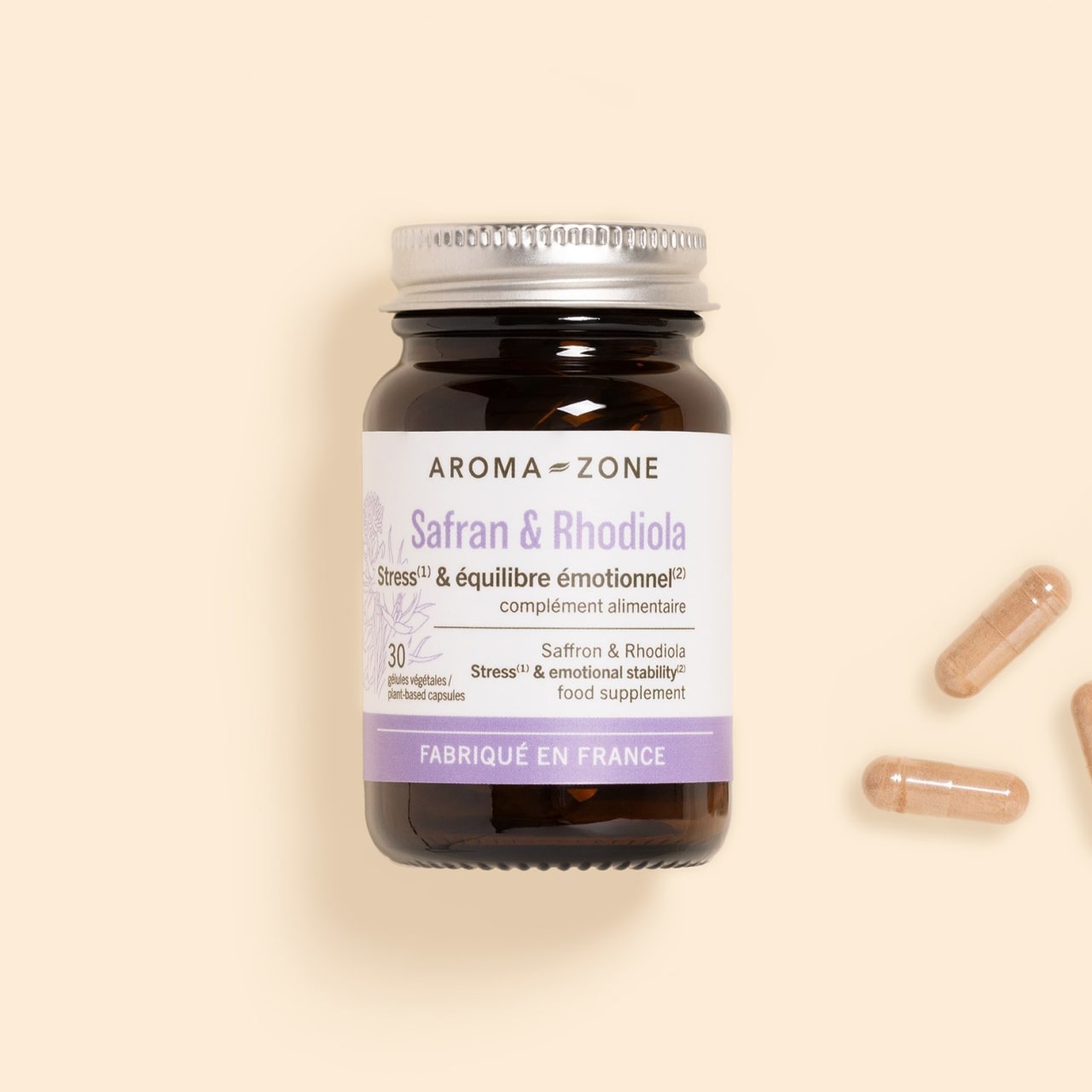
Saffron & Rhodiola - 30 capsules - Dietary supplement

Saffron & Rhodiola

When taken as a one-off dose during a stressful episode: effects felt 30 minutes after taking; when taken long-term: effects on stress levels and mood felt after 7 days. Recommended dosage: 1 capsule per day, to be swallowed with a glass of water, as a course of treatment lasting 2 to 10 weeks to improve mood, or 2 to 3 months to improve stress resilience. Do not use during pregnancy or whilst breastfeeding; not recommended for people taking antidepressants.

Discover Saffron & Rhodiola

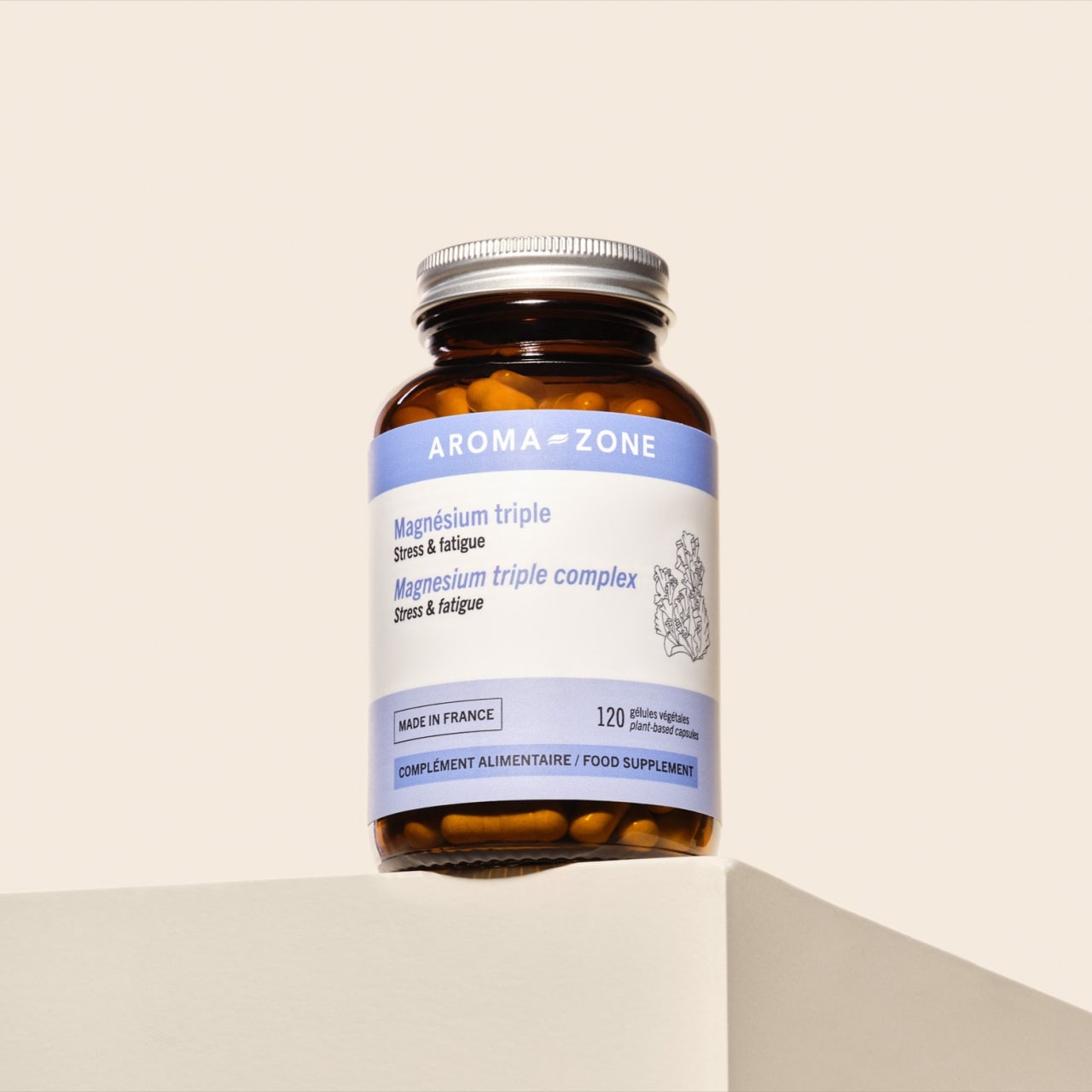
Triple Magnesium

Magnesium is recognised for helping to reduce fatigue and supporting the normal functioning of the nervous system in cases of occasional or chronic stress. This supplement combines three forms for enhanced bioavailability. 100 per cent plant-based, vegan, made in France. Dosage: 1 to 3 capsules per day, to be swallowed with a glass of water for 40 days to 3 months. Keep out of reach of children. Not a substitute for a varied and balanced diet and a healthy lifestyle. Pregnant or breastfeeding women should seek advice from a healthcare professional before taking any supplements. Magnesium may have a laxative effect in some people. Organic sea lettuce extract (seaweed) provides a small amount of iodine (< 10 µg per daily dose of 3 capsules, i.e. less than 6.7% of the reference nutritional value of 150 µg/day for iodine); if you have thyroid problems, consult your doctor.

Discover Triple Magnesium

017-pack-aromazone-0167-1

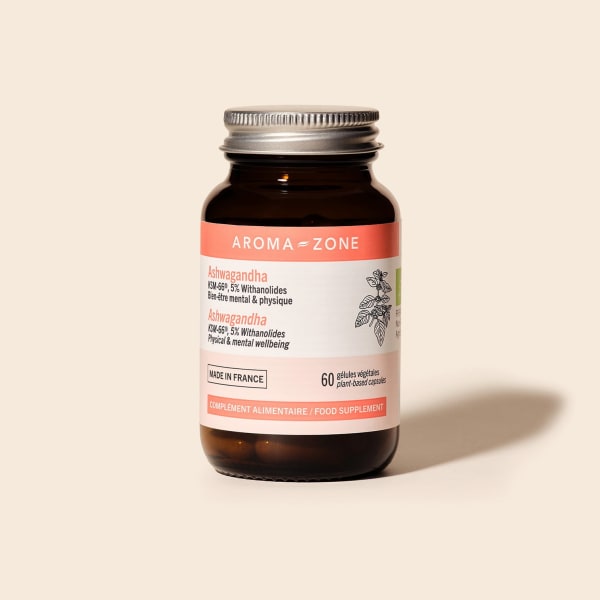
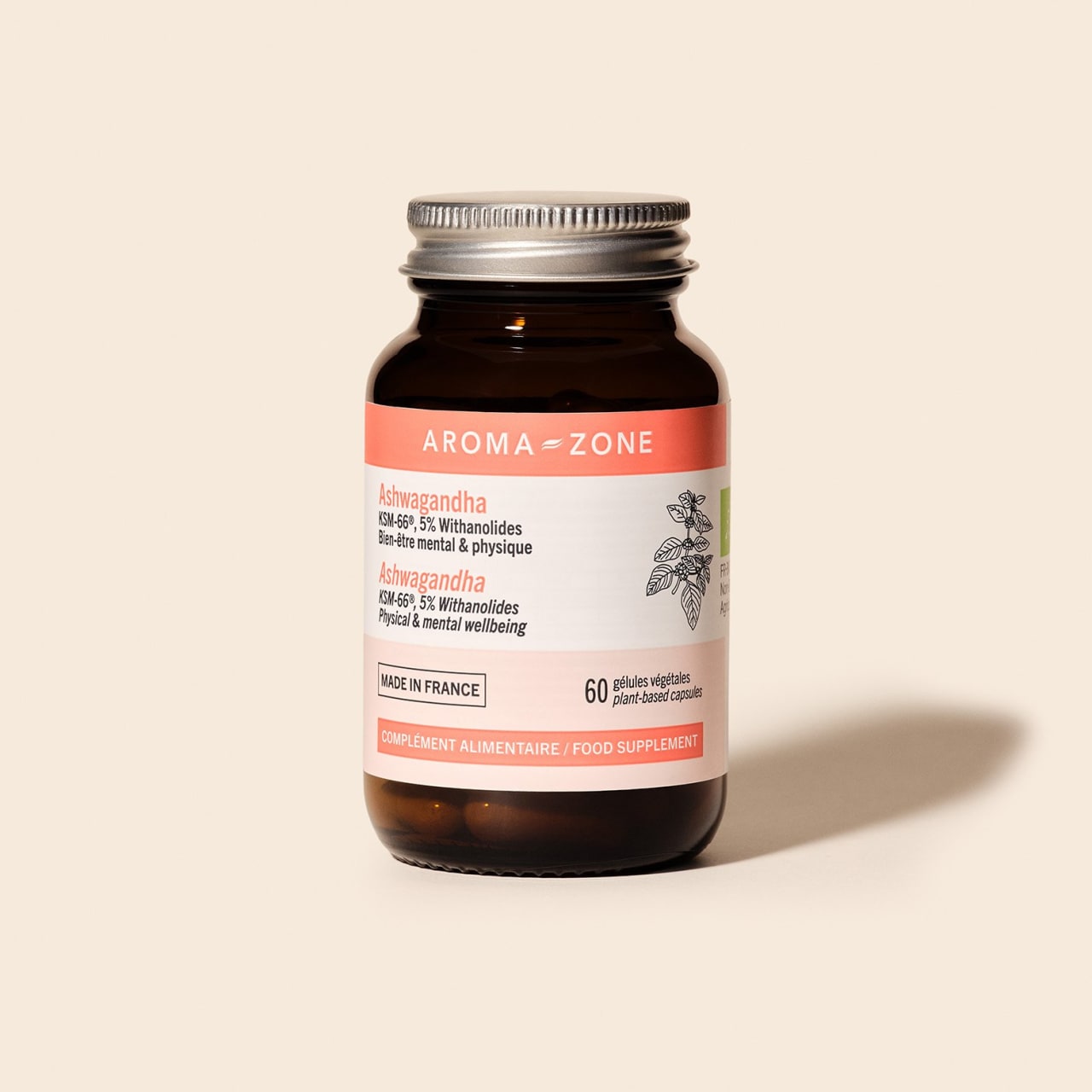
Organic Ashwagandha

Renowned for its adaptogenic effects, this essential Ayurvedic herb is said to help the body adapt to stress. We have chosen a patented KSM-66® extract, which is characterised by its high concentration of withanolides, to effectively target the response to physical and mental stress whilst promoting emotional balance. Recommended dosage: 1 to 2 capsules per day, to be taken with a glass of water for 2 to 3 months, allowing for a break of at least 2 months between courses of treatment. Not suitable for pregnant or breastfeeding women. Not recommended in cases of endocrine, thyroid, liver or heart disorders, or for people taking medication that depresses the central nervous system.

Discover Organic Ashwagandha

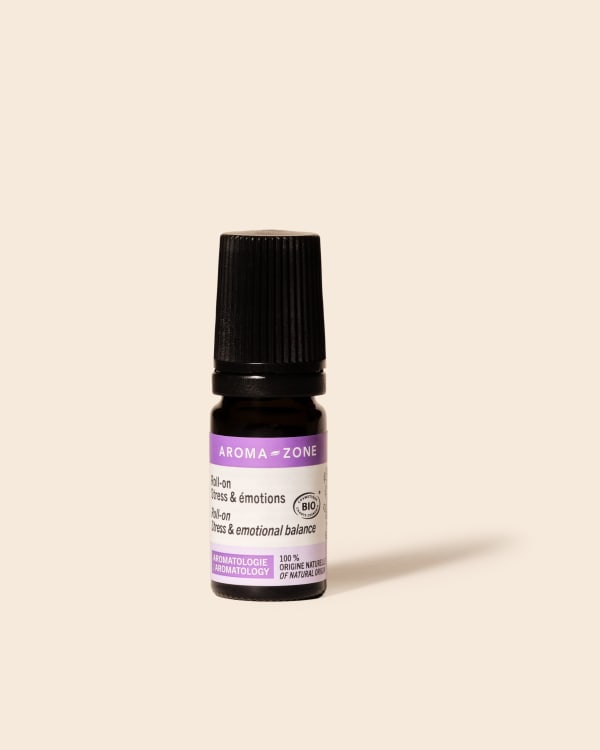
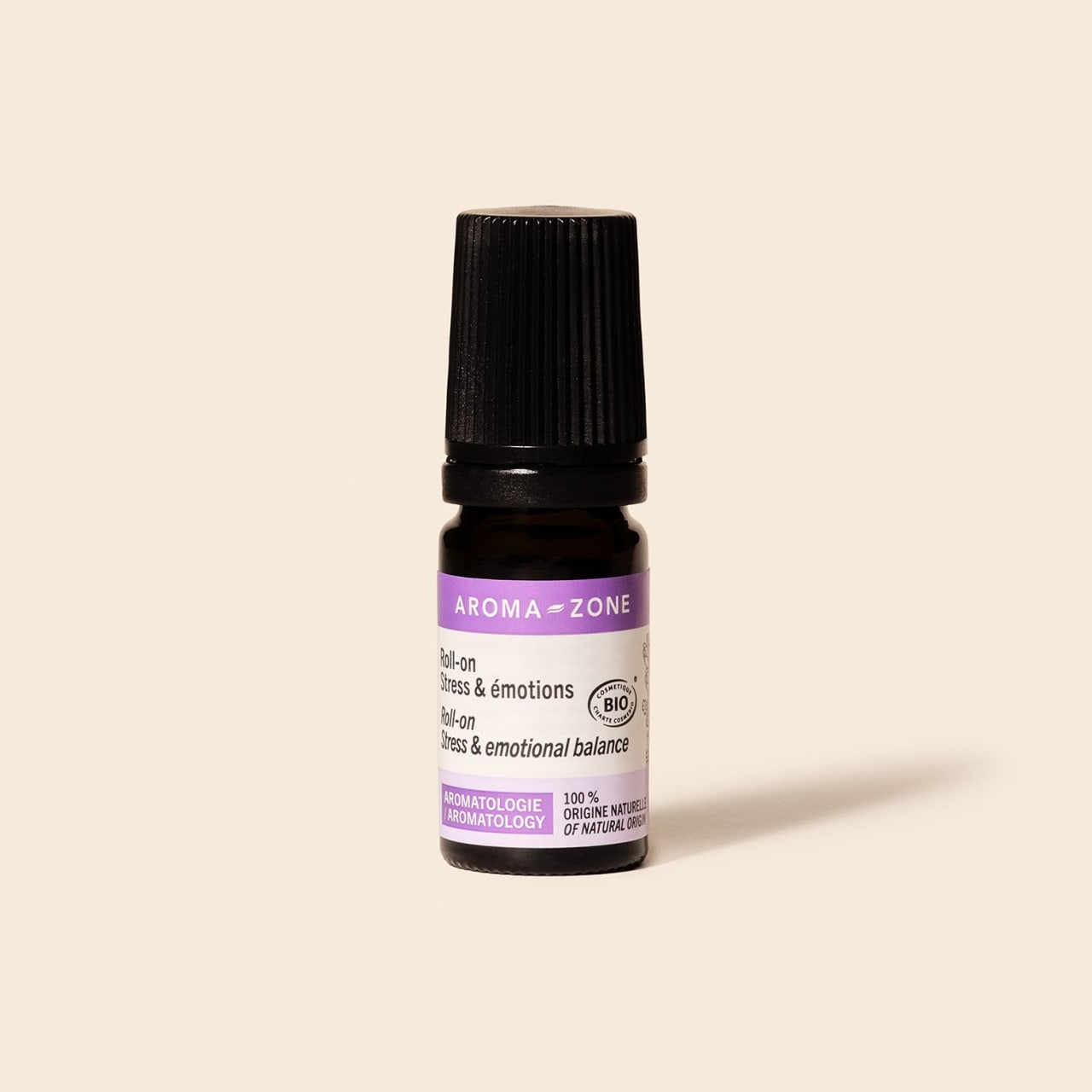
Stress & Emotions Essential Oil Roll-on

Stress and Emotions essential oil roll-on

This portable aromatherapy companion is ideal for helping you cope with sudden spikes in stress, for example at work, or to support you during your meditation and relaxation sessions. If you feel the pressure mounting, roll it onto the inside of your wrists and take a deep breath of its blend of essential oils (Lavender, Petitgrain, Neroli, Chamomile, Sweet Orange, Marjoram and Sandalwood). Not suitable for use by pregnant or breastfeeding women, or children under 7 years of age. Do not swallow.

Discover the Stress and Emotions Essential Oil Roll-on

carrousel-ft_05059_cbd-oil-12-in-coconut-mct_10ml_1.jpg

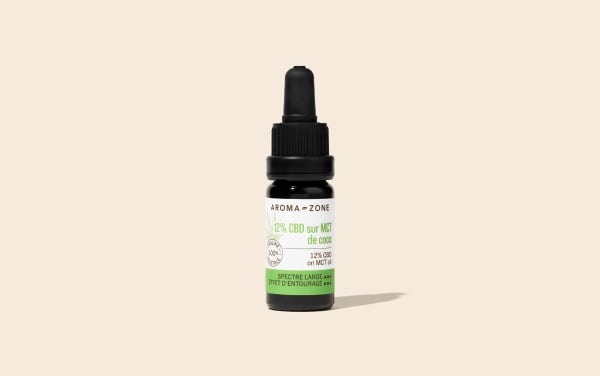
Natural 12% CBD Oil in MCT Coconut Oil

This 100% natural 12% CBD oil in a coconut MCT carrier has a neutral taste, allowing you to discover and enjoy all the benefits of CBD, particularly for stress management. Place 1 to 2 drops under the tongue and allow them to be absorbed for a few moments before swallowing; if necessary, you may repeat this several times throughout the day, without exceeding a total of 12 drops per day (50 mg of CBD). If you have heart conditions, any chronic medical conditions or are taking medication, seek advice from your doctor before using CBD. Do not use in children or adolescents, the very elderly, or pregnant or breastfeeding women.

Discover the Natural CBD Oil 12% Extract in MCT Coconut Oil

Precautions

Do you suspect you may be suffering from chronic stress? We recommend that you make an appointment with a healthcare professional to discuss this. Ideally, take action as soon as possible. Essential oils and dietary supplements can help you manage your stress, but they are no substitute for a consultation, treatment or medical advice.

Expert advice

A body exposed to chronic stress is a body that has lost its ability to recover. Whilst you’re waiting to receive the right support to break out of this vicious circle, look after your body by avoiding putting any further strain on it. Try as much as possible to stabilise your daily routine (wake-up and bedtimes) and avoid exhausting yourself, even for short periods. Your body may quickly start seeking out compensatory behaviours: sugar, coffee, etc.

Focus on Our Writer: Hélène Betoux

Hélène Betoux is a French beauty journalist specialising in web media. Every day she writes tips, advice, and guides to help consumers choose the right beauty products. With a strong interest in natural, organic, and clean cosmetics, she analyses and shares trends and innovations in the sector.

Bibliography

  1. McEwen, B. Allostasis and Allostatic Load: Implications for Neuropsychopharmacology. Neuropsychopharmacol 22, 108–124 (2000).

    https://doi.org/10.1016/S0893-133X(99)00129-3

  2. Bremner JD. Traumatic stress: effects on the brain. Dialogues Clin Neurosci. 2006;8(4):445–61. doi: 10.31887/DCNS.2006.8.4/jbremner.

    PMID: 17290802; PMCID: PMC3181836.

  3. Mariotti A. The effects of chronic stress on health: new insights into the molecular mechanisms of brain-body communication. Future Sci OA. 1 November 2015;1(3):FSO23. doi: 10.4155/fso.15.21.

    PMID: 28031896; PMCID: PMC5137920.

  4. Zannas AS, West AE. Epigenetics and the regulation of stress vulnerability and resilience. Neuroscience. 4 April 2014;264:157–70. doi: 10.1016/j.neuroscience.2013.12.003. Epub 13 December 2013.

    PMID: 24333971; PMCID: PMC3959582.

  5. Seeman TE, McEwen BS, Rowe JW, Singer BH. Allostatic load as a marker of cumulative biological risk: MacArthur studies of successful ageing. Proc Natl Acad Sci U S A.

    10 April 2001;98(8):4770–5. doi: 10.1073/pnas.081072698. Epub 3 April 2001. PMID: 11287659; PMCID: PMC31909.

  6. Rosemberg MS, Granner J, Li Y, Seng JS. A scoping review of interventions targeting allostatic load.

    Stress. September 2020;23(5):519–528. doi: 10.1080/10253890.2020.1784136. Epub 3 July 2020. PMID: 32602798; PMCID: PMC7841966.

  7. Yaribeygi H, Panahi Y, Sahraei H, Johnston TP, Sahebkar A. The impact of stress on body function: A review. EXCLI J. 21 July 2017;16:1057–1072. doi: 10.17179/excli2017-480.

    PMID: 28900385; PMCID: PMC5579396.

  8. Ozbay F, Johnson DC, Dimoulas E, Morgan CA, Charney D, Southwick S. Social support and resilience to stress: from neurobiology to clinical practice. Psychiatry (Edgmont). May 2007;4(5):35–40.

    PMID: 20806028; PMCID: PMC2921311.

  9. Rosemberg MS, Granner J, Li Y, Seng JS. A scoping review of interventions targeting allostatic load.

    Stress. September 2020;23(5):519–528. doi: 10.1080/10253890.2020.1784136. Epub 3 July 2020. PMID: 32602798; PMCID: PMC7841966.

Frequently Asked Questions

Frequently Asked Questions