What are the best anti-stress active ingredients?

What are the best anti-stress active ingredients?


By Hélène Betoux

Published on: Monday, May 04, 2026, Updated on: Monday, October 12, 2026

Finding the best anti-stress active ingredients requires, above all, listening to your body and its discomforts. The fact is, there is no one-size-fits-all solution guaranteed to overcome stress. However, scientific research has identified active ingredients capable of targeting specific stress symptoms and profiles. Thus, the best choice for stress linked to cognitive overload will not be the same as that which targets potential physiological imbalances. With this in mind, we have compiled in this article the main anti-stress solutions available, paying particular attention to their mechanisms of action, the symptoms they target and their natural origins. This guide is accompanied by insights from our experts on the best ways to incorporate them into your daily routine, focusing in particular on finding the best possible form and bioavailability.

Contents

Related products

In brief

  • The best anti-stress active ingredients are those that can provide a biological and/or subjective effect.

  • As stress is caused by multiple factors and no single active ingredient is universally effective, the choice depends mainly on the perceived symptoms of stress.

Which active ingredients are truly effective against stress?

The active ingredients that are truly effective against stress are those that can demonstrate a biological and/or subjective effect. Some, for example, are capable of lowering cortisol levels (the stress hormone), regulating GABA (a neurotransmitter involved in relaxation mechanisms) or modulating the HPA axis (the system that manages your stress response). Others tend to influence perceived stress (PSS: Perceived Stress Scale), anxiety or reactivity levels.

It is primarily the latter that are of greatest interest, as research has shown that simply reduction in cortisol levels is not sufficient to improve perceived stress (1). Conversely, a reduction in perceived stress does not necessarily have an impact on circulating cortisol levels (2).

If you are looking for the best anti-stress active ingredient, it is therefore essential to bear in mind that stress is a multifactorial phenomenon. The wide variety of mechanisms underlying it (physiological, endocrine, subjective) may correspond to an equally broad range of effective active ingredients. Bear in mind, too, that there is considerable variation from one person to another: what works for one of your loved ones may not necessarily be as effective for you.

The scientific literature does, however, recognise the existence of biological and phytochemical active ingredients with anti-stress effects. These are primarily adaptogens, minerals and fatty acids. Certain active ingredients are also beginning to attract attention, although their efficacy has not yet been sufficiently documented. This is the case with certain amino acids, probiotics and polyphenols. Essential oils are also a key component of aromatherapy for stress relief: one of them stands out in particular for the strength of its clinical evidence.

Are natural active ingredients necessarily more effective?

Not necessarily. Many naturally derived active ingredients have indeed been proven to help with stress, such as lavender and ashwagandha. However, their anti-stress effects tend to vary. As well as the dosage, they are strongly correlated with the quality of the extract used. This, in fact, partly explains the inconsistency in the results obtained in studies focusing on the same natural active ingredient.

Without referring directly to stress, this methodological bias is confirmed by a 2019 comparative study of 26 extracts from the same plant, which showed notable differences in their biological effects and toxicological profiles (3).

Whilst the choice of anti-stress active ingredient is essential, the choice of product is therefore just as important. We recommend prioritising formulations that contain extracts standardised for active ingredients, ideally validated by scientific studies, particularly in the case of innovative complexes.

Verified review (published on Trustpilot on 13 April 2026) (4)

"I’ve been a loyal customer for years and have never been disappointed. If I have any queries, customer service is always available and helpful. The products are high quality at affordable prices. I highly recommend them!"

Summary table of targeted active ingredients

The table below lists the best anti-stress active ingredients according to the scientific literature. It comprises adaptogenic plants, medicinal plants, traditional ‘sleep-promoting plants’ and other less widely publicised active ingredients, such as probiotics and polyphenols, for which clinical evidence is still in its infancy. You’ll also find the essential magnesium and omega-3s, which may be worth incorporating as part of a long-term strategy.


Active Ingredients

Key features

Ashwagandha

Ashwagandha is one of the anti-stress active ingredients with the strongest clinical evidence. It significantly reduces perceived stress (PSS) (5) and improves overall well-being. It is thought to act on the HPA axis and on GABA, and is also believed to have anti-inflammatory and antioxidant properties.

Omega-3s

Omega-3s are of particular interest due to their role in inflammation and neuroplasticity. They are particularly effective in reducing anxiety (6), although this largely depends on the ratio of EPA to DHA.

L-theanine

L-theanine is notable for the speed of its effects, which are noticeable within 30 to 60 minutes. Recognised for its beneficial effects in cases of acute stress (7), it is also capable of inducing a state of deep relaxation without causing drowsiness, notably by acting on alpha waves (8).

Magnesium

Magnesium may be helpful in cases of mild to moderate anxiety (9) as well as for relieving certain associated symptoms, such as sleep disturbances.

True lavender

Lavender is one of the few essential oils that can claim to be clinically validated. When used via inhalation, it may reduce mild anxiety and lower the heart rate (10). The strongest evidence, however, relates to certain oral forms of the oil, with a documented and measurable anxiolytic effect that goes beyond the simple notion of relaxation (11).

Rhodiola

Rhodiola is an adaptogenic plant that may reduce stress-related fatigue (12) whilst maintaining cognitive performance in stressful situations (13).  

Passionflower

Passionflower is thought to be effective against symptoms associated with anxiety (14). It may also help you fall asleep. However, there are still too few clinical trials to conclude that it is genuinely effective against stress.

Valerian

Valerian is thought to help ease mental tension, promote a mild form of relaxation and subjectively improve sleep (15).

Probiotics

Probiotics target the gut-brain axis. Research into them is still in its infancy, particularly as results vary greatly depending on the strain. To date, researchers believe that they may help to slightly reduce stress, anxiety and depressive symptoms (16).

Polyphenols

The polyphenols most extensively studied for their effects on stress are flavanols from cocoa, EGCG from green tea and resveratrol. Results therefore vary from one molecule to another. Overall, they may be beneficial in reducing cortisol levels and improving sleep (17), but the evidence for their effectiveness is still too limited, particularly in human trials.

Which active ingredients for which specific skin concerns?

Strictly speaking, there is no such thing as the ‘best anti-stress active ingredient’, in the sense that a single substance would be universally effective. The ‘best’ one for you is actually the one that addresses the stress symptoms that are affecting your daily life. Here are a few pointers to help you choose the right active ingredient.

Sleep disorders

This might apply to you if…

  • You have difficulty falling asleep

  • You feel restless in the evening or ‘hyperactive’ at bedtime

  • You feel more anxious at night

  • You often wake up during the night

  • Do you feel that your sleep isn’t restorative?

Ingredients to look out for: Passionflower and Valerian are probably the best anti-stress ingredients to help you get to sleep. If you’re suffering from insomnia, you might also want to try Lavender, which is a classic ingredient in pillow mists. If your stress is chronic and you feel it’s having a significant impact on the quality of your sleep, try Ashwagandha and magnesium.

Anxiety

This might apply to you if…

  • You find yourself unconsciously thinking the worst

  • You tend to feel irritable or tense

  • You’re afraid of losing control

  • You sometimes experience physical symptoms in stressful situations (such as dizziness, light-headedness, headaches or stomach aches)

  • Spasmophilia (including eyelid twitching) is a type of anxiety disorder.

Active ingredients to consider: opt for a phytotherapeutic approach using true lavender, which has shown satisfactory results in treating generalised anxiety and nervous tension. Ashwagandha can also help with chronic stress. Another option if you tend to experience sudden spikes of situational stress is L-theanine, due to its rapid action.

Mental fatigue

This may apply to you if…

  • You notice a decline in your cognitive performance (slowness, mistakes, reduced attention span, difficulty concentrating)

  • You feel constantly tired and unable to ‘recharge’

  • Cognitive overload can also make you more prone to frustration, stress and anxiety, whilst reducing your motivation.

Active ingredients to consider: Rhodiola is undoubtedly the best anti-stress ingredient for you, due to its combined effects on mental fatigue and cognitive performance. L-theanine may also be beneficial for supporting your mental performance in stressful situations. The same applies to certain polyphenols recommended for cases of reduced alertness.

Depressive state

This may apply to you if…

  • You feel that your mood fluctuates significantly depending on the situation

  • You feel sad, or even a loss of pleasure and a sense of emotional exhaustion

  • You are ‘hypersensitive’ to all the little everyday stressors, which contribute to mental overload, rumination and persistent fatigue.

The active ingredients to look for: focus on omega-3 fatty acids, which play a role in psychological and emotional wellbeing. If your low mood is closely linked to increased stress, you might also consider Ashwagandha. Thanks to its adaptogenic properties, it is said to help the body adapt to stress and support emotional balance.  

Expert opinion

What are the key physiological functions to support when under stress?

A word from the functional medicine doctor

"I see three main ones:

The hypothalamic-pituitary-adrenal axis, using adaptogenic plants such as ashwagandha, rhodiola and saffron…

The autonomic nervous system, through breathing exercises, walking in the fresh air or by the sea…

And finally, the gut-brain axis, which is often overlooked but accounts for 90 per cent of serotonin production. It may, in fact, need supporting even when bowel function is healthy. To achieve this, we use probiotics, prebiotics and even postbiotics (e.g. butyrate), whilst paying attention to chewing and the amount of fibre consumed (40 to 50 g per day)."

Dr Yoni Assouly, functional medicine doctor and author

Anti-stress remedies: immediate effect or long-term action?

A word from the nutritionist

"It all depends on the type of stress. Certain active ingredients can provide rapid relief from temporary stress. However, for chronic stress, a long-term approach based on prolonged use is preferable. Among the ingredients known for their rapid effect, L-theanine can help in situations of acute stress by reducing physiological reactions and the perception of stress (1). Evidence also suggests that CBD may provide rapid relief from certain symptoms of anxiety (2). Conversely, many anti-stress ingredients take effect after a few weeks of use (2- to 8-week courses): ashwagandha, saffron, magnesium, rhodiola, Brazilian ginseng, etc."

Lila Bouber, PhD in Nutrition and scientific consultant

Sources: Kimura K, Ozeki M, Juneja LR, Ohira H. L-Theanine reduces psychological and physiological stress responses. Biol Psychol. 2007 Jan;74(1):39–45. doi: 10.1016/j.biopsycho.2006.06.006.

Han K, Wang JY, Wang PY, Peng YC. Therapeutic potential of cannabidiol (CBD) in anxiety disorders: A systematic review and meta-analysis. Psychiatry Res. 2024 Sep;339:116049. doi: 10.1016/j.psychres.2024.116049.

Our dietary supplements and herbal teas

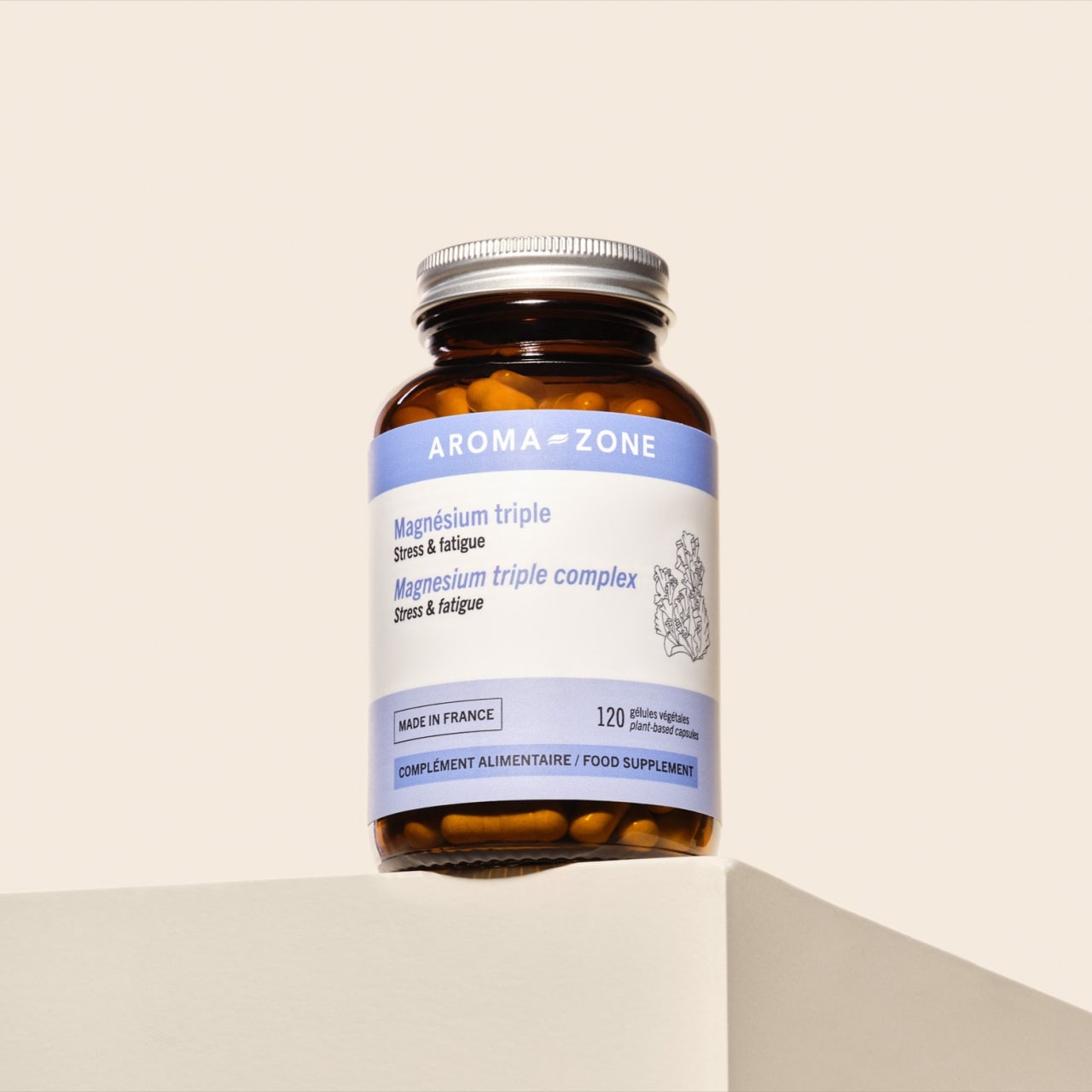
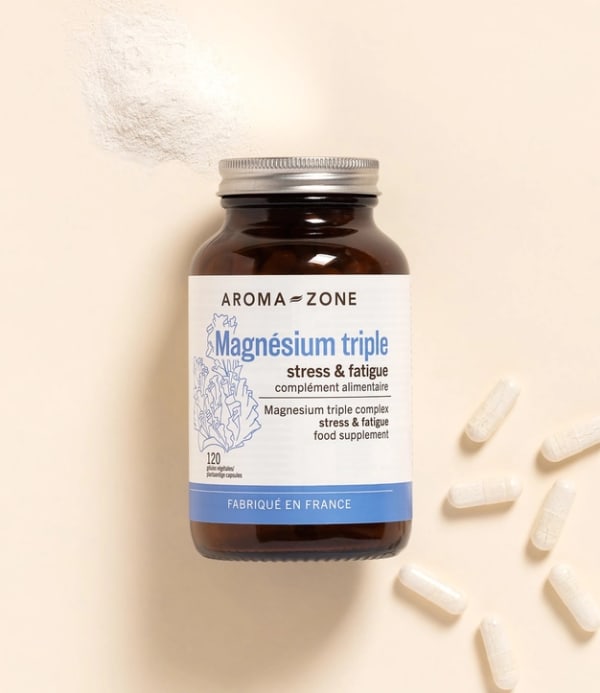
Triple magnesium.

This unique combination of three forms of magnesium (magnesium bisglycinate, marine magnesium, organic sea lettuce extract) helps to enhance bioavailability and provide an optimal dose of magnesium. Magnesium is recognised for helping to reduce fatigue, supporting the normal functioning of the nervous system and supporting normal psychological functions. Recommended dosage: 1 to 3 capsules per day, to be swallowed with a glass of water, for 40 days to 3 months. 100% plant-based, vegan, made in France. Keep out of reach of children. Not a substitute for a varied and balanced diet and a healthy lifestyle. Do not exceed the recommended daily dose. For adults only. Pregnant or breastfeeding women should seek advice from a healthcare professional before taking any supplements. Magnesium may have a laxative effect in some people. Organic sea lettuce extract (seaweed) provides a small amount of iodine (< 10 µg per daily dose of 3 capsules, i.e. less than 6.7% of the reference nutritional value of 150 µg/day for iodine). If you have thyroid problems, seek advice from your doctor.

Discover the Magnesium Triple dietary supplement.

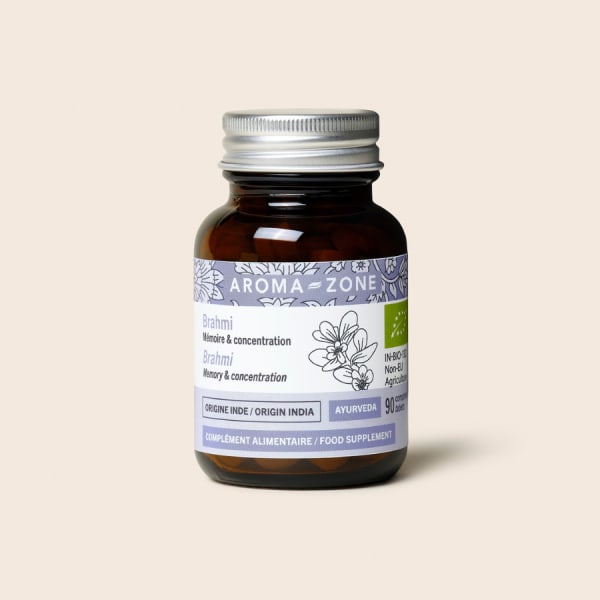
MC – Brahmi

Organic Brahmi

This dietary supplement made from Organic Brahmi, also known as Bacopa monnieri, is traditionally used in Ayurveda to support cognitive function, concentration and memory. Ideal during periods of study, high mental demand or intense intellectual workload, it comes in the form of 100% natural and organic tablets, manufactured in India by a partner specialising in Ayurvedic plants. Recommended dosage: 2 to 3 tablets per day, to be swallowed with a glass of water. For adults only. Not recommended for pregnant or breastfeeding women. Keep out of reach of young children. Do not exceed the recommended daily dose. This food supplement is not a substitute for a varied and balanced diet or a healthy lifestyle.

Discover our Organic Brahmi – 90 tablets – Food supplement

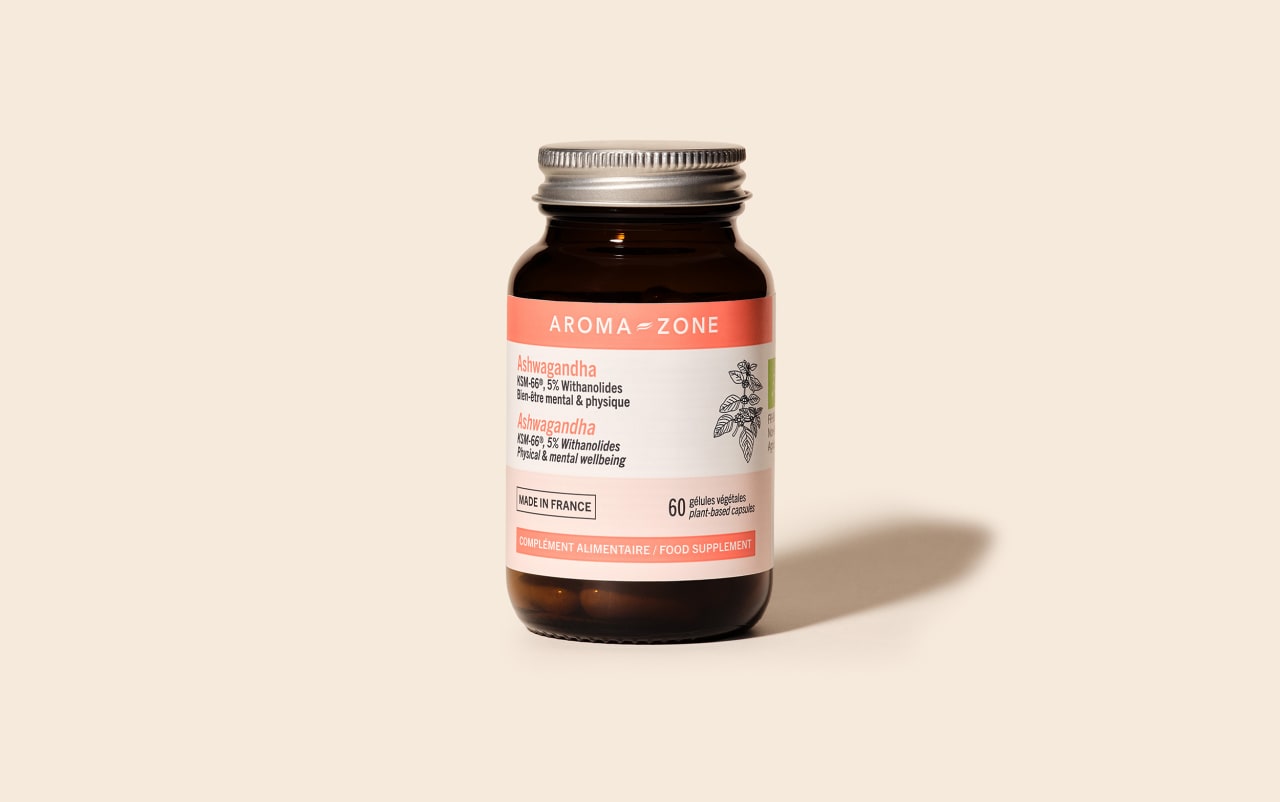
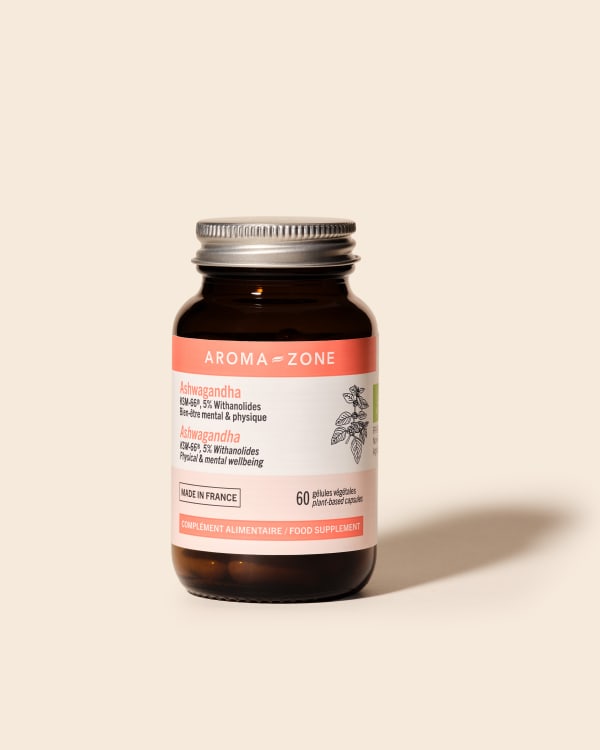
Ashwagandha Organic Dietary Supplement – 60 capsules

Organic Ashwagandha

It contains a patented Ashwagandha KSM-66® extract, derived exclusively from the plant’s roots and highly concentrated in withanolides, which have been identified as the active ingredients responsible for its adaptogenic properties. The efficacy and safety of this innovative active ingredient are supported by 24 published clinical studies. Each capsule contains 500 mg of concentrated extract, free from additives and excipients. Recommended dosage: 1 to 2 capsules per day, to be swallowed with a glass of water, ideally for 2 to 3 months. 100% natural, certified organic, vegan, additive-free, made in France. Keep out of reach of children. Not a substitute for a varied and balanced diet and a healthy lifestyle. Do not exceed the recommended daily dose. For adults only. Not suitable for pregnant or breastfeeding women. Not recommended for those with endocrine, thyroid, liver or heart disorders, or for people taking medication that depresses the central nervous system.

Discover the Organic Ashwagandha Food Supplement.

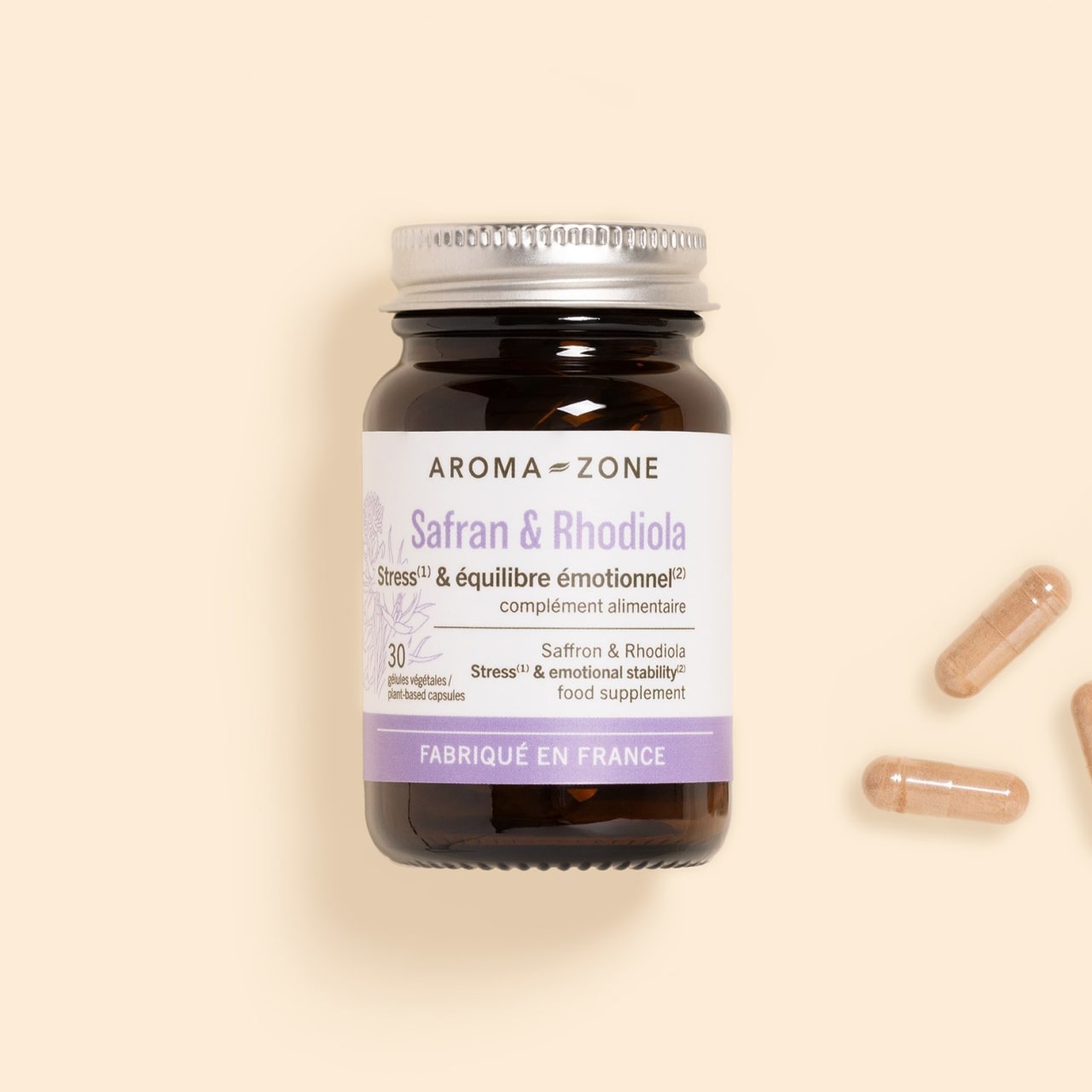
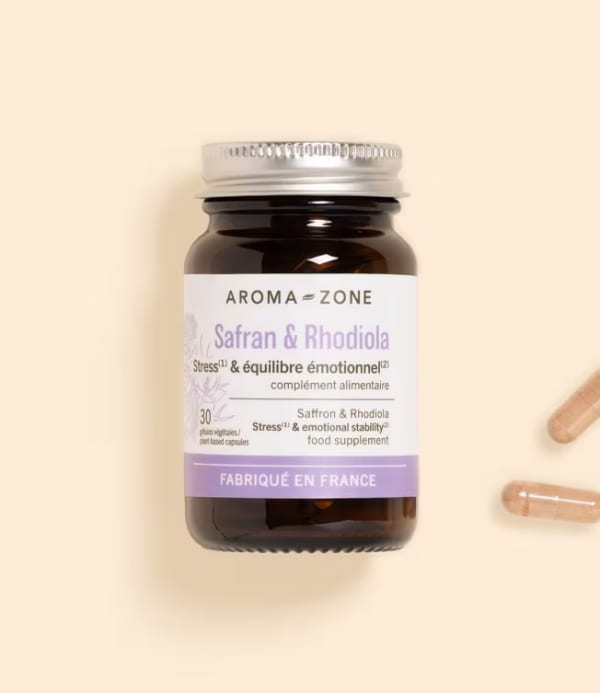
Saffron & Rhodiola - 30 capsules - Dietary supplement

Saffron & Rhodiola

This is a unique synergy of two patented extracts. Safr’Inside™, a highly concentrated premium saffron extract, offers visible results within 30 minutes of taking it during periods of peak stress. Its mechanisms of action include, amongst other things, the modulation of cortisol secretion and the microbiota involved in the gut-brain axis. Rhodiolife®, an extract of Rhodiola rosea, has been cited in clinical studies on mental wellbeing and mood. Recommended dosage: 1 capsule per day, to be swallowed with a glass of water, ideally for 2 to 3 months to observe results regarding stress adaptation. 100% natural, vegan, made in France. Not a substitute for a varied and balanced diet and a healthy lifestyle. Do not exceed the recommended daily dose. For adults only. Do not use during pregnancy or whilst breastfeeding. Not recommended for people taking antidepressants.

Discover the Saffron & Rhodiola dietary supplement

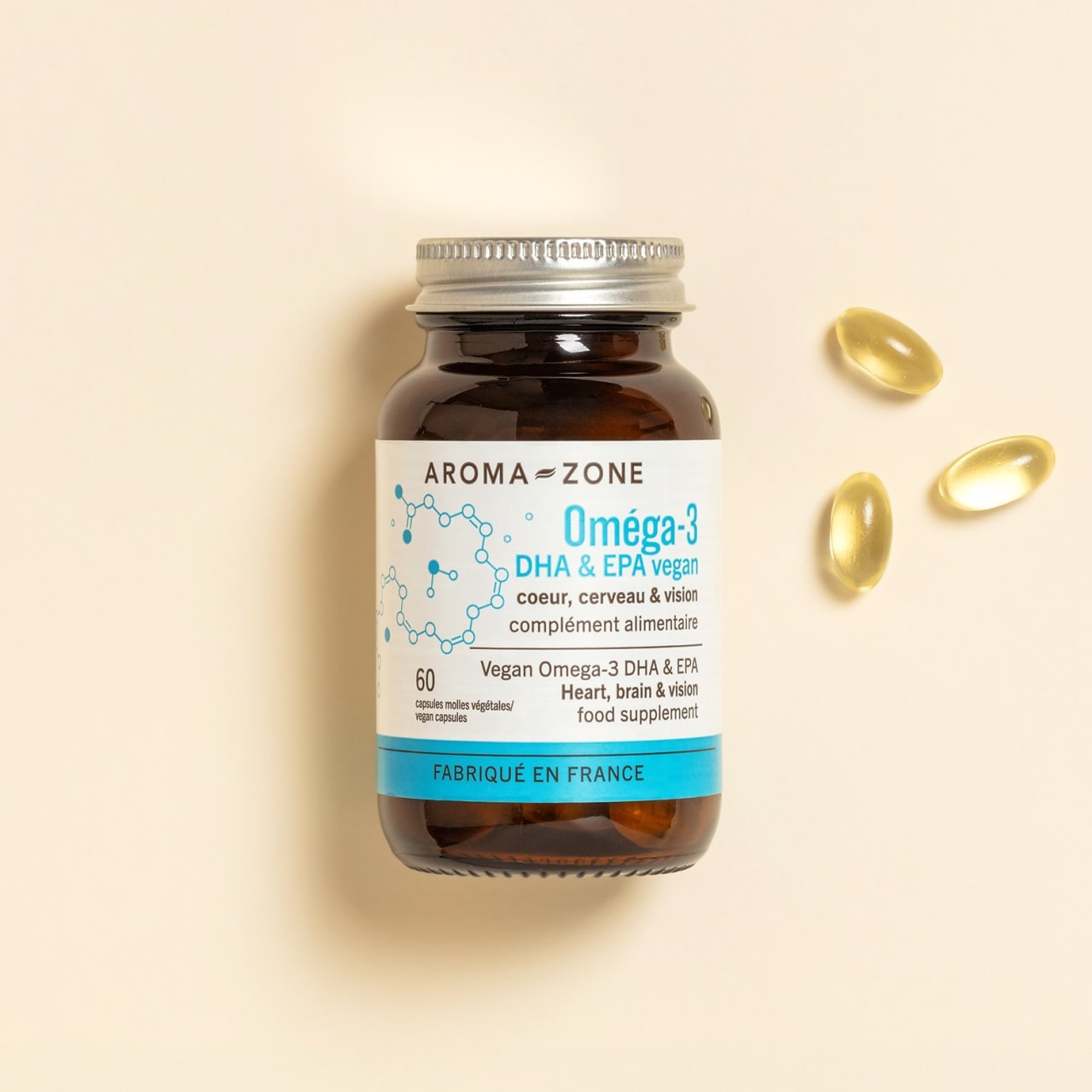
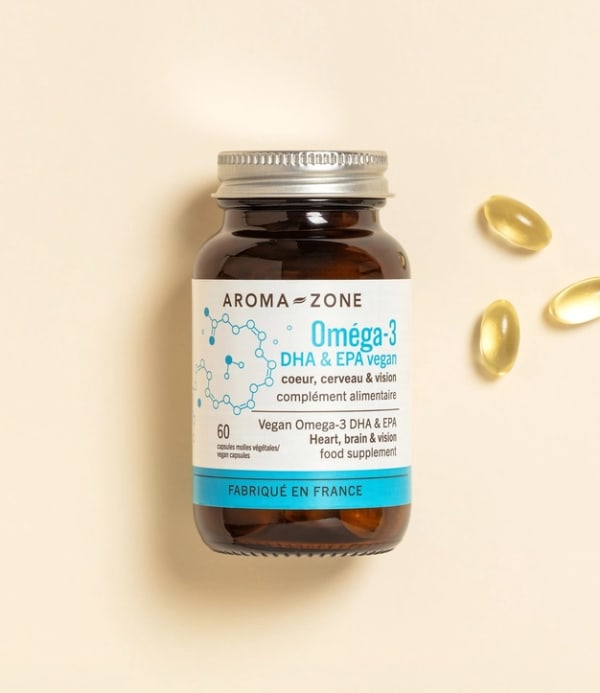
Vegan omega-3

This supplement may help support the normal functioning of the nervous system and psycho-emotional balance, whilst supporting cognitive functions, for example during periods of high mental stress. Each capsule contains 250 mg of DHA and 50 mg of EPA, providing a balanced intake in line with the recommendations of experts and the European Food Safety Authority. They are also present in their natural triglyceride form to ensure effective absorption by the body. 100% natural, vegan, sourced in France. Not a substitute for a varied and balanced diet and a healthy lifestyle. Do not exceed the recommended daily intake. Not suitable for children under 12 years of age. Pregnant or breastfeeding women, and children: seek advice from a healthcare professional. 

Discover the vegan Omega-3 food supplement

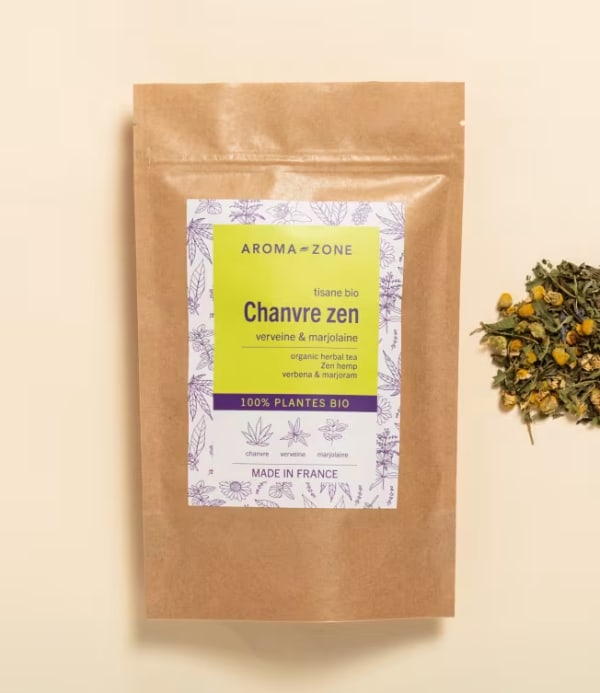
Organic Zen Hemp Herbal Tea

Organic Zen Hemp Herbal Tea

It contains lavender flowers and marjoram, as well as bitter orange, German chamomile, lemon verbena and, of course, hemp – a source of cannabinoids and renowned for its therapeutic, relaxing effects. Its aromatic, herbal and floral flavour offers a delightful moment of relaxation and well-being for the mind. 100% organic plants, selected and sorted, certified organic, made in France. Not recommended for pregnant or breastfeeding women. For adults only.

Discover the Organic Zen Hemp Herbal Tea

Our aromatherapy and olfactotherapy products

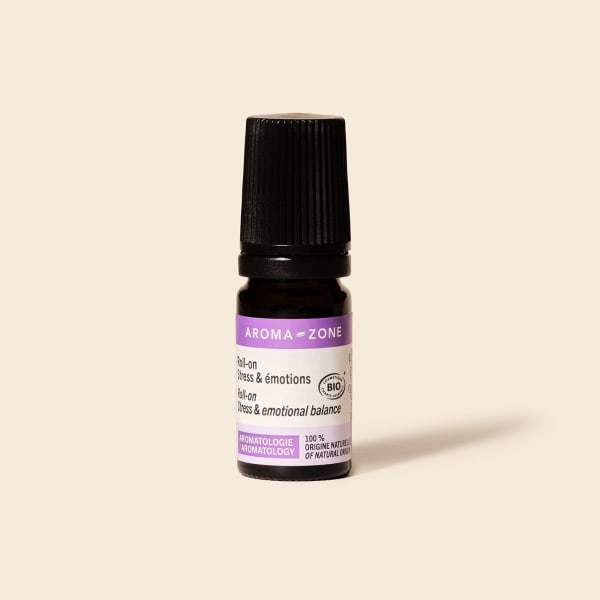
Organic Stress & Emotions Essential Oil Roll-On

Stress & Emotions essential oil roll-on

This ready-to-use blend combines organic fine lavender essential oil from Provence with seven other organic essential oils renowned for their calming and soothing effects on the nervous system (marjoram, petitgrain, neroli, chamomile, sweet orange, bergamot and sandalwood). Apply it topically to your wrists, solar plexus or the arches of your feet as soon as stress builds up. 100% natural, certified organic. Keep out of reach of children. Avoid contact with the eyes. Do not use on pregnant or breastfeeding women or on children under 7 years of age. Do not swallow.

Discover the Stress & Emotions Essential Oil Roll-on

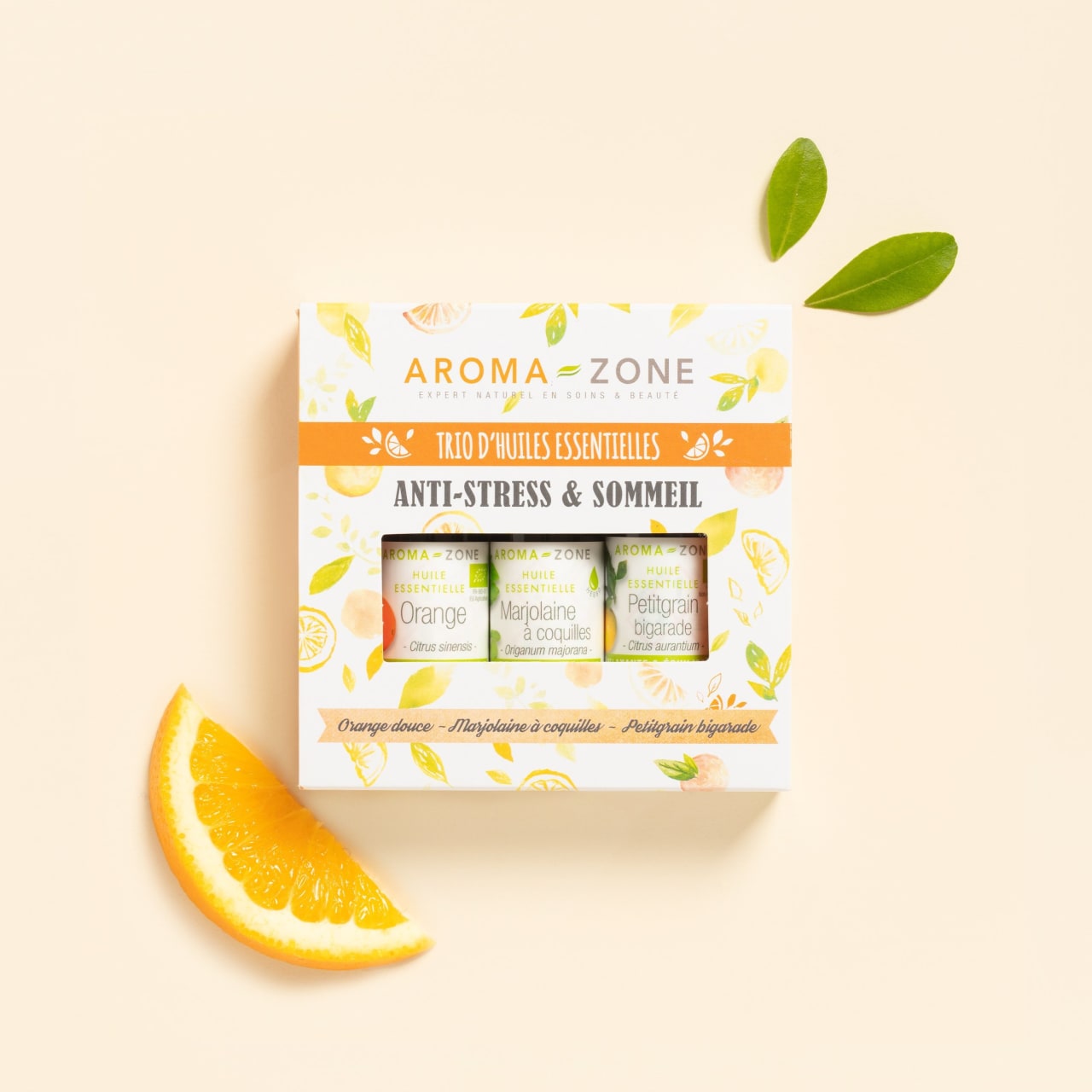
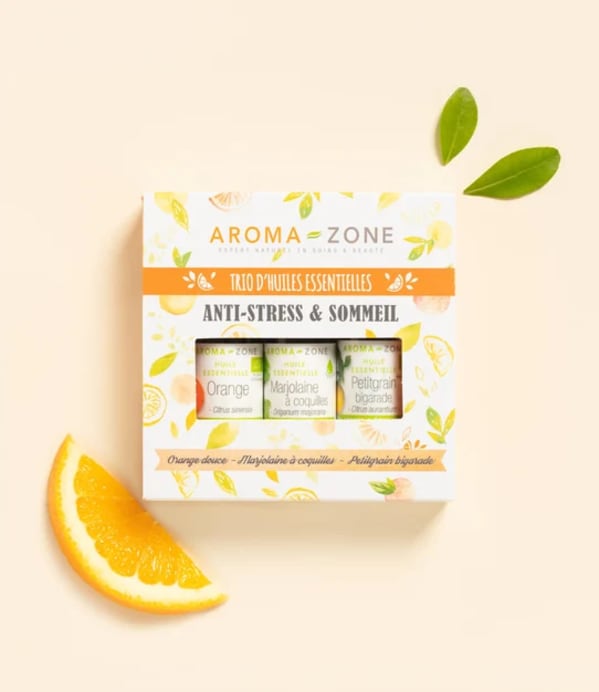
Essential oils set: Trio of essential oils – Anti-stress and Sleep

Anti-Stress & Sleep Essential Oil Trio Set

Inside you’ll find three bottles of essential oil: marjoram, organic petitgrain bigarade and organic sweet orange. Depending on your needs (difficulty falling asleep, nervous palpitations, nervousness), you can inhale a few drops on a tissue or use them in a diffuser, following the precautions for use. Always read the specific precautions for use relating to the essential oils contained in the set. 

Discover the Anti-Stress & Sleep Essential Oil Trio Set

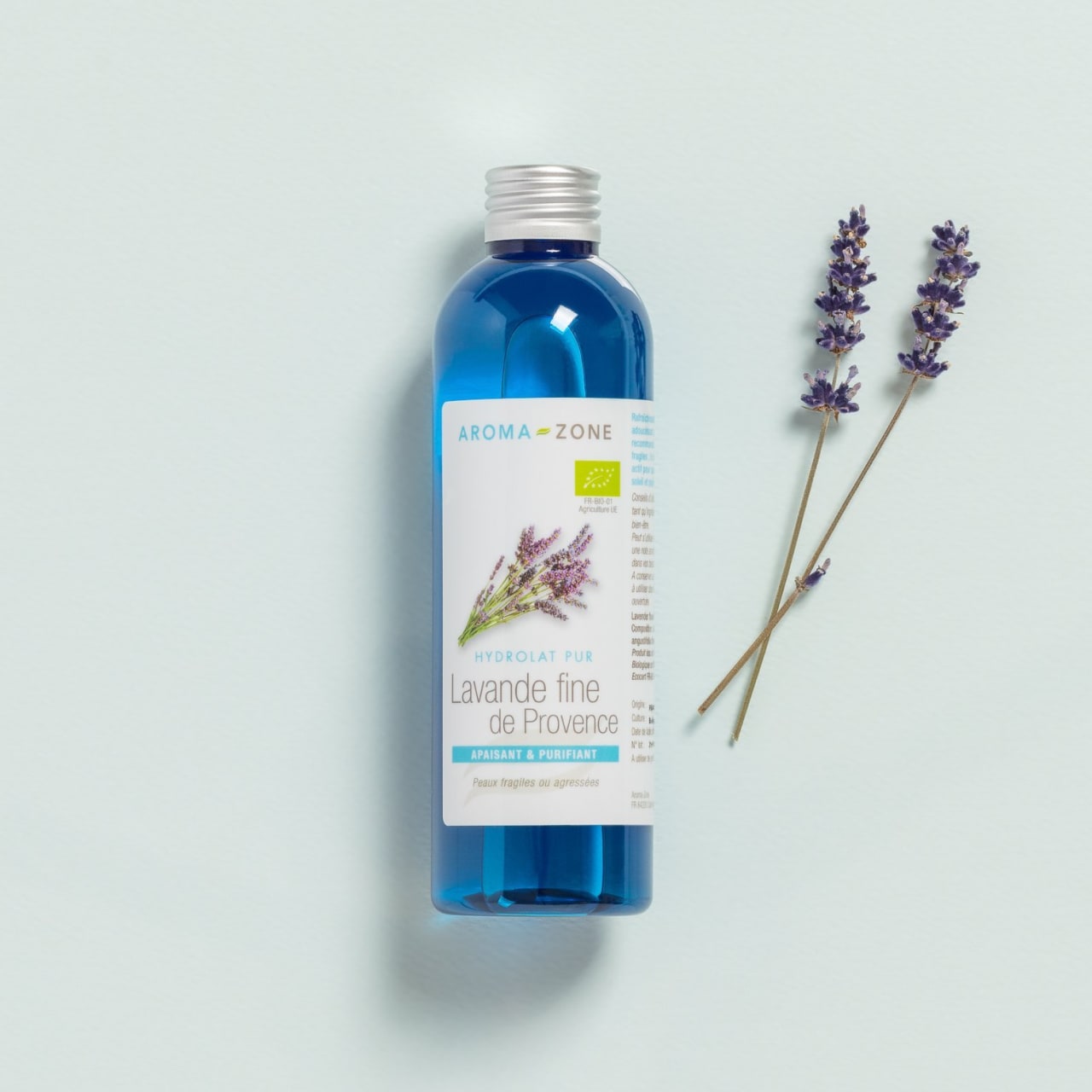
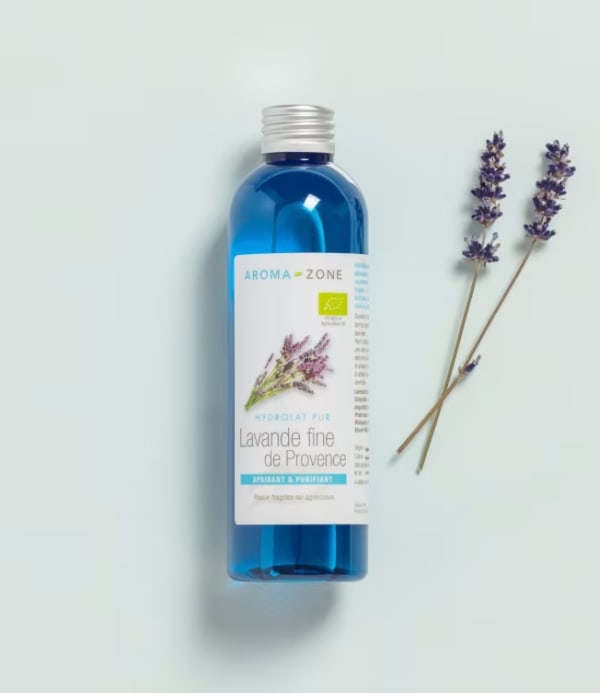
Organic Fine Lavender Hydrosol from Provence

Organic Fine Lavender Hydrosol from Provence

This is a useful alternative to lavender essential oil during the sensitive periods of pregnancy and breastfeeding. Renowned for its beneficial effects on emotions, it is traditionally recommended for nervousness and mental agitation. You can use it in aromatherapy or as an ingredient in your wellness massage recipes. 100% pure and natural, certified organic, sourced in France. Remember to store it in the fridge between uses.

Discover Organic Fine Lavender Hydrosol from Provence

Precautions

When stress becomes chronic or too debilitating, it may require support from a healthcare professional. Even the best anti-stress active ingredient will never replace the advice of a psychologist, psychiatrist or doctor. Don’t suffer in silence – seek help.

Expert advice

Don’t forget that anti-stress active ingredients aren’t the only way to find relief in a stressful situation. Mindfulness meditation is one of the best clinically studied practices for significantly reducing perceived stress. If you’re not keen on meditation, you can always take up a physical activity you enjoy: the effects of exercise on stress management, feelings of depression and overall mood are well established.

Focus on Our Writer: Hélène Betoux

Hélène Betoux is a French beauty journalist specialising in web media. Every day she writes tips, advice, and guides to help consumers choose the right beauty products. With a strong interest in natural, organic, and clean cosmetics, she analyses and shares trends and innovations in the sector.

Bibliography

  1. Albalawi AA. Dual impact of Ashwagandha: Significant cortisol reduction but no effects on perceived stress – A systematic review and meta-analysis. Nutrition and Health. 2025;31(4):1395-1408.

    doi:10.1177/02601060251363647

  2. Lopresti AL, Smith SJ, Malvi H, Kodgule R. An investigation into the stress-relieving and pharmacological actions of an ashwagandha (Withania somnifera) extract: A randomised, double-blind, placebo-controlled study. Medicine (Baltimore). September 2019;98(37):e17186.

    doi: 10.1097/MD.0000000000017186. PMID: 31517876; PMCID: PMC6750292.

  3. Shipkowski KA, Betz JM, Birnbaum LS, Bucher JR, Coates PM, Hopp DC, MacKay D, Oketch-Rabah H, Walker NJ, Welch C, Rider CV. Naturally complex: Perspectives and challenges associated with the safety assessment of botanical dietary supplements. Food Chem Toxicol. 2018 Aug;118:963–971.

    doi: 10.1016/j.fct.2018.04.007. Epub 4 April 2018. PMID: 29626579; PMCID: PMC6087675.

  4. https://fr.trustpilot.com/reviews/69dcae066acc31e06a0817b7

  5. Chandrasekhar K, Kapoor J, Anishetty S. A prospective, randomised, double-blind, placebo-controlled study of the safety and efficacy of a high-concentration, full-spectrum extract of ashwagandha root in reducing stress and anxiety in adults. Indian J Psychol Med. July 2012;34(3):255–62.

    doi: 10.4103/0253-7176.106022. PMID: 23439798; PMCID: PMC3573577.

  6. Kiecolt-Glaser JK, Belury MA, Andridge R, Malarkey WB, Glaser R. Omega-3 supplementation reduces inflammation and anxiety in medical students: a randomised controlled trial. Brain Behav Immun. 2011 Nov;25(8):1725-34.

    doi: 10.1016/j.bbi.2011.07.229. Epub 19 July 2011. PMID: 21784145; PMCID: PMC3191260.

  7. Kenta Kimura, Makoto Ozeki, Lekh Raj Juneja, Hideki Ohira, ‘L-Theanine reduces psychological and physiological stress responses’, Biological Psychology, Volume 74, Issue 1, 2007, Pages 39–45, ISSN 0301-0511, h

    https://doi.org/10.1016/j.biopsycho.2006.06.006.

  8. Nobre AC, Rao A, Owen GN. L-theanine, a natural constituent in tea, and its effect on mental state. Asia Pac J Clin Nutr. 2008;17 Suppl 1:167–8. PMID: 18296328.

  9. Boyle NB, Lawton C, Dye L. The Effects of Magnesium Supplementation on Subjective Anxiety and Stress—A Systematic Review. Nutrients. 26 April 2017;9(5):429.

    doi: 10.3390/nu9050429. PMID: 28445426; PMCID: PMC5452159.

  10. Ghavami T, Kazeminia M, Rajati F. The effect of lavender on stress in individuals: A systematic review and meta-analysis. Complement Ther Med. September 2022;68:102832.

    doi: 10.1016/j.ctim.2022.102832. Epub 13 April 2022. PMID: 35429599.

  11. Woelk H, Schläfke S. A multi-centre, double-blind, randomised study of the lavender oil preparation Silexan compared with lorazepam for generalised anxiety disorder. Phytomedicine. 2010 Feb;17(2):94–9.

    doi: 10.1016/j.phymed.2009.10.006. Epub 3 Dec 2009. PMID: 19962288.

  12. V. Darbinyan, A. Kteyan, A. Panossian, E. Gabrielian, G. Wikman, H. Wagner, Rhodiola rosea in stress-induced fatigue — A double-blind crossover study of a standardised extract SHR-5 with a repeated low-dose regimen on the mental performance of healthy doctors during night shifts, Phytomedicine, Volume 7, Issue 5, 2000, Pages 365–371, ISSN 0944-7113,

    https://doi.org/10.1016/S0944-7113(00)80055-0.

  13. Olsson EM, von Schéele B, Panossian AG. A randomised, double-blind, placebo-controlled, parallel-group study of the standardised extract SHR-5 from the roots of Rhodiola rosea in the treatment of subjects with stress-related fatigue. Planta Med. 2009 Feb;75(2):105–12.

    doi: 10.1055/s-0028-1088346. Epub 18 November 2008. PMID: 19016404.

  14. M. Miroddi, G. Calapai, M. Navarra, P.L. Minciullo, S. Gangemi, Passiflora incarnata L.: Ethnopharmacology, clinical application, safety and evaluation of clinical trials, Journal of Ethnopharmacology, Volume 150, Issue 3, 2013, Pages 791–804, ISSN 0378-8741,

    https://doi.org/10.1016/j.jep.2013.09.047.

  15. Bent S, Padula A, Moore D, Patterson M, Mehling W. Valerian for sleep: a systematic review and meta-analysis. Am J Med. 2006 Dec;119(12):1005–12.

    doi: 10.1016/j.amjmed.2006.02.026. PMID: 17145239; PMCID: PMC4394901.

  16. Liu RT, Walsh RFL, Sheehan AE. Prebiotics and probiotics for depression and anxiety: A systematic review and meta-analysis of controlled clinical trials. Neurosci Biobehav Rev. 2019 Jul;102:13-23.

    doi: 10.1016/j.neubiorev.2019.03.023. Epub 17 April 2019. PMID: 31004628; PMCID: PMC6584030.

  17. Wang W, Liu T, Ding Y, Zhang Y. Effects of polyphenol-rich interventions on sleep disorders: A systematic review and meta-analysis. Curr Res Food Sci. 15 February 2023;6:100462.

    doi: 10.1016/j.crfs.2023.100462. PMID: 36866197; PMCID: PMC9972497.

Frequently Asked Questions

Frequently Asked Questions