
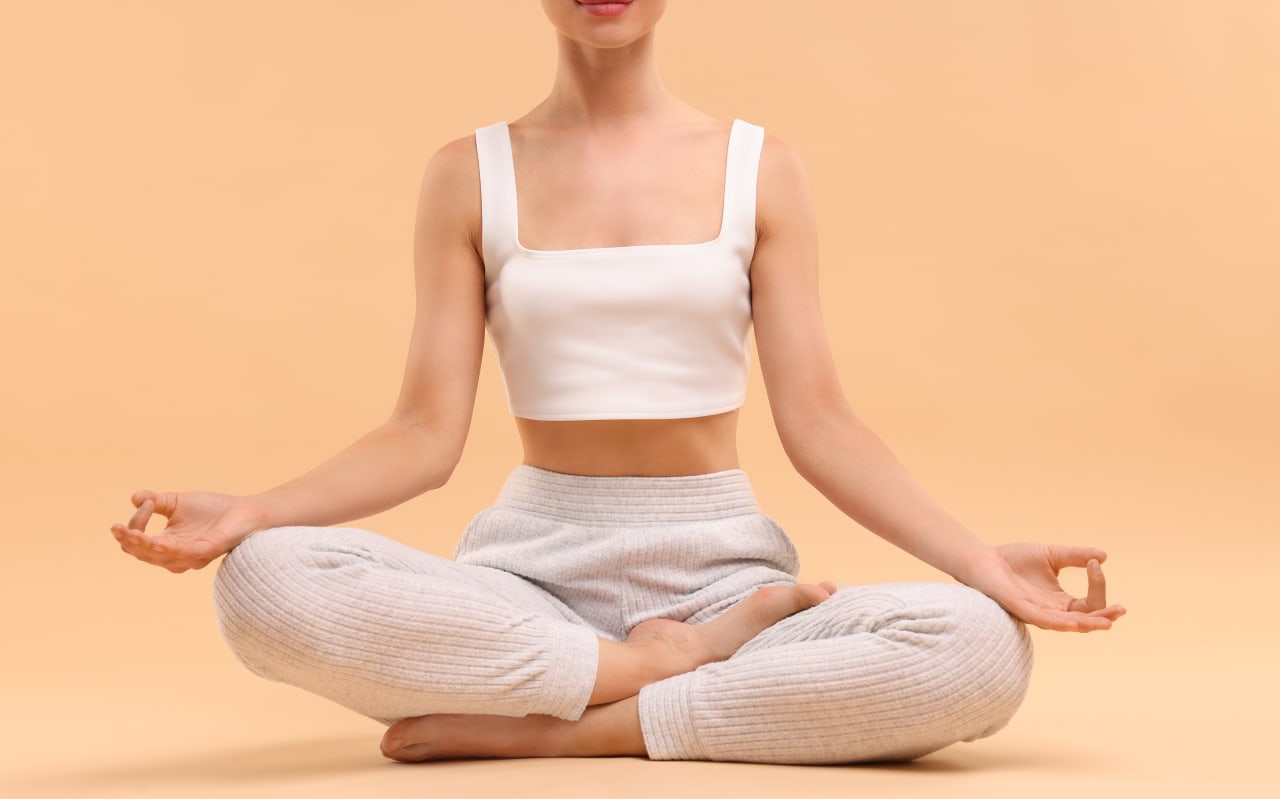



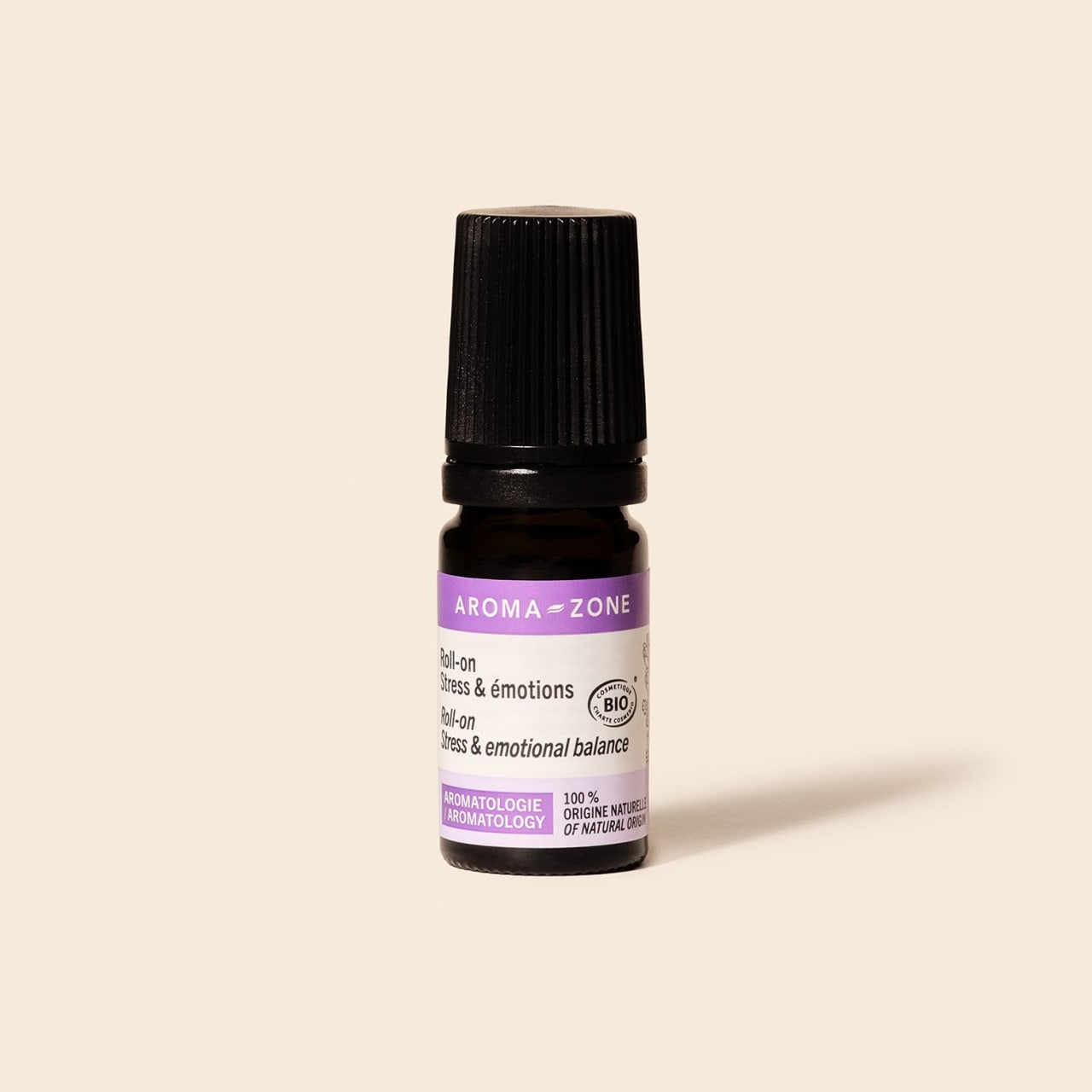
The benefits of sophrology extend beyond reducing stress and anxiety. This practice can also help improve sleep quality by promoting physical and mental relaxation. Breathing and relaxation exercises help release tension built up during the day and calm the mind before bedtime. This practice also helps quiet intrusive thoughts that can delay falling asleep. With regular practice, it often becomes easier to fall asleep and enjoy more restful sleep.
The benefits of sophrology for managing daily stress and anxiety
Discoverthe benefits of sophrology and how this practice can become a valuable ally in better managing daily stress and anxiety. In an often-hectic pace of life, it’s not always easy to step back, release tension, and find a true moment of calm. Through simple exercises based on breathing, relaxation, and visualization, sophrology offers a gentle approach to reconnecting with your sensations and calming the mind. Accessible to everyone, this practice invites you to slow down, listen more closely to your body, and develop inner resources to face daily challenges. Little by little, it helps bring greater serenity and balance to everyday life.
By The Aroma-Zone editorial team

What is sophrology?
Sophrology is a gentle method of relaxation and personal development that aims to restore balance between the body and mind. Created in the 1960s by neuropsychiatrist Alfonso Caycedo, it combines various techniques derived from controlled breathing, muscle relaxation, and positive visualization.
In practice, sophrology offers simple exercises, accessible to everyone, that help release physical tension, calm the mind, and better manage emotions. By taking a few minutes to reconnect with your sensations and your breathing, it becomes easier to step back from stressful everyday situations.
The benefits of sophrology are felt gradually: it helps develop greater self-awareness, strengthen one’s inner resources, and establish a lasting state of calm and serenity. It can be used preventively, but also as a valuable support for getting through periods of stress or anxiety.
What is the difference between sophrology and meditation?
Sophrology and meditation share a similar goal: to calm the mind, reduce stress, and promote greater inner balance. However, their methods of achieving this differ slightly.
Meditation relies primarily on observation. It invites you to focus your attention on the present moment, your breathing, bodily sensations, or thoughts, without trying to change them. This practice gradually develops the ability to step back from daily emotions and concerns.
Sophrology, on the other hand, takes a more structured and active approach. It combines several techniques such as controlled breathing, positive visualization, and dynamic relaxation. Sessions often include gentle body movements followed by relaxation phases, which help release physical tension while calming the mind.

Note: Relaxation thus plays a key role in sophrology. It allows you to gradually relax the body, lower stress levels, and create a state of calm conducive to letting go. Through this combination of physical and mental work, sophrology offers an accessible method for achieving lasting relaxation in daily life.
How does sophrology affect stress and anxiety?
The benefits of sophrology are numerous, and it is interesting to understand how it works. It addresses stress and anxiety by engaging several mechanisms that involve both the body and the mind. One of the primary tools is controlled breathing, which helps slow the heart rate and calm the nervous system. Breathing exercises help the body gradually transition from a state of tension to a state of relaxation.
The practice also affects the body through relaxation exercises and gentle movements. These help release muscle tension accumulated throughout the day, often linked to stress or mental worries. When the body relaxes, the brain receives signals of safety that promote emotional calm. Breathing and relaxation exercises have a synergistic effect on well-being. On this topic, check out our article: Breathing and relaxation: what’s the connection?
Another important mechanism involves positive visualization. By mentally projecting oneself into soothing situations or calling upon reassuring images, it becomes easier to reduce rumination and adopt a more serene outlook when facing difficulties. This approach gradually helps to strengthen self-confidence and the ability to manage emotions.
Finally, sophrology develops self-awareness. By taking the time to observe one’s sensations, breathing, and feelings, one learns to identify signs of stress or mental overload earlier. This improved inner awareness allows one to act more quickly to restore a state of balance and prevent anxiety from becoming chronic.
What are the main benefits of sophrology for improving daily well-being?
Sophrology is a method of relaxation and personal development that can be very effective for managing daily stress and anxiety. Below, discover some of the benefits of sophrology:
Stress reduction : Sophrology helps you refocus on the present moment, step back from sources of stress, and learn to manage them more effectively
Reduced anxiety : The breathing, visualization, and relaxation techniques used in sophrology help calm the mind and reduce negative thoughts that can fuel anxiety
Improved sleep quality: The relaxation induced by sophrology can promote deeper, more restorative sleep, which helps reduce fatigue and irritability linked to stress and anxiety
Boosting self-confidence: By practicing sophrology, you develop a better understanding of yourself and your inner resources, which helps build self-confidence and better cope with daily challenges
Improved emotional management: Sophrology teaches you to recognize and accept your emotions, regulate them, and express them constructively, which allows you to manage them better and reduce their impact on your mental and emotional well-being
Support for concentration: Sophrology helps calm the flow of thoughts and refocus attention. With regular practice, it becomes easier to stay focused on a task, which can be beneficial in both professional and personal life
Better management of mental fatigue: Breathing and relaxation exercises help release the pressure that builds up throughout the day. This mental break promotes faster recovery and helps restore energy
Mental preparation for stressful situations: Sophrology is often used to prepare for a specific event (public speaking, an exam, an interview, a life change). Through positive visualization, it helps you approach these situations with greater calm
Enhancing overall well-being: by promoting relaxation and greater self-awareness, sophrology helps gradually establish a more stable state of well-being in daily life
Improving the relationship with the body: the exercises help you become more aware of your bodily sensations and more attentive to your needs. This reconnection with the body often helps prevent stress-related tension.
In summary, sophrology offers a holistic approach to managing stress and anxiety by promoting physical and mental relaxation, emotional balance, and self-awareness. It can be a valuable ally in regaining calm, serenity, and balance in daily life. Note that the benefits of sophrology are most effectively felt when practiced regularly.
How can you practice sophrology to reduce stress?
Sophrology can easily be integrated into daily life through simple exercises that combine breathing, physical relaxation, and visualization. If you’d like to gently experience the benefits of sophrology, feel free to follow these steps:
Take a moment to settle in: Find a quiet spot, sitting or standing with your back straight but relaxed. Take a few moments to observe your current state: your breathing, your bodily sensations, or your level of tension. This step helps set the intention for the practice.
Focus on your breathing: Start by breathing slowly and deeply. Inhale through your nose, filling your belly, then exhale gently through your mouth. Repeat this cycle for two to three minutes to slow your breathing and calm your nervous system.
Release tension from the body: Gently tense different parts of your body for a few seconds (shoulders, arms, or the whole body) as you inhale, then release completely as you exhale. This tension-release exercise helps release accumulated physical tension.
Practice positive visualization: close your eyes and imagine a pleasant place or memory that gives you a sense of calm. Try to feel the details: the sounds, colors, or sensations associated with that moment. This visualization helps calm the mind and reduce stressful thoughts.
Take a moment to observe your sensations: Before finishing, take a few moments to notice the effects of the exercise on your body and your mental state. This short pause helps anchor the feeling of relaxation and prolong the benefits of the practice.
Expert Tip
To fully reap the benefits of sophrology, consistency is key. Rather than a long session every now and then, a few minutes of practice each day is preferable and often sufficient to gradually establish a lasting state of relaxation. Ideally, incorporate these exercises into a key moment of the day, such as in the morning to mentally prepare yourself or in the evening to release tension. It is also important to adapt the practice to your own pace, without striving for perfection. Over time, sophrology becomes a valuable tool for maintaining emotional balance in daily life.
Learn more

What benefits does sophrology offer for sleep?

What benefits does sophrology offer for sleep?

How does sophrology affect muscle tension and pain?

How does sophrology affect muscle tension and pain?
The benefits of sophrology are numerous and can even extend to alleviating certain physical discomforts. Stress can indeed cause physical tension, particularly in the back, shoulders, or neck. Sophrology exercises, based on gentle movements and cycles of contraction followed by relaxation, help gradually relax the muscles. By becoming more attuned to your body, it also becomes easier to identify and release areas of tension.

What are the benefits of sophrology in the workplace?

What are the benefits of sophrology in the workplace?
Sophrology can offer several benefits in a professional setting. In particular, it helps manage work-related stress, pressure, and mental load more effectively. Breathing and relaxation exercises also promote concentration, mental recovery, and better emotional regulation. When integrated into company life, this practice can help improve employee well-being and the quality of life at work.

How do you feel after a sophrology session?

How do you feel after a sophrology session?
After a sophrology session, most people experience a sense of relaxation that is both physical and mental. The body often feels more relaxed, breathing is calmer, and the mind is more at peace. Some people also describe a feeling of lightness or a sense of detachment from their current concerns. The effects may vary from person to person, but the session generally leaves one with a sense of calm and well-being.
Bibliography
1
Caycedo, A. (2005). Sophrology: A Revolution. Paris: Éditions Ellébore.
2
Brown, R. P., & Gerbarg, P. L. (2005). Sudarshan Kriya yogic breathing in the treatment of stress, anxiety, and depression: Part I—Neurophysiologic model. Journal of Alternative and Complementary Medicine.
https://pubmed.ncbi.nlm.nih.gov/16131297/
3
Jerath, R., Edry, J. W., Barnes, V. A., & Jerath, V. (2006). Physiology of long pranayamic breathing: Neural respiratory elements may provide a mechanism that explains how slow deep breathing shifts the autonomic nervous system. Medical Hypotheses.
https://pubmed.ncbi.nlm.nih.gov/16624497/
4
Grossman, P., Niemann, L., Schmidt, S., & Walach, H. (2004). Mindfulness-based stress reduction and health benefits: A meta-analysis. Journal of Psychosomatic Research.
https://pubmed.ncbi.nlm.nih.gov/15256293/
5
Inserm. (2020). Evaluation of the efficacy and safety of sophrology.
https://www.inserm.fr/rapport/evaluation-de-lefficacite-et-de-la-securite-de-la-sophrologie-2020/