
Common name: Hydrogen peroxide
Origin: Natural
INCI Name: Hydrogen Peroxide
Biochemical composition: H₂O₂ (two hydrogen atoms and two oxygen atoms)
Function: bleaching, oxidising, antiseptic, disinfectant
For: minor wounds, dental care,
Dosage:
Less than 3% for use on skin and mucous membranes
6 to 10% for surfaces and objects
Solubility: water-soluble
Hydrogen Peroxide: Why and How to Use It Effectively in Daily Life
Published on: Thursday, June 19, 2025, Updated on: Tuesday, October 27, 2026
Used since the 19th century for its antiseptic properties, hydrogen peroxide (H₂O₂), commonly known as oxygenated water, is now enjoying renewed interest in dermatology and cosmetics. This multifaceted compound acts as both a cellular signalling molecule and an oxidising agent capable of causing cellular damage when present in excess. It has remarkable biological and therapeutic properties and is used as a topical treatment for a range of purposes. This article offers an overview of its biological role, its benefits, its uses, possible combinations, precautions, and its future potential in cosmetics.
Contents
Related products
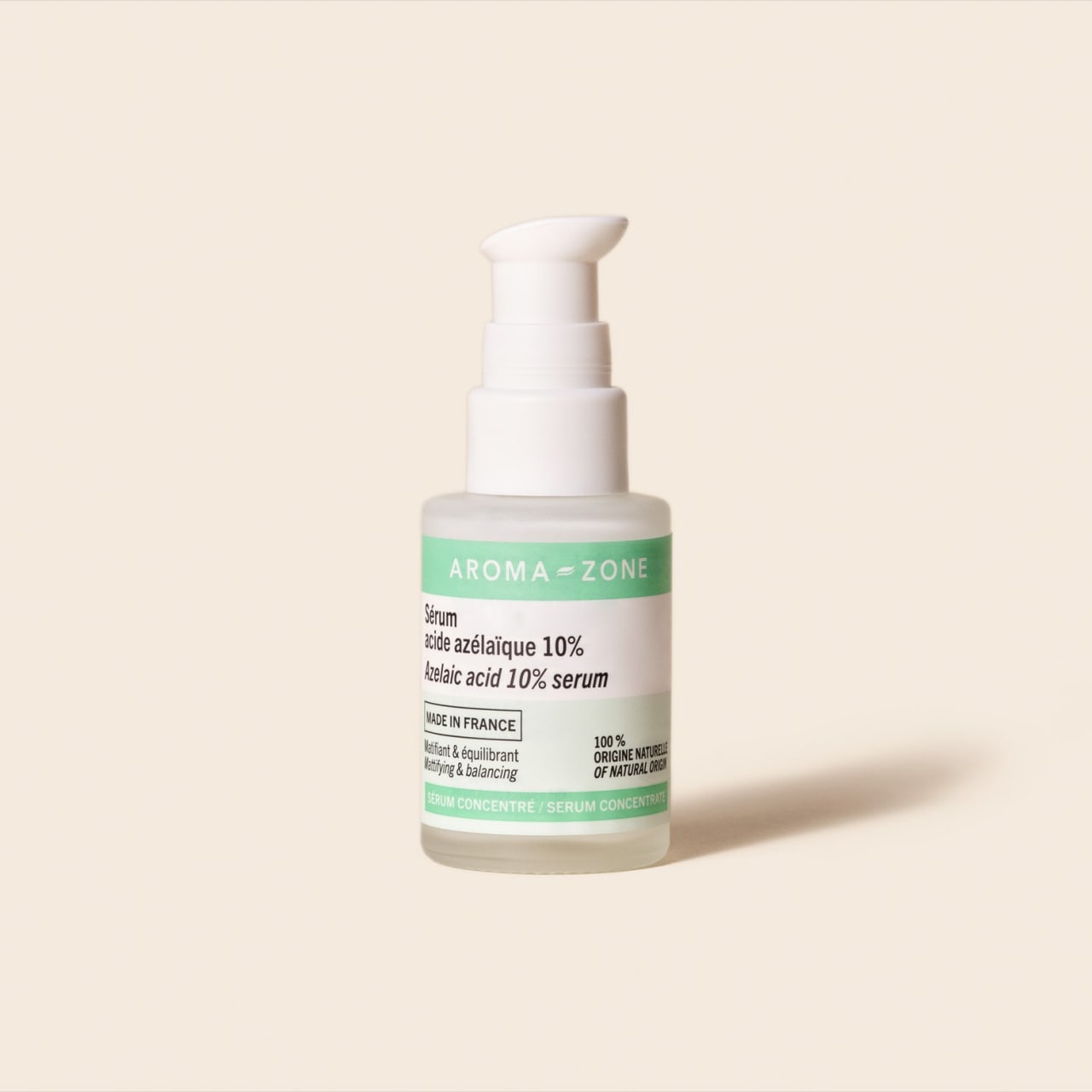
Azelaic Acid 10% Serum
Sebum-regulating
Anti-blemishes
£8.00
30 ml
2 options
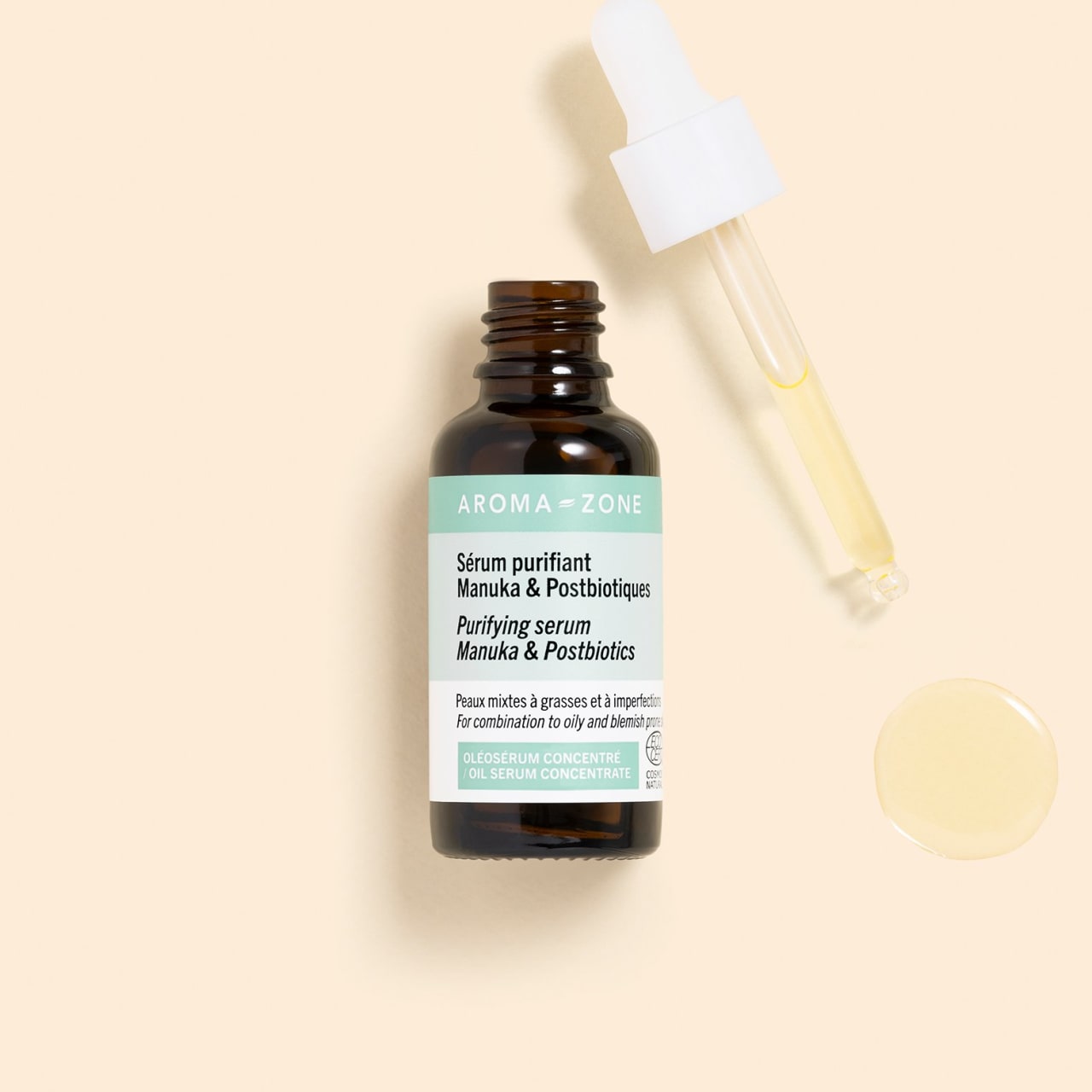
Postbiotics & Manuka Serum
Anti-blemishes
Sebum-regulating
£9.00
30 ml
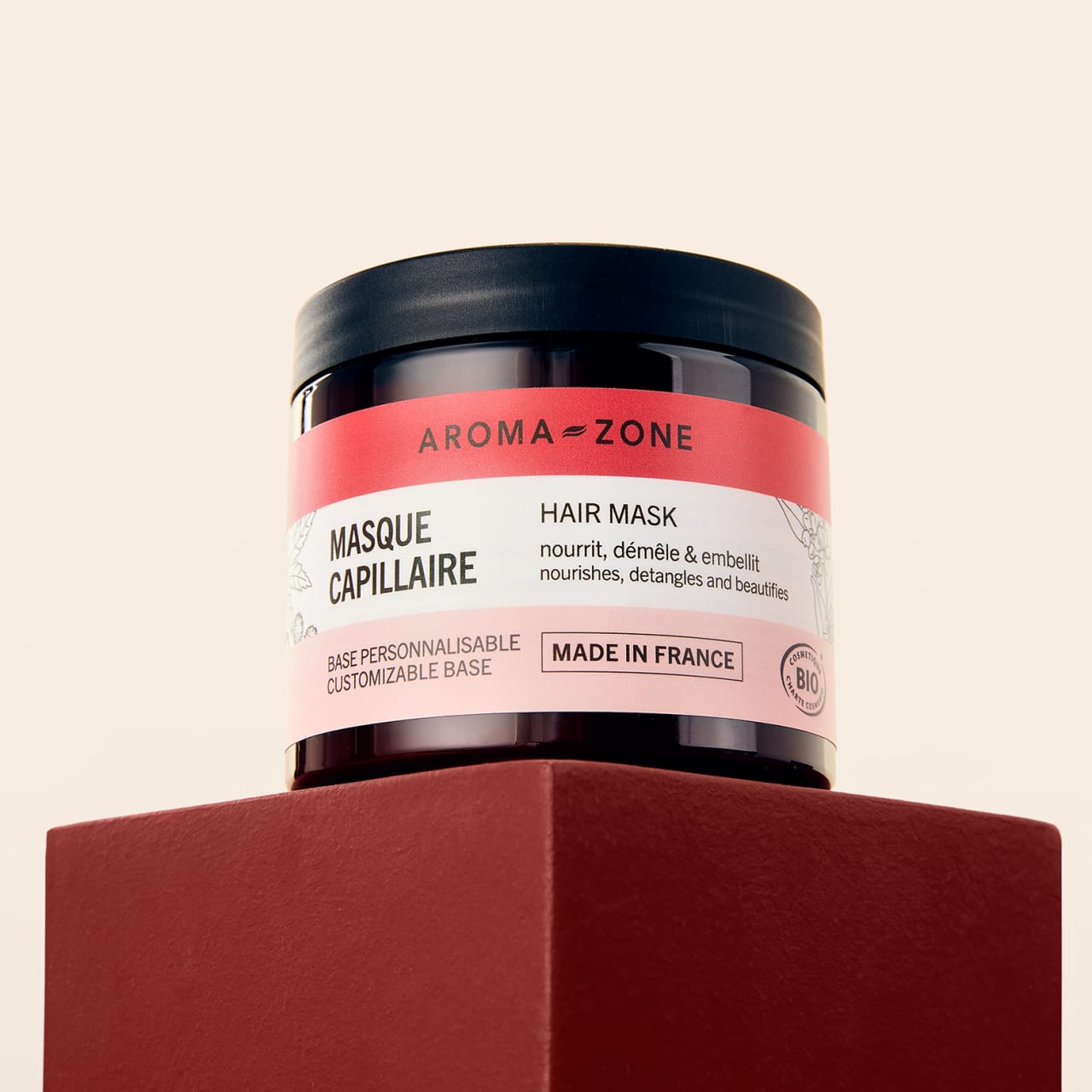
Neutral Hair Mask
Nourishing
Hair conditioner
£12.50
500 ml
In brief
Hydrogen peroxide, also known as oxygenated water, has many everyday uses: it is commonly used as a disinfectant, a household stain remover and an ingredient in certain cosmetic treatments. However, its effectiveness depends on how it is used.
To use it correctly, it is essential to follow the appropriate concentrations for each application: diluted solutions are suitable for household cleaning or minor wound care, while higher concentrations are reserved for specific uses and must be handled with caution.
The article highlights that hydrogen peroxide can irritate the skin or mucous membranes and that precautions are necessary, particularly when used around children or on sensitive surfaces. It is important to carefully read the recommendations before use.
Profile
What is hydrogen peroxide?
Definition and Structure
Hydrogen peroxide (H₂O₂), or oxygenated water, is a colourless liquid known for its antibacterial and bleaching properties. This oxidising compound is naturally produced in small quantities by certain cells in our body. Hydrogen peroxide is a simple molecule consisting of two hydrogen atoms and two oxygen atoms. Its structure makes it a reactive oxygen species (ROS) capable of generating hydroxyl radicals (OH•), which are highly oxidising.
Traditionally considered a cytotoxic agent, H₂O₂ is actually a natural byproduct of cellular metabolism, particularly during mitochondrial respiration. Excessive accumulation of H₂O₂ can lead to oxidative stress, damaging cells and contributing to the development of various diseases. For this reason, the human body possesses enzymatic systems that regulate H₂O₂ levels by breaking it down into water and oxygen.
However, at controlled concentrations, H₂O₂ plays a beneficial role as a cellular messenger, participating in processes such as cell signalling and the immune response. Thus, hydrogen peroxide is not merely a metabolic waste product, but is also essential for proper biological function.
Origin and method of extraction
Hydrogen peroxide is naturally present in the human body as a result of the respiratory process. However, for use in cosmetics and hygiene products, H₂O₂ is industrially synthesised using a safe and controlled method that allows for the production of solutions at various concentrations.
Term | Target | Objective | Typical examples |
|---|---|---|---|
Disinfection | Inanimate surfaces/objects | Reduction of pathogenic microorganisms | Alcohol, bleach |
Sterilisation | Inanimate objects | Complete elimination of all microorganisms | Autoclave, gamma radiation |
Antiseptic | Living tissues | Reduction of germs without causing harm to tissues | Betadine, chlorhexidine |
What is the difference between disinfection, sterilization, and antiseptics?
Hydrogen peroxide (H₂O₂) can be used as both an antiseptic and a disinfectant, depending on its concentration and intended use.
Antiseptic: for the skin, mouth and mucous membranes, at concentrations of ≤ 3%.
Disinfectant: for surfaces and objects, at concentrations between 6% and 10%.
Mechanism of action
Hydrogen peroxide is a simple molecule consisting of two hydrogen atoms and two oxygen atoms. Its structure makes it a reactive oxygen species (ROS) capable of generating highly oxidizing hydroxyl radicals (OH•). It acts as a direct and indirect oxidant, damaging lipid membranes, proteins, and DNA, but also as a cellular signaling molecule involved in proliferation, apoptosis, and tissue regeneration.
Hydrogen peroxide has multiple mechanisms of action:
Oxidation: destroys the cell membranes of microorganisms.
Effervescence: releases oxygen that helps remove debris and biofilms.
Cell signaling: activates pathways such as NF-κB, promotes healing and angiogenesis.
What are the benefits of this oxidant?
Antiseptic / minor wounds
Disinfects surfaces
Promotes teeth whitening
Helps lighten hair
Cleansing and purifying effect
Promotes healing
Why use hydrogen peroxide?
In cosmetics, it is used for its purifying and brightening effects, but must be handled with care.
Skin Care
At low concentrations (between 1% and 3%), hydrogen peroxide is well tolerated by the skin and offers beneficial properties for skincare. Its cleansing and purifying effect makes it a valuable ally in routines for acne-prone skin. Thanks to its antimicrobial activity, it helps limit the proliferation of bacteria involved in acne, such as Cutibacterium acnes, while gently disinfecting the skin’s surface. Hydrogen peroxide is also used in wound care as a mild antiseptic, promoting a clean environment conducive to healing. It supports natural tissue regeneration processes, particularly by promoting hemostasis, cell proliferation, and improving microcirculation, which optimizes the supply of oxygen essential for the proper functioning of skin cells.
Hair bleach
Thanks to its oxidizing power, hydrogen peroxide is a very common ingredient in hair bleaching products. When applied to the hair, it penetrates the hair shaft and reacts with melanin by oxidizing it, which causes a visible lightening of the hair shaft. The concentration used generally ranges from 6% to 12%, depending on the desired level of lightening. To promote the penetration of H₂O₂, alkaline agents such as ammonia are used to open the hair cuticles. Although effective, this process can weaken the hair shaft, leading to dryness, porosity, or breakage if not followed by appropriate care.
Dental Care
Hydrogen peroxide is widely used in dentistry for its antiseptic, antibacterial, and whitening properties. As an oxidizing agent, it releases active oxygen capable of destroying the cell membranes of anaerobic bacteria, which are primarily responsible for periodontal disease, gingivitis, and bad breath. It is therefore included in many mouthwashes at low concentrations (generally between 1 and 3%) to sanitize the oral cavity. Furthermore, H₂O₂ is a key ingredient in teeth-whitening gels, used in dental offices or at home. At concentrations ranging from 6% to 35% under professional supervision, it works by oxidizing organic pigments accumulated in the enamel and dentin, which visibly lightens the shade of the teeth. Its effectiveness is well documented, but repeated or inappropriate use can cause tooth sensitivity, gum irritation, or even long-term enamel damage, warranting particular caution in its use.
Household product
Hydrogen peroxide is a versatile ingredient highly valued in household cleaning products for its antimicrobial, stain-removing, and deodorizing properties. Thanks to its ability to release active oxygen, it effectively combats bacteria, viruses, yeast, and mold, making it a natural disinfectant often used as an alternative to bleach, particularly for kitchen surfaces, bathrooms, and children’s toys. It is also known for its bleaching power: it helps remove organic stains (blood, wine, grass) from fabrics or tile grout by oxidizing the pigments responsible. Commonly used at a 3% concentration in household formulations, H₂O₂ breaks down into water and oxygen, making it environmentally friendly when used correctly.
What are its combinations and compatibility in cosmetics?
Optimizing anti-acne action
Studies have shown that, in the context of care for acne-prone skin, gels containing 3–4% hydrogen peroxide (H₂O₂), combined with salicylic acid and panthenol, are both effective and well-tolerated. This synergy is particularly noteworthy: hydrogen peroxide exerts an antimicrobial action by eliminating the bacteria involved in acne, notably Cutibacterium acnes. Salicylic acid, a BHA (beta-hydroxy acid), has keratolytic properties that promote cell turnover and unclog pores. Finally, panthenol, or provitamin B5, is a moisturizing and soothing active ingredient that helps limit the drying effects of the other two compounds.
Discover our products containing salicylic acid:
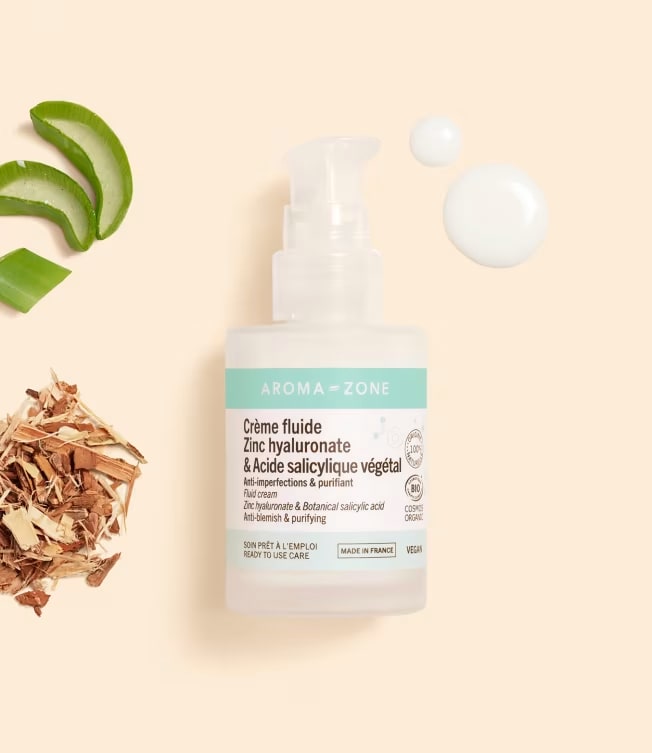
Zinc Hyaluronate & Plant-Based Salicylic Acid Fluid Cream
This organic purifying fluid cream rebalances, mattifies, and hydrates the skin while reducing blemishes. Enriched with zinc hyaluronate and salicylic acid, it targets blackheads, tightens pores, stimulates cell renewal, and soothes inflammation. Free of fragrance and essential oils, it is suitable for oily, blemish-prone, or acne-prone skin. Matte, velvety finish. Use as a day or night treatment.
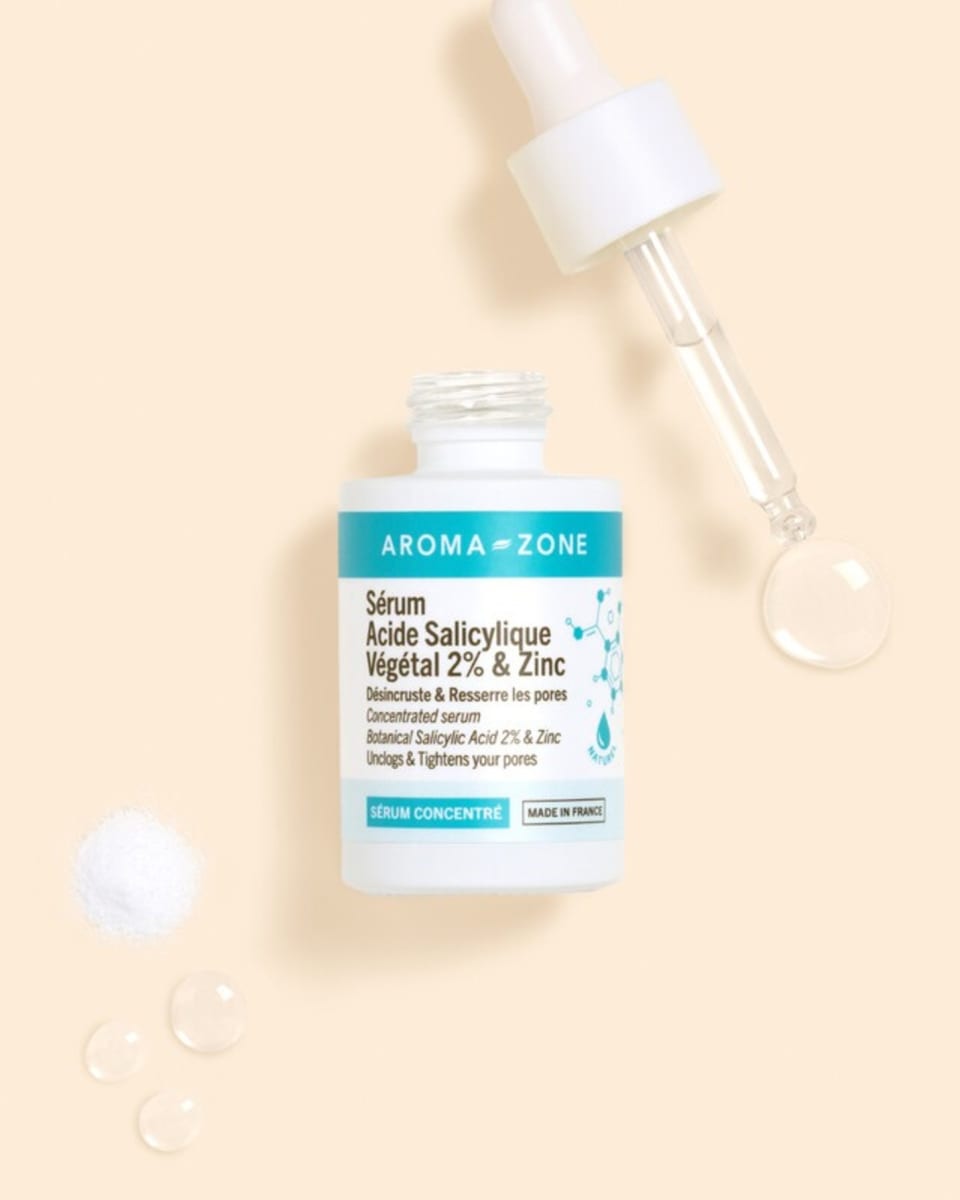
2% Salicylic Acid & Zinc Concentrated Serum
The secret to flawless skin, this multi-action serum reduces pore size and appearance while fighting blemishes. Purifying and keratolytic, this complex of plant-derived salicylic acid, mushroom extract, and zinc regulates excess sebum, unclogs pores, and prevents the appearance of blackheads. This serum leaves the skin purified and the skin texture refined, without a drying effect.
Preventing damage to the hair shaft
As previously noted, hydrogen peroxide effectively bleaches hair but damages the hair shaft. For this reason, it is recommended to use complementary care products to protect and strengthen the hair. Before or after shampooing, apply a hair mask, use a gentle shampoo, and finish with a serum.
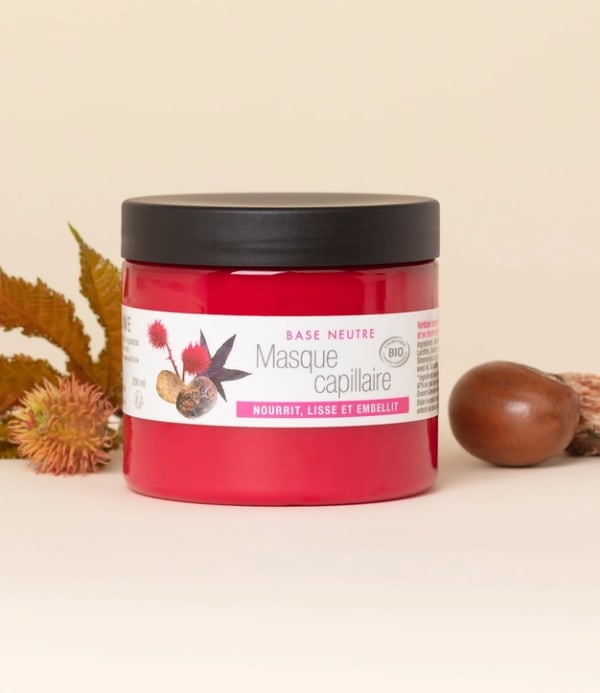
1. Hair Mask: This mask is a base; you can use it alone or add the active ingredients of your choice. It will protect, smooth, and nourish your hair.
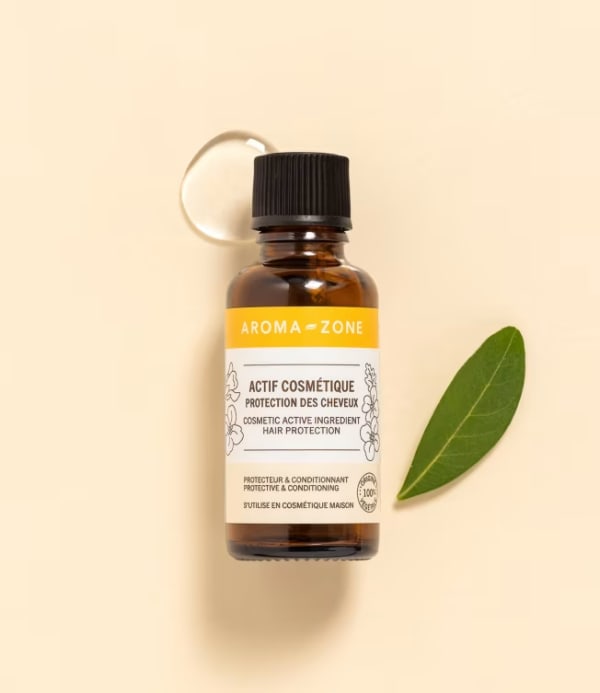
2. Hair Protection Active Ingredient: This Abyssinian oil extract protects your hair from external aggressors, leaving it soft and shiny while preserving color vibrancy. You can incorporate it into the mask base (1–5%).
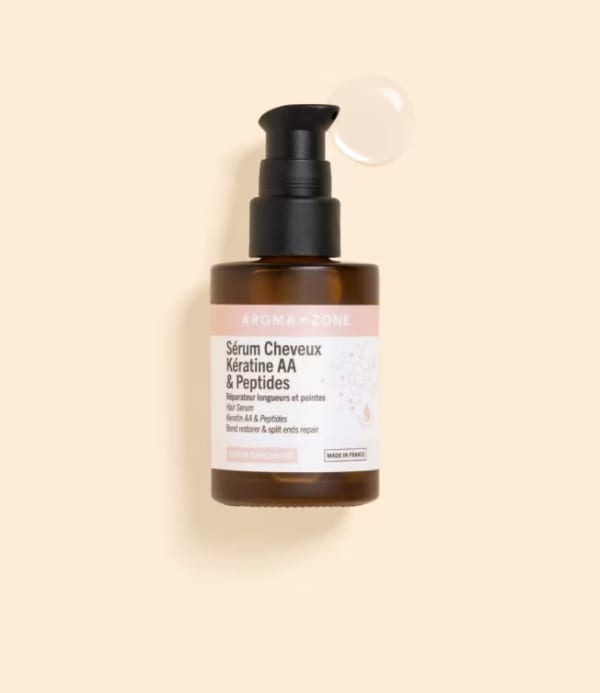
3. Keratin AA & Peptides Hair Serum: This serum strengthens the hair fiber thanks to a complex of amino acids and biomimetic keratin peptides. Apply a few drops to your dry or damp hair lengths and ends as a daily leave-in treatment.
Our natural alternatives
Care for acne-prone skin
As an alternative to hydrogen peroxide, which is often too harsh for sensitive skin, there are innovative and better-tolerated active ingredients. This is the case with the 10% Azelaic Acid Concentrated Serum, an active ingredient recognized for its purifying, keratolytic, and anti-inflammatory properties. It helps regulate sebum production, unclog pores, and limit the proliferation of acne-causing bacteria, while reducing pigmentation marks. In addition, the Manuka & Postbiotics Purifying and Balancing Oleosérum acts as a balancing treatment. Enriched with postbiotics and Manuka extract (Leptospermum Scoparium), it supports the balance of the skin microbiome, soothes inflammation, and reduces blemishes, all while respecting the skin barrier. Together, these two products offer a comprehensive, gentle, and targeted solution to the challenges of acne-prone skin.
Dental Care
Used for centuries for its purifying properties, activated charcoal is a natural alternative to hydrogen peroxide in dental care. Thanks to its adsorption capacity, it helps remove impurities and toxins from the mouth. It is also known to neutralize the compounds responsible for bad breath, leaving a lasting feeling of freshness. Although it does not whiten teeth chemically like H₂O₂ does, it helps remove surface stains caused by tea, coffee, or tobacco, for a visibly brighter smile, all while being gentle.
Household product
Although it does not possess antimicrobial properties, the Baking Soda and Sodium Percarbonate are both excellent cleaning products. They clean and deodorize many types of surfaces. They also have stain-removing and whitening properties, particularly for laundry care.
Our natural products
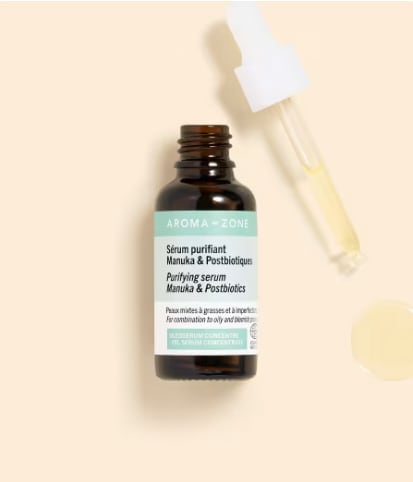
Purifying and Balancing Manuka & Postbiotics Oil Serum
Purifying and Balancing Oleoserum: This ultra-light oil-based treatment helps clear the skin of blackheads, whiteheads, shine, and enlarged pores. It combines purifying and postbiotic Manuka and Magnolia, which rebalance the skin microbiome*. For visibly healthier skin.
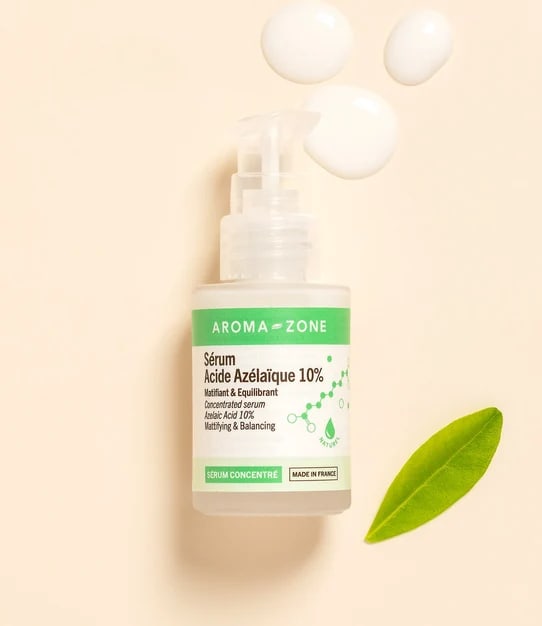
10% Azelaic Acid Concentrated Serum
This serum, concentrated with 10% 100% naturally sourced azelaic acid, is designed for combination, oily, and acne-prone skin. It unclogs pores, regulates sebum, reduces blackheads and redness, and mattifies the complexion without drying it out. Enriched with hyaluronic acid and silica, it hydrates while absorbing excess sebum. Highly concentrated; introduce gradually (2 to 3 times a week at first).
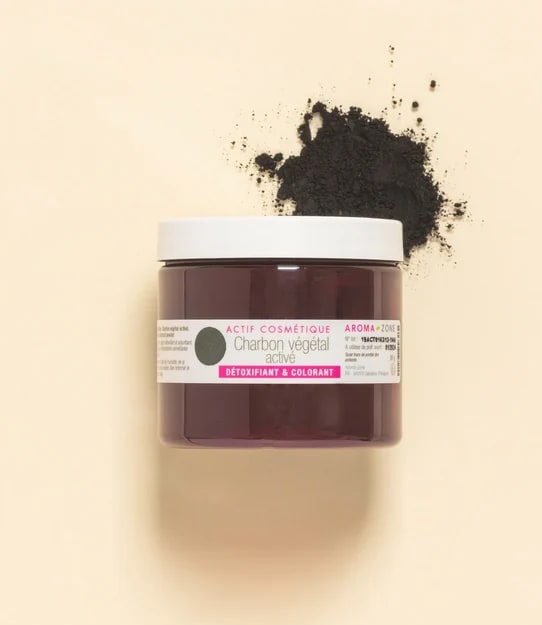
Active Ingredient: Activated Vegetable Charcoal
Activated vegetable charcoal has been known since ancient times for its extraordinary adsorption capacity, which gives it particularly interesting purifying and detoxifying properties. In cosmetics, it is used as an active ingredient in masks, soaps, cleansers, and exfoliants to remove impurities and pollutants. It is also an intense black pigment that is 100% plant-based, ideal for creating beautiful marbling effects in your homemade soaps, but also worth trying in your makeup products...
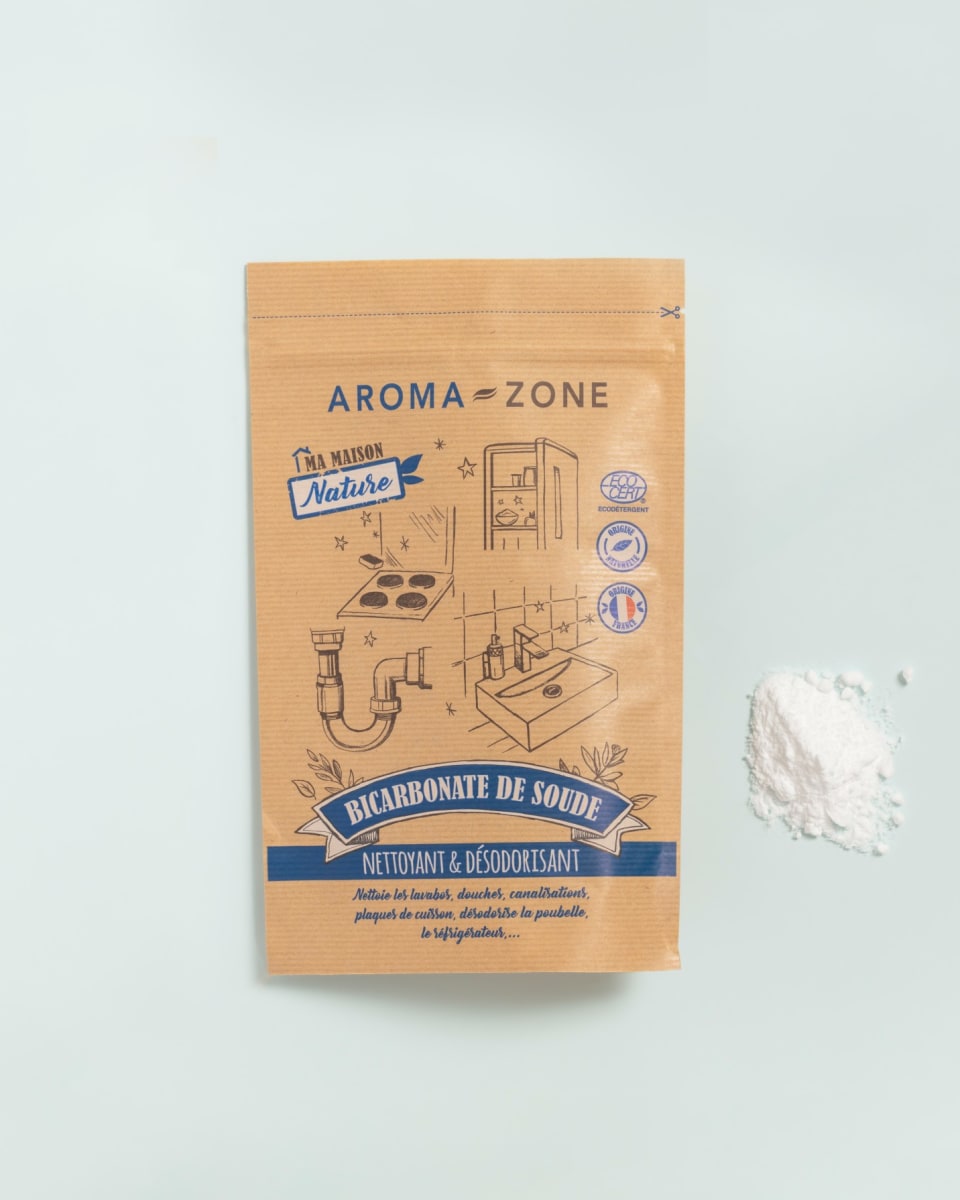
Baking Soda Ecodetergent 500g
An essential item for budget-conscious households, baking soda cleans, degreases, and makes all types of surfaces shine. It is used as a scouring powder to clean sinks, showers, stovetops, and tiled surfaces... As a deodorizer, baking soda is also effective at neutralizing unpleasant odors in trash cans, refrigerators, shoes, or closets.
Storage instructions
For optimal preservation of your product, store it at room temperature and away from light (in an opaque bottle), making sure to close the container tightly after use.
Contraindications
It is recommended to perform a skin tolerance test before first use, by applying a small amount of the product to the inner elbow, for example.
Avoid contact with the eyes. In case of contact, rinse immediately with clean water.
Spotlight on our specialist writer, Auriane Oline

With master’s degrees in phytochemistry and cosmetic formulation, Auriane applies her scientific expertise to skincare. Passionate about the power of plants, she collaborates with committed brands to provide reliable, educational and caring content. Specialising in sensitive and atopic skin conditions, she clearly explains cosmetic active ingredients and skin mechanisms to make the information accessible to everyone. She also shares her advice on her Instagram account @phytophileae.
Bibliography
Halliwell, B., Clement, M. V., & Long, L. H. (2000). Hydrogen peroxide in the human body.
FEBS Letters, 486(1), 10–13.
Kapoor P, Kumar S. (2021). Hydrogen peroxide in dermatology.
Indian J Dermatol Venereol Leprol, 89:310-12.
Murphy, E. C., & Friedman, A. J. (2019). Hydrogen peroxide and cutaneous biology: translational applications, benefits, and risks.
Journal of the American Academy of Dermatology, 81(6), 1379-1386.
Tredwin, C. J., Naik, S., Lewis, N. J., & Scully, C. B. E. C. (2006). Hydrogen peroxide tooth-whitening (bleaching)
products: review of adverse effects and safety issues. British Dental Journal, 200(7), 371-376.
Abdelshafy, A. M., Neetoo, H., & Al-Asmari, F. (2024). Antimicrobial activity of hydrogen peroxide for application in food safety and COVID-19 mitigation:
An updated review. Journal of Food Protection, 100306.

Frequently Asked Questions
Associated tip

Face care tips


