Our Natural Solutions for Getting Rid of Mould in Your Home

Our Natural Solutions for Getting Rid of Mould in Your Home


By Laura Almeras

Published on: Friday, July 12, 2024, Updated on: Thursday, October 29, 2026

We spend most of our time at home, so it's important to keep it healthy and comfortable. But when water seeps in, leaks develop, or ventilation is poor, a pleasant home can quickly become unbearable. How can you get rid of humidity problems and traces of mould naturally? Here are our natural tips to stop the problem from spoiling your day-to-day life.

Contents

Related products

What Is Mould?

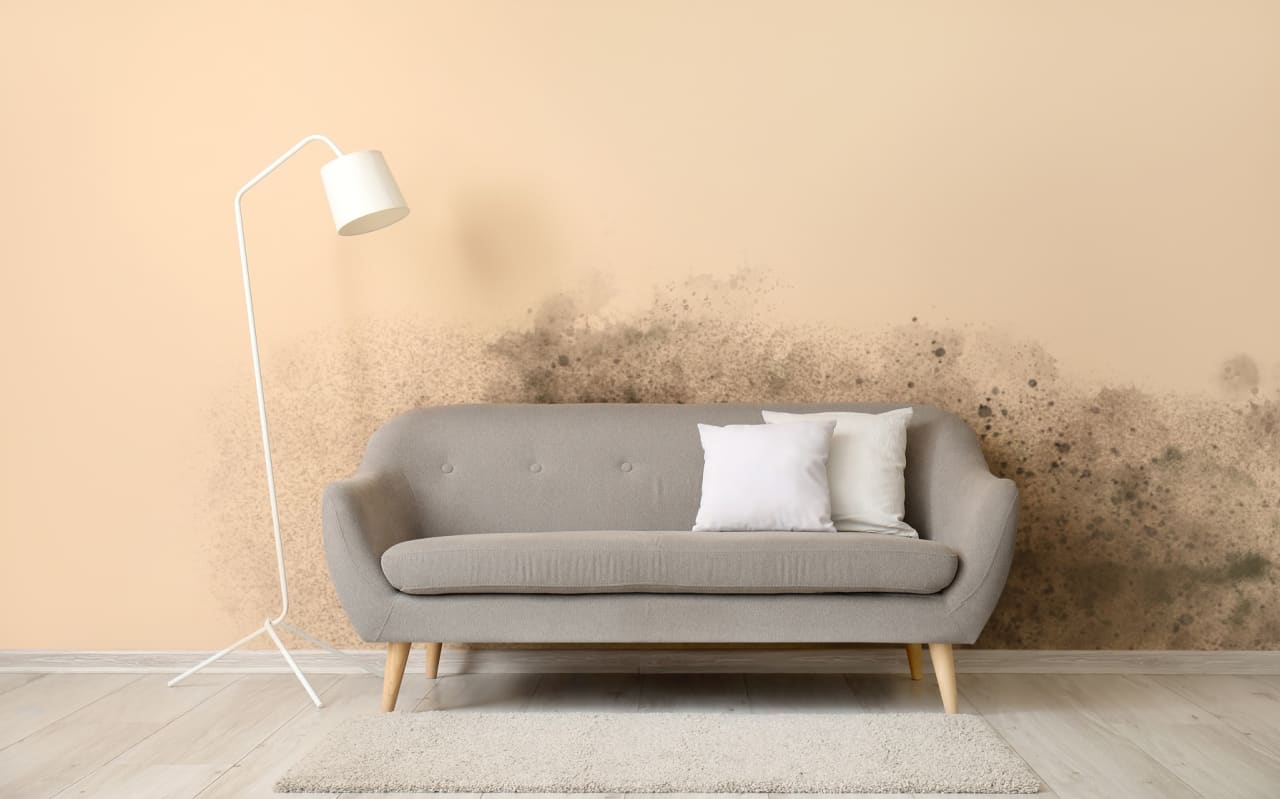
Mould is a type of microscopic fungus that thrives in damp environments. It appears as coloured patches (black, green, white, etc.) and can grow on various surfaces, such as walls, ceilings, floors and even food. Among the different types of mould and fungi are:

  • Stachybotrys chartarum: Often referred to as black mould, it is toxic and is frequently found in very damp areas such as basements and bathrooms.

  • Aspergillus: A very common green or black mould that can grow on food and walls.

  • Penicillium: Known for its blue or green colour, it often grows on damp organic matter and on food.

Why Do I Have Mould in My Home?

Damp: Water leaks, condensation and poor ventilation are the main causes of mould growth. Humidity levels above 60%, combined with poor ventilation, create the ideal environment for mould to thrive.

Poor insulation or water ingress: Poor insulation can leave walls cold, which encourages condensation, while water ingress adds moisture to the home. If you have leaks or cracks in your roof or around your windows, seeping water may lead to mould.

Bad habits that encourage damp: Drying laundry indoors, cooking without an extractor fan, and forgetting to ventilate or ventilating insufficiently can encourage damp and, consequently, mould growth.

Please note:

Damp is always caused by poor water management. Taking the right steps is crucial to preventing mould and fungi from growing.

What are the dangers of mould in the home?

As well as being responsible for unpleasant odours, mould can cause health problems or damage the very structure of your home.

Allergies: Exposure to mould can trigger allergic reactions in some people. Damp can either cause allergies or make existing ones worse.

Respiratory problems: Mould can cause or worsen respiratory problems, such as asthma. In some people, new symptoms may appear, such as a persistent cough or wheezing, as mould spreads through the indoor air.

Property damage: Mould can damage building materials such as wood, plaster and wallpaper. By seeping into porous surfaces, it can weaken the very structure of the materials and require costly repairs.

Please note

It’s important to identify and treat the source of the mould before it poses a risk to your health and your home.

How Can You Spot the First Signs of Mould?

Visual signs: Look out for black, green or white patches on walls, ceilings and floors. Mould can have a velvety, cottony or slimy texture and appear as small isolated spots or large patches.

Odour-related signs: A persistent musty or earthy smell in indoor air may indicate mould. A sensation of heaviness and dampness in the indoor air may also indicate high humidity levels.

Our essentials: How can you get rid of mould naturally?

04126-vinegar_d_alc-pWorz30P (4).avif

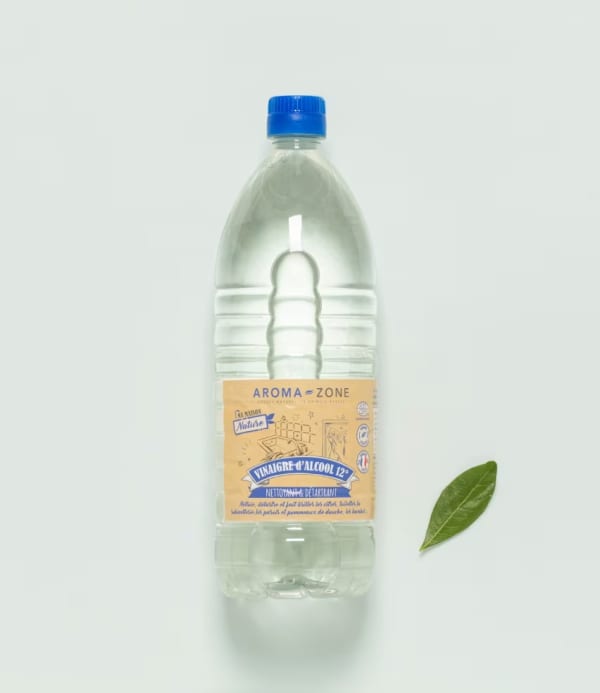
White Vinegar

White Vinegar is known for its antifungal properties, making it an effective remedy against mould. Dilute the white vinegar with water (1 part vinegar to 1 part water). Spray the solution directly onto the mouldy area and leave it to work for an hour. Then wipe the surface with a clean, damp cloth.

Discover 12° White Spirit Vinegar

04122-bicarbonate-de-rCcgPE01.avif

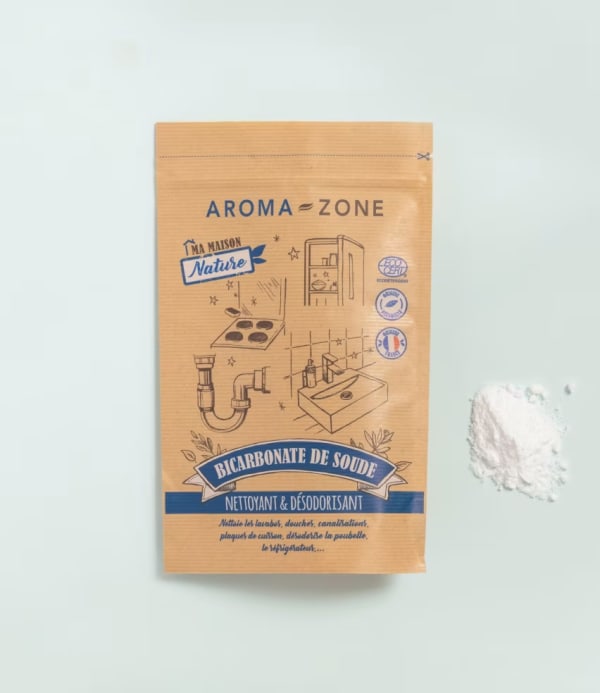
Bicarbonate of Soda

Bicarbonate of soda helps to deodorise areas affected by mould and also has antifungal properties. Make a paste by mixing bicarbonate of soda with a little water. Apply the paste to the affected area and leave it to work for about 15 minutes. Then scrub with a brush, rinse with clean water and wipe dry with a clean cloth.

Discover Bicarbonate of Soda

04054-black-soap-de--dUd3O4GV (2).avif

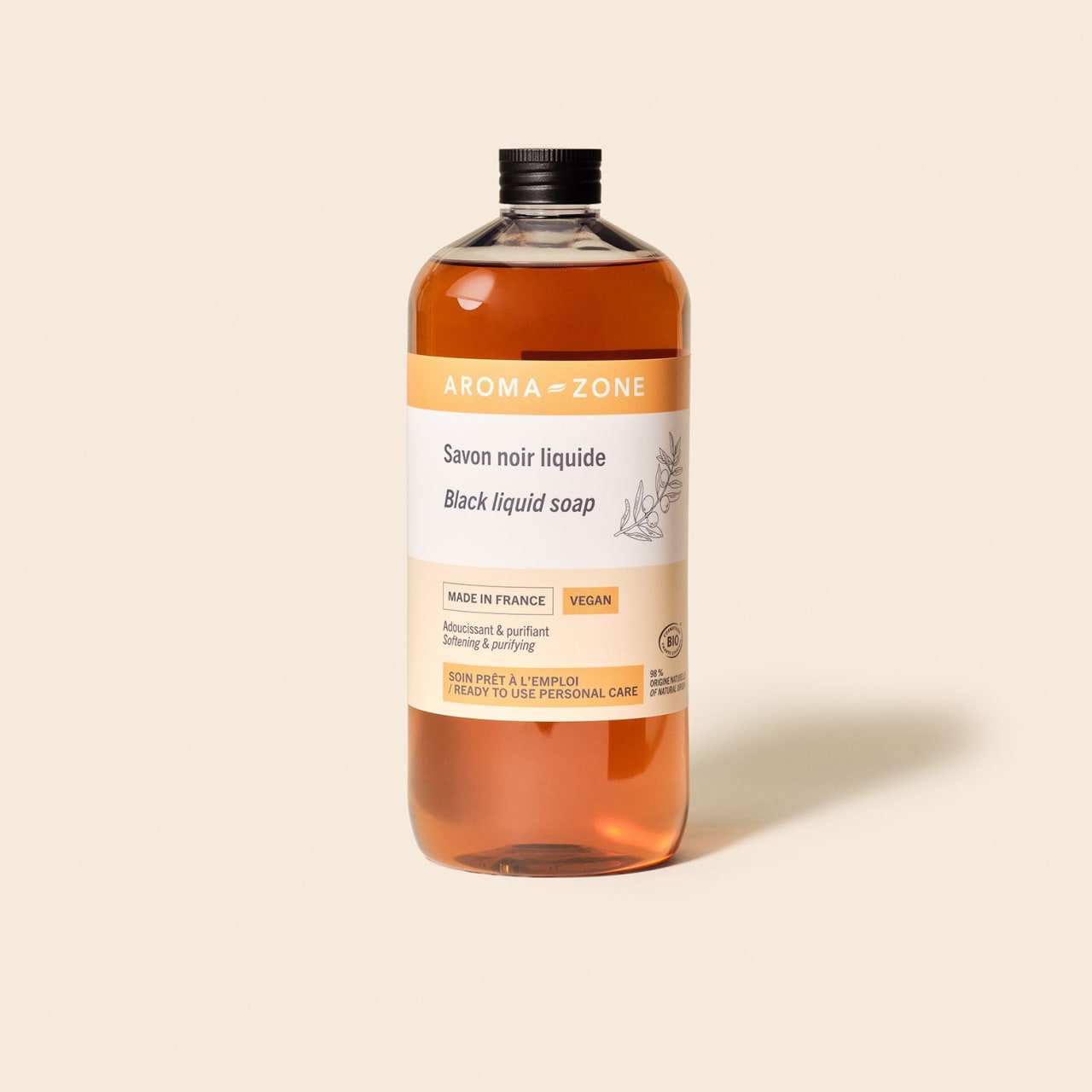
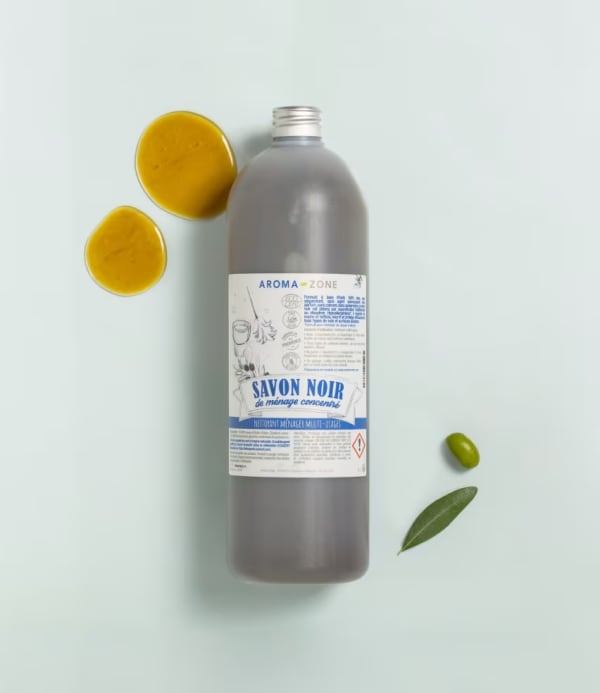
Black Soap

It can remove visible mould stains from surfaces such as walls, ceilings, tiles, etc. Black soap has disinfectant properties that help kill mould spores and prevent them from spreading. Dilute a small amount of liquid black soap in lukewarm water to create a cleaning solution. Apply the solution directly to mould-affected areas using a sponge or clean cloth.

Discover Concentrated Black Soap

Sodium percarbonate

Sodium Percarbonate

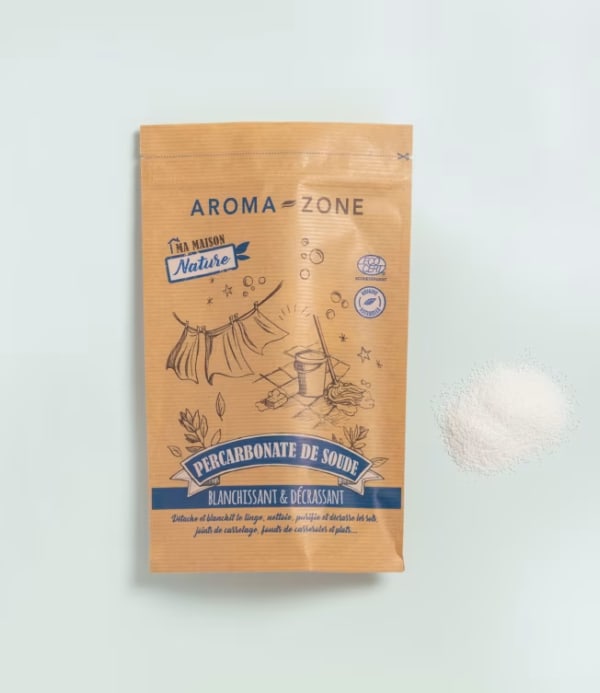
Mould is a nightmare in any home. Mix a tablespoon of sodium percarbonate with hot water to form a paste, then apply it to mouldy areas. Leave it to work, then scrub gently to remove the mould. This effective solution doesn’t use harsh chemicals.

Find out more about Sodium Percarbonate

How Can You Remove Mould?

Mould on a Wall

To get rid of damp on a wall, start by identifying and fixing the source, such as water leaks, seepage, or condensation. Then apply anti-damp and anti-fungal treatments, such as white vinegar, to the entire area of the wall affected by mould. Leave it to work for a few minutes, then wipe it off with a dry cloth. Let the wall dry thoroughly and, if needed, repaint it with damp-resistant paint.

Mould in a Cupboard

To remove mould from a cupboard, start by taking out all the items so you can easily access all the surfaces. Next, apply 3% hydrogen peroxide to the mouldy areas using a clean cloth. Leave it to work for a few minutes, then gently scrub the surface to loosen the mould. Then rinse with clean water to remove any cleaning residue and make sure the cupboard is completely dry before putting the items back inside.

To prevent damp from returning, you can place small sachets of bicarbonate of soda in your cupboards and replace them regularly.

Mould on the Floor

To remove mould from the floor, use diluted black soap. Apply the product to the affected area of the floor, scrub gently with a cloth or brush if necessary, then rinse thoroughly with clean water. Dry the floor thoroughly to prevent residual dampness.

How Can You Prevent Mould from Appearing?

  1. Ensure good air circulation: Make sure air circulates freely throughout all rooms. Good air circulation helps to remove damp and reduce condensation, which prevents mould from forming.

  2. Install extractor fans: Fit extractor fans in bathrooms, kitchens and utility rooms to remove excess damp. Dehumidifiers can also be used in damp-prone areas to maintain an appropriate humidity level.

  3. Repairing leaks and water ingress: Regularly inspect your home for water leaks, whether from pipes, roofs or windows. Repair any leaks immediately to prevent damp from building up.

  4. Regular cleaning of high-risk areas: Clean bathrooms, kitchens and other areas prone to moisture build-up regularly. Use anti-fungal cleaning products to remove mould spores before they develop.

  5. Dry damp areas immediately after use: Wipe down wet surfaces in bathrooms, kitchens and utility rooms after use. Dry up water splashes on walls, floors and sinks straight away.

Our natural remedies for removing mould

Spotlight on Our Writer, Laura Almeras

The_Luuxx_Photographer_-_Pro_Shoot_Laura-15.jpg

Laura is a health, beauty and lifestyle writer. Passionate about travel and gastronomy, she shares all her nutritional advice on how to combine pleasure with well-being. Through her articles, she is committed to providing you with meaningful information and practical advice to nourish your body and mind.

Bibliography

  1. https://www.canada.ca/fr/sante-canada/services/publications/vie-saine/prendre-charge-problemes-humidite-et-moisissure-votre-demeure.html

Frequently Asked Questions

Frequently Asked Questions