Black soap is a versatile plant-based cleaning product. It is traditionally made from vegetable oils such as olive, flaxseed, or castor oil, to which potash (or soda) and water are added. This mixture is then simmered over low heat for several days, giving the soap its characteristic soft, gelatinous texture. Black soap is brown to black in color and has a mild, pleasant natural scent. It is widely used as a multi-purpose cleaner in many cultures around the world, due to its effective cleaning properties and eco-friendly nature.
How do you use black soap for cleaning?
Published on: Monday, May 06, 2024, Updated on: Wednesday, September 30, 2026
Black soap, also known as soft soap or African black soap, is an eco-friendly household product that has been used for cleaning for centuries. Made from vegetable oils such as olive, flaxseed, or castor oil, black soap is an effective, non-toxic, and biodegradable natural cleaner that offers an eco-friendly alternative to traditional household chemicals. In this article, we explain how to use it for cleaning.
Contents
Related products
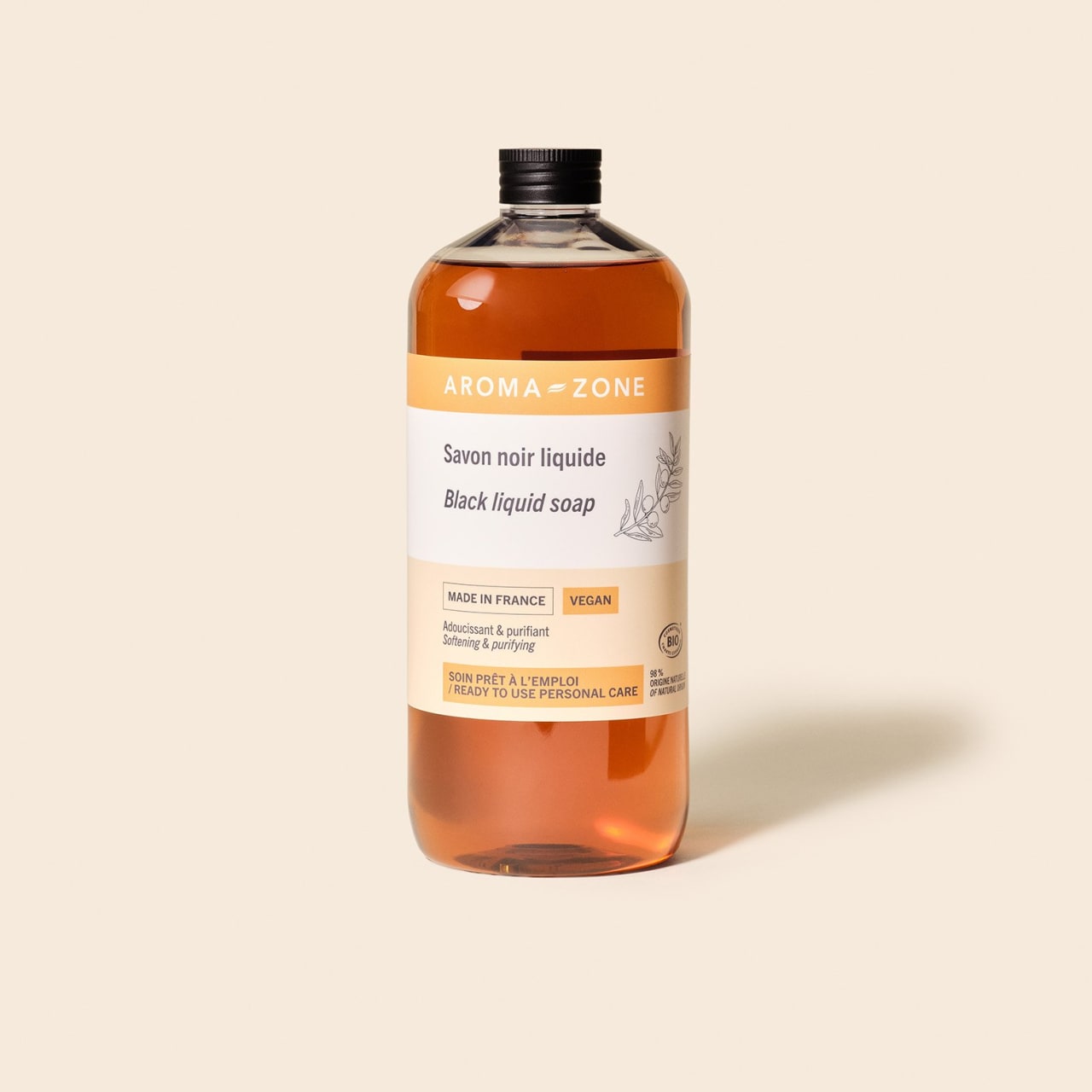
Organic Liquid Black Soap (Savon Noir)
Cleansing
Nourishing
£13.00
1 l
What is black soap?
Why use black soap for cleaning?
Black soap is versatile, so there are several reasons to incorporate it into your cleaning routine
Effectiveness: Black soap is a versatile cleaner that effectively removes dirt, grease, and stains from a variety of surfaces. Whether in the kitchen, bathroom, or other rooms in the house, black soap can clean thoroughly while preserving the natural luster of surfaces.
Eco-Friendliness: Black soap is made from natural, biodegradable ingredients, making it an eco-friendly choice. Unlike many commercial cleaning products that contain harsh chemicals, black soap is gentle on the environment and safe to use around children and pets.
Versatility: Black soap can be used to clean a wide variety of surfaces, including countertops, floors, bathrooms, windows, fabrics, and more. Its versatility makes it an indispensable product for cleaning the entire home.
Health: Since black soap is made from natural ingredients, it is generally considered safe for health. It contains no harsh chemicals or artificial fragrances, making it ideal for people who are prone to allergies or have respiratory health issues.
The Benefits of Black Soap for Household Cleaning
Effective cleaning: Black soap is a versatile cleaner that effectively removes dirt, grease, and stains from a variety of surfaces. Its powerful formula cleans deeply while preserving the natural luster of surfaces.
Natural degreaser: Thanks to its degreasing properties, black soap is ideal for cleaning kitchens and surfaces prone to grease buildup. It can be used to clean countertops, range hoods, ovens, grill grates, and more.
Natural disinfectant: Black soap has antibacterial and antiseptic properties that help eliminate germs and bacteria from cleaned surfaces. This makes it an ideal choice for cleaning bathrooms, doorknobs, light switches, and other high-touch areas.
Which black soap should you choose for cleaning: liquid or solid?
The choice between liquid or solid black soap for household cleaning depends on your personal preferences and intended use.
Liquid black soap is often preferred for its convenience and ease of use. It can be used directly in a spray bottle to create diluted cleaning solutions, making it ideal for cleaning a wide variety of surfaces.
Solid black soap, on the other hand, is versatile for cleaning. It is often more concentrated than liquid soap, meaning that a small amount can be sufficient for effective cleaning.
Spotlight on our concentrated black household soap
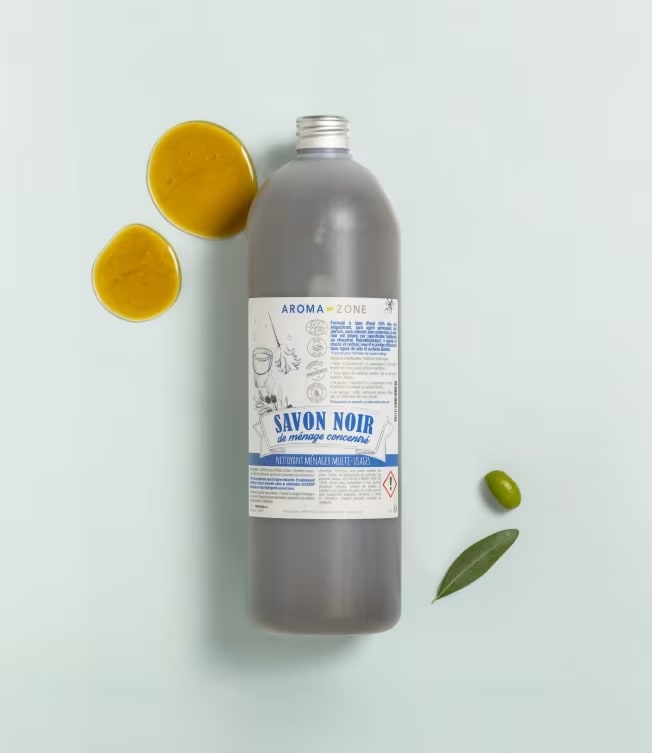
Spotlight on our Concentrated Black Household Soap
Formulated with 100% olive oil, free of sequestrants, foaming agents, fragrances, dyes, and preservatives, this black household soap is made in Provence using traditional kettle saponification. An essential for traditional cleaning, this soap is used for cleaning floors and surfaces, as well as for making your own economical homemade cleaning products. Hypoallergenic, it is gentle on hands and effectively cleans, nourishes, and protects all types of washable floors and surfaces.
Is black soap a good disinfectant?
Black soap has antibacterial and antiseptic properties that help eliminate germs and bacteria from cleaned surfaces. However, it’s important to note that black soap is not a disinfectant in the traditional sense, unlike certain products specifically designed to kill germs and bacteria. Although it can help reduce the presence of germs and bacteria on your surfaces, it is recommended to use appropriate disinfectants, such as alcohol-based solutions or diluted bleach, for thorough disinfection in areas that require it.
How do you use liquid black soap for cleaning?
Using black soap for household cleaning is no rocket science; just follow these simple steps:
Start by diluting the black soap in warm water. Use about one to two tablespoons of black soap per bucket of warm water. You can adjust the concentration depending on how dirty the surface is.
Dip a sponge, brush, or clean cloth into the diluted black soap solution. Apply the black soap to the surface you’re cleaning, gently scrubbing to remove dirt, grease, and stains.
Clean the surface using circular or back-and-forth motions, focusing on particularly dirty or stained areas. The black soap will work to loosen dirt and grease, leaving the surface clean and fresh.
Once you have finished cleaning, rinse the surface with clean water to remove any black soap residue. Use a clean, damp cloth to wipe the surface and remove any excess soap.
Let the surface air dry or use a clean, dry cloth to dry it completely. You can also open the windows or turn on a fan to speed up the drying process.
Natural alternatives to black soap for household cleaning
In addition to black soap, there are several other natural solutions for household cleaning. Here are a few of these alternatives:
White vinegar: White vinegar is a versatile natural cleaner that can be used to disinfect, degrease, and descale many surfaces. Dilute white vinegar with water in a spray bottle and use it to clean countertops, sinks, bathroom fixtures, windows, and more.
Baking soda: Baking soda is a gentle, non-abrasive cleaning agent that can be used to eliminate odors, degrease surfaces, and scrub dirty surfaces. Mix baking soda with water to create a paste, then use it to clean sinks, bathtubs, pots, and pans.
Lemon juice: Lemon juice is a natural acidic cleaner that can be used to remove stains, deodorize surfaces, and dissolve soap scum. Use pure lemon juice or lemon juice diluted in water to clean faucets, floors, mirrors, and more.
Discover our household cleaning products
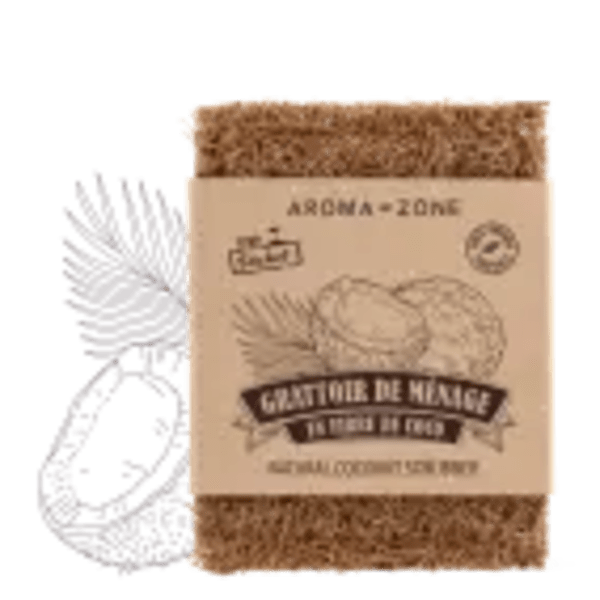
Coconut Fiber Household Scrubber
This household scrubber is made from coconut fibers mixed with natural latex. It is chemical-free. It is perfectly suited for deep cleaning without scratching even delicate surfaces, such as induction cooktops, pans, and sensitive countertops. The scraper is also ideal for the bathroom, for scrubbing showers, bathtubs, and sinks. This 100% natural alternative is just as effective as traditional scrapers!
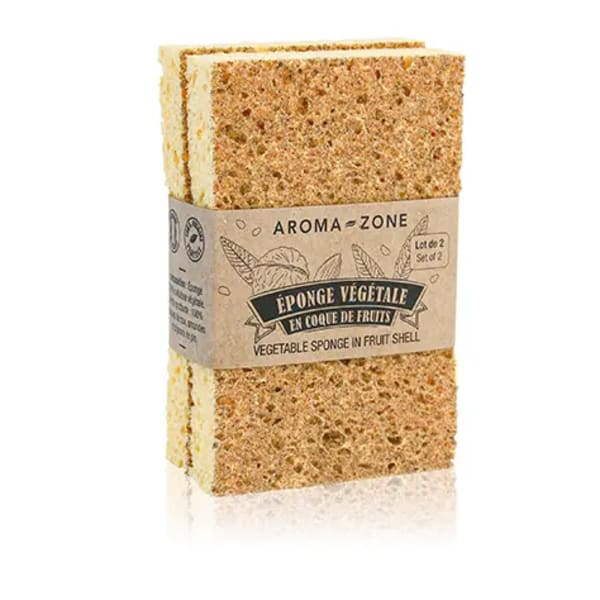
Natural plant-based cleaning sponge - 2-pack
This sponge made from fruit shells and plant-based cellulose is the perfect solution for washing dishes or light household cleaning! 100% natural, it’s used just like a regular sponge and is just as effective. The scrubbing side is made from finely ground walnut, almond, and pine nut shells to provide excellent cleaning on all surfaces without scratching! It’s also very durable: no more sponges where the abrasive part comes loose from the sponge.
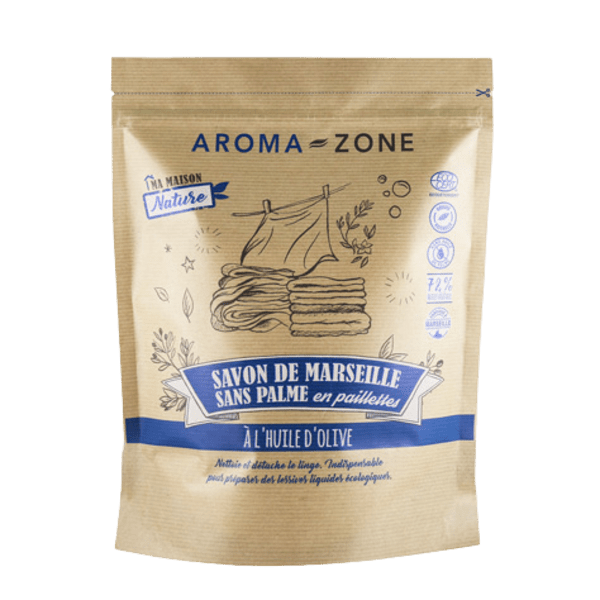
Palm-free Marseille soap flakes
These natural olive oil soap flakes, free of palm oil, are ideal for making your own natural laundry detergents and household cleaners. They can also be used for very gentle hand washing of delicate fabrics or to pre-treat stains before washing. This 100% pure plant-based soap, free of fragrances and allergens, is particularly recommended for washing clothes for those with sensitive skin.
Aroma-Zone Recipes
Precautions
When using black soap for cleaning, a few simple precautions should be taken to ensure safe and effective use. It is recommended to test the black soap on a small area before using it more widely, to dilute the product properly according to the instructions, to rinse surfaces thoroughly after cleaning, and to protect your skin by wearing gloves if necessary. Avoid contact with the eyes and store black soap in a cool, dry place to preserve its quality. By following these precautions, you can enjoy the benefits of black soap while minimizing potential risks.
Expert Tip
It’s important to recognize the versatility of black soap and incorporate it wisely into your cleaning routine. Given its ability to effectively clean a variety of surfaces—from floors to bathrooms to windows—explore different ways to use it to maximize its benefits. Test different concentrations and application methods to find what works best for your specific needs. Also, be sure to read the instructions on the packaging carefully and take the appropriate precautions to ensure safe and effective use.
Spotlight on Our Writer: Coralie Técher

Coralie has spent seven years working as a journalist specialising in women’s issues. With a particular passion for beauty and well-being, she is committed to exploring natural self-care approaches. She keeps up to date with current research and trends and enjoys sharing relevant, reliable information with her readers.
Bibliography
https://www.marius-fabre.com/fr/42-savon-noir-nettoyage-et-entretien-de-la-maison
https://deco.journaldesfemmes.fr/guide-amenagement-et-travaux/1828179-savon-noir-menager-utilisation/
https://www.delcourt.fr/blog/menage-vert-comment-utiliser-savon-noir-n41