Unidentifiable Odour in the House: What to Do?

Unidentifiable Odour in the House: What to Do?


By Alice Blanchard

Published on: Friday, February 28, 2025, Updated on: Wednesday, October 28, 2026

Can you smell a nasty odour in your home but can’t work out where it’s coming from? How can you track down a stubborn odour in your home? How do you get rid of it? Sometimes hidden in the most unlikely places, here are a few ideas for tracking down an unpleasant odour and neutralising it using natural products.

Contents

Related products

Unidentifiable Odour in the House: What Could Be Causing It?

Have you been noticing a repulsive smell for days, despite having searched everywhere and aired out your home? Why and how does this musty, mouldy, fishy, or old-cheese-like smell hit you every time you come home? Here are several ways to track down its source.

Which areas should you check?

To find the source of a mysterious odour in your home, go through the rooms one by one. Proceed methodically and inspect every nook and cranny, even the most unlikely ones: door frames, window grooves, under chairs and armchairs, the backs of drawers, and curtains.

What Kinds of Odours Can Be Found in a Home?

Damp Smells

Humidity is the excessive presence of water in the air or in a house’s building materials. It can be found in walls, ceilings, cupboards or cellars. It is often caused by poor ventilation, water ingress, plumbing leaks, or high outdoor humidity levels.

Mouldy Smell

Mould is a direct result of excessive humidity. Moulds are microscopic fungi that thrive in damp, poorly ventilated areas, such as cellars, cupboards, walls, or behind furniture. The smell of mould is distinctive and persistent; it often signals the presence of spores that may be harmful to health.

Pet Odours

Pet odours mainly come from our pets’ fur, saliva, urine or secretions. They can become deeply ingrained in fabrics, carpets or cushions, especially if the house isn’t cleaned regularly. Poor pet hygiene (infrequent bathing, dirty litter tray) can make these odours worse.

Odour From the Drains

Bad smells coming from the drains are often caused by a build-up of food scraps, grease, hair, or soap in the pipes. These substances accumulate, ferment and give off an unpleasant odour. A poorly maintained trap or a blocked drain can make the problem worse.

Sewer Odour

A sewer smell in the house is usually a sign of a problem with the drainage pipes. It can be caused by an empty trap (which no longer blocks odours from rising), an overfilled septic tank, a blocked pipe or a problem with the ventilation in the plumbing system.

The Smell of Spoiled Food

A smell of spoiled food often comes from rotting food in the fridge, the bin, or a cupboard. These food scraps attract bacteria and insects, which can make the situation worse.

Musty Smell

A musty smell is typical of rooms that are poorly ventilated and have been closed off for a long time, such as an attic, a cellar or an unused bedroom. It is caused by a lack of air circulation, which encourages the build-up of dust, damp and, sometimes, mould.

The Smell of Sweat

Sweat odours can permeate clothes, bed linen, sofas or mattresses when these aren’t washed regularly. As it dries, sweat leaves behind residues that oxidise and give off a lingering odour. Humidity in the air can exacerbate this problem by preventing fabrics from drying properly.

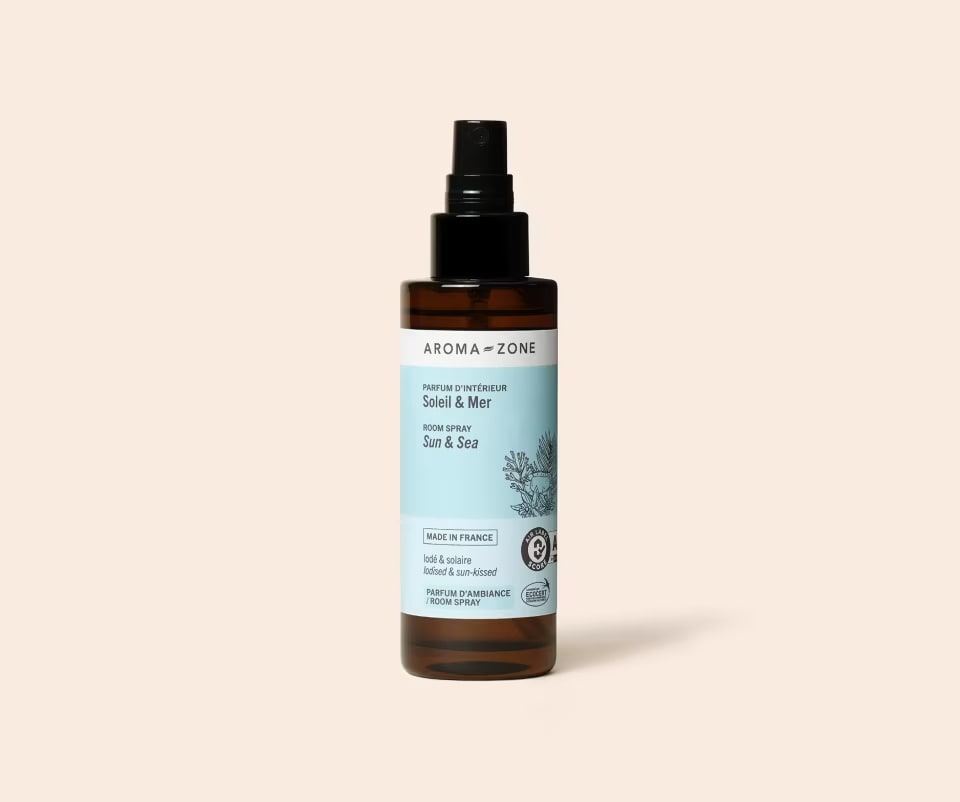
Soleil & Mer Home Fragrance

Spotlight on the ‘Soleil & Mer’ Home Fragrance

A home fragrance like a sunny, sea-scented breeze, where marine notes blend with sweet floral scents. It evokes the deep blue of the sea, like a tranquil journey along a golden beach, fringed with delicate white flowers. Certified Air Label Score A+, this spray helps maintain indoor air quality.

Discover the Soleil & Mer Home Fragrance

Where Should You Look?

Ventilation and Humidity Problems

A house that isn’t properly ventilated is highly likely to have humidity problems. How can you remove a damp smell from a bedroom, the bathroom or the kitchen? The elusive odour may be hiding: 

  • Behind the Headboard: Under the bed or even on the underside of the mattress. These areas accumulate a large amount of damp due to your body heat and breathing where mould can then form

  • In Walls and Ceilings: If there’s a leak in the roof, water seeps in and soaks the insulation. Sunlight and heating aren’t enough; the damp settles in and the odours intensify

  • In the Shoe Cupboard: Due to rain and sweat, bacteria can multiply in your shoes, which then start to smell bad

  • In the Utility Room: Problems with the washing machine and sink drains; odours from dirty laundry, damp bath towels, or sports gear left piled up

  • In the Hall: Shoes and outdoor clothing brought in whilst still damp and left in the hall

Plumbing Problems

All pipework can be affected by bad odours:

  • Sink Drainage: Particularly in pipes clogged with grease build-up and food scraps

  • In the Bathroom: Build-up of toiletries, dead skin and hair in the pipes or under the drain plug of the washbasin or bath, as well as mouldy bath mats or shower walls. How to get rid of bad smells in your bathroom

  • The Washing Machine and Dishwasher: As they’re always damp, they harbour deposits of dirty water that can stagnate and start to smell. Bacteria can also thrive in the pipework, filters and seals. Problems with the septic tank or mains drainage: bad odours rise up through the pipework

Odours in the Kitchen

It’s normal to have kitchen odours. But how do you get rid of these stubborn odours, which are sometimes impossible to trace? To start with, you can check:

  • The Bin: Dirt can build up under the lid and at the bottom of the bin. A torn bin bag may also have let a smelly liquid escape

  • The Extractor Hood: The filters in the extractor hood trap strong odours: soup, cabbage, fried food, splashes

  • In the Fridge: A lingering smell of cheese or food that’s been open for a long time, or stagnant water from the drip tray

  • Curtains: Window curtains can also absorb kitchen odours

Nooks and Crannies to Clean

An elusive odour in the home can also come from:

  • The Broom Cupboard: A damp mop can be the source of a repulsive odour

  • The Fireplace: Ash can leave a pungent, lingering odour. Your wood store may also be to blame (damp wood, small fungi on the bark, or a dead rodent)

  • From the Bedroom: Mattresses, clothes, carpets, rugs, or curtains can trap unpleasant odours

  • Rugs: These can often be damp

  • Fabric on Sofas, Armchairs, or Curtains: Retains odours from the kitchen, cat urine, or wet dogs

Our Natural Solutions for Reducing Bad Odours at Home

Quite naturally, grow your own herbs in the kitchen. As well as keeping mosquitoes at bay, thyme, basil, and rosemary will fill the air with a pleasant, fresh scent. Give the leaves a quick rub whenever you walk past, and you’ll enjoy the fragrance all day long.

There are also natural ingredients that are powerful odour neutralisers for the home:

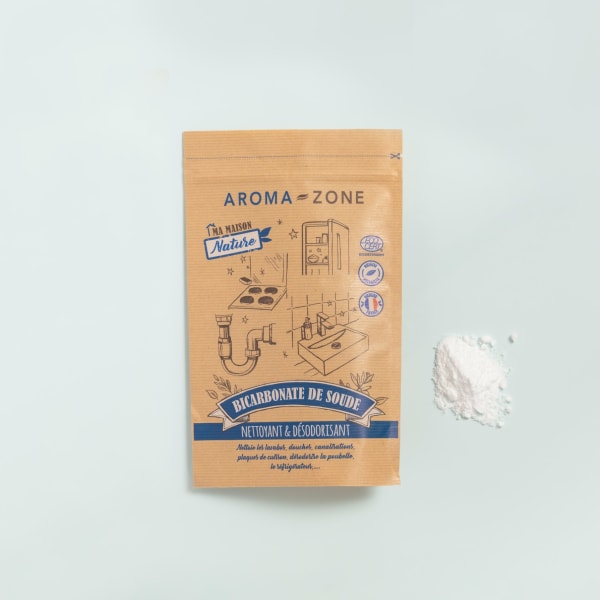
Bicarbonate of soda Ecodétergent 500g

Bicarbonate of soda effectively neutralises most odours. You can place a bowl of bicarbonate of soda in the fridge, sprinkle it on carpets and fabrics before vacuuming, or put some in the bin.

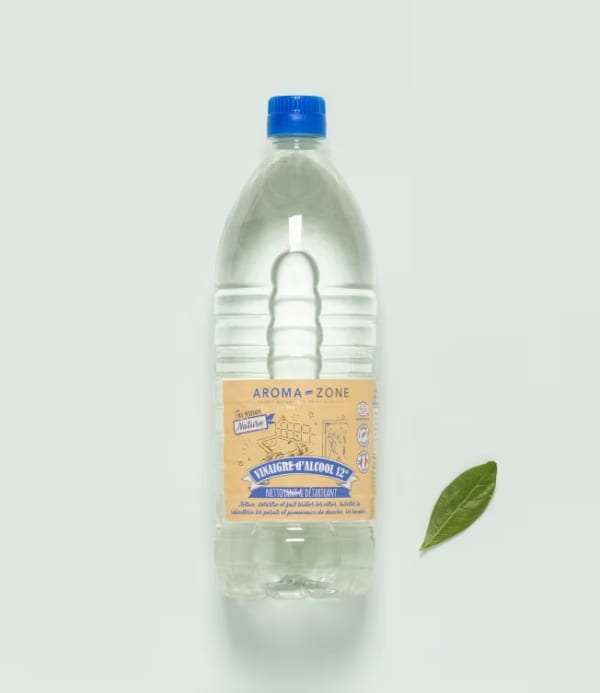
12° Alcoholic Vinegar Eco-detergent

White vinegar is acidic, which gives it the ability to neutralise alkaline odours. It also has antimicrobial properties. You can use diluted white vinegar to clean surfaces or add it to your washing to neutralise odours in your clothes.

Purifying Sanitizing Spray with Essential Oils

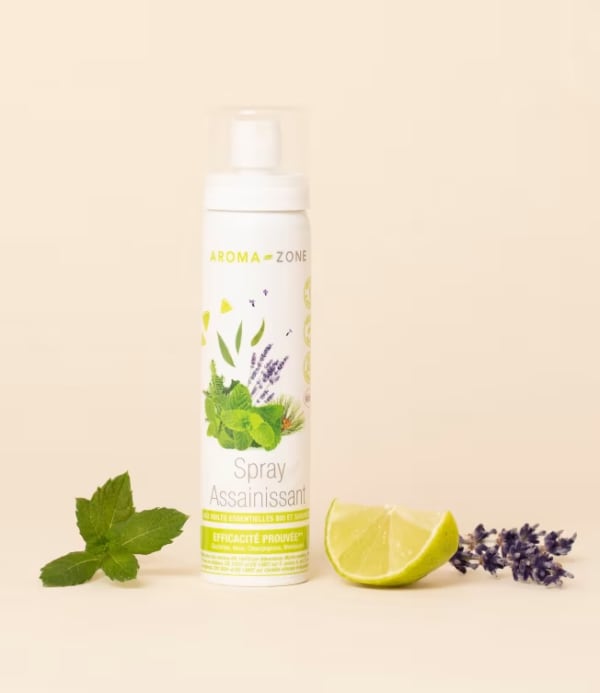
Highly concentrated in organic essential oils, this sanitising spray eliminates bacteria, viruses, fungi and mould. It can be sprayed throughout the house to sanitise the air and purify surfaces, leaving a fresh, pleasant scent throughout the home.

Odor-neutralizing spray

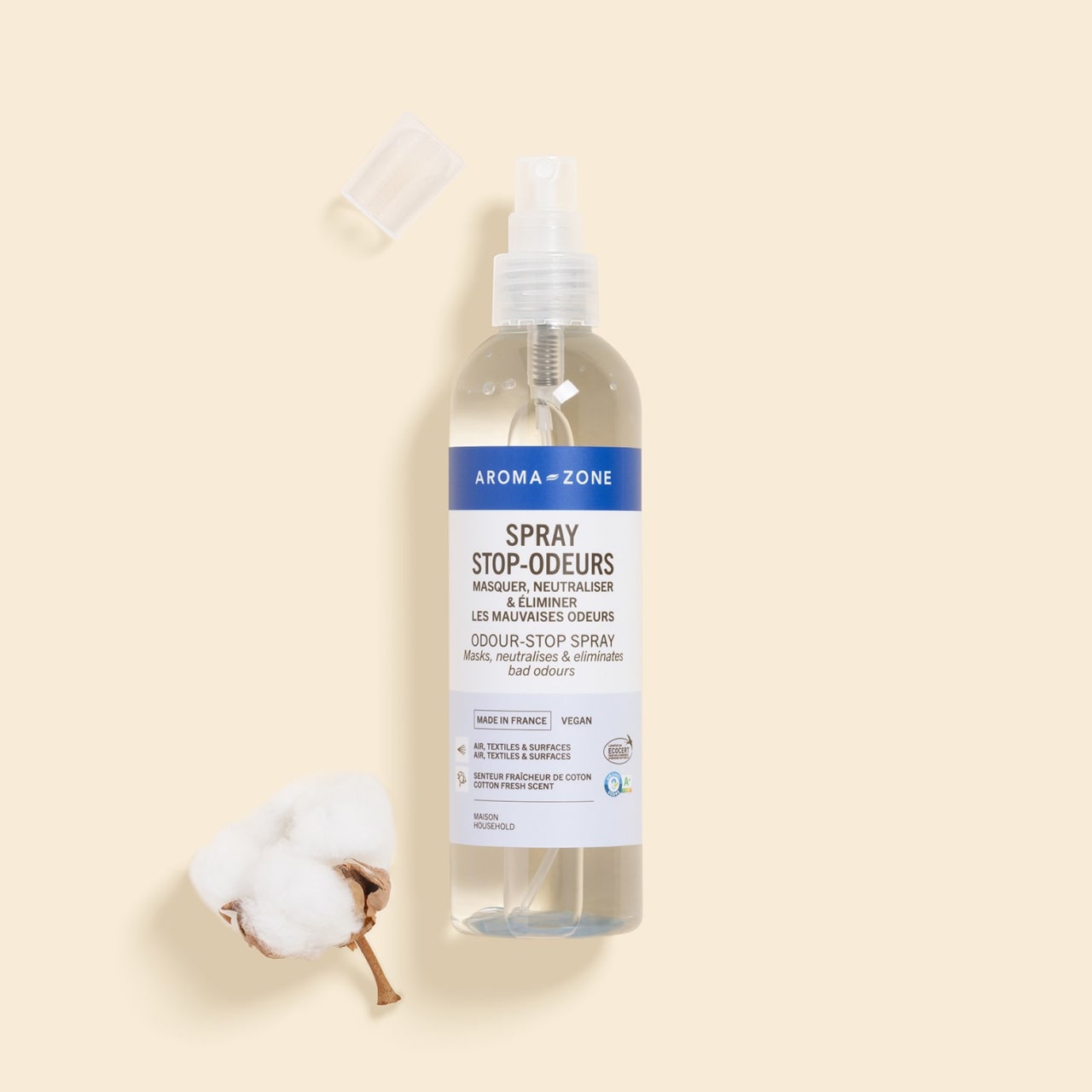
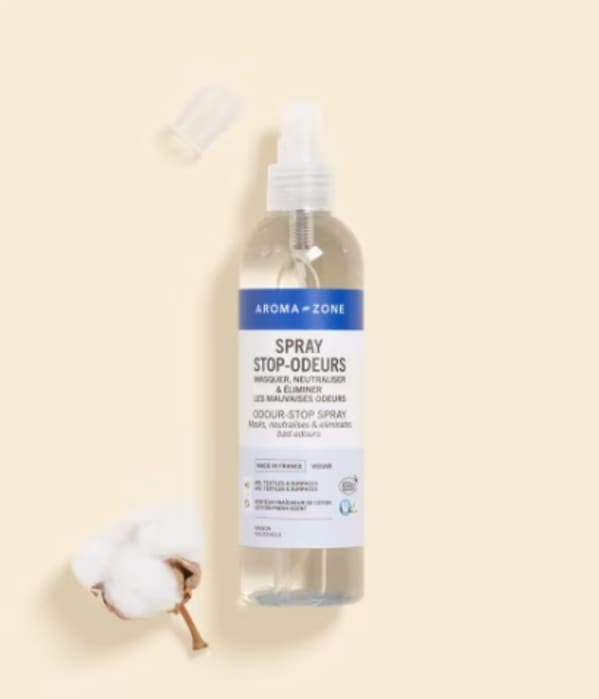
Eliminate unpleasant odours from your rooms and fabrics with this odour-neutralising spray with a floral scent of fresh laundry, made from 100% natural ingredients. Its patented, biodegradable technology quickly and effectively neutralises all types of unwanted and stubborn everyday odours: such as tobacco, bin odours, toilet odours, etc.

Our Natural Home Remedies

Bay Leaf Mist: Bring some water to the boil, add 10 bay leaves and let the fragrant steam fill the room. You can also add a few drops of essential oils to the boiling water instead of the leaves.

Lavender: Lavender neutralises unpleasant odours in the home. To enjoy its soothing aroma, place some dried lavender flowers in a small container or a small sachet.

Citrus Fruit: Citrus peels, such as mandarin, lemon, and orange, is ideal for combating unpleasant odours. Their fresh, fruity scent helps to eliminate unpleasant odours in the home. You can place a few pieces of peel in a small bowl to enjoy their fragrance.

How Can You Freshen Up Your Home Naturally?

You can freshen up every room in the house using fragrance diffusers. Combat hard-to-pinpoint bad odours with the fragrances of your choice:

  1. In the Kitchen: Use cleaning products with natural, fragrant ingredients such as the grease-removing spray

  2. In the Dining Room and Living Room: Unwind with the ‘Siesta under the lemon tree’ scented bouquet

  3. In the Bathroom: Take a bath accompanied by a relaxing DIY candle. For the toilet, add a subtle yet effective fragrance with the “fresh fir” air freshener block. Also worth trying in the broom cupboard

  4. In the Bedroom: Air out your bedroom every day, but do not use any air fresheners, even natural ones, before going to sleep

Precautions for Use

Household cleaning products, certain air fresheners, and candles can be toxic, or even carcinogenic. Be sure to check the labels and usage instructions carefully.

Expert Advice: Getting Rid of a Stubborn Odour With Candles

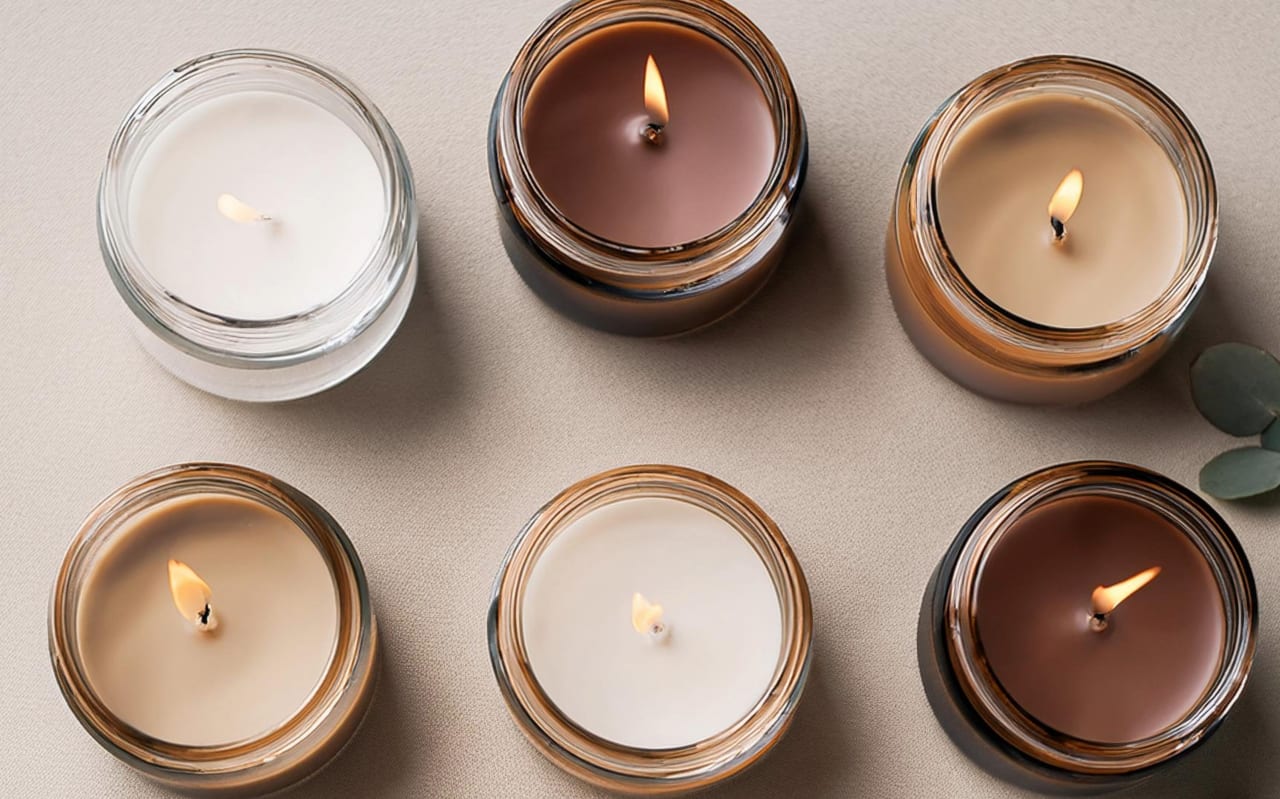
Using candles to combat an elusive bad smell in the house is a temporary solution that is sometimes necessary. Opt for candles made from natural beeswax or vegetable candle wax. Their scent diffuses more easily and quickly fills the room with fragrance, without exposing you to the toxic fumes emitted by candles made from paraffin, a petroleum by-product.

Spotlight on Our Beauty Writer: Alice Blanchard

Alice Blanchard

Formerly a manager at an organic shop, Alice spent several years helping her customers choose healthy products that respect both their health and the natural world. Having suffered from endometriosis since her teenage years, she chose to prioritise natural solutions to ease her symptoms and improve her day-to-day well-being. Drawing on her knowledge of naturopathy, she has always explored the benefits of plants and nutrition. Passionate about ecology and deeply connected to nature, Alice makes her own cosmetics and household products to reduce her impact on the planet and all its inhabitants.

Bibliography

  1. MaisonTravaux.fr: https://www.maison-travaux.fr/sequiper/conseils-pratiques/nettoyer-cuisine-astuces-a-connaitre-absolument-329125.html#item=1

  2. Maniaques.fr: https://maniaques.fr/mauvaise-odeur-maison-introuvable/

  3. Grands-meres.net: https://www.grands-meres.net/anti-moisissures-astuces/

Frequently Asked Questions

Frequently Asked Questions