
Bad odours in the bathroom can have various causes. They often result from decomposing organic matter, trapped damp, mould growth, or plumbing issues. Sewage, septic tank, or damp smells are among the most common nuisances, and fortunately, they are not inevitable.
Bad Smells in the Bathroom: How to Get Rid of Them
Published on: Thursday, June 20, 2024, Updated on: Wednesday, October 28, 2026
The bathroom is generally synonymous with relaxation and wellbeing. But when unpleasant odours set in and damp becomes too much of a problem, it can quickly turn into a much less welcoming place. Where do unpleasant bathroom odours come from? How can you get rid of them, and what maintenance routine should you follow? Discover our natural solutions.
Contents
Related products
£7.00
250 ml
What Are Bad Smells in the Bathroom?
Why Does My Bathroom Smell Bad?
Good hygiene isn’t always enough to prevent bad bathroom smells. Excessive dampness, hair and soap residue in the pipes. We'll look at the possible causes of these odours.
Drain and plumbing problems: The most common problems stem from the plumbing, either because it is used incorrectly or not working properly. Soap scum, hair, and other organic debris can build up in the drains, causing blockages that create foul odours. The trap is designed to hold a small amount of water at all times, creating a water seal that prevents sewer gases from rising into the house. When this trap dries out, it can no longer block foul odours and allows sewer gases to spread freely throughout your bathroom.
Mould and fungus growth caused by damp: The bathroom's damp environment is the ideal breeding ground for bacteria and mould. Indeed, constant damp provides a fertile breeding ground for these micro-organisms, which can give off unpleasant odours. Inadequate ventilation exacerbates this problem. Moisture trapped in textiles such as towels and bath mats can also lead to musty odours.
Please Note:
Toiletries and cosmetics that are out of date or have been stored incorrectly can deteriorate and give off unpleasant odours. Check the use-by dates of your products regularly to keep your bathroom smelling fresh.
What Are the Consequences of Bad Smells in the Bathroom?
Whilst unpleasant odours are a nuisance in themselves, their consequences can be even more harmful.
Accelerated deterioration of the bathroom and its fittings: Damp and mould can damage the surfaces in your bathroom. Tile grout, painted walls and wooden furniture can deteriorate more quickly in the presence of mould and constant damp.
Health risks: Musty and damp odours are often indicators of the presence of mould and fungi. These micro-organisms can release spores into the air, which can cause health problems, including allergies, respiratory tract irritation and asthma. Vulnerable groups, such as children, the elderly and those with respiratory conditions, are particularly at risk.
How to Get Rid of Drain Smells in the Bathroom
Sewer odours coming from the shower or bathroom sink drains can become a real nuisance in everyday life. To tackle these sewer odours specifically, consider using natural cleaning products for your drains:
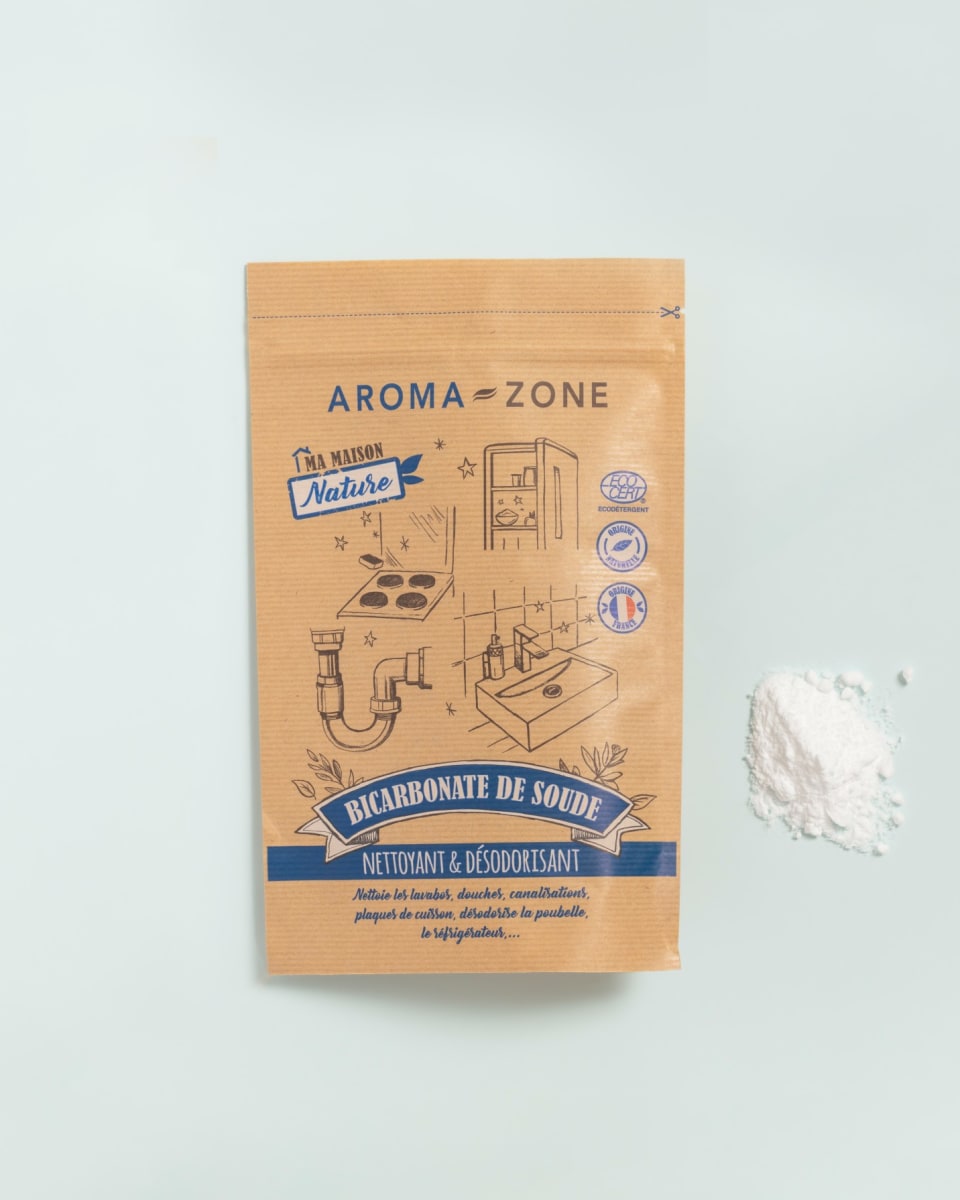
Focus on Bicarbonate of Soda
White vinegar and bicarbonate of soda: Together, white vinegar and bicarbonate of soda create a fizzing chemical reaction that breaks down organic residues built up in the pipes whilst neutralising unpleasant odours. Pour a glass of bicarbonate of soda down the drain, then pour in a glass of white vinegar. Leave it to work for 15 to 30 minutes to allow the reaction to clean the inside of the pipes. Finish by gently rinsing with boiling water to remove any dissolved residue. Be careful not to pour too much hot water in at once, particularly into PVC pipes.
Discover Bicarbonate of Soda and White Vinegar
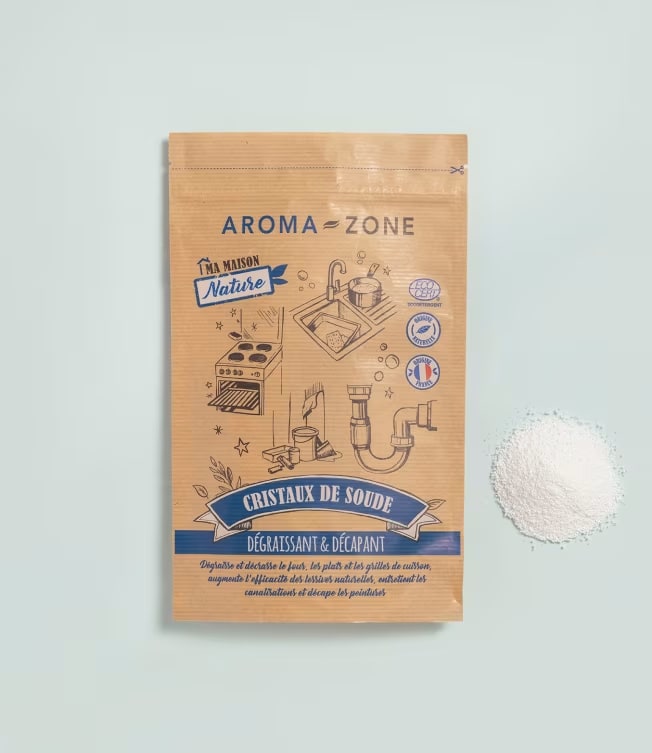
A Closer Look at Soda Crystals
Soda crystals: Soda crystals dissolve greasy deposits and other organic waste in the pipes, which helps to eliminate bad odours. Pour half a glass of soda crystals down the drain, then add boiling water. Leave it to work for at least 30 minutes before rinsing with hot water to ensure a clear flow and a perfectly clean pipe.
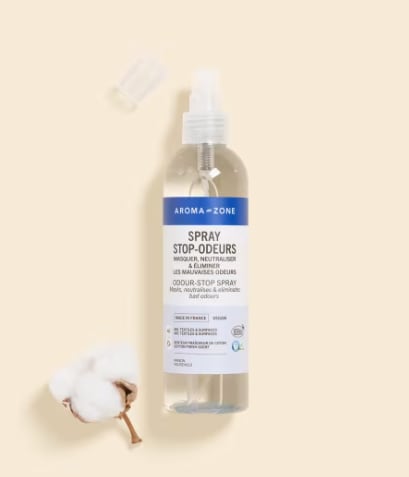
Spotlight on the Odour-Stop Spray
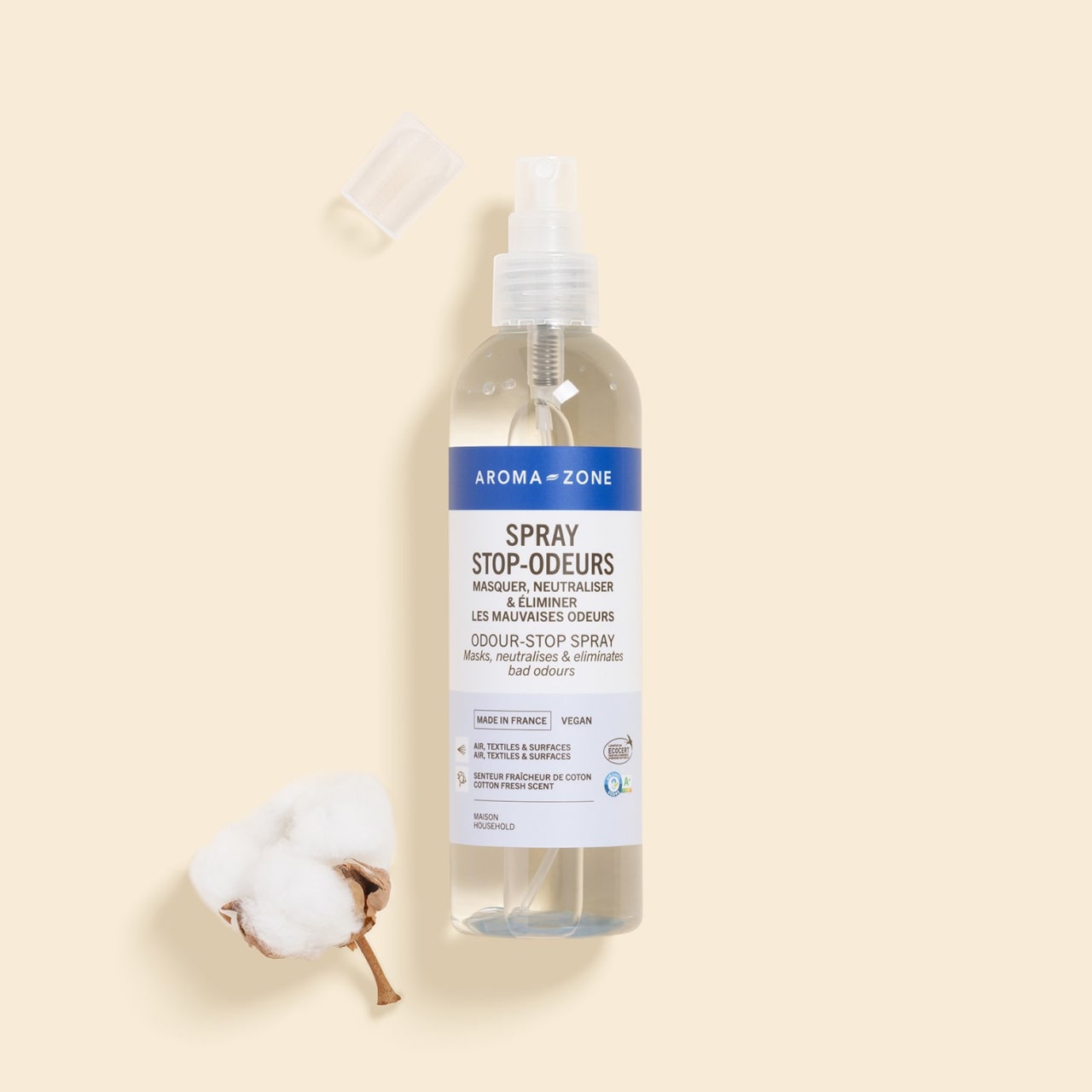
Eliminate unpleasant odours from your rooms and fabrics with this 100% natural spray featuring a floral scent of fresh laundry. Its patented, biodegradable technology quickly and effectively neutralises all types of unwanted and stubborn everyday odours: tobacco, trash, bathrooms. Certified Air Label Score A+, this spray guarantees very low emissions into indoor air.
How to Prevent Bad Smells in the Bathroom
Follow this regular cleaning routine to prevent bad smells from developing or returning in your bathroom:
Clean regularly: Establish a weekly cleaning routine, focusing on all surfaces in the bathroom, including the washbasins, shower, bath and toilet. Use products suitable for each surface to prevent residue build-up. Also, sort through your cosmetics, as expired products can give off unpleasant odours. Wash bath mats, towels and disposable cotton pads regularly. Finally, don’t forget to clean the toilet brush – which is often overlooked – by soaking it in white vinegar to disinfect it. Remember to empty the bathroom bin every week.
Look after your pipes: To prevent blockages, pour a mixture of bicarbonate of soda and vinegar down the drains once a month. Rinse with hot water to keep the pipes clear. Doing this once a month is more than enough; doing it more often could damage the pipes.
Control humidity: Use a dehumidifier if necessary, or if you don’t have a window, to keep humidity at a reasonable level. Repair any water leaks immediately and ensure that the grouting between tiles is in good condition to prevent mould from forming.
Freshen up the room naturally: Once you’ve completed the first three steps of this routine, set up something to freshen the room naturally (capillary diffusers, candles, etc.).
The best Aroma-Zone recipes for bathroom cleaning
Precautions
If, while tackling unpleasant bathroom odours, you notice signs of persistent damp, don’t hesitate to contact a plumber who can advise you on the right solutions.
Expert advice
Have none of the tips above worked in your bathroom? Contact a plumber to check whether there are any more serious plumbing issues.
Spotlight on Our Writer, Laura Almeras

Laura is a health, beauty and lifestyle writer. Passionate about travel and gastronomy, she shares all her nutritional advice on how to combine pleasure with well-being. Through her articles, she is committed to providing you with meaningful information and practical advice to nourish your body and mind.


Frequently Asked Questions
Associated tips
Household tips


