
Glutamine, or L-glutamine, is an amino acid naturally produced by the body. It is one of the so-called “semi-essential” amino acids: under normal circumstances, the body can produce it, but its needs may increase in cases of physical stress, severe fatigue, or digestive imbalance. Abundant in muscles, blood, and the digestive system, glutamine plays a central role in numerous biological processes. It is particularly concentrated in intestinal cells, where it serves as a major energy source for enterocytes (the cells of the intestinal wall). This explains the focus on this amino acid in approaches aimed at supporting digestive health, particularly in cases of intestinal mucosal fragility.

Glutamine and Gut Health: What Effects Does It Have on Your Digestive Health?
Published on: Friday, May 30, 2025, Updated on: Wednesday, October 28, 2026
Are you familiar with glutamine and its link to gut health? This amino acid, naturally present in the body, plays an essential role in how the digestive system functions. Gut barrier, digestive comfort, microbiota balance: its effects are wide-ranging. Why is it generating so much interest, particularly for people with a sensitive or weakened gut? Diet, supplements, dosage, precautions: let's take a clear, well-documented look at glutamine and its impact on the gut.
Contents
Related products
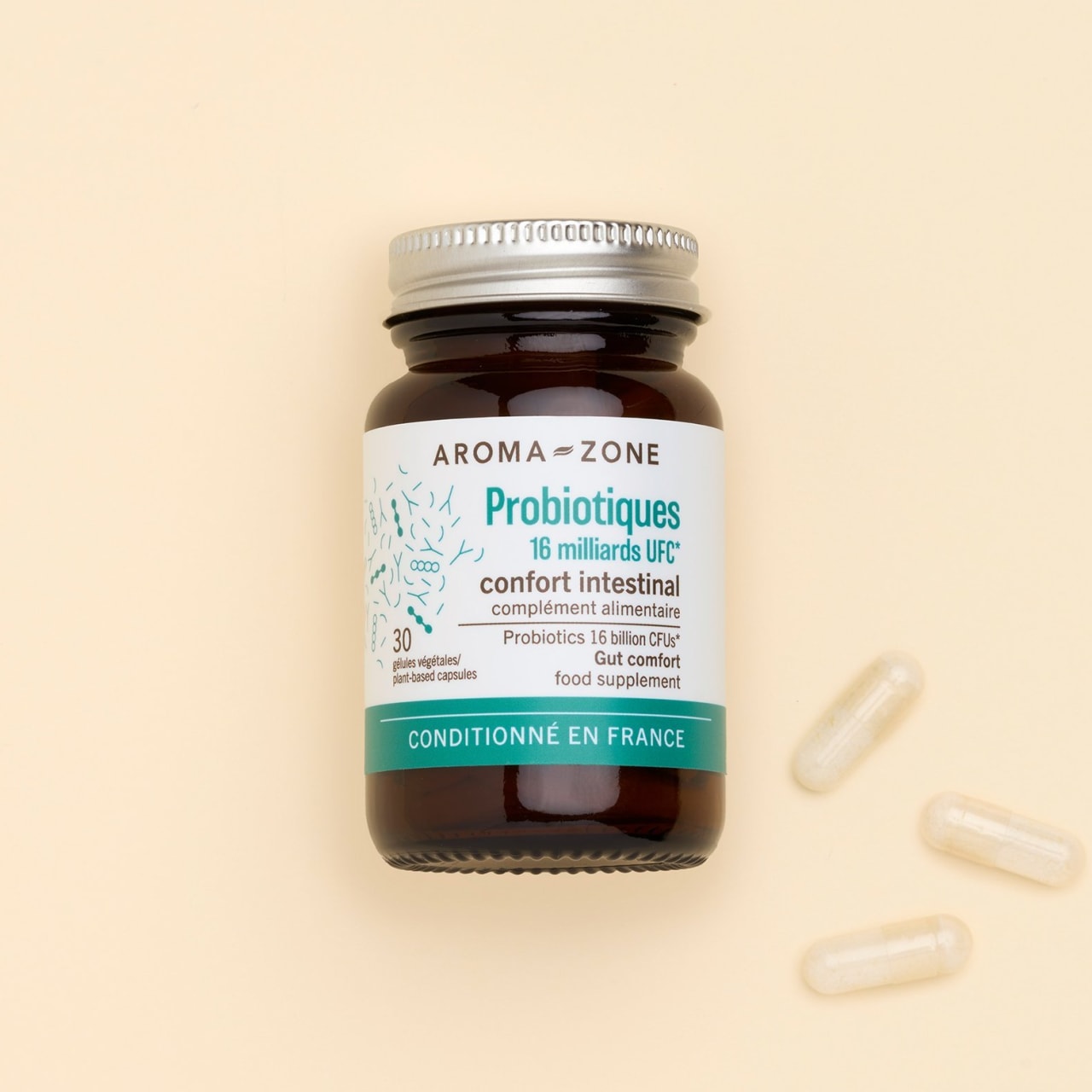
Gut Comfort Probiotics - 30 Capsules
Digestive comfort
£17.00
1 article
What is glutamine? Definition
Note
It is also found in food, primarily in animal and plant proteins, but also as a dietary supplement, either on its own or combined with other nutrients.
What role does it play in our gut?
A source of energy for intestinal cells
Glutamine is the primary energy source for enterocytes, the cells that make up the intestinal wall. This energy-providing role is essential, as these cells are constantly renewing themselves and require a steady supply to function optimally.
Supporting mucosal regeneration
By contributing to the repair and renewal of the intestinal mucosa, glutamine helps maintain an effective digestive barrier. This barrier limits the passage of unwanted molecules into the rest of the body, which is essential for digestive comfort and overall balance.
A role in the synthesis of proteins and digestive enzymes
Glutamine plays a role in the production of certain proteins and enzymes necessary for proper digestion. It thus indirectly contributes to better nutrient absorption.
Support for the gut’s immune defences
The gut is home to a large part of the immune system. By supporting the integrity of the digestive lining, glutamine contributes to a balanced immune response in the gut, particularly during periods of stress or imbalance.
What are its benefits for our digestive system?
Glutamine offers several recognized benefits for the proper functioning of the digestive system, particularly in the gut:
It helps maintain the integrity of the intestinal mucosa by promoting the regeneration of the cells that make up the digestive lining. This helps strengthen the gut’s barrier function.
It supports the balance of the gut microbiota, by creating an environment more conducive to the diversity and stability of beneficial microorganisms.
It helps relieve digestive discomfort, particularly in cases of functional disorders such as irritable bowel syndrome, thanks to its soothing effect on intestinal tissues.
It may help reduce intestinal permeability—a condition sometimes called “leaky gut”—by strengthening the junctions between intestinal cells.
It supports digestion indirectly, by facilitating the synthesis of digestive enzymes and improving the absorption of essential nutrients.
It plays a role in modulating local immune responses, contributing to better digestive tolerance in the event of stress or imbalances.
What is the recommended dosage of L-Glutamine to relieve intestinal discomfort?
L-glutamine dosage: May vary depending on individual needs, digestive sensitivity, and desired goals. When used to support gut comfort, recommended intakes are generally around 5 grams per day, to be adjusted based on tolerance and the advice of a healthcare professional. It is often taken on an empty stomach, in a large glass of water, to promote absorption in the digestive system. Some people choose to split the dose into two portions throughout the day (morning and evening), particularly in cases of sensitive digestion.
The duration of use depends on the situation: A 3- to 6-week course is commonly recommended in natural health practices, but it is essential to listen to your body and, if necessary, seek the advice of a nutrition specialist or healthcare professional.
Note
As with any dietary supplement, it is important to follow the manufacturer’s recommended dosages and choose a high-quality, pure, and well-tolerated glutamine.
What are its side effects?
Glutamine is generally well tolerated when consumed in reasonable doses. When used as a dietary supplement, it does not cause any notable adverse effects in most people. However, at high doses or in cases of particular digestive sensitivity, certain discomforts may occur, such as bloating, mild nausea, or temporary abdominal discomfort. These effects are rare and are often linked to an inappropriate dosage or to taking the supplement on an empty stomach.
As a precaution, glutamine is not recommended without medical advice for people with certain medical conditions, particularly kidney or liver disease, as well as for pregnant or breastfeeding women.
How can you naturally incorporate glutamine into your diet?
Directly from foods that contain it
Certain protein-rich foods naturally provide glutamine. Glutamine is found in particular in several types of food.
Meat: beef, lamb, chicken, turkey, veal
Fish: cod, salmon, mackerel, sardines
Seafood: shrimp, mussels
Eggs, particularly egg whites, which are rich in essential amino acids
Legumes: soybeans, lentils, chickpeas, kidney beans, broad beans
Dairy products: plain yoghurt, cottage cheese
Seeds: chia, sunflower, pumpkin
Nuts: almonds, walnuts, hazelnuts
Whole grains: oats, quinoa, brown rice, barley
Fermented vegetables (rich in amino acids and probiotics): raw sauerkraut, miso, tempeh
Certain edible algae, such as spirulina, in moderation
With dietary supplements
In certain cases, such as prolonged digestive fatigue, a low-protein diet, or a temporary increased need, supplementation may be considered. Glutamine is most commonly available in powder form to be mixed with water, and sometimes in capsules.
It is advisable to choose a high-quality, pure supplement with no additives and from a verified source. The powder form is generally preferred for its bioavailability and ease of adjusting the dosage.
Before any prolonged use or high-dose supplementation, consultation with a healthcare professional is recommended to ensure that the supplementation is well-suited to individual needs.
How does it affect the skin and hair?
Glutamine acts on the gut but not directly on the skin or hair; however, it can have interesting indirect effects related to gut health. By contributing to the proper functioning of the digestive barrier and the balance of the microbiome, this amino acid supports the body as a whole, which can be reflected in the appearance of the skin or the vitality of the hair. More comfortable digestion, better nutrient absorption, and a more stable intestinal barrier can indeed help reduce skin discomfort linked to digestive imbalances or a disrupted microbiome. However, these effects are indirect and vary significantly from person to person, and this is not a targeted cosmetic action.
What are the symptoms of a glutamine deficiency?
A glutamine deficiency is rare in healthy individuals, as this amino acid is naturally produced by the body. However, certain specific circumstances—such as chronic stress, intense physical activity, prolonged fatigue, or digestive imbalance—can lead to increased demand, exceeding the body’s natural production capacity.
When the body lacks glutamine, certain signs may appear:
Increased digestive sensitivity, with intestinal discomfort or difficulty digesting certain foods.
General fatigue, particularly related to slower physical recovery.
Increased susceptibility to infections, particularly in the digestive tract.
In some cases, changes in bowel comfort (irregular bowel movements, bloating, general discomfort).
These symptoms are not specific to glutamine and may have various causes. It is therefore always recommended to consult a healthcare professional if symptoms persist.
Can glutamine help with leaky gut?
The term "leaky gut" refers to increased intestinal permeability, meaning a disruption of the digestive barrier that allows unwanted molecules to enter the body. Although this concept is not always uniformly recognised in the scientific literature, it is the subject of extensive research related to digestive comfort.
In this context, glutamine is regularly studied for its ability to support intestinal integrity. By nourishing the cells of the digestive lining (enterocytes) and promoting their renewal, it may help strengthen the gut's barrier function.
However, these findings should be interpreted with caution, and glutamine is by no means a substitute for comprehensive support, including diet, stress management, and, if necessary, consultation with a healthcare professional.
What does research say about glutamine and IBS?
Irritable bowel syndrome (IBS, or functional bowel disorder) is a common digestive disorder characterised by abdominal pain, bloating, and irregular bowel movements. Research is increasingly focusing on the potential effect of glutamine in this context, particularly due to its role in intestinal permeability.
A randomised study published in 2019 (PubMed ID: 30108163) demonstrated a significant improvement in symptoms among patients with IBS and intestinal hypersensitivity following oral glutamine supplementation. Researchers observed a reduction in symptom severity scores, as well as a strengthening of the intestinal barrier.
Another study published in 2021 (PubMed ID: 34977110) showed that glutamine may have a positive effect on the gut microbiota and intestinal permeability, two factors often implicated in functional digestive disorders.
These results are encouraging, but they still need to be confirmed by larger-scale research. Glutamine is not a treatment for IBS, but it could be incorporated into a comprehensive and natural approach to digestive comfort, under appropriate supervision.
What routine should you adopt to support digestion naturally?
Here is a simple, natural 4-step routine to support your digestion throughout the day, using gentle, well-tolerated products.

Upon waking: Probiotics to support the microbiome
Start your day with one capsule of the dietary supplement Probiotics for Gut Comfort. Taken on an empty stomach, this helps strengthen the gut flora first thing in the morning—an essential pillar of digestive comfort.
Discover the Probiotics for Digestive Comfort dietary supplement
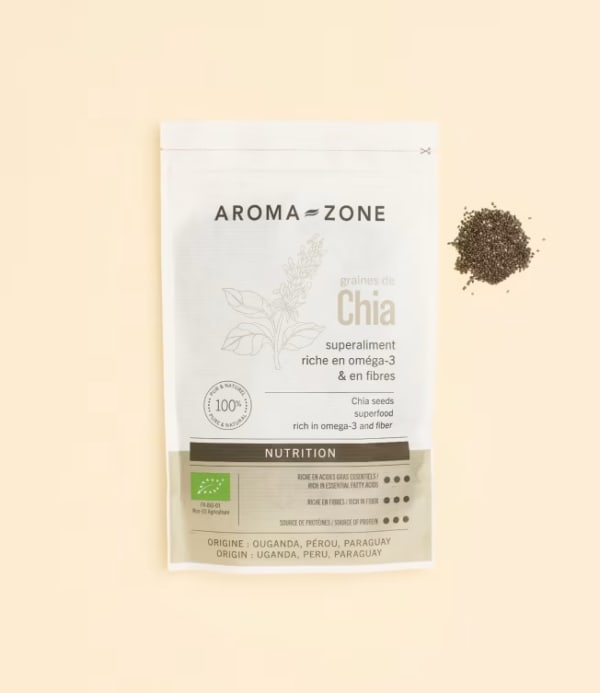
For breakfast: Chia seeds in a light porridge
Add a tablespoon of organic chia seeds to porridge or a plant-based beverage. Rich in soluble fibre, they naturally support digestion and prolong satiety.

Between meals: Activated charcoal for bloating
Plant-based activated charcoal in capsules can be used as needed for digestive discomfort or bloating. It is recommended to take it away from meals and any medication (at least 2 hours before or after), as it may reduce the absorption of certain treatments.
Discover the France BIO Plant-Based Activated Charcoal dietary supplement
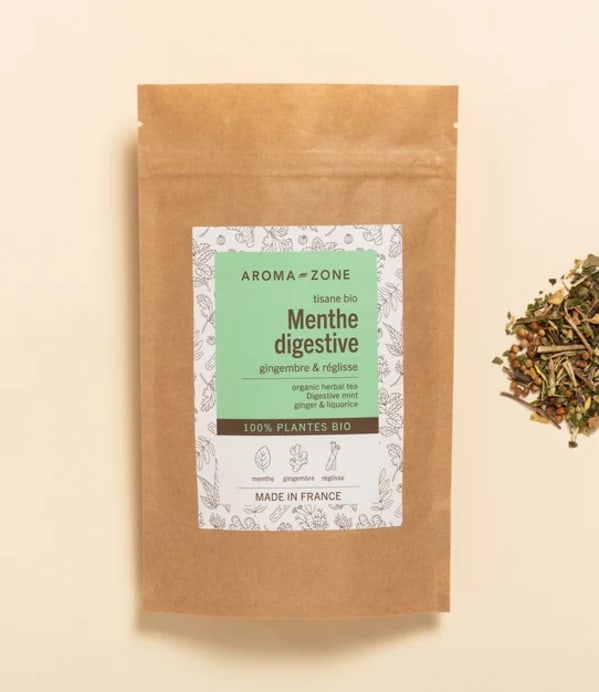
After meals: Mint tea to soothe digestion
A cup of Digestive Mint Herbal Tea at the end of a meal naturally supports the digestive process while providing a feeling of lightness. It can also be part of your evening routine.
Our recipes to try at home




Contraindications and precautions for use
Glutamine is generally well-tolerated when used as part of a varied diet or as an occasional supplement, provided the recommended doses are followed. However, certain precautions are necessary.
It is not recommended without medical advice for people with liver or kidney disorders, due to its specific metabolism. Pregnant or breastfeeding women should also avoid any supplementation without professional guidance.
In cases of prolonged use, ongoing medical treatment, or chronic digestive conditions, it is important to consult a healthcare professional before starting a regimen. Generally, it is best to begin with low doses and then adjust as needed based on individual tolerance.
Finally, it is essential to choose high-quality, pure dietary supplements free of unnecessary additives and to strictly follow the manufacturer’s recommendations.
Expert Advice
To naturally support your gut health, incorporate glutamine into a holistic approach: a balanced diet, stress management, and listening to your body. Start with low doses, and opt for pure glutamine without additives. Combined with gentle, regular digestive care, it can become a true daily support.
Spotlight on Our Nutrition and Food Expert, Marie-Anne Vion

Faced with digestive disorders such as IBS and SIBO, Marie-Anne turned to nutrition and natural solutions. Passionate about wellbeing, she is now studying dietetics and nutrition. She shares her expertise through articles that offer accessible advice and insights. Drawn to the brand's natural approach, she helps promote a balanced diet and self-reliance in health matters.
Bibliography
Wikipedia: https://fr.wikipedia.org/wiki/Glutamine
PubMed: https://pubmed.ncbi.nlm.nih.gov/34977110/
PubMed: https://pubmed.ncbi.nlm.nih.gov/30108163/
Santé magazine:
https://www.santemagazine.fr/alimentation/nutriments/proteines-et-acides-amines/musculation-troubles-intestinaux-faut-il-prendre-de-la-glutamine-897603

Frequently Asked Questions
Associated tip

Nutrients, Vitamins, Minerals & Antioxidants


