
L-glutamine: What Are Its Benefits?

L-glutamine: What Are Its Benefits?


By Marie Anne Vion

Published on: Thursday, April 17, 2025, Updated on: Thursday, September 24, 2026

The most abundant amino acid in the body, L-glutamine plays a key role in many biological functions. It supports digestion, strengthens natural defences and aids recovery. Although produced naturally by the body, its reserves can become depleted in cases of stress, intense physical effort or intestinal imbalance. Why should you pay attention to it? And how can you make the most of its benefits? Discover an essential amino acid to support your energy, digestive comfort and everyday balance.

Contents

Related products

What is L-glutamine?

L-glutamine is an amino acid naturally present in the body, particularly in the muscles, brain, and digestive system. Although glutamine is normally considered non-essential, as the body can produce it, it becomes conditionally essential during periods of intense stress, fatigue, injury, or prolonged physical exertion. It plays a role in numerous biological functions, including tissue repair, immune system support, and maintaining gut health. Its L-form is the biologically active form, meaning it is the form used by the body. L-glutamine accounts for more than 60% of the free amino acids found in skeletal muscle, highlighting its important role in recovery, maintaining muscle mass, and helping the body cope with metabolic stress.

What Is Its Role in the Body?

L-glutamine plays a central role in many physiological functions. Found in large quantities in muscles and blood, it acts as a true pillar of the body’s overall balance:

  • It is involved in protein synthesis, which is essential for building, repairing, and maintaining tissues, particularly muscles

  • It supports the immune system, serving as fuel for certain defense cells such as lymphocytes and macrophages

  • It contributes to intestinal balance, by nourishing enterocytes, the cells that line the intestinal mucosa and ensure its integrity

  • It helps regulate ammonia, a potentially toxic nitrogenous waste product, by facilitating its elimination through the kidneys.

Its presence therefore becomes essential when the body is under significant strain: severe stress, convalescence, intense physical exertion, digestive disorders, or a weakened immune system.
Why Might It Be Beneficial to Take L-Glutamine?

Under normal circumstances, the body is able to produce enough L-glutamine to meet its needs. However, certain situations may increase the body's demand, making additional intake potentially beneficial according to some studies. The main scenarios discussed in the scientific literature include:

During Periods of Physical or Emotional Stress

During periods of prolonged stress, infection, or recovery from illness or injury, the body's demand for L-glutamine may exceed its natural production capacity. Several studies suggest that glutamine is used more rapidly under these conditions, particularly by immune cells and for tissue repair. In some clinical settings, supplementation has been shown to support recovery, although further research is needed to confirm these findings.

To Support Physical Activity

In physically active individuals and athletes, L-glutamine is heavily utilised by the muscles. It is considered a source of energy for muscle cells and contributes to various metabolic processes. Some studies suggest that appropriate intake may promote muscle recovery or reduce post-exercise fatigue, although the available data is still conflicting.

To Support Digestive Health

L-glutamine plays an important role in gut health, as intestinal cells (enterocytes) use it as their preferred energy source. Research suggests that it may help support the integrity of the intestinal barrier and promote digestive comfort, particularly in situations associated with increased intestinal permeability. However, further studies are needed to confirm these findings.

During Certain Dietary Restrictions or Periods of Fatigue

An insufficient dietary intake of protein (an unbalanced vegetarian diet, malnutrition, prolonged fasting) may reduce L-glutamine availability. Similarly, persistent fatigue or a general state of weakness may also be associated with lower circulating levels. In these situations, some authors suggest that targeted intake could help support metabolic balance, alongside a varied and balanced diet.

What Are Its Benefits?

L-glutamine is involved in numerous physiological mechanisms. While it cannot claim therapeutic effects, several of its natural properties are currently being explored in scientific research for their potential role in supporting the body.

  • It may support muscle recovery: used by muscle cells after exercise, it is being studied for its role in fibre repair and reducing fatigue, particularly in athletes or active individuals

  • It may help maintain the integrity of the intestinal barrier: As a source of energy for enterocytes, L-glutamine is described as supporting intestinal cell renewal, which may contribute to digestive comfort and microbiota balance.

  • It may support immune system function: L-glutamine is used by certain immune cells, such as lymphocytes, and some studies suggest that it may play a role during periods of stress, infection, or prolonged fatigue.

  • It may support certain recovery periods: During trauma, infection, or surgery, glutamine stores can be rapidly utilised. Supplementation has been studied in these contexts, with some positive but still mixed results.

  • It may contribute to acid–base balance: By participating in ammonia metabolism in tissues, L-glutamine may play an indirect role in maintaining metabolic balance, particularly with those with high-protein diets or prolonged physical exertion.

  • It may indirectly support skin health: by contributing to cell regeneration and maintaining intestinal balance, L-glutamine has been studied for its potential effects on skin prone to blemishes. It is believed to help support the skin’s natural repair mechanisms, particularly in cases of stress or digestive imbalances.

undefined

Our L-Glutamine Alternatives

FT Packshot MS Magne-aXurUjJk

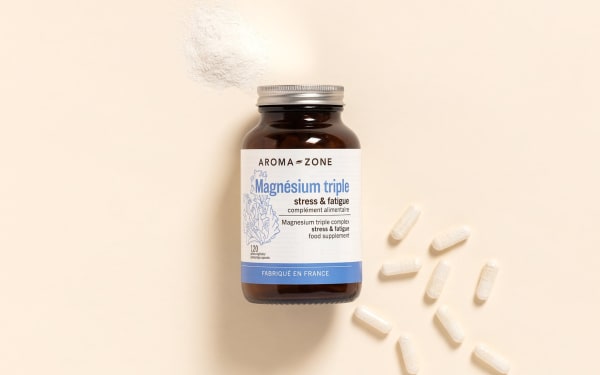
Triple Magnesium

This dietary supplement combines three forms of magnesium for optimal effectiveness by combining high bioavailability with a high magnesium content: Magnesium Bisglycinate, Marine Magnesium, and Organic Sea Lettuce Extract. Recommended for fatigue, stress, and muscle recovery, magnesium helps reduce fatigue and supports proper nervous system function, promotes normal muscle function and protein synthesis, and contributes to bone health.

Discover our Triple Magnesium 120 capsules - Dietary supplement

Taurine - 200 g - Dietary supplement

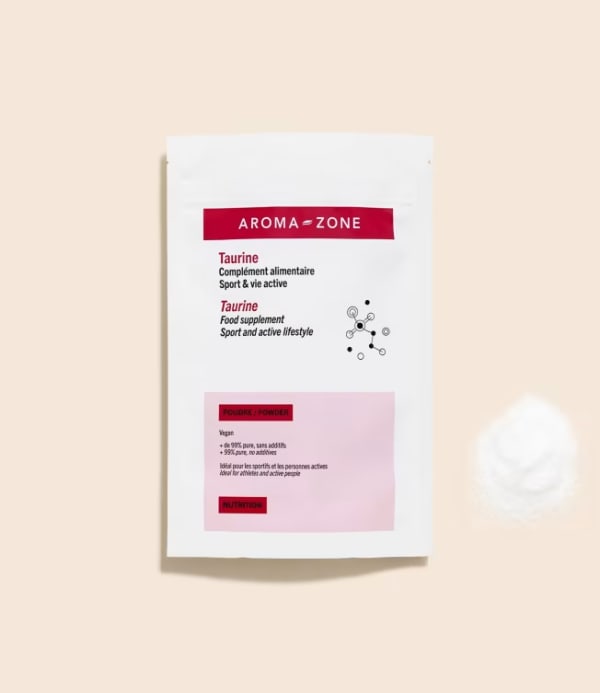
Taurine

Taurine is a sulfur-containing amino acid derivative naturally found in the body, particularly in the muscles, brain, and eyes. Involved in many biological processes, it is a valuable ally for athletes and active individuals. When combined with magnesium, it helps optimise its absorption. Pure, vegan, and free from additives, this powder is easy to dose and incorporate into your routine.

Discover our Taurine - 200 g - Dietary Supplement

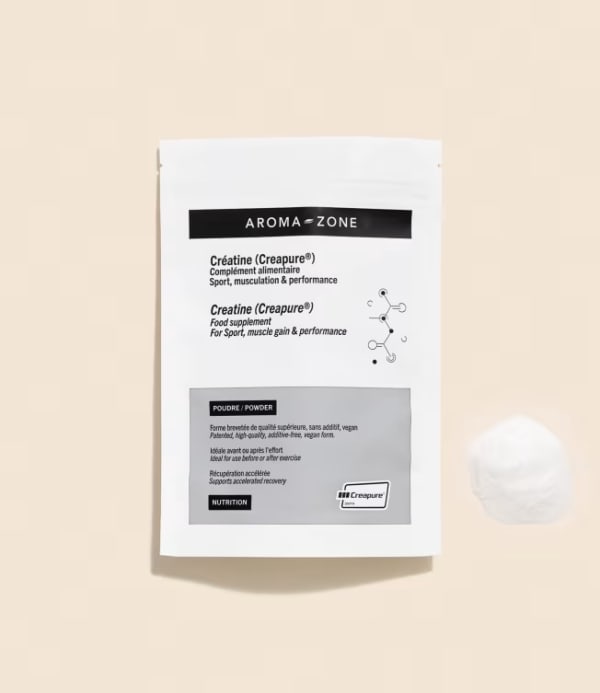
Creatine (Creapure®) - 300 g - Dietary supplement

Creatine

Creapure® Creatine is the ideal partner for your workouts, strength training, and recovery. Involved in cellular energy synthesis, creatine will help you push your limits and achieve your athletic goals. The benefits of creatine supplementation for both women and men have been validated by numerous scientific studies.

Discover our Creatine (Creapure®) - 300 g - Dietary Supplement

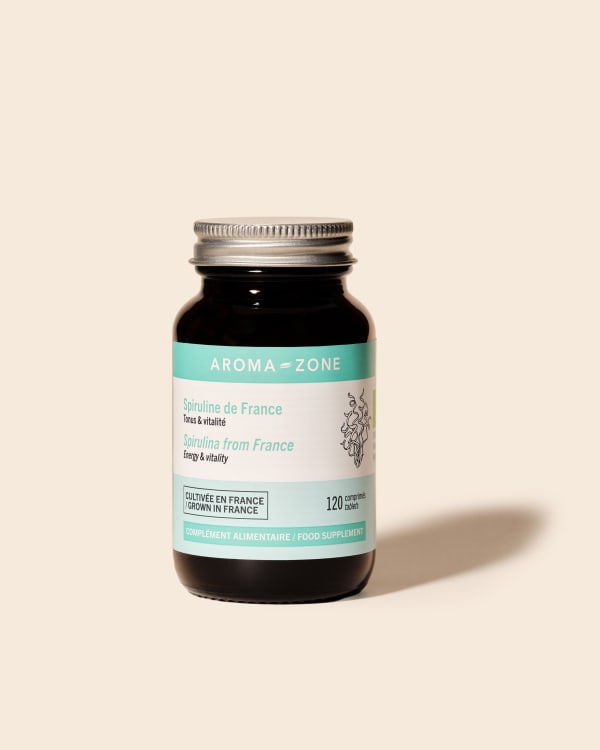
Complément_alimentaire_Spiruline_France_BIO_120_comprimés

Spirulina

Grown in France and cold-pressed without additives, this high-quality organic Spirulina stands out for its nutritional richness and exceptional phycocyanin content. It comes in easy-to-swallow tablets for daily use as a dietary supplement. Ideal for temporary fatigue or to supplement the nutritional intake of vegetarians, Spirulina is also renowned for its benefits for healthy hair. A valuable ally for vitality and beauty!

Discover our Organic French Spirulina - 120 tablets - Dietary Supplement

Which Foods Naturally Contain It?

Glutamine is naturally present in many foods, particularly those high in protein. A varied and balanced diet usually provides enough to meet daily needs. Here are the main dietary sources:

White and red meats

Poultry, beef, lamb… rich in protein, they naturally provide glutamine to the body.

Fish and seafood

How Can You Enjoy Its Benefits Every Day?

It all depends on the type of product you use. The form (powder, capsules, tablets), the timing of intake, and the desired goals (digestion, recovery, immune support, etc.) influence how L-glutamine can be incorporated into your routine. The most important thing is to follow the recommendations provided on the packaging and ensure that the dosage is suitable for your individual needs. Dosages may vary from one supplement to another. In general, studies have looked at a range of 2 to 10 g of L-glutamine per day, depending on the situation. For occasional or preventive use (such as supporting recovery after exercise or digestive comfort), an intake of 2 to 5 g per day, divided throughout the day, is often sufficient. In certain situations (intense physical activity or periods of recovery), higher intakes may be considered, always in consultation with a healthcare professional. Glutamine is generally taken on an empty stomach or between meals to support absorption. In powder form, it can be mixed with water or a warm drink and has little to no taste. In capsule form, it offers a more convenient option, especially when travelling.

What You Need to Know About L-Glutamine Composition

Before choosing a supplement, it is useful to understand the different forms available and their origin. L-glutamine is the biologically active form that the body can absorb and use directly. It is the form most commonly found in food supplements, whether in powder, capsule, or tablet form. It is generally obtained through the fermentation of plant sources such as Corn or Beetroot, making it compatible with vegetarian and vegan diets. However, it is always recommended to check this information on the product’s technical specifications. Powder form allows for precise dosage adjustment, particularly for sports or digestive purposes, while capsules or tablets offer a simple and discreet way to take it without preparation. Some supplements combine glutamine with other amino acids or plant extracts to broaden their potential applications. In this case, it is best to check the ingredient list and avoid overly complex formulas if you are looking for a targeted use. If needed, seek advice from a healthcare professional before starting a course of supplementation.

Usage Precautions and Contraindications

L-glutamine is generally well tolerated when obtained through the diet. However, as a dietary supplement, it requires certain precautions. It is important to follow the dosage recommendations provided by the manufacturer, as excessive intake may cause side effects, particularly digestive discomfort such as bloating or nausea. Supplementation is not recommended for children without medical advice. Similarly, individuals with kidney, liver, or neurological disorders should seek professional guidance before taking L-glutamine. During pregnancy or breastfeeding, caution is advised and consultation with a healthcare professional is essential. Finally, some sources recommend particular caution for people with neurological conditions, such as epilepsy, although available data on this topic remain limited. In all cases, a personalised and informed approach is the best way to ensure safe and appropriate use.

Expert Advice

L-glutamine is an often overlooked amino acid, yet its benefits become particularly relevant when the body is under strain. Its role in recovery, gut balance, and immune system support makes it a valuable ally, provided it is used appropriately. If you are going through a period of stress, fatigue, or digestive imbalance, it may be worth exploring this ingredient, particularly alongside a diet rich in high-quality protein. There is no need to overdo it: a sensible intake, well integrated into your daily routine, may be enough to help restore a better internal balance. As always, listen to your body and do not hesitate to seek advice from a healthcare professional before starting supplementation. As part of a natural and mindful approach, the benefits are often more sustainable.

Spotlight on Our Nutrition and Food Expert, Marie-Anne Vion

Marie-Anne Vion.jpg

Faced with digestive disorders such as IBS and SIBO, Marie-Anne turned to nutrition and natural solutions. Passionate about wellness, she is now studying dietetics and nutrition. She shares her expertise through articles, offering accessible advice and insights. Attracted by the brand’s natural approach, she helps promote a balanced diet and self-reliance in health matters.

Bibliography

  1. PubMed: https://pubmed.ncbi.nlm.nih.gov/28498331/

  2. Harper’s Biochemistry: https://www.google.fr/books/edition/Biochimie_de_Harper/2CM2DwAAQBAJ?hl=fr&gbpv=1&dq=l+glutamine&pg=PA292&printsec=frontcover

  3. Santé magazine: https://www.santemagazine.fr/alimentation/nutriments/proteines-et-acides-amines/musculation-troubles-intestinaux-faut-il-prendre-de-la-glutamine-897603

  4. Glutamine: a potentially useful supplement for athletes

    Antonio J, Street C. (1999). Canadian Journal of Applied Physiology, 24(1), 1-14.

  5. Glutamine: Metabolism and Immune Function, Supplementation and Clinical Translation

    Cruzat V, Macedo Rogero M, Noel Keane K, Curi R, Newsholme P. (2018). Nutrients, 10(11), 1564.

  6. The Roles of Glutamine in the Intestine and Its Implications for Intestinal Diseases

    Kim MH, Kim H. (2017). International Journal of Molecular Sciences, 18(5), 1051.

  7. Clinical applications of L-glutamine: past, present, and future

    Wischmeyer PE. (2003). Nutrition in Clinical Practice, 18(5), 377-385.

  8. Non-nutritive effects of glutamine

    Roth E. (2008). Journal of Nutrition, 138(10), 2025S-2031S.

Frequently Asked Questions

Frequently Asked Questions