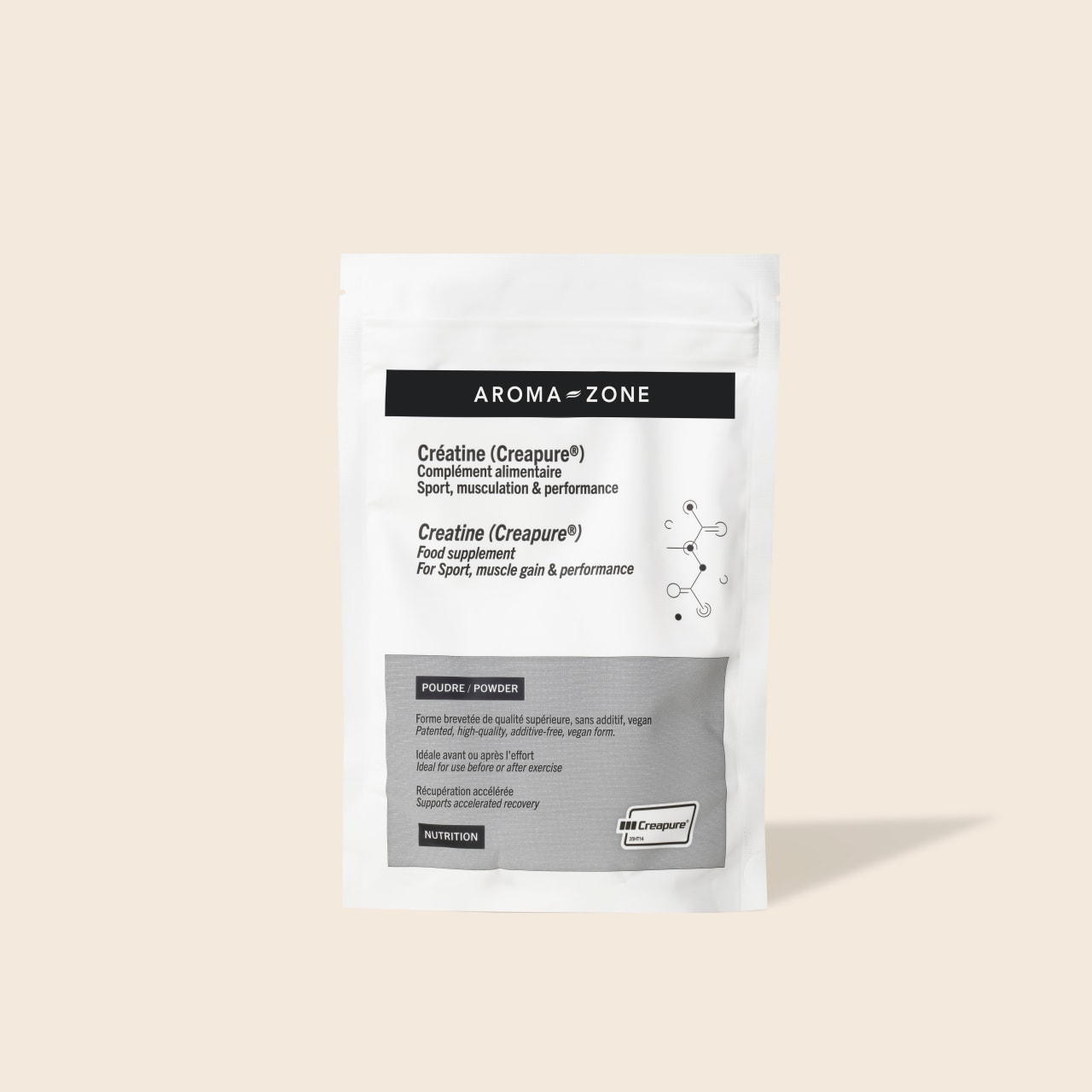
Creatine is a molecule naturally synthesised by our bodies that plays an essential role in energy production within the muscles. It is composed of three amino acids: arginine, glycine and methionine. Creatine synthesis depends on the body having sufficient amounts of these amino acids. Therefore, consuming foods that contain them (animal products such as red meat, poultry, and fish) is essential for its production.
Which organ produces creatine?
Creatine is synthesised mainly in the liver, but also in the kidneys and pancreas, at a rate of 1 to 2 grams per day. It is then stored in the muscles as phosphocreatine, which breaks down into creatine and phosphate during rapid, intense muscle contractions. It is therefore particularly useful for short-duration, high-intensity muscular efforts, such as weight training or powerlifting, since it serves as an immediately available energy reserve for the muscles when oxygen supply is insufficient.