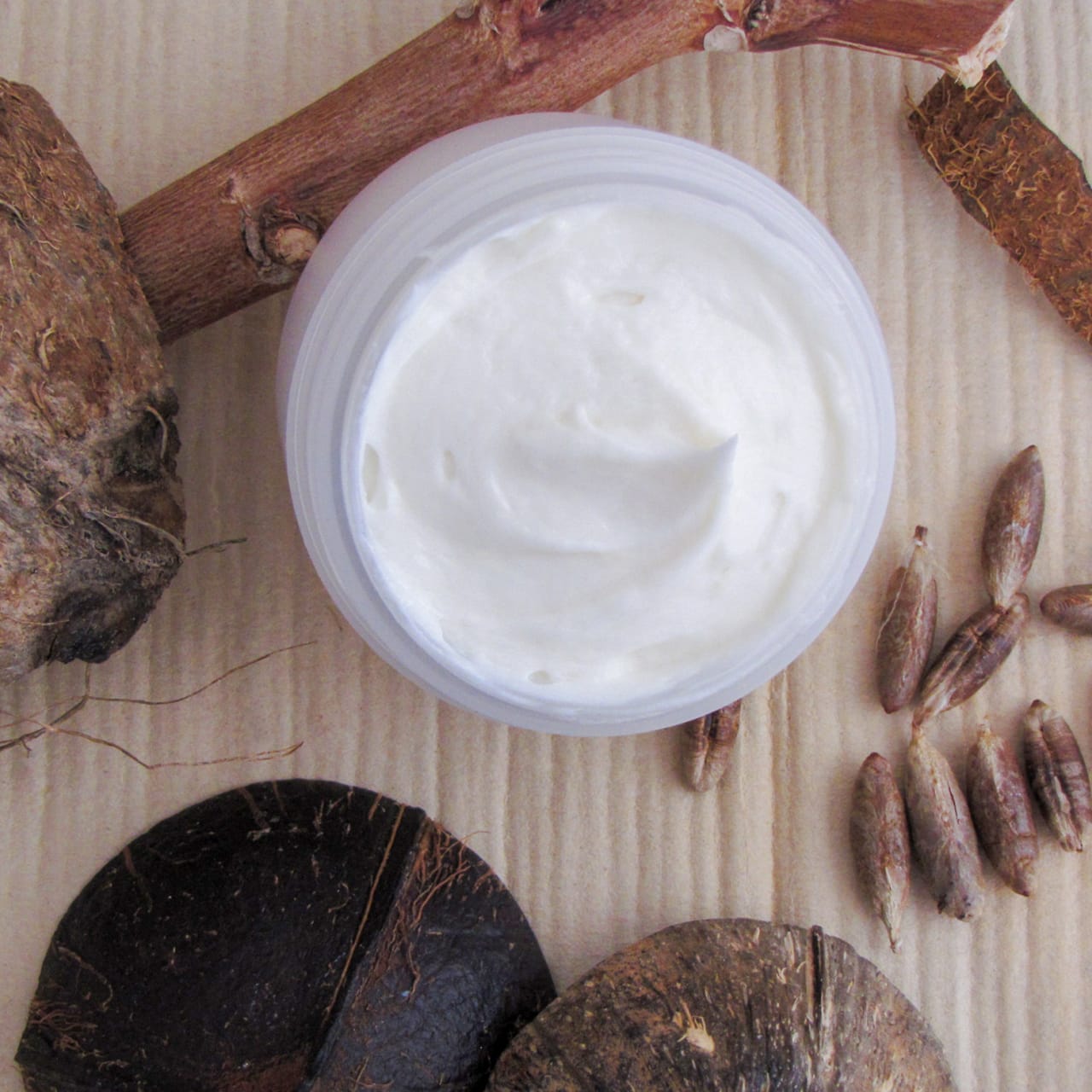
Aroma-Zone Azelaic Acid Active Ingredient

MATTIFYING BALANCING PURIFYING ANTI-REDNESS


A comprehensive anti-blemish ingredient, azelaic acid is a powerful active ingredient against comedones and blackheads. With sebum-regulating, antibacterial, gentle exfoliating, and soothing properties, it helps quickly restore a clear, purified complexion and reduce redness.


Reading time: 0 min.

Azelaic Acid Aroma-Zone Profile

INCI Name: Azelaic acid

NATURAL / SYNTHETIC: Active ingredient of natural origin

VEGAN - CERTIFICATIONS

BIOCHEMICAL COMPOSITION

Azelaic acid is a dicarboxylic acid (two acid groups per molecule) found in certain grains, such as wheat, rye, and barley. Azelaic acid can also be produced by Malassezia furfur, a yeast naturally present in the skin’s flora.

SUSTAINABILITY & TRACEABILITY

The azelaic acid used by Aroma-Zone is 100% natural, produced from sunflower oil.

Azelaic Acid: What Effect Does It Have on the Skin?

Azelaic acid is a natural compound effective in combating blemishes, thanks to its multifaceted action on several factors contributing to acne.

It inhibits the proliferation of keratinocytes, the cells in the epidermis that produce keratin. Keratin provides strength and impermeability to the skin, but its accumulation can clog pores, prevent sebum from draining, and cause the appearance of comedones (hyperkeratosis). By reducing keratin synthesis in blemish-prone skin, azelaic acid reduces blackheads and comedones and unclogs pores. This effect is amplified by the active ingredient’s ability to inhibit sebum production: it prevents the conversion of testosterone, which stimulates the sebaceous glands. It thus has a mattifying effect on the skin.

Azelaic acid also acts on blemishes by regulating the skin’s microflora: it has a bacteriostatic effect (which stops bacterial proliferation) on several bacteria involved inacne, such as Cutibacterium acnes and Staphylococcus epidermidis.

Finally, due to its soothing effect—thanks to its ability to capture free radicals, compounds that cause tissue damage and inflammation— azelaic acid helps combat redness caused by acne and rosacea.

Azelaic Acid: Scientifically Proven Efficiency

A clinical study involving 90 volunteers with acne-prone skin (mild to moderate acne) demonstrated the ability of a cream containing 15% azelaic acid to reduce skin lesions and hyperpigmentation caused by comedones.

Another clinical study also demonstrated the efficacy of a gel containing 10% azelaic acid in reducing acne-like lesions.

Skin Tolerance

A Note from Adeline Nalin, Head Pharmacist and Toxicologist at Aroma-Zone

“Concentrations of up to 10% azelaic acid are generally well-tolerated by most skin types, while effectively addressing mild blemishes and improving skin radiance.

However, it is recommended to introduce azelaic acid gradually, as sensations of discomfort, such as tingling, may occur at first, especially with the most sensitive skin types.

At higher concentrations, azelaic acid becomes a therapeutic active ingredient (dermatological treatment).”

Adeline Nalin - Head Pharmacist and Toxicologist

A Safe Ingredient for your Health

A Note from Our Aroma-Zone Toxicologist

“The formulation’s galenics, which contain azelaic acid, play an important role in the product’s good tolerability.

Our 10% Azelaic Acid Concentrated Serum was tested in vitro on 3D reconstructed human epidermis and demonstrated low irritant potential (with no cytotoxicity and satisfactory inflammation markers).”

Adeline Nalin - Head Pharmacist and Toxicologist

A Note from the Dermatologist


“Azelaic acid is an essential ingredient for skin prone to blemishes and redness. It has a mattifying and sebum-regulating effect, which helps control excess sebum and prevent the appearance of comedones and blackheads.

By refining skin texture and tightening pores, it creates a smoother, more even complexion. Additionally, azelaic acid regulates the skin’s microbiome, making it an excellent choice for reducing redness and soothing sensitive or reactive skin.”


Dr. Dima Haidar - Dermatologist

Formulation Focus with the Aroma-Zone R&D Laboratory

Azelaic acid is a challenging active ingredient to formulate. In its active form, it is poorly soluble, making its incorporation into a cosmetic product difficult. The challenge lies in incorporating it into a formula capable of keeping it uniformly suspended, while ensuring good stability and a comfortable application. This formulation work results in a product that is effective, stable, and well-tolerated, suitable for skin prone to imperfections.

For Which Skin Types?

Blemish-prone skin, combination and oily skin, dull skin, sensitive skin.

Which Concerns Does This Address?

Excess sebum, blackheads, redness.

What Azelaic Acid Does for the Skin

  • Provides a mattifying and sebum-regulating effect that helps control shine

  • Prevents the appearance of blackheads and whiteheads

  • Refines skin texture

  • Visibly tightens pores

  • Regulates the skin’s microflora

  • Reduces redness for a more even complexion.

Azelaic Acid: An Essential Ingredient for the Skin

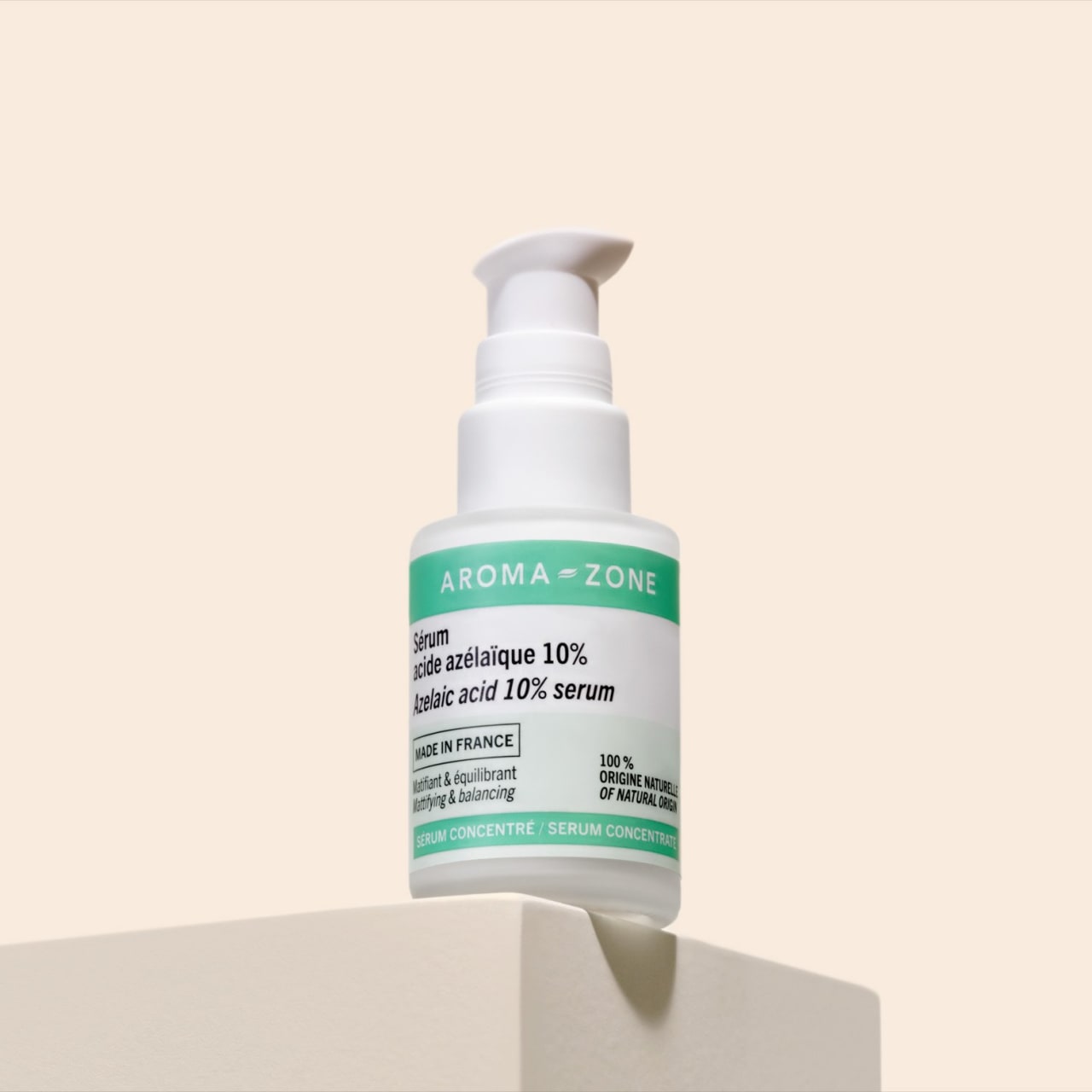
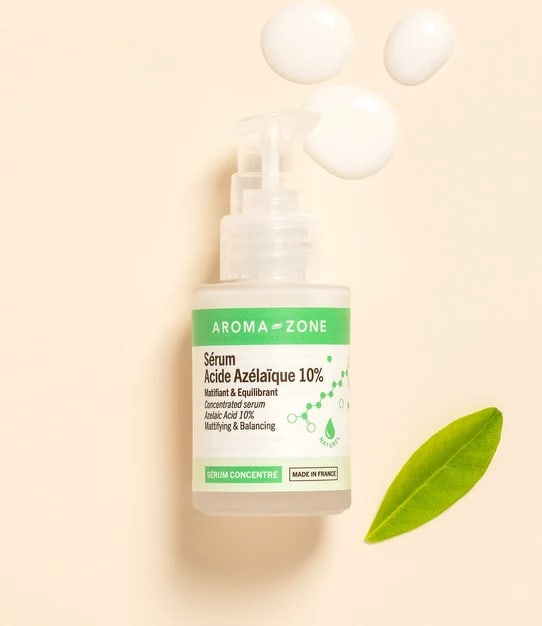
Concentrated 10% Azelaic Acid Face Serum

FAQ

How effective is azelaic acid in treating redness?

Azelaic acid is known for its soothing and balancing effects on skin prone to redness. By regulating the skin’s microflora and limiting micro-inflammation, it helps visibly reduce diffuse redness, particularly that associated with blemishes or reactive skin. Its good tolerance profile allows for regular use, even on sensitive skin, when introduced gradually.

Can azelaic acid be used on darker skin tones? Is there a risk of depigmentation?

Azelaic acid can be used on all skin types, including darker skin tones. It does not cause depigmentation and does not alter the skin’s natural color. Its action is based on gentle, targeted regulation, particularly regarding post-inflammatory hyperpigmentation, without a lightening effect when used at recommended cosmetic concentrations.

Is a higher concentration always more effective?

A higher concentration does not always mean better results. At 10%, azelaic acid offers a good balance between efficacy and tolerance for regular cosmetic use. Higher concentrations are intended for dermatological use and may increase the risk of skin discomfort. Efficacy also depends on the formulation, regularity of use, and adherence to a gradual introduction.

Are there any combinations that are not recommended with azelaic acid?

Azelaic acid has a good tolerance profile, but certain combinations require caution, particularly on sensitive or reactive skin.

It is recommended to avoid using multiple powerful exfoliating or keratolytic active ingredients simultaneously, such as Salicylic acid or Retinol, to minimize the risk of skin discomfort, tingling, or dryness. In this case, it is best to alternate their use or apply them at different times.

Combining it with Vitamin C is possible, but may be less well tolerated by some sensitive skin types. To maintain skin comfort, it is recommended to apply them separately (for example, Vitamin C in the morning and Azelaic Acid in the evening).

However, azelaic acid combines easily with active ingredients focused on skin comfort and balance, such as Hyaluronic Acid or Niacinamide.

Generally speaking, a gradual and gentle routine remains the best approach, adjusting the frequency of use according to the skin’s sensitivity.

Why is it often considered a “multi-purpose” active ingredient?

Azelaic acid is described as versatile because it acts on several key mechanisms of the skin: regulating excess sebum, reducing blemishes, refining skin texture, and reducing redness and post-inflammatory pigmentation. This comprehensive action, combined with good skin tolerance, makes it an active ingredient particularly suited for combination to oily skin, blemish-prone skin, and skin prone to imbalances.

Spotlight on our specialist editor, Marion Alves De Oliveira

Marion is a Doctor of Pharmacy, naturopath, and life coach. After twelve years in the cosmetics industry, she now guides her clients toward holistic balance and a more mindful lifestyle, drawing on her expertise in sustainable food practices. As the creator of a podcast, she shares her insights to promote a philosophy of living that respects both health and the environment.

Bibliography

1

SKIN CARE, The Skin, an Aroma-Zone publication by La Plage

2

Feng, X.; Shang, J.; Gu, Z.; Gong, J.; Chen, Y.; Liu, Y. Azelaic Acid: Mechanisms of Action and Clinical Applications. Clinical, Cosmetic and Investigational Dermatology 2024, 17, 2359–2371.

3

Khodaeinai, E.; Babaeinejad, S.; Amirnia, M.; Shokry, J.; Karimi, E. R.; Fouladi, D. F.; Sedaghat, K.

4

Sauer, N.; Oślizło, M.; Brzostek, M.; Wolska, J.; Lubaszka, K.; Karłowicz-Bodalska, K.

5

Vladuti, A.; Hatami, A.; Clément, A.; Mainzer, C. A Pilot Study on the Comparative Efficacy and Tolerability of a Novel Dermo-Cosmetic Cream with 15% Azelaic Acid for Mild to Moderate Acne