Which active ingredients promote muscle and joint relaxation?
Published on: Wednesday, June 24, 2026, Updated on: Tuesday, October 13, 2026
Behind a persistent muscle spasm, stiff joints upon waking, or persistent muscle soreness after exercise, there is usually a combination of mechanisms at play: local inflammation, persistent muscle tension, joint strain or simply accumulated physical fatigue. These symptoms are not all the same, and that is precisely why a targeted approach to active ingredients makes all the difference. What exactly do active ingredients for muscle and joint relaxation encompass, which ones have the best-documented efficacy, and how should you choose them based on your situation? Here’s a detailed breakdown.
Contents
Related products
Repairing
Soothing
£5.60
£8.00
100 ml
Soothing
£11.00
100 ml
Soothing
£11.00
100 ml
Firming
Sport
£22.00
250 g
Vitality
Stress
£15.00
article
Moisturising
Sport
£16.00
200 g
In brief
In brief:
Active ingredients for muscle and joint relaxation work through four distinct mechanisms: anti-inflammatory effect, analgesic effect, direct muscle relaxation and joint protection.
They should be selected based on the nature of the pain – whether inflammatory, mechanical or related to muscle tension – rather than solely on the type of activity or age.
An effective treatment combines a long-acting active ingredient (curcumin, harpagophytum) with active ingredients that act locally and immediately (menthol, camphor, arnica), depending on the timing and intensity of the need.
What does it mean to use active ingredients for muscle and joint ‘relaxation’?
Muscle and joint relaxation refers to the body’s ability to release tension built up in the muscles and maintain comfortable mobility in the joints: various everyday factors can gradually impair this ability.
Muscle and joint relaxation relies on a delicate balance between several interdependent mechanisms: the ability of muscle fibres to contract and then relax completely; the integrity of the cartilage and synovial fluid, which ensure lubrication and the cushioning of the joints, and the control of local inflammation, which, at physiological levels, contributes to tissue repair but becomes harmful when it persists over time.
Under normal conditions, muscles and joints constantly adapt to the mechanical stresses imposed by physical exertion, posture or repetitive movements, and recover naturally between periods of exertion. This self-regulatory system is remarkably effective, provided it is not subjected to repeated stress without sufficient recovery time.
However, several factors can gradually disrupt this balance and perpetuate a state of tension, stiffness or discomfort that no longer resolves spontaneously. This is precisely where active ingredients that promote muscle and joint relaxation come into play.
Why do muscles and joints tense up?
Intense physical exertion, poor posture, inflammation or joint ageing: the causes of muscle and joint tension are many and varied, and do not all require the same solutions.
Intense physical exertion causes micro-tears in the muscles, which lead to muscle soreness. This pain typically sets in 24 to 72 hours after exercise and is accompanied by a local inflammatory response which, whilst physiologically normal, can become problematic when training sessions are carried out in quick succession without sufficient recovery. Muscles that are repeatedly strained without adequate rest time accumulate micro-trauma and gradually lose elasticity (4).
Poor posture and stress contribute to chronic muscle tension, particularly in the neck, shoulders and lower back – areas subject to repeated mechanical strain. Stress also acts via neuromuscular pathways: it maintains a state of physical alertness that prevents the muscles from relaxing fully, even at rest. This vicious circle of tension–pain–stress is one of the most common in clinical practice.
Joint inflammation may be of mechanical origin (overuse, repeated friction) or metabolic. It manifests as the onset of stiffness, localised warmth and a gradual loss of mobility. With age, cartilage production decreases, synovial fluid becomes depleted and inflammatory processes in the joints intensify, making the joints more vulnerable to the stresses of everyday life (2).
Chronic fatigue and nutritional deficiencies, particularly in magnesium, can increase sensitivity to muscle pain and significantly slow down recovery. Magnesium plays a key role in regulating muscle contraction and neuromuscular transmission: a deficiency, which is common in cases of prolonged stress or an unbalanced diet, often results in cramps, spasms and increased muscle fatigue (5).
It is this understanding of the underlying mechanisms (tension, inflammation, pain, protection) that enables us to select appropriate active ingredients and incorporate them into our routine in a coherent manner.
Which active ingredients are most effective for muscle and joint relaxation?
The best-documented active ingredients for muscle and joint comfort work through four complementary mechanisms: anti-inflammatory effect, local pain relief, muscle relaxation and joint protection.
Muscle and joint-relaxing active ingredients encompass a wide variety of substances, from plant extracts to active ingredients derived from phytochemistry, which share one common feature: their ability to interfere with the biological mechanisms responsible for muscle and joint tension, pain or discomfort. (1, 2) There are three main families, each of which acts in a completely different way.
Natural active ingredients to combat inflammation
They target the inflammatory mediators (prostaglandins, pro-inflammatory cytokines) responsible for pain, swelling and joint stiffness. The best-documented ones are:
Curcumin (the active ingredient in turmeric). Recent meta-analyses confirm its effect on inflammatory markers and its benefits for joint comfort, particularly when taken orally (6, 7).
Harpagophytum (or devil’s claw) contains harpagosides, including the anti-inflammatory and analgesic activity has been confirmed by several clinical trials for back pain and joint conditions (8, 9).
Methyl salicylate, found in the essential oil of wintergreen , is a natural cousin of aspirin. Its local anti-inflammatory and analgesic effects make it an essential ingredient in massage balms (3).
Local analgesic active ingredients: cooling and warming effects
They act on pain receptors (TRPM8 for cold, TRPV1 for heat) and alter the perception of pain without necessarily reducing inflammation. Their action is rapid and targeted.
Menthol activates cold receptors (TRPM8), creating a cooling sensation that reduces the perception of pain. Its local vasoconstrictive effect has also been documented (10).
Camphor alternately produces a sensation of heat and then cold, and acts as a local analgesic and mild anti-inflammatory. The menthol-camphor combination is therefore considered one of the most effective for muscle spasms and tension (10, 11).
Capsaicin (the active ingredient in chilli peppers) acts on TRPV1 receptors and gradually desensitises nociceptive fibres. Its intense warming effect relieves chronic muscle pain and joint pain (12).
Joint-protecting active ingredients
They support the integrity of joint structures and reduce friction, making them particularly useful in preventative or long-term management.
Arnica in the form of an oil macerate contains sesquiterpene lactones (helenalin) with well-documented anti-inflammatory and analgesic effects. Its effectiveness in treating bruises, haematomas and muscle pain is recognised (13).
St John’s Wort , in the form of an oil macerate, exerts a soothing effect on nerve and muscle pain. Its traditional use is supported by clinical data on localised pain (14).
In practice, the most beneficial active ingredients are those that combine several of these mechanisms at once. Arnica, for example, is effective both as an anti-inflammatory and an analgesic. Wintergreen, meanwhile, acts on both pain and inflammation simultaneously. It is this versatility that makes them so effective in supporting muscles and joints.
Summary table of active ingredients for muscle and joint relaxation
These active ingredients do not all act on the same mechanisms or take effect within the same timeframe: combining a fast-acting ingredient with a long-acting one remains the most effective strategy.
Active ingredient | Specific characteristics |
Curcumin | An active ingredient with some of the best-documented anti-inflammatory effects. It inhibits the main mediators of inflammation (NF-κB, pro-inflammatory cytokines) and helps maintain joint flexibility. It is taken orally as a long-term supplement (6, 7). |
Harpagophytum | Known as ‘devil’s claw’, it contains harpagosides with anti-inflammatory and analgesic properties confirmed by several clinical trials, particularly for lower back pain and mild to moderate osteoarthritis. Taken orally as a long-term treatment, its effectiveness becomes apparent after 2 to 4 weeks of regular use (8, 9). |
Arnica (oily macerate) | Rich in sesquiterpene lactones (helenalin), it has a well-documented local anti-inflammatory and analgesic effect. It is particularly effective for bruises, haematomas and post-exercise muscle pain. An essential topical treatment following an impact or an intensive training session (13). |
Methyl salicylate (Wintergreen) | A natural cousin of aspirin, derived from wintergreen essential oil. Provides rapid local analgesic and anti-inflammatory action, penetrating deep into muscles and joints. An active ingredient in many sports massage balms (3). |
Menthol | Activates cold receptors (TRPM8) and produces a cooling sensation that immediately reduces the perception of pain. Documented local vasoconstrictive effect. An active ingredient with immediate action, ideal for topical application to areas of acute tension (10). |
Camphor | Produces a dual hot-cold effect by acting on the TRPV1 and TRPA1 receptors. Analgesic and with mild local anti-inflammatory properties, it is particularly effective on muscle spasms and stiffness. Its combination with menthol is one of the most well-documented for relieving tension (10, 11). |
Capsaicin | The active ingredient in chilli, it gradually desensitises nociceptive fibres via TRPV1 receptors. Its intense warming effect relieves chronic muscle and joint pain. Its effectiveness is cumulative: it builds up over 1 to 2 weeks of regular application (12). |
St. John’s Wort (oily macerate) | Has a soothing effect on nerve and muscle pain, supported by traditional use and clinical data on localised pain. An ideal base for soothing massage oils, particularly for diffuse tension and chronic pain (14). |
Collagen | The primary structural protein in cartilage, tendons and ligaments. Oral supplementation, particularly in the form of hydrolysed collagen or collagen peptides, stimulates the synthesis of endogenous collagen and helps maintain the integrity of articular cartilage. Particularly relevant for athletes subject to repeated joint stress and for people whose mobility declines with age. Its effectiveness is enhanced when taken in combination with vitamin C, which is essential for collagen synthesis. |
Magnesium | An essential mineral for regulating muscle contraction and relaxation, it acts directly on neuromuscular transmission by blocking NMDA receptors, which are involved in pain sensitisation. A deficiency, which is common in cases of prolonged stress, intense physical exertion or an unbalanced diet, typically results in cramps, spasms and increased muscle fatigue. Oral supplementation is one of the best-documented approaches for reducing chronic muscle tension and improving the quality of recovery. |
How do you choose the right category of active ingredients for your type of pain?
Identifying the nature of the pain – whether inflammatory, mechanical, post-exercise or chronic – is essential for selecting the most suitable active ingredients and avoiding ineffective combinations.
Inflammatory joint pain
This might apply to you if… Your joints feel warm, are swollen, and are painful at rest, with morning stiffness lasting more than 30 minutes. This profile is consistent with active joint inflammation, which is more common with age or among athletes subjected to repeated impact (2).
Active ingredients to consider: curcumin and harpagophytum as long-term oral support. For topical use, Arnica oil macerate and Wintergreen essential oil (methyl salicylate) for targeted and rapid action (6, 8), whilst adhering to the recommended dosages and taking into account the specific contraindications for each of these products.
Muscle pain, aches and stiffness
This might apply to you if… Your muscles are tender to the touch, stiff after exercise or upon waking, and if the pain sets in 24 to 72 hours after intense physical activity. Muscle soreness (DOMS) is a sign of a local inflammatory response linked to micro-lesions in the muscles (4).
Active ingredients to look for: Menthol and camphor for immediate relief through a cooling-warming effect, and Arnica oil macerate for its local anti-inflammatory action. To support this, curcumin and magnesium promote muscle recovery. The combination of menthol, camphor and wintergreen is particularly suitable for athletes (3, 10, 11).
Tension and muscle spasms linked to stress or posture
This might apply to you if… The tension is concentrated in the neck, shoulders or lower back, worsens towards the end of the day or during periods of stress, and manifests as a sensation of knots or general stiffness. These functional muscle spasms are not inflammatory but mechanical and neuromuscular in nature.
Active ingredients to turn to: Menthol and Camphor applied topically for their immediate muscle-relaxing effect. St. John’s Wort oil macerate, used in massage to promote deep relaxation (avoid exposure to the sun in the hours following application), and oral magnesium for its documented muscle-relaxing effect (5, 14).
Loss of mobility and joint comfort with age
This might apply to you if… The loss of flexibility is gradual, your joints creak or feel stiff in the morning, and your mobility is decreasing without any marked inflammatory pain. This indicates a gradual deterioration of the cartilage and a reduction in joint lubrication (2).
Active ingredients to consider: Curcumin, taken orally, is the most well-documented key ingredient for helping to maintain joint flexibility. For topical use, juniper essential oil for its draining action (provided the recommended dosages and contraindications for this product are observed), and camphor-menthol-based balms to relieve morning stiffness. (6, 7)
Muscle recovery for athletes
This might apply to you if… You exercise regularly and are looking to reduce recovery time between sessions, minimise muscle soreness and protect your joints in the long term. Intense exercise triggers an inflammatory response and oxidative stress, which slow down recovery. (4)
The active ingredients to look for: the Arnica-Wintergreen-Menthol trio, applied after exercise for immediate local relief. Curcumin and Devil’s Claw as oral supplements for systemic anti-inflammatory action. Massage with St John’s Wort oil promotes tissue recovery (6, 8, 13). Avoid exposure to the sun in the hours following application.
Our selection of products containing targeted active ingredients
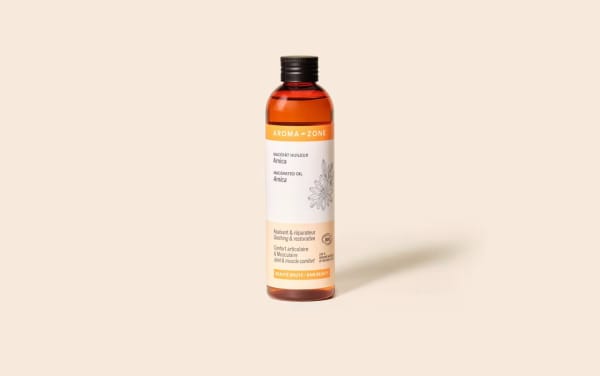
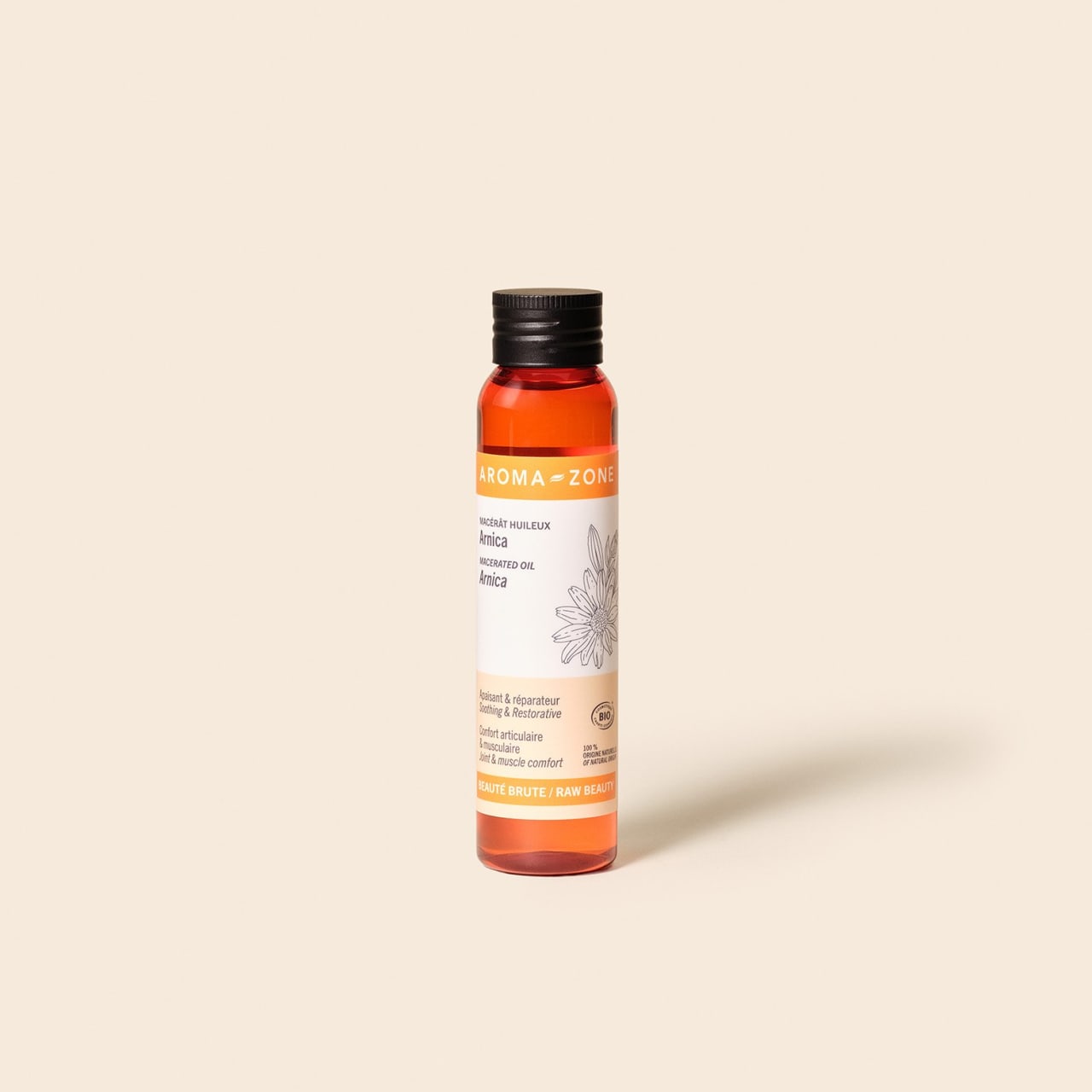
Organic Arnica Oil (Oily macerate)
A favourite among athletes, this Arnica oil macerate with its soothing properties is used to prepare pre- and post-workout treatments, or massage oils to relieve muscle and joint discomfort. May cause allergic reactions in people sensitive to the Asteraceae family. This coloured oil macerate may stain clothing; we recommend allowing it to be fully absorbed into the skin before getting dressed.
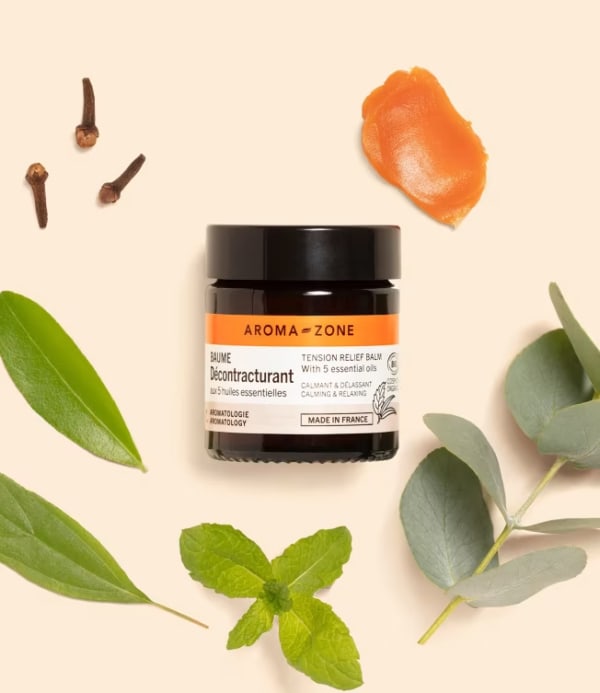
Relaxing balm with 5 essential oils
This relaxing hot-and-cold balm combines organic menthol, camphor and a blend of five essential oils (organic peppermint, organic cajeput, Chinese cinnamon, eucalyptus radiata and clove) to quickly relieve tension, muscle spasms and stiffness. Clinically proven to be effective, with immediate and long-lasting results. Certified organic formula, 100% natural, made in France. Apply using circular massage movements to areas of discomfort until fully absorbed. Do not use on pregnant women or children under 6 years of age, or on people with a history of epilepsy, allergies, asthma or a history of seizures. Do not apply to mucous membranes or the area around the eyes.
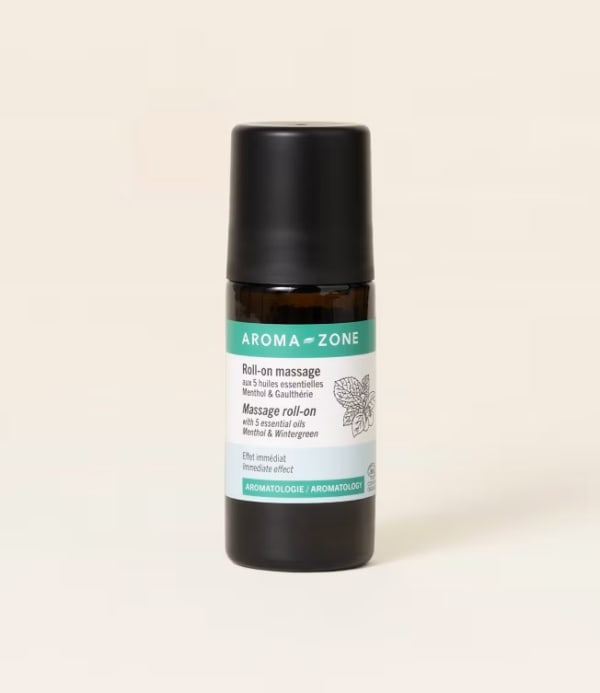
Massage roll-on with 5 essential oils
Its gel formula with an intense cooling effect (an average of -3.3 °C over 30 minutes, clinically proven) combines menthol, wintergreen and camphor in a handy format that fits easily into your bag. Effective on areas of tension caused by sport, poor posture or stress, providing immediate and long-lasting relief. Do not use on pregnant women, children under 10 years of age, or people with epilepsy, allergies, asthma or a history of seizures.
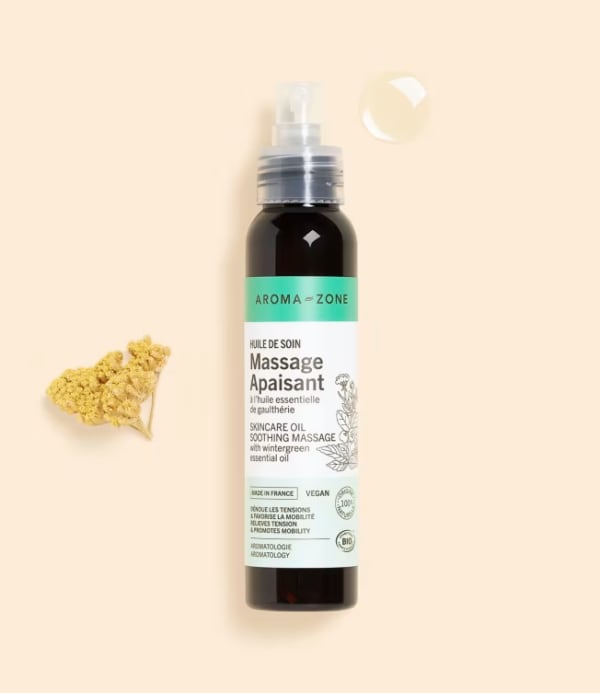
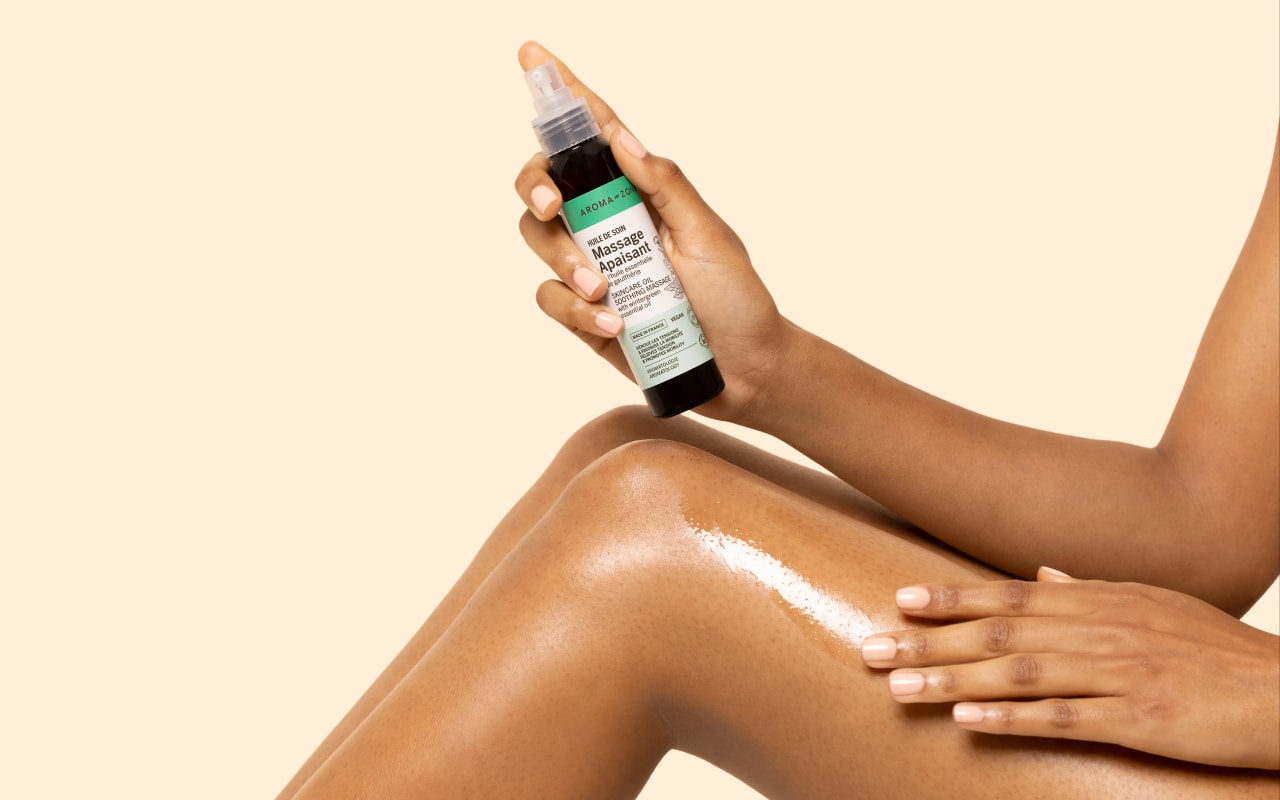
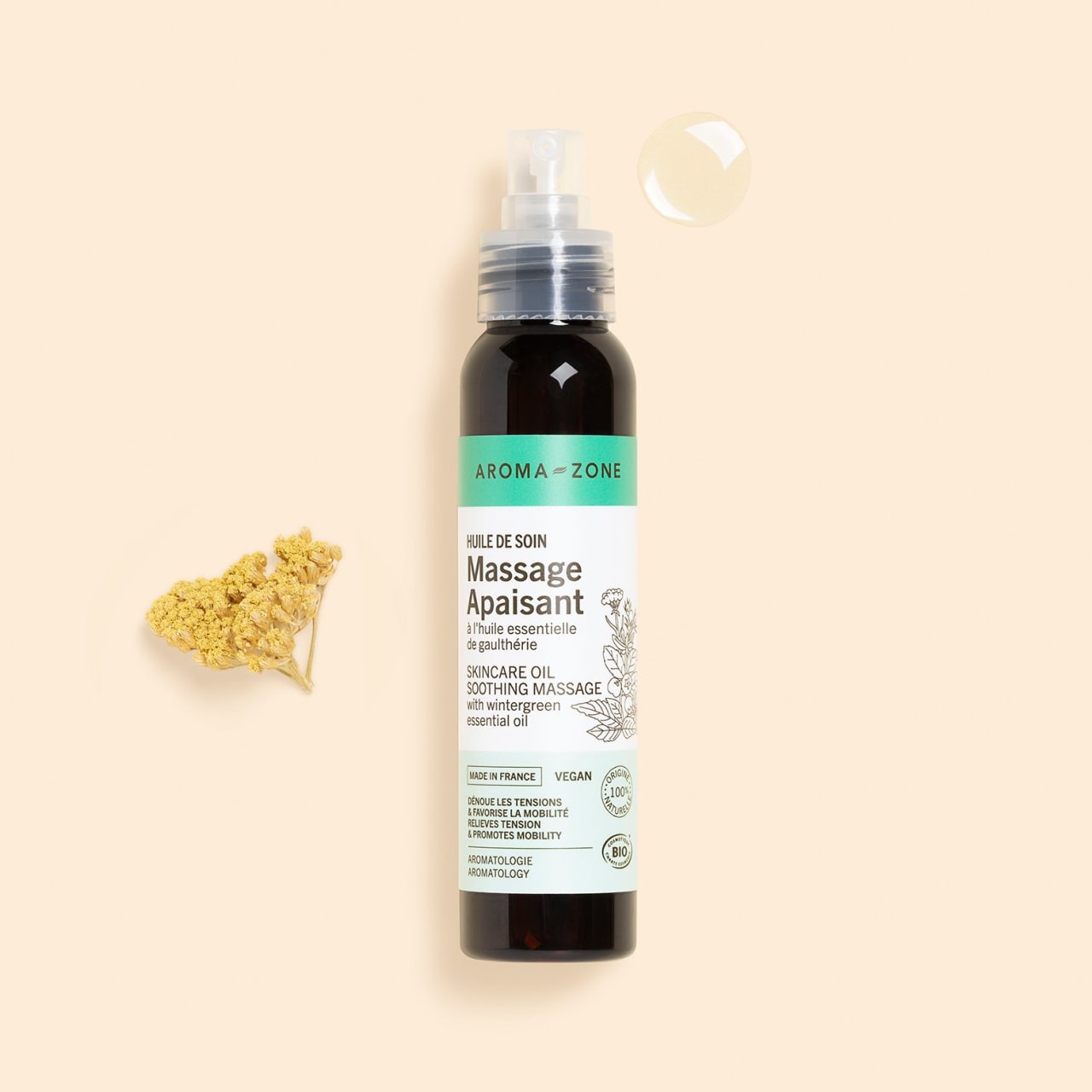
Soothing massage oil
This massage oil is enriched with essential oils of wintergreen, organic Italian helichrysum, organic peppermint, copahu balm and organic juniper, renowned for their soothing and relaxing properties, as well as an organic St John’s wort oil macerate. Its plant-based oils – cotton, rice bran and sesame – provide perfect glide for a prolonged massage without leaving a greasy film, leaving the skin soft and silky. Ideal for areas prone to tension (back, neck, shoulders) and joint or muscle discomfort (legs, arms, feet, hands). Do not use on children, pregnant women or breastfeeding women.
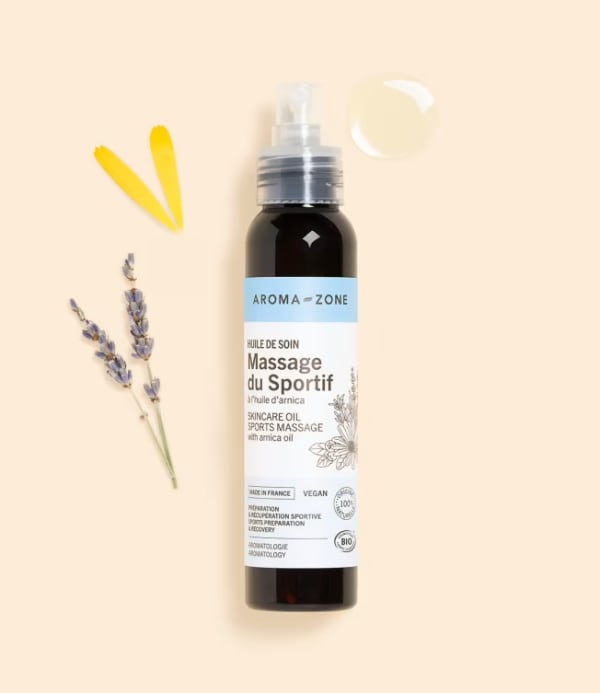
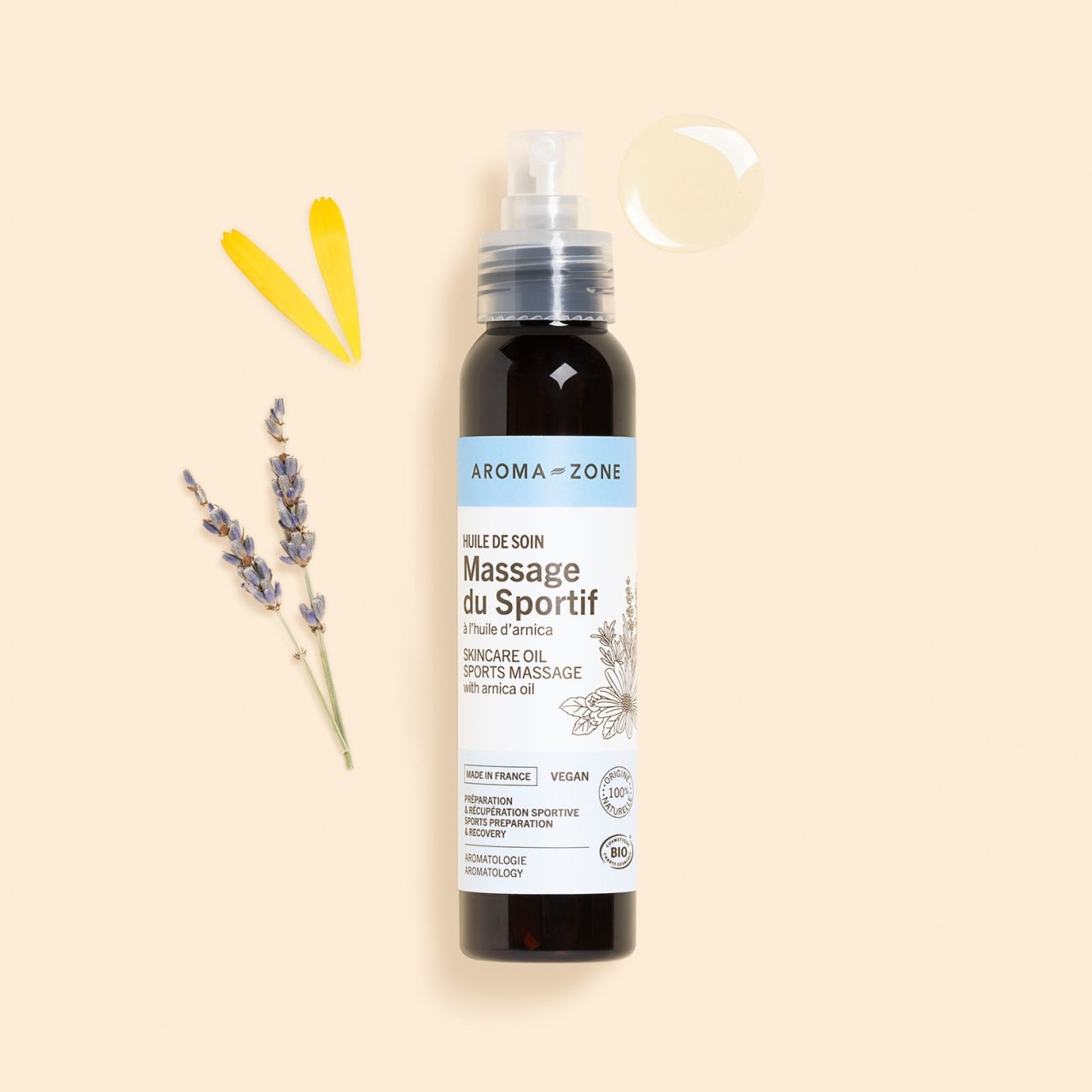
Sports Massage Oil
Formulated with essential oils of Wintergreen, Copaiba, organic Arnica, organic Lavandin super and organic Camphor Rosemary – renowned for their soothing and relaxing effects – this organic body massage oil leaves the skin supple and nourished. It’s perfect for post-workout massages to relieve tired muscles. Do not use on children, pregnant women or breastfeeding women.
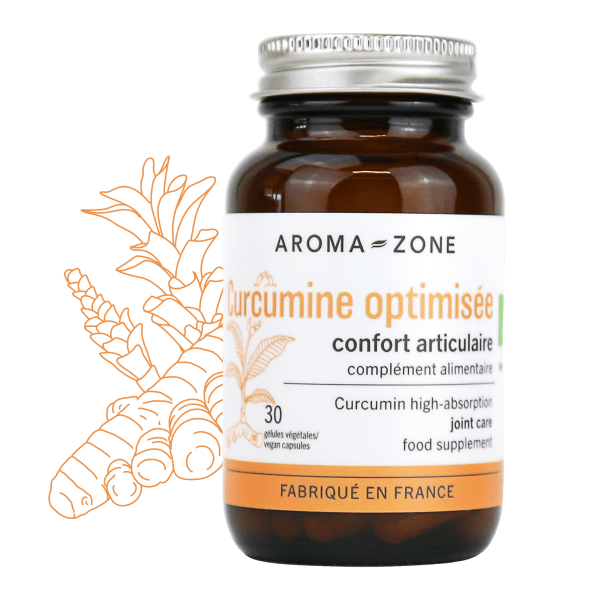
Optimised Organic Curcumin dietary supplement
Contains a patented extract of organic turmeric with a high curcumin content, microencapsulated for optimal absorption without piperine and without causing irritation. Helps maintain joint flexibility, supports muscle recovery in athletes and promotes joint comfort as you age. One capsule a day is sufficient. Not suitable for pregnant or breastfeeding women; not recommended for people with liver or gallbladder disorders. Consult your doctor or pharmacist if you are taking anticoagulants at the same time.
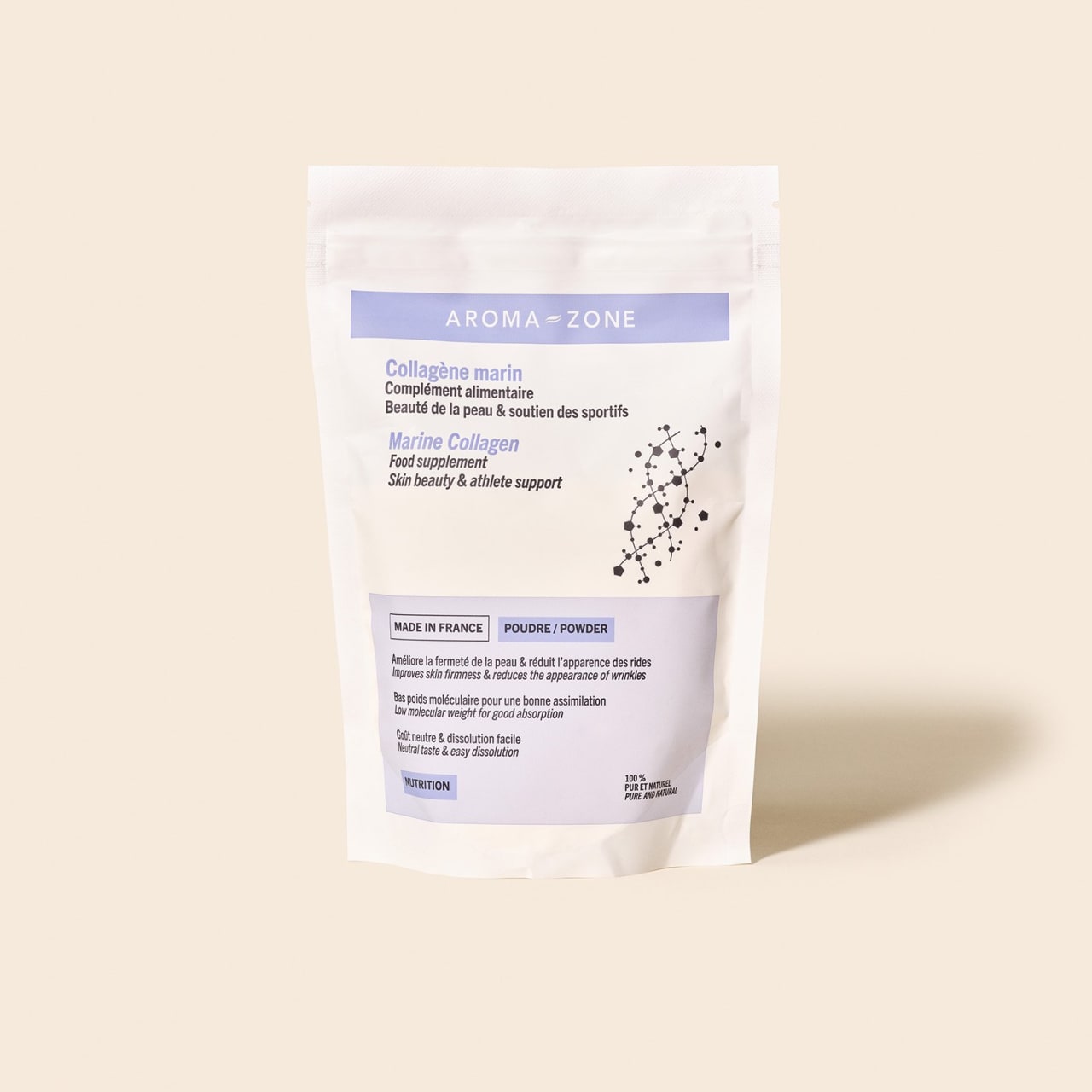
Marine collagen dietary supplement
Voted best dietary supplement in 2026 and 2024 by Top Santé, this premium-quality, highly bioavailable hydrolysed marine collagen helps maintain the skin’s firmness and beauty. Manufactured in France from fish sourced from sustainable aquaculture (Friend of the Sea certified), it is also a valuable ally for athletes, helping to maintain tissue health. Its neutral-tasting micro-granulated powder dissolves instantly for easy daily use. Not recommended for those with kidney failure or hypercalcaemia without medical advice; pregnant or breastfeeding women are advised to seek the advice of a healthcare professional before taking any supplements.
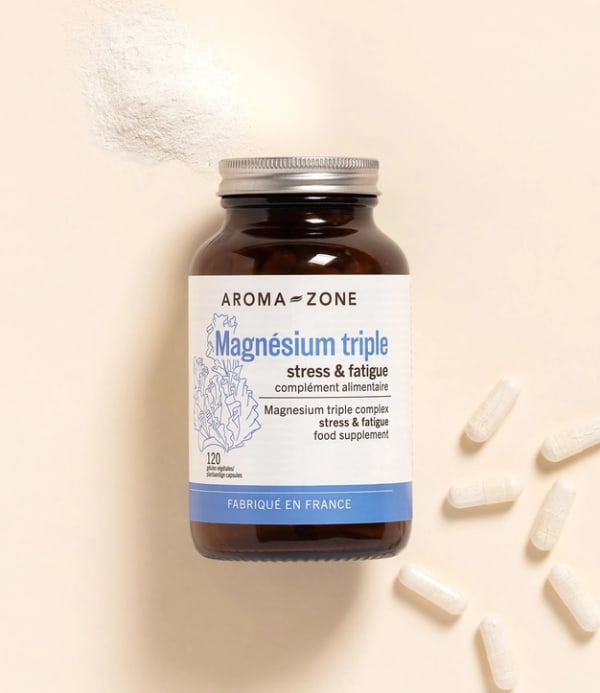
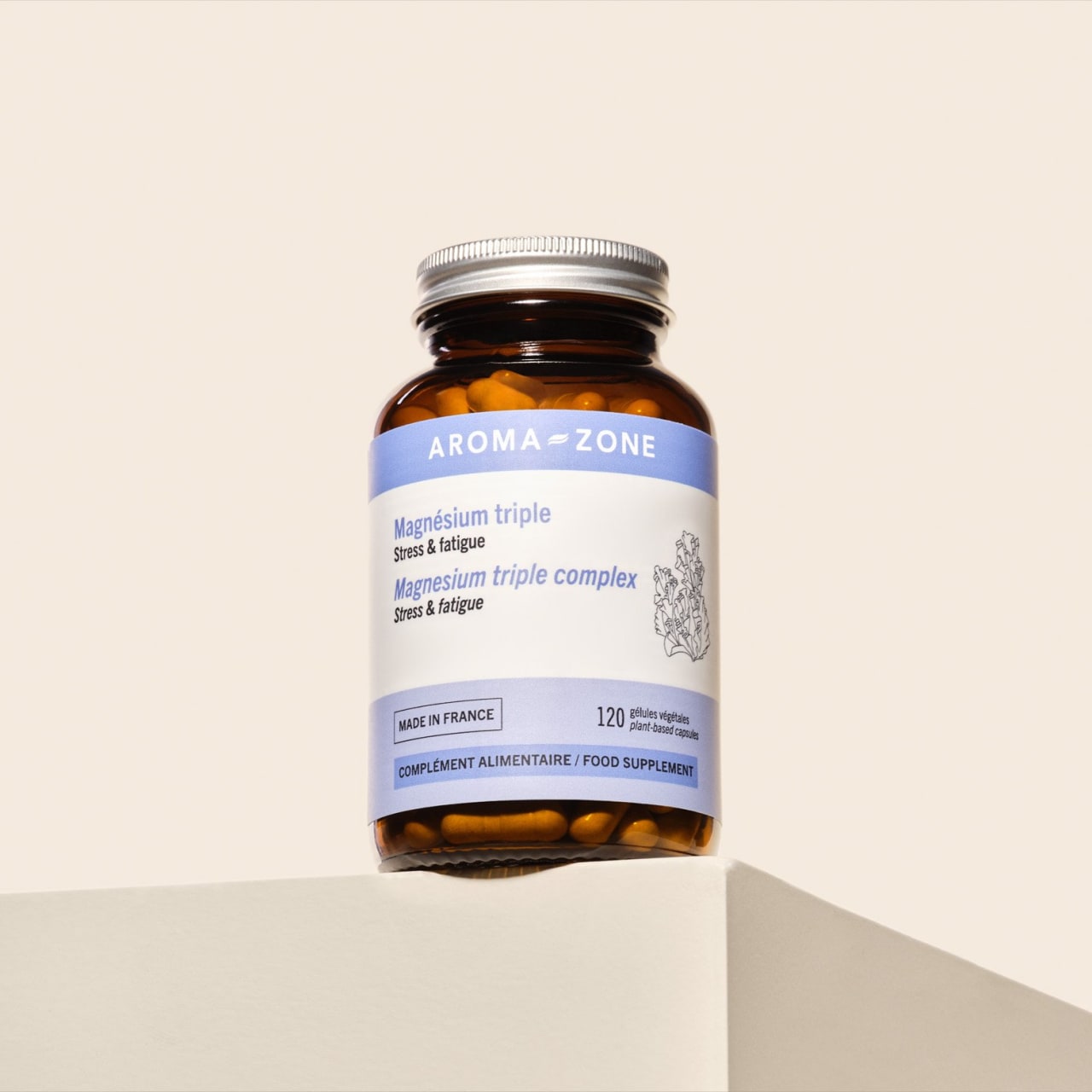
Triple-action magnesium dietary supplement
This dietary supplement combines three forms of magnesium for optimal effectiveness, offering both high bioavailability and a high magnesium content: magnesium bisglycinate, marine magnesium and organic sea lettuce extract. Recommended for fatigue and stress, as well as for muscle recovery, magnesium helps reduce fatigue and supports the proper functioning of the nervous system; it promotes normal muscle function and protein synthesis, and contributes to bone health. It is also an essential supplement for athletes, who have increased magnesium requirements. Taking 3 capsules a day meets your daily magnesium requirements. For adults only; pregnant or breastfeeding women should seek advice from a healthcare professional before taking any supplements. Magnesium may have a laxative effect in some people. Organic sea lettuce extract (seaweed) provides a small amount of iodine (< 10 µg per daily dose of 3 capsules, i.e. less than 6.7% of the reference nutritional value of 150 µg/day for iodine). If you have thyroid problems, consult your doctor.
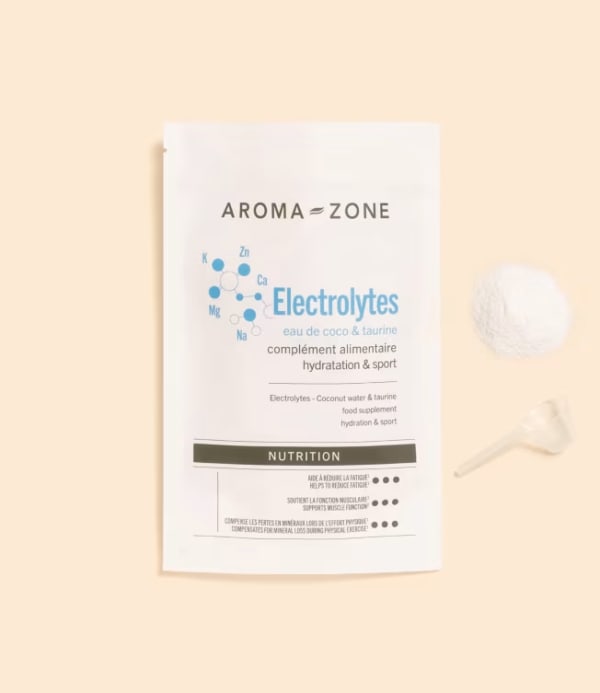
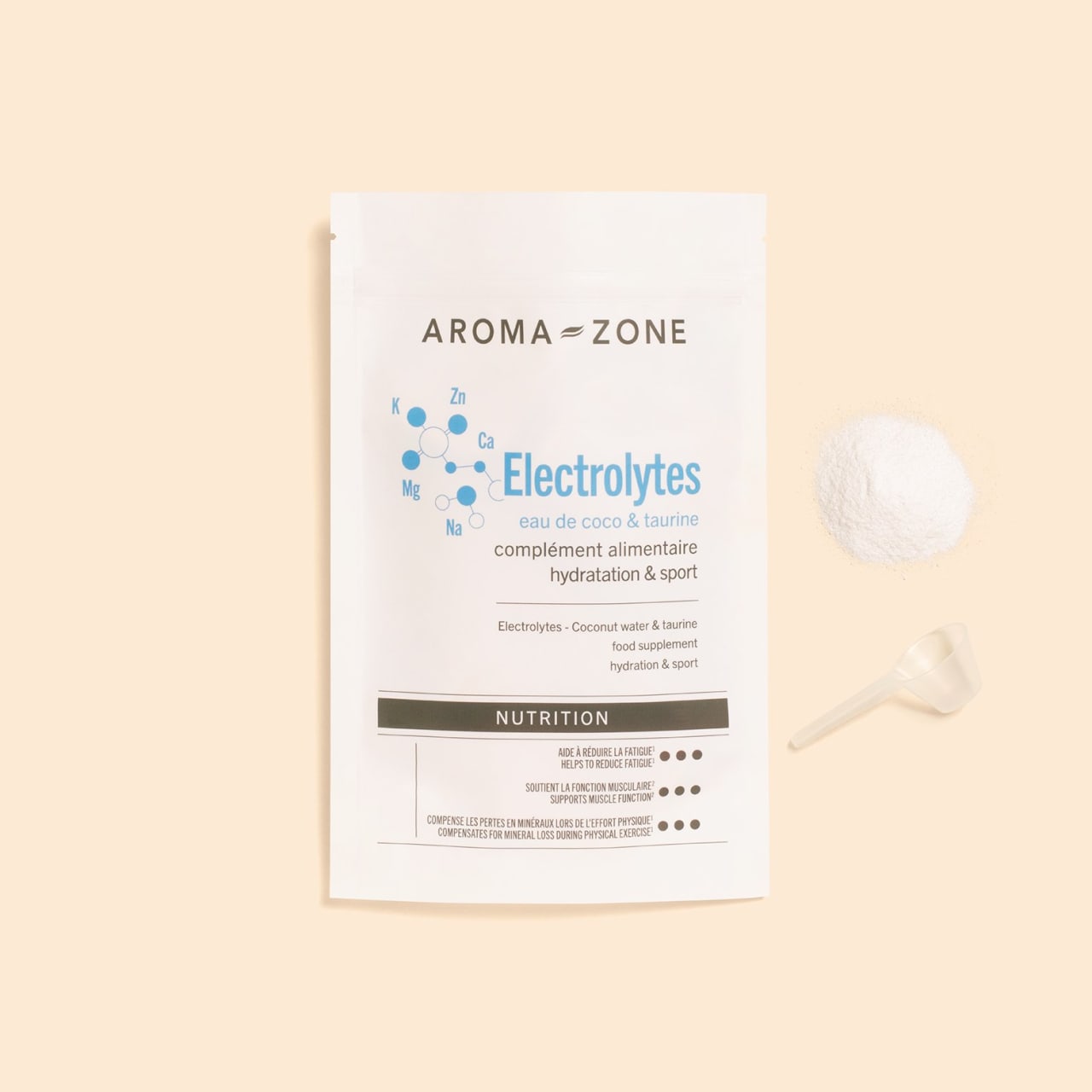
Electrolyte powder dietary supplement
Powdered electrolytes enriched with coconut water, taurine and four minerals (magnesium, potassium, calcium, zinc) for optimal hydration. Reduces fatigue, supports endurance and optimises muscle recovery. Easy to mix into your water bottle, before, during or after exercise, upon waking or when feeling tired. Not recommended for pregnant or breastfeeding women, the elderly or people with kidney disease.
Expert opinion
The view of the natural active ingredients engineer
“Why are certain combinations of active ingredients more beneficial than a single ingredient used on its own? Essential oils are powerful allies for muscle and joint relaxation. Wintergreen oils (both fragrant and creeping varieties) are commonly used for this purpose (1). Peppermint, for its soothing cooling effect, is highly valued for muscle tension. Finally, Italian helichrysum is traditionally used for bruises and bumps. There are many benefits to blending essential oils (rather than applying them individually, diluted in a carrier oil): it combines several aromatic compounds with complementary properties, enabling action on multiple mechanisms simultaneously. This covers a broader spectrum of action (for example, soothing, anti-inflammatory, refreshing, etc.). Synergy also makes it possible to reduce the proportion of each essential oil (as some must be used highly diluted, such as dermocaustic essential oils) whilst retaining the desired effect. Always remember to dilute your essential oils in a vegetable oil: for muscle or joint spasms, for example, Arnica oil macerate is highly recommended. Generally speaking, essential oils should be used with caution: they must not be used by pregnant or breastfeeding women, or by children under the age of 6, and must not be applied to mucous membranes."
Emilie Ondet, biochemistry and natural active ingredients engineer
Reference: Michel P, Olszewska MA. Phytochemistry and Biological Profile of Gaultheria procumbens L. and Wintergreen Essential Oil: From Traditional Application to Molecular Mechanisms and Therapeutic Targets. Int J Mol Sci. 2024 doi: 10.3390/ijms25010565.
The nutritionist’s view
“Which nutrients are essential for healthy muscle and joint function, and which are often overlooked in our daily diets? When we talk about muscle and joint comfort, we often think of well-known active ingredients in this health sector, such as collagen or plants like turmeric or boswellia. They are certainly very beneficial, and their benefits are increasingly well documented. However, certain nutrients – which are among the most commonly deficient in the French diet – also play a vital role in the health of bones, muscles and joints.
For example, according to ANSES, over 70 per cent of adults have an insufficient intake of vitamin D. Magnesium is also under-consumed, as, according to INCA data, over 70 per cent of adults do not meet the recommended intake levels. Omega-3s are also insufficiently consumed in the Western diet.
Vitamin D is essential for bone health and the maintenance of normal muscle function.
Magnesium plays a role in muscle contraction, energy metabolism and the maintenance of normal bones.
Omega-3s help regulate anti-inflammatory mechanisms, which play a role in joint comfort. They are also thought to aid muscle recovery after exercise.
Proteins and essential amino acids, which are vital for maintaining muscle mass, are also often neglected by older people. However, for seniors aged over 65, requirements are generally higher. Ideally, a source of protein should be included in every meal (eggs, fish, pulses, dairy products, tofu, etc.). Before considering taking specific supplements for musculoskeletal health, it is important to ensure that nutritional requirements for vitamin D, magnesium, omega-3s and protein are met."
Lila Bouber, PhD in Nutrition and Scientific Consultant
Precautions
Topical active ingredients based on menthol, camphor or concentrated essential oils must not be applied to open wounds, mucous membranes or irritated skin, and are not recommended for pregnant or breastfeeding women, or for children under the age of 6, without medical advice. Always start with a patch test.
Expert advice
Lasting muscle and joint relief does not rely on a single active ingredient but on a consistent routine, combining immediate local action (massage, balm) with long-term support (oral supplements). Regular application is just as important as the choice of active ingredients: a daily 5-minute massage using the right topical active ingredients is more effective in the long run than an intensive, one-off application. Listening to your body – distinguishing between temporary muscle tension and persistent joint pain that warrants medical advice – remains the most important factor.
Spotlight on Our Writer: Louise Hourcade

After graduating from ESCP Business School in 2020, Louise began her career as a writer in 2021. Today, she writes a newsletter where she shares cultural recommendations and more personal articles, such as dating apps, therapy, and career guidance. She also writes for the media, brands and agencies on subjects such as well-being, mental health, culture, and society.
Bibliography
Maffulli N, et al. Muscle and Tendon Pain Management.
Sports Medicine. 2023. DOI: 10.1007/s40279-023-01834-1.
Hunter DJ, Bierma-Zeinstra S. Osteoarthritis.
The Lancet. 2019;393(10182):1745–1759. DOI: 10.1016/S0140-6736(19)30417-9.
Higashi Y, et al. Topical antirheumatic agents.
Expert Opinion on Pharmacotherapy. 2021. DOI: 10.1080/14656566.2021.1934872.
Cheung K, Hume P, Maxwell L. Delayed onset muscle soreness.
Sports Medicine. 2003;33(2):145–164. DOI: 10.2165/00007256-200333020-00005.
Barbagallo M, Veronese N, Dominguez LJ. Magnesium in Ageing, Health and Diseases.
Nutrients. 2021;13(2):463. DOI: 10.3390/nu13020463.
Hewlings SJ, Kalman DS. Curcumin: A Review of Its Effects on Human Health.
Foods. 2017;6(10):92. DOI: 10.3390/foods6100092.
Daily JW, Yang M, Park S. Efficacy of Turmeric Extracts and Curcumin for Alleviating the Symptoms of Joint Arthritis: A Systematic Review and Meta-Analysis of Randomised Clinical Trials.
Journal of Medicinal Food. 2016;19(8):717–729. DOI: 10.1089/jmf.2016.3705.
Chrubasik S, Kunzel O, Black A, Conradt C, et al. A systematic review on the safety of Harpagophytum preparations for osteoarthritis and low back pain.
Phytotherapy Research. 2007;21(6):551–561. DOI: 10.1002/ptr.2133.