
How can you relieve joint pain during menopause?
Published on: Wednesday, June 18, 2025, Updated on: Saturday, October 31, 2026
Every day, many menopausal women complain of diffuse aches, stiffness upon waking, and sometimes even persistent discomfort that seems to “move” from one joint to another. The intensity varies depending on the time of the month, making the discomfort sometimes mild and other times truly debilitating. Behind these menopausal joint pains lie complex mechanisms: estrogen deficiency, micro-inflammation, accelerated bone remodeling, and micronutrient deficiencies. Still too often underestimated, this painful condition nevertheless takes a toll on quality of life and mobility. Understanding its causes, recognizing its warning signs, and knowing the gentle, science-backed approaches can help you regain control of your joint comfort.
Contents
Related products
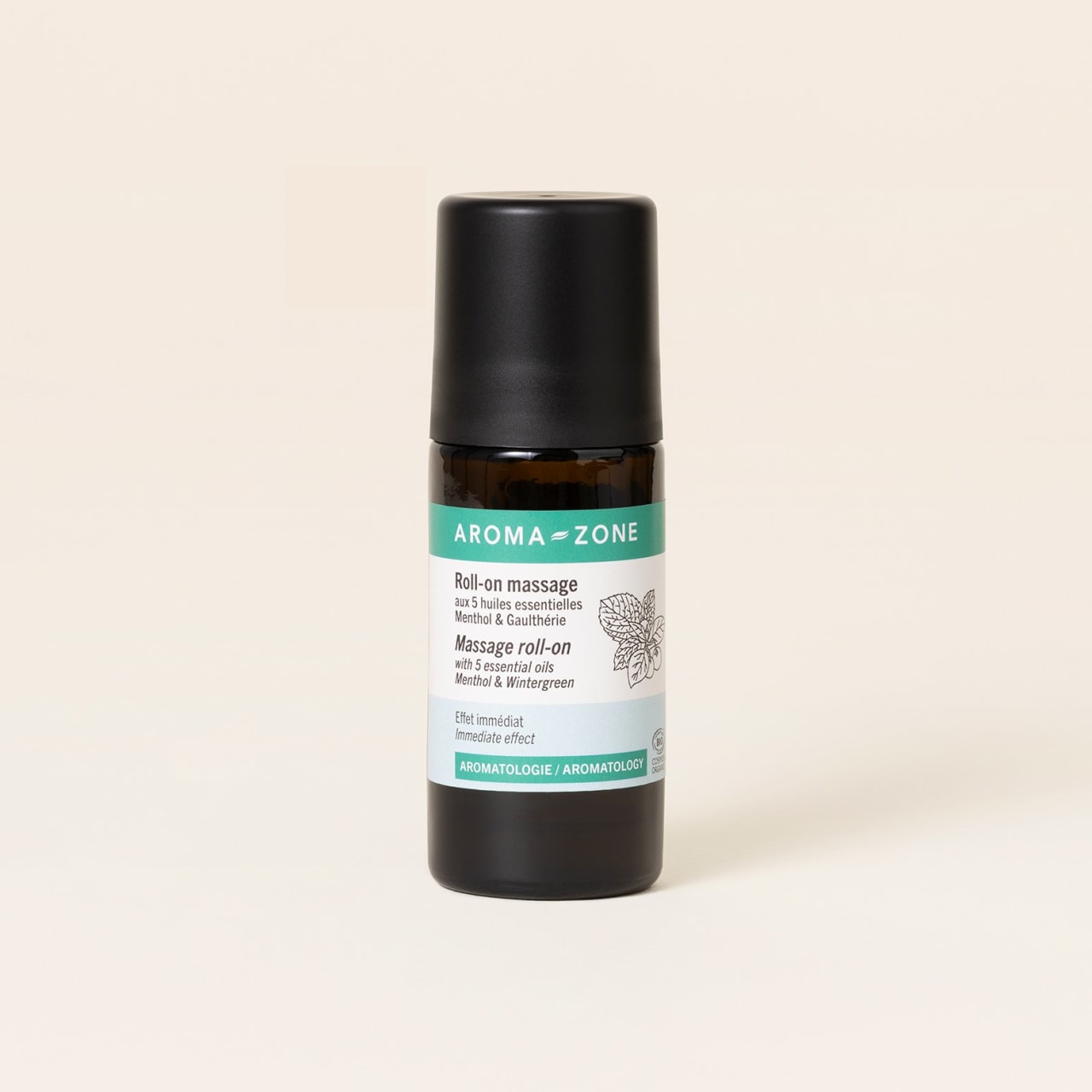
£7.00
50 ml
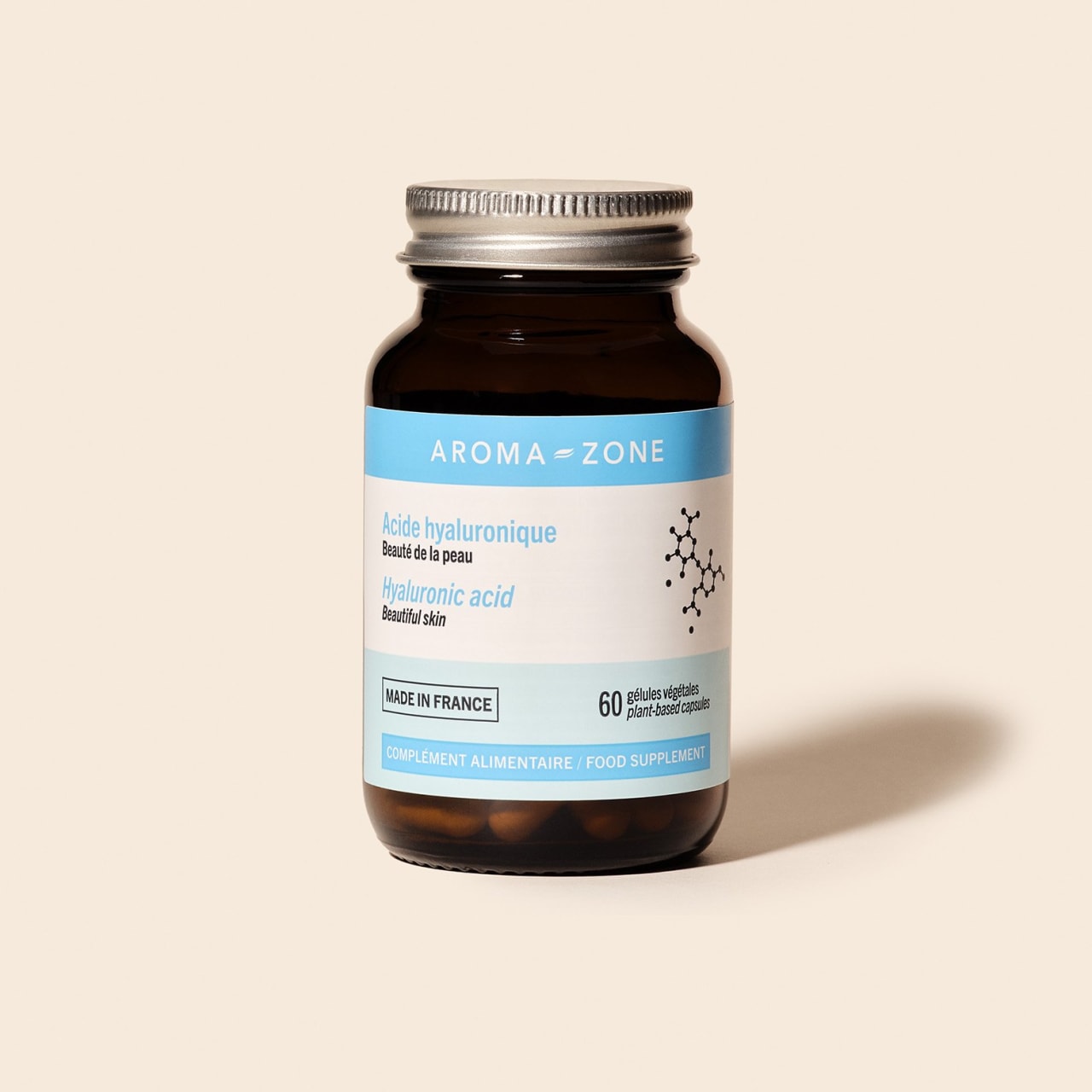
Anti-ageing
£14.00
1 article
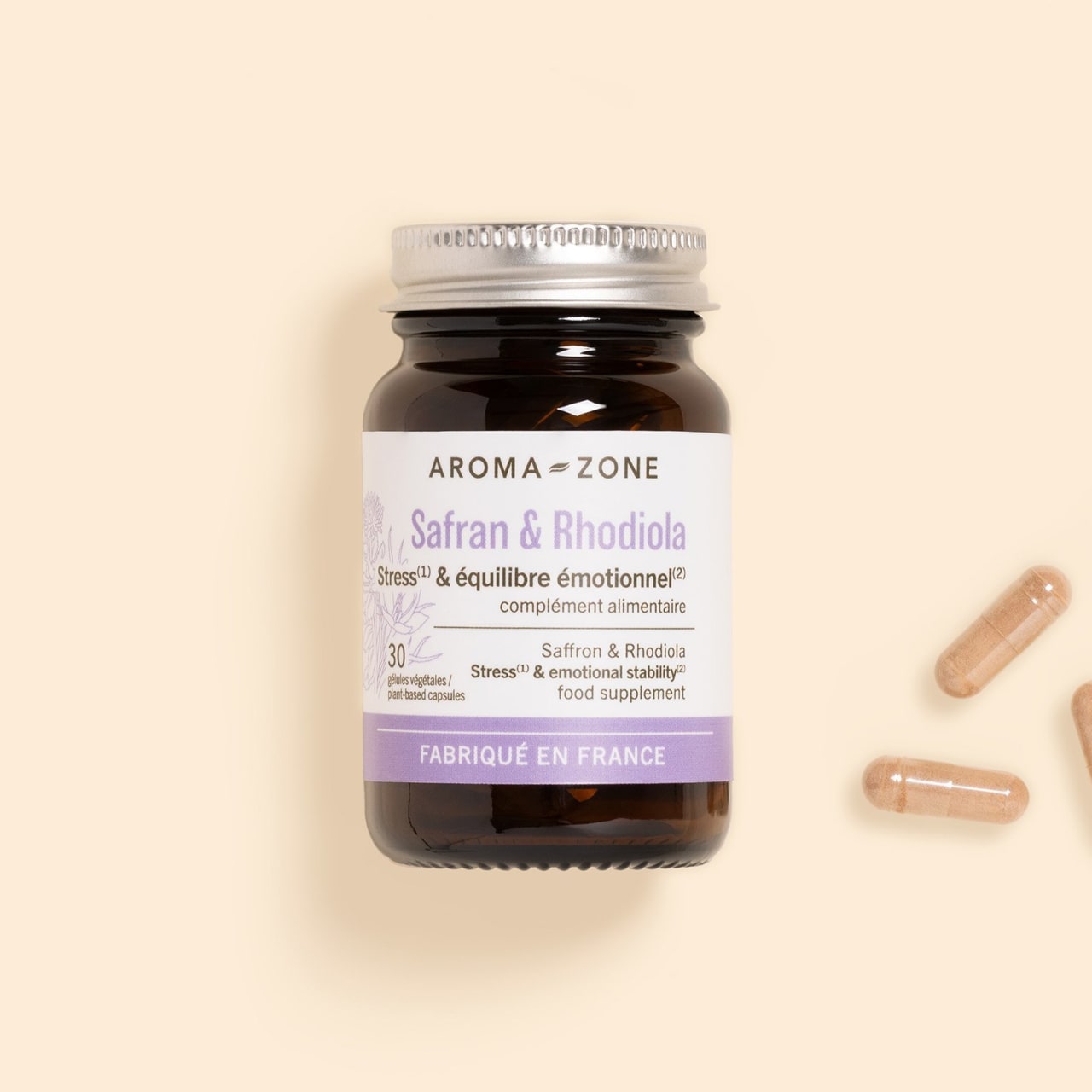
£19.00
article
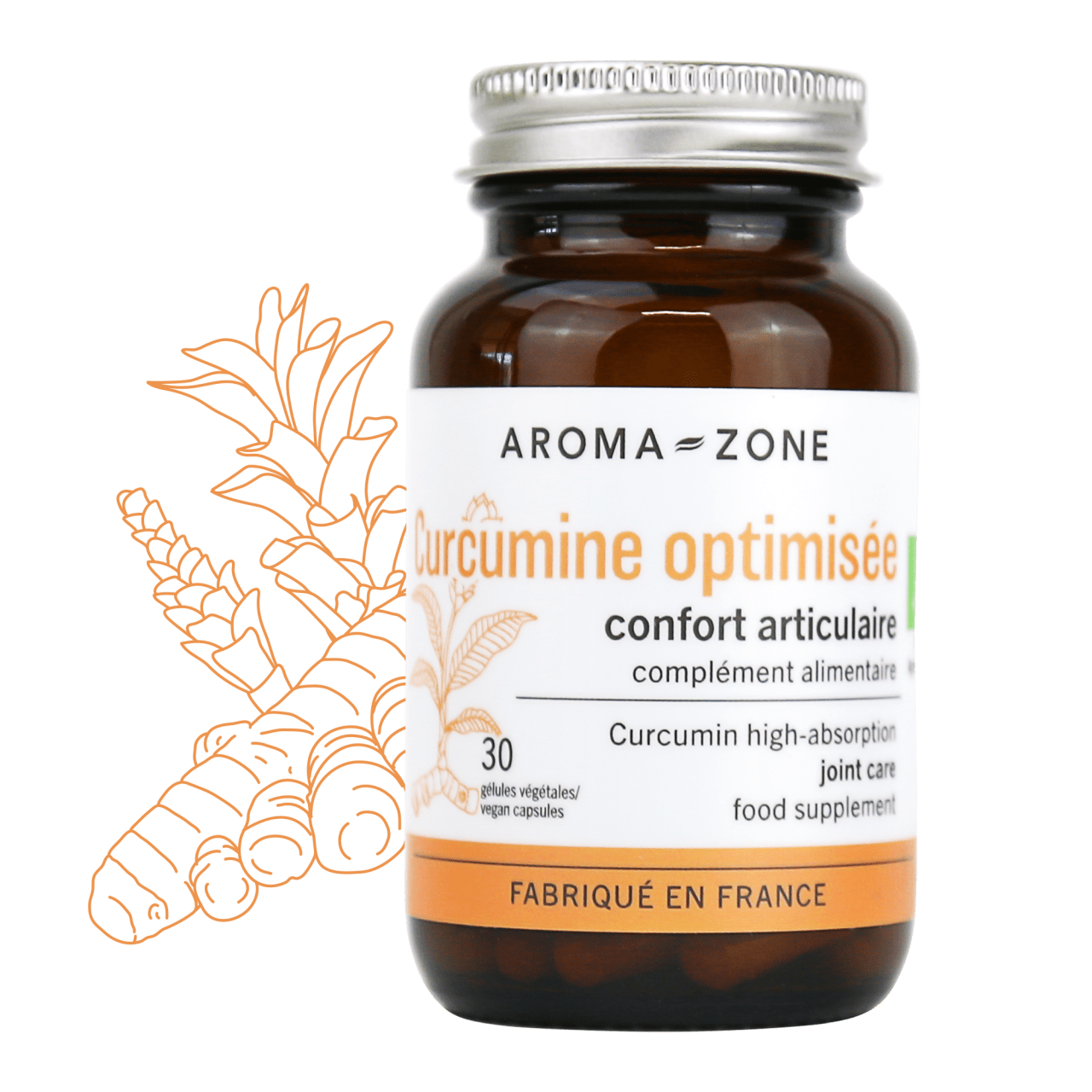
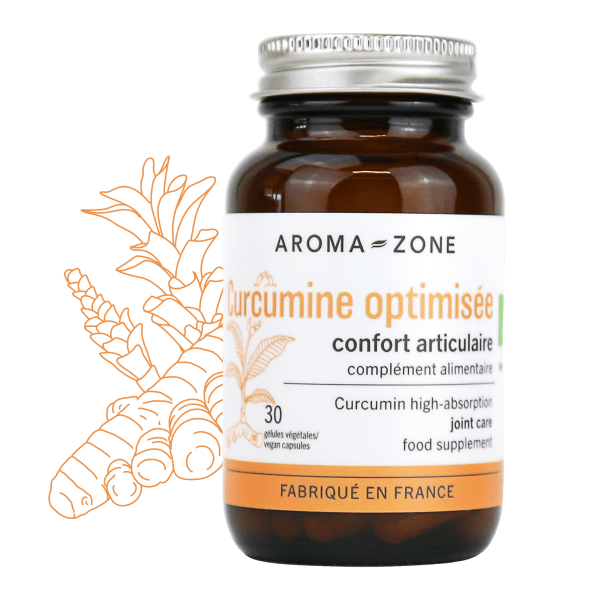
Joint comfort
£15.00
article
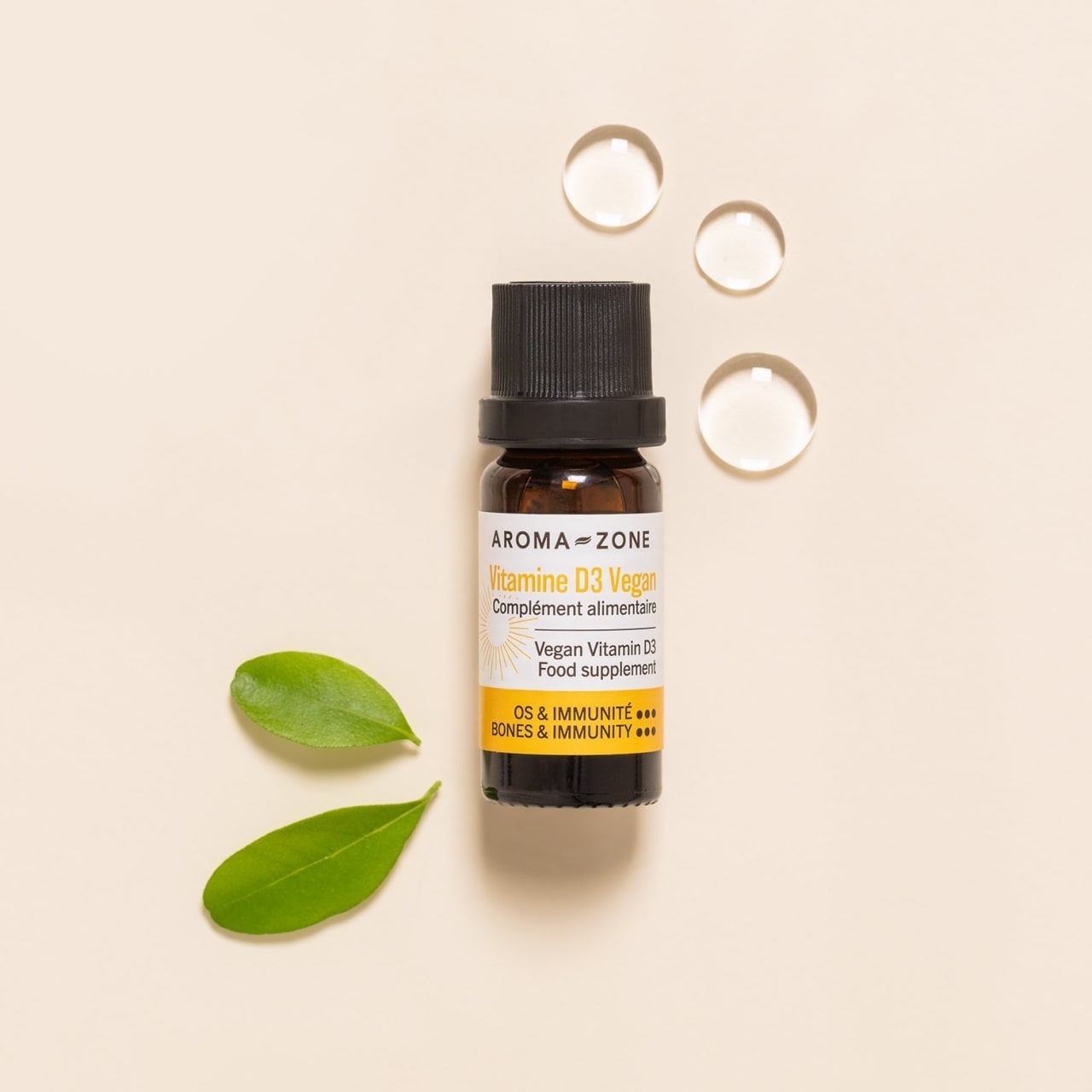
Natural defenses
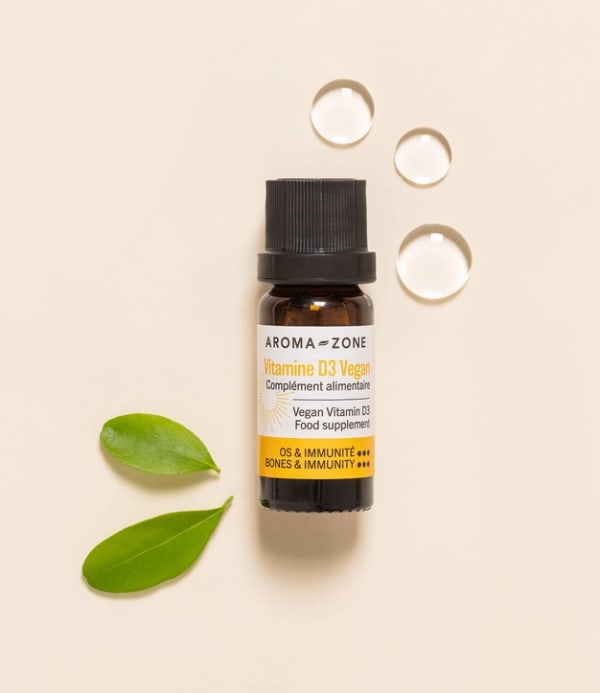
Bone health
£10.00
10 ml
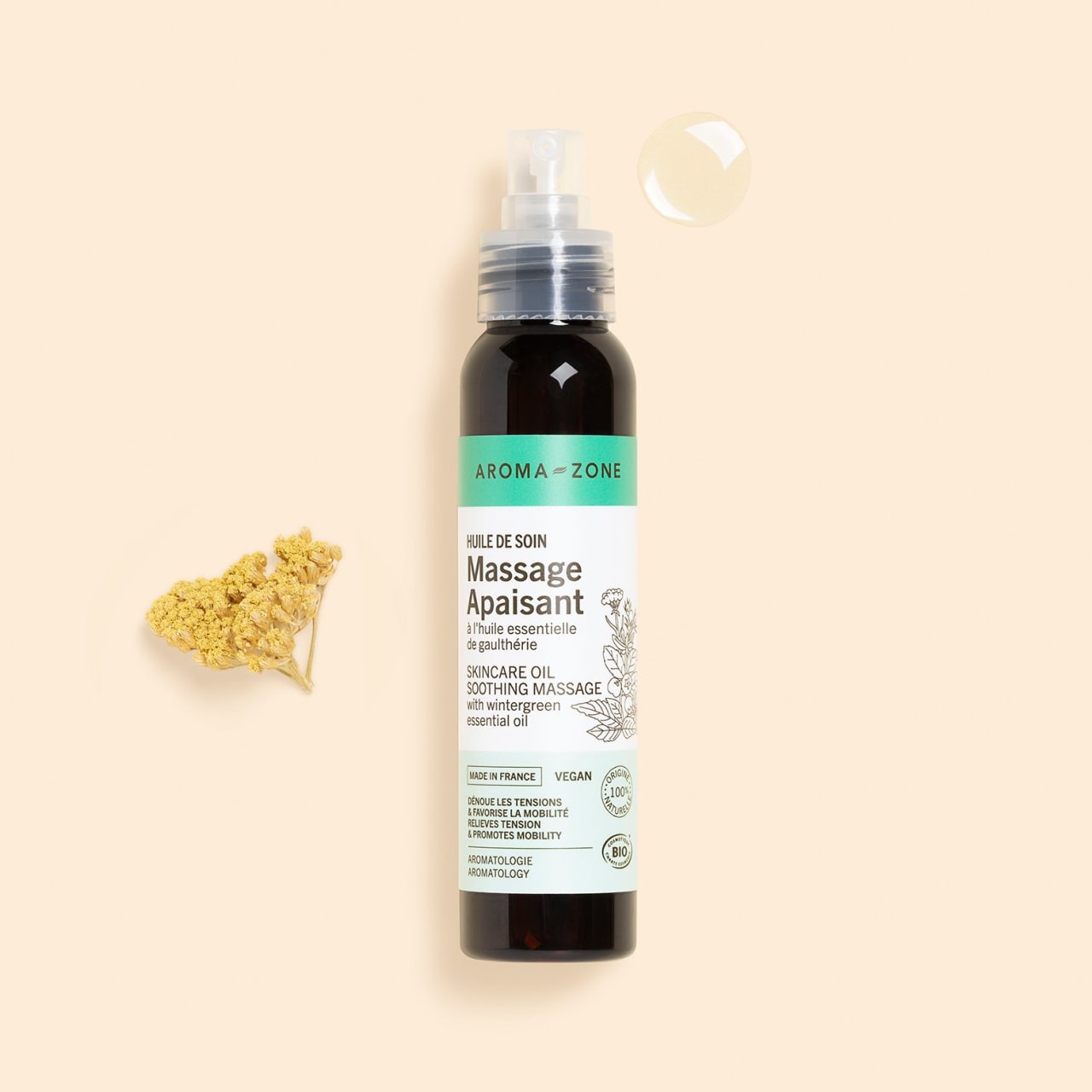
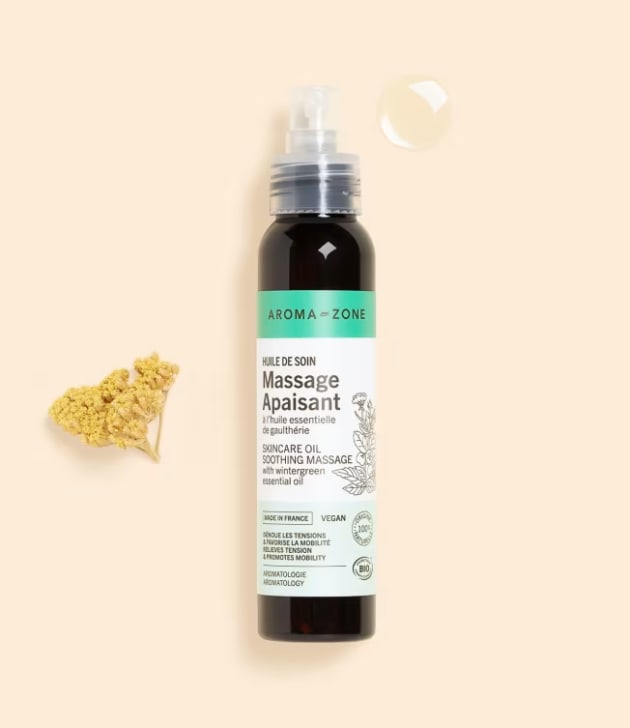
Soothing
£11.00
100 ml
What are the associated symptoms?
Here are the main symptoms associated with joint pain during menopause:
Morning stiffness lasting more than 30 minutes: a characteristic sign of latent inflammation.
Mild swelling of the fingers: primarily affects the proximal interphalangeal joint, interfering with fine motor skills.
Pain when going downstairs: the knees protest more when going down than when going up, an indication of femoropatellar cartilage wear.
Joint clicking or crepitus: an audible sign of thinned cartilage.
Rapid muscle fatigue: the periarticular muscles contract to protect the joint, then become exhausted.
Nighttime pain flare-ups: linked to the circadian decline in anti-inflammatory cortisol and prolonged static positioning.
Meet Our Expert Writer: Stéphanie Le Guillou

Stéphanie is a pharmacist (since 2010) and holds a PhD in molecular biology (since 2012). Passionate about writing, she has produced medical content for nearly 15 years. Her goal is to make information accessible and easy to understand, without ever sacrificing scientific accuracy.
Bibliography

Frequently Asked Questions
Associated tips
Muscle and joint comfort tips

Muscle and joint comfort tips

Health and nutrition


