

Bananas and Osteoarthritis: What Benefits Do They Offer For Your Joint Pain?

Bananas and Osteoarthritis: What Benefits Do They Offer For Your Joint Pain?


By Marie Anne Vion

Published on: Friday, June 13, 2025, Updated on: Saturday, October 31, 2026

Is it a good idea to eat bananas if you have osteoarthritis? The link between bananas and osteoarthritis is attracting the interest of more and more people looking for natural alternatives. Could this common fruit, often described as filling and remineralising, help to relieve joint discomfort? What role do they play in an anti-inflammatory diet? Here’s a detailed look to help you better understand the benefits of bananas for osteoarthritis.

Contents

Related products

What Is Osteoarthritis?

What Is the Definition?

Osteoarthritis is a chronic joint condition caused by the gradual wear and tear of cartilage, which restricts movement and causes pain and stiffness. It most commonly affects the knees, hips, hands, and spine. While it is not always inflammatory at the start, episodes of painful flare-ups can occur. In this respect, diet plays a supportive role in improving day-to-day joint comfort.

What Are the Origins?

Osteoarthritis results from a process of gradual cartilage wear and tear, but this deterioration can be influenced by several factors.

Age is a major factor: over time, cartilage becomes less flexible and regenerates less easily. Being overweight puts increased pressure on weight-bearing joints, particularly the knees and hips. A family history may also play a role, just like previous joint injuries (fractures, sprains, surgical procedures). Repetitive movements or certain work-related postures also contribute to localised wear and tear. Finally, an unbalanced diet, containing too many acid-forming foods, can contribute to an inflammatory environment that is detrimental to joint health.

What Are the Associated Symptoms?

Osteoarthritis develops slowly and may go unnoticed in its early stages. Over time, it gives rise to specific symptoms, which vary depending on the joints affected but share common characteristics:

  • Joint Pain on Exertion: This occurs during movement, particularly towards the end of the day, and eases with rest

  • Morning Stiffness: Often brief (less than 30 minutes) and it disappears after the first few movements

  • A Sensation of Cracking or Grinding: Caused by direct contact between the bones when the cartilage has become very thin

  • Loss of Mobility: Difficulty performing certain movements, sometimes accompanied by functional impairment

  • Localised Swelling: Particularly in cases of secondary inflammation (synovial effusion)

  • Progressive Joint Deformity: In advanced cases, the joint may become visibly altered

These symptoms may develop gradually, sometimes over several years. Early and gentle treatment often makes it easier to manage them on a day-to-day basis.

Why Does Diet Play a Key Role?

Diet does not directly alter cartilage, but it does influence several key factors linked to osteoarthritis, including low-grade inflammation, acid-base balance, the quality of connective tissues, and body weight. A diet rich in plant-based foods, healthy fatty acids, and antioxidants can therefore help to maintain joint flexibility.

Conversely, a diet that is too high in sugars, processed foods, or saturated fats can create an unfavourable environment. Within this holistic approach, certain fruits, such as bananas, naturally have their place in a diet designed to minimise the effects of osteoarthritis.

Discover our Top 10 anti-inflammatory foods.

What Are the Nutritional Benefits of Bananas for the Joints and Osteoarthritis?

Often appreciated for its mild flavour and convenience, the banana is also a particularly interesting fruit from a nutritional point of view. Within the context of osteoarthritis, bananas offer several benefits that can support day-to-day joint comfort by acting on various physiological mechanisms.

An Alkalising Fruit That Supports Joint Health

Bananas are classified as alkalising foods, meaning they help to reduce the body’s acidity. However, an overly acidic environment can weaken connective tissues and exacerbate joint pain. Incorporating alkaline foods into one’s diet therefore helps to balance the body’s pH, an important factor in maintaining joint function in the long term.

A Natural Source of Potassium

Bananas are naturally rich in potassium, a mineral essential for proper neuromuscular function. This micronutrient helps regulate fluid balance and acid-base balance, but it also plays an indirect role in modulating inflammation. Some studies have found that an adequate intake of potassium may be associated with reduced pain in people suffering from rheumatoid arthritis, an inflammatory condition similar to osteoarthritis.

Sources of Magnesium, Vitamin B6, and Tryptophan

Bananas also provide additional nutrients that are beneficial for osteoarthritis. They contain magnesium, which helps relax muscles and may help reduce tension around stressed joints. Their Vitamin B6 content, which is essential for the synthesis of neurotransmitters and the metabolism of collagen, supports nerve and tissue function.

Bananas also provide tryptophan, an amino acid that is a precursor to serotonin, which plays a role in regulating stress and pain perception. This nutritional trio helps to maintain a stable and balanced metabolism, promoting joint comfort.

A Satiating Effect That Aids Weight Management

Although slightly sweet, bananas are highly filling thanks to their high soluble fibre content. Therefore, they can help manage cravings and prevent snacking, making them a valuable ally in weight management. By reducing excess weight, the pressure on weight-bearing joints is reduced, thereby alleviating the intensity of the pain experienced.

Are Bananas Good or Bad for People With Osteoarthritis?

Bananas do not cure osteoarthritis, but they can support day-to-day joint comfort when included as part of a balanced diet:

Moderate Consumption Recommended: One to two bananas a day can form part of a healthy eating routine, particularly at breakfast or as a snack. They are easy to incorporate into homemade recipes, such as a smoothie or porridge

Adjust According to Individual Circumstances: If you have diabetes or are on a potassium-restricted diet, it is best to limit your intake. The degree of ripeness also affects the glycaemic index: the riper the banana, the sweeter it is

A Valuable Nutritional Source: It provides potassium, magnesium, fibre, and antioxidants, which contribute to a healthy mineral balance, regulate bowel function, and promote muscle relaxation

A Role in Weight Management: Thanks to its satiating effect, bananas can help limit snacking and reduce the proportion of processed foods in one’s diet

Best Consumed as Part of a Balanced Diet: It complements other health-promoting foods such as green vegetables, red berries, nuts, and vegetable oils rich in omega-3

Which Foods Should Be Limited or Avoided if You Have Osteoarthritis?

Certain foods can exacerbate inflammation, increase tissue acidity, or accelerate the ageing of joint cells. Limiting these helps to maintain a more favourable environment for joint comfort. Here is a list of foods to avoid if you have osteoarthritis:

  • Processed Meats and Fatty Meats: High in saturated fatty acids, which can exacerbate chronic inflammation

  • Ultra-Processed Foods: Often low in essential nutrients and packed with additives that disrupt the body’s overall balance

  • Fried Foods and Ready Meals: Sources of oxidised fats, which are harmful to connective tissues

  • Fast-Acting Sugars: Promote blood sugar spikes and a pro-inflammatory environment

  • Excessive Alcohol and Coffee: As they are acid-forming, they can disrupt mineral balance and exacerbate certain types of pain

  • Full-Fat Dairy Products: Sometimes poorly tolerated, they can exacerbate inflammatory reactions in certain sensitive individuals

  • Adopting a More Plant-Based Diet: Rich in antioxidants and unsaturated fatty acids, this helps to improve joint health

How Can Osteoarthritis Be Prevented Naturally?

Certain factors, such as age or genetics, cannot be changed, but adopting a healthy lifestyle can help reduce the risks and influence the progression of osteoarthritis.

  1. Prioritise an Anti-Inflammatory Diet: Fresh fruit and vegetables, wholegrains, legumes, vegetable oils, and spices such as turmeric or ginger

  2. Limit Acid-Forming Foods: Red meat, processed meats, ultra-processed, or sugary foods can contribute to an inflammatory environment

  3. Maintain a Stable Weight: Reducing the strain on weight-bearing joints provides long-term relief

  4. Exercise Regularly: Gentle activities such as walking, yoga, or swimming help maintain flexibility and muscle tone

  5. Stay Properly Hydrated: Water promotes tissue elasticity and healthy joint function

  6. Protect Your Joints: Adopt correct posture, avoid repetitive movements, and warm up properly before any physical activity

Our Natural Solutions for Relieving Joint Pain

Alongside a healthy lifestyle, certain natural remedies can support those prone to osteoarthritis by improving joint flexibility, muscle comfort, or reducing inflammation:

Boost Your Energy and Mineral Intake with Organic Banana Powder

Naturally rich in potassium, magnesium, and slow-release carbohydrates, banana powder supports the body’s mineral balance while providing a gentle source of energy. It can form part of a joint-friendly diet, particularly during periods of muscle fatigue or tension associated with osteoarthritis. Easy to mix into a smoothie, porridge, or a hot or cold drink, this mild, fruity powder can enhance a healthy and nourishing snack.

Discover Organic Banana Powder

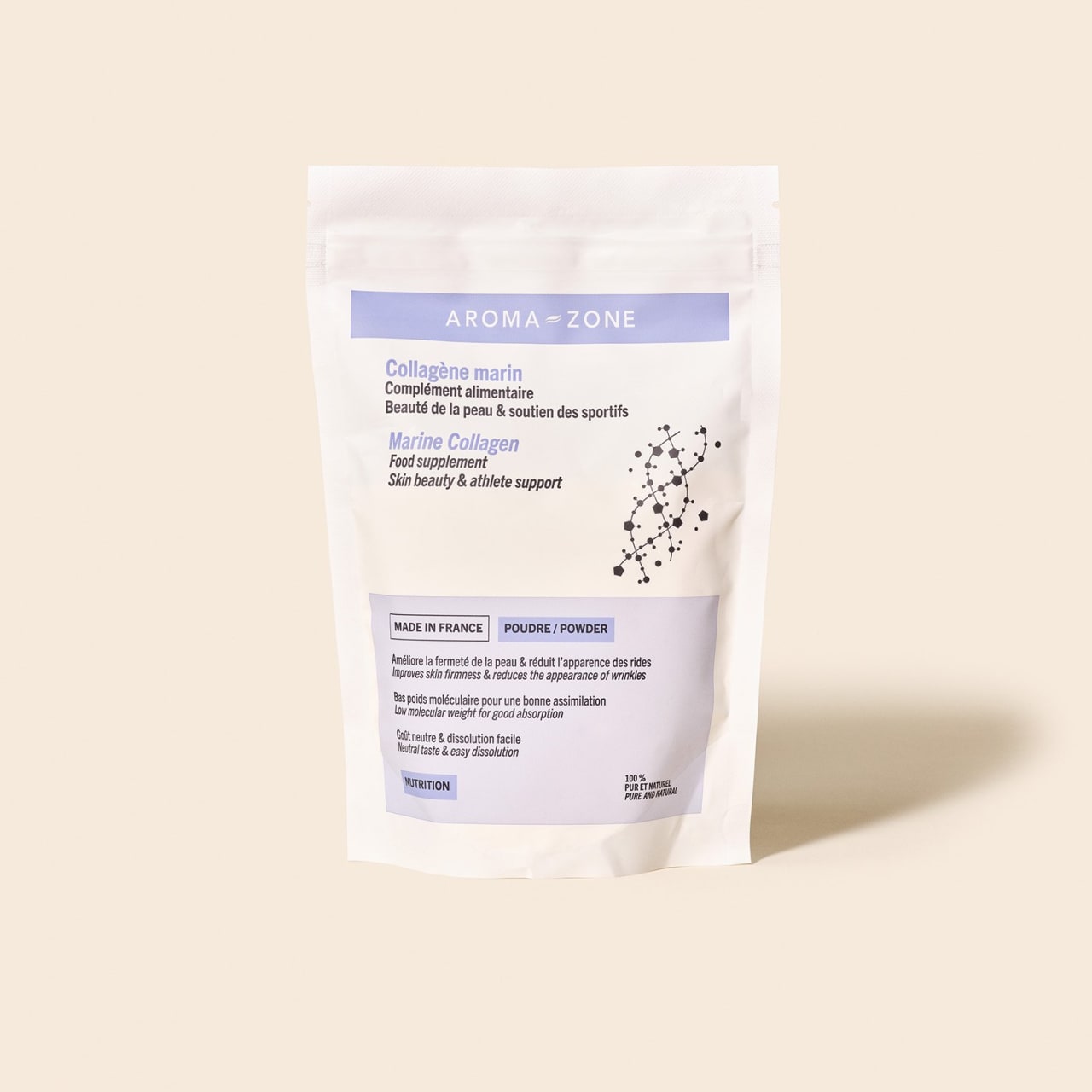
Supporting Your Joints With Marine Collagen

024-pack-aromazone-0233 1

Rich in bioactive peptides, marine collagen helps maintain the flexibility of cartilage and supports the strength of joint tissues. This natural supplement can easily be added to a hot or cold drink, a smoothie or a snack. It is ideal for relieving stiffness or as part of a long-term joint support programme.

Discover Marine Collagen

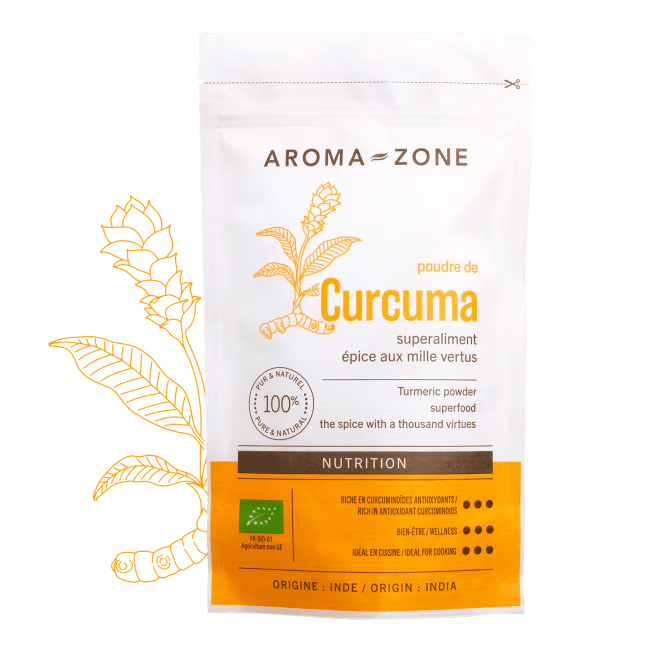
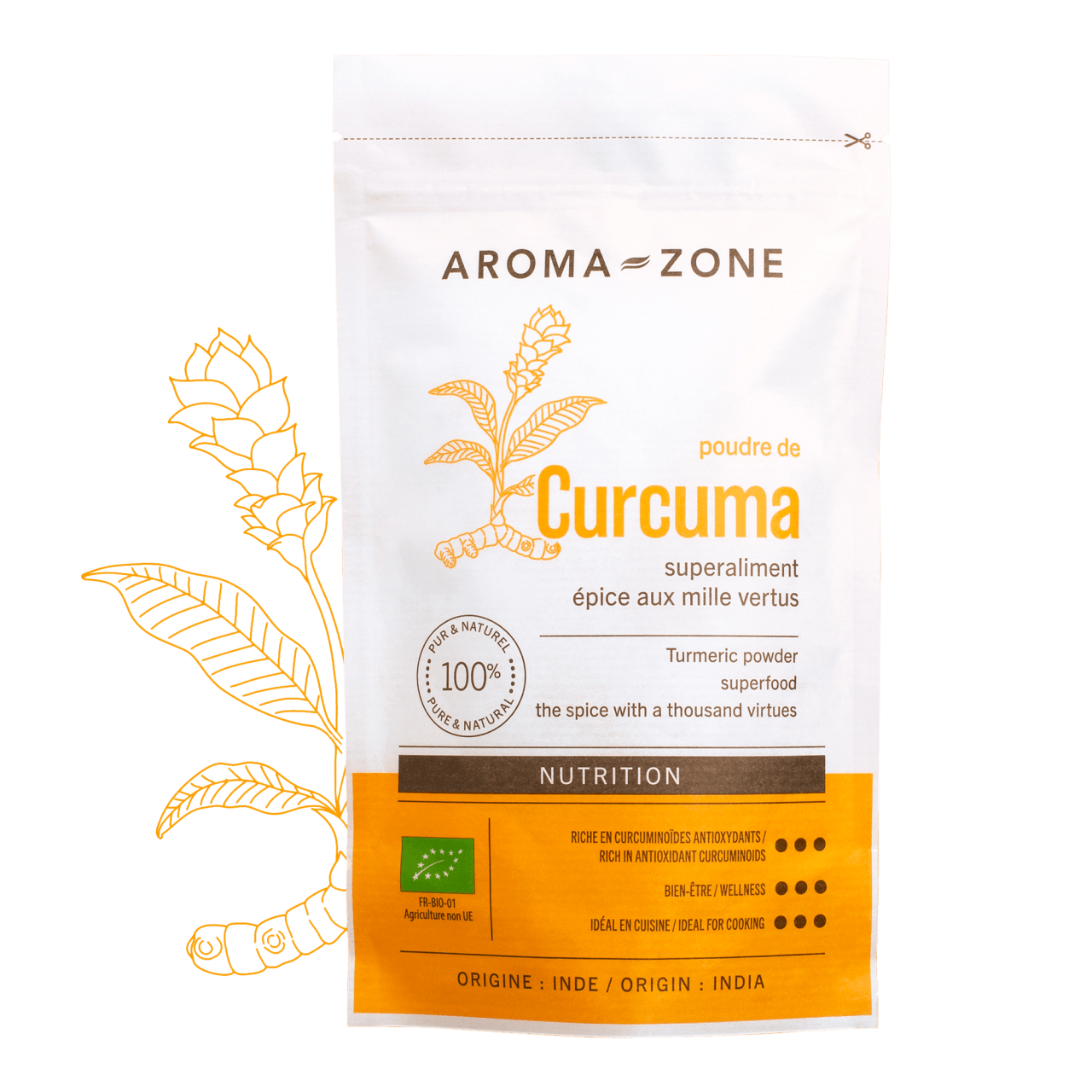
Supporting Joint Comfort With Organic Turmeric Powder

curcuma

Rich in curcumin, a compound with anti-inflammatory and antioxidant properties, turmeric powder can be taken internally to support sensitive joints. When added to a smoothie or a hot or cold drink, it helps to reduce joint stiffness and discomfort. To maximise its effectiveness, it is often recommended to add a pinch of black pepper, which enhances the absorption of curcumin. A daily dose of 1.5 to 3 g helps to optimise its long-term benefits.

Discover Organic Turmeric Powder

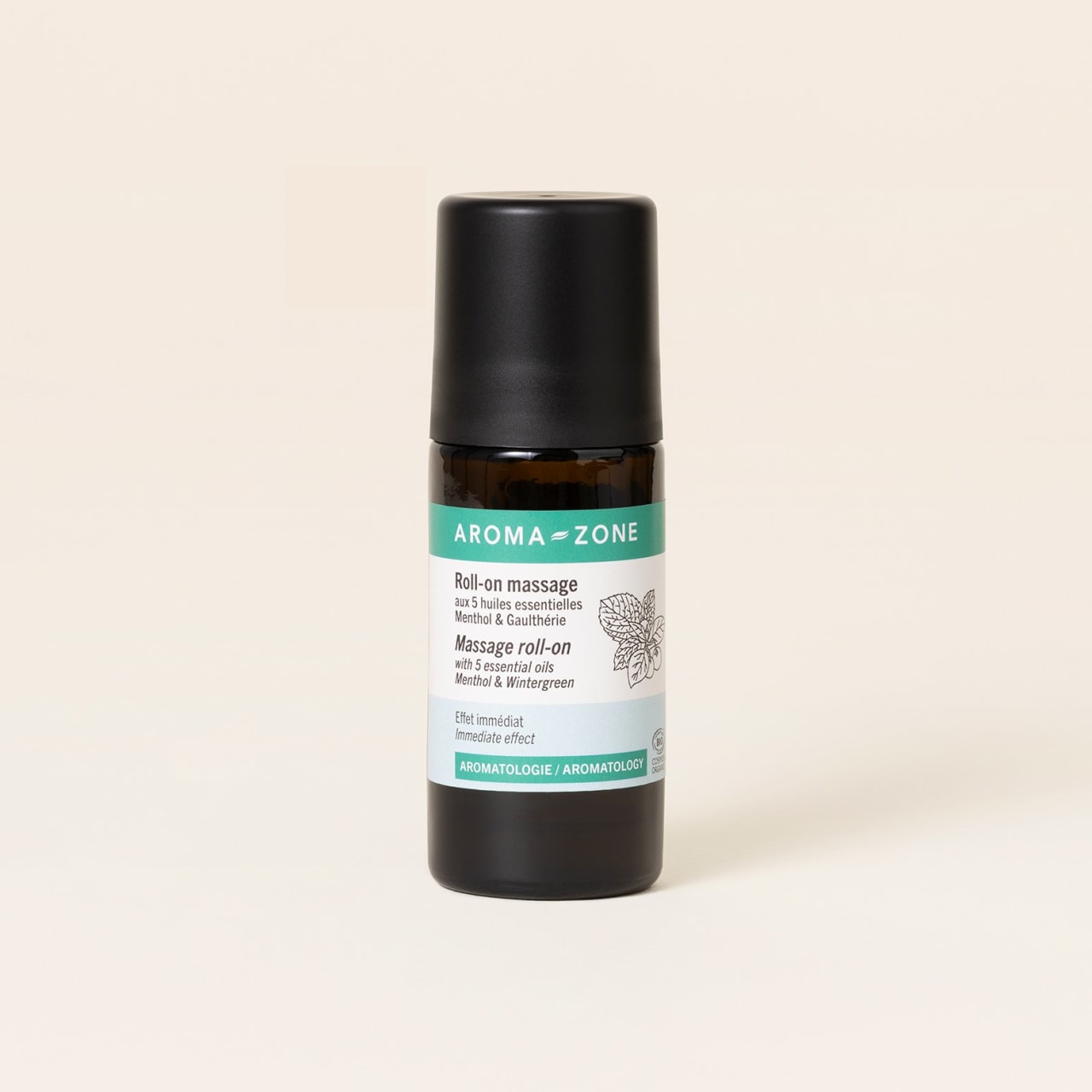
Our Muscle Comfort Routine

To complement these natural solutions, discover our range dedicated to joint comfort, formulated to help soothe inflammation and maintain joint well-being.

To find out more, discover our Muscle Relaxation Routine.

Precautions for Use

Bananas can form part of the diet for people affected by osteoarthritis, but certain groups should exercise caution. In cases of kidney failure, their potassium content may need to be restricted. People with diabetes should ensure they eat them in moderation, especially if the fruit is very ripe, due to its higher glycaemic index. Finally, to limit exposure to pesticides, it is best to choose organically grown bananas.

Expert Advice

Bananas are not a cure in themselves for osteoarthritis, but they can form part of a balanced diet aimed at promoting joint comfort. Thanks to their high mineral, fibre and beneficial compound content, they offer valuable complementary nutritional support. The key is to incorporate them into a varied diet, alongside other fruit, vegetables, sources of healthy fats and lifestyle habits that are good for the joints. It is these daily habits that, over time, help you to live better with osteoarthritis.

Spotlight on Our Nutrition and Food Expert, Marie-Anne Vion

Marie-Anne Vion.jpg

Faced with digestive disorders such as IBS and SIBO, Marie-Anne turned to nutrition and natural solutions. Passionate about wellbeing, she is now studying dietetics and nutrition. She shares her expertise through articles that offer accessible advice and insights. Drawn to the brand's natural approach, she helps promote a balanced diet and self-reliance in health matters.

Bibliography

  1. World Health Organisation (WHO): https://www.who.int/fr/news-room/fact-sheets/detail/osteoarthritis

  2. Angers University Hospital: https://www.chu-angers.fr/.../les-bons-regimes-pour-lutter-contre-les-rhumatismes-et-l-arthrose

  3. ANSES – CIQUAL table: https://ciqual.anses.fr/#/aliments/13005/banane-pulpe-crue

  4. Vidal: https://www.vidal.fr/maladies/appareil-locomoteur/arthrose-rhumatismes.html

  5. PubMed: https://pmc.ncbi.nlm.nih.gov/articles/PMC5682732/

Frequently Asked Questions

Frequently Asked Questions