What Is a Vitamin B9 Deficiency?

What Is a Vitamin B9 Deficiency?


By Raquel Barros

Published on: Thursday, January 16, 2025, Updated on: Wednesday, October 21, 2026

From chronic fatigue to congenital malformations, a vitamin B9 deficiency can have serious consequences. Well known among the vitamins recommended during pregnancy, this vitamin, also called folic acid, is essential for many bodily functions too. Discover its various roles, the foods rich in folate and how to meet your daily needs to avoid falling short.

Contents

Related products

In brief

  • Vitamin B9, also known as folate, plays a key role in red blood cell production, the healthy functioning of the nervous system, and the prevention of certain birth defects. This is why it is particularly important for women who are pregnant or planning a pregnancy.

  • This article explains the causes and symptoms of vitamin B9 deficiency and how to adapt your routine to help address low folate levels. It also outlines vitamin B9 intake recommendations according to age, lifestyle, and specific situations such as pregnancy, including recommended daily amounts expressed in micrograms. You'll also find practical advice on when to supplement and how to optimise folate absorption based on individual needs.

  • The article also highlights potential interactions with certain medications and important contraindications, particularly for people living with chronic health conditions. For example, special caution is advised when taking antiepileptic medications, as they may interact with vitamin B9 supplementation.

What is Vitamin B9?

Vitamin B9, also known by its scientific name folate or folic acid, is a water-soluble vitamin belonging to the B vitamin group. In its natural form, it is found in various foods such as leafy green vegetables, legumes, and certain fruits. Folic acid, its synthetic version, is often added to dietary supplements or certain fortified products. This vitamin plays a crucial role in DNA synthesis, cell division, and red blood cell formation, working closely with vitamin B12 (cobalamin). It is particularly important during pregnancy.

Recommended daily intakes of vitamin B9

The recommended daily intake of folate varies by age and specific needs:

  • Children (1–13 years): 150 to 300 µg per day

  • Adolescents and adults: 400 µg per day

  • Pregnant women: 600 µg per day

  • Breastfeeding women: 500 µg per day

These recommendations highlight the importance of a balanced diet to prevent vitamin B9 deficiency at every stage of life.
What causes a vitamin B9 deficiency?

A vitamin B9 deficiency can occur when dietary intake is insufficient (low-calorie diets, malnutrition, etc.), in cases of conditions that reduce the absorption of this vitamin, such as regular consumption of alcoholic beverages or intestinal disorders (inflammation, coeliac disease, Crohn's disease, etc.), or due to increased needs for this vitamin, as is the case during pregnancy. Certain medications also inhibit its absorption.

Why is it important to avoid a folate deficiency?

To maintain good brain health

Vitamin B9 contributes to brain health by participating in the formation of neurons and neurotransmitters, such as dopamine and serotonin (whose precursor is 5-HTP), which improve memory and concentration and help prevent depression and dementia.

For healthy foetal development

It plays a role in the development of the baby's nervous system, promoting proper growth and development, and preventing birth defects such as spina bifida, cleft palate and cleft lip.

To prevent anaemia

Normal levels of vitamin B9 in the body help prevent anaemia, as this nutrient plays a role in the formation of red blood cells, which are responsible for transporting oxygen throughout the body.

To maintain healthy skin

It is one of the vitamins responsible for cell growth and renewal, which helps maintain skin health, preventing inflammation and potentially delaying the appearance of signs of ageing such as wrinkles or acne, for example.

For protein metabolism

Vitamin B9, in combination with vitamins B12 and C, plays a role in the metabolism of amino acids, aiding in the absorption, utilization, and formation of new proteins in the body.

To support cardiovascular health

It supports cardiovascular health by lowering homocysteine levels in the body, an amino acid that, at high levels, is associated with the development of cardiovascular disorders.

What are the benefits of vitamin B9?

In short, this essential vitamin offers numerous health benefits:

  • It aids in the formation of blood cells and the production of red blood cells, preventing anaemia

  • It is essential for proper foetal development

  • It supports amino acid metabolism

  • It contributes to cell growth

  • It contributes to cardiovascular health

  • It promotes mental health by participating in neurotransmitter synthesis, improves mood, and prevents depression and age-related degenerative disorders

  • It supports DNA repair and gene integrity

  • It strengthens the immune system

What are the possible symptoms of a vitamin B9 deficiency?

The main symptoms of vitamin B9 deficiency are:

  • Loss of appetite which can lead to unintentional weight loss

  • Nausea and vomiting sometimes accompanied by digestive discomfort

  • Frequent and persistent headaches

  • Diarrhoea sometimes alternating with constipation

  • Canker sores (mouth ulcers) or mouth inflammation, making chewing or swallowing uncomfortable

  • Hair loss, often diffuse and unusual, as B9 deficiency is not the only cause of hair loss.

Finally, prolonged folate deficiency can lead to megaloblastic anaemia, causing symptoms such as excessive fatigue, muscle pain, and severe pallor.

What are the main dietary sources of folate?

Foods rich in vitamin B9 are mainly plant-based, but not exclusively. Here is a list: 

Foods

Average Vitamin B9 Content (µg/100 g)

Animal products

Chicken liver

560

Eggs

160

Vegetables

Spinach (cooked)

194

Lentils (cooked)

181

Chickpeas (cooked)

172

Asparagus (cooked)

149

Red beans (cooked)

130

Brussels sprouts (cooked)

110

Romaine lettuce

136

Broccoli (cooked)

108

Beet (cooked)

109

Squash (cooked)

27

Cauliflower (cooked)

55

Fruits

Guava

49

Mango

43

Papaya, Pomegranate

38

Kiwi

25

Strawberries24

24

Banana

20

Oilseeds and Seeds

Sunflower Seeds

238

Flax Seeds

87

Sesame Seeds

97

Chia Seeds

49

Avocado

81

Cashews

68

Almonds

50

Walnuts

98

Walnuts

68

Pistachios

51

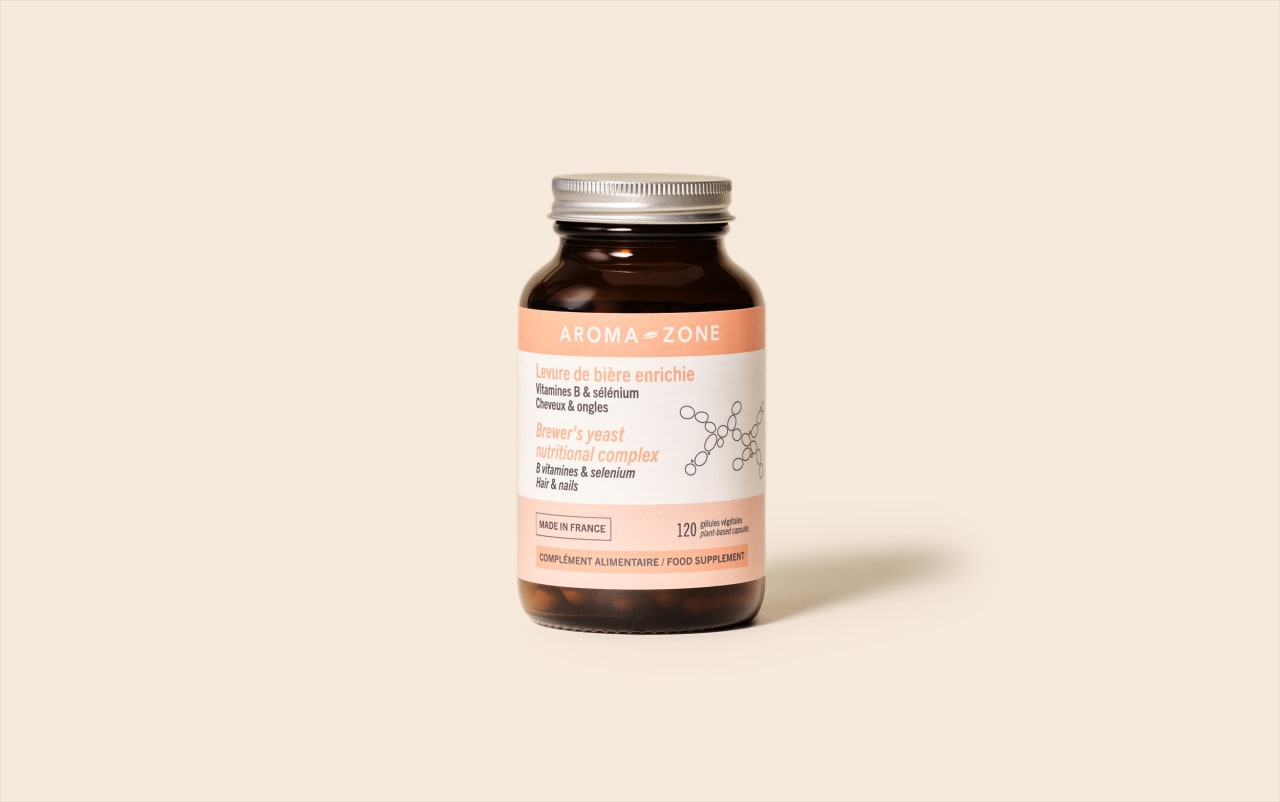
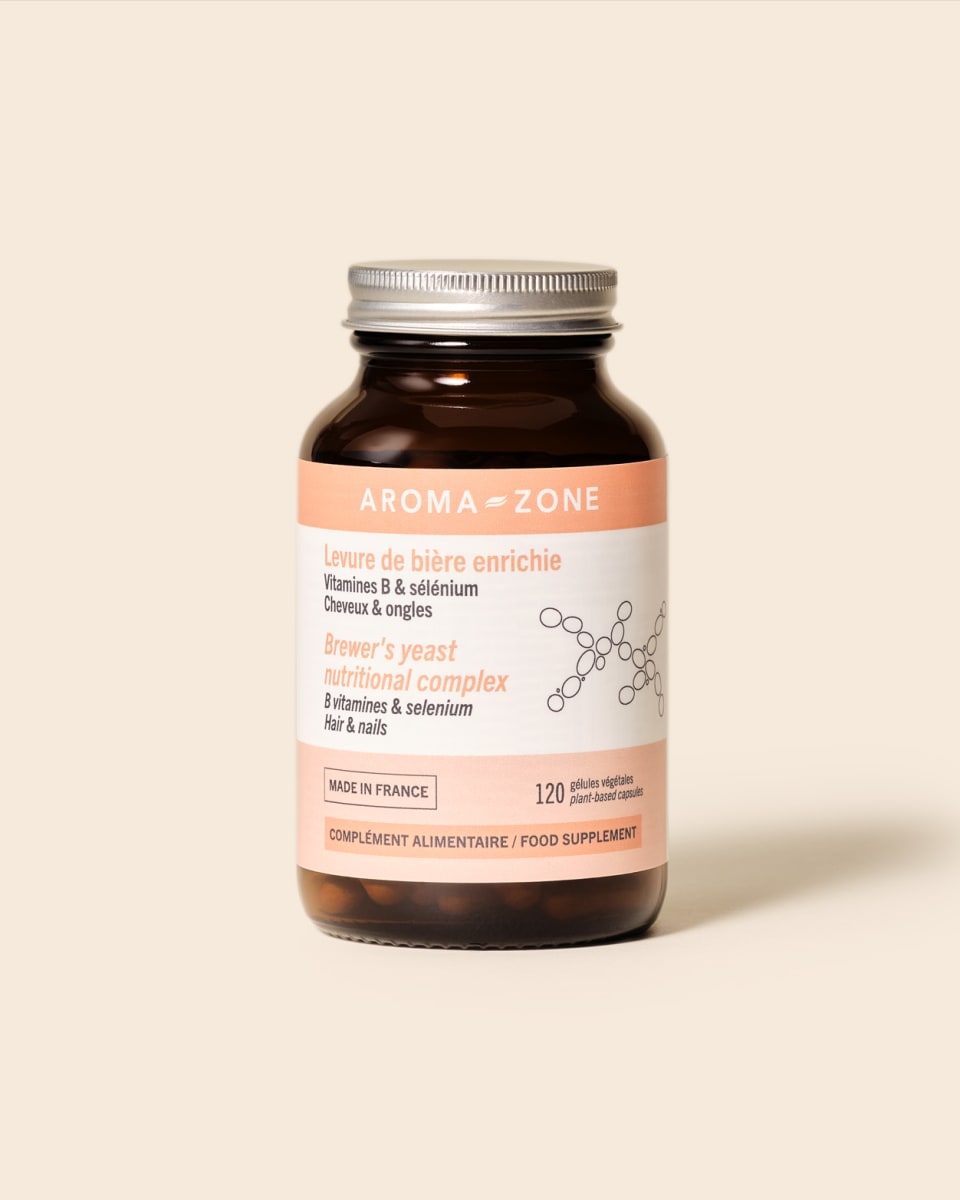
Spotlight on our Vitamin B-enriched brewer’s yeast

Enriched_Brewer's_Yeast_-_120_Capsules

Brewer’s Yeast Enriched with B Vitamins and Selenium: Enriched brewer’s yeast is an excellent source of B vitamins, particularly vitamin B9 (101 µg per 2 capsules), as well as B12 and plant-based protein. It is known for its benefits for the skin, nails, and hair, while also supporting the nervous system and digestion. When taken daily, it helps address potential nutritional deficiencies, especially for those following a vegetarian or vegan diet. For adults only. Not recommended for pregnant or breastfeeding women. This dietary supplement contains biotin (vitamin B8). Biotin may interfere with thyroid hormone tests; please consult your doctor.

Discover our Enriched Brewer’s Yeast dietary supplement

What dietary habits should you adopt to boost your vitamin B9 intake and prevent a deficiency?

Here is an example of a daily menu rich in vitamin B9 and some practical tips for absorbing it effectively: 

  1. Breakfast: Green smoothie: blend fresh spinach, 1 banana, 1 tablespoon of rolled oats, the juice of a freshly squeezed orange (rich in vitamin C for better absorption of vitamin B9), and chia seeds.

  2. Lunch: Mixed salad: romaine lettuce and avocado, with an olive oil and lemon vinaigrette. Main course: quinoa and grilled chicken with fresh coriander.

  3. Snack: A few dried apricots to munch on and a handful of a mix of almonds and sunflower seeds.

  4. Dinner: Homemade soup made with broccoli, spinach, leeks, and sweet potato, served with 1 hard-boiled egg and 1 slice of whole-grain bread.

Good to know: Opt for gentle cooking methods (steaming, sautéing) to preserve heat-sensitive folate.

The best Aroma-Zone recipes to prevent a B9 deficiency

Precautions

During pregnancy or breastfeeding, vitamin B9 supplementation must be supervised by a doctor. Be cautious of excessive vitamin B9 intake, which can mask anaemia caused by a vitamin B12 deficiency or lead to toxic accumulation in the body.

Expert Advice

Review your diet with a healthcare professional. A blood test can provide precise guidance on your actual vitamin and mineral needs. It is also important to ensure an adequate intake of vitamin B12, which is naturally found in meat, fish and shellfish, eggs and dairy products, especially if you are vegetarian, have an eating disorder, are pregnant or are an older adult.

Spotlight on our nutrition and dietetics specialist, Raquel Barros

RAQUEL.jpg

Passionate about nutrition and well-being, Raquel has made dietetics her profession, mainly out of a love for food and sharing her expertise. After graduating with a BTS and specialising in sports nutrition, it was working for a number of pharmaceutical laboratories that introduced her to the world of natural solutions (food supplements, oligotherapy, etc.). For a number of years now, she has been contributing nutritional guidance and writing articles to answer the questions of those looking for flavoursome solutions and further knowledge. Women's health, anti-inflammatory food, sport and a balanced diet are just some of her favourite subjects.

Bibliography

  1. Bailey, L. B., & Gregory, J. F., Folate metabolism and requirements,

    The Journal of Nutrition, 1999

  2. Clifford, A. J., & Noceti, E. M., Folate and cancer: an evolving hypothesis.

    The American Journal of Clinical Nutrition, 1999

  3. Smith, A. D., Kim, Y.-I., & Refsum, H., Is folic acid good for everyone?

    American Journal of Clinical Nutrition, 2008

  4. Tamura, T., & Picciano, M. F, Folate and human reproduction

    American Journal of Clinical Nutrition, 2006

  5. ANSES (French Agency for Food, Environmental and Occupational Health & Safety)

    Dietary Reference Intakes for Folate

  6. WHO (World Health Organization) - Guidelines on folic acid

Frequently Asked Questions

Frequently Asked Questions