Everything You Need to Know About Sunflower Seeds

Everything You Need to Know About Sunflower Seeds


By Christine Barris

Published on: Thursday, June 13, 2024, Updated on: Monday, November 16, 2026

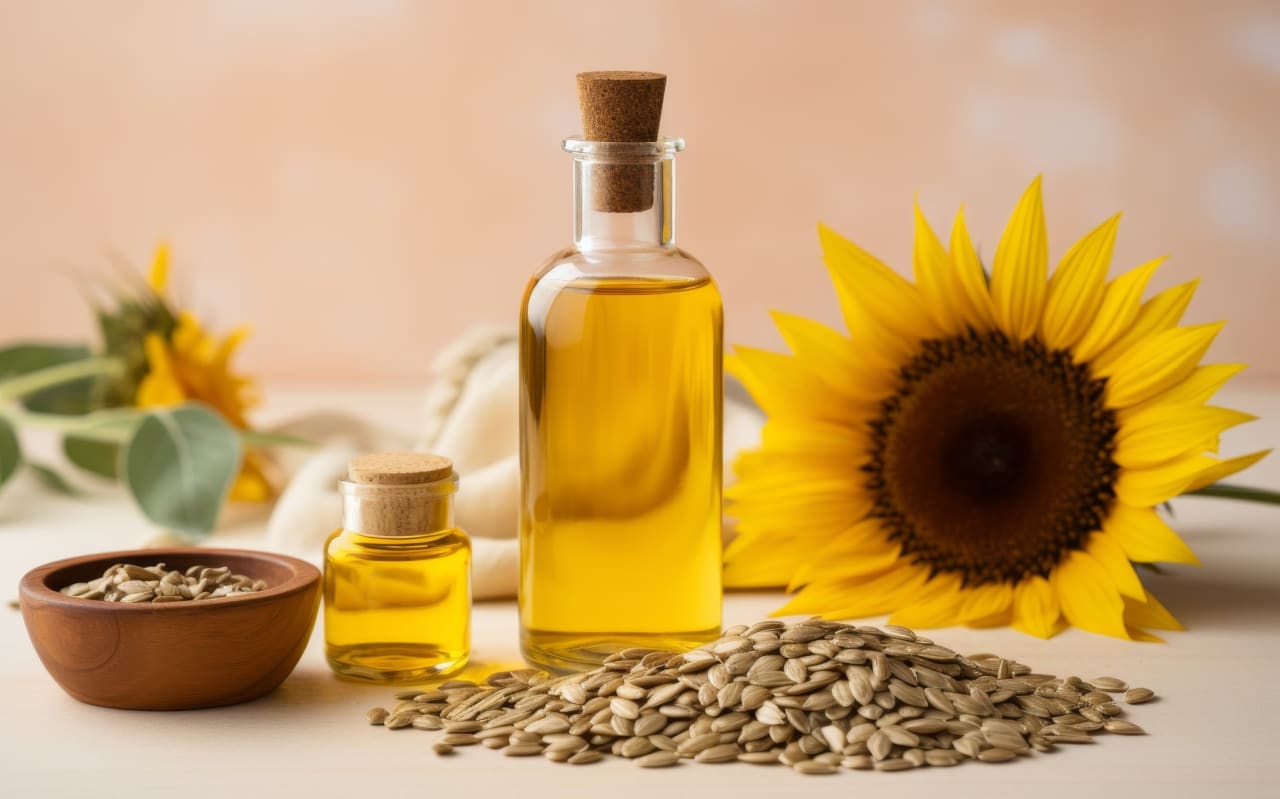
Sunflower seeds may be small in size, but they’re packed with nutritional goodness. We’re all familiar with sunflower oil, which is very popular in cooking, but the seeds from which it’s made have many other treasures to offer us. The nutritional value of these little seeds is very impressive. They are packed with nutrients such as fatty acids and antioxidants, making them valuable allies for a healthy diet and beautiful skin.

In this article, we’ll explore sunflower seeds, their benefits, and the various ways to use them to make the most of them.

Contents

Related products

Sunflower Seeds: What You Need to Know

The sunflower, whose botanical name is Helianthus annuus, is an annual plant characterised by its large flowers with bright yellow petals, reminiscent of the sun. Sunflower seeds are found within the flower head, known as a capitulum, which itself is made up of small flowers called florets. The sunflower belongs to the Asteraceae family, just like daisies and dahlias.

The sunflower is native to North America and was introduced to Europe by the Spanish in the 16th century. It has since been highly prized for its ornamental qualities and for its seeds, which have a wide range of uses: human and animal feed, cosmetics, and even biofuels.

Russia and Ukraine are the main sunflower-producing countries, which together account for around 50% of global production. Recent events in these regions have prompted other countries to increase their production in order to meet demand, such as in Argentina, Turkey, and across European countries.

What Are the Properties of Sunflower Seeds?

Fats

Sunflower seeds contain around 50% lipids, mainly unsaturated fatty acids, which are ‘good’ fats. They are called this in contrast to saturated fats, the intake of which is recommended to be limited. Sunflower seeds contain a large amount of polyunsaturated fatty acids, particularly Omega-6. These are essential for many functions in our bodies, including cardiovascular, cognitive, joint, and skin functions.

Tip

It is important to balance your intake of Omega-6 with sources of Omega-3, by eating oily fish such as salmon or mackerel, nuts, walnut oil, or rapeseed oil.

Protein

Sunflower seeds are a good source of plant-based protein, making them a valuable option for vegetarians and vegans. They do not contain all the essential amino acids – that is, those that the body cannot produce itself and which must be obtained from food. In fact, they do not contain lysine. It is therefore advisable to eat foods rich in lysine to supplement the protein intake provided by sunflower seeds. Apart from animal products, which contain lysine, it is also found in whole grains (rice, quinoa, etc.) and legumes (lentils, chickpeas, etc.).

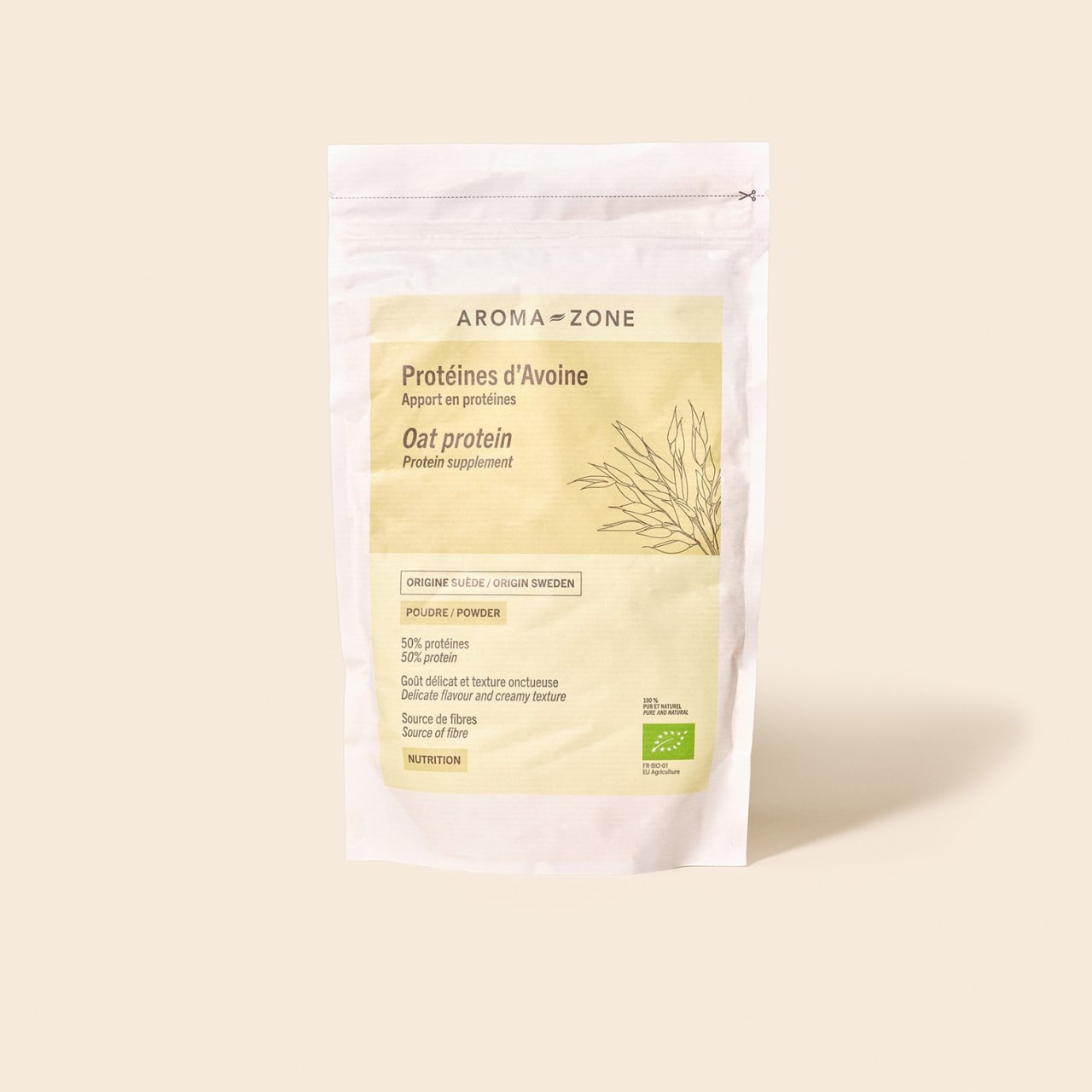
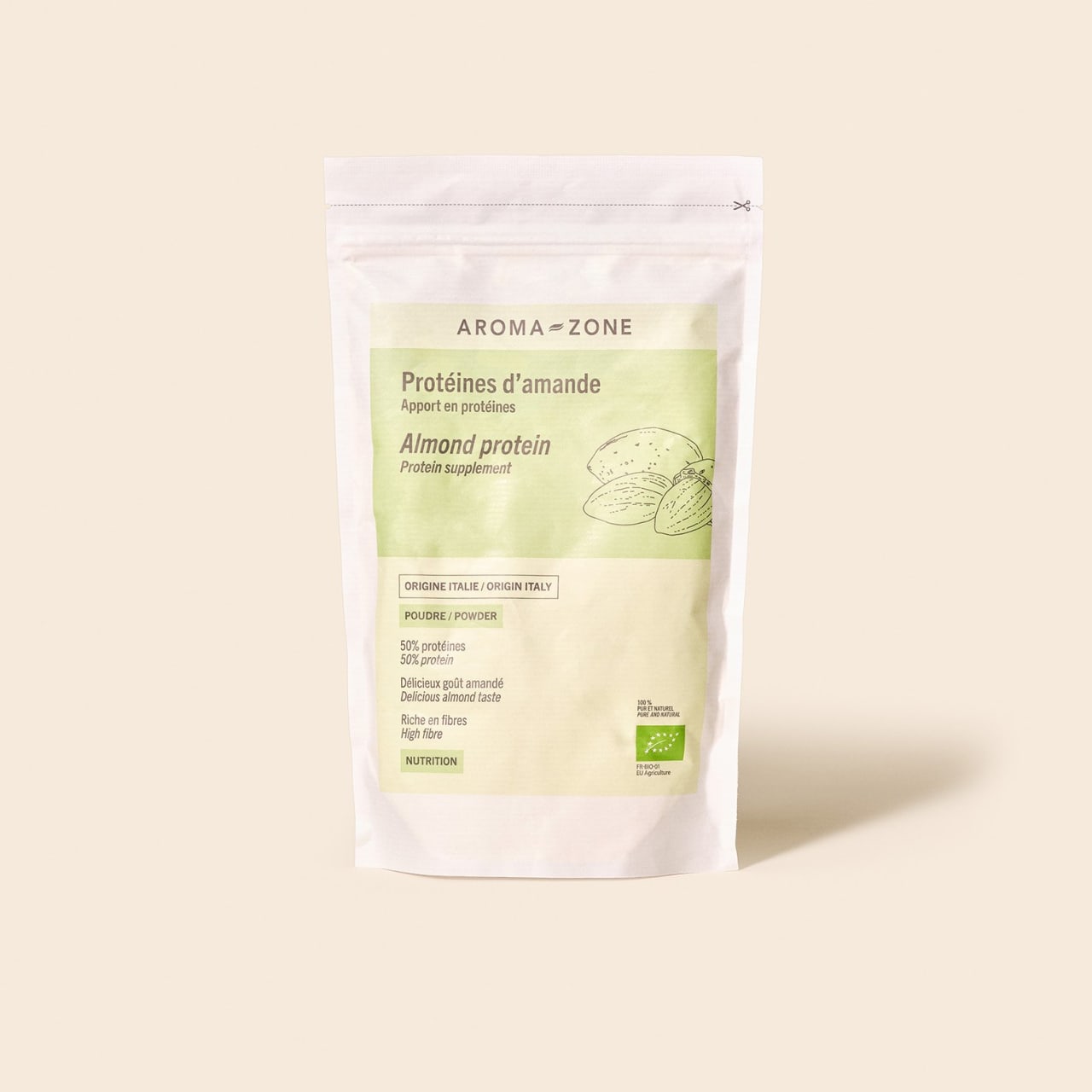
To ensure you’re getting enough, discover our Plant-based proteins from almonds, oats, and hemp.

Fibre

Sunflower seeds are a good source of fibre, mainly insoluble fibre, which accounts for nearly 80% of the total fibre content. Insoluble fibre increases the volume of food in the digestive tract, which slows down its passage through the gut and helps to slow the absorption of glucose into the bloodstream. This helps to maintain stable blood sugar levels. It also increases the volume of stools, which aids their elimination. It therefore helps to prevent constipation and maintain good bowel health.

Vitamin E

Sunflower seeds are particularly rich in Vitamin E, which is one of the three antioxidant vitamins, alongside Vitamins A and C. Antioxidants play a vital role in protecting cells against oxidative stress caused by the production of free radicals.

Tryptophan

This amino acid plays a vital role in regulating our mood. It is the precursor to serotonin, also known as the ‘happiness hormone’. This neurotransmitter owes this name to its role in preventing anxiety and depression. It also plays a part in the body’s sleep-wake cycle, as it is essential for the production of melatonin, the sleep hormone. Discover our dietary supplement containing natural plant-based melatonin.

Minerals

  • Magnesium: Plays a part in muscle, nerve and energy functions, and helps regulate blood pressure

  • Copper: Supports the body’s natural defences and promotes healthy bones

  • Selenium: Plays a role in immunity and thyroid function. It is also a powerful antioxidant

  • Phosphorus: Essential for the structure of bones and teeth, and for energy production

  • Iron: Ensures oxygen transport and the production of red blood cells

  • Zinc: Plays a part in immune and nervous system function, as well as skin health

  • Calcium: Essential component of bones and teeth

Nutritional Values of Sunflower Seeds

Nutrients

per 100g

per 30g

% of NRV* per 100g

% of NRV* per 30g

Energy (kcal)

653

147

32%

10%

Energy (kJ)

2734

615

32%

10%

Fat (g)

55.5

16.65

79%

24%

Saturated fatty acids (g)

6.23

1.869

31%

9%

Monounsatur-ated fatty acids (g)

10.9

3.27

Polyunsatur-ated fatty acids (g)

35.6

10.68

Carbohydrates (g)

10.1

3.03

10%

3%

Of which sugars (g)

2.62

0.786

3%

1%

Of which starch (g)

3.8

1.14

Dietary fibre (g)

6.4

1.92

Protein (g)

25.1

7.53

25%

8%

Salt (g)

0.014

0.0042

0%

0%

Vitamin B1 (mg)

1.98

0.594

180%

54%

Vitamin B2 (mg)

0.16

0.048

11%

3%

Vitamin B3 (mg)

4.8

1.44

30%

9%

Vitamin B5 (mg)

0.83

0.249

14%

4%

Vitamin B6 (mg)

1.24

0.372

89%

27%

Vitamin B9 (µg)

0

0

127%

38%

Vitamin B12 (µg)

254

76.2

0%

0%

Vitamin C (mg)

0

0

2%

1%

Vitamin E (mg)

42.3

12.69

353%

106%

Vitamin K (µg)

0

0

0%

0%

Calcium (mg)

86.5

25.95

11%

3%

Copper (mg)

1.5

0.45

150%

45%

Iron (mg)

4.9

1.47

35%

11%

Iodine (mg)

4.9

1.47

3%

1%

Magnesium (mg)

364

109.2

97%

29%

Manganese (mg)

1.95

0.585

98%

29%

Phosphorus (mg)

477

143.1

68%

20%

Potassium (mg)

578

173.4

29%

9%

Selenium (µg)

8.41

2.523

15%

5%

Zinc (mg)

3.8

1.14

38%

11%

*Nutrient Reference Value

What Are the Benefits of Sunflower Seeds?

  • Energy: Sunflower seeds are rich in nutrients and provide a relatively high calorie intake (around 600 calories per 100 grams). This is mainly due to their fat content, specifically unsaturated fatty acids, which provide the body with the energy it needs to function properly. Ideal for active people and sports enthusiasts

  • Cholesterol Regulation and Cardiovascular Protection: The polyunsaturated fatty acids found in sunflower seeds help regulate cholesterol levels by balancing ‘good’ (HDL) and ‘bad’ (LDL) cholesterol: they promote an increase in ‘good’ cholesterol while reducing levels of ‘bad’ cholesterol. This protective effect against cardiovascular disease is complemented by the action of Vitamin E, a powerful antioxidant

  • Regulation of Blood Sugar Levels and Protection Against Type 2 Diabetes: The fibre contained in sunflower seeds helps to slow down the rate at which sugar enters the bloodstream, which has a positive effect on blood glucose levels and helps to reduce the risk of developing Type 2 diabetes

  • Strengthening the Immune System: Certain nutrients found in sunflower seeds support the body’s natural defence system, such as Vitamin E, selenium, magnesium, zinc, and copper. The combination of these nutrients helps the body defend itself more effectively against infections and viruses

  • Skin Protection and Beauty: Sunflower seeds contribute to the skin’s beauty thanks to their high antioxidant content, including Vitamin E and selenium. These antioxidants protect the skin against premature ageing and the signs of ageing, such as fine lines and wrinkles. Zinc is also essential for healthy skin and wound healing

  • Protection of Bone Mass and Prevention of the Risk of Osteoporosis: Sunflower seeds contain minerals that are fundamental to bone structure, such as calcium, magnesium and phosphorus. Strong bones help to prevent the risk of osteoporosis and fractures, which increases with age

  • Maintenance of Cognitive Function: Fatty acids and Vitamin E are essential for healthy brain function. They help to prevent the risk of age-related brain degeneration

  • Bowel Function and Digestive Health: Fibre is essential for good digestion and regular bowel movements. This is a key factor in good digestive health, as it helps to prevent the risk of bowel problems

How Can You Incorporate Sunflower Seeds Into Your Daily Routine?

In the Kitchen

  1. Raw: For a healthy snack. They can be mixed with other seeds such as pumpkin, sesame or linseeds. You can also add a few raisins for an extra treat. They’re the perfect addition to salads and muesli, adding a touch of crunch

  2. Roasted: As an aperitif, they make a great alternative to savoury biscuits, which are often too high in unhealthy fats and salt

  3. In Energy Bars: They form part of the seed and nut mixes that are perfect for making energy bars, which are ideal for people with active lifestyles

  4. Bread and Pastries: Sunflower seeds are added to bread and other baked goods for their crunchy texture

  5. As Oil: Sunflower seeds are pressed to produce a beautiful yellow oil. It is used to season dishes and can be included in salad dressings. Discover the benefits of sunflower oil

  6. As Butter: Blended and processed into butter, which offers an attractive alternative to peanut-based vegetable butters, particularly for people with peanut allergies

In Cosmetics

  1. As an Oil: It has long been used for its beneficial properties for the skin. The presence of essential fatty acids, particularly linoleic acid (omega-6), helps protect the skin barrier and reduces inflammation.

  2. In Soaps, Lotions, and Moisturising and Nourishing Creams made from sunflower oil

Sunflower seeds: recommended intake

How Many Seeds Can You Eat Each Day?

Some general-interest dietary sources recommend not exceeding around 15 to 25g of sunflower seeds per day. This range is consistent with the ‘handful’ portions (≈ 28g) mentioned in various nutritional guides.

Although sunflower seeds are packed with beneficial nutrients, excessive consumption could result in an overly high intake of fat, as well as causing digestive discomfort due to their fibre content.

Is It Good to Eat Sunflower Seeds Every Day?

Eating sunflower seeds every day poses no problems – quite the opposite, in fact. Provided you stick to the recommended amount, it is actually a good idea to eat them daily, as their high nutrient content contributes to a well-balanced diet.

Precautions for Use

Eating sunflower seeds is generally considered safe. However, it is advisable to take certain precautions:

Shell the whole seeds: Sunflower seeds may be sold either shelled or in their shells. In the latter case, it is necessary to shell them before eating, as consuming the shells can cause digestive problems.

Allergies: Caution is advised for people who are allergic to other nuts and seeds.

Salt: It is best to eat them unsalted, as excessive salt intake can affect heart and kidney function.

Children: Take care with children by avoiding giving them whole nuts, to prevent any risk of them choking.

Expert Advice

Some of the nutrients found in sunflower seeds can be damaged by heat. This is the case with Vitamin E, some of which can be destroyed at medium to high temperatures. The same applies to polyunsaturated fatty acids, which can become harmful at high temperatures. It is therefore recommended to eat them raw or cooked at a low temperature.

Spotlight on Our Naturopathic Writer: Christine Barris

Christine Barris

After completing a Master’s degree in Management, followed by around twenty years working for renowned companies in the dietary supplements and natural cosmetics sectors, I decided to turn my passion – nature – into my profession.

I now practise naturopathy for both humans and animals, as well as sophrology. I also mentor trainee naturopaths and sophrologists at various schools.

Bibliography

  1. https://www.fitandia.com

  2. https://webmedy.com

  3. Verywell Health. “What Happens to Your Body When You Eat a Handful of Sunflower Seeds Every Day”

  4. A review of phytochemistry, metabolite changes, and nutraceutical potentials of sunflower seeds and sprouts

    Guo S, et al (Helianthus annuus L.). BMC Chemistry. 2017;11:34.

  5. The oilseed crop sunflower (Helianthus annuus) as a source of food, feed, bioactive compounds, and sustainable materials

    Adeleke BS, et al. Frontiers in Nutrition. 2020;7:601496.

  6. Lipid profile of hyperlipidaemic males following supplementation with sunflower seeds

    Kaur G, et al. Journal of Food Science and Technology. 2020;57(10):3678–3684.

  7. Assessment of the nutritional characteristics of sunflower seeds, oil and cake

    Petraru A, Ursachi F, Amariei S. Prospects for the use of sunflower oilcakes as a functional ingredient. Plants. 2021;10(11):2487.

Frequently Asked Questions

Frequently Asked Questions

Associated tips