
Eucalyptus is an iconic evergreen tree belonging to the Myrtaceae family. It is not native to Europe, although it has acclimatised well there over time; it is native to Australia, North Africa, and Madagascar. It is a fast-growing tree that can reach impressive heights, depending on the species. The tallest eucalyptus trees, such as Eucalyptus regnans (also known as the Royal Ash), can exceed 100 metres in height, making them among the tallest trees in the world. Eucalyptus is used in herbal medicine for its many benefits, particularly for respiratory health. The above-ground parts of the plant are most commonly used for their high content of active ingredients; however, the ‘totum’ of the plant – that is, the sum of all its constituents, acting synergistically to produce an overall effect – is often recommended for its efficacy.
What Are the Benefits of Eucalyptus?
Published on: Wednesday, December 11, 2024, Updated on: Monday, November 16, 2026
Eucalyptus, well known for its fresh and invigorating scent, offers a wide range of benefits. Used for centuries in traditional medicine to relieve respiratory problems and purify the air, it is now recognised as an essential ally for well-being in winter, particularly for ear, nose and throat (ENT) conditions. But do you really know all its benefits? Let’s discover everything there is to know about eucalyptus and explore the best ways to make the most of its natural properties.
Contents
Related products
Purifying
Anti-ageing
£5.00
200 ml
Respiratory tract well-being
£6.00
40 g
Sport
Relaxing
£7.00
25 g
What Is Eucalyptus?
Which Parts of the Eucalyptus Plant Are Most Commonly Used?
In herbal medicine and aromatherapy, several parts of the eucalyptus plant are frequently used for their specific benefits:
Eucalyptus Leaves: These are the most commonly used parts, rich in active ingredients such as cineole, which is ideal for treating respiratory problems. They are used fresh, dried, or distilled to produce essential oil
Eucalyptus Flowers: Less well known for direct use, eucalyptus flowers attract bees to produce honey with antiseptic and healing properties
Eucalyptus Root: Although rarely used in herbal medicine, it plays a key role in the absorption of nutrients that influence the chemical composition of the leaves and essential oils
Eucalyptus Fruit: Used primarily for the tree’s reproduction, it is sometimes utilised to extract aromatic substances or for artisanal applications
Good to Know: What we commonly refer to as the fruit of the eucalyptus is in fact its seed, as the eucalyptus does not produce fruit in the strict sense of the word.
The Different Varieties of Eucalyptus
There are over 600 different species of eucalyptus, ranging from small, bushy shrubs to majestic trees, each with its own specific properties. Among the best known are:
Blue Gum Eucalyptus: Blue gum eucalyptus (Eucalyptus globulus) is the most common species, often used to clear the airways and relieve ENT symptoms.
Eucalyptus Radiata: Eucalyptus radiata (Eucalyptus radiata) is renowned for its gentle properties, making it an excellent choice for those with sensitive skin. It is mainly used for its beneficial effects on breathing and to soothe mild respiratory irritation.
Lemon Eucalyptus: Lemon Eucalyptus (Corymbia citriodora) is characterised by its fresh, lemony scent. It has purifying properties and is often used as a natural insect repellent.
Mentholated Eucalyptus: Mentholated eucalyptus (Eucalyptus dives) is particularly prized for its refreshing and soothing effect. Its high menthol content makes it an excellent choice for relieving headaches and providing relief from a blocked nose.
There are also many varieties of eucalyptus commonly used for their ornamental value, but whose therapeutic use remains limited. This is the case, for example, with Eucalyptus cinerea, also known as the silver gum, or Eucalyptus gunnii, or the cider gum.
Benefits of Eucalyptus
Eucalyptus is a beneficial and versatile plant, particularly for the well-being of our ENT system. It has several benefits, including:
Clearing the Airways: Eucalyptus helps to clear a blocked nose and sinuses, making it easier to breathe
Promoting the Elimination of Phlegm: Thanks to its expectorant properties, eucalyptus helps to thin and clear mucus naturally, which is particularly helpful in cases of a cold or bronchitis
Soothing a Cough: By promoting the expulsion of phlegm, eucalyptus is recommended for persistent, chesty coughs with excess mucus
Soothing the Throat: Eucalyptus’s antiseptic action makes it essential for relieving the discomfort associated with viral or bacterial sore throats
Supporting Oral Health: The use of eucalyptus-based dental products promotes a healthy oral flora by encouraging the growth of beneficial bacteria
Purifying Oily Skin: Applying eucalyptus-based products to the skin helps to purify and revitalise the epidermis, particularly on oily skin
Why Use Eucalyptus?
Eucalyptus is a valuable natural ally for relieving a wide range of ailments thanks to its active ingredients with powerful properties.
Eucalyptus for the Common Cold: Eucalyptus contains eucalyptol, also known as 1,8-cineole, which is recognised for its beneficial effect in helping to clear blocked airways. This active ingredient acts as a decongestant by thinning nasal secretions, making it easier to clear a ‘blocked nose’ – a common symptom of a cold.
Eucalyptus for a Chesty Cough: Eucalyptus leaves also contain tannins, which help to maintain the health of the respiratory tract. Eucalyptol, meanwhile, helps to expel phlegm, making it an effective remedy for soothing productive coughs or chesty coughs.
Eucalyptus for Sore Throats: Certain active compounds in eucalyptus, such as citronellal, for example, provide a beneficial local antiseptic action to relieve discomfort in the throat.
Eucalyptus and Mental Fatigue: The fresh aroma of eucalyptus acts as a natural mental stimulant. 1,8-cineole, in particular, promotes better oxygenation of the brain, thereby improving concentration and reducing the feeling of fatigue that we may experience after a period of intense mental work, for example.
Eucalyptus and Oral Hygiene: Studies have shown that using dental hygiene products such as toothpaste or mouthwash containing eucalyptus helps to promote better oral health. The active ingredients in eucalyptus help the body to fight against dental plaque and the bacteria responsible for its formation. But eucalyptus is also an excellent natural antiseptic for cleaning your home! There are plenty of recipes for homemade cleaning products made from this versatile plant, for a clean and fresh home.
Eucalyptus and Skincare: Eucalyptus, in its various forms, is renowned for its purifying and soothing properties for the skin. It helps to cleanse pores, reduce blemishes and soothe irritation thanks to its natural antiseptic compounds. Its refreshing effect makes it a valuable ally in skincare for oily skin or skin prone to redness.
Eucalyptus and Asthma: In cases of asthma, and contrary to certain common misconceptions, the use of eucalyptus should be approached with caution. Eucalyptus globulus and radiata, which are rich in 1,8-cineole, can cause irritation to the respiratory tract and are not recommended for people with asthma, particularly during an attack. For more appropriate use, varieties such as Eucalyptus dives or citriodora, which are better tolerated, may be considered. However, it is essential to dilute essential oils and to opt for gentle methods, such as diffusion at low doses. In all cases, it is advisable to consult a healthcare professional to determine the most appropriate approach.
Our Natural Eucalyptus-Based Solutions
Would you like to incorporate eucalyptus into your wellness routine? Here’s a selection of our favourite products to help you make the most of the benefits of this exceptional plant.
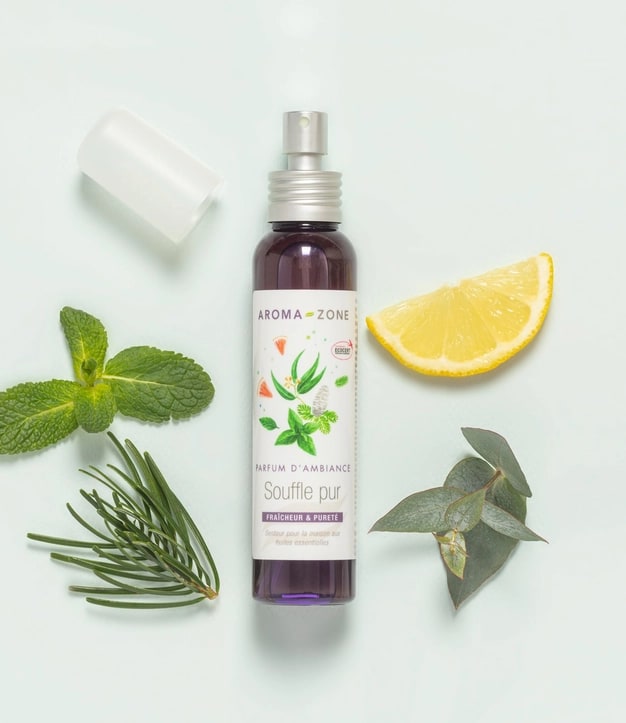
Eucalyptus Room Fragrance: Fresh and invigorating, this room spray combines Eucalyptus globulus, Scots pine, peppermint and lemon to create a refreshing atmosphere in your home this winter. A wonderful blend that helps transform your home into a haven of well-being and relaxation.
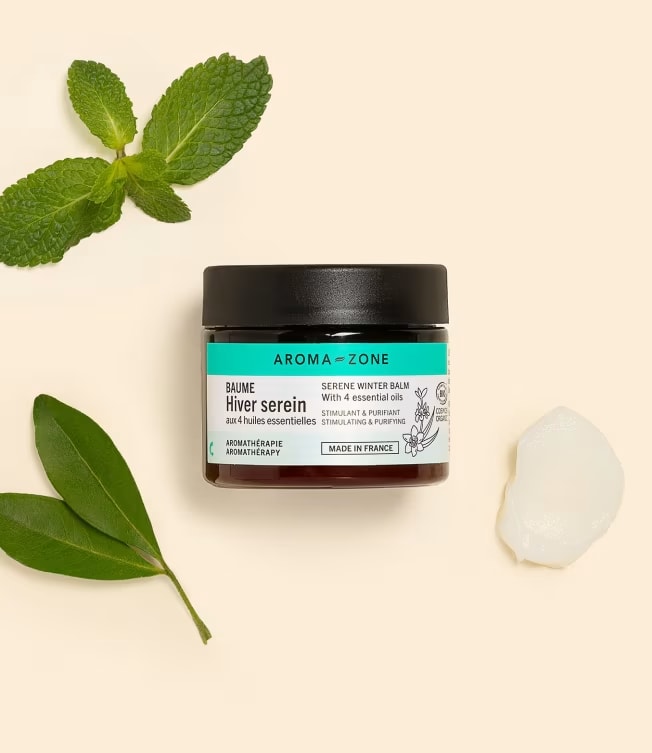
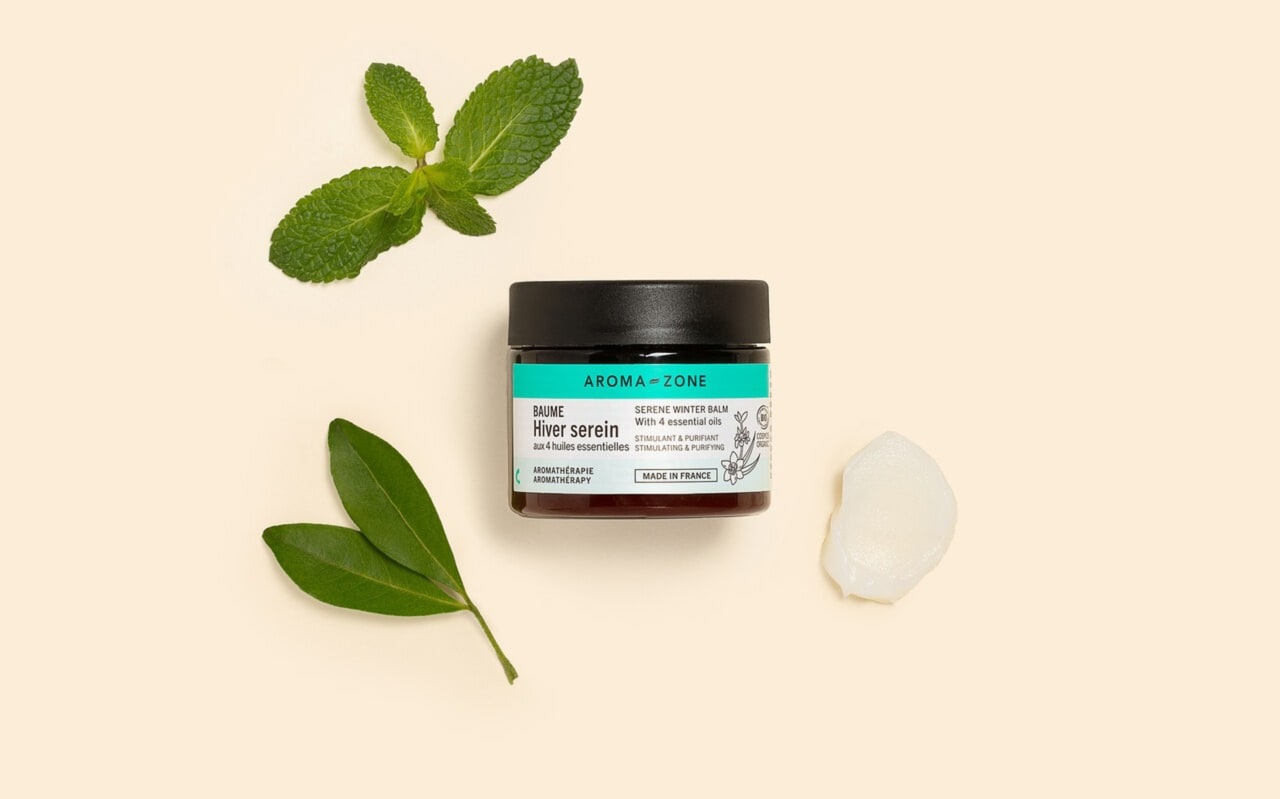
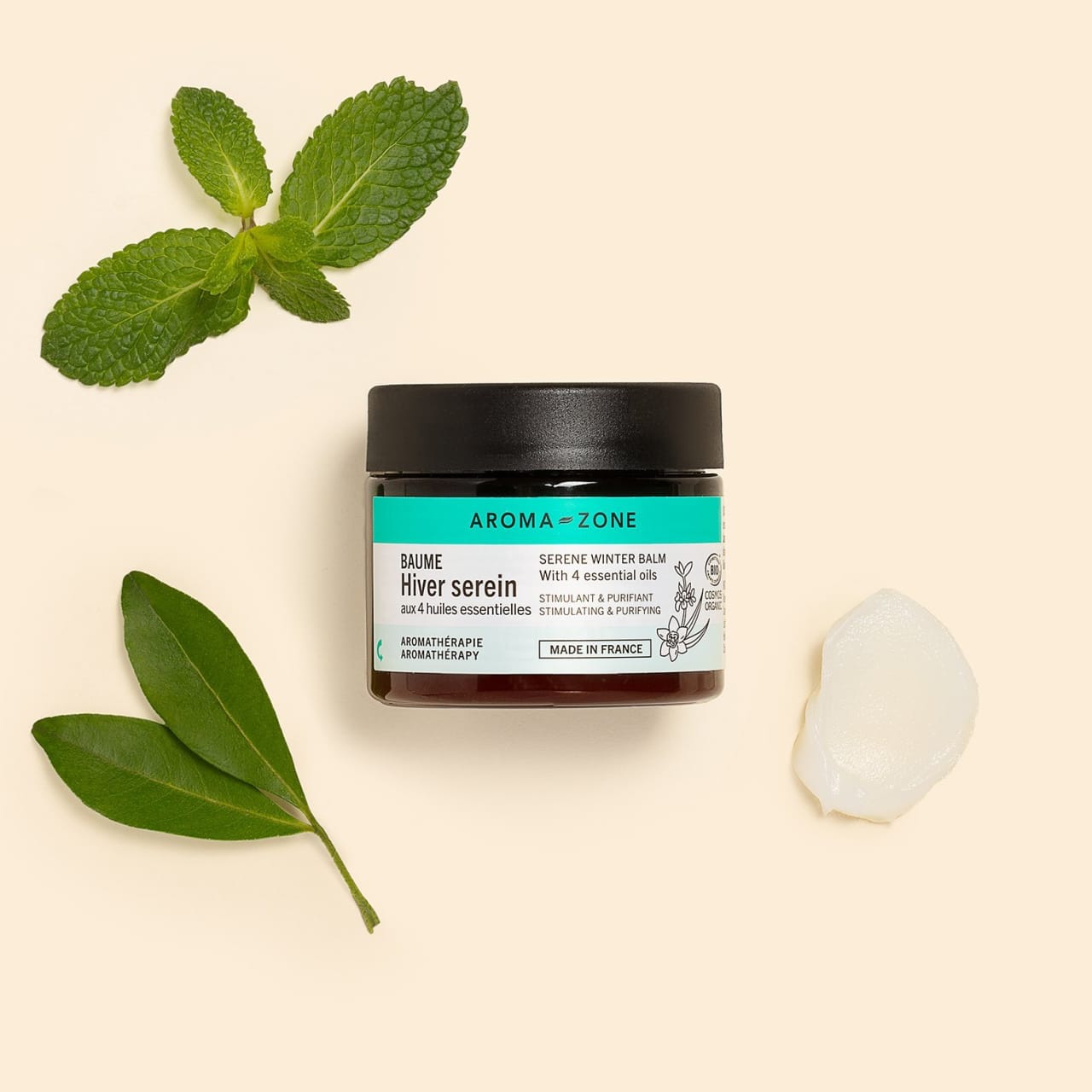
Aromatherapy Balm: To look after yourself during the winter months, choose this soothing balm containing Eucalyptus radiata, thyme, and menthol for an immediate cooling, decongestant effect. Ideal for relieving minor winter ailments, our aromatherapy balm can be massaged onto the chest, lower neck, nape of the neck, behind the ears, or upper back for an invigorating, stimulating sensation.
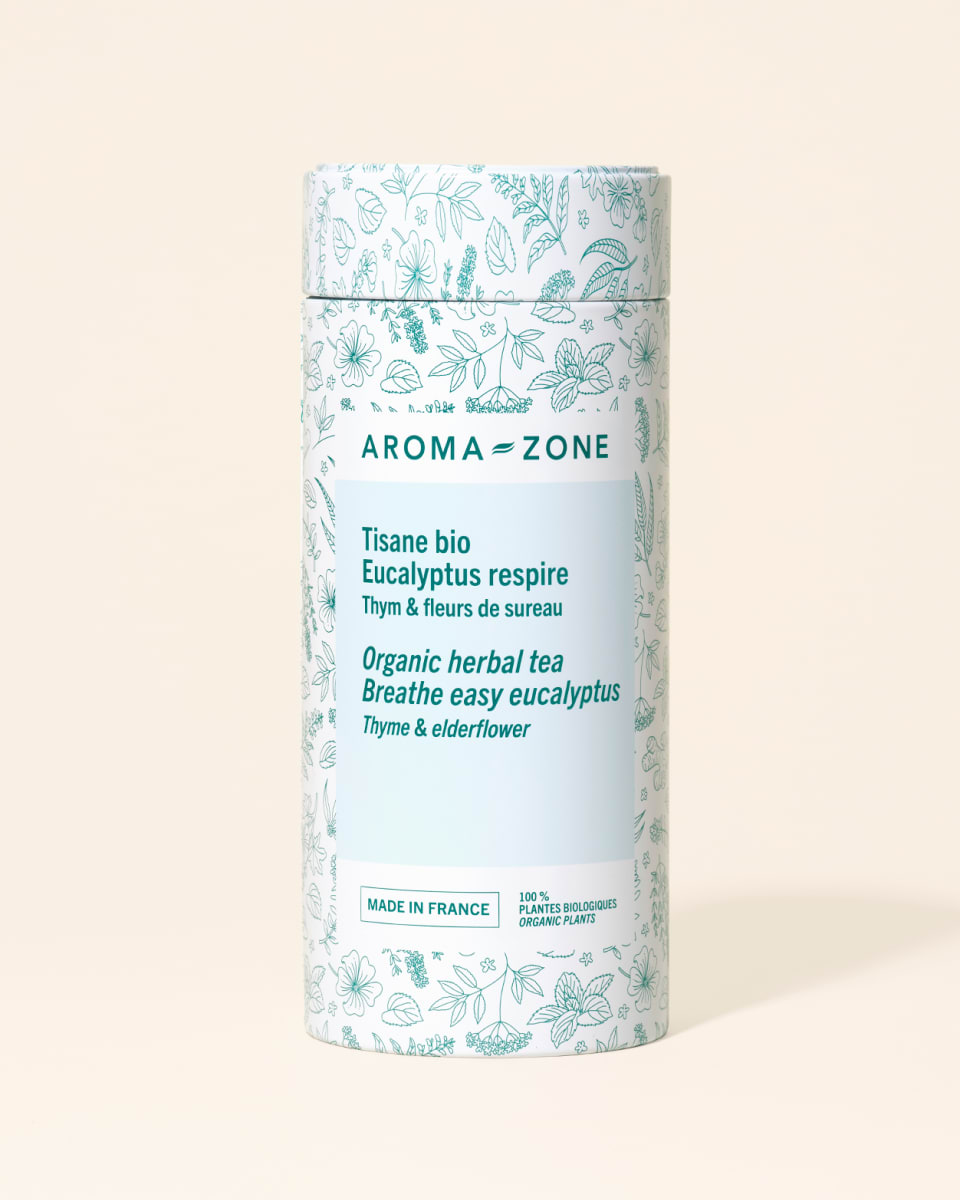
Organic Eucalyptus Respire Herbal Tea: Take a deep breath with Organic Eucalyptus Respire herbal tea. This infusion combines the intensity of blue gum eucalyptus with the freshness of peppermint, the potency of thyme, the sweetness of elderflower, the camphor-like notes of sage, and the spicy character of ginger. An ideal blend of botanicals to see you through the colder months and offer a comforting break in your daily routine.
Which Natural Eucalyptus-Based Remedies Should You Use?
There are also many ways to use eucalyptus in herbal medicine to make the most of its various properties.
Eucalyptus Herbal Tea
Eucalyptus tea is a hot drink that’s ideal for soothing the throat and gently clearing the airways. To make it, steep 1 to 2 eucalyptus leaves in hot water for 10 minutes. Then, strain and enjoy at your leisure. For a bit of variety, add a little eucalyptus blossom honey for its soothing properties and a zest of lemon for a vitamin-packed boost.
Eucalyptus Essential Oil
Eucalyptus essential oil, which comes in several chemotypes, is particularly popular during the winter months for its purifying and soothing properties. When diffused or inhaled, it helps to clear the airways: to inhale, place a few drops in a bowl of hot water and breathe in gently. However, each chemotype has its own distinct characteristics (Eucalyptus globulus, radiata or citriodora), and their use should be tailored to your needs. It is recommended that you seek advice from a professional before using an essential oil, to ensure it is used appropriately and safely.
Eucalyptus Mother Tincture
Eucalyptus mother tincture is a concentrated alcoholic solution, ideal for use when a high concentration of active ingredients is required. To use it, dilute 10 to 15 drops in a glass of water, once or twice a day. Eucalyptus mother tincture can be combined with other plant mother tinctures that may act synergistically, such as thyme or rosemary.
Eucalyptus Extracts in Capsules
Eucalyptus capsules are an excellent way to maximise the benefits of this plant in supporting the respiratory system whilst saving time. They are often used to relieve the symptoms of respiratory infections and coughs in a simple and effective way. To find out the correct dosage, please follow the manufacturer’s instructions carefully.
Our Best Aroma-Zone Recipes Featuring Eucalyptus






Precautions for Use
Certain Precautions Should Be Taken When Using Eucalyptus:
It is not recommended for children under two years of age, or for pregnant, or breastfeeding women, without medical advice
Due to its stimulating effects on the respiratory tract, it may be contraindicated for some people with asthma
With regard to eucalyptus essential oil, please ensure you refer to the precautions for use specific to the chosen chemotype. Follow the appropriate dosages and methods of administration to ensure safe use
Serene Winter Aromatherapy Balm:
Do not use on pregnant women or children under 6 years of age, or on people with a history of epilepsy, allergies, asthma, or a history of seizures
Do not apply to mucous membranes or the area around the eyes. Contains camphor, menthol, and eucalyptol
Wash your hands thoroughly after each application
In case of contact with the eyes, rinse immediately and thoroughly with clean water
For external use only
Expert Advice
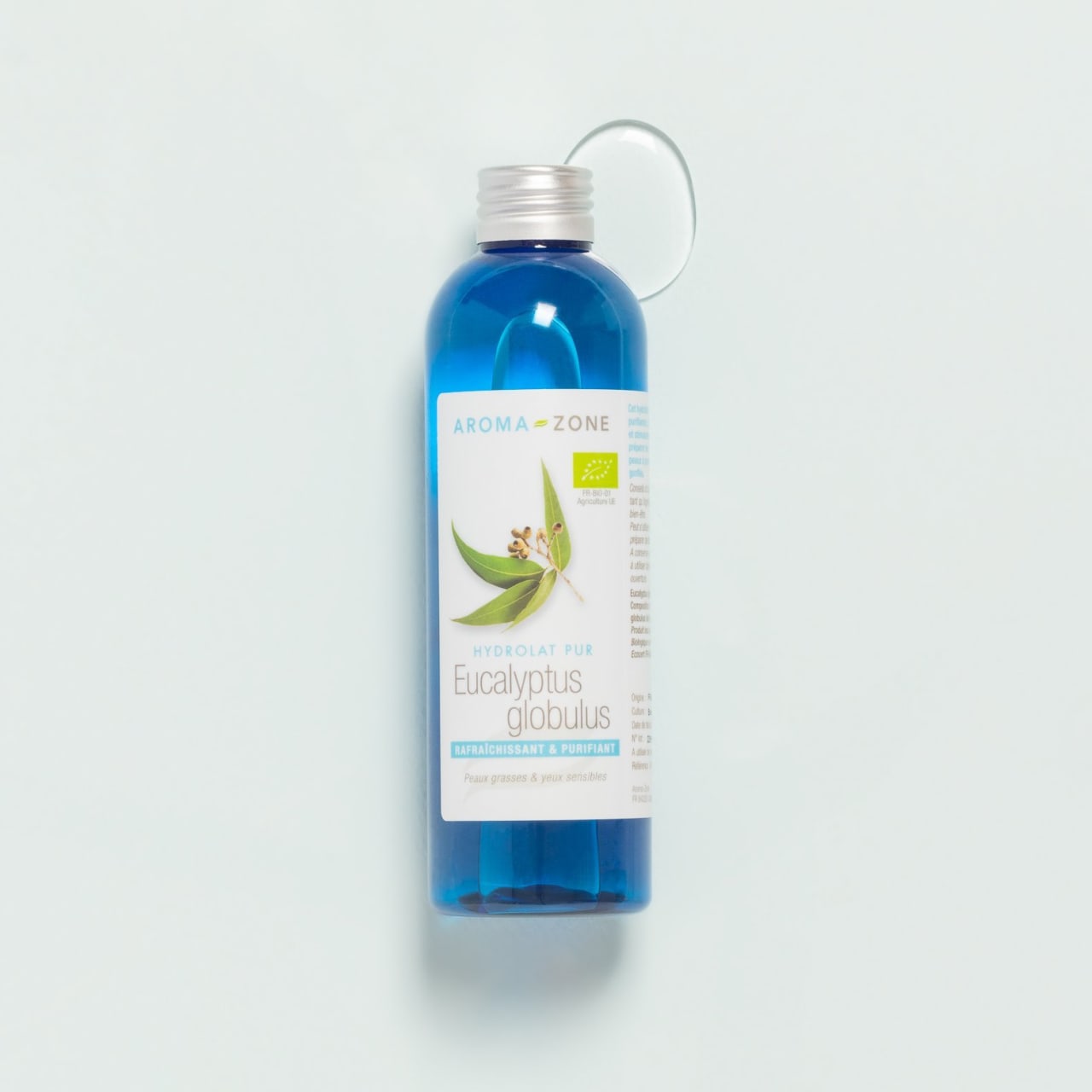
Have you ever tried taking a bath with eucalyptus? It’s an ideal way to benefit from the purifying and medicinal properties of this plant whilst enjoying a moment of relaxation. To do this, add 20mL of eucalyptus hydrosol to the running hot water, allowing you to enjoy its decongestant benefits without irritating the skin. A Nordic alternative is to hang one or two fresh sprigs of eucalyptus directly under the hot water stream, allowing the steam to release its soothing aromas. Carried by the heat, the eucalyptus helps to clear the airways and promotes a natural sense of lightness.
Spotlight on Our Naturopathic Writer: Marine Leleux

Marine is a naturopath specialising in children’s well-being and a parenting coach. With 10 years’ experience supporting families, she now channels her passion into serving her community by sharing natural and caring advice.
Bibliography
Medicinal Plants: Tradition and Therapy by Michel Pierre, Larousse, 2016.
Eucalyptus: Essential Oils and Uses by Jean Valnet, published by Maloine, 2001.
Eucalyptus – Benefits, Uses, Preparation, Indications, Passeport Santé.
How can eucalyptus be used for self-care? What are its benefits?, Santé Magazine.




