What are the benefits of argan oil and how should it be used?

What are the benefits of argan oil and how should it be used?


By Hélène Betoux

Published on: Tuesday, November 26, 2024, Updated on: Thursday, October 22, 2026

If you’re a fan of natural beauty, you’re bound to have heard about the benefits of argan oil. It’s hard to overlook this traditional Berber plant-based oil, which certainly lives up to its nickname, ‘liquid gold’. Face, body, hair: it can be applied anywhere to nourish, soften, smooth and protect, with a remarkably penetrating texture. It’s also a fantastic ally in preventing the signs of ageing associated with oxidative stress. And contrary to popular belief, it’s not just for dry skin: even those with oily skin can benefit from it!

Contents

Related products

Discover the plant-based oil derived from the argan tree…

Argan oil (Argania spinosa) is a vegetable oil derived from the argan tree. It is a tree belonging to the Sapotaceae family, the last remaining member of its group in North Africa. This tree can grow up to 10 metres tall and withstand very harsh climatic conditions. Some specimens from Moroccan argan groves can even live for over 400 years!

Each argan tree produces around 1 litre of argan oil per year. It is therefore a very precious oil, hence its nickname ‘liquid gold’ and its high cost. Traditionally, it is Berber women who produce it using traditional extraction methods. They harvest the fruit, cut it open, and then crack the nuts. They then subject the kernels (roasted or unroasted) to a lengthy kneading and pressing process to extract the oil. Within the co-operatives, argan oil production has been modernised, notably through the use of mechanical presses which make the work less labour-intensive.
Is it a good idea to apply argan oil to your face?

Argan oil is recommended for use on the face. And not just on the face: the benefits of argan oil extend to the body and the hair.

Admittedly, argan oil is primarily known as an edible oil (for its delicious nutty flavour). The Berber people consume it almost every day to meet their nutritional requirements for fats. But they have also been using it for a long time as a cosmetic oil. Today, this beauty secret has spread far beyond national borders. So much so that argan oil has become one of the most popular vegetable oils in the world, thanks to its many beneficial properties.

This oil has the advantage of being very rich in unsaturated fatty acids, including oleic acid and linoleic acid. This characteristic gives it a light texture, enabling it to penetrate the skin quickly. It also contains phenolic derivatives, antioxidants that make it a powerful natural anti-ageing ingredient. For example, it contains between 600 and 700 mg of γ-tocopherol per kg, considered to be the most effective substance for neutralising free radicals (linked to accelerated ageing).

What are the benefits of argan oil in cosmetics?

Of course, the benefits of argan oil for the face and hair depend first and foremost on its composition. There can be significant variations from one plant-based oil to another depending on its geographical origin or manufacturing process. Hot extraction, for example, will cause it to lose most of its anti-free radical properties. This is why it is essential to choose a plant-based oil of excellent quality, traceable, cold-pressed and free from chemical treatment.

  • It is nourishing and deeply moisturises the skin and hair: despite its light texture, it is highly effective at strengthening the hydrolipidic film and preventing dehydration of the hair or skin. Rich in essential fatty acids, particularly linoleic and oleic acids, argan oil absorbs quickly without leaving a greasy film.

  • It has regenerative properties: intensely revitalising, it helps to improve the skin’s suppleness and firmness with repeated use. It also supports the skin’s natural repair process.

  • It has anti-ageing properties: thanks to its high antioxidant content, particularly vitamin E, it helps combat premature skin ageing by preventing the appearance of wrinkles and fine lines. It smooths out existing wrinkles, reduces their appearance, improves the skin’s elasticity and restores a more youthful and radiant complexion.

  • It has antioxidant properties : thanks to its ability to neutralise free radicals, it protects the skin and hair from the harmful effects of oxidative stress, which is linked to accelerated ageing.

  • It reduces shine : this is a lesser-known benefit, but one that has been demonstrated by several studies. Argan oil appears to effectively reduce excess sebum in oily skin.

  • It is soothing: Argan oil has soothing properties, making it an excellent natural remedy for treating skin rashes and irritations. It also helps to reduce the appearance of stretch marks.

  • It protects against external aggressors: the fatty acids and antioxidants present in argan oil help to protect the skin and hair from external aggressors such as pollution, UV rays and free radicals, which can cause damage.

  • It strengthens the hair : when applied to the hair, argan oil strengthens it by penetrating the hair cuticle, thereby improving its strength and elasticity. It also nourishes the scalp, reducing problems such as itching and dandruff.

  • It repairs split ends: its nourishing properties make it an effective treatment for split ends. It moisturises and repairs the ends, thereby preventing breakage and frizz.

A closer look at our organic argan oil

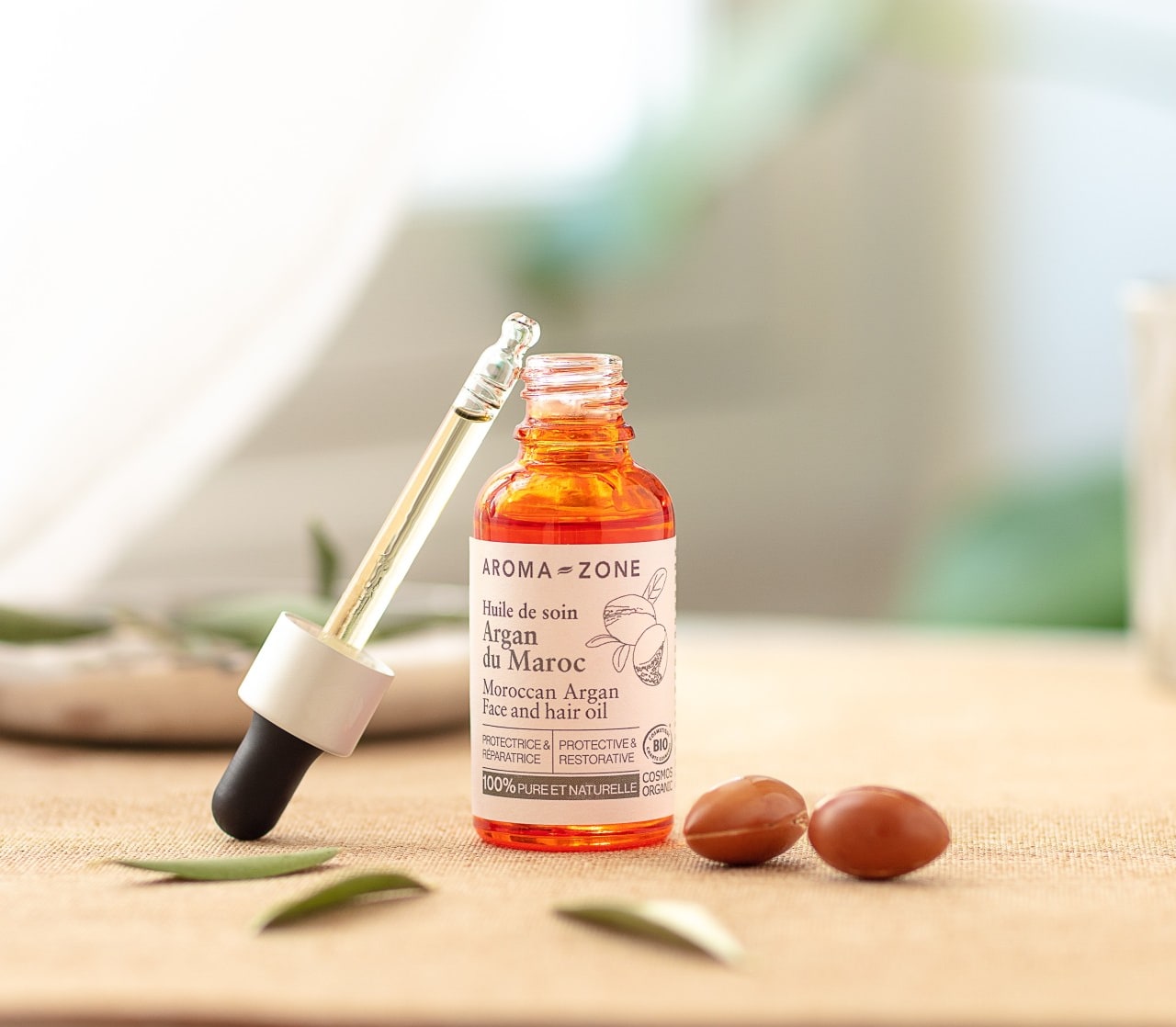
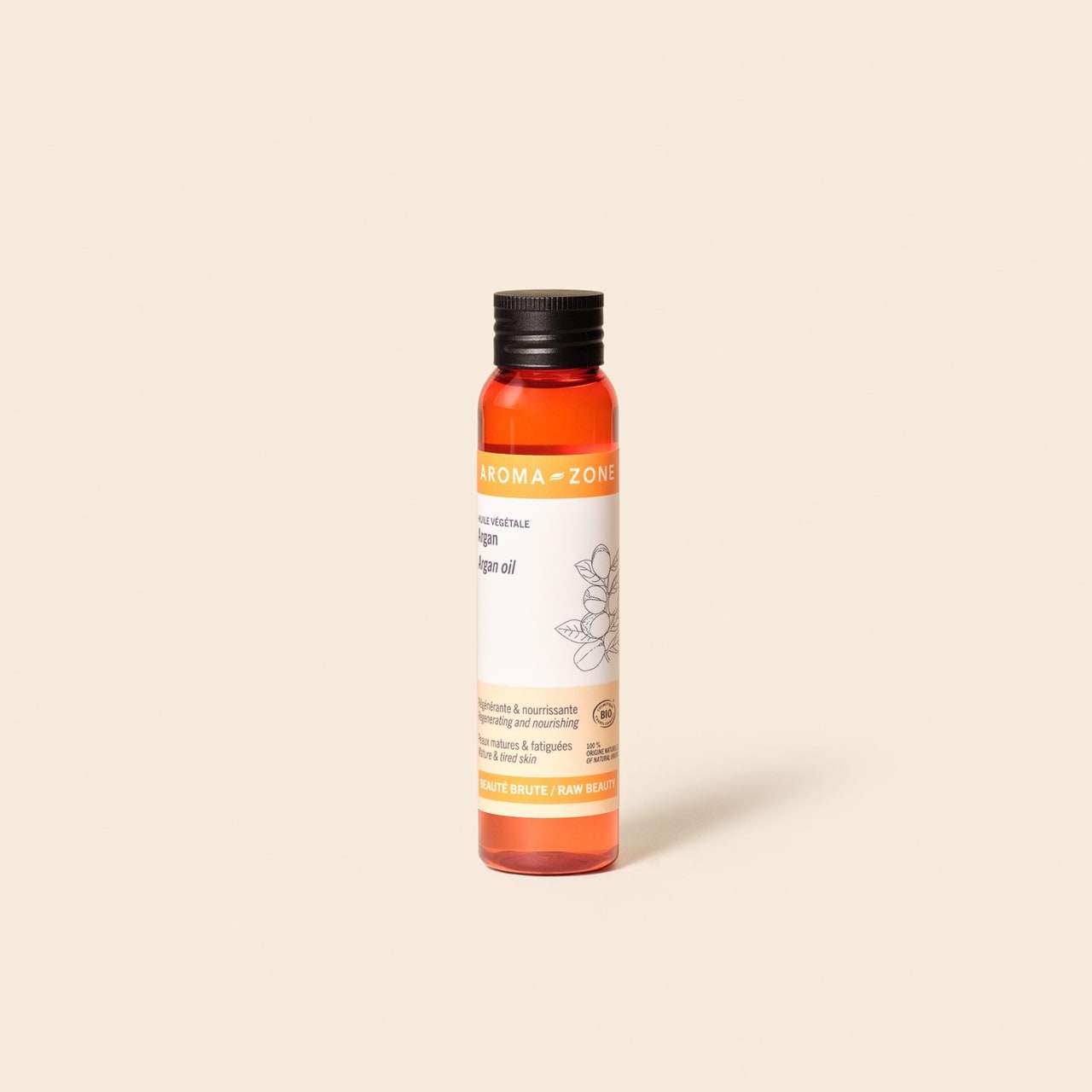
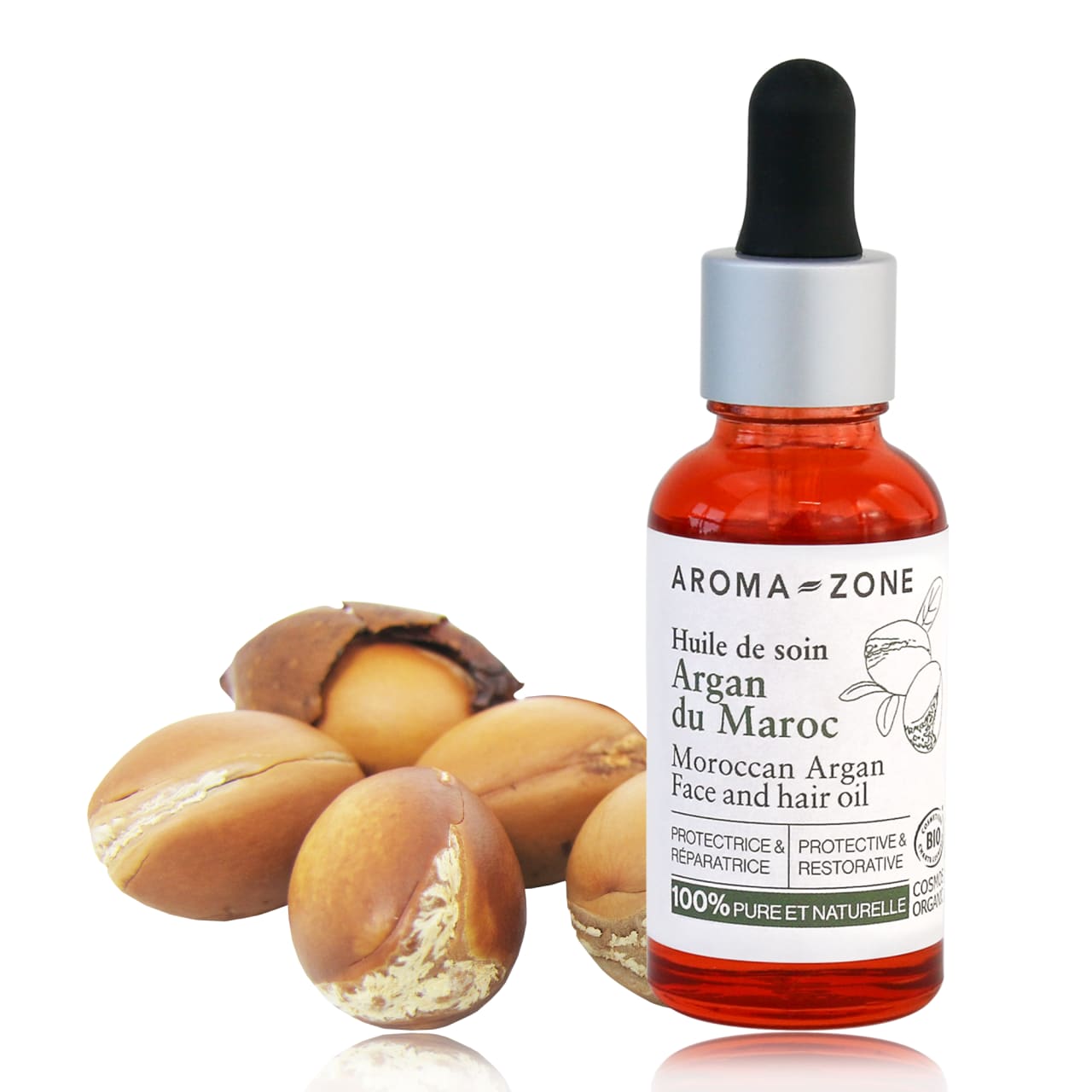
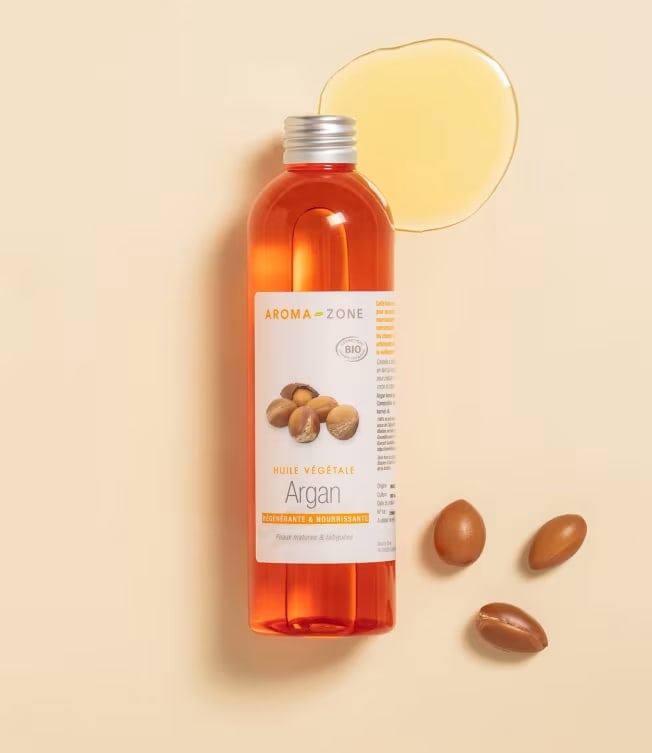
Our argan oil is 100% pure and natural, virgin, produced by first cold pressing, free from chemical treatment and certified organic. It is suitable for cosmetic use: you can therefore use it neat, to make your own skincare products or to customise our neutral bases. It is produced by a women’s cooperative in Morocco.

There, it is extracted in the purest Berber tradition, based on a rigorous selection of the kernels, to offer you an oil of exceptional quality. Produced in the spirit of fair trade, it guarantees all the women in the co-operative respectful working conditions and an income well above the country’s basic wages.

Discover our Organic Argan Oil

Using argan oil on your hair: which hair types is it suitable for?

For dry hair

Renowned for combating hair loss, argan oil is known to nourish the lengths and strengthen the hair fibre. It is therefore particularly suitable for dry and brittle hair. As it restores shine without leaving a heavy or greasy finish, it is also a great ally for dull and lifeless hair.

For oily hair

If you have oily hair, you can apply it to the roots as an oil treatment to help your scalp regulate sebum production. Finally, it’s very useful in summer for protecting your hair from sun damage.

Did you know? Argan oil is packed with benefits for the skin and nails in general. Feel free to massage a few drops onto your nails to strengthen them and make them more resistant to breaking.

Using argan oil on the skin: which skin types is it suitable for?

For mature skin

Thanks to its unsaponifiable fraction, which is rich in antioxidant active ingredients, Argania spinosa vegetable oil is generally suitable for all skin types seeking to delay the appearance of the first signs of ageing. Rich in vitamin E, polyphenols and essential fatty acids (omega-6 and omega-9), it is a must-have for slowing down skin ageing by improving the skin’s elasticity. By strengthening the skin barrier and stimulating collagen production, it reduces the appearance of fine lines and wrinkles.

For dry skin

It is ideal for dry and dehydrated skin, which it nourishes and softens thanks to its high content of essential fatty acids, providing intense hydration. This hydration restores suppleness, radiance and natural balance.

For oily skin

It may be suitable for oily skin, as it is non-comedogenic (low comedogenic rating), Argan oil does not block pores, making it a safe option for skin prone to acne or excess sebum. Thanks to its high content of essential fatty acids and vitamin E, it can help balance sebum production. Well-hydrated skin generally produces less sebum.

In small quantities: Apply 1 to 2 drops to clean skin, ideally in the evening, to avoid a greasy feeling during the day.

For inflamed or irritated skin

Thanks to its anti-inflammatory properties, argan oil can soothe irritation and reduce redness associated with acne, sun exposure and very dry skin. It also repairs and relieves skin that has been irritated by the sun, for example by using it as an after-sun oil.

Did you know? Argan oil is also an excellent massage oil, rich in benefits for the body. Some traditional uses attribute soothing properties to it for the joints in cases of rheumatism…

4 ways to incorporate it into your beauty routine to enjoy its benefits

image

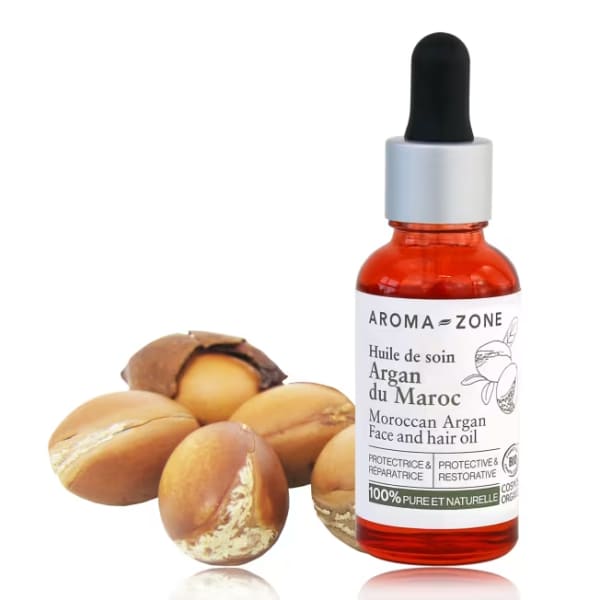
1. As an ultra-nourishing serum: take a few drops of organic Moroccan argan oil. Warm the oil by rubbing it between your palms, then apply it to your face. Massage your skin from the centre outwards and finish with gentle tapping motions. Also work a few drops into the mid-lengths and split ends of your hair, as a finishing oil.

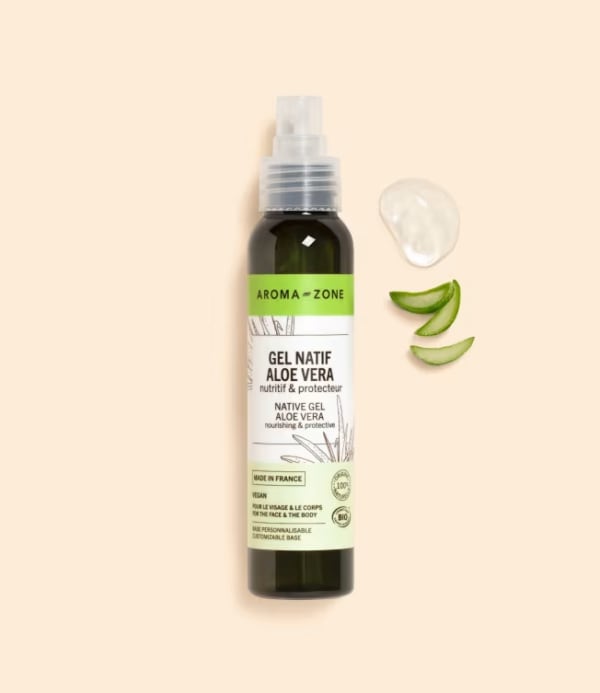
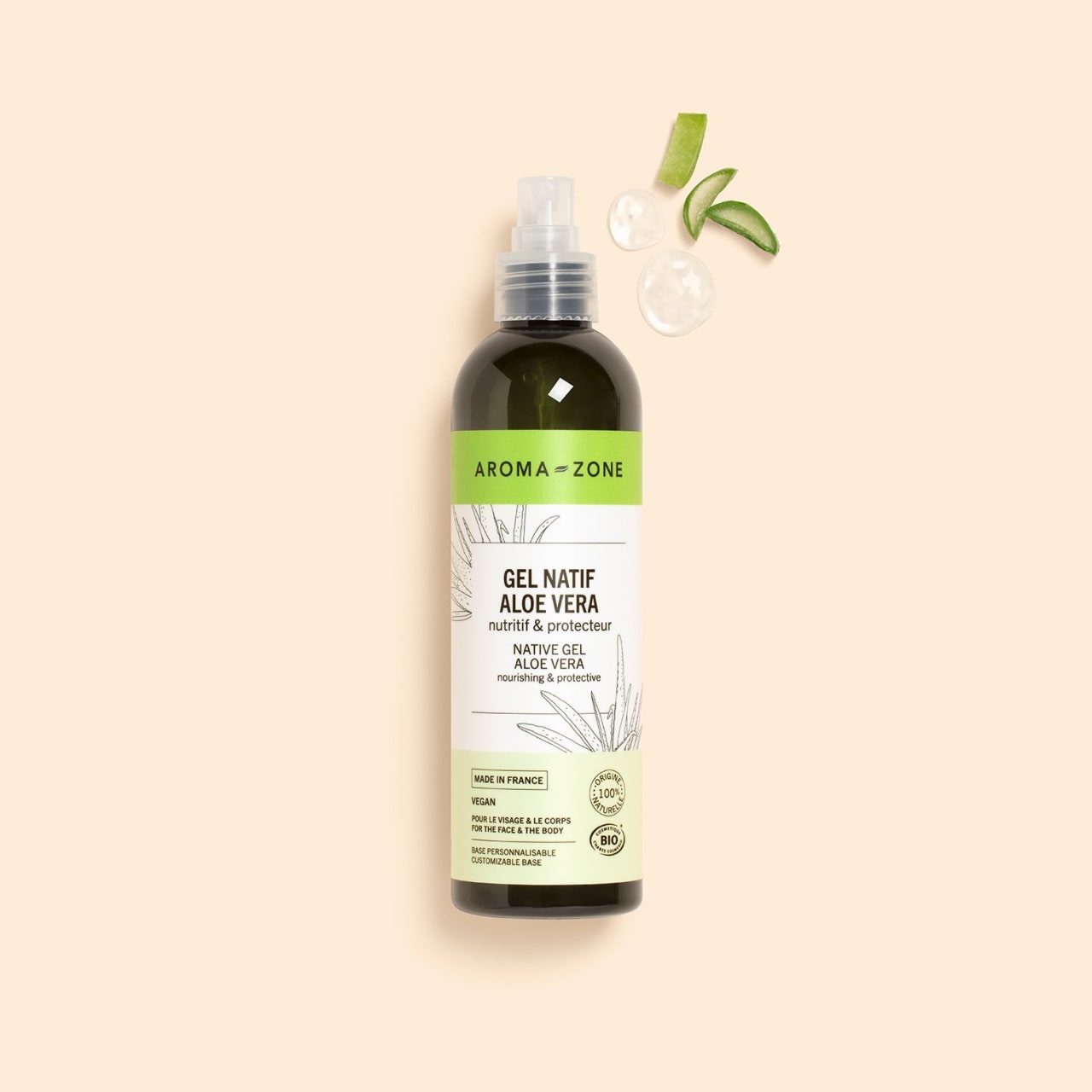
Organic Aloe Vera Gel

2. As a complete day cream: mix a little argan oil with organic aloe vera gel. Adjust the amount of oil according to your skin type: 1 drop in 1 pump of aloe vera gel for oily skin, 3 to 4 drops for dry skin. Mix everything together in the palm of your hand, then apply to your face. Spread any excess over the lengths of your hair. If you have textured hair, take this opportunity to redefine your curls.

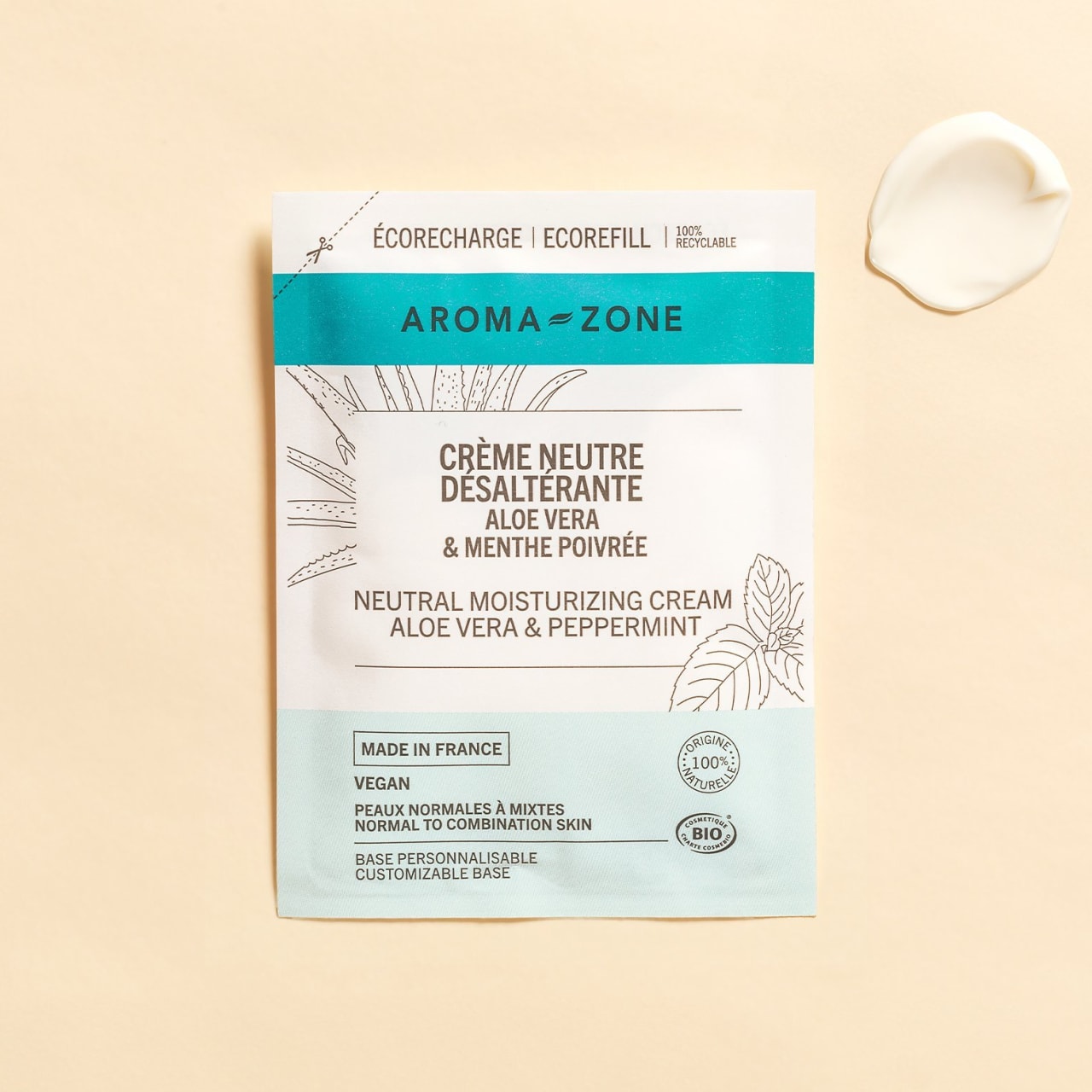
3. As a personalised moisturiser: add argan oil directly to the contents of the bottle of the hydrating and moisturising cream  Use a maximum of 10 mL of oil per 100 mL bottle of cream. Mix it in, label your product: your cream is ready to use! Apply it morning and evening to your face and even to your body if you wish.

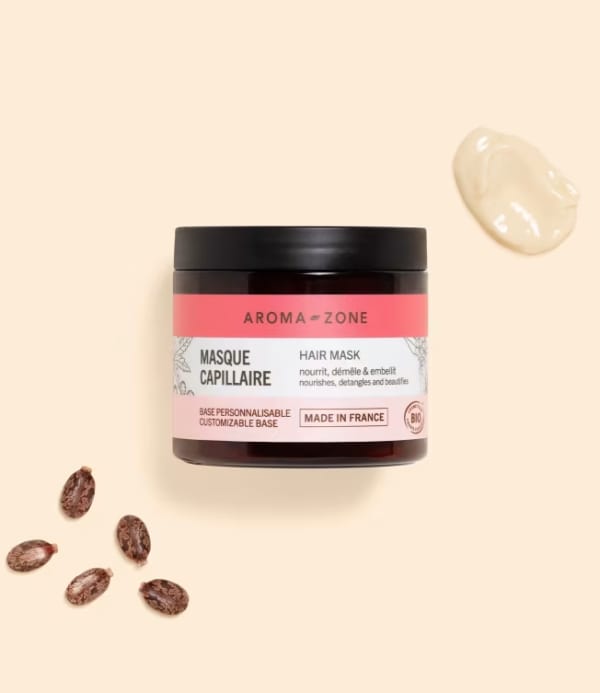
Hair Mask Base

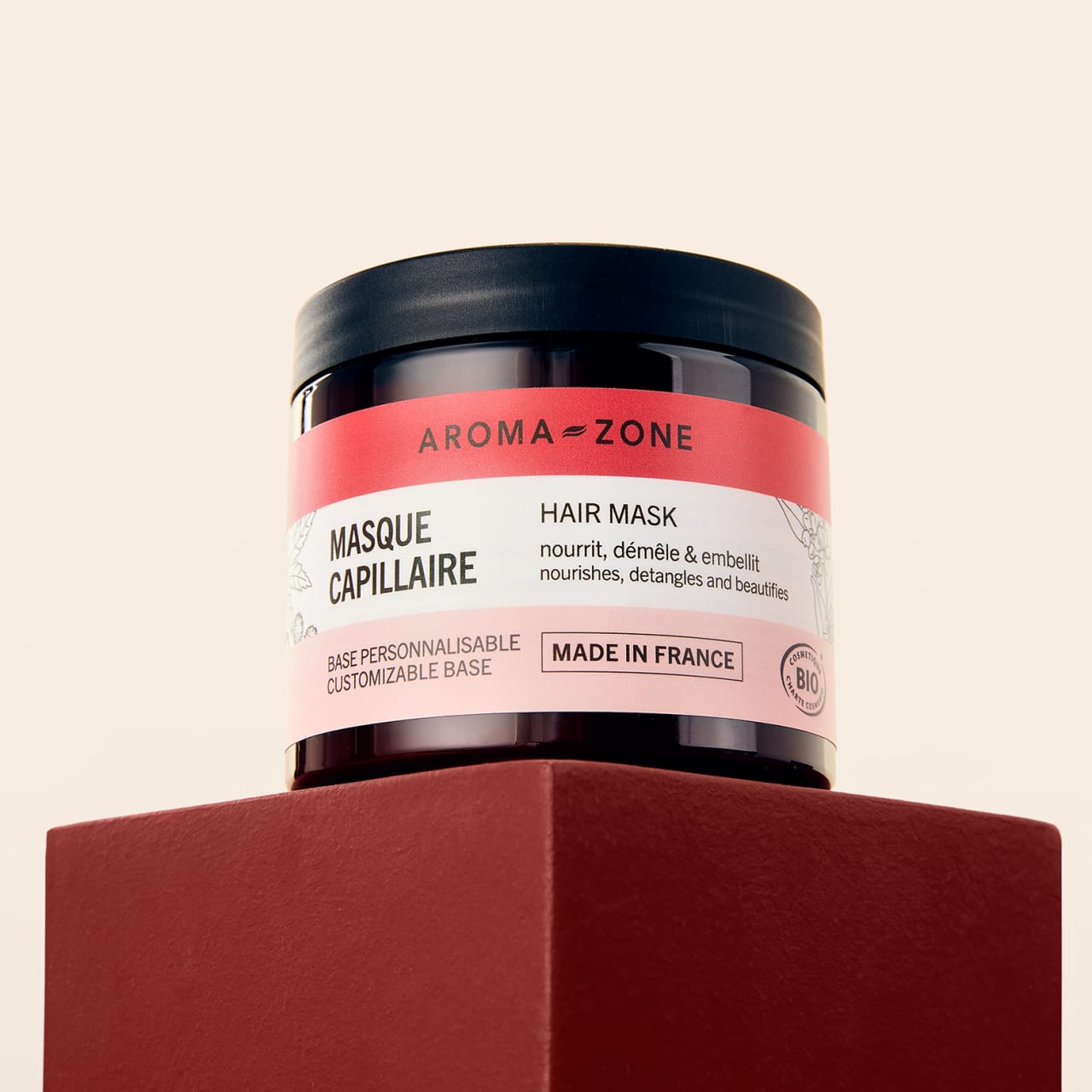
4. As a personalised hair mask: add argan oil directly to the contents of the Hair Mask. This will make it even more nourishing! Use a maximum of 10 mL of oil per 200 mL jar of mask. You can use the resulting mixture as a pre-shampoo mask, a conditioner or a leave-in treatment.

Our ready-to-use skincare products made with pure argan oil

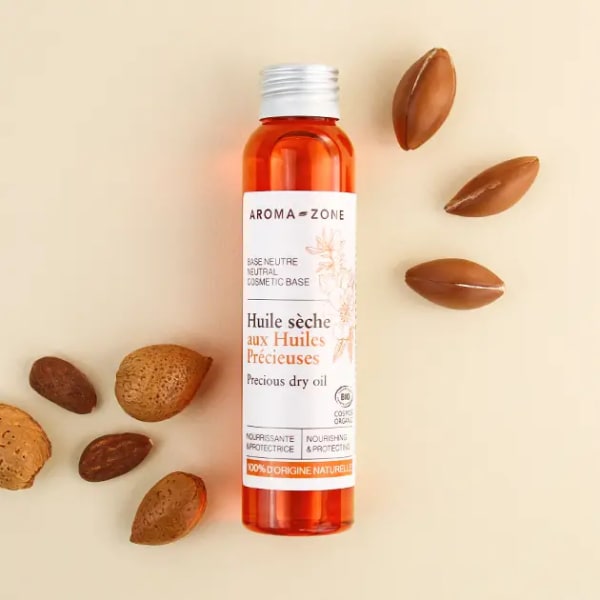
Dry oil with precious organic oils
  • Dry oil with precious organic oils

Enriched with organic argan oil, this multi-purpose oil can be applied to the face, body and hair. It nourishes, softens and protects with a silky, fast-absorbing texture that leaves no greasy residue.

Discover our Dry Oil with Organic Precious Oils

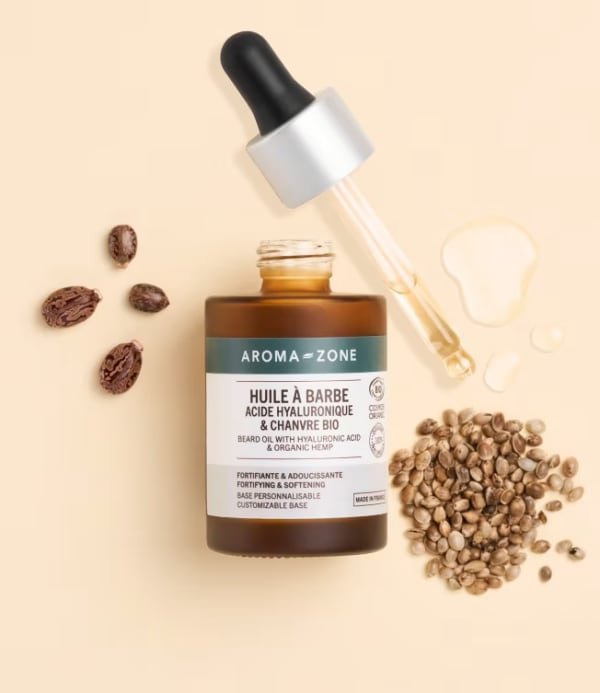
Beard oil with hyaluronic acid & organic hemp
  • Beard Oil with Hyaluronic Acid and Organic Hemp

Enriched with organic argan oil, this product is ideal for taming and caring for your beard on a daily basis. It gives your beard strength, shine and resilience whilst boosting growth, particularly in thinning areas.

Discover our Hyaluronic Acid & Organic Hemp Beard Oil

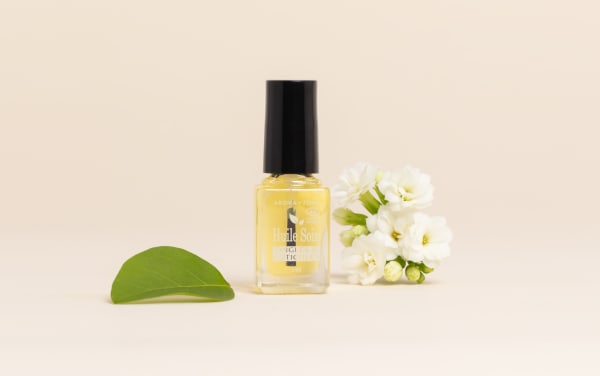
Repairing nail & cuticle treatment with precious cacay oil
  • Organic nail & cuticle care oil

Enriched with regenerating organic argan oil, this oil also contains hardening mastic resin and skin-lightening lemon. It is a complete treatment to push back cuticles and improve the overall appearance of your nails.

Discover our Nail & Cuticle Care Oil

Our homemade cosmetics recipes to try at home

Precautions for use

Are you thinking of customising one of our neutral bases or introducing a new cosmetic product into your beauty routine? Start by carrying out a sensitivity test before use. Simply apply a small amount of the product to the crook of your elbow. Wait 48 hours and check that your skin shows no signs of a reaction.

The products and ingredients mentioned in this guide may have specific precautions for use. We advise you to consult our technical data sheets before use. Please follow the instructions for use and recommended dosages carefully.

Expert advice

Do not confuse edible argan oil with argan oil for cosmetic use. The traditional production of the former involves roasting the kernels. This process gives it its characteristic nutty flavour, but causes it to lose most of its active ingredients and cosmetic properties. Oils for cosmetic use, on the other hand, are normally prepared from unroasted kernels in order to preserve all their benefits for the skin and hair.

Focus on Our Writer: Hélène Betoux

Hélène Betoux is a French beauty journalist specialising in web media. Every day she writes tips, advice, and guides to help consumers choose the right beauty products. With a strong interest in natural, organic, and clean cosmetics, she analyses and shares trends and innovations in the sector.

Bibliography

  1. Zoubida Charrouf, Dominique Guillaume,

    ‘Argan oil: a mature industry’ in Les technologies de laboratoire, No. 6, September–October 2007.

  2. Nisrine Benjelloun

    Argan oil: pharmacological properties and the implementation of a control process, Faculty of Pharmacy, University of Limoges, May 2014.

  3. Agata Serrafi, Fatima Chegdani, Faïza Bennis, Marta Kepinska,

    ‘The Importance of Argan Oil in Medicine and Cosmetology’ in Nutrients, 16(20):3573, 2024.

Frequently Asked Questions

Frequently Asked Questions