
Guide to essential oils

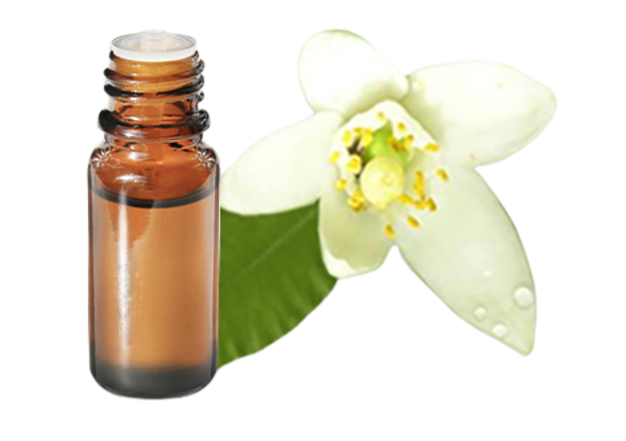
Essential oil of Neroli

A powerful calming agent, our Organic Neroli essential oil helps to soothe anxiety, stress and sleep disorders and promotes a feeling of inner peace. It is also known for its regenerating and invigorating effects. Its subtle orange blossom fragrance is divine. Along with Chamomile, it is a benchmark oil for psycho-energetic olfactotherapy in cases of "emotional shock", thanks to its biochemical properties, which give it powerful anxiolytic properties.

How to use

  • Skin application and massage

    Skin application and massage

    Suitable

  • Cosmetic active ingredient

    Cosmetic active ingredient

    Suitable

  • Aromatherapy bath

    Aromatherapy bath

    Appropriate

  • Diffusion

    Diffusion

    Suitable

  • Food grade

    Food grade

    Appropriate

Features

Properties and uses

Precautions

Find out more

Features

Production process

Low-pressure steam distillation

Part of the plant used

Flowers

Botanical name

Citrus aurantium var. amara

Warning

The properties, information and methods of use below are quotes from reference books or websites on aromatherapy, hydrolatherapy and phytotherapy. This general information is provided for informative purposes only and in no way constitutes medical guidance. Under no circumstances can this information be used as a substitute for a medical diagnosis, consultation or follow-up, nor can it incur our liability. We recommend that you consult the guide to essential oils before using them, so that you are aware of any precautions that need to be taken. If in doubt, consult a doctor before using essential oils.

Properties and uses

Neroli essential oil is traditionally used for : Depression, low mood and insomnia

Health

Beauty

Wellness

Kitchen

Find out more

Properties

Neroli essential oil is recognised for its health benefits:

  • Antibacterial

  • Anti-parasitic

  • Digestive tonic, helping the liver and pancreas to function properly

  • Traditionally used to help lower blood pressure and heart rate

Uses

It is traditionally used to improve the following situations:

  • Digestive disorders, hepato-pancreatic discomforts

  • Intestinal disorders

In practice

Digestive comfort: Mix in your oil blend. Massage or rub your mixture into the abdomen.

Precautions

  • Not to be used during the first 3 months of pregnancy or by children under the age of 6.

  • Use with caution and for short periods only.

  • Always dilute well before applying to the skin.

  • Keep out of reach of children.

  • Avoid contact with the eyes.

  • Certain natural compounds contained in this essential oil may present a risk of allergy for certain sensitive individuals when the essential oil is incorporated into a cosmetic composition (in accordance with the 7th Amendment of the European Directive on cosmetic products (2003/15/EC)): limonene, linalool, geraniol, farnesol.

  • As a general rule, always carry out a test application of your mixture, in the crease of the elbow, at least 48 hours before using it.

Find out more

Neroli essential oil is distilled from the flowers of the Bitter Orange tree . At the end of the 17th century, the Princess of Neroli made bitter orange oil famous by using it as a fragrance. It is an integral part of "eau de Cologne" and its refreshing aroma, with its fine, floral and sweet notes, is used in the composition of the great perfume classics.

Equivalents

Essential Oils

1 ml = approximately 35 drops (with our Aroma-Zone dropper caps)

Carrier oils

1 pump (Aroma-Zone aluminium pump) = approx. 0.15 ml

Mass / Volume conversion (for a liquid)

Mass (g) = Density x Volume (ml) at 20°C

Further information

1 full teaspoon = between 3 and 4.5 ml

1 full tablespoon = between 7.5 and 10 ml


However, these spoon ratios depend on a number of factors (e.g. viscosity of the liquid, temperature, depth and size of the spoon, rheological behaviour of the liquid), and we strongly advise you to use precise measuring equipment, such as graduated test tubes, graduated pipettes, and precision scales.

Aromatherapy recipes from the bibliography

EO = Essential Oil VO = Carrier Oil or Macerated Oil

Filet mignon of pork with two peppers and neroli (A. Pataud)

Kitchen

Serves 4 :

  • 1 pork tenderloin

  • 3 tablespoons peanut oil

  • 10 cl dry white wine

  • 3 tablespoons soy sauce

  • 3 tablespoons acacia honey

  • Salt

  • 1 drop of pink peppercorn essential oil (Schinus terebenthifolius)

  • 1 drop of black pepper (piper nigrum) essential oil

  • 1 or 2 drops neroli essential oil (citrus aurantiusm var. amara) to taste

Preparation: Cut the filet mignon into thick slices. Brown them in a frying pan with the oil and cook the meat over a low heat for 15 minutes on each side. Add salt halfway through cooking.

Drain and keep warm on a serving dish. Deglaze the pan with the white wine, add the acacia honey and soy sauce and simmer for 5 minutes. Add the essential oils and mix well.

Coat the slices of meat with this sauce.

Chef's notes: You can also use veal fillet mignon for this recipe, which is a little more expensive but extremely tender.

You can replace the neroli essential oil with a citrus essence.

Meringues with bitter orange blossom (A. Pataud)

Kitchen

  • 3 egg whites

  • 160 g icing sugar

  • 1 or 2 drops of Neroli essential oil (Citrus aurantium flowers)

Procedure: Preheat the oven to 130°C (gas mark 4/5). Heat some water in a large saucepan in a bain-marie. Place some greaseproof paper (or aluminium foil) on the baking tray and butter it. Pour the egg whites, essential oil and sugar into a bowl. When the water is very hot, place the container in the pan. Using a mixer, beat the egg whites until stiff. Using a piping bag or spoon, pipe meringues onto the baking tray. Bake in the oven for around 45 minutes with the door ajar. Then leave the meringues in the oven with the door ajar until they have cooled.

Raspberries in a cloud of whipped cream (V. Cupillard)

Kitchen

  • 2 drops of neroli essential oil

  • 1 235g jar of thick, lacto-fermented soya cream

  • 2 tablespoons light cane sugar

  • 2 tablespoons sunflower oil or sweet almond oil

  • 250 g raspberries

Preparation: Place the bowl in the fridge a few moments beforehand to chill. In a cup, mix the sunflower oil and neroli essential oil. Pour the jar of thick soy cream into the chilled bowl, add the sugar and beat with a whisk. Aerate the cream and, without stopping whisking, add the scented oil, one small spoonful at a time. Once the cream is well blended, place in the fridge until ready for dessert. Spread a layer of raspberries in the bottom of each small bowl, then add a large spoonful of whipped cream. Arrange a few raspberries on top and serve immediately.

Jam - Orange delight with Neroli (V. Cupillard)

Kitchen

For 2 large jam jars:

  • 2 drops of neroli essential oil

  • 6 oranges

  • 400 g light cane sugar

  • 1 g agar-agar powder

  • 3 tablespoons water

Preparation: Wash the oranges. Without peeling them, cut three of them into large chunks, remove the seeds and place the oranges in a food processor to chop them. Squeeze the other three oranges. In a saucepan, mix this juice with the raw orange marmalade and weigh the mixture. If you obtain 800 g, add half this weight in light cane sugar, i.e. 400 g. Adjust according to the weight of the fruit. Cook for 40 minutes over a very low heat in a thick-bottomed saucepan. When the marmalade is cooked, dilute the agar-agar powder with the spoonfuls of water, pour this mixture into the pan and leave to simmer for 2 to 3 minutes. Turn off the heat and add the two drops of neroli essential oil. Mix well with a wooden spatula, fill the verrines to the brim, close the lids and turn the jars upside down to cool. They will keep for several months.

Taste of the sea: Steamed prawns, courgette chutney with neroli flower (essentielle-nature.com)

Kitchen

1.5 kg prawns

  • 400 g courgettes

  • 400 g oranges

  • 100 g sugar

  • 1.5 dl white vinegar

  • 1 dl water

  • 1 drop of Neroli essential oil

Preparation: Peel the oranges and cut into slices, removing the peel and pips with a small knife.

Wash and thinly slice the courgettes and place in a saucepan. Add the sugar, white vinegar, water and orange slices.

Cook over a low heat for 30 to 40 minutes until the cooking juices have evaporated.

Remove from the heat, leave to cool, add the Neroli essential oil and stir to combine.

Cook the prawns in a steamer or cous cous pot

Serve with the chutney.

Couscous and hummus (aroma-age.info)

Kitchen

Serves 8 :

  • 200 g medium couscous semolina

  • 3 carrots

  • 2 medium courgettes

  • 2 red peppers

  • 200 g pumpkin

  • 2 tomatoes

  • 2 onions

  • 1 stalk of celery

  • 2 cloves of garlic

  • 3 tbsp canned (or pre-prepared) chickpeas

  • 2 handfuls sultanas

  • 2 pinches of chilli pepper

  • 50 g blanched almonds

  • 1 sprig thyme

  • 1 bay leaf

  • 1 tablespoon ras-el hanout

  • ¾ teaspoon ground cinnamon

  • 4 tablespoons olive oil

  • 1 drop of coriander essential oil

  • 1 drop of Neroli essential oil

  • salt and pepper

Preparation:

Rinse the grapes and leave to soak in warm water. Cut the onions and peppers into thin strips, the courgettes and peeled carrots into thin slices, and the pumpkin and peeled tomatoes into small pieces. Prepare your semolina by adding ¼ litre of boiling water. Leave it to soak, aerating it regularly so that it doesn't stick together. Then, if you don't have a cous cous pot, pour your semolina into a colander in which you have placed a damp cloth. Place the sieve over a pan of hot water over a medium heat for 10 minutes, so that it steams. Meanwhile, fry the onions and peppers for 10 minutes. Add the carrots, courgettes, pumpkin and tomatoes. Sprinkle with ras-el hanout, cumin and cinnamon. Season with salt and pepper and mix well. Pour over 20 cl of water and add the bunch of aromatic herbs. Cover and simmer for one hour. Add the chickpeas 10 minutes before the end of the cooking time, followed by the drop of coriander essential oil. Mix well. Just before serving, fluff the semolina with a fork, add the raisins and almonds and the drop of Neroli oil. Mix well. Serve the vegetables in a separate bowl.

Bibliography

1

"Huiles essentielles - 2000 ans de découvertes aromathérapeutiques pour une médecine d'avenir"

Dominique Baudoux

2

'Aromathérapie' Éditions Maloine

Dr Jean Valnet

3

'L'aromathérapie exactement'

P. Franchomme and Dr D. Pénoël

4

'La bible de l'aromathérapie'

Nerys Purchon

5

'L'ABC des huiles essentielles'

Dr Telphon

6

'Aromatherapy'

Nelly Grosjean

7

'Les huiles essentielles pour votre santé'

G. Roulier

8

"Les cahiers pratiques de l'aromathérapie française - Paediatrics" - Editions Amyris

Dominique Baudoux

9

Aroma-News newsletters from the NARD association

10

"L'aromathérapie - Se soigner par les huiles essentielles" - Editions Amyris

Dominique Baudoux

11

Cooking with essential oils and floral waters. Editions La Plage.

Cupillard E. and V. (2006)

12

La cuisine aux huiles essentielles. Des recettes saines et créatives. Editions Ambre.

Pataud A. (2004)

13

14

15