
A blood sugar spike is a sudden rise in blood sugar levels. It occurs when you eat a sugary food with a high glycaemic index, that is, one that is quickly absorbed by the body. These are foods commonly referred to as fast-acting sugars, such as pastries, chocolate, ice cream, or refined grains like white bread or white pasta. These rises in blood sugar trigger the pancreas to produce insulin, a hormone that helps cells absorb sugar, thereby causing blood sugar levels to drop. This is followed by a sharp drop in blood glucose levels, known as reactive hypoglycaemia, which can cause symptoms such as fatigue or uncontrollable sugar cravings. If they occur too frequently, these spikes can, in the long term, increase insulin resistance and contribute to a rise in fasting blood glucose levels, weight gain and the development of type 2 diabetes.
What Are Blood Sugar Spikes?
Published on: Wednesday, April 23, 2025, Updated on: Friday, October 30, 2026
Blood sugar spikes can occur after eating sugary foods and lead to unpleasant symptoms. However, it is possible to avoid them by taking a few simple and effective steps. We will look in more detail at why blood sugar levels can rise sharply, what this leads to, how to prevent these spikes, and how to relieve their symptoms.
Contents
Related products
Weight management
£20.00
30.4 g

Vitality
Stress
£15.00
article

Weight management
£14.00
71.2 g

Weight management
£13.00
1 article

Weight management
£22.00
120 g
What Is a Blood Sugar Spike?
Why Do Blood Sugar Spikes Occur?
The main cause of blood sugar spikes is the consumption of fast-acting carbohydrates, such as sweets or white bread, which cause blood sugar levels to rise rapidly. Certain factors contribute to these spikes, such as:
A Diet too High in Carbohydrates
Fibre and protein help to slow down the rate at which sugar is absorbed. This is why meals low in these nutrients and made mainly of sugary foods cause sugar to enter the bloodstream rapidly, leading to blood sugar spikes. A diet high in fast-acting carbohydrates can also, over time, lead to hyperglycaemia, i.e., chronically high blood sugar levels.
Stress
When under stress, the body releases large amounts of cortisol, triggering the release of glucose into the bloodstream and disrupting blood glucose balance. When stress is chronic, blood sugar levels remain higher than they should be, even between meals, making you more prone to blood sugar spikes. Furthermore, stress can disrupt sleep, which in turn can imbalance hormones that regulate hunger and blood sugar, such as leptin and insulin, making the body more susceptible to higher blood sugar levels. Discover our natural solutions for managing stress.
Lack of Physical Activity
Physical activity uses glucose for energy, helping lower blood glucose levels and reducing blood glucose spikes. Exercising regularly, particularly after a carbohydrate-rich meal, is a good way to prevent these unpleasant symptoms.
What Are the Symptoms?
Fatigue and Loss of Concentration: Significant fatigue may set in after an unbalanced meal that causes blood sugar levels to rise, and this can lead to drowsiness, loss of concentration, headaches, or dizziness. These symptoms are caused by impaired functioning of the brain, which lacks glucose, its main fuel, levels of which can drop sharply following the release of insulin in response to a blood sugar spike
Feeling of Warmth: During a blood glucose spike, you may experience hot flushes, particularly in the face. This is due both to the release of insulin, which causes blood vessels to dilate, and to the activation of the autonomic nervous system, as occurs during stress
Thirst and Frequent Urge to Urinate: Thirst occurs to restore the body’s fluid balance when it is disrupted by excess sugar in the blood, which may be due either to excessive sugar intake or to insufficient water intake, which increases its concentration in the blood. This thirst, and the resulting intake of fluids, represent the body’s attempt to eliminate excess sugar by increasing urine production
An Irresistible Craving for Sweet Foods: This occurs after the blood glucose peak in the event of reactive hypoglycaemia, a sudden drop in blood glucose levels that generally follows a peak. As the brain needs sugar to function, the sudden drop in blood sugar levels following the release of insulin (which can sometimes be excessive when blood sugar spikes are high and the body is slightly out of balance) triggers a feeling of hunger and a craving for sweet foods in order to quickly compensate for this deficiency
Feeling of Unease: When blood sugar levels drop after a spike (known as reactive hypoglycaemia), one may experience a general feeling of unease, manifesting as restlessness, heart palpitations, cold sweats, or dizziness. These symptoms are the body’s warning signals to alert it to danger, much like in a stressful situation, because the brain is lacking sugar.
Good to Know
The more frequent the blood sugar spikes, the more intense and numerous these symptoms can be, as repeated spikes affect hormonal regulation, particularly that of insulin.
Excess Sugar: Which Natural Tips Can Help Balance Blood Sugar Levels?

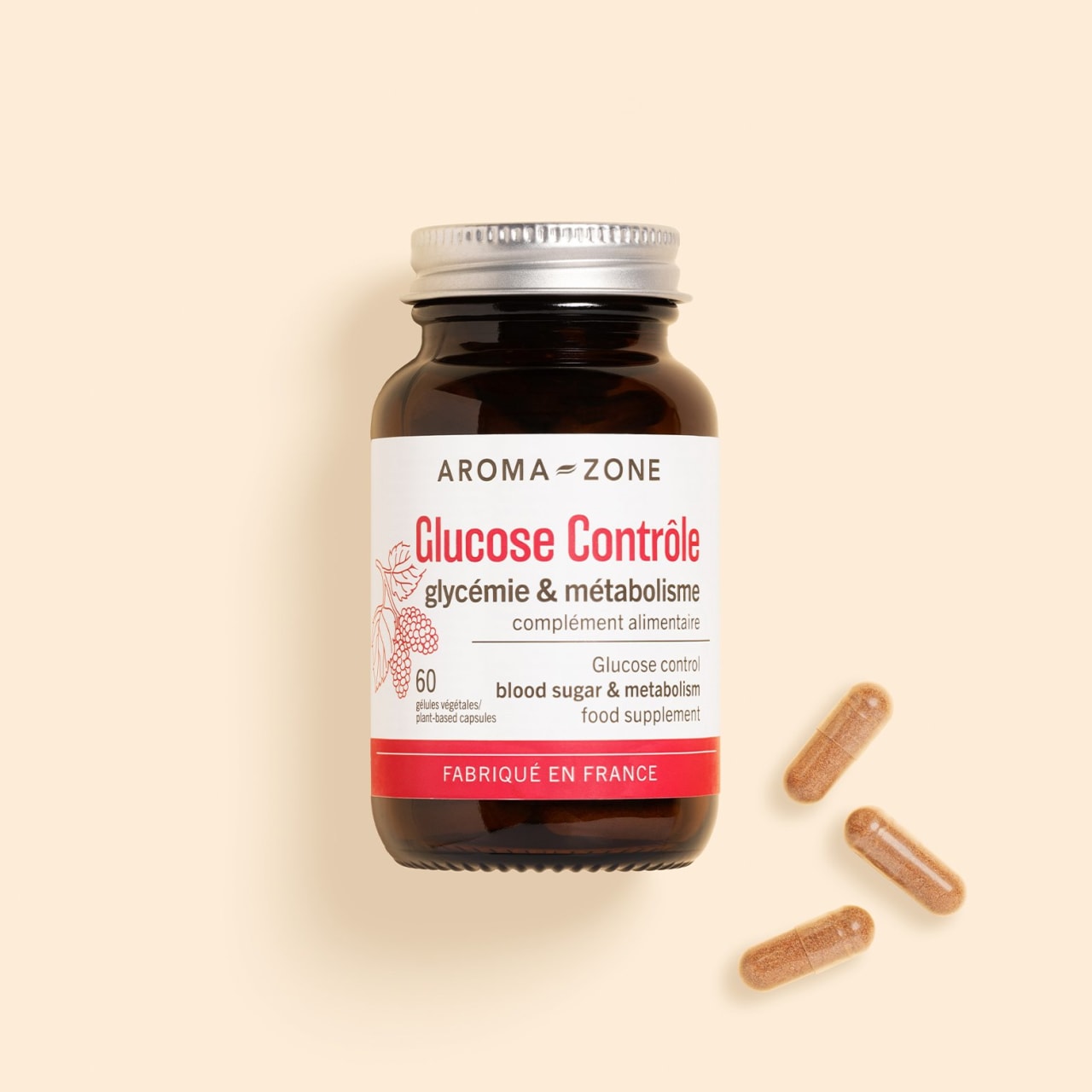
Spotlight on the Dietary Supplement Glucose Control - 60 Capsules
Ideal for maintaining blood sugar balance and combating glucose spikes, this Glucose Control food supplement is formulated with two high-quality natural extracts: a concentrated extract of Ceylon cinnamon, recognised for its benefits in supporting blood sugar balance, and the natural Reducose® white mulberry extract, proven to reduce sugar absorption from the very first dose.
What Routine Can Help Prevent Blood Sugar Spikes?
Eating Foods With a Low Glycaemic Index (Where Sugar Is Absorbed Slowly): This helps to limit blood sugar spikes. For example, the pectin found in abundance in apples or the fibre present in wholegrains, such as wholemeal bread or brown rice, slows down the rate at which sugar is absorbed
Do Not Consume Fast-Acting Sugars on Their Own: Fibre, fats, and proteins found in other foods slow down the rate at which sugar enters the bloodstream, whereas if a sugary food is eaten on its own, it causes a sharp rise in blood sugar levels
Taking Apple Cider Vinegar Before a Meal: One teaspoon of apple cider vinegar in water before sitting down to eat helps to slow down the absorption of sugar into the bloodstream and can help prevent blood sugar spikes after a meal rich in fast-acting sugars
Going for a Post-Meal Walk
Some Recipes









Expert Advice
Personalised support from a nutritionist can help you balance your diet to avoid spikes in blood sugar, whilst taking your tastes and lifestyle into account. There are some simple tips that can help you avoid these spikes whilst still treating yourself, such as eating a pastry for dessert rather than as an afternoon snack.
Precautions
Frequent blood sugar spikes can be caused by, or may contribute to, other chronic conditions such as pre-diabetes. It is therefore advisable to consult a doctor to identify the cause of these repeated spikes and to put the necessary measures in place to prevent the risk of developing other conditions.
Spotlight on Our Naturopathic Writer: Christine Barris

After completing a master’s degree in management, Christine spent 20 years working for leading companies in the food supplement and natural cosmetics sectors. She then turned her passion for nature into a career. Today she practises naturopathy for people and animals, as well as sophrology, and mentors aspiring naturopaths and sophrologists at various schools.
Bibliography
www.passeportsante.net
https://www.pleinevie.fr
https://www.caminteresse.fr



