The benefits of chaga and our advice on how to use it

Chaga is a medicinal mushroom that grows wild on the bark of birch trees and is renowned for its many benefits. Its exceptionally rich composition of active ingredients has earned it the nickname 'the mushroom of immortality'. In this article, discover the benefits of Chaga and how to use it as a cure to maximise its effects.

Reading time: 0 min.

What is chaga?

Chaga (Inonotus obliquus), also known as Clinker polypore, is a parasitic fungus that grows on the bark of birch trees in cold regions such as Siberia, Canada, the north of the United States, northern Europe and the cold areas of Korea. Chaga resembles burnt charcoal with a yellow-orange interior.

Chaga has been used for centuries in traditional medicine in Siberia, Asia and certain Western countries, mostly to boost immunity and improve general health, but also to relieve gastrointestinal discomfort. Chaga has gained in popularity in the Western world because of its health benefits, and over the last 20 years or so there have been more and more scientific studies into this medicinal mushroom, attributing various benefits to it.

What properties does chaga have?

Chaga is a valuable source of minerals and trace elements, including potassium, calcium, magnesium, phosphorus, manganese, zinc, selenium and iodine. It is also high in vitamins such as B1, B2, B3, D, A and K, as well as polyphenols, which are compounds with antioxidant properties. Chaga also contains protein and fibre.

Among its bioactive compounds, polysaccharides, particularly beta-glucans, stand out for their wide range of biological activities and numerous health benefits. Polysaccharides are natural biopolymers made up of long chains of monosaccharides, such as glucose, galactose and mannose, which are linked together. The composition and structure of these monosaccharides determine the properties and biological activity of the polysaccharide.

A closer look at our organic chaga extract food supplement


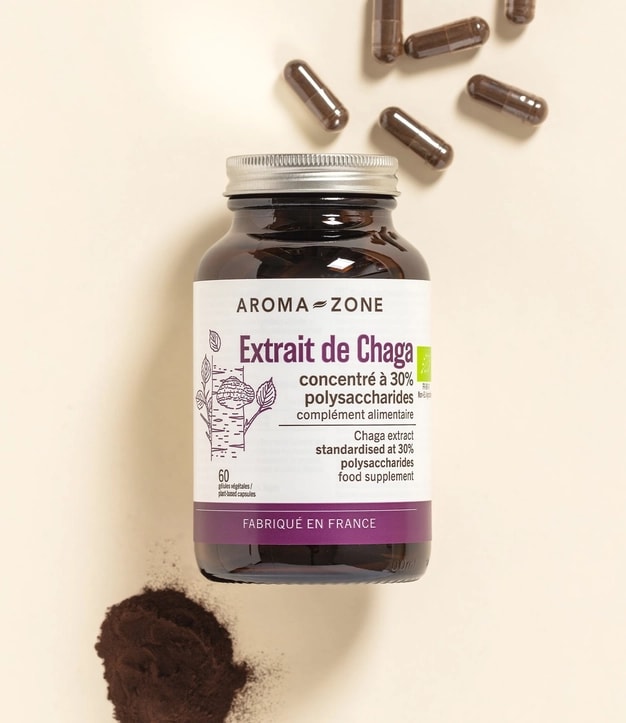
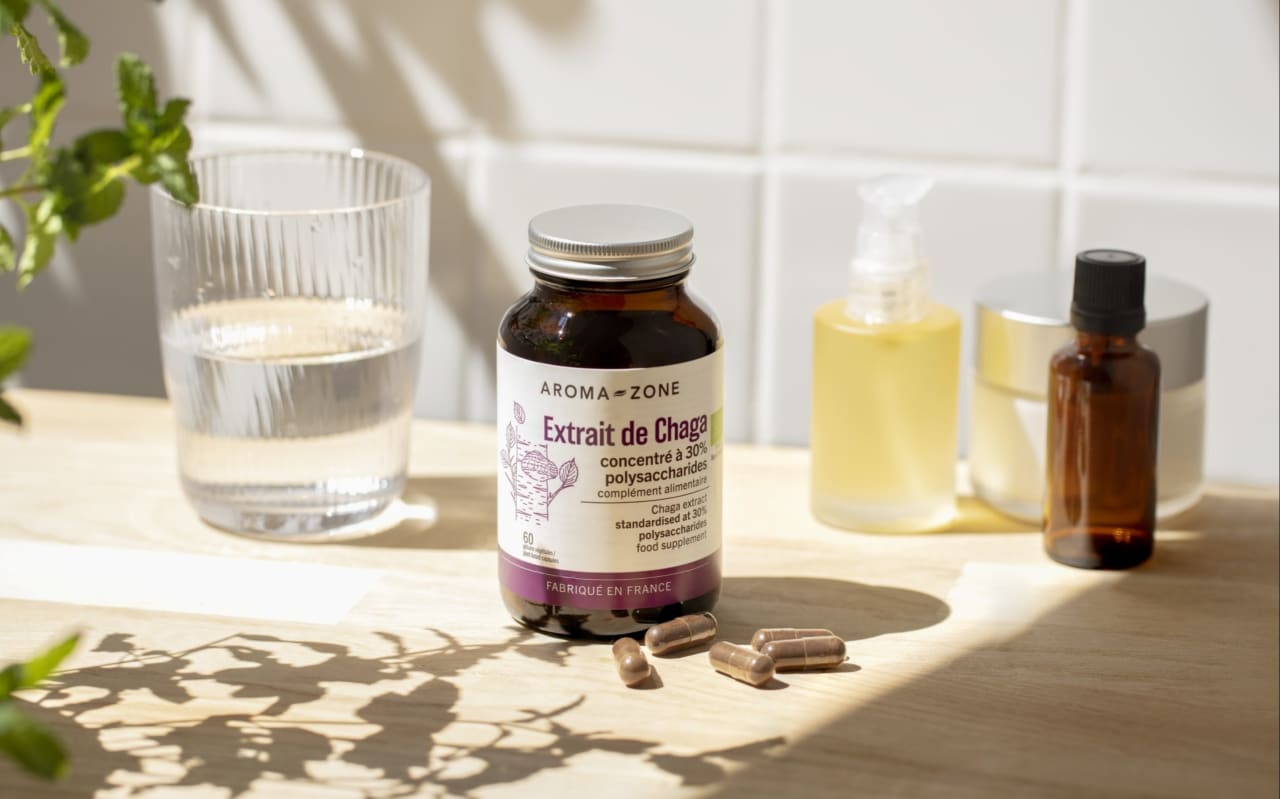
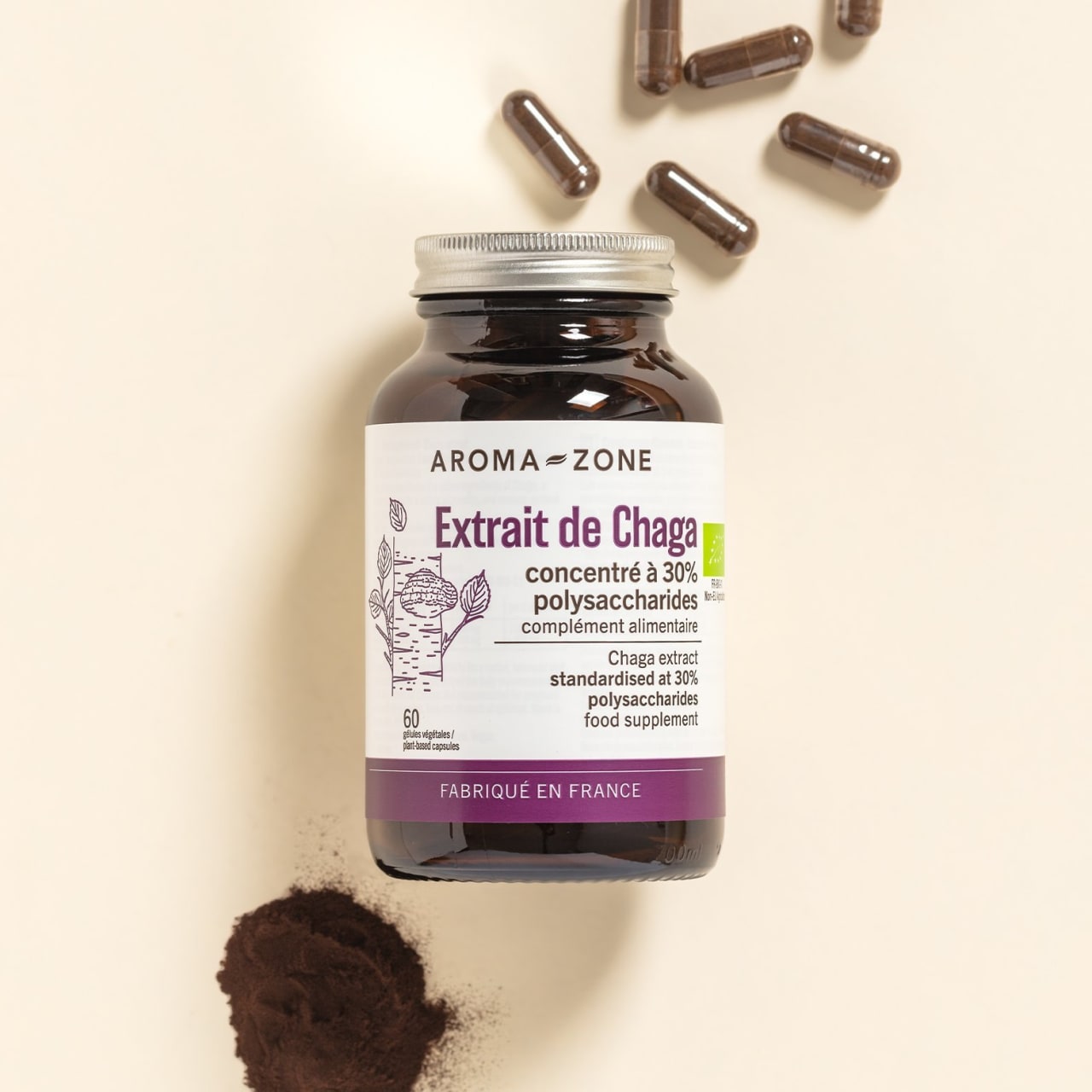
Our dietary supplement is a concentrated extract of chaga titrated to 30% polysaccharides. The chaga we use is harvested from birch trees in Inner Mongolia.


Chaga is particularly recommended for supporting and regulating natural defences. High in active substances with antioxidant and anti-inflammatory properties, it is also beneficial for good digestive health and keeping your vitality with age.


Discover our organic chaga extract - 60 capsules - food supplement

What are the benefits of chaga?

The beneficial effect of chaga on the lipid profile

  • Effect on blood sugar levels: researchers have found that chaga helps to reduce blood sugar levels. This reduction in blood sugar levels is very significant as it has a direct impact on the feeling of fullness and hunger pangs.

Chaga, to support the immune system

  • Anti-inflammatory: chaga also has anti-inflammatory properties. Inflammation is a physiological immune response of the body's tissues to tissue damage, chemical toxins or pathogens. Chaga's polysaccharides are able to inhibit the production of molecules involved in inflammation, thus exerting an anti-inflammatory effect.

  • Improves physical performance: mostly due to its anti-fatigue effects, it also helps to reduce the amount of lactic acid in the blood, which causes the cramps and muscle pain we experience with physical exercise.

  • Antioxidant: chaga contains antioxidants that help the body neutralise reactive oxygen species - in particular free radicals - which are responsible for oxidative stress. In fact, researchers compared the antioxidant power of various mushrooms used in traditional medicine and found that chaga had the highest antioxidant properties.

A beneficial effect on digestion

  • Relieves symptoms of intestinal disorders. Chaga is traditionally used to relieve gastrointestinal disorders. Multiple studies have tested its beneficial effects on abdominal pain and diarrhoea. In fact, a study carried out on mice suffering from colitis reported that chaga had the abillity to block the effects of TNF-α, one of the inflammatory mediators.

  • Effects on blood sugar levels: researchers have observed that chaga helps to reduce blood sugar levels, by having a direct effect on the sensation of fullness and hunger pangs.

We also recommend: Irritable bowel syndrome: how to relieve it naturally

Why take a course of chaga?

By boosting immunity, chaga helps maintain good general health. This mushroom is particularly valued for its vitality-boosting properties, especially for the elderly. Its antioxidants combat oxidative stress, helping to maintain your energy levels and slow cell ageing.

Chaga is also a very effective way to support the digestive system. It is known for its anti-inflammatory properties, which help relieve intestinal pain. By soothing inflammation of the digestive system and rebalancing the intestinal flora, it helps to improve digestive health.

How do I take a course of chaga?

When should you take chaga?

There is no specific recommendation for when you should take chaga.

If it's in the form of a food supplement, you may prefer to take it at mealtimes. Or if you prefer it in herbal tea, take it whenever suits you.

Chaga dosage

It is essential to follow the dosage indicated by the manufacturer and not to increase the quantities:

  • In powder form: it is generally recommended to take between 1000 and 2000 mg of chaga per day.

  • In capsule form: follow the manufacturer's recommendations. The dose will depend on the capsule's composition. For example, for an organic chaga extract standardised to 30% polysaccharides, the recommended dose is 500 to 1000 mg per day. That's 1 to 2 capsules a day.

One jar of Aroma-Zone organic chaga extract food supplement will last you 30 to 60 days, or 1 to 2 months, depending on the number of capsules you take per day. There is no strict rule regarding how long you should take chaga for, but we recommend starting with a course of 1 month, then if you wish to, you can restart the course after a break of 1 to 2 weeks.

Contraindications

As a general rule, chaga is well tolerated and causes very few side effects if taken in the recommended doses. However, chaga has a number of contraindications. It is not recommended for pregnant or breast-feeding women, and should only be taken by adults.

What products can be used with chaga?

Triple nagnesium 120 capsules


Magnesium helps to reduce fatigue and ensure the nervous system functions properly. It also promotes normal muscle function and protein synthesis, and contributes to good bone health. If you suffer from temporary fatigue, or when you're doing intense physical exercise, magnesium in combination with chaga can help you maintain optimum energy levels and reduce feelings of tiredness.


Triple magnesium complex - 120 capsules - food supplement

Vegan vitamin D3


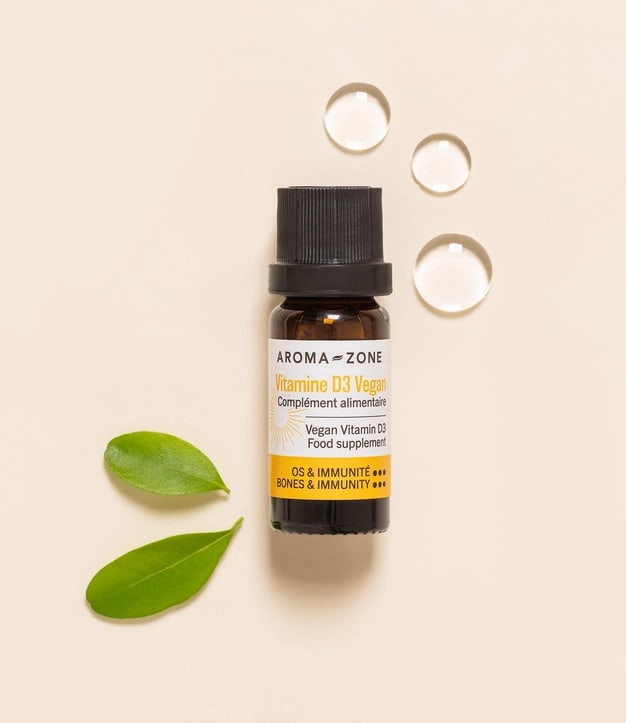
With a high dose of natural, vegan vitamin D3, this food supplement is particularly recommended for supporting immunity and preserving bone capital. In association with chaga, it is highly beneficial for older people, helping to maintain their vitality, protect their natural defences and preserve their bone density.


Discover our vegan vitamin D3 - 10 ml - food supplement

Probiotics for intestinal relief


This natural food supplement is a combination of 5 patented and clinically tested probiotic strains, including the SynbÆctive® SmilinGut mix, with proven beneficial effects on the balance of intestinal flora and intestinal comfort, combined with prebiotic fibres.


Discover our Probiotics Intestinal Relief - 30 capsules - food supplement

Traditional recipes for boosting immunity and good digestion

'Immunity’ booster stick

Tip

Full spoons are shaved: to do this, run a spatula or knife blade over the spoon to remove the excess product.

Preparation

1

Melt the Melt and Pour base stick in a bain-marie over a low heat.

2

Remove from the heat, add the essential oils and stir.

3

Pour the still-liquid mixture into the stick tube and leave to cool to room temperature. Wait 12 hours before using.

Store your bottle away from light and heat.

* Storage: if stored properly and manufactured under optimum hygiene conditions, your product will keep for at least 6 months.

To find out more, consult

Digestive comfort roll-on

Ingredients with scales

Ingredients without scales

1

Pour the hemp plant oil and essential oils into your roll-on. Shake and it's ready!

Precautions to be taken when using chaga

Chaga is not a substitute for medical treatment. We advise you to seek medical advice before taking chaga, particularly if you are taking medication and/or in one of the following situations:

  • If you have kidney stones, gallstones or gout, due to chaga's natural oxalate content.

  • If you have an autoimmune disease, as chaga acts on the immune system and may increase symptoms.

  • If you have taking any anticoagulant treatments, as chaga has blood-thinning effects. Chaga may interact with anticoagulant treatments by acting as an additional blood thinner.

  • If you have type 1 diabetes, due to the potential effects of chaga on insulin levels.

  • If you are taking medication to lower your blood sugar levels: the hypoglycaemic effect of chaga could add to the medication's effects.

  • If you are allergic to mushrooms and/or birch. There are also rare cases of specific allergies to chaga.

Expert advice

To get all the benefits from assimilating the antioxidants present in chaga, it is advisable to take it alongside other sources of vitamin C. This combination optimises the effectiveness of the polyphenols. Combining chaga with foods high in vitamin C, such as citrus fruit or peppers, can boost its beneficial effects.

Find out more

Can Chaga interact with medicines?

Chaga can interact with anticoagulant treatments by acting as an additional blood thinner. Chaga may also interact with anti-diabetic drugs. If you are taking medication at the same time as food supplements, we recommend that you always seek your doctor's advice.

What does chaga taste like?

Chaga has a slightly earthy flavour and woody notes. It can be slightly bitter, especially if brewed for a long time. Chaga powder also has a more robust taste, with a stronger earthy flavour. Brewing chunks of chaga will give you a more subtle flavour. Some people compare the taste of the resulting herbal tea to black tea, while others find it slightly sweet.

If you don't like the taste but want to enjoy all of chaga's benefits, taking a food supplement in capsule form may be the solution.

Can Chaga be combined with other food supplements?

There are no known contraindications to taking organic chaga extract in combination with our other food supplements. To avoid an overdose of chaga, however, avoid combining it with other chaga-based products, which you can identify in the ingredient lists by its Latin name Inonotus obliquus.

Spotlight on our scientific editor, Juliette Pouyat

Juliette Pouyat has been a scientific writer specialising in nutrition and health for 10 years. After studying chemistry, she wrote a thesis on the nutritional quality of infant milks and obtained a doctorate from the Institut National Agronomique Paris-Grignon. She is the author of numerous articles and several books on the links between food and health, food supplements and well-being. Juliette draws on recent scientific literature to write articles for the general public.

Bibliography

1

Bioactive compounds and bioactive properties of chaga (Inonotus obliquus) mushroom: a review. J. Food Bioact.

Food Bioact. Peng, H., and Shahidi, F. (2020), 12: 9-75.

2

Inonotus obliquus

From folk medicine to clinical use J Tradit Complement Med.Konrad A Szychowski, Bartosz Skóra, Tadeusz Pomianek, Jan Gmiński, 11 (2021), 293-302

3

Recent Developments in Inonotus obliquus (chaga mushroom) Polysaccharides

Isolation, Structural Characteristics, Biological Activities and Application. Polymers. Lu, Y.; Jia, Y.; Xue, Z.; Li, N.; Liu, J.; Chen, H (2021), 13, 1441.

4

Chen, Y. M., Chiu, W. C., & Chiu, Y. S. (2021).

Effect of Inonotus obliquus extract supplementation on endurance exercise and energy-consuming processes through lipid transport in mice.