
Problem skin: mistakes to avoid, according to our dermatologists

Problem skin: mistakes to avoid, according to our dermatologists


By Lou Dumas

Published on: Wednesday, January 21, 2026, Updated on: Friday, October 09, 2026

When your skin is shiny or has recurring blemishes, it’s tempting to cleanse it frequently, use more skincare products or constantly change your routine in search of the best solutions. These habits, often driven by good intentions, can further disrupt the skin’s natural balance. Problem skin requires, above all, consistency, gentleness and a thorough understanding of how it works. In this article, we review the most common mistakes, their actual impact on the skin and the right habits to adopt, with expert insight from our dermatologists.

Contents

Related products

In brief

When the skin has persistent blemishes, certain skincare habits can inadvertently make the situation worse. Identifying the most common mistakes and adopting the right skincare routine can help restore balance and visibly improve the condition of the skin.

What are the main mistakes to avoid if you have problem skin?

Among the most common practices, certain ones recur time and again among people affected by symptoms of acne, inflammatory blemishes or persistent skin imbalances:

One of the biggest mistakes is over-cleansing the skin, sometimes several times a day, using products that are too harsh or unsuitable. This approach is often intended to ‘dry out’ blemishes, but in reality it disrupts the protective hydrolipidic film.

The simultaneous use of too many potent active ingredients (exfoliants, acids, retinoids, antibacterials, etc.) without gradually building up the dosage is also common. This combination increases the risk of irritation and skin sensitisation.

Another common mistake is regularly changing one’s skincare routine, without giving the skin time to adapt or show results. Consistency, however, is a key factor in achieving improvement.

Finally, neglecting moisturising and sun protection, on the pretext of having oily skin or skin prone to spots, remains a persistent but problematic misconception.

You may be making these mistakes if…

  • Blemishes persist despite targeted skincare

  • Your skin feels tight after cleansing but quickly becomes shiny

  • Redness appears after applying certain active ingredients

  • Results vary significantly from one period to the next.

Why do certain habits exacerbate skin imbalances?

The skin acts as a dynamic barrier, composed in particular of lipids, corneocytes and a balanced skin microbiome. When this barrier is compromised, water evaporates more easily, irritants penetrate more deeply and inflammation sets in (4, 5). Excessive cleansing and the use of harsh surfactants weaken this barrier, which can, paradoxically, stimulate sebum production and encourage the appearance of new blemishes (3). The use of ingredients that are potentially comedogenic or poorly tolerated may also increase the risk of acne lesions, as demonstrated by several recent observational studies (7, 8). Finally, the lack of sun protection exposes the skin to chronic UV-induced inflammation, which may exacerbate post-inflammatory marks and slow down skin repair (1, 2).

What are the best habits to adopt?

A skincare routine tailored to problem skin is based on three essential pillars: gentleness, consistency and gradual progression.

  1. Cleansing should be carried out once or twice a day using a cleanser that respects the skin’s pH balance. The aim is to remove impurities without damaging the protective barrier

  2. Targeted active ingredients should be introduced gradually, prioritising well-tolerated formulations suited to the type of blemishes present

  3. Moisturising remains essential, even for skin prone to oiliness, in order to maintain a stable skin environment

  4. Finally, the daily application of a non-comedogenic sun cream is essential, even in urban areas.

Key points to remember for a beneficial skincare routine

  • Problem skin often reacts to excesses

  • Restoring the skin barrier is a priority

  • Consistency is more important than using multiple active ingredients

  • A flexible routine followed with a minimum of consistency yields better results than a rigid one.

Our dermatologists’ advice

In addition to a suitable skincare routine, here are some specific tips from our dermatologists to bear in mind:

“Thorough cleansing and sun protection are indeed essential. But you should also address the factors that can make the condition worse: smoking, stress, processed foods, unsuitable contraception… As everyone’s skin is different, avoid blindly following advice from social media.”

Dr Nina Roos, dermatologist

“If you’re looking to gently exfoliate your skin, you could opt for enzyme-based products. They help remove dead skin cells and excess sebum, whilst brightening the skin and respecting the skin barrier. Use them two to three times a week and don’t forget to moisturise your skin after each application.”

Dr Dima Haidar, dermatologist

Our tailored skincare products

To support a balanced skincare routine, various types of skincare products can be combined or used separately depending on the skin’s needs:

Step 1: Cleanse without upsetting the skin’s balance

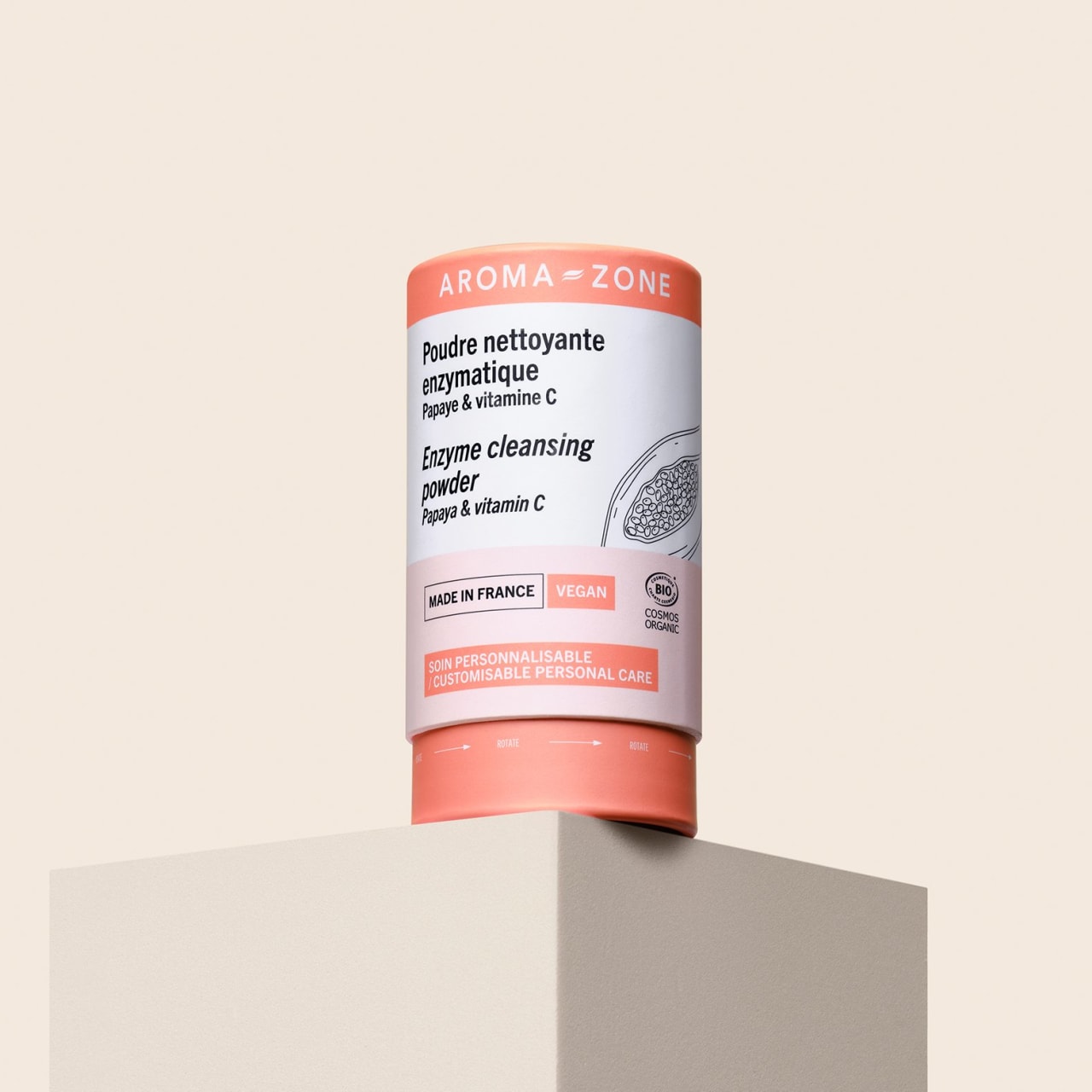
Papaya & Vitamin C Enzymatic Cleansing Powder: both a cleanser and an exfoliator, this 2-in-1 powder with natural enzymes transforms the double-cleansing routine. How does it work? It unclogs pores and refines skin texture through a grain-free enzymatic exfoliation that is gentle even on the most delicate skin.

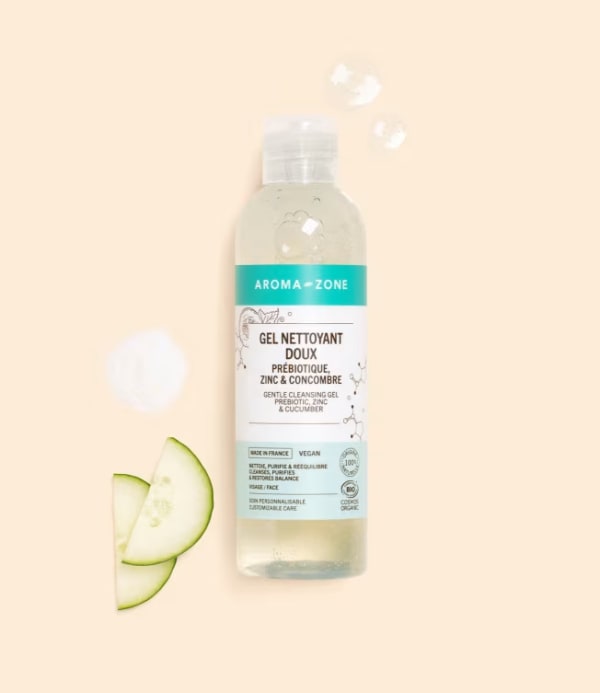
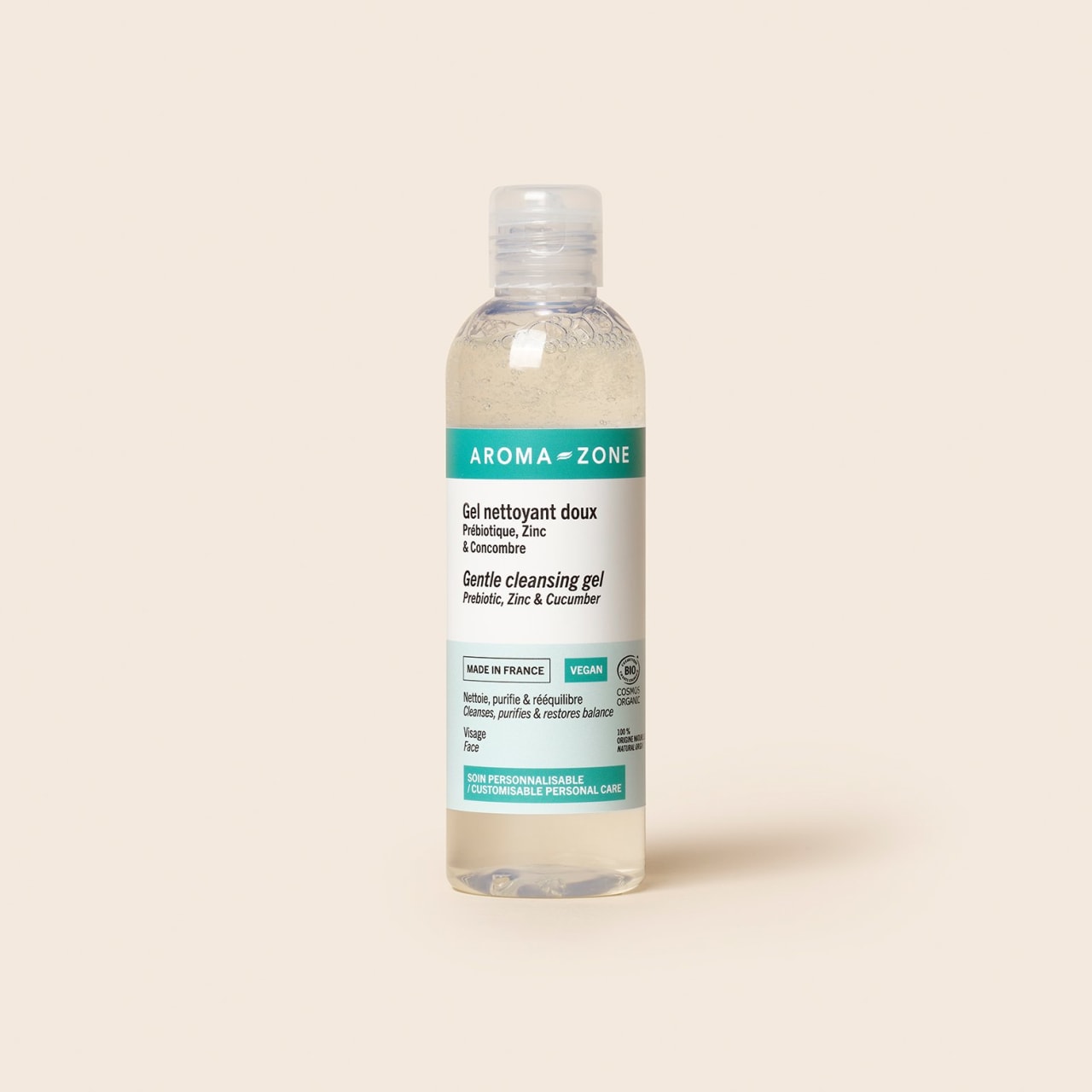
Gentle Prebiotic, Zinc & Cucumber Cleansing Gel

Gentle Prebiotic, Zinc & Cucumber Cleansing Gel: this cleansing gel removes impurities and make-up residue without disrupting the skin’s natural balance. Its naturally derived formula combines organic cucumber, organic inulin and zinc PCA to gently cleanse, control excess sebum and maintain the skin’s comfort. It is suitable for daily use, morning and evening, without causing dryness.

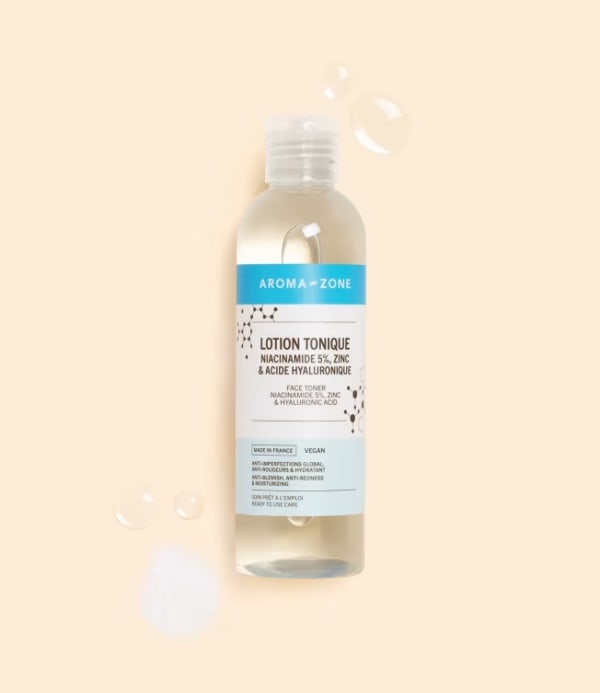
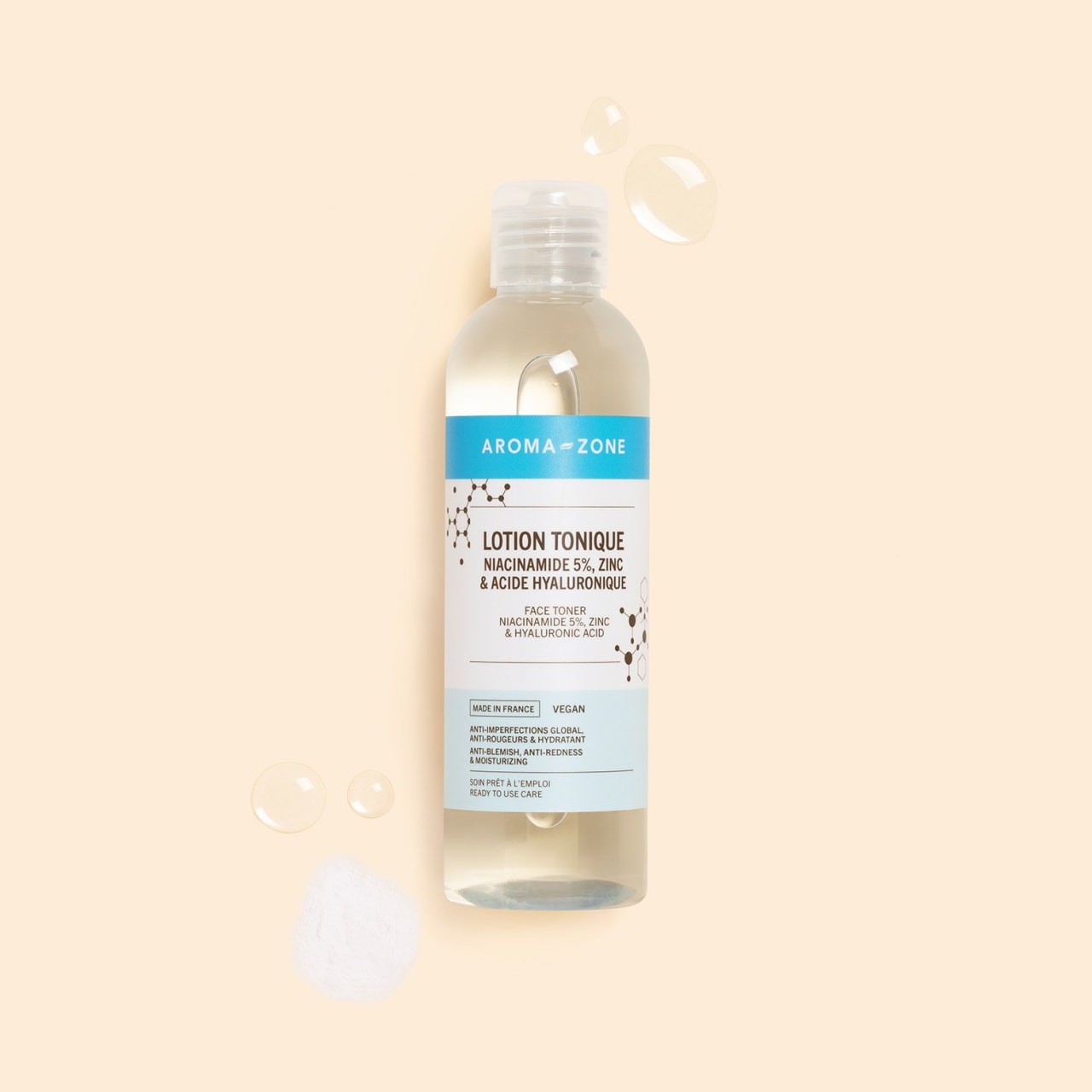
5% Niacinamide, Zinc & Hyaluronic Acid Toner: this toner complements the cleansing step by delivering targeted active ingredients for blemish-prone skin. Zinc and niacinamide help improve the appearance of pores and soothe redness, whilst hyaluronic acid supports hydration. Its lightweight texture fits easily into a daily routine and is free from alcohol and fragrance.

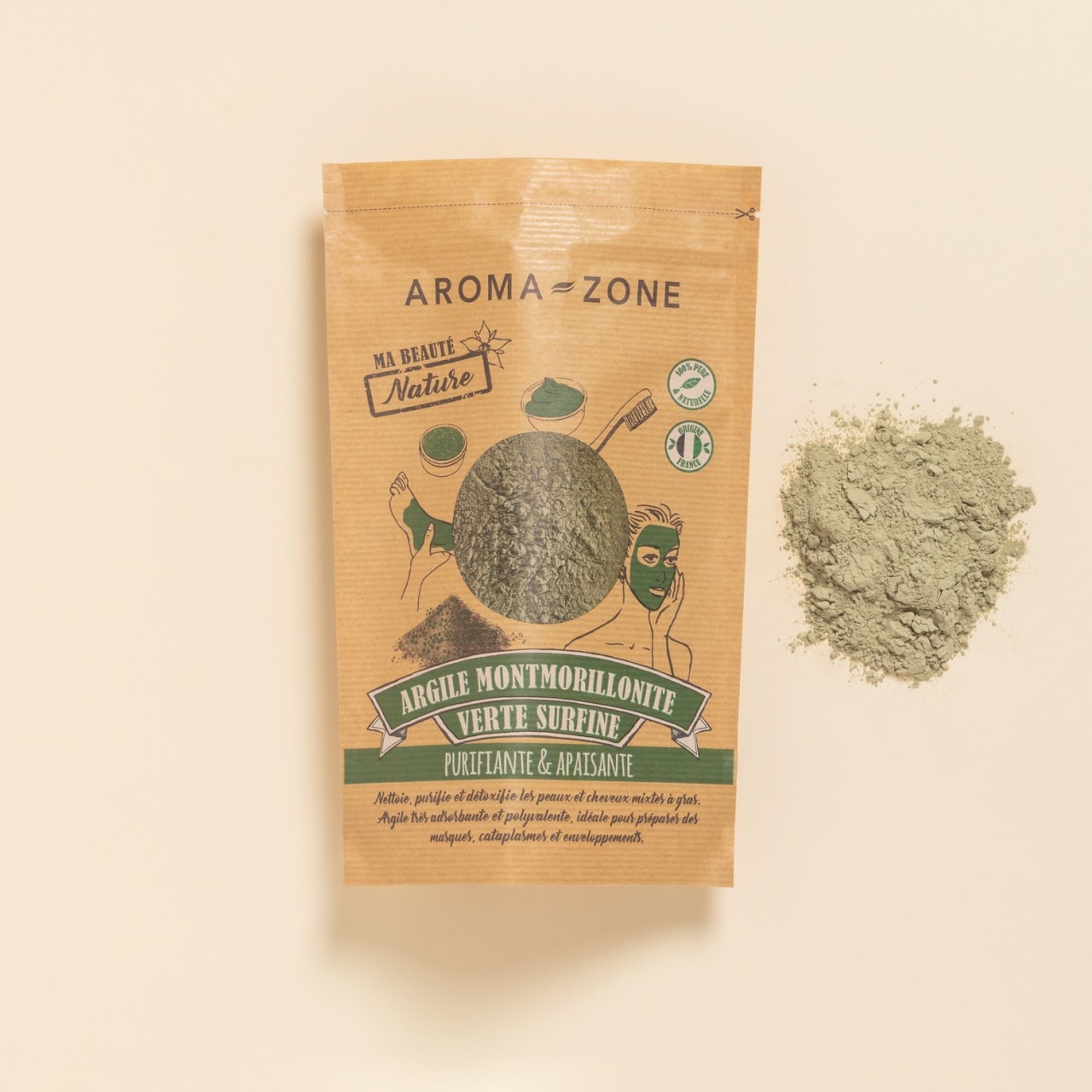
Extra-fine green montmorillonite clay (smectite)

Extra-fine montmorillonite green clay: used occasionally, this mineral-rich clay is particularly suitable for purifying masks for oily or blemish-prone skin. It helps to absorb excess sebum and deeply cleanse the skin, whilst maintaining its natural balance when used in the correct amount and rinsed off properly.

Step 2: Target the problem without over-treating

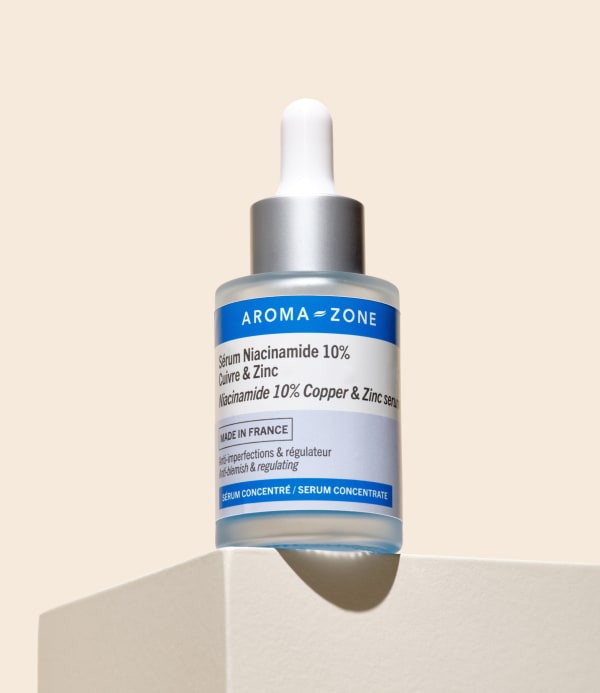
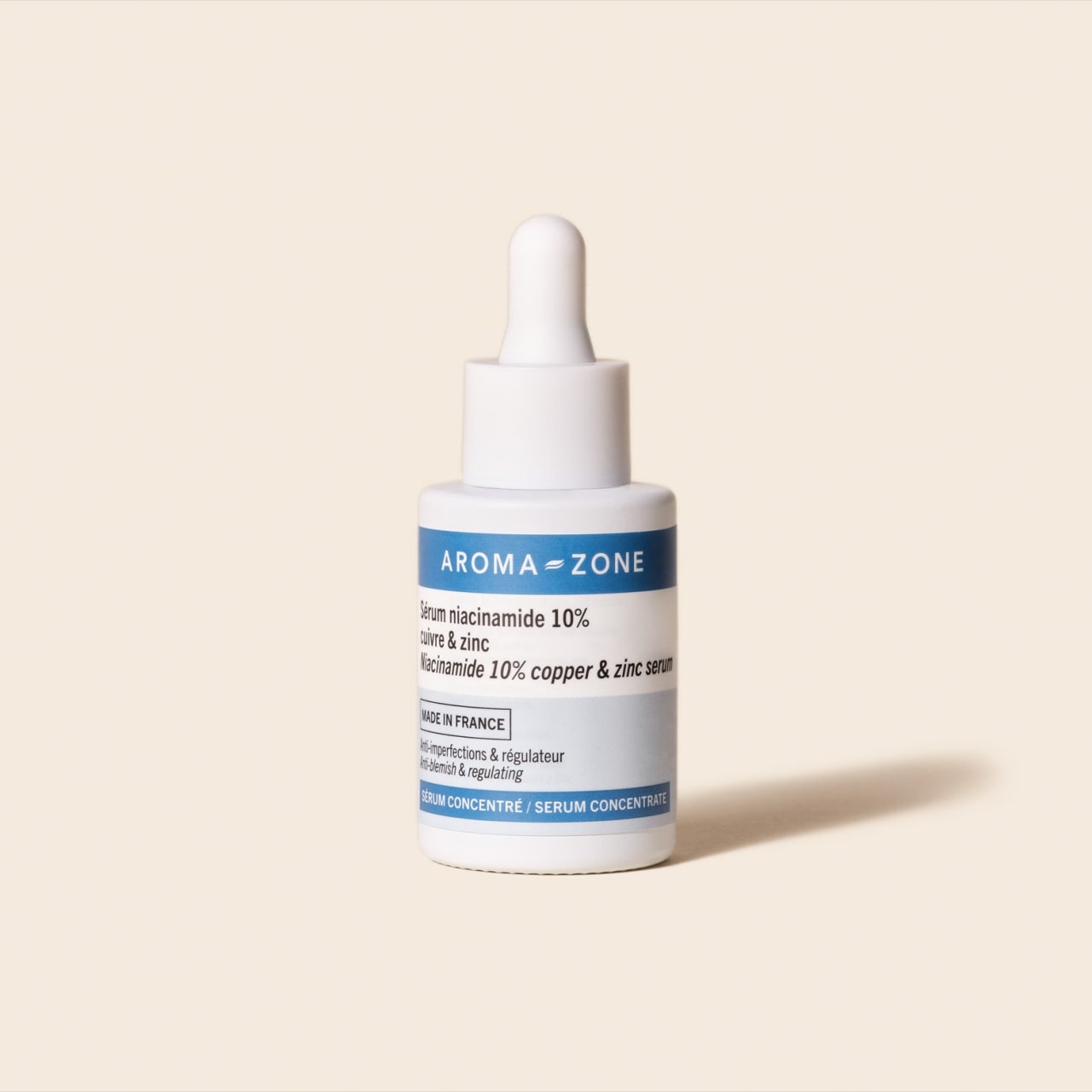
az 22072025 az packshot serum nia 1325

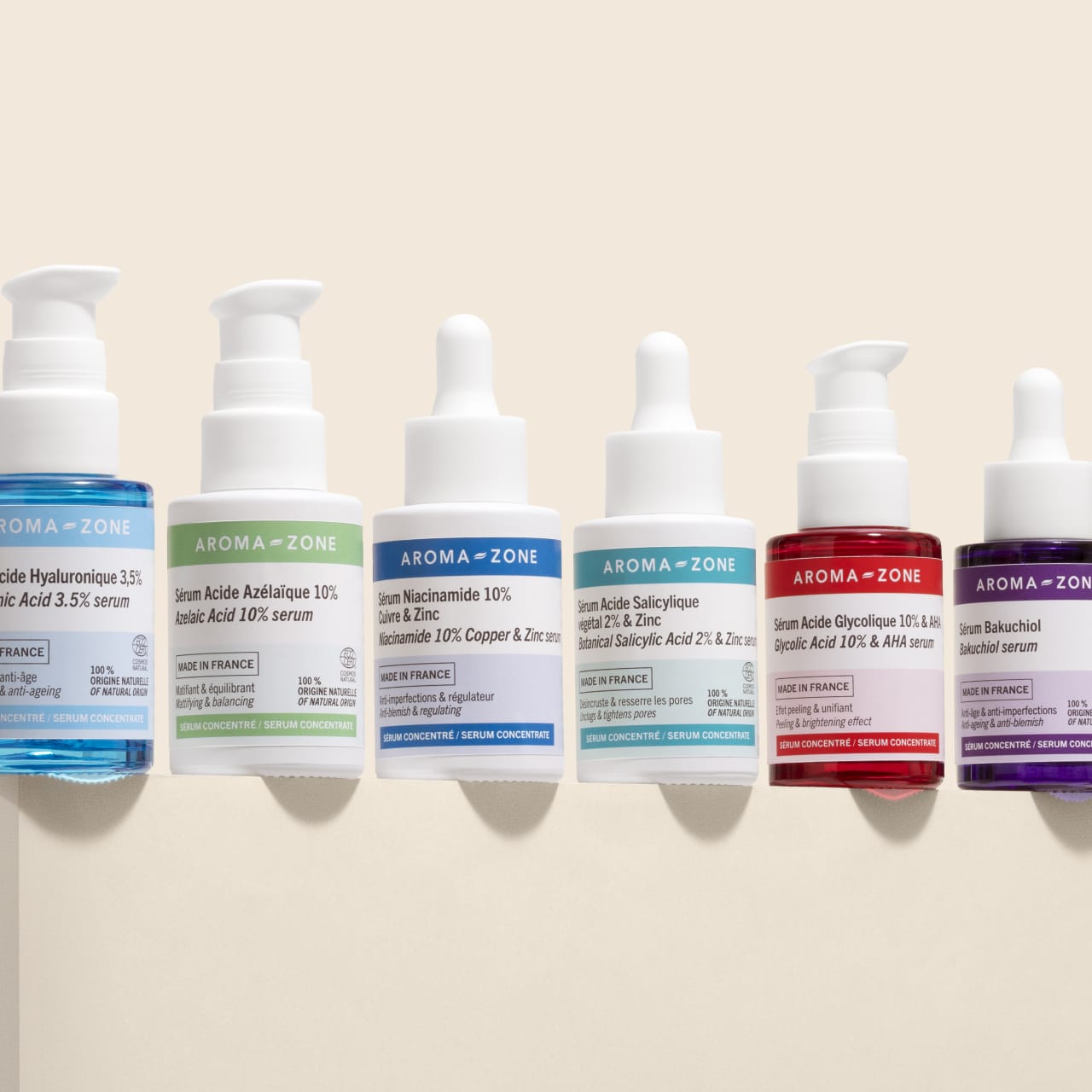
10% Niacinamide, Copper & Zinc Concentrated Serum: formulated around a complex combining niacinamide, zinc and copper, this serum is designed for skin with persistent blemishes and an uneven skin texture. It helps regulate sebum production, visibly refine skin texture and even out the complexion. The addition of hyaluronic acid helps maintain good skin hydration.

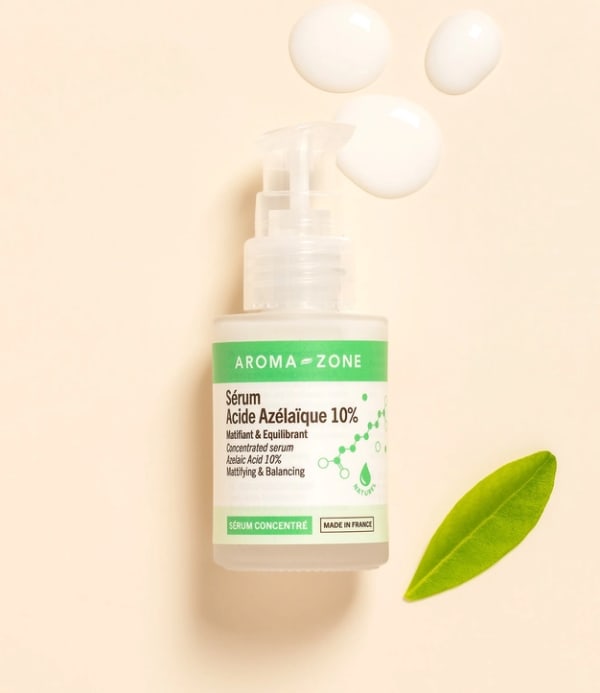
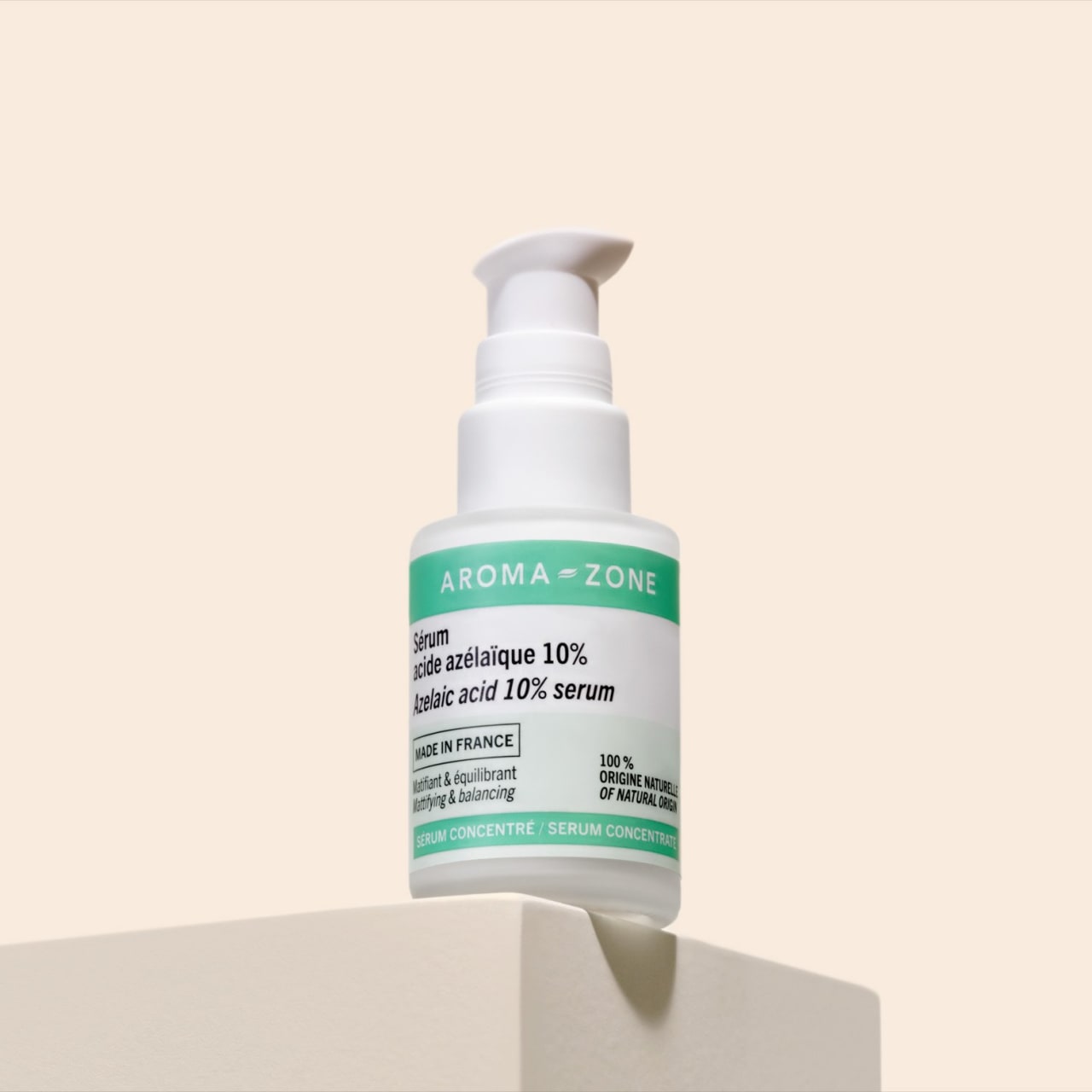
10% concentrated azelaic acid serum: this serum, formulated with naturally derived azelaic acid, is designed for combination to oily skin prone to redness and blemishes. It helps to unclog pores and improve the appearance of skin imperfections, whilst maintaining the skin’s natural balance. Due to its high concentration, it should be introduced gradually, starting with just a few applications per week.

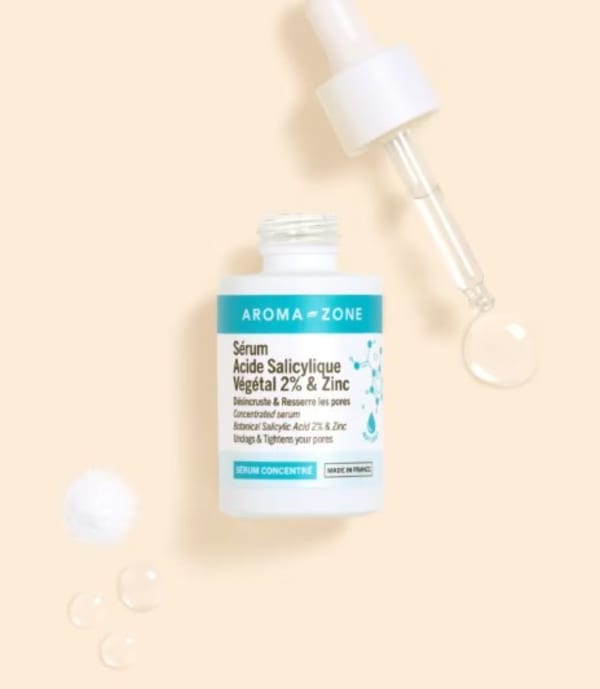
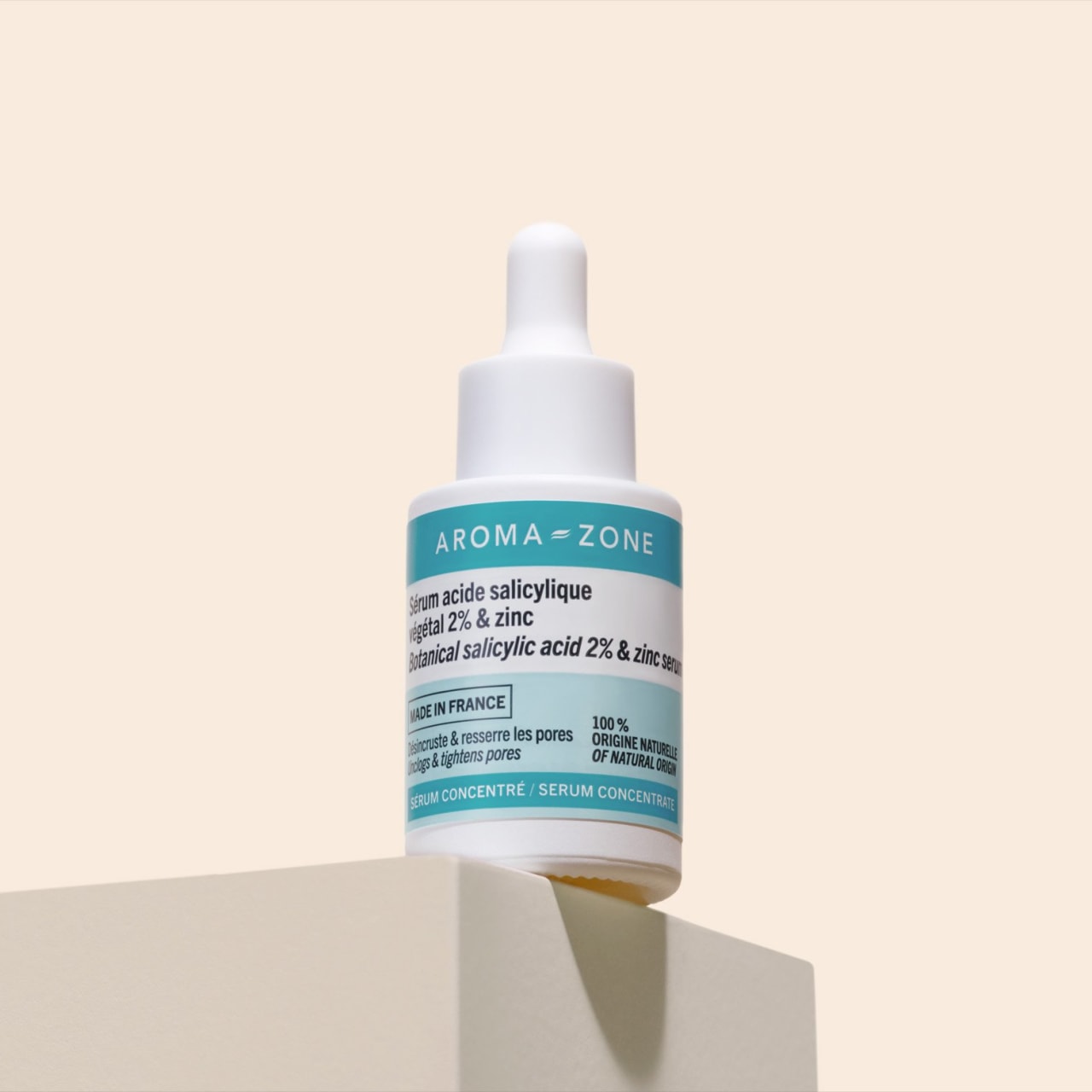
2% Salicylic Acid & Zinc Concentrated Serum: designed to target pores and blemishes, this serum combines plant-derived salicylic acid with zinc. It helps remove dead skin cells from the surface, helps minimise the appearance of blackheads and contributes to visibly clearer skin. Its formula is designed to purify without causing dryness.

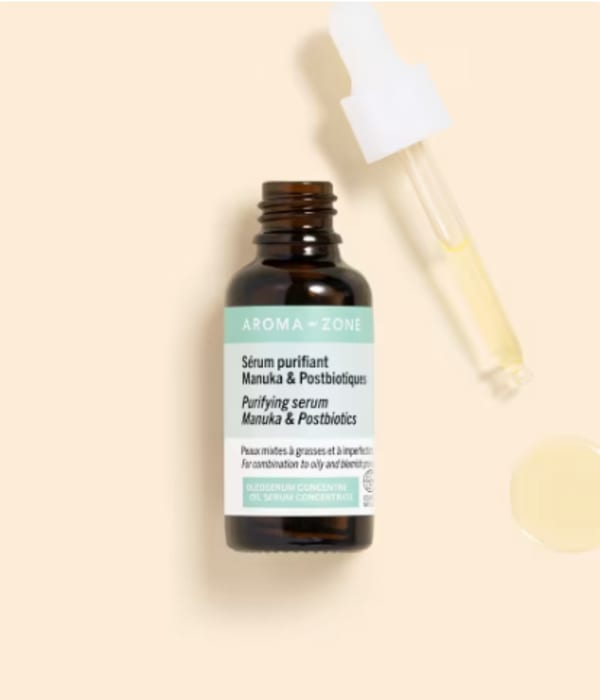
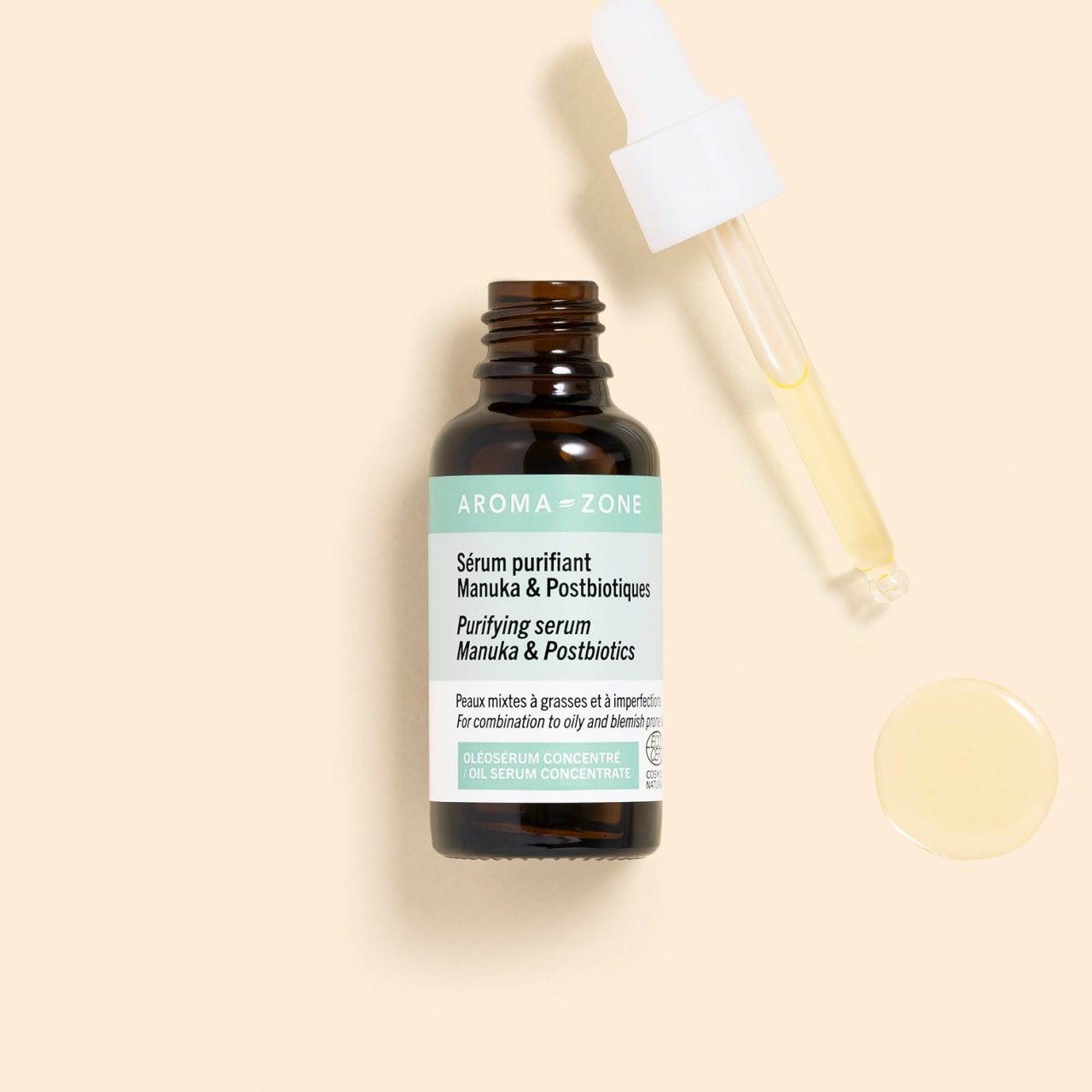
Ol%C3%83 os%C3%83 rum Purifiant et %C3%83 quilibrant Manuka Postbiotiques

Manuka & Postbiotics Purifying and Balancing Oil Serum: this lightweight treatment supports skin prone to blemishes by helping to minimise the appearance of blackheads, comedones and shine. It combines Manuka and Magnolia extracts with a postbiotic complex, designed to support the balance of the skin’s microbiome. The skin appears more even-toned and visibly rebalanced with repeated use.

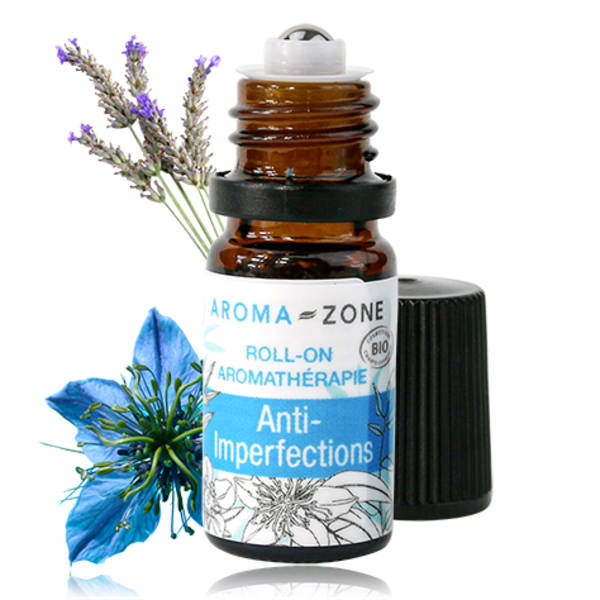
Anti-blemish essential oil roll-on: this roll-on is designed for localised application to individual blemishes. Its blend of essential oils, with purifying and restorative properties, is diluted in a vegetable oil suitable for problem skin. Its handy format allows for targeted application as soon as spots appear.

Step 3: Protect and support over time

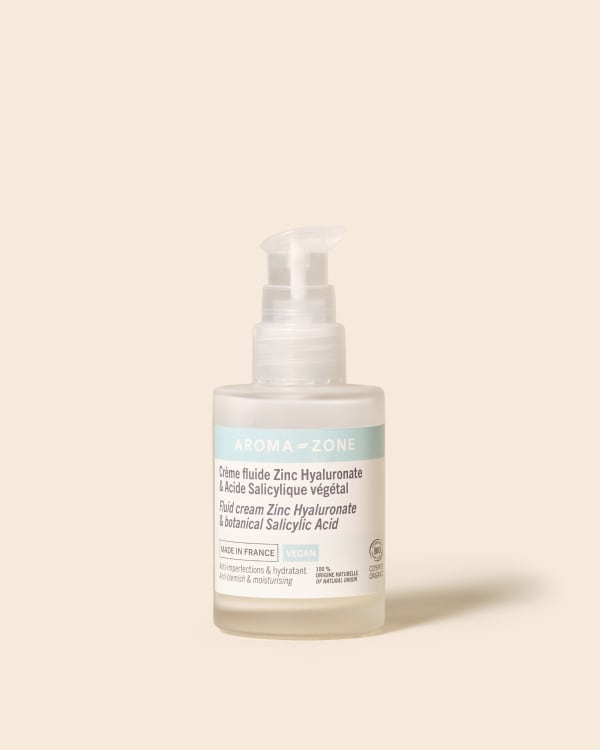
Zinc Hyaluronate & Plant-Based Salicylic Acid Fluid Cream

Zinc Hyaluronate & Plant-Based Salicylic Acid Fluid Cream: this fluid cream can be used as a daily day or night treatment. It combines active ingredients recognised for their purifying and soothing properties, whilst providing hydration suited to oily or blemish-prone skin. Its light texture leaves a matt, comfortable finish without weighing the skin down.

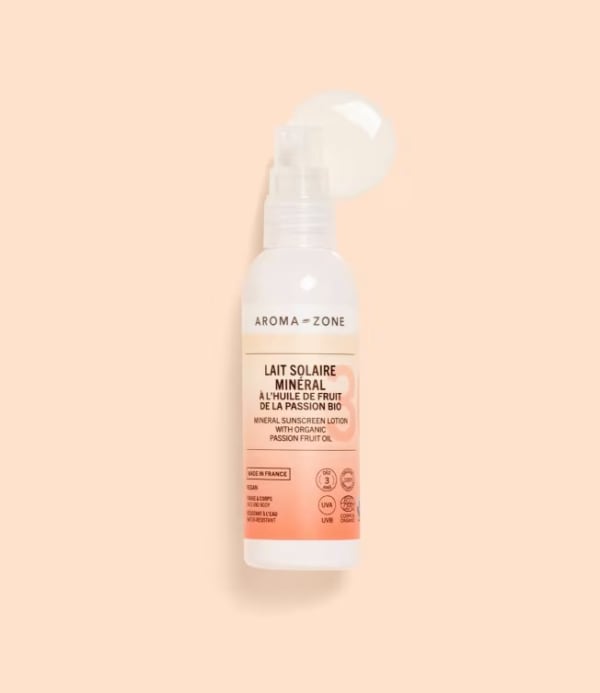
Mineral Sun Milk SPF 30: an essential part of any skincare routine, this suncare product provides protection against UVA and UVB rays thanks to a naturally derived mineral filter. Its light, fluid texture glides easily onto the face and body without leaving a visible film. It helps protect the skin from the harmful effects of the sun, which can exacerbate post-blemish marks.

Clear Skin Complex – 60 capsules – Dietary supplement

‘Clear Skin Complex’ dietary supplement: this dietary supplement combines plants traditionally used to promote skin comfort, such as burdock, stinging nettle and wild pansy, with zinc. It forms part of a holistic approach aimed at supporting the skin’s balance from within, as a complement to a suitable skincare routine. Take 2 capsules a day, to be swallowed with a glass of water. Not recommended for pregnant or breastfeeding women, or in cases of oedematous heart or kidney failure. Not recommended in cases of allergy to salicylate derivatives or known cross-allergies, particularly to plants of the Asteraceae family.

For a more minimalist approach, you can also opt for our super-simple 4-step routine, focused on gentle cleansing, targeted treatment, moisturising and support from within.

Precautions

Even with skincare products formulated for problem skin, a gradual approach remains a fundamental principle. Introducing several products at once can make it harder to identify any skin reactions and may overload skin that is already compromised. Allowing time for the skin to adjust enables the skin barrier to rebalance itself and improves overall tolerance to active ingredients. Conversely, a routine that is too complex or changed too frequently can perpetuate inflammation and limit the expected benefits.

Expert advice

Problem skin is not static; it changes in response to numerous internal and external factors. Hormonal fluctuations, stress levels, diet and even seasonal changes directly influence how it behaves. Regularly adapting your skincare routine – without completely overhauling it – allows you to address your skin’s actual needs at any given time. This approach promotes a more stable skin balance and delivers gradual results over time.

Spotlight on our naturopathic writer: Lou Dumas

Lou_Dumas_02.JPG

Lou graduated from HEC in 2012. She gained ten years’ experience in marketing within the cosmetics and perfumery sectors before setting up her own consultancy in this field. She recently completed a three-year course in naturopathy at the European College of Holistic Naturopathy (CENATHO, Paris) with the aim of supporting the physical and mental health of the people she works with through a holistic approach to lifestyle.

Bibliography

  1. Guidelines for the management of acne vulgaris, Journal of the American Academy of Dermatology (2024): https://www.sciencedirect.com/science/article/pii/S0190962223033893

  2. AAD Releases Updated Guidelines for the Management of Acne Vulgaris, Dermatology Times, 2024: https://www.dermatologytimes.com/view/aad-releases-updated-guidelines-for-the-management-of-acne-vulgaris

  3. Surfactant irritations and allergies, PubMed Central: https://pmc.ncbi.nlm.nih.gov/articles/PMC10195118/

  4. What Weakens the Skin Barrier, Skinfix (2024): https://ca.skinfix.com/blogs/the-fix/what-weakens-the-skin-barrier.

  5. The Effect of a Damaged Skin Barrier and How to Fix It, Codex Labs: https://codexlabs.co/en-fr/blogs/blog/the-effect-of-a-damaged-skin-barrier-and-how-to-fix-it

  6. Is Your Skincare Routine Making Acne Worse? Altitude Dermatology: https://www.altitudedermatology.com/blog-post/skincare-routine-making-acne-worse

  7. A Case-Control Study Exploring the Association Between the Use of Cosmetics Containing Comedogenic Ingredients and Acne Risk, PubMed Central (2025): https://pmc.ncbi.nlm.nih.gov/articles/PMC12323874/

  8. 10 Ingredients to Avoid for Acne-Prone Skin, Macherre (2025): https://www.macherre.me/blog/10-ingredients-to-avoid-for-acne-prone-skin

  9. Making Peace with Your Skin: spots, acne, scars… all the right solutions, Dermato Drey, Larousse (2022).

Frequently Asked Questions

Frequently Asked Questions