Pea Proteins: What Are Their Effects?

Pea Proteins: What Are Their Effects?


By Christine Barris

Published on: Friday, June 06, 2025, Updated on: Friday, October 23, 2026

Pea protein is increasingly used in sport because of its essential amino acid content and other qualities, such as good digestibility and being generally well tolerated, including by people with sensitive digestion. In this article, we will look at what pea protein is and the different forms it comes in. We will then explore its potential benefits and the ways to consume it.

Contents

Related products

What Is Pea Protein?

Pea protein is extracted from yellow peas, a variety of peas harvested when ripe (unlike green peas, which are picked young). Once dried, these peas are mechanically processed to concentrate or isolate the proteins. Unlike green peas, yellow peas are not meant to be eaten as-is, but only for processing. Rich in plant-based protein, pea protein is an interesting alternative to soya or whey (derived from whey). It contains all nine essential amino acids that the body cannot synthesise itself, making it a source of complete plant-based protein. Easy to digest, gluten-free, and lactose-free, it is particularly popular with athletes, vegans, and anyone looking to vary their protein intake.

Different Forms

Pea protein comes in several forms, depending on the extraction process and its protein concentration.

  • The concentrate contains between 50 and 70 per cent protein. It retains some fibre and carbohydrates, making it particularly suitable for everyday vegan nutrition.

  • Isolate is a purer form, containing around 80 to 90 per cent protein. Very low in fibre and carbohydrates, it is often favoured by athletes for its high protein content.

  • Textured pea protein, which contains between 50 and 60 per cent protein, comes in chunks and mimics the texture of meat in cooked dishes (for example, in a Bolognese sauce or a vegetable steak).

  • Finally, hydrolysed pea protein has a protein content of over 90 per cent. Highly bioavailable and easily digestible, it is, however, more expensive, so it is primarily reserved for elite athletes.
Why Take Pea Protein?

Athletes

Proteins are essential nutrients for athletes: they help build, strengthen, and support muscle recovery. Pea protein is therefore a high-quality supplement, thanks to its high content of amino acids, the building blocks of protein. The isolate, a particularly concentrated form, promotes muscle mass gain. Another benefit: Pea protein also contains BCAAs (branched-chain amino acids): leucine, isoleucine and valine, which are often associated with muscle recovery after exercise. After a workout, it can be combined with a source of fast-acting carbohydrates, and it absorbs more slowly than whey. However, it is lactose-free, making it a suitable option for people with lactose intolerance.

Vegetarians and Vegans

Whey protein, commonly used in sports nutrition for its rapid absorption, is an animal-based protein made from the liquid by-product of cheese production. Because it comes from milk, it is not suitable for people following a vegan diet and may not suit people with lactose intolerance. Pea protein, which is 100% plant-based, is an alternative. It is naturally lactose-free and suitable for many diets, while providing a good amount of protein.

Weight Management and ‘Cutting’

Protein is thought to contribute to a feeling of fullness, which some people find useful when managing their calorie intake. Low in fat and carbohydrates, pea protein can be a suitable option for people following a weigh management or muscle definition ('cutting') plan. Protein helps maintain muscle mass, and muscle tissue uses more energy at rest than fat tissue. For the same body weight, a person with more muscle mass therefore burns slightly more calories at rest than a person with less.

Good to Know

Digesting protein is particularly energy-intensive. It is estimated that 20 to 30 per cent of the calories from protein are used by the body to break it down, making it an added asset for weight management.

What Are Its Benefits?

Pea protein offers numerous nutritional, digestive and environmental benefits that make it an excellent alternative to animal proteins for athletes as well as vegetarians and vegans:

  • Rich in essential amino acids: These are called ‘essential’ because our bodies cannot produce them themselves. Whilst animal proteins naturally contain them, this is not always the case with plant-based proteins. Pea protein is an exception: it contains all nine essential amino acids, making it a complete source of plant-based protein. In particular, it is rich in lysine, an amino acid often lacking in plants. However, it is lower in methionine, so it helps to combine it with complementary sources such as rice or hemp.

  • Satiety-promoting and blood sugar-regulating effects: Like all proteins, pea protein promotes a feeling of fullness, which helps to limit calorie intake without feeling hungry. Its low carbohydrate content gives it a low glycaemic index, which helps stabilise blood sugar levels, prevent cravings and limit fat storage. This benefits both those looking to lose weight and athletes who want to avoid energy dips during training.

  • Good digestibility: Pea protein is naturally free from gluten and lactose, and it is generally well tolerated, including by people with sensitive digestion. Pea protein isolate contains very little fibre and is often chosen by people who want a gentle option for their stomach.

  • Good absorption: Pea protein is generally well tolerated, and up to 98% of its protein is reported to be absorbed by the body. Because it is absorbed more slowly than whey, it can be a useful option outside the immediate post-workout window.

Good to Know

Pea protein generally has a lower environmental impact than animal-based proteins because its production tends to use fewer resources.

What Is the Composition of Pea Protein?

The composition of pea protein can vary depending on its form, so this section focuses on the isolate, a form commonly used in sports nutrition.

Protein content: This is the main nutrient, accounting for between 80 and 90 per cent of the product. It contains all the essential amino acids, although methionine and cysteine are present in low amounts, as in most pulses. Simply combining it with foods that contain these, such as whole grains, is enough to make up for this shortfall. It contains significant amounts of BCAAs (branched-chain amino acids), glutamine and arginine, which play a role in muscle recovery. 

Low in carbohydrates and fats: Its carbohydrate content ranges from 1 to 5 grams, while its fat content is between 1 and 4 grams, which is very low and well suited to sports nutrition during a ‘cutting’ phase (muscle gain and fat loss). 

A few minerals: It may contain sodium, iron, phosphorus and potassium. Although these are not present in large amounts, they support normal muscle function and good hydration, both of which matter for athletes.

Calorific value: This ranges between 350 and 400 calories per 100 grams. However, the calories themselves matter less than the nutrients they contain. In this case, it consists mainly of protein with very little fat and carbohydrates, making it a healthy, filling food suitable for athletes and those watching their weight. Choose products with as little added sugar and additives as possible, as these can alter the composition and reduce nutritional value.

How Can You Eat More Plant-Based Protein?

1. Including legumes in your meals: Lentils, chickpeas, split peas and green peas can be eaten cooked on their own or added to salads or soups.

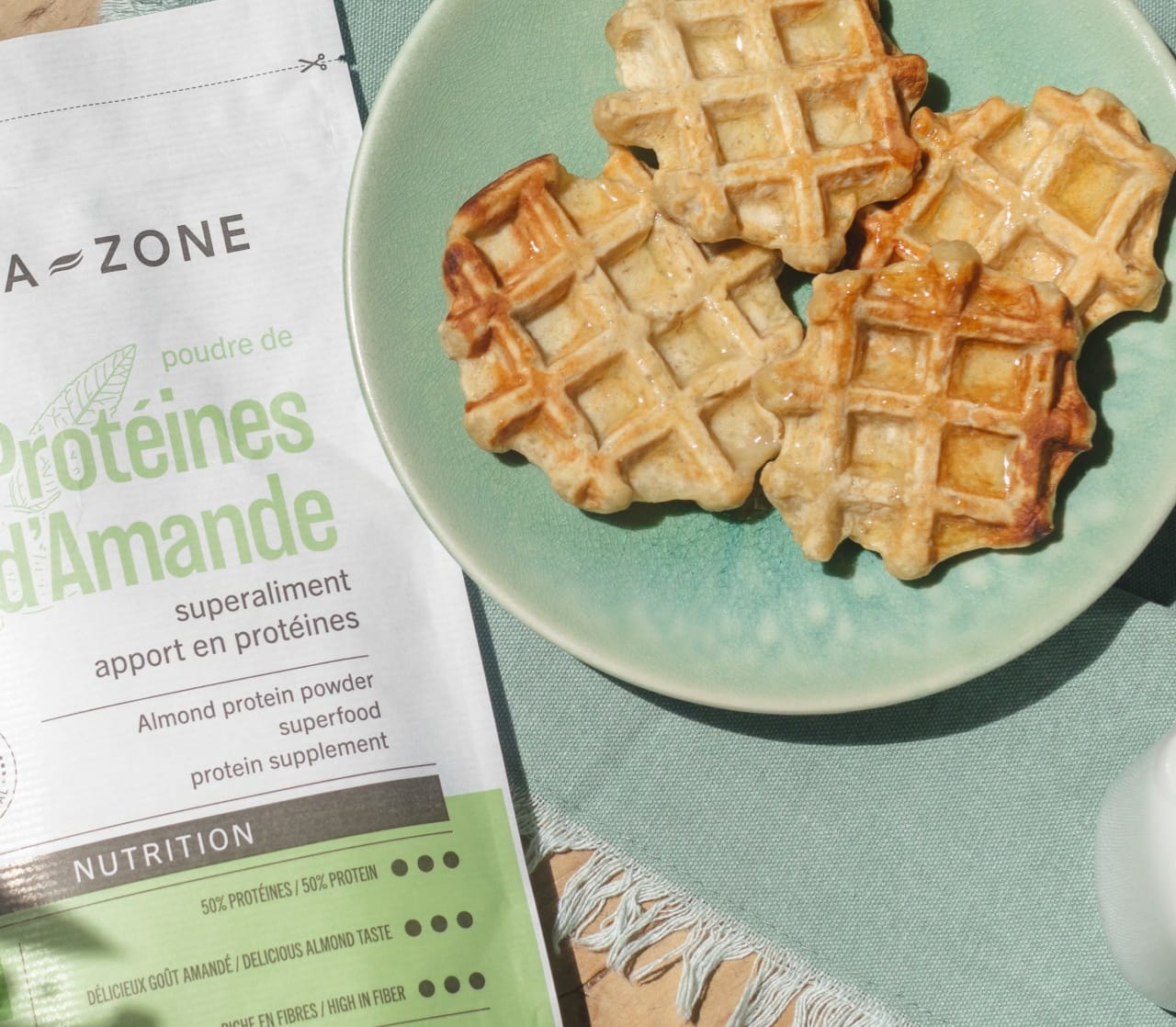
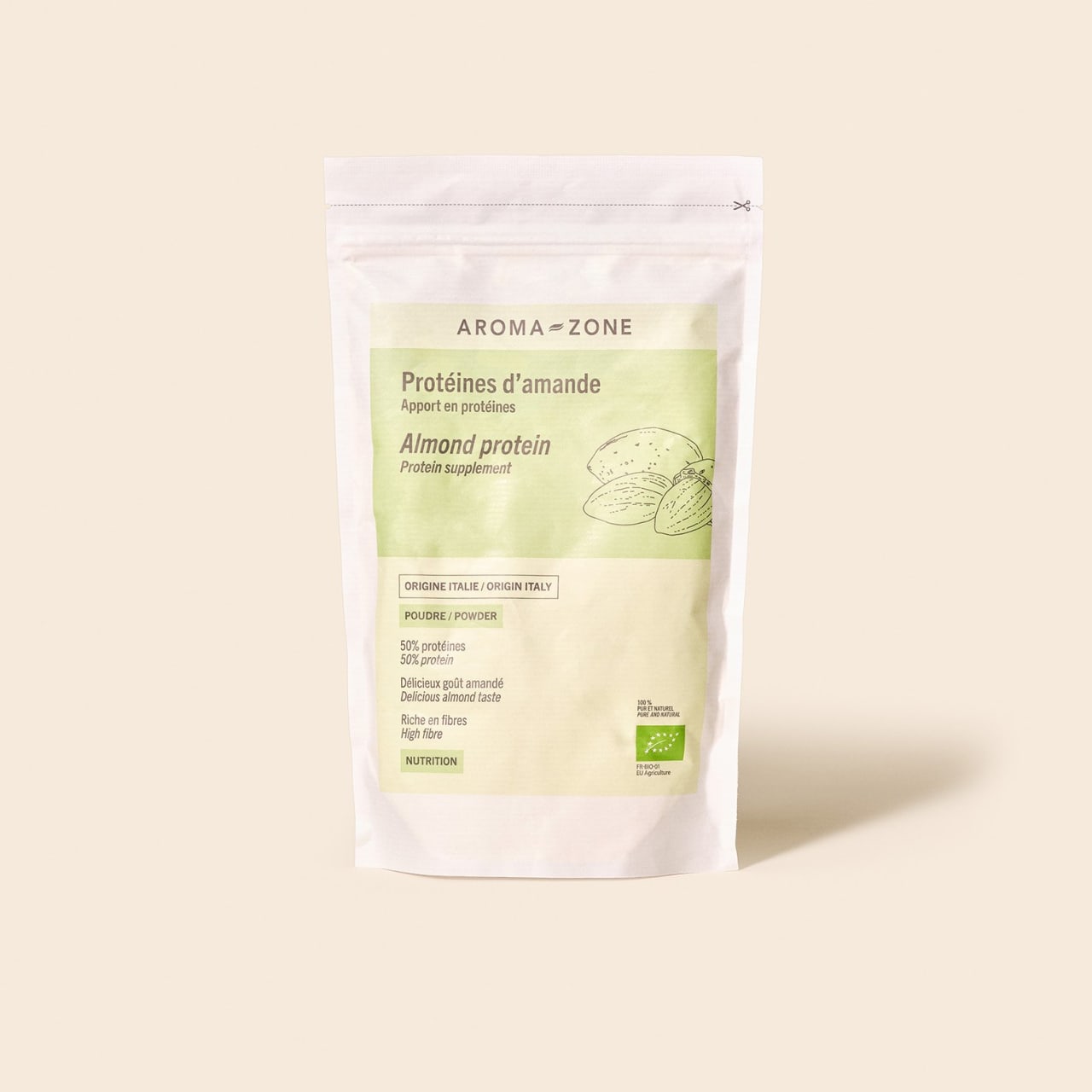
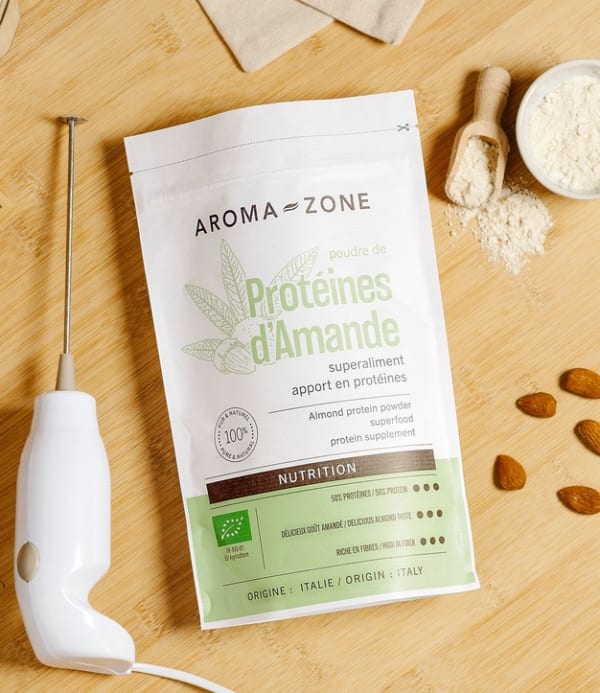
2. Try protein drinks: Shakes made with almond protein, smoothies with hemp protein and other combinations can add variety in flavours and nutrients. They can be a convenient snack before or after a workout.

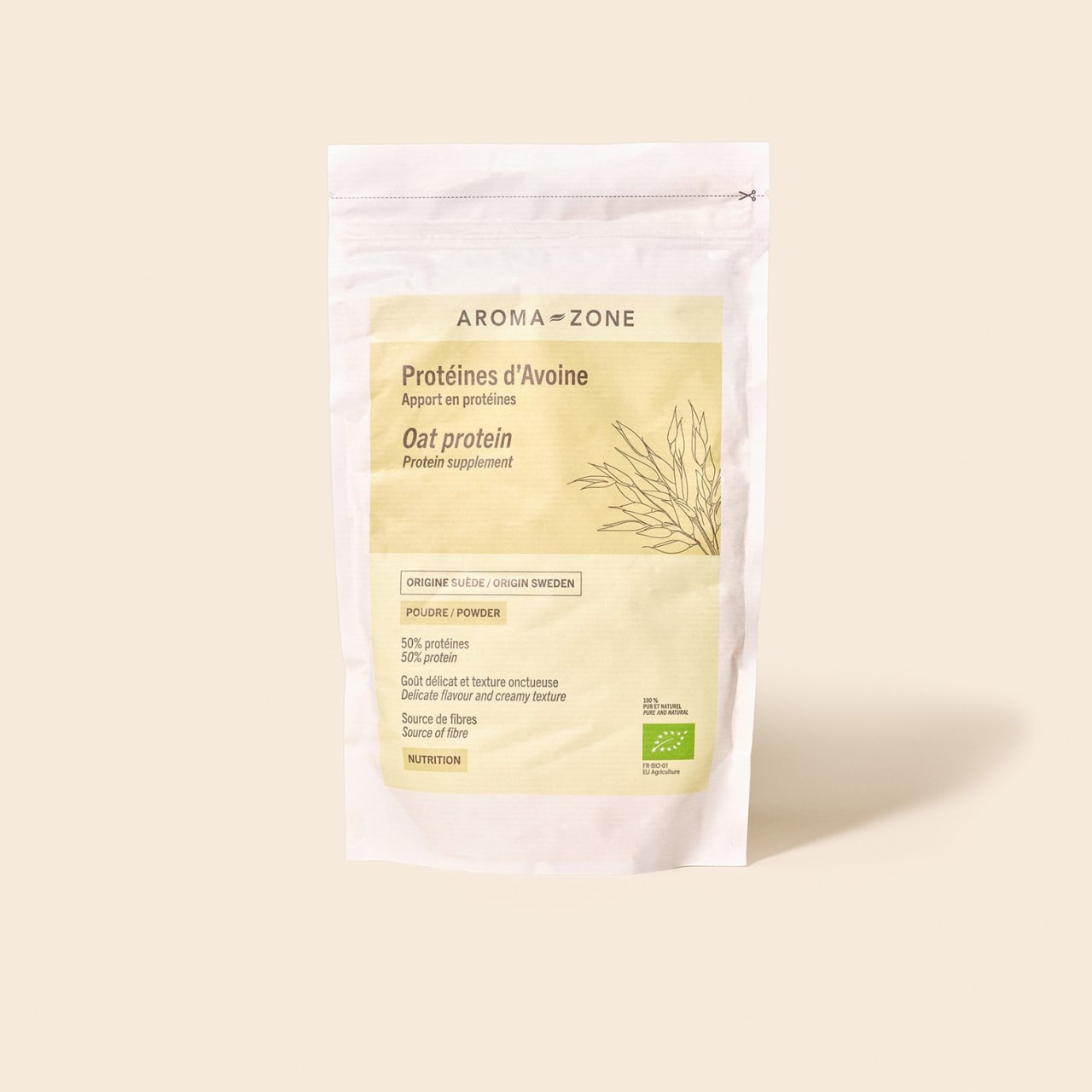
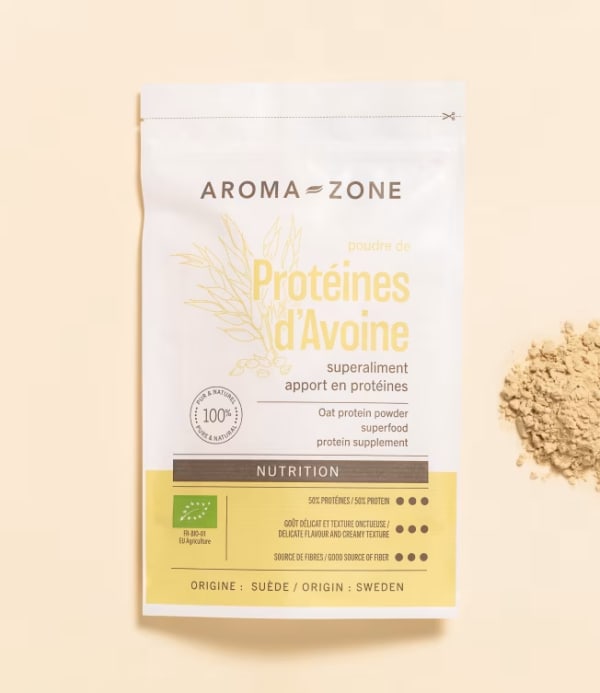
3. Making protein bars: Oat protein can replace rolled oats to add texture. It absorbs binders such as purées or oils well, which makes it a practical choice for tasty homemade bars.

Some recipes based on plant-based protein

Precautions for use

Pea protein is generally well tolerated, but it is not suitable for people with a pea allergy, and people with other legume allergies should check with a healthcare professional first. Anyone with irritable bowel syndrome, uncontrolled hypothyroidism, kidney failure or liver failure should also speak to a healthcare professional before using it, and keep their intake moderate. If you have a sensitive digestive system or a chronic condition, seek medical advice and introduce it gradually.

Expert Advice

Eating very large amounts of protein, even if you are in good health, may place extra demands on the kidneys. It is best to include protein in moderation as part of a varied, balanced diet with plenty of fruit and vegetables, and to drink enough fluids.

Spotlight on Christine Barris, Naturopath, Sophrologist and trainer

Christine Barris

After completing a Master's degree in Management, Christine spent around twenty years working for renowned companies in the food supplement and natural cosmetics sectors, then decided to turn their passion for nature into a profession. They now practise naturopathy for both people and animals, as well as sophrology, and mentor trainee naturopaths and sophrologists at various schools.

Bibliography

  1. https://muscle-bio.fr

  2. https://www.sportweek.fr

Frequently Asked Questions

Frequently Asked Questions

Associated tips