How to reduce the swelling of a painful pimple? Tips and advice

How to reduce the swelling of a painful pimple? Tips and advice


By Laura Almeras

Published on: Tuesday, January 02, 2024, Updated on: Wednesday, September 30, 2026

The appearance of pimples is a nightmare for many teenagers and adults. When they become painful or persistent, they can quickly make daily life difficult. How can you reduce the swelling of a painful pimple without causing scars or weakening the skin? In this article, we share natural solutions and the right steps to take to gently care for your skin.

Contents

Related products

What is a pimple?

A pimple forms when there is a buildup of sebum, dead skin cells, and possibly bacteria inside the hair follicle. The cause: a buildup of sebum, dead skin cells, and sometimes microorganisms naturally present on the skin. This mixture prevents sebum from draining normally, creating a small area of pressure beneath the skin’s surface. 

The result: the skin bulges locally, forming that familiar bump, which is more or less red and tender.

What are the different types of pimples?

Not all pimples are the same, and their appearance often provides clues about what’s happening beneath the skin.

  • Pustules: pimples with a visible white tip, containing a whitish fluid, often sensitive to touch and tempting to pop, but fragile and likely to leave marks

  • Nodules: deeper, firm, and bulky lesions located beneath the skin with no visible head; generally more painful due to the pressure exerted within the tissues

  • Closed comedones (microcysts): small bumps under the skin with no visible opening, which can develop into more prominent pimples if the pores remain clogged

  • Open comedones (blackheads): enlarged pores containing oxidised sebum, less sensitive but indicative of excess sebum and clogged pores.

Identifying the type of blemish allows you to tailor your routine and skincare products, so you can treat the issue effectively and minimise the risk of scarring.

Why is a pimple painful?

The pain associated with a pimple stems from several factors. First, inflammation triggers nerve endings and amplifies the sensation of pain. Additionally, the pressure exerted by the accumulation of pus inside the pimple creates tension on the surrounding tissue, which intensifies the feeling of discomfort.

What causes pimples to appear?

The appearance of a pimple is rarely caused by a single factor. It usually results from a combination of skin imbalances and local reactions occurring beneath the skin’s surface.

A blocked hair follicle

A pimple often starts with a blocked hair follicle. When excess sebum mixes with dead skin cells, it can clog the pore. This sebum no longer drains properly and builds up under the skin, forming a visible or palpable bump.

A local microbial overgrowth

The skin naturally harbors microorganisms, including Cutibacterium acnes. When a pore is clogged, this closed environment can promote their proliferation. This proliferation contributes to an imbalance in the area and transforms a simple blackhead into a more pronounced pimple.

A defensive reaction of the skin

Faced with this buildup and proliferation, the skin activates its defense mechanisms. This results in redness, swelling, and sometimes increased sensitivity. The deeper the pimple, the more noticeable this reaction can be.

External aggravating factors

Certain factors can trigger or contribute to the development of pimples: hormonal changes, stress, diet, alcohol, unsuitable cosmetics, excess sebum, or repeated rubbing. These factors don’t always cause a pimple on their own, but they can make the problem worse.

What natural skincare routine can help you achieve clearer-looking skin?

To care for your skin daily with simple, targeted steps, feel free to try our natural, comprehensive routine—easy to adopt and tailored to the needs of skin prone to imbalances:

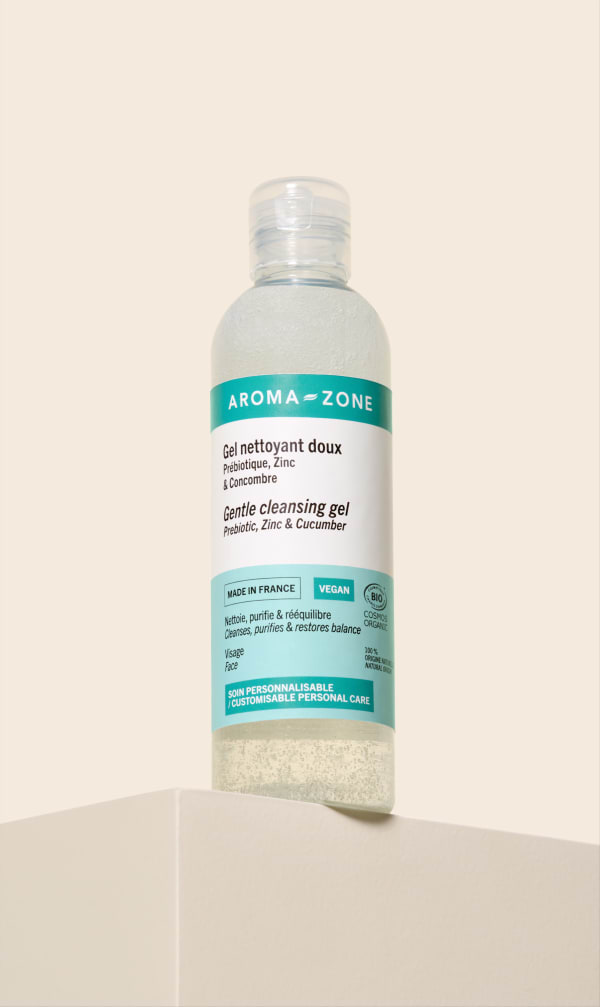
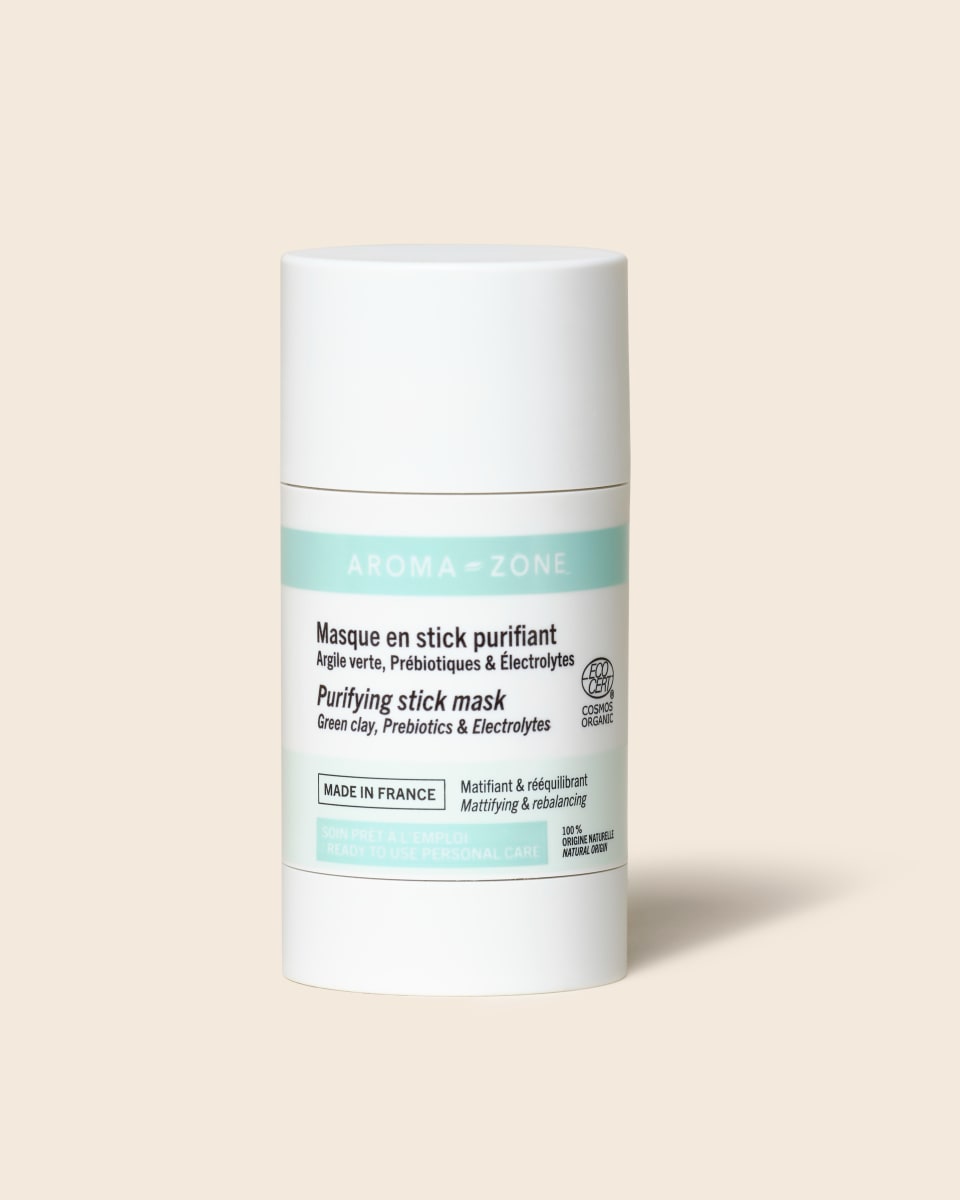
Prebiotic Zinc & Cucumber Cleansing Gel

1. Gentle cleansing: Start by cleansing your face morning and evening with our Gentle Prebiotic, Zinc & Cucumber Cleansing Gel, which will help purify your skin while respecting its natural balance. Avoid contact with the eyes. Avoid contact with the eyes. In case of contact with the eyes, rinse thoroughly with clean water.

Design sans titre 2

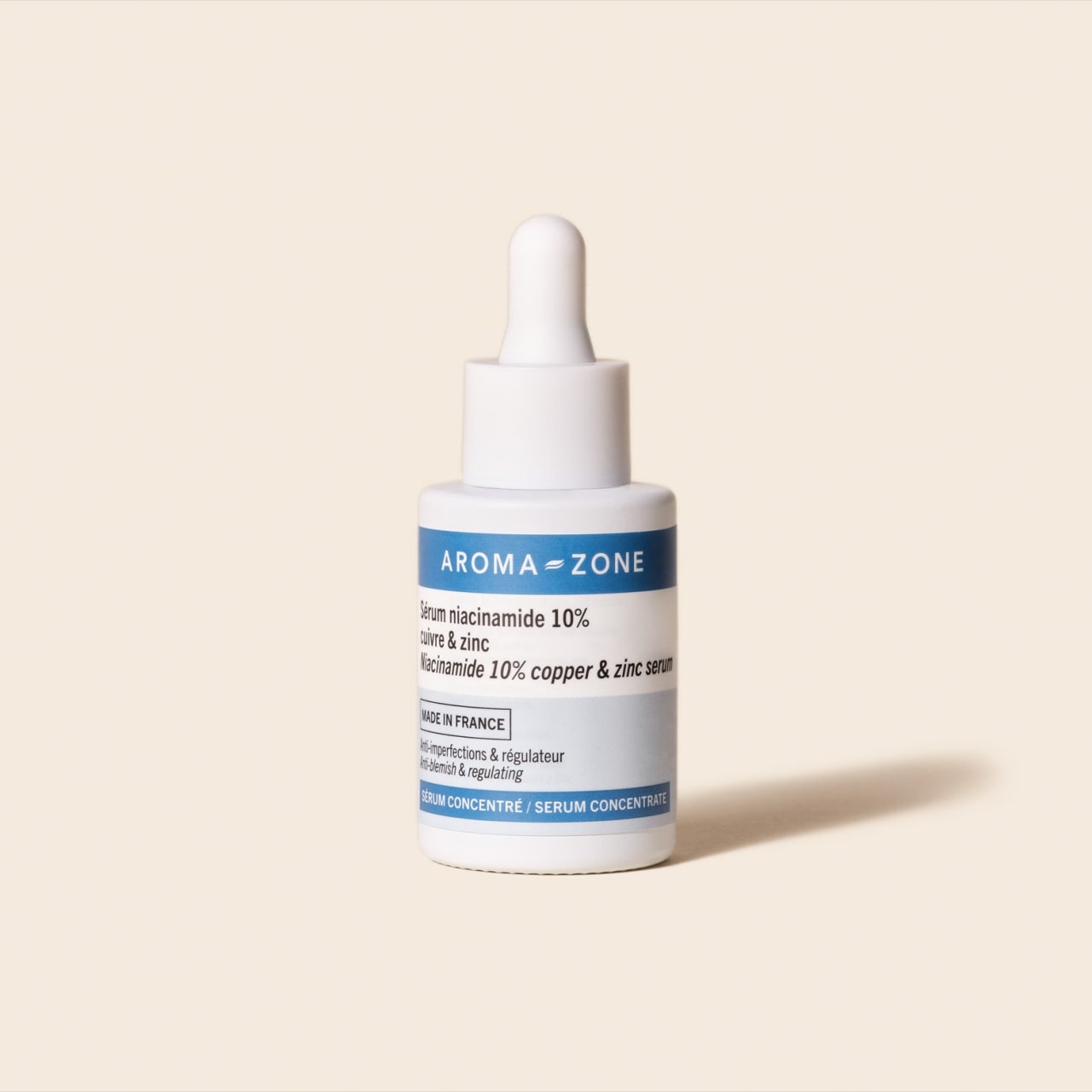
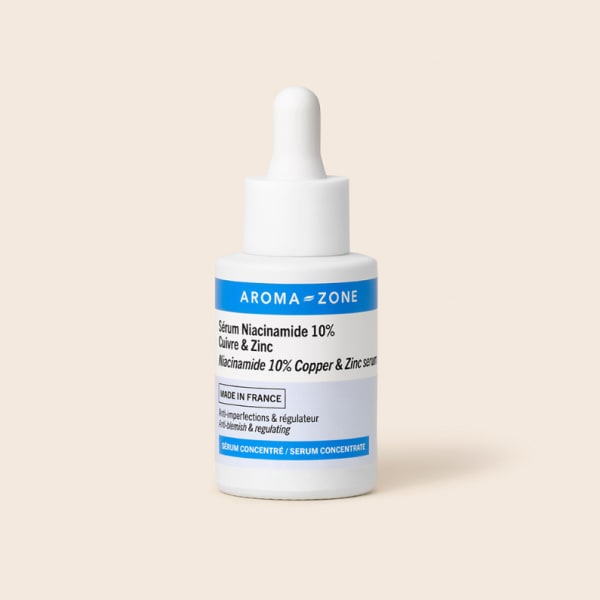
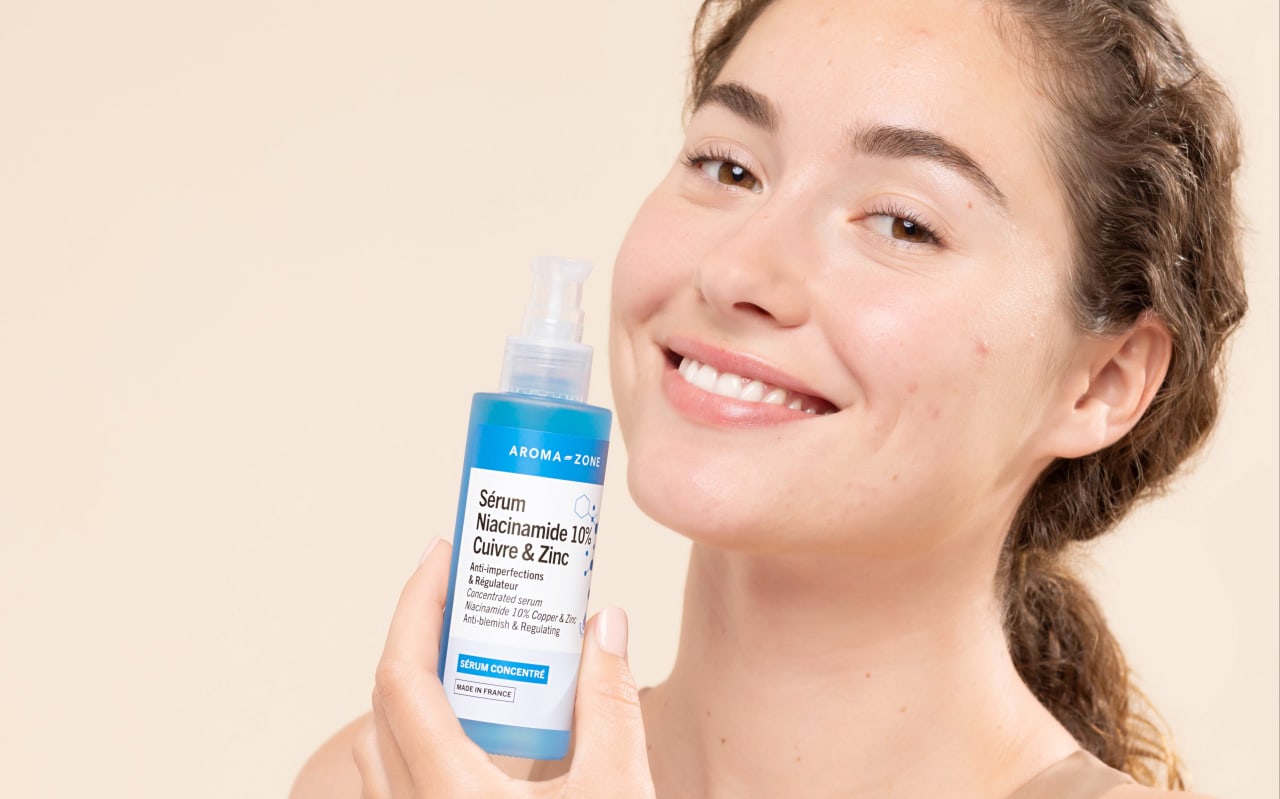
2. Target imbalances: Then apply a few drops of Concentrated Serum Niacinamide 10%, Copper & Zinc.  Lightweight and easy to incorporate into your routine, it helps to even out the complexion and improve the overall appearance of the skin. If irritation occurs, discontinue use. Keep out of reach of children. Suitable for combination to oily, non-sensitive skin prone to acne. Not suitable for skin prone to erythrocouperosis redness.

creme_fluide_zinc_hyalouronate_application_0177.jpg

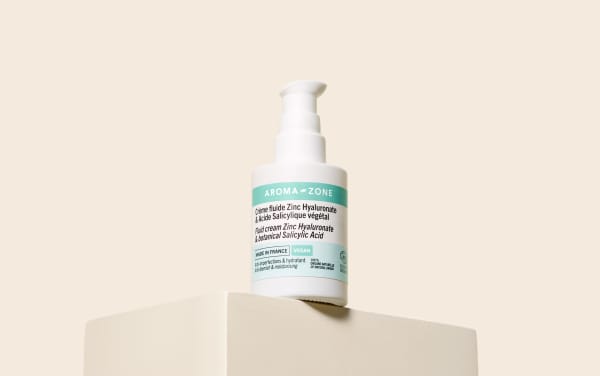
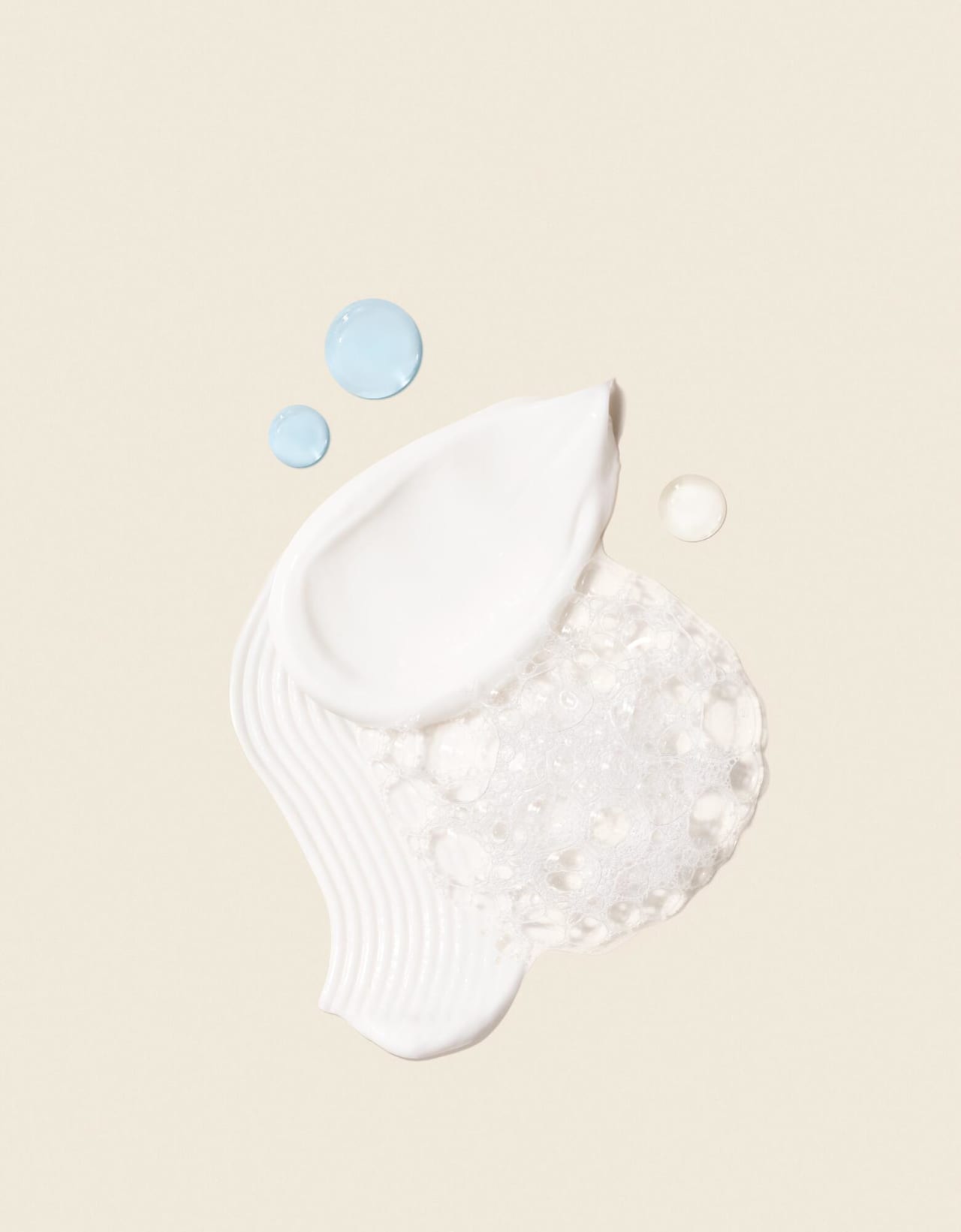
3. Moisturise without weighing skin down: Follow with Zinc Hyaluronate & Plant-Based Salicylic Acid Fluid Cream, a lightweight, non-greasy moisturiser that hydrates the skin while leaving a feeling fresh. Ideal for combination to oily skin. Avoid the eye area; in case of contact with the eyes, rinse immediately with clean water.

complexe_peau_nette_utilisation_0008.jpg

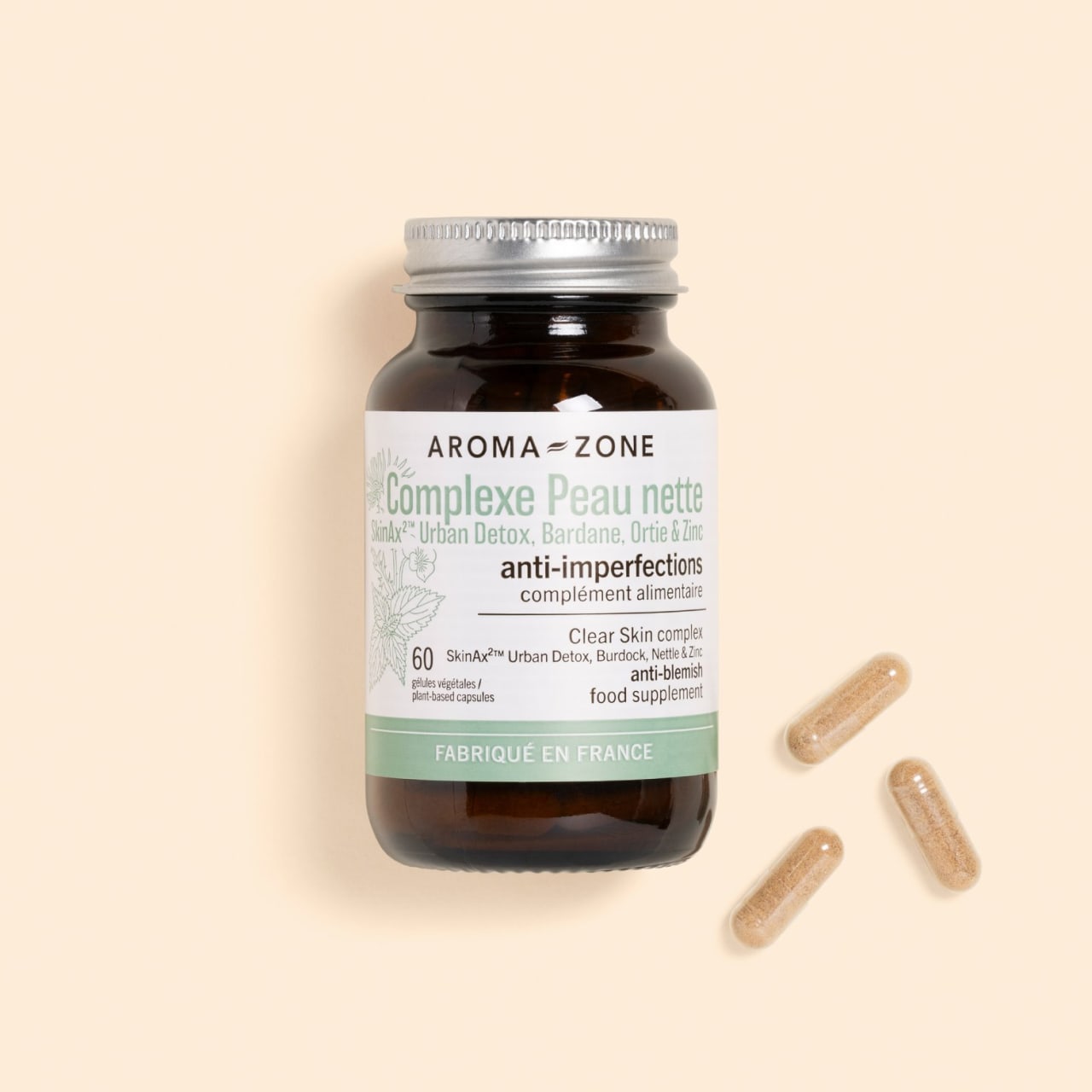
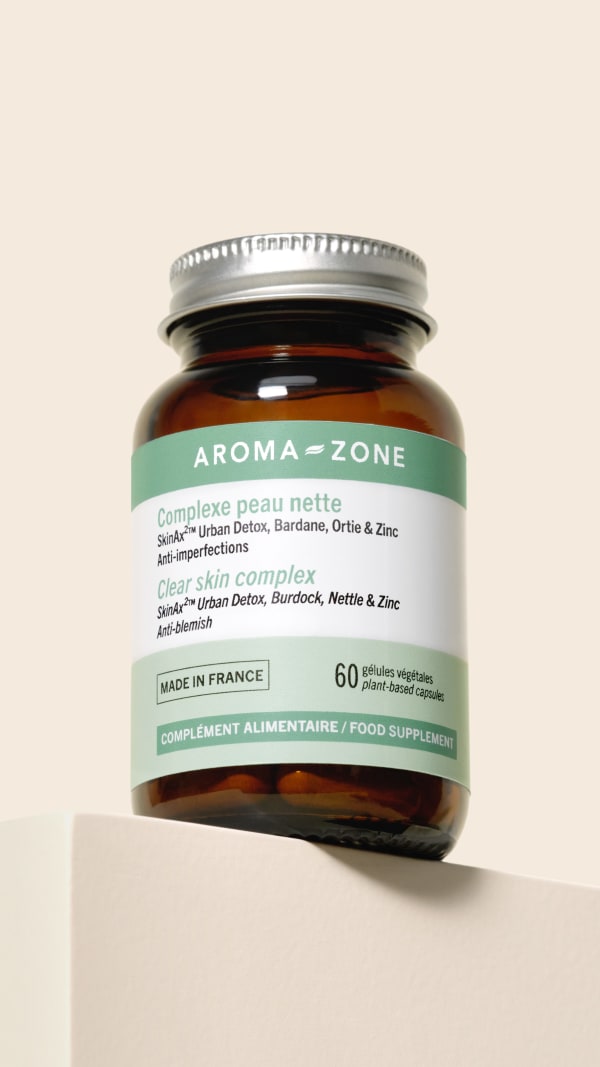
4. Act from within: The Clear Skin dietary supplement combines plant extracts, from burdock to zinc, to support the skin from within. A natural solution to support daily skin balance. Take 2 capsules per day with a glass of water. Not a substitute for a varied and balanced diet and a healthy lifestyle. Do not exceed the recommended daily dose. For adults only. Not recommended for pregnant or breastfeeding women, or in cases of heart failure or oedematous renal failure. Not recommended in cases of allergy to salicylic derivatives or known cross-allergy, particularly to plants of the Asteraceae family. Keep out of reach of children.

How to reduce the swelling of a pimple using home remedies?

When dealing with a painful pimple, certain natural remedies—easy to use with items you have at home—can help improve its appearance and soothe the skin.

  • Apply a cold or warm compress: Warm compresses can help open the pores, promoting the drainage of pus and reducing internal pressure. Conversely, cold compresses can soothe inflammation and reduce pain by constricting blood vessels

  • Apply a small amount of aloe vera gel: known for its moisturizing and soothing properties, Aloe vera gel helps improve skin comfort and supports the skin’s natural healing process

  • Apply a cooled green tea bag: Green tea, rich in antioxidants and polyphenols, has widely recognized anti-inflammatory properties. Applying a cooled green tea bag to the pimple can help soothe inflammation and reduce pain. Plus, combining business with pleasure, regular consumption of green tea can also have long-term benefits for the skin.

How can you prevent pimples from forming on a daily basis?

Maintaining clear skin depends as much on a tailored routine as on a balanced lifestyle.

Daily cleansing

Cleansing the skin is essential to remove impurities, excess sebum, and dead skin cells that could clog pores. Choose a gentle cleanser suited to your skin type, and be sure to cleanse your face morning and night. If you have time, double cleansing (removing makeup followed by cleansing) helps achieve clearer skin that’s better prepared for skincare.

Proper Hydration

Keeping your skin well-hydrated is essential for preventing pimples. Even if you have oily skin, using a non-comedogenic moisturizer helps maintain your skin’s moisture balance. Proper hydration can also encourage the sebaceous glands to produce less sebum, thereby reducing pore blockage.

A balanced diet

A diet that’s too high in fat, sugar, or processed foods can contribute to breakouts. Conversely, a varied, nutrient-rich diet supports healthy skin. Fruits, vegetables, whole grains, and lean protein sources help maintain a healthy balance.

To learn more, discover foods that promote healthy skin.

Stress management

Stress can contribute to the appearance of pimples through hormonal fluctuations. Practices like meditation, yoga, or deep breathing can help relieve stress. Regular, high-quality sleep also plays a key role in managing stress and maintaining healthier, more balanced skin.

What should you avoid doing when you have pimples?

Popping pimples

Even though the temptation is strong, popping a pimple won’t make it go away any faster. On the contrary, it can encourage the spread of microorganisms, weaken the skin, and increase the risk of lasting marks. The best approach is to let the pimple heal naturally, while supporting it with appropriate skincare.

Using harsh products

Using products that are too harsh can irritate the skin and worsen inflammation, especially when it comes to painful pimples. Avoid abrasive cleansers, overly rough exfoliants, or strong treatments that could excessively dry out the skin. Instead, opt for gentle products specifically formulated for sensitive skin, to maintain the skin’s balance and avoid aggravating the discomfort. 

Letting a persistent infection linger

If a pimple appears to be infected, is oozing pus, and persists over time, don’t delay in taking action. Leaving an infection untreated can lead to complications, such as the spread of the infection to other areas of the skin or more pronounced scarring. If the pimple shows no improvement despite home care, it is essential to consult a dermatologist so they can provide appropriate treatment.

When should you see a dermatologist?

It is advisable to consult a doctor if pimples persist despite appropriate care, become very painful, leave marks, or recur frequently. A medical opinion allows for tailored treatment and helps preserve the skin’s appearance. A medical opinion is also recommended in cases of unusual fatigue or a general feeling of malaise.

What should you do if the area becomes very red, hot, or painful?

When redness, swelling, or pain intensifies around a pimple, a consultation with a dermatologist or doctor is recommended. Certain situations require a specific approach to prevent the skin from developing scars.

Should you see a doctor if scars appear?

If pimples leave visible marks (indentations, thickened areas, or pigmentation), a dermatologist can offer various solutions to improve the skin’s appearance, such as targeted dermatological treatments or techniques tailored to your specific situation.

What options does a dermatologist recommend?

Depending on the type of pimples and your needs, several approaches can be considered: specific creams or lotions, dermatological treatments performed in a clinic, or sometimes oral medications in more severe cases. The goal is to treat existing pimples while preventing them from coming back.

Precautions

Before using a new product, it is recommended to perform a patch test on the inside of your elbow to ensure there is no reaction. Always apply products to clean skin, avoid the eye area, and do not use overly harsh products on a pimple. If you have very sensitive skin or experience an unusual reaction, discontinue use and consult a healthcare professional.

Expert advice

While applying a warm compress or afterward, you can gently make very light circular motions around the pimple with the compress (never directly on it, and only after washing your hands). This can help relieve local tension and support the natural healing process of the painful pimple.

Spotlight on our wellness editor, Laura Almeras

Laura is a health, beauty, and lifestyle writer. Passionate about travel and gastronomy, she shares all her nutrition tips to combine pleasure and well-being. Through her articles, she is committed to providing you with meaningful information and practical advice to nourish your body and mind.

Bibliography

  1. Althwanay, A., AlEdani, E. M., Kaur, H., Kasapoglu, M., Yadavalli, R., Nawaz, S., & Nath, T. S. (2024).

    Efficacy of topical treatments in the management of mild-to-moderate acne vulgaris: a systematic review. Cureus, 16(4), e57909.

  2. Saric, S., Notay, M., & Sivamani, R. (2016). Green tea and other tea polyphenols: effects on sebum production and acne vulgaris.

    Antioxidants, 6(1), 2.

  3. Hekmatpou, D., PhD, Mehrabi, F., Rahzani, K., PhD, & Aminiyan, A., PhD. (January 1, 2019).

    The Effect of Aloe Vera Clinical Trials on the Prevention and Healing of Skin Wounds: A Systematic Review.

Frequently Asked Questions

Frequently Asked Questions