Boil on the Buttocks: What Are the Natural Solutions?

Boil on the Buttocks: What Are the Natural Solutions?


By Stéphanie Le Guillou

Published on: Thursday, July 17, 2025, Updated on: Thursday, October 29, 2026

A boil on the buttocks is understandably worrying. It can make walking, sitting, and even sleeping uncomfortable. This skin infection is usually a one-off and localised. What causes it? How should it be treated? And what steps can help prevent it?

Contents

Related products

What is a boil?

A boil is an acute bacterial infection of a hair follicle. The bacterium, Staphylococcus aureus, proliferates in the deep portion of the follicle; it releases toxins and enzymes that break down the surrounding tissue. Under a microscope, pyoderma progresses through five phases: colonisation, necrosis, suppuration, drainage, and then healing. Clinically, a hard, red nodule that is very sensitive to pressure appears, centred around a hair. A yellowish pustule quickly forms; it contains a mixture of neutrophils, cellular debris, and live bacteria. When it occurs on the buttock, it is called a buttock boil, a term that simply highlights the location.

To distinguish it from a sebaceous cyst, a gluteal furuncle progresses rapidly and is accompanied by throbbing pain, whereas a cyst remains painless for a long time before eventually becoming infected. The two lesions share a similar location but their management differs; preventive surgical excision is never recommended for a simple, isolated gluteal boil, whereas it is considered for a large cyst.
What causes them?

Skin colonisation by Staphylococcus aureus

Carrying this bacterium in the nose or on the skin increases the likelihood of developing a buttock boil. Micro-lesions on the skin, which are sometimes invisible, serve as entry points.

Friction and maceration

Tight-fitting clothing, intense exercise, or prolonged sitting can cause friction and sweating. The skin barrier becomes weakened, particularly on the buttocks where the skin remains damp for long periods.

Inadequate or improper hygiene

Insufficient cleansing or the use of harsh detergents disrupts the skin microbiome and facilitates bacterial growth.

Metabolic or immune disorders

Uncontrolled diabetes, severe obesity, or iatrogenic immunosuppression weaken local defences; buttock boils are then more likely to develop, sometimes in a recurrent form.

Familial or recurrent furunculosis

A genetic predisposition, common bacterial carriage, or a crowded living environment can sometimes explain why these episodes recur.

What are the associated symptoms?

Here are the main symptoms described: 

  • Localised pain: a throbbing sensation, worsened by pressure from sitting.

  • Redness and warmth: classic signs of skin inflammation.

  • A firm nodule measuring 5 to 10mm, centered around a hair, which may enlarge up to 20mm.

  • Central pustule that is whitish or yellowish and spontaneously ruptures within 7 to 10 days.

  • Purulent discharge, often foul-smelling, followed by softening of the area.

  • Sometimes moderate fever, chills, fatigue, and tender inguinal lymph nodes when the gluteal furuncle is large or multiple.

  • Rapid reduction in pain after complete drainage, followed by the formation of a dry scab that falls off in one to two weeks.

When should you see a doctor?

Medical evaluation is necessary if the buttock boil is larger than 2cm, has a purplish ring around it, is accompanied by a fever exceeding 38°C, does not drain after five days of topical treatment, or recurs more than three times a year. Prompt medical consultation is also required for infants, pregnant women, people with diabetes, or if the abscess is located near the anus. The doctor checks for other lesions, measures capillary blood glucose levels, and decides whether to perform an incision and drainage under aseptic conditions.

What is the medical treatment for a boil? How can you relieve the symptoms?

Treatment for uncomplicated buttock boils primarily involves local care. Warm compresses applied several times a day soften the pus-filled plug and accelerate drainage. Once the boil has ruptured, the area should be cleaned with chlorhexidine or povidone-iodine after each wash. A sterile compress held in place by a bandage reduces the risk of spread. Topical antibiotic ointments are contraindicated because they promote the selection of resistant strains. 

When the lesion is deep, surrounded by cellulitis, or accompanied by systemic symptoms, systemic antibiotic therapy becomes necessary. Amoxicillin-clavulanic acid at a dose of 80 mg/kg/day in three divided doses for adults, for five days, is the first-line regimen. Incision and drainage is performed under aseptic conditions in patients with anthrax or a necrotic gluteal furuncle. Pain is relieved with paracetamol administered intermittently, following the recommended dosages. 

In some cases, particularly among adolescents who frequent public gyms, a strain of methicillin-resistant Staphylococcus aureus (MRSA) is isolated. The gluteal furuncle is then complicated by satellite cellulitis or carbuncles. A bacterial culture becomes essential; it guides antibiotic therapy toward clindamycin, doxycycline, or trimethoprim-sulfamethoxazole, which are active against resistant community-acquired strains.

What are the best ways to prevent these large, painful pimples?

Here are some steps to take to prevent boils: 

  • Wash daily with mild soap, dry the buttock creases thoroughly, then put on clean underwear to limit moisture buildup.

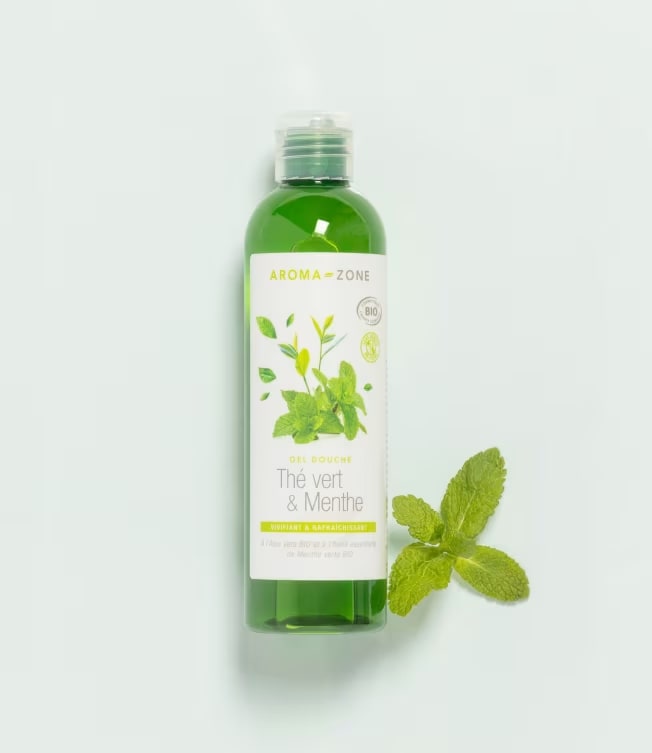
Organic Green Tea & Mint Shower Gel

Organic Green Tea & Mint Shower Gel

This certified organic shower gel combines extracts of green tea and organic spearmint to provide a fresh, invigorating sensation in the shower. Its formula contains 99% naturally derived ingredients, is free of petroleum derivatives and palm oil, and uses mild surfactants derived from sugar and coconut. Enriched with vegetable glycerin and organic aloe vera, it respects the skin’s hydrolipidic film, gently cleanses all skin types without drying them out, and leaves the skin supple, velvety, and delicately scented.

Discover the Organic Green Tea & Mint Shower Gel
  • After any workout, shower immediately and opt for loose-fitting cotton clothing that allows the skin to breathe.

  • Do not share towels, razors, or epilators to prevent the spread of staphylococcus bacteria.

  • Disinfect any scrapes or scratches, even minor ones, immediately to prevent bacteria from entering the skin.

  • For people with diabetes, closely monitor any skin lesions and seek medical attention immediately at the first sign of infection.

  • In households where boils recur, strictly follow home decontamination measures and schedule a dermatological check-up twice a year.

  • Maintain medical monitoring of diabetes, excess weight, and any medication-induced immunosuppression to strengthen the skin’s defences.

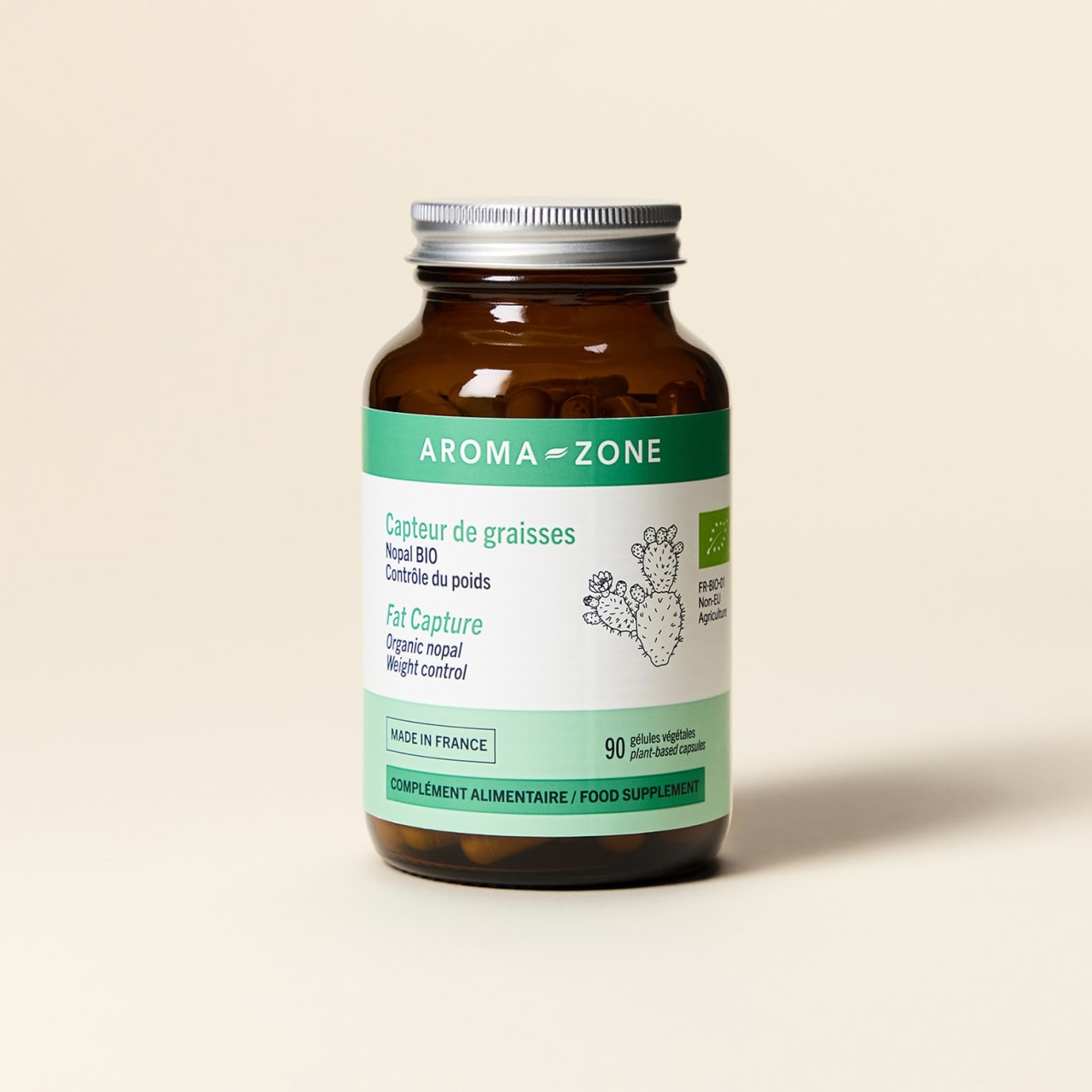
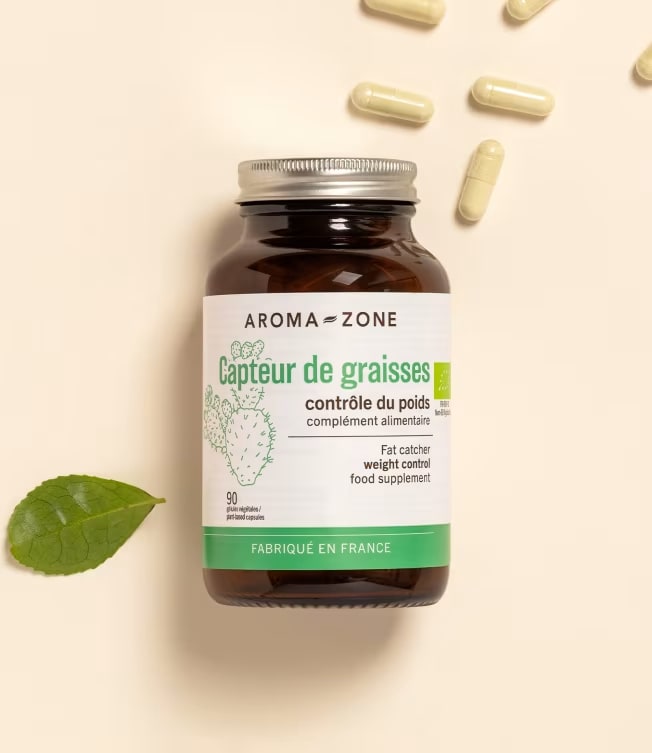
Organic Fat Blocker – 90 capsules – Dietary supplement

Organic Fat Binder - Dietary Supplement

This dietary supplement, made from organic Nopal powder (Opuntia ficus-indica), is formulated to reduce fat absorption thanks to a patented combination of soluble and insoluble fibres. The insoluble fibres capture fats in the stomach, while the soluble fibres stabilise this complex into a gel, facilitating their elimination. In vitro laboratory studies indicate a 28% reduction in fat absorption, and in humans, a 27% increase in fat excretion. A study also showed an improvement in lipid profile in women with metabolic syndrome.

Discover the Organic Fat Binder - Dietary Supplement
  • Use ultra-moisturising cleansing gels with a slightly acidic pH, wear breathable fabrics, and take regular breaks during long periods of sitting to reduce sweating and local pressure.

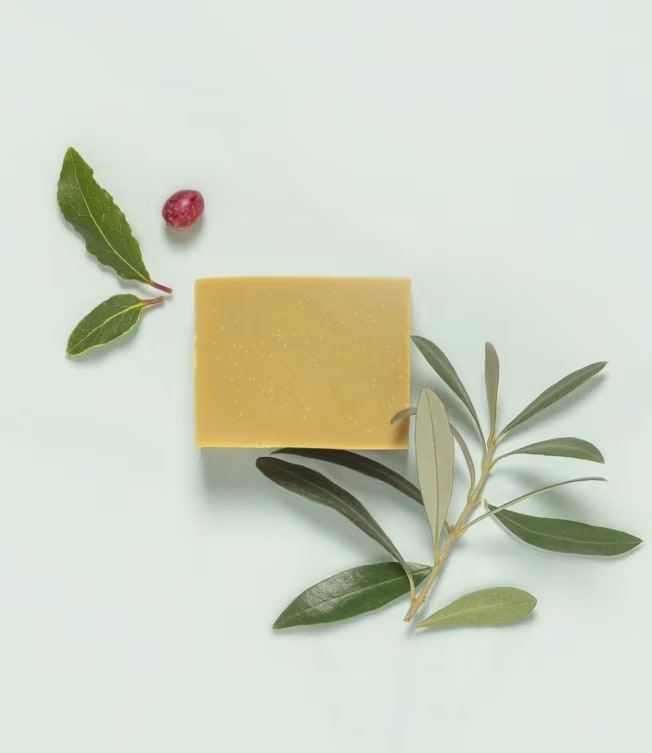
Traditional Aleppo Soap – plant-based & SAPONIFICAZIONE A FREDDO

Tradition d'Alep Soap - Plant-Based & Cold-Processed

This organic soap, inspired by the Aleppo tradition, is handcrafted in Provence using the cold-process method, combining organic olive oil with 40% organic bay leaf oil, known for its purifying, soothing, and restorative properties. Naturally rich in glycerin, it produces a creamy, gentle lather suitable for the face, body, and hands—even for sensitive, acne-prone, or atopic skin. Packaged in recycled paper, certified Cosmos Organic and 100% plant-based, this soap is free of preservatives and palm oil, respecting the skin’s natural balance while being eco-friendly.

Discover the Aleppo Traditional Soap - plant-based & SAF
  • Avoid handling a buttock boil with unsterilised equipment; have a professional perform the incision and drainage in a sterile environment.

  • Check the validity of the tetanus vaccination, especially in frail individuals or in cases of deep lesions.

Precautions

Natural remedies should never replace medical advice or a prescribed antibiotic treatment, particularly in children under six years of age, pregnant women, or nursing mothers. If irritation occurs, discontinue use immediately and seek advice from a pharmacist.

Expert advice

A buttock boil can often be managed at home if its diameter remains under two centimeters and no systemic symptoms appear. However, it is necessary to monitor its progression on a daily basis; any spread of the infection, persistent pain, or the onset of a fever should prompt a visit to the doctor. In practice, the combination of early medical treatment, strict hygiene practices, and metabolic monitoring significantly reduces recurrences and improves long-term quality of life.

Meet Our Expert Writer: Stéphanie Le Guillou

Stéphanie is a pharmacist (since 2010) and holds a PhD in molecular biology (since 2012). Passionate about writing, she has produced medical content for nearly 15 years. Her goal is to make information accessible and easy to understand, without ever sacrificing scientific accuracy.

Bibliography

  1. ameli.fr

    Preventing the appearance of boils. February 2025.

  2. ameli.fr

    Recognizing a boil. February 2025.

Frequently Asked Questions

Frequently Asked Questions