Pimples after shaving: Our natural solutions

Pimples after shaving: Our natural solutions


By The Aroma-Zone editorial team

Published on: Tuesday, December 12, 2023, Updated on: Friday, November 13, 2026

Shaving can sometimes leave unwanted marks such as spots, redness or even irritation. Whether on the face, legs, beard or bikini line, these problems affect men and women alike. How can you avoid these minor annoyances after shaving? We’ll provide you with solutions to treat and prevent these unpleasant symptoms.

Contents

Related products

What do post-shave spots look like?

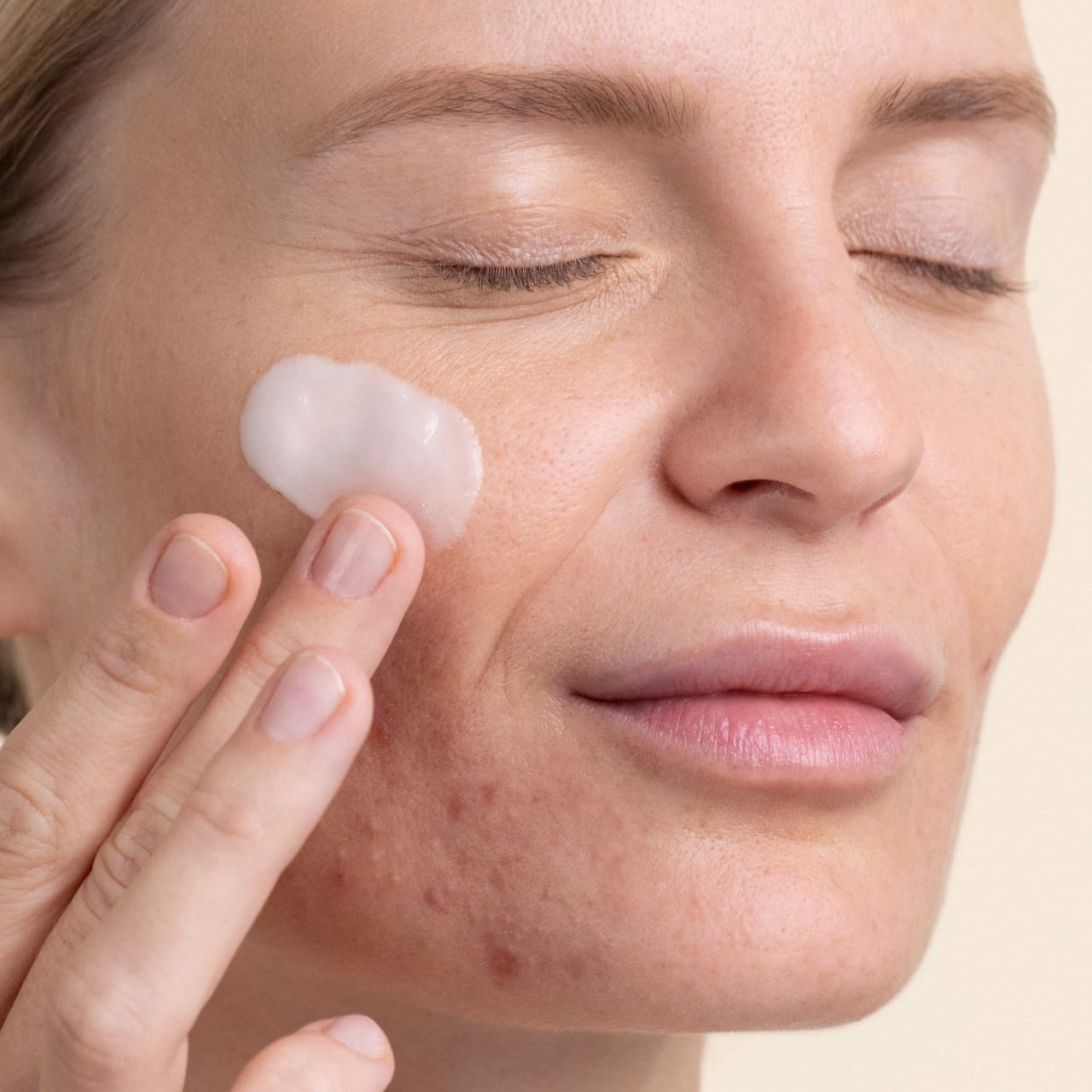
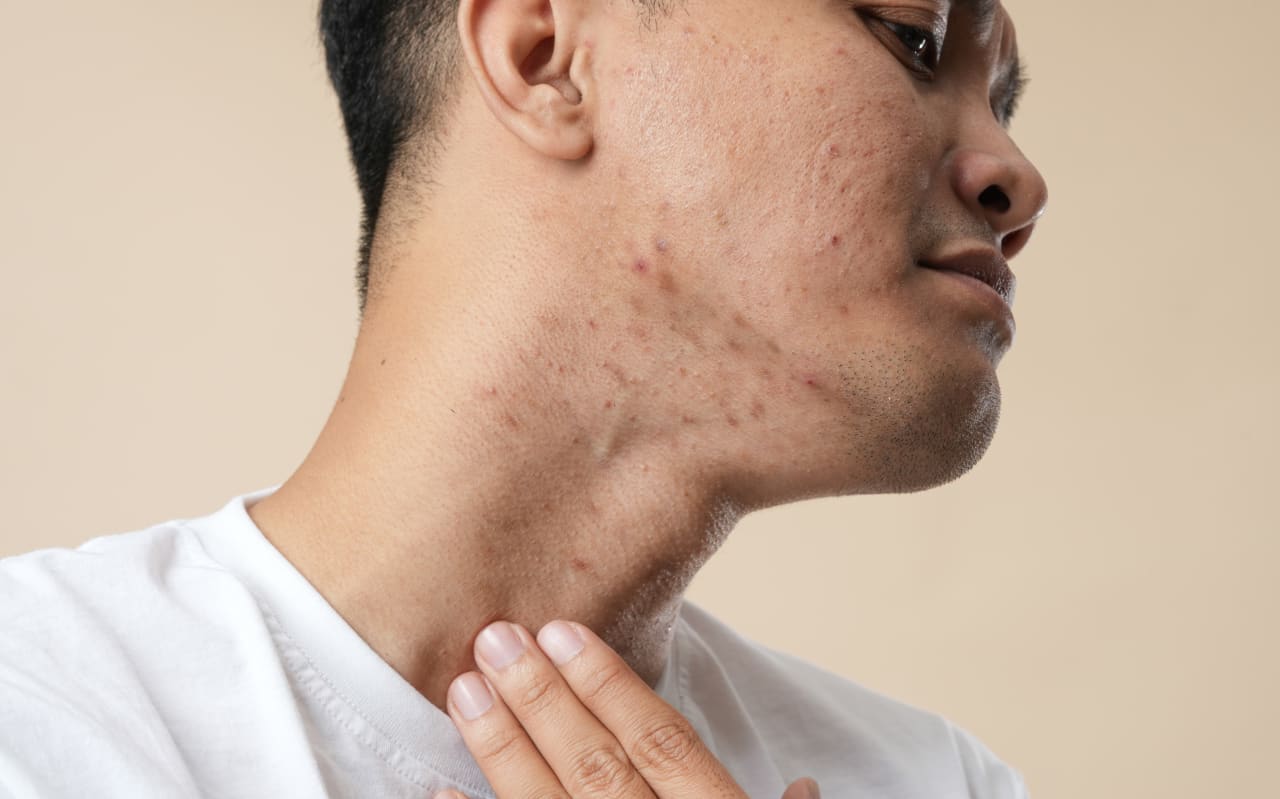
Shaving can trigger a variety of skin reactions. Among these, redness is often the first to appear, indicating that the skin is reacting to irritation caused by the razor blade.

Some people may develop spots or pus-filled blackheads, indicating a more pronounced inflammatory reaction. Folliculitis, characterised by small red bumps around the hair follicles, is also a common occurrence after shaving.

Ingrown hairs, resulting from hair growing back under the skin, can cause spots that are sometimes painful. At the same time, the skin may feel itchy, often due to irritation, which can sometimes lead to scratching – a behaviour that may make the problem worse.

Swelling may also accompany these skin reactions, particularly in those whose skin reacts strongly to the shaving process.

Why do I get spots after shaving?

It’s perfectly natural to experience skin irritation after shaving, which can sometimes develop into spots, and this can often be attributed to several factors.

  1. Skin irritation: To avoid any discomfort or irritation, take a gentle approach when shaving. Use gentle strokes and ensure your razor blade is perfectly clean and well maintained.

  2. Ingrown hairs: Ingrown hairs are sometimes caused by hair growing in the wrong direction. Choose shaving methods that minimise this risk, and exfoliate your skin regularly to prevent them from forming.

  3. Skin sensitivity: Skin sensitivity can vary from person to person. Consider gentler shaving alternatives, and choose products suited to your skin type.

  4. Inappropriate shaving products: Opt for natural, non-irritating shaving creams. Harsh chemicals can often contribute to skin irritation.

  5. Preparing the skin: Before shaving, make sure to prepare your skin by using warm water to open the pores. This will make the shaving process less stressful for the skin.

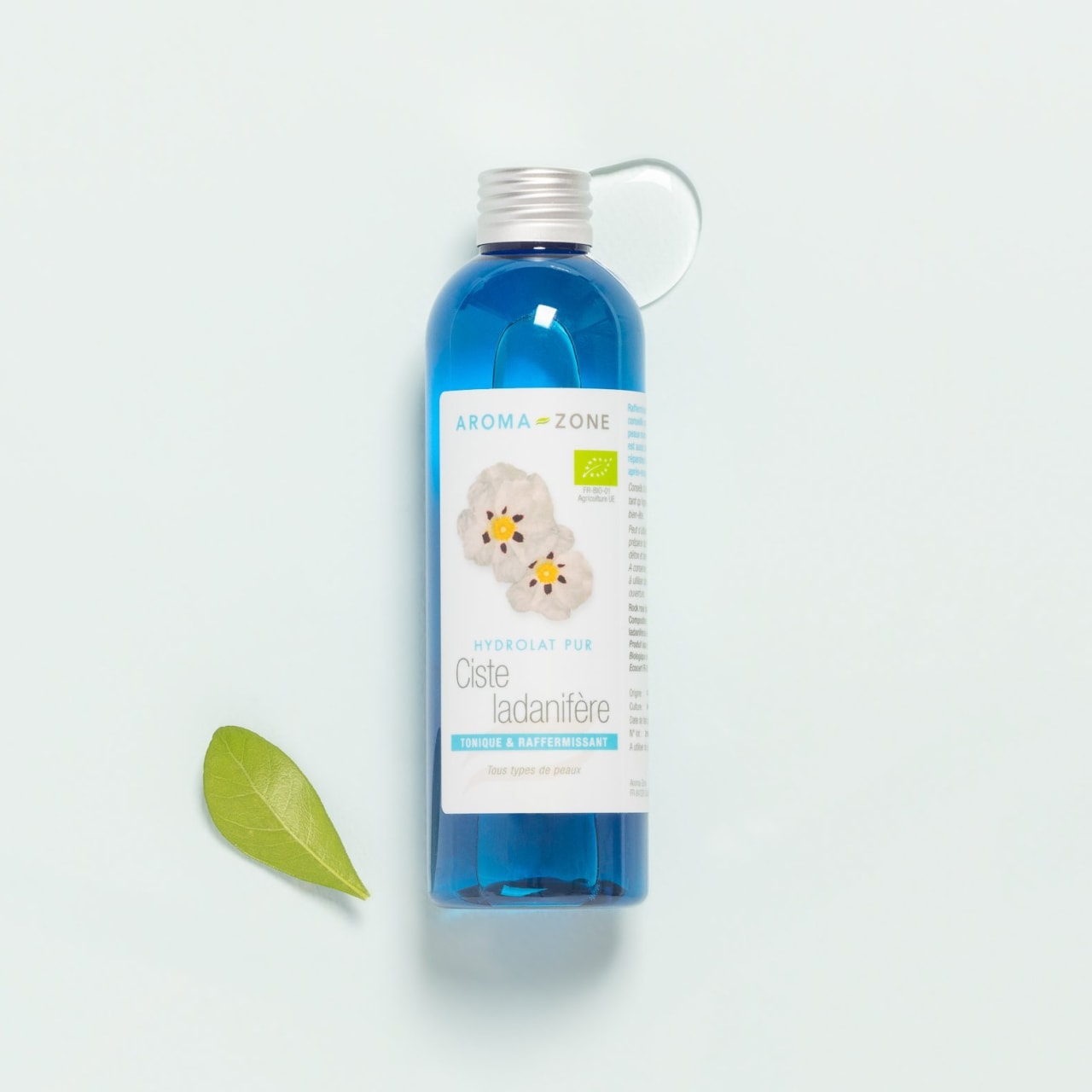
  6. Moisturising and after-shave care: After shaving, soothe your skin with natural solutions such as rockrose hydrosol or aloe vera gel. These ingredients help to soothe inflammation and moisturise the skin.

How can you avoid spots after shaving?

In the quest for soothed, spot-free skin after shaving, there are several natural solutions available to you! Aloe vera, known for its soothing properties, can be applied to reduce inflammation and moisturise the skin.

Hazelnut oil, with its restorative and healing properties, offers a natural alternative for soothing irritated skin. Chamomile, with its anti-inflammatory properties, can be used as a cooled infusion or as hydrosol as an aftershave lotion.

Tea tree oil (tea tree essential oil), known for its antibacterial properties, can be diluted in a vegetable oil (hazelnut, jojoba, black cumin, camelina, etc.) and applied to the affected areas. At the same time, a gentle exfoliation once or twice a week can help prevent ingrown hairs.

Finally, keeping your skin regularly moisturised using an alcohol-free cream will help to soothe the skin and prevent irritation.

By incorporating these natural approaches into your skincare routine, you can promote optimal skin recovery after shaving.

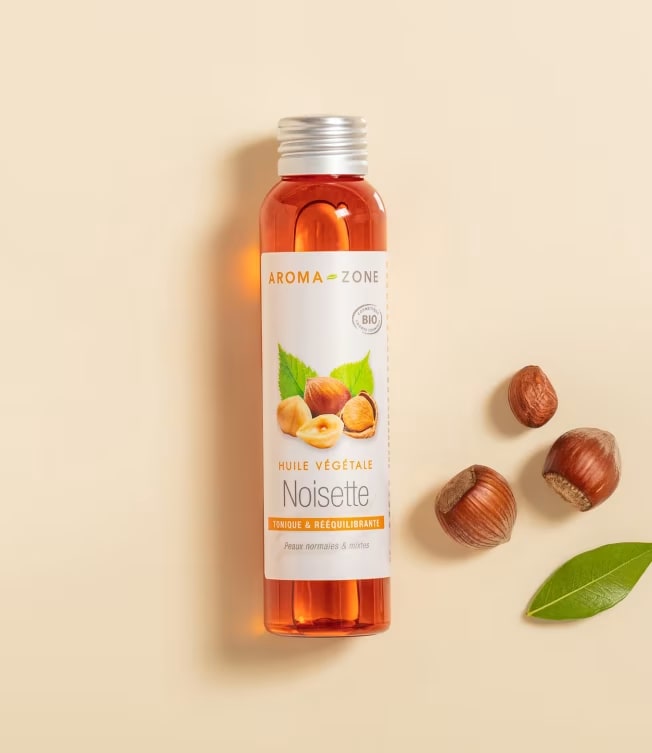
Organic Hazelnut Oil

Spotlight on our Organic Hazelnut Vegetable Oil

Balancing and soothing, this oil has a non-greasy, quickly-absorbing texture, making it ideal for skincare products for oily and acne-prone skin. Its pleasant texture makes it a top choice for massage products.

Discover Organic Hazelnut Vegetable Oil

How can you get rid of spots after shaving naturally?

To soothe the skin and reduce spots after shaving naturally, there are several simple and effective natural remedies that can be of great help. Here are a few suggestions for making the most of their soothing properties:

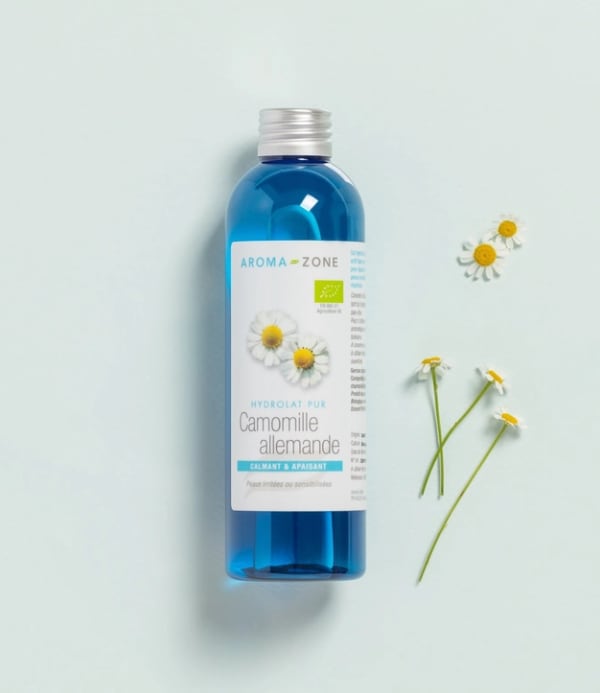
Organic German Chamomile Hydrosol (Matricaria)

Chamomile Hydrosol:

Gently apply German chamomile hydrosol to the shaved area using a cotton pad.

Chamomile is renowned for its soothing and anti-inflammatory properties, offering relief to irritated skin.

Discover Matricaria Chamomile Hydrosol

082-heros11-aromazone-0556

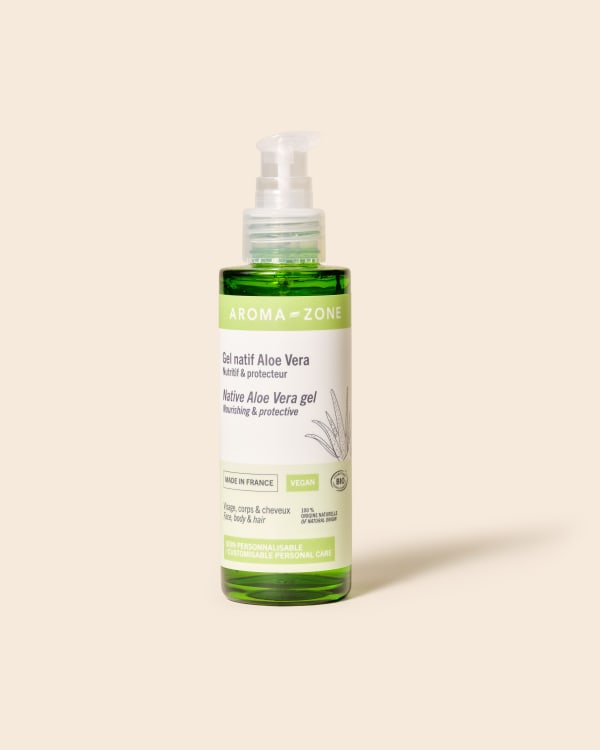
Aloe Vera Gel:

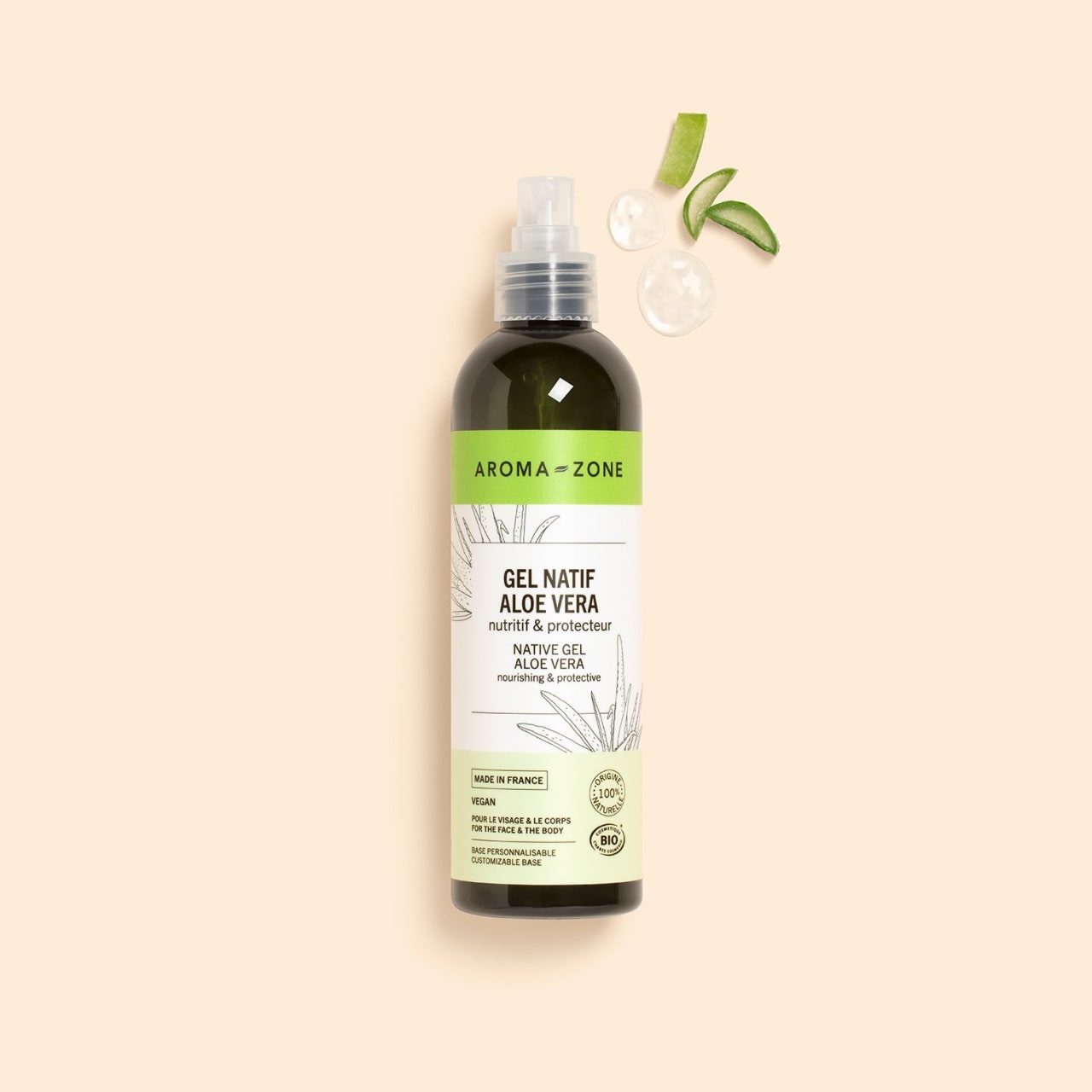
Try applying aloe vera gel to the shaved area. Its ability to soothe, moisturise and promote healing makes it an ideal choice.

Aloe vera can help reduce inflammation and soothe the skin after shaving.

Discover Aloe Vera Gel

Calendula vegetable oil

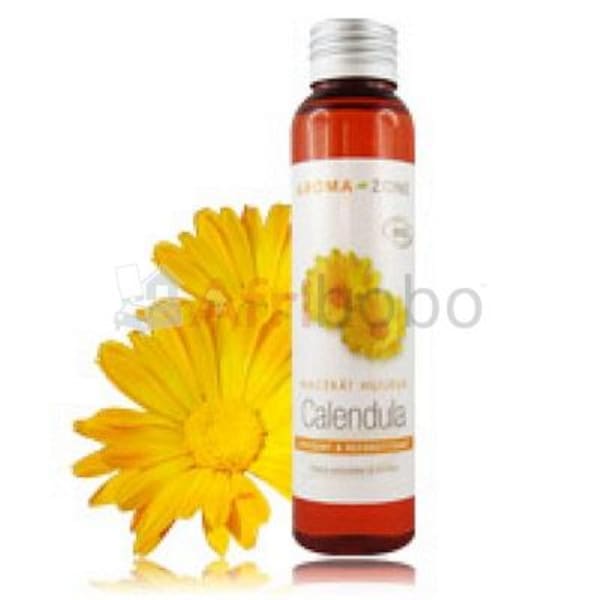
Calendula vegetable oil (oily macerate):

Mix a few drops of calendula vegetable oil into your usual moisturiser.

Thanks to its anti-inflammatory properties, calendula can help soothe the skin and promote faster recovery.

Discover Calendula Vegetable Oil (oily macerate)

Peppermint hydrosol

Peppermint Hydrosol:

Use peppermint hydrosol to tone the skin after shaving.

Peppermint provides a refreshing and soothing sensation, thereby enhancing the benefits of your post-shave skincare routine.

Discover Peppermint Hydrosol

Before using any new products, especially essential oils, carry out a patch test to prevent any allergic reactions.

Pimples after shaving your beard: what can you do?

To reduce spots after shaving your beard, opt for a gentle, natural approach. Before shaving, moisturise your beard with warm water or a warm towel to open the pores. Exfoliate regularly with a gentle scrub suitable for facial skin to prevent ingrown hairs.

When shaving, use a gentle technique, following the direction of hair growth. Avoid going over the same area several times to minimise irritation. Opt for natural shaving products, such as creams or soaps containing chamomile or aloe vera.

After shaving, apply a gentle aftershave or aloe vera oil to moisturise and soothe the skin. You can also use small amounts of vegetable oils such as jojoba oil or sweet almond oil.

If you experience inflammation, apply a cold compress to the shaved area. Avoid touching or rubbing the skin immediately after shaving to minimise irritation. If you use a manual razor, make sure you change the blade regularly to avoid irritation caused by blunt blades.

If problems persist despite following these tips, consider consulting a skin care professional, such as a dermatologist, for personalised advice. Everyone’s skin is different, so try out these tips to find the best approach for your skin.

Pimples after shaving the body: what can you do?

How can you avoid spots after shaving your pubic area?

To prevent spots from appearing after shaving your pubic area, take a precautionary approach. First, make sure you prepare your skin properly by taking a warm shower before shaving to soften the hair and open the pores.

Use a clean, well-maintained razor to prevent bacteria from getting onto the skin. Apply a shaving cream or gel suitable for the pubic area to reduce friction and make it easier to glide the razor over the skin.

When shaving, use a gentle technique, following the direction of hair growth to minimise irritation. Avoid going over the same area several times and ensure you do not apply excessive pressure.

After shaving, moisturise the area with a gentle, alcohol-free product. Use an unscented moisturiser or aloe vera gel to soothe the skin.

Avoid wearing tight clothing immediately after shaving, allowing the skin to breathe. If possible, choose cotton underwear that allows air to circulate.

If you experience inflammation, avoid touching or rubbing the shaved area. If spots persist, consult a skin care professional for advice tailored to your specific situation. Everyone reacts differently to shaving, so pay close attention to your own skin and adjust your routine accordingly.

Preventing spots on your legs

As with the intimate area, to avoid spots after shaving, make sure you prepare your skin properly before shaving. Have a warm shower to soften the hair and open the pores. Use a clean, sharp razor to minimise irritation, using gentle strokes in the direction of hair growth.

Use a high-quality shaving gel or shaving cream to reduce friction and help the razor glide smoothly over the skin. Choose products that are fragrance-free and free from irritating ingredients. After shaving, apply a soothing, alcohol-free lotion or moisturiser to hydrate the skin.

Avoid wearing tight-fitting clothes immediately after shaving and opt for cotton underwear to allow the skin to breathe. If you notice any signs of inflammation, avoid touching or rubbing the shaved area. Consider using a gentle exfoliator once or twice a week, such as the Aroma-Zone Sugar Scrub to prevent ingrown hairs.

Adapt these tips to your specific skin type and tailor your routine to your needs. If problems persist despite these precautions, consult a skincare professional for personalised advice.

No more spots and itching under the arms

For the underarms, the steps to follow to prevent spots from appearing after shaving in this area are much the same as for the rest of the body. As well as preparing your skin properly for shaving, using a shaving foam and moisturising the area after shaving, we also advise you to avoid tight-fitting clothing in the hours following shaving, and to opt for a gentle deodorant that is alcohol-free and contains no irritants. Such as our neutral roll-on deodorant , for example.

How long does razor burn last?

Razor burn usually lasts from a few hours to a few days, or even a week. This can vary depending on skin sensitivity, shaving technique and after-shave care. Please do not hesitate to consult your doctor if the burning sensation is severe and lasts longer than usual.