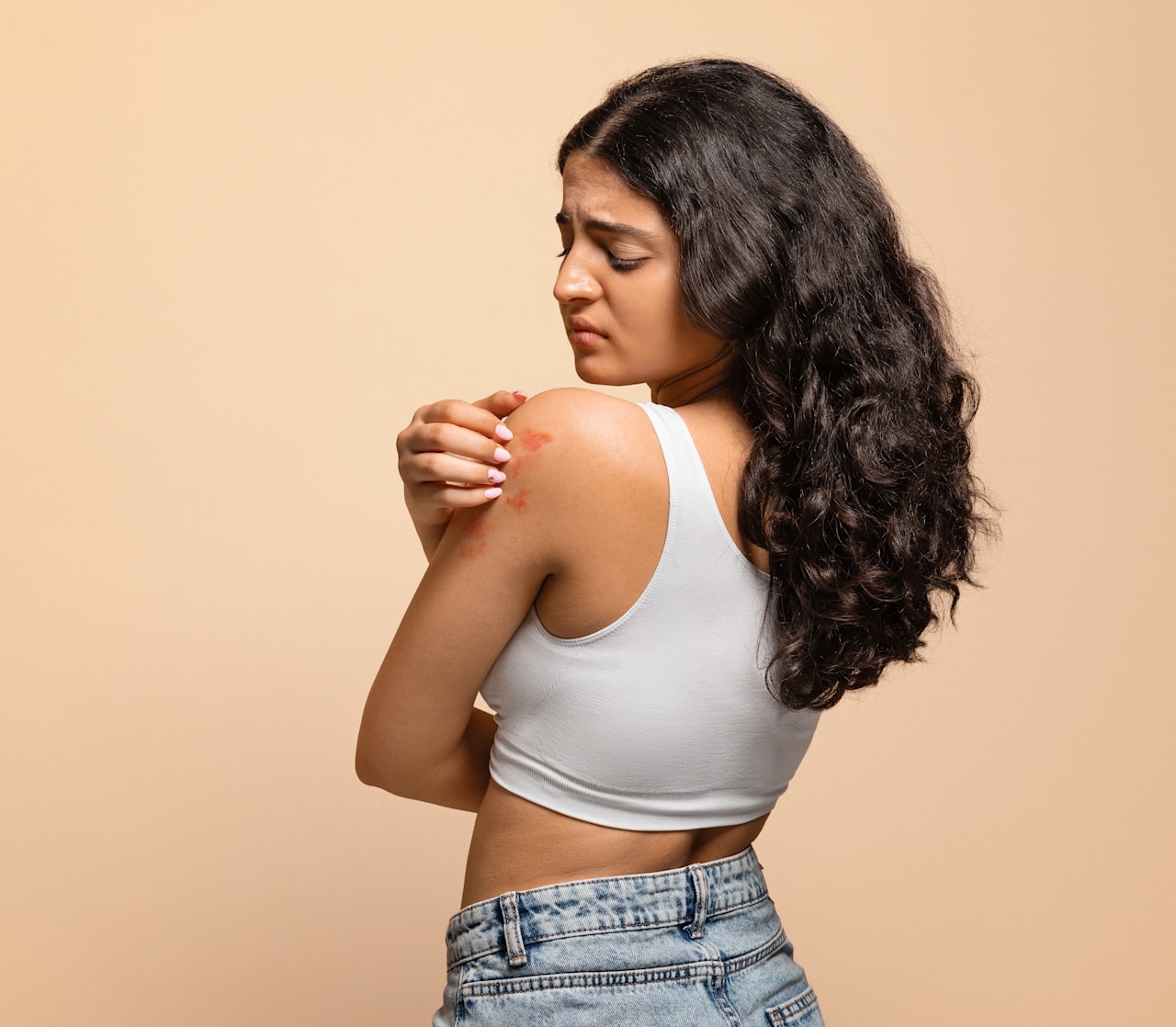
Sometimes, the papules can be painful. However, heat rash is usually harmless.
Heat rash: how to recognise it and treat it naturally?
Heat rash (miliaria) is a mild skin rash consisting of small papules or tiny blisters. This condition, which has multiple causes, most often affects children, but can also affect adults. Generally, heat rash goes away on its own. However, there are certain methods to speed up its disappearance.
By Gipsy Dauge

What is "heat rash"?
The term "heat rash" refers to a skin rash consisting of scattered or clustered red papules or vesicles on diffusely erythematous skin. Heat rash (miliaria) occurs most often in children, but sometimes also in adults. It is characterised by the formation of clusters of sweat-filled vesicles measuring 1 to 3 mm in the epidermis.
It is a common skin condition caused by the blockage of eccrine sweat glands and ducts.
Heat oedema, exercise-related muscle cramps (heat cramps), and heat rash (miliaria) are the mildest forms of heat-related health issues. Although harmless, heat rash can sometimes cause significant itching and discomfort. Note that this primarily affects infants aged 1 to 3 weeks, as their sweat glands and ducts are still developing.
What are the possible causes?
Heat rash occurs when blocked pores trap sweat in the skin, causing red papules or pustules to appear. Areas of the skin covered by clothing are often affected. It can also appear following exposure of the skin to humid climates, occlusion, or high temperatures.
Heat: weather conditions and fevers are common causes of heat rash.
Ambient humidity: It plays a key role by creating an environment conducive to excessive sweating, making it difficult for sweat to evaporate naturally, which promotes the development of heat rash.
Skin occlusion (wearing tight clothing, patches, etc.) is one of the identified causes.
The use of certain medications such as parasympathomimetics like clonidine and neostigmine, as well as bethanechol. In a few rare cases, the use of oral tretinoin has been reported.
Intense physical activity, which causes heavy sweating, may also be a contributing factor.
People with Morvan syndrome, a rare autosomal recessive disorder causing hyperhidrosis, among other abnormalities, are predisposed to miliaria.
The diagnosis of heat rash is generally clinical, and laboratory tests are usually of little use. Bedside examinations, such as dermoscopy and skin biopsy, can help confirm the diagnosis in the most uncertain cases.
How to recognise heat rash?
Heat rash manifests as small skin rashes, often red or clear, that appear on areas of the body exposed to excessive heat or high humidity. These bumps may resemble small blisters or red dots and often cause itching or a stinging sensation. They generally appear on areas such as the neck, chest, back, skin folds, or areas covered by tight clothing, as well as areas subject to friction. Their appearance, combined with recent exposure to intense heat, helps identify them as heat rash.
Heat rash: Who is most affected?
This depends on the type of miliaria. There are three types of miliaria, classified based on the depth of the blockage in the sweat glands.
Crystalline miliaria: This frequently affects newborns, with peak incidence at 2 weeks of age or younger. It affects between 4.5% and 9% of newborns. It can also appear in adults who have recently moved to a warmer climate.
Miliaria rubra, the most common form of miliaria, is frequently seen in newborns aged 1 to 3 weeks. It can also affect up to 30% of adults living in hot and humid conditions.
Miliaria profunda is the rarest form of miliaria. It is most commonly seen in people who have recurrent episodes of miliaria rubra or in those exposed to new hot climates, such as military personnel deployed to tropical regions.
Heat rash or sun allergy: how to tell them apart?
Heat rash (miliaria) appears as small red or white blisters on the skin, usually in skin folds, caused by heat and humidity blocking sweat glands, which can sometimes cause itching. On the other hand, sun allergy (solar dermatitis) is characterised by redness, itching, blisters, or patches on sun-exposed areas, resulting from an allergic reaction to UV rays. For an accurate diagnosis, it is essential to consult a healthcare professional.
The different types of miliaria
The generic term “heat rash” encompasses several types of skin rashes:
Clear miliaria: a watery form characterised by small vesicles (clear droplets)
Red miliaria: an inflammatory form characterised by red bumps; the papules are irritated, itchy, and may sting
Pustular miliaria: similar to red miliaria, but with pustules rather than papules
Deep miliaria: very large and painful papules
How can you get rid of them naturally?
Generally, the rash clears up by moving to a cooler environment, removing clothing, and allowing the skin to dry. You can resume physical or professional activities once the symptoms have disappeared. Here are our general tips for quickly getting rid of heat rash:
Environment: Stay in a cool, shaded area, in a well-ventilated room, or in an air-conditioned space.
Hydration: Cool your skin with a lukewarm shower or damp cloths. Spray yourself with a little thermal water in aerosol form or zinc-enriched thermal water.
Clothing: Take off any extra layers if you’re too covered up, and avoid running in heavy, tight clothing. We also recommend wearing loose-fitting clothes made of natural fibers like cotton and linen to prevent excessive sweating.
Hygiene: Avoid soaps that are too drying and frequent sea baths, as sea salt can irritate the skin. Avoid using baby powder, ointments, perfumed lotions, or products containing petrochemicals (mineral oils), which can clog pores and worsen heat rash. Exfoliating the skin is recommended to prevent the blockage of sweat glands.
Gently exfoliate your skin
Papaya & Vitamin C Enzymatic Cleansing Powder: For smoother, refined skin texture, this enzymatic cleansing powder contains natural enzymes that provide a gentle, grain-free exfoliation. The skin is purified without being stripped or irritated.
Moisturise and repair
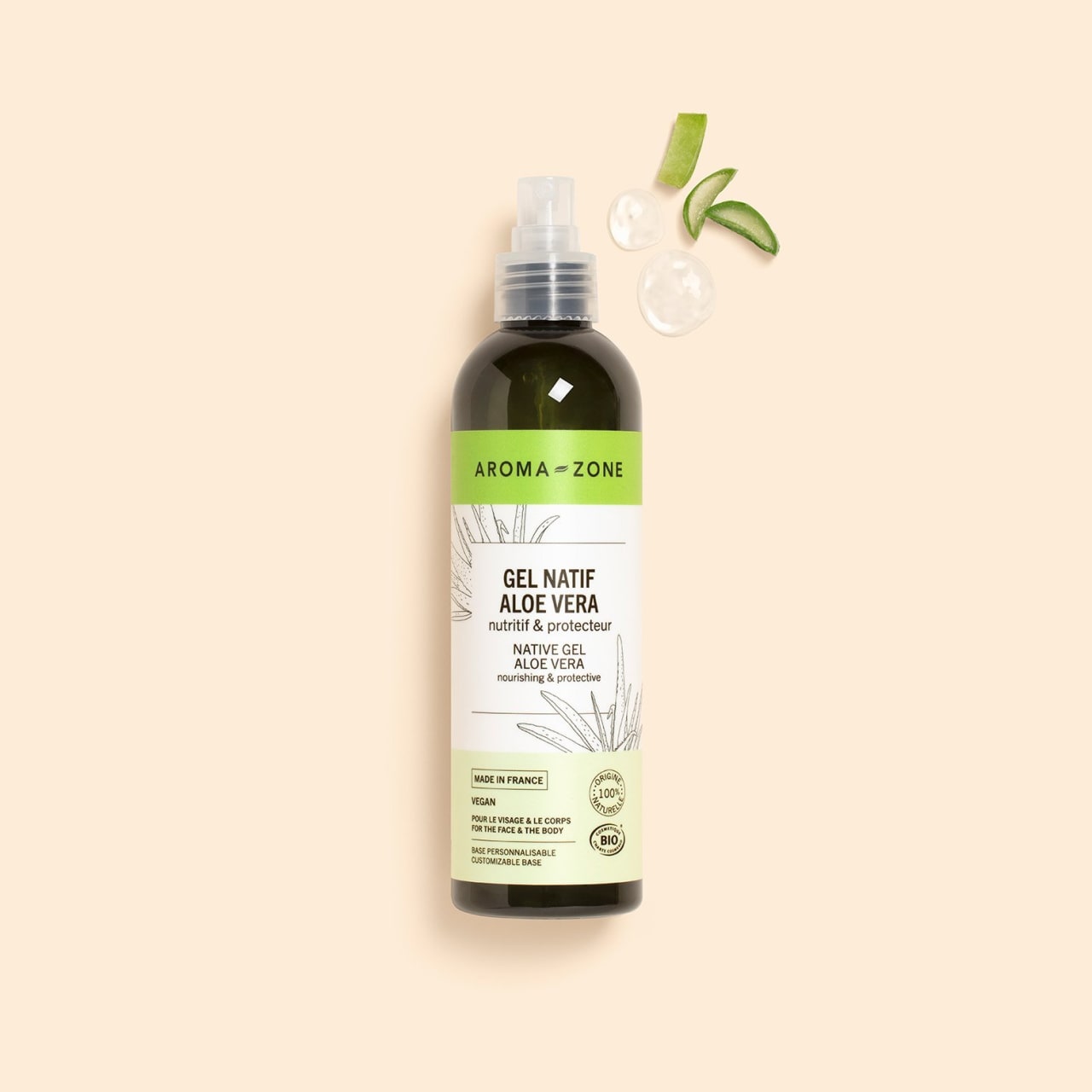
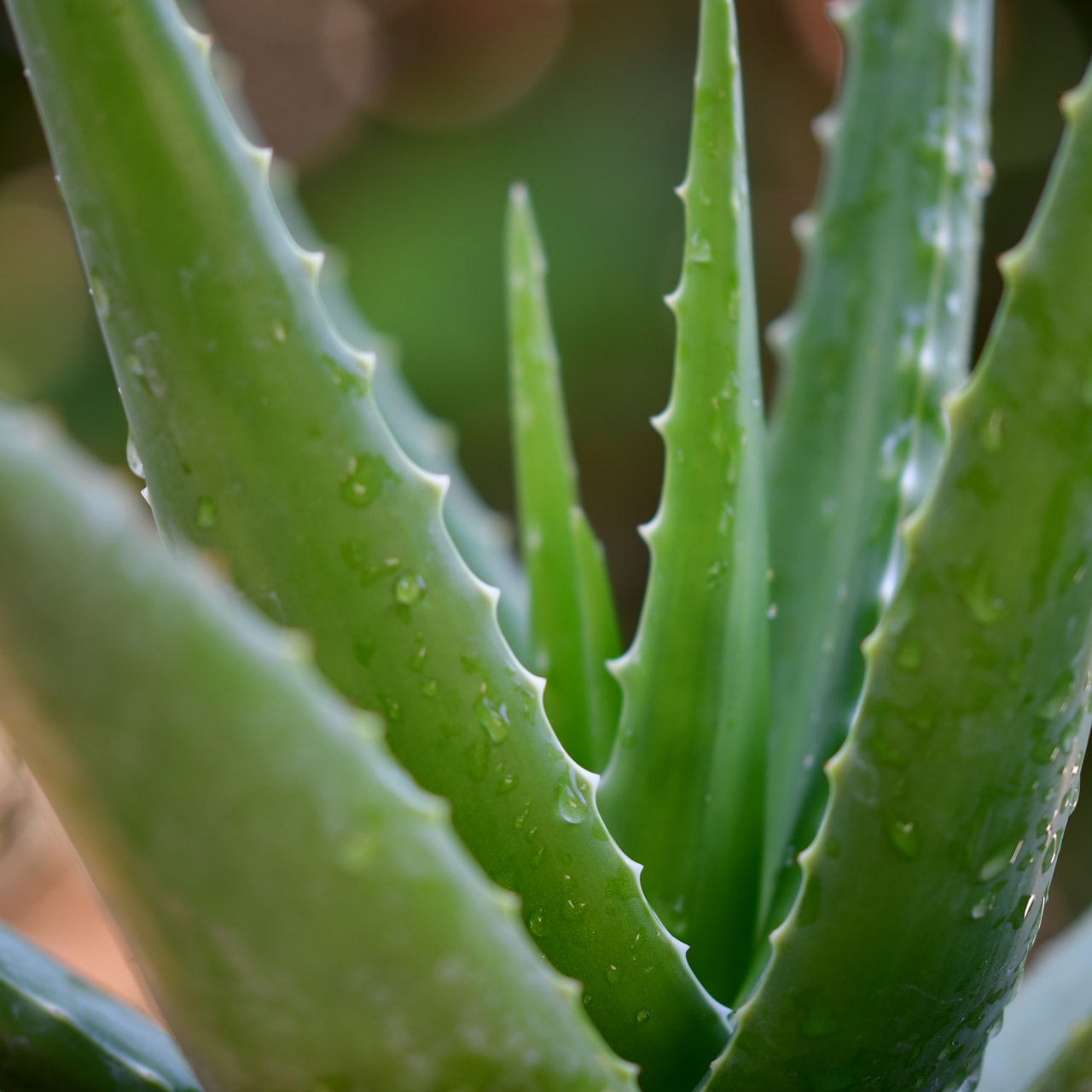
Aloe vera gel: it moisturises, soothes irritation, and regenerates the skin. Its guaranteed concentration of aloeverose (minimum 1200 mg/L) gives it exceptional restorative properties. Non-occlusive, nourishing, and soothing, it can help heat rash clear up faster.
Avoid thick or occlusive creams that can worsen the rash by blocking pores. Instead, opt for lightweight, moisturising products specifically designed for sensitive skin.

Are heat rashes serious?
In general, heat rash (miliaria) is not serious. Most cases of miliaria resolve spontaneously once risk factors are reduced and the person has been moved to a cooler, less humid environment. All types of miliaria generally resolve relatively easily.
In more severe cases, a secondary infection may develop if the heat rash is scratched excessively, which may require medical treatment. It is important to keep the skin clean and dry, avoid hot and humid environments as much as possible, and wear light, breathable clothing to prevent heat rash. If symptoms persist, worsen, or are accompanied by other concerning symptoms, it is recommended to consult a healthcare professional or dermatologist for an examination and appropriate advice.
The most susceptible areas of the body
Heat rash typically appears on the arms, legs, neck, back of the knees, armpits, groin, buttocks, and inner thighs. More generally, rashes form in areas where clothing rests against the skin for a long period of time: pant waistbands, diapers, car seat belts, car seats… Heat rash is rarely seen on the face.
Heat rash in babies and children
Babies and young children are particularly prone to heat rash due to their delicate skin and their inability to effectively regulate their body temperature. In children, these rashes appear as small red spots or bumps on covered areas, such as the neck, shoulders, back, or skin folds. The baby may become irritable due to the itching. To relieve these symptoms, dress the child in light cotton clothing and place them in a cool, well-ventilated environment. Apply cool water to the affected areas and avoid greasy creams. It is also important to emphasise the need to stay hydrated and take frequent cool showers to reduce sweat buildup. If symptoms persist or worsen, it is advisable to consult a paediatrician.
Should you see a doctor for heat rash?
It is not necessary to see a doctor when heat rash appears. However, we recommend making an appointment with a healthcare professional if the rash is accompanied by pus discharge, fever, or swollen lymph nodes in the neck or armpits. If the heat rash does not clear up within 72 hours, it is recommended that you see a doctor. If the bumps turn yellow and become pus-filled, you should also seek medical attention to treat the secondary infection.
Learn more

Do heat rashes hurt?

Do heat rashes hurt?

Do heat rashes itch?

Do heat rashes itch?
Yes, this type of heat rash is more prone to inflammation, often itches, and can also be painful. If symptoms persist after 48 hours, consult a doctor.

How long do heat rashes last?

How long do heat rashes last?
Without treatment, heat rash usually lasts 24 to 72 hours.

How can you prevent them from appearing?

How can you prevent them from appearing?
To prevent heat rash, it is essential to keep the skin cool and dry, especially during periods of intense heat. Wear light, loose-fitting clothing made of natural fabrics like cotton, which allow the skin to breathe. Avoid excessive physical activity during the hottest hours of the day and be sure to take cool showers to remove sweat from the skin. Use non-comedogenic, lightweight moisturisers that do not clog pores. Finally, for babies and children, make sure they are dressed appropriately and avoid leaving them in overly hot or humid environments for long periods of time.

Heat rash and stress: what’s the connection?

Heat rash and stress: what’s the connection?
Stress does not directly cause heat rash, but it can be an aggravating factor. During times of stress, the nervous system can disrupt sweat production and increase perspiration, which promotes the appearance of these small red bumps, especially in hot weather. Chronic stress can also weaken the skin barrier, making the skin more sensitive to external irritants such as heat or humidity. To prevent these discomforts, you can combine soothing care, a gentle skincare routine, and relaxation techniques such as deep breathing, meditation, or herbal teas made from relaxing plants (verbena, passionflower, lemon balm, etc.).

Sweat rash or heat rash?

Sweat rash or heat rash?
Since sweating is the most common risk factor, the term "sweat rash" is often used interchangeably with "heat rash." Indeed, factors that cause excessive sweating (such as hot or humid conditions, high fevers) are particularly associated with the development of miliaria.
Spotlight on our writer: Gipsy Dauge

Gipsy graduated from ESJ Paris. After 10 years of experience in the general and women's press, she chose to specialise in writing about health and wellbeing. Now a certified Yin Yoga teacher, she skilfully combines her passion for writing with her love of yoga. Her goal goes far beyond simply informing. She is passionate about helping readers embrace simple, practical habits that support their wellbeing while encouraging a more mindful approach to the world around them. Every article is an invitation to adopt a healthier, more balanced and fulfilling lifestyle.
Article published on October 24, 2023
Bibliography
1
Guerra KC, Toncar A, Krishnamurthy K. Miliaria. 2024 Sep 1. In: StatPearls [Internet]. Treasure Island (FL): StatPearls Publishing; 2025 Jan–. PMID: 30725861.