
Folliculitis is an inflammation of the hair follicles primarily caused by Staphylococcus aureus. It manifests as painful red nodules with a central pustule, often associated with a hair. It can develop into a boil or an abscess. The most commonly affected areas include the scalp, face, neck, arms, legs, back, and buttocks, although folliculitis can appear on any part of the body where hair is present.
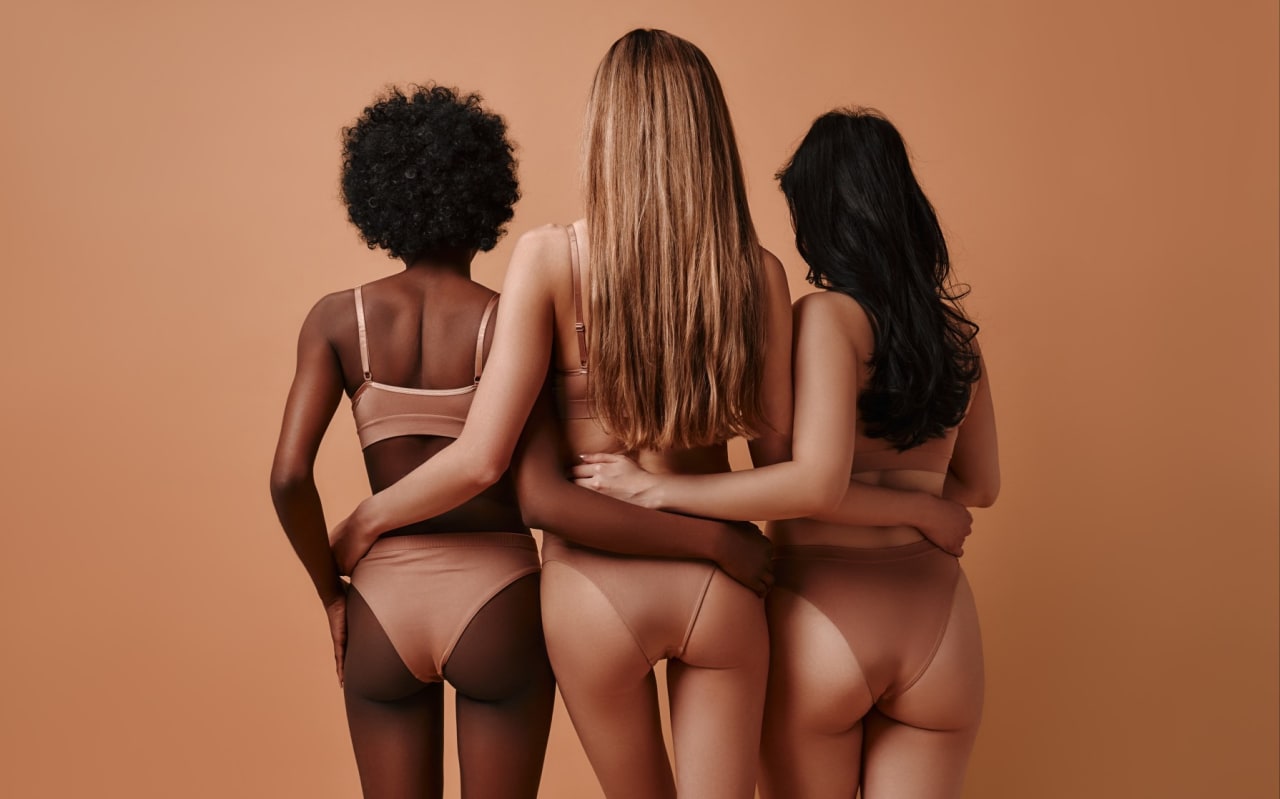
Folliculitis on the buttocks: causes and symptoms
By Gipsy Dauge
Published on: Monday, April 29, 2024, Updated on: Wednesday, September 30, 2026
Folliculitis on the buttocks is an inflammation of the hair follicles caused by various factors such as shaving, maceration due to heat or tight clothing, as well as bacterial or fungal infections. In this article, discover everything you need to know about this condition.
Contents
Inflammation of the hair follicles: What is folliculitis of the buttocks?
What causes folliculitis? What are the causes?
Folliculitis is most often caused by a bacterial infection of the superficial or deep hair follicle. However, this condition can also be caused by fungal species, viruses, or even be non-infectious. Here are several causes of folliculitis, listed below:
Superficial bacterial folliculitis: The most common form of folliculitis, this condition is generally caused by the bacterium Staphylococcus aureus. It should be noted that both methicillin-sensitive and methicillin-resistant forms of this bacterium can cause folliculitis.
Gram-negative bacterial folliculitis: Commonly known as hot tub folliculitis, this condition is caused by the bacterium Pseudomonas aeruginosa. It typically occurs after exposure to contaminated water from a poorly maintained swimming pool or hot tub. Other bacteria that can cause this condition include Klebsiella and Enterobacter.
Pityrosporum folliculitis: This specific form of folliculitis is fungal, caused by the Malassezia species of yeast, such as Malassezia furfur. It is generally observed during adolescence due to increased sebaceous gland activity and is commonly found in a cape-like distribution on the patient’s shoulders, back, and neck. Clinical suspicion of this condition should arise in patients diagnosed with acne that has not responded to or has even worsened after antibiotic treatment.
Viral folliculitis: Usually caused by the herpes virus, it can also be caused by molluscum contagiosum, though this is much rarer. Folliculitis caused by the herpes virus presents similarly to bacterial folliculitis, except that papulovesicles and/or plaques are usually present rather than pustules. Another key feature for diagnosing this condition is that the lesions typically appear in groups or clusters.
Demodex folliculitis: a type of folliculitis caused by the Demodex folliculorum mite. This particular type of folliculitis is controversial because the Demodex mite is normally found in the sebaceous hair follicles of the skin. It is estimated that 80 to 90% of all humans may carry this mite.
Eosinophilic folliculitis: This specific form of folliculitis is found primarily in people with advanced HIV or those with low CD4 counts.
What are the symptoms associated with folliculitis on the buttocks?
Folliculitis on the buttocks can manifest through several symptoms, including:
Redness of the skin around the hair follicles.
Itching of varying intensity.
Small bumps or pustules.
A sensation of heat or discomfort in the affected area.
Possibly, scabbing or scarring in cases of persistent infection or excessive scratching.
Does folliculitis itch?
Among other symptoms, folliculitis can often cause itching. The intensity of the itching can vary depending on the severity of the inflammation and individual skin sensitivity.
Why are the buttocks particularly prone to folliculitis?
The buttocks are often prone to ingrown hairs due to frequent shaving in this area. Additionally, heat, swimming in a swimsuit, or wearing clothes that are too tight can lead to maceration, promoting the growth of bacteria or fungi. These microorganisms can infect the hair follicles, sometimes reaching the root of the hair, which can then lead to a boil. To learn more, discover everything about infected ingrown hairs
Can folliculitis be caused by stress?
Stress can indirectly contribute to the onset or worsening of folliculitis. Although stress itself is not a direct cause of folliculitis, it can weaken the immune system and increase susceptibility to skin infections such as folliculitis. In addition, stress can worsen pre-existing skin conditions by causing increased skin inflammation, which could promote the development of folliculitis or aggravate existing symptoms.
How to get rid of folliculitis?
Folliculitis requires different treatments depending on its form. Here are some guidelines:
Healing may occur spontaneously within a few days, depending on the type of folliculitis
Seek medical care to receive appropriate treatment based on the type of folliculitis and whether it recurs
Practice good skin hygiene to prevent folliculitis and avoid worsening symptoms.
Expert advice
So, as you can see, to treat folliculitis effectively, it’s important to understand its causes and form. We therefore recommend that you make an appointment with a qualified doctor or dermatologist.
Spotlight on our writer: Gipsy Dauge

Gipsy is a graduate of ESJ Paris. After 10 years’ experience in general and women’s magazines, she decided to specialise in writing about health and wellbeing. With a yin yoga qualification under her belt, she now skilfully combines her writing with her yoga mat. Her aim goes far beyond mere words. Her commitment runs deep: to help readers incorporate small tips into their daily lives that help them look after themselves and their environment. Every word is an invitation to adopt a balanced and fulfilling lifestyle.
Bibliography
Pocket Guide to Human Anatomy and Pathophysiology
https://books.google.es/books?id=LtfMi_7GkuwC&pg=PA613&dq=Folliculite+buttocks&hl=fr&newbks=1&newbks_redir=0&sa=X&ved=2ahUKEwjd29-4od-FAxXLgv0HHYAOD48Q6AF6BAgJEAI#v=onepage&q=Folliculitis%20buttocks&f=false
Folliculitis
https://www.ncbi.nlm.nih.gov/books/NBK547754/
Frequently Asked Questions
Associated tips

Skin care tips
Skin Concerns
Body Care Tips
Oral care tips
Body Care Tips


