Itching in the ear can be caused by dry skin, eczema, a fungal infection, or an allergic reaction. Irritation from overuse of cotton swabs or a buildup of earwax can also be the cause.
Eczema in the ear: causes and symptoms
Do you think you have eczema in your ear, or have you already been diagnosed? Eczema in the ear can cause intense itching and daily discomfort. This skin condition, often benign, affects the ear canal, the back of the ear, or the cartilage. But what causes this eczema, and how can you recognise the associated symptoms? Learn about the triggers and warning signs to watch for.

What is eczema?
Eczema, also known as “atopic dermatitis,” is a chronic inflammation of the skin. It is an itchy skin condition, meaning it is accompanied by redness, itching, and sometimes oozing lesions. Eczema is often associated with food allergies, as well as allergic rhinitis and asthma attacks. Common complications associated with atopic dermatitis include colonisation of skin lesions by Staphylococcus aureus (infection) or the herpes virus. There are several forms of eczema, including atopic eczema and contact eczema. Both of these forms can affect the ear area.
Atopic eczema
It is a chronic, non-contagious inflammatory condition that causes itching and dry skin. Atopic eczema progresses in inflammatory flare-ups when the skin no longer functions as a barrier and becomes permeable to external irritants. People prone to this condition have a specific genetic predisposition that promotes the development of allergies when exposed to environmental allergens (dust mites, synthetic chemicals, animal dander, pollen, etc.). Atopic eczema is not caused by a specific allergen, but by the skin’s sensitivity to all allergens present in the environment. Atopic eczema primarily affects children, but it can also affect adolescents and adults.
Contact eczema
This type of eczema occurs when the skin reacts locally to an allergen. It may be exacerbated by pre-existing atopic eczema, but it can also develop completely independently. Contact eczema is a highly localized allergic reaction. A single person can have both atopic eczema and contact eczema at the same time. In short, contact eczema results from sensitivity to a specific allergen, whereas atopic eczema simply makes the skin sensitive.
The specific case of eczema in the ear
There are many areas that can be affected by eczema: scalp eczema, pubic eczema, back eczema etc. Ear dermatitis is characterised by itching, flaking, and swelling of the skin in the ear canal. It may result from an allergic reaction to various triggers, such as earrings, cosmetics, earplugs, shampoo, or cotton swabs. Eczema of the ear canal can occur spontaneously in people with associated conditions (seborrheic dermatitis, psoriasis, etc.). Skin irritation caused by eczema can lead to a secondary bacterial or fungal infection and result in acute otitis.

What are the possible causes of eczema in the ear?
Allergic reactions: to jewelry (nickel earrings), hair products, cosmetics, or earplugs.
Mechanical irritation: caused by excessive use of cotton swabs, frequent scratching, or ill-fitting earbuds.
Environmental factors: dry air, pollution, temperature fluctuations, or excessive humidity.
Associated conditions: seborrheic dermatitis, psoriasis, atopic eczema.
Stress and immune imbalances: as triggers or aggravating factors for skin inflammation.
What are the associated symptoms?
Symptoms vary from person to person, but certain signs are common. Here are the most common symptoms of ear eczema:
Dryness and flaking: the skin becomes rough, peels, and may appear cracked
Localised redness: visible inflammation, often accompanied by a sensation of heat
Intense itching: the skin itches, sometimes to the point of causing scratches
Swelling: the ear canal or outer ear may be swollen, causing discomfort
Crusting and oozing: lesions may ooze a clear fluid, which then forms crusts
Discharge from the ear canal: A clear fluid may drain from the ear, sometimes mistaken for an ear infection
Increased sensitivity: The skin may become painful to the touch, especially in cases of prolonged irritation
Feeling of discomfort or a blocked ear: if the inflammation affects the ear canal, it can cause mild hearing obstruction.
What are the recommendations?
If you experience persistent itching in the ear, it is recommended that you consult a healthcare professional for an accurate diagnosis. The doctor may suggest patch tests to identify any allergens responsible for contact eczema. If an allergy is confirmed, avoiding the allergen is the first step to take. It is essential to follow the healthcare professional’s recommendations and avoid the identified triggers to prevent recurrence.
How can you care for your ears naturally?
To soothe irritation, use gentle care: avoid scratching, clean the ear gently, and use appropriate products after consulting a doctor.
Dry your ears thoroughly after a shower, bath, or swimming. Moisture promotes the growth of fungi and bacteria that can worsen inflammation and, consequently, the allergic reaction
Limit the use of earbuds and cotton swabs, which can irritate the skin and worsen eczema
Adopt a balanced diet rich in omega-3s and antioxidants, which promote skin regeneration.
Feel free to check out our comprehensive guide: Eczema: the most effective natural remedies
Precautions
It’s important to avoid scratching your ear or using cotton swabs, which can worsen inflammation and lead to infection. If symptoms persist or you notice unusual discharge, a medical consultation is essential to get an accurate diagnosis.
Expert advice
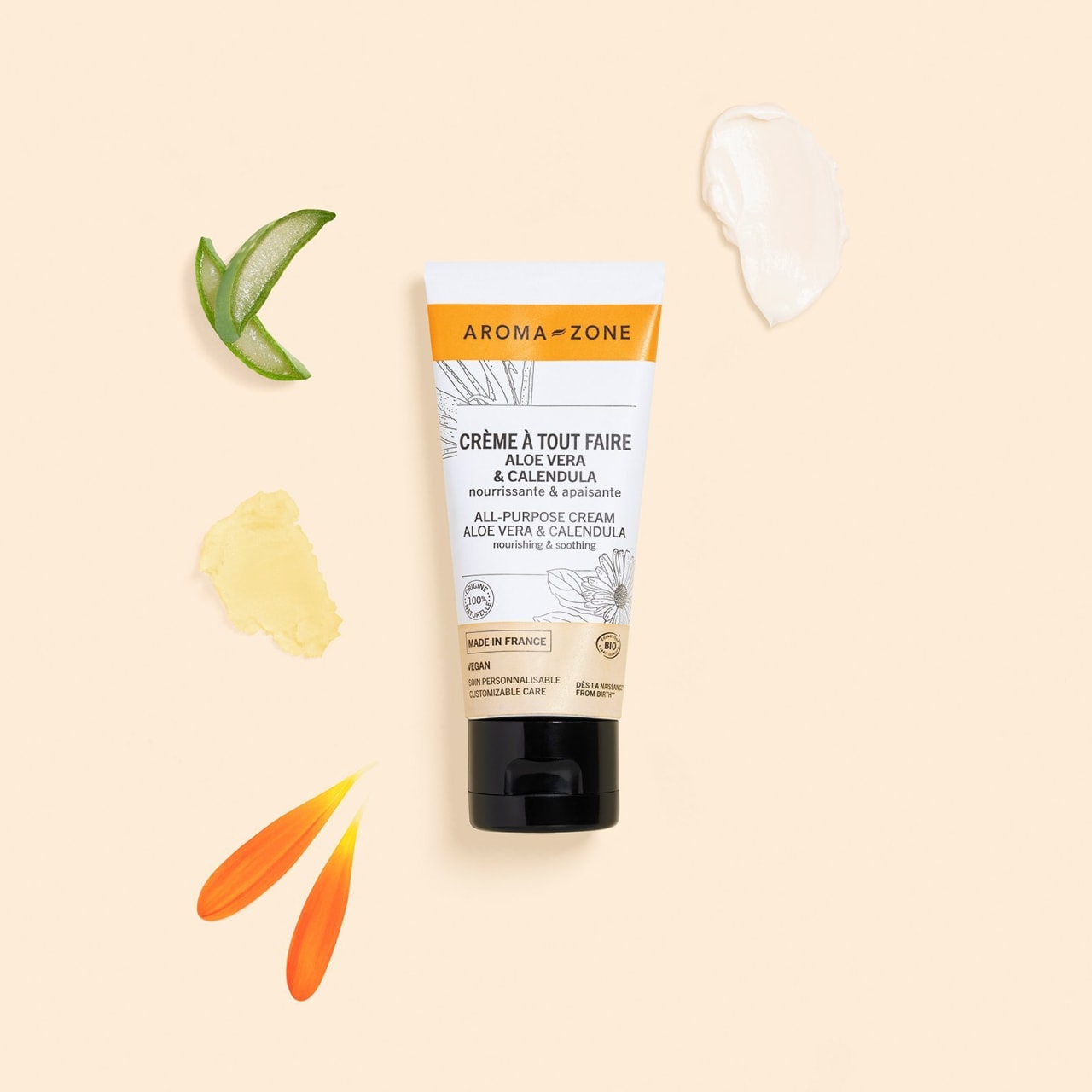
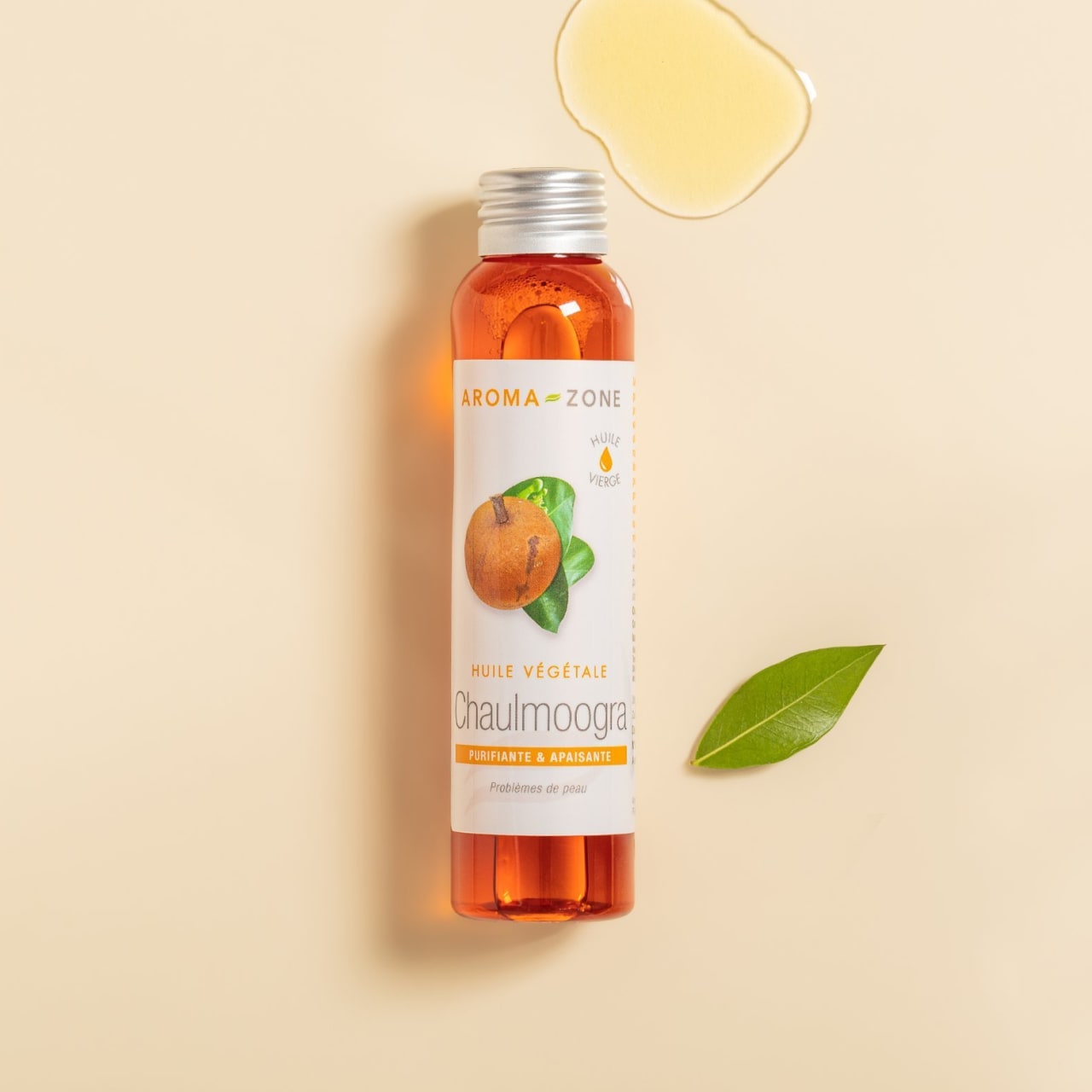
Applying a suitable soothing cream or emollient oil can help relieve itching and restore the skin barrier. If the eczema is recurrent, targeted dermatological treatment may be necessary to limit flare-ups.
Learn more

Why does the inside of my ear itch?

Why does the inside of my ear itch?

How can you relieve itching in your ears?

How can you relieve itching in your ears?
It is recommended to moisturise the skin with a gentle oil (sweet almond, calendula) and avoid irritants such as cotton swabs or earbuds. If symptoms persist, a medical consultation is necessary to identify the cause and tailor the treatment.
Spotlight on our beauty writer, Alice Blanchard

Formerly a manager at an organic shop, Alice spent several years helping her customers choose products that were healthy and respectful of both their wellbeing and the natural world. Having suffered from endometriosis since her teenage years, she chose to prioritise natural solutions to alleviate her symptoms and improve her day-to-day wellbeing. Drawing on her knowledge of naturopathy, she has always explored the benefits of plants and nutrition. Passionate about ecology and deeply connected to nature, Alice makes her own cosmetics and household products to reduce her impact on the planet and all its inhabitants.
Bibliography
1
MSD Manuals
https://www.msdmanuals.com/fr/accueil/troubles-du-nez-de-la-gorge-et-de-l-oreille/troubles-de-l-oreille-externe/dermatite-du-conduit-auditif#Causes_v45103331_fr
2
INSERM
https://www.inserm.fr/dossier/dermatite-atopique-eczema-atopique/
3
Vivason