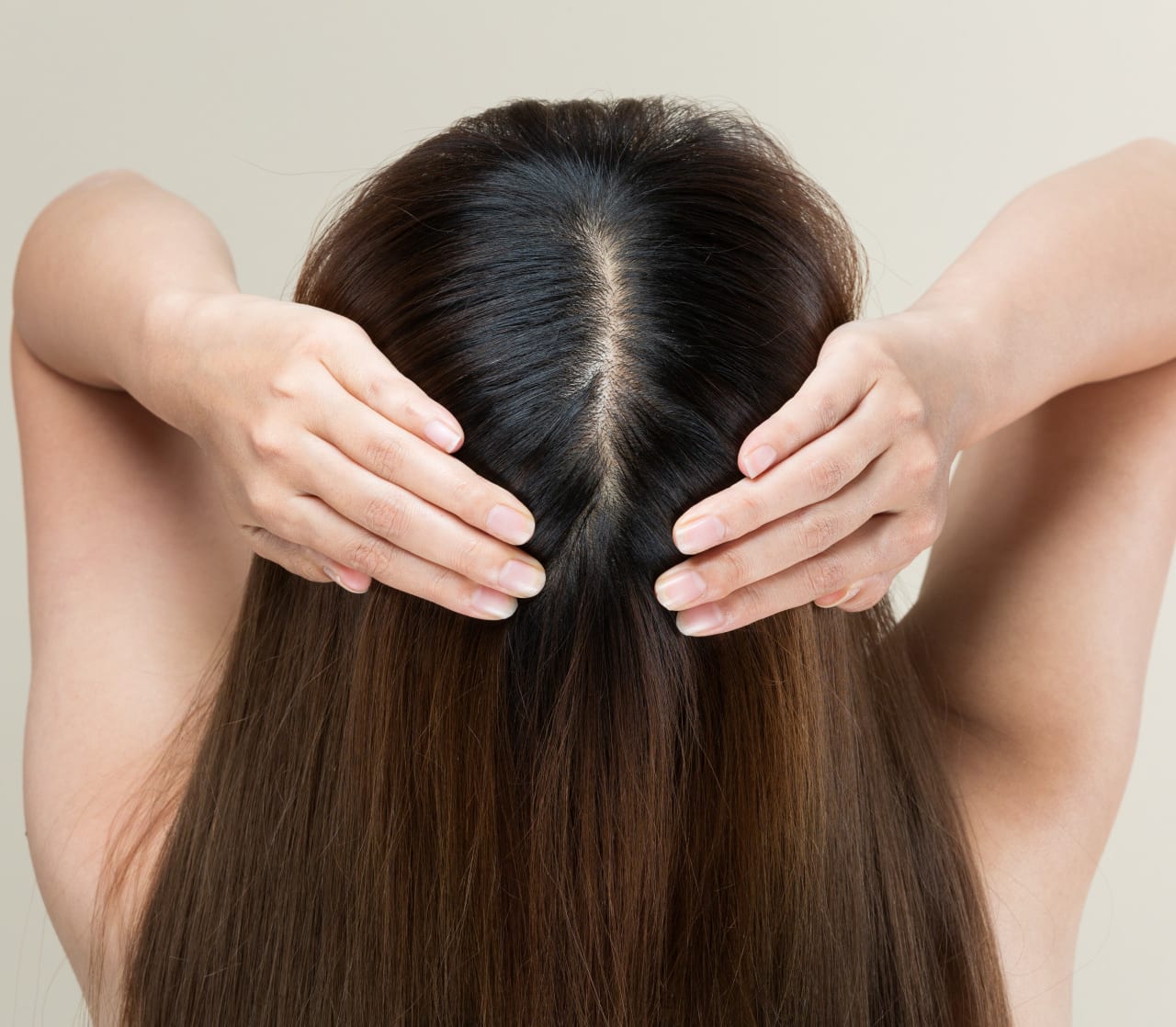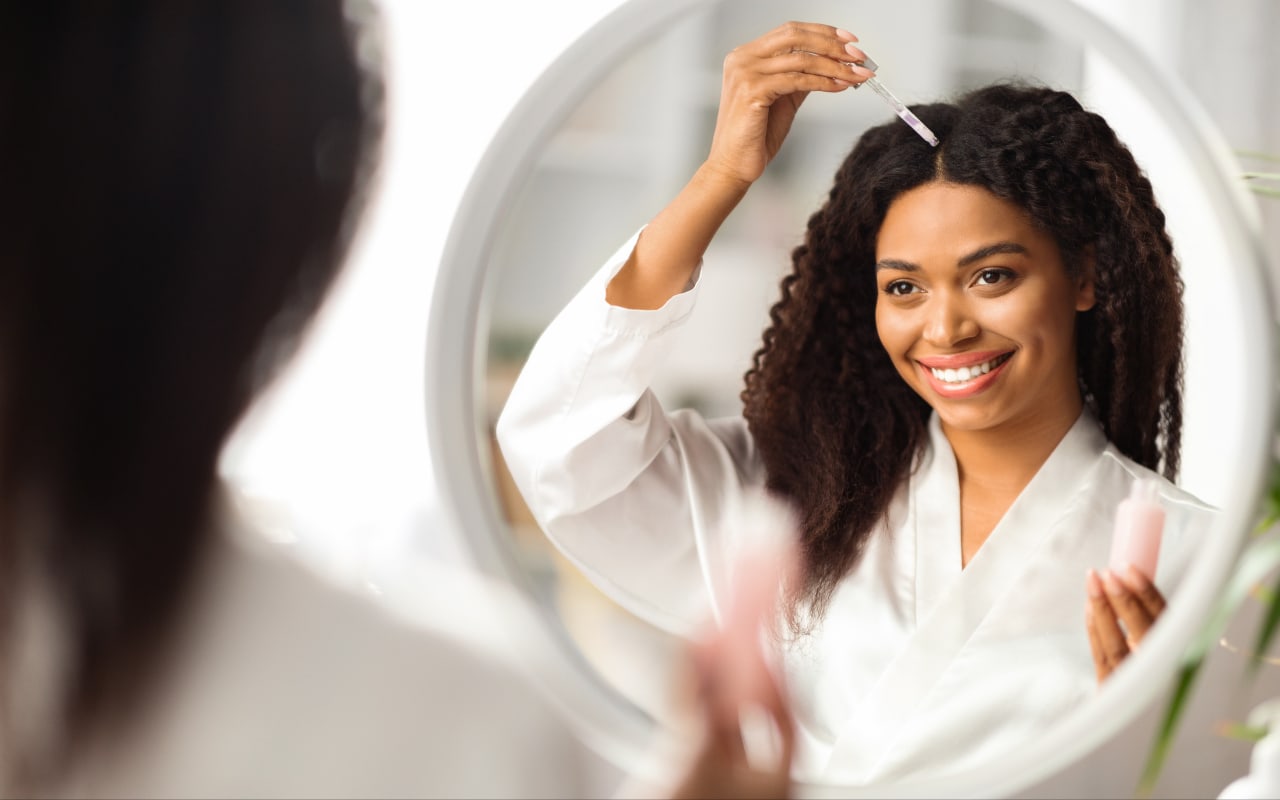
A hair follicle, also known as a pilosebaceous follicle, is a cavity in the skin where hair grows. It is a specific skin structure that produces hair from keratinised cells. Found throughout the skin, with the exception of certain areas such as the palms of the hands, the soles of the feet, and others, these follicles are associated with sebaceous glands that lubricate the hair with sebum. However, inflammation can occur in the hair follicle, leading to folliculitis, characterised by papulo-pustular lesions. This inflammation can have various causes, whether bacterial, fungal, viral, or non-infectious.
What is alopecia-inducing folliculitis of the scalp?
Folliculitis decalvans is a form of folliculitis that specifically affects the scalp. Folliculitis decalvans, also known as Quinquaud’s folliculitis, is an inflammatory condition characterised by the presence of pustules and scabs on the scalp. It is a chronic condition that can lead to the destruction of hair follicles and permanent hair loss in the affected areas. Staphylococcus aureus is often isolated as the causative pathogen for this condition, and anti-staphylococcal antibiotics are effective in controlling pustular flare-ups and preventing relapses. Folliculitis decalvans belongs to a group of scalp conditions known as "scarring alopecias."
How long does scalp folliculitis last?
The duration of folliculitis can vary depending on several factors, including the underlying cause of the infection, the severity of symptoms, and the response to treatment. Generally, folliculitis can last from a few days to several weeks. Mild cases of folliculitis may clear up on their own without treatment, while more severe cases may require topical or oral medications to control the infection and reduce inflammation. It is important to consult a healthcare professional for an accurate diagnosis and an appropriate treatment plan if you have persistent or recurrent folliculitis.