Why do small blisters sometimes appear on the skin after sun exposure?

Why do small blisters sometimes appear on the skin after sun exposure?


By Stéphanie Le Guillou

Published on: Wednesday, August 07, 2024, Updated on: Friday, October 30, 2026

Summer is the perfect season for outdoor activities, which often includes prolonged exposure to the sun. Whilst swimming and sunny walks are synonymous with fun, they can also cause skin problems. Among these, the appearance of blisters after sun exposure is a common but often misunderstood phenomenon. What causes these blisters? Are they simply sunburn? How can they be treated and, above all, how can they be prevented? Let’s explore together what lies behind this skin reaction.

Contents

Related products

What are water blisters on the skin?

Water blisters, or serous vesicles, are small pockets filled with clear fluid that form on the skin. These blisters can appear for various reasons, including friction, burns, allergic reactions and, of course, sunburn. When they result from exposure to the sun, they are generally a sign of a second-degree burn. Indeed, sunburn can vary in severity.

Mild sunburn results in redness and a sensation of heat. In contrast, more intense exposure can cause more severe burns, where the damaged skin reacts by forming fluid-filled blisters. These blisters actually serve to protect the lower layers of the skin by limiting inflammation and allowing for faster healing. They should not be confused with heat rash, which results from excessive sweating.


Why do they appear after sun exposure?

The appearance of blisters after sun exposure is caused by a skin burn. When the skin is exposed to the sun’s ultraviolet (UV) rays, it can suffer cellular damage. UVB rays, in particular, are responsible for sunburn. They penetrate the outermost layer of the skin (the epidermis), causing damage to skin cells. In response to this damage, the body triggers an inflammatory reaction. Fluid then accumulates beneath the damaged epidermis, forming blisters.

It is also possible for blisters to appear as a result of photosensitisation. Certain substances, such as some medicines or cosmetic products, can make the skin more sensitive to UV rays. This increased sensitivity can lead to more severe skin reactions, including blistering, following even moderate exposure to the sun.

What are the characteristics of water blisters on the skin?

Water blisters caused by sun exposure can be identified by several characteristics:

  • Appearance: They are generally transparent and filled with clear fluid.

  • Size: Their size can vary, ranging from small vesicles to larger blisters.

  • Location: They often appear on areas of the skin most exposed to the sun, such as the face, shoulders, back and arms.

  • Pain: Blisters may be accompanied by discomfort and increased sensitivity.

  • Redness: They are often surrounded by red, inflamed skin, a sign of sunburn.

  • Duration: They usually last a few days before healing, provided they are not broken.

Is this reaction to the sun dangerous?

The formation of blisters following sun exposure is not to be taken lightly. If left intact, these blisters act as a natural barrier, helping the skin to heal more quickly. However, their presence indicates a second-degree sunburn, meaning that the deeper layers of the skin have been damaged.

A severe sunburn, especially if it covers a large area of skin, can lead to complications such as infections. Broken blisters can become entry points for bacteria, increasing the risk of infection. Furthermore, frequent sunburns increase the risk of developing skin cancer, including melanoma, which is the most serious form.

How can you prevent the blisters from becoming infected?

It is essential to treat blisters with care to avoid complications. Here are a few tips on how to look after them. 

  1. Do not burst the blisters: Bursting a blister can introduce bacteria and lead to infection. It is best to leave the blister intact so that it protects the underlying skin.

  2. Clean gently: Gently wash the affected area with water and a mild soap to prevent infection.

  3. Apply cold compresses: Cold compresses can help reduce inflammation and discomfort.

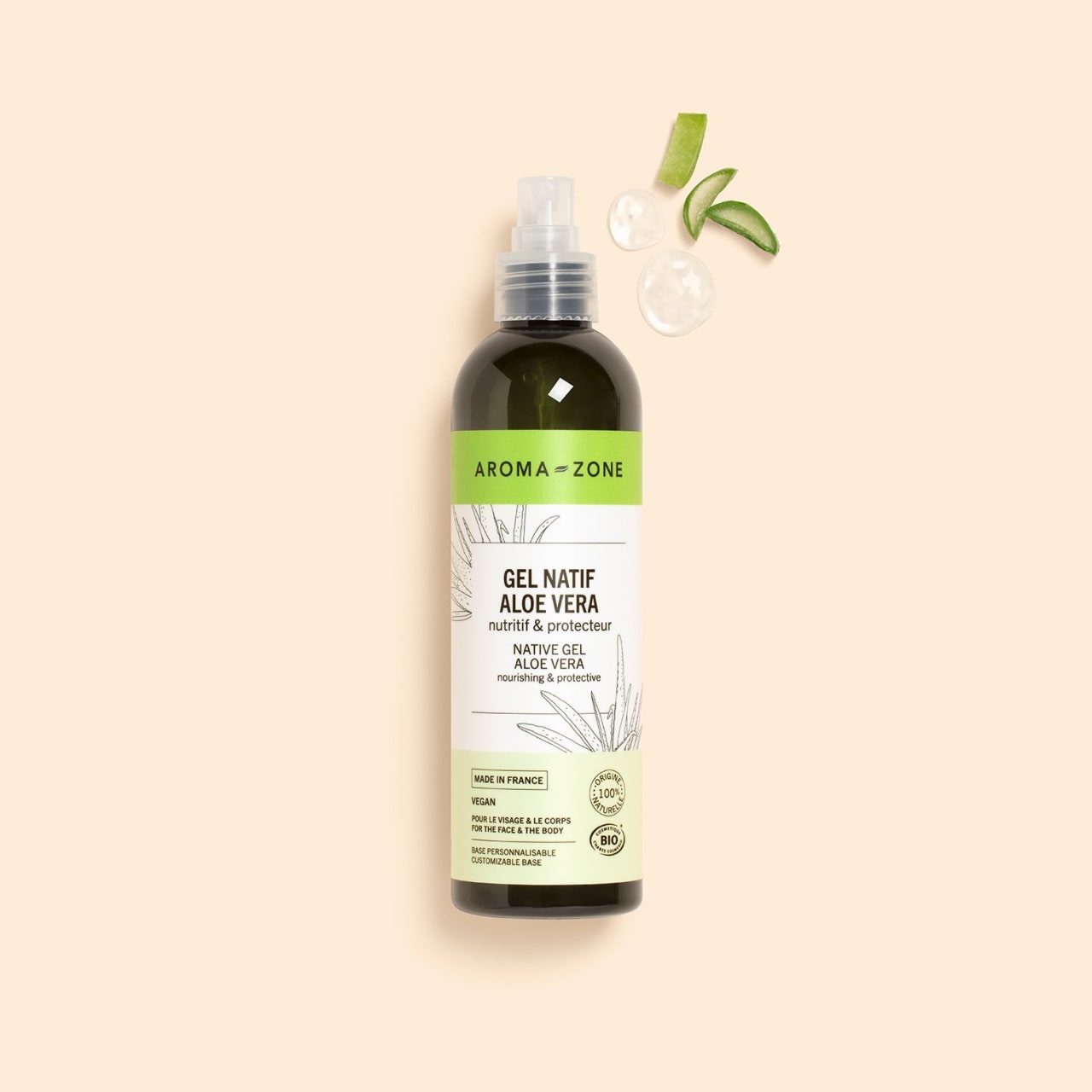
  4. Use soothing creams: Apply creams or gels containing aloe vera or moisturisers to soothe the skin.

  5. Protect the area: If the blister is in an area subject to friction, cover it with a non-adhesive plaster to prevent further irritation. Blisters should also be protected from the sun for several weeks. 

  6. Watch out for signs of infection: If the blister becomes red, painful or oozes pus, see a doctor.

How can you prevent sun-related skin rashes?

Preventing the formation of blisters and other sun-related skin rashes is essential for maintaining healthy skin and preventing long-term damage (premature ageing). Here are some preventative measures you can take to protect your skin from the harmful effects of ultraviolet radiation:

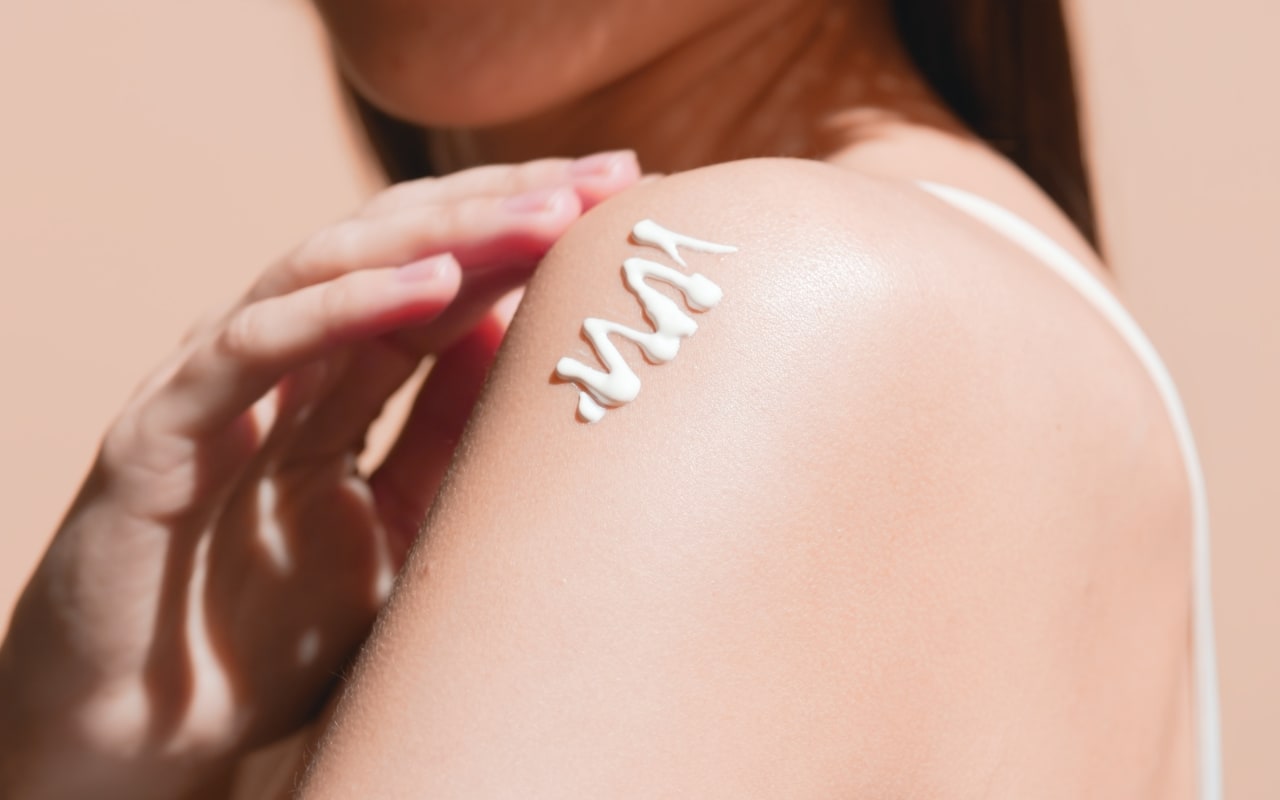
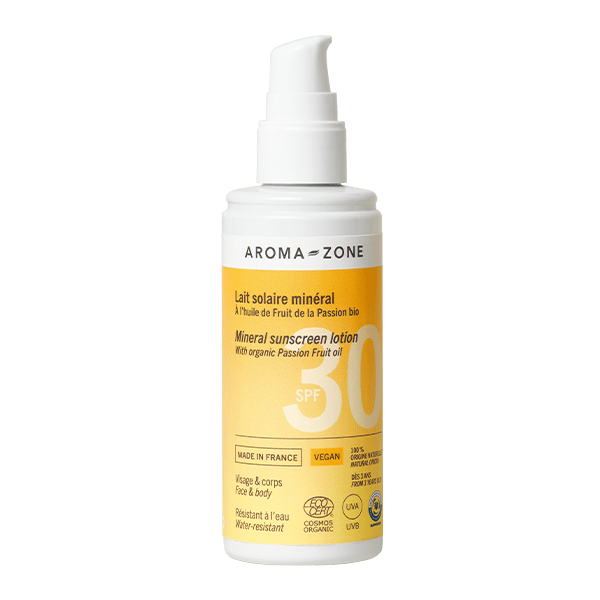
  1. Use a suitable sun cream: Apply a broad-spectrum sun cream with a sun protection factor (SPF) of at least 30 and suitable for your skin type (dark or fair skin). Make sure the sun cream protects against both UVA and UVB rays. Apply it generously to all exposed areas of skin about 15 to 30 minutes before going outside. Don’t forget areas that are often overlooked, such as the ears, neck and tops of the feet. Reapply the sun cream every two hours, or more frequently if you’re sweating heavily or after swimming.

  2. Wear protective clothing: Wear clothing that covers your arms and legs, preferably made from lightweight, breathable, tightly woven fabrics. Clothing specifically designed for sun protection, often labelled with an ultraviolet protection factor (UPF), offers additional protection. A wide-brimmed hat can protect not only the face but also the neck and ears, whilst sunglasses offering 100% protection against UVA and UVB rays protect the eyes and the delicate skin around them.

  3. Moisturise the skin: Keeping the skin well moisturised helps to strengthen the skin barrier and reduce the risk of irritation and sunburn. Use moisturising lotions or creams after sun exposure, and choose products containing soothing ingredients such as aloe vera or chamomile. Drinking plenty of water is also important to prevent dehydration, which can make the skin more vulnerable to sun damage.

  4. Avoid photosensitising products: Certain medicines and skincare products can increase sensitivity to the sun, leading to a more severe skin reaction. Antibiotics, certain anti-inflammatory drugs, and products containing alpha-hydroxy acids (AHAs) or retinol are some common examples. Always consult a healthcare professional to find out whether your medicines or skincare products increase your photosensitivity and ask for alternatives or specific advice on how to protect your skin.

  5. Eating a diet rich in antioxidants: A diet rich in fruit and vegetables, particularly those high in antioxidants such as vitamins C and E, can help protect the skin from UV-induced damage. Antioxidants help to neutralise the free radicals produced by UV exposure, thereby reducing the risk of cell damage and inflammation.

Expert advice

By following the preventative measures outlined above, you can significantly reduce the risk of developing blisters and other sun-related skin rashes, whilst safely enjoying the pleasures of summer outdoors.

Meet Our Expert Writer: Stéphanie Le Guillou

Stéphanie is a pharmacist (since 2010) and holds a PhD in molecular biology (since 2012). Passionate about writing, she has produced medical content for nearly 15 years. Her goal is to make information accessible and easy to understand, without ever sacrificing scientific accuracy.

Bibliography

  1. ameli.fr. Sunburn and the health consequences of sun exposure.

    January 2023.

Frequently Asked Questions

Frequently Asked Questions