

Shingles, also known as herpes zoster, is an infection caused by the reactivation of the varicella-zoster virus in adulthood. After contracting chickenpox, the virus remains dormant in the nerve ganglia. Years later, it can reactivate when the immune system is weakened due to an illness, fatigue, or stress. Sun exposure or an unbalanced diet can also be triggers for this viral reactivation.
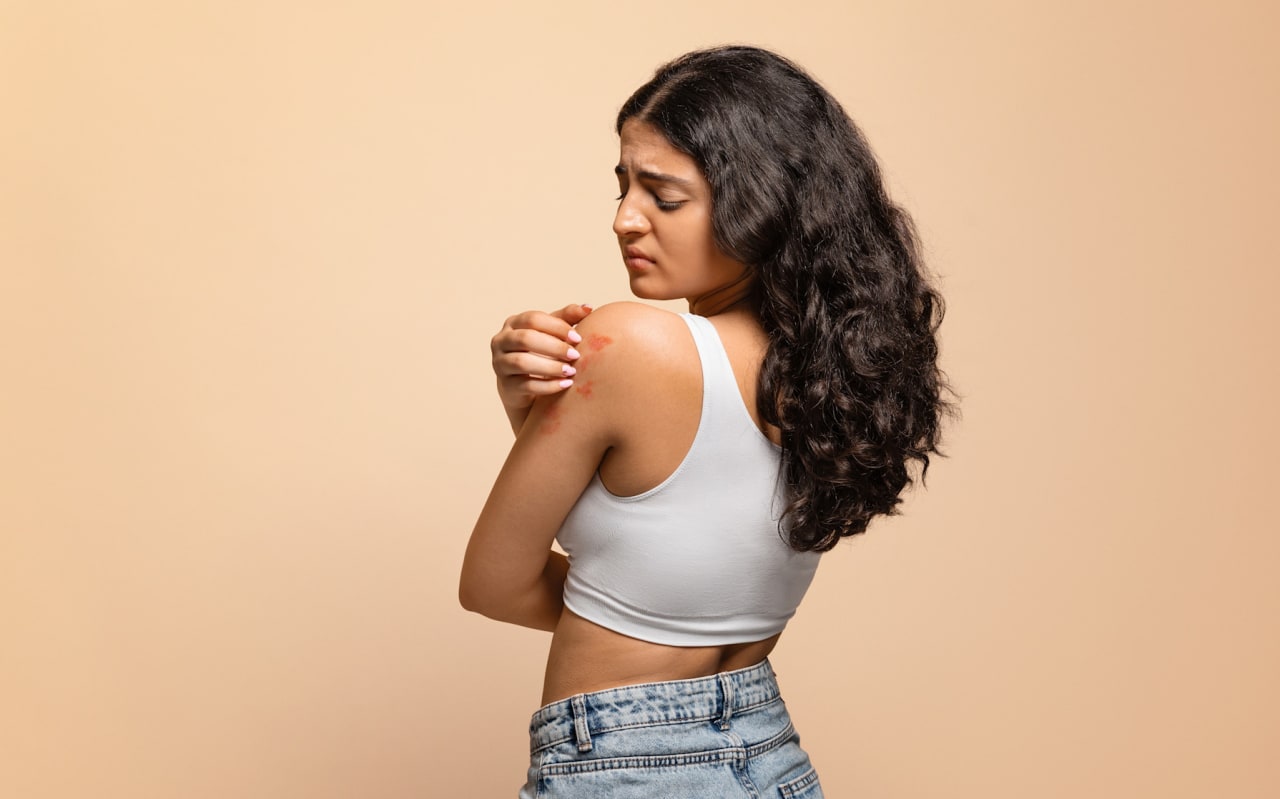
It then causes painful skin rashes on a specific part of the body. Shingles typically manifests as red patches, fluid-filled blisters, and intense pain in the affected area.
Symptoms
Reactivation of the virus allows it to multiply along the nerves, initially causing a burning sensation in the affected area. This area is usually well defined. The skin then takes on a bright pink colour and small spots containing clear fluid appear. These blisters are often clustered in groups and remain localised to the area of altered sensitivity. They resemble the blisters seen in children with chickenpox. Within a week, these blisters dry out and become covered in scabs, which fall off after around ten days. In some cases, a mild fever is also observed.
But what is most striking in cases of shingles is the pain felt by most patients in the infected area. This pain, which feels like burning, stinging from nettles, or even electric shocks, is caused by nerve damage (neuralgia) and and can be made worse by friction, heat, wind, etc.
Is This Condition Serious? Can It Be Contagious?
Although shingles can be very painful, it is generally harmless, with some exceptions (ophthalmic shingles, pregnant women, and immunocompromised individuals).
Note that shingles is a contagious disease, transmitted through skin-to-skin contact with the lesions; it can cause chickenpox in individuals who have never contracted the varicella-zoster virus.