Aroma-Zone Zinc active ingredient

PURIFYING AND SOOTHING


Zinc is an essential mineral in the care of blemish-prone skin.


Reading time: 0 min.

Zinc Aroma-Zone profile

INCI Name : Zinc PCA / Zinc Gluconate / Zinc Oxide

VEGAN

BIOCHEMICAL COMPOSITION

Zinc is a trace element : a mineral essential for the body’s proper functioning but present in small quantities.

SUSTAINABILITY & TRACEABILITY

Zinc is used in cosmetics in the form of mineral salts, such as zinc sulfate, or organic salts such as zinc PCA.

Zinc : what effect does it have on the skin ?

By regulating sebum production, zinc mattifies the skin and reduces blemishes. Its antimicrobial and soothing properties limit inflammatory reactions in comedones and blackheads.

It combats the proliferation of microorganisms involved in acne, such as Cutibacterium acnes and Staphylococcus aureus. As a cofactor for numerous enzymes with antioxidant activity, zinc enables them to function properly and thus fights free radicals.

Zinc : scientifically proven efficiency

A study* demonstrated the effectiveness of a formulation combining zinc and niacinamide on acne : lesions in volunteers decreased by 60% after 6 weeks.

*See the Scientific Bibliography for more information.

Skin tolerance

A note from Adeline Nalin, our Head Pharmacist and Toxicologist at Aroma-Zone

“Zinc PCA is the zinc salt form of pyrrolidone carboxylic acid (PCA). There is little direct data on the tolerability of zinc PCA available in the literature; instead, most studies focus on its analogs. High concentrations of zinc PCA can cause skin irritation, which is why it is primarily used in low concentrations in cosmetic products.”

Adeline Nalin - Head Pharmacist and Toxicologist

A safe ingredient for your health

A note from our Aroma-Zone Toxicologist

“Zinc PCA has a low potential for irritation (skin and eye) and sensitization at low concentrations.

Reviews by panels such as the Cosmetic Ingredient Review (CIR) have concluded that zinc salts, when properly formulated, are safe for cosmetic use.”

Adeline Nalin - Head Pharmacist and Toxicologist

A note from the Dermatologist


“Zinc is a trace element known for its regulating and anti-inflammatory properties. I recommend it for people with oily, blemish-prone, or reactive skin. It soothes redness and accelerates healing.

Well-tolerated, it can be used morning and night as part of your routine, either on its own or in combination with other treatments.”


Dr. Dima Haidar - Dermatologist

Formulation focus with the Aroma-Zone R&D laboratory

There are three forms of Zinc: Zinc PCA, Zinc Gluconate, and Zinc Citrate. They do not have the same properties or uses in formulations. 

Zinc PCA

In the form of PCA salt, Zinc PCA is particularly valued in skincare products for combination to oily skin. It helps regulate excess sebum, reduces shine, and soothes the skin.

Since PCA is a natural component of the skin’s natural moisturizing factor, this form combines purifying action with support for the skin barrier. The skin remains comfortable, without any tightness.

Zinc Gluconate

Zinc Gluconate is often used in deodorant formulas. It works by limiting the growth of bacteria responsible for unpleasant odors.

By reducing the microbial growth involved in the breakdown of sweat, it helps maintain a lasting feeling of freshness while respecting the skin’s natural balance.

Zinc Citrate

Zinc Citrate is primarily used in oral hygiene products. It helps limit the formation of dental plaque thanks to its antibacterial action.

It thus helps keep breath fresh and maintain a balanced oral environment.

For which skin types ?

This active ingredient is suitable for combination to oily skin, blemish-prone skin, and sensitive skin.

What issues does this address ?

Zinc is recommended for excess sebum issues; it helps reduce blackheads and whiteheads, and helps soothe irritation, tightness, and redness, restoring a more comfortable and balanced complexion.

What Zinc does for the skin

  • Purify the skin

  • Regulate sebum production

  • Mattify areas prone to shine

  • Soothe irritation, tightness, and redness.

Zinc : an essential ingredient for the skin

You can incorporate zinc into your skincare routine with these 3 essential products:

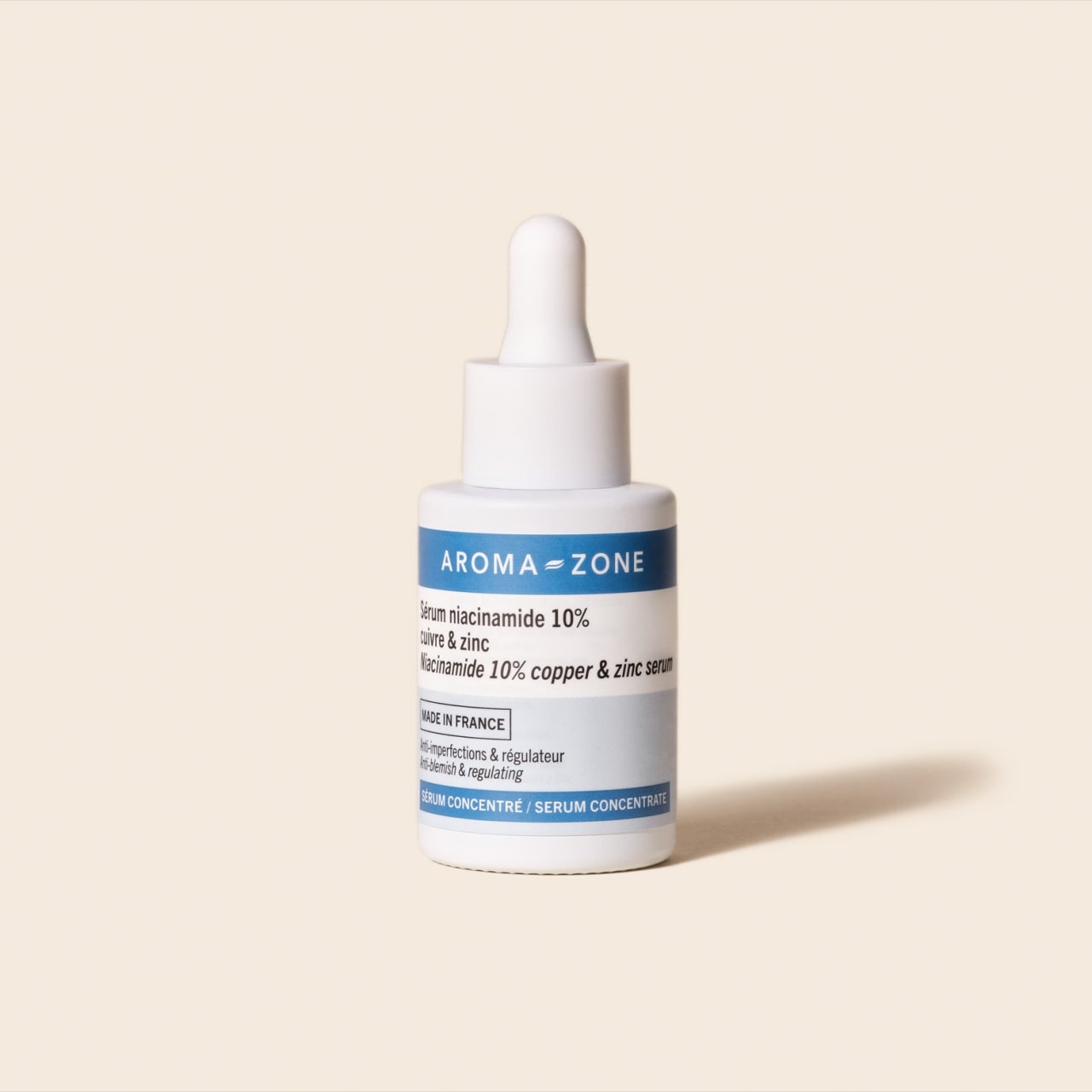
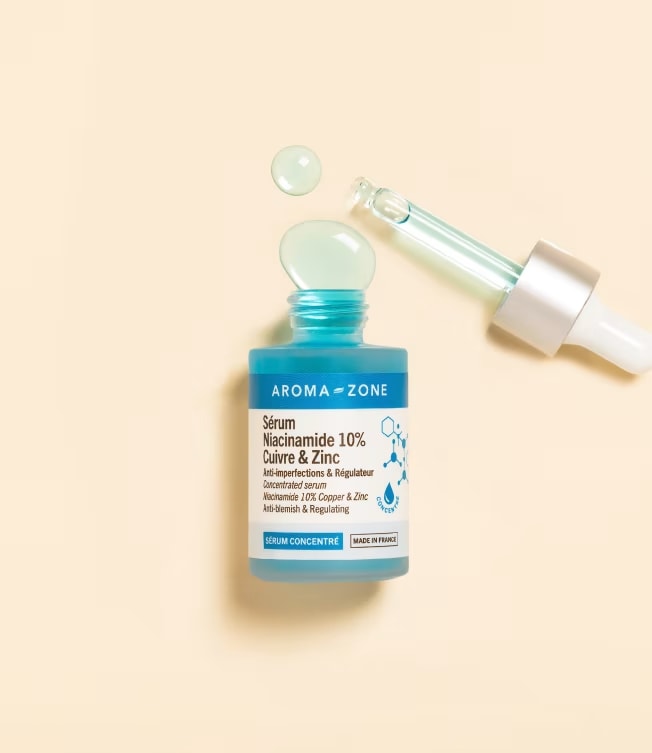
10% Niacinamide, Copper & Zinc Concentrated Serum

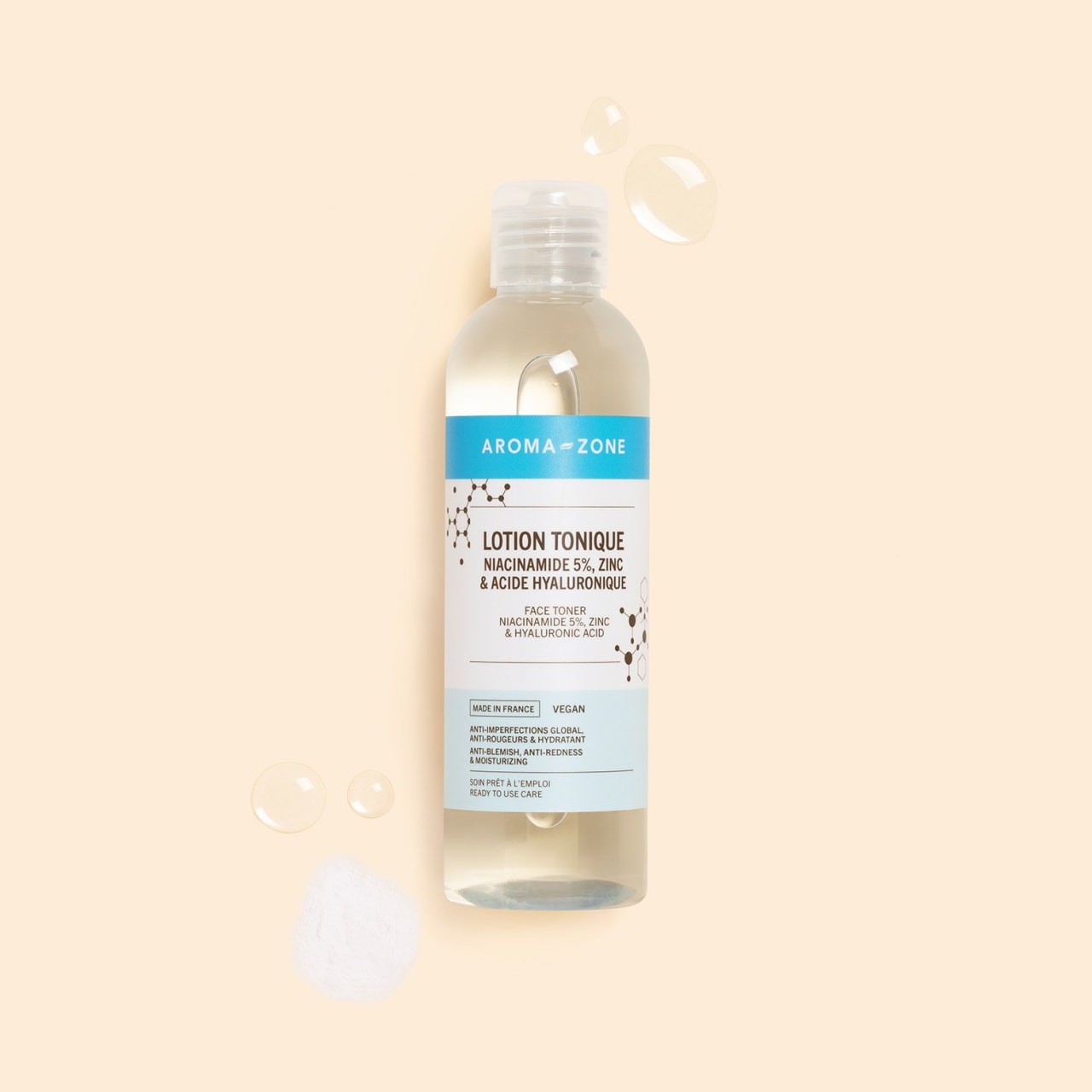
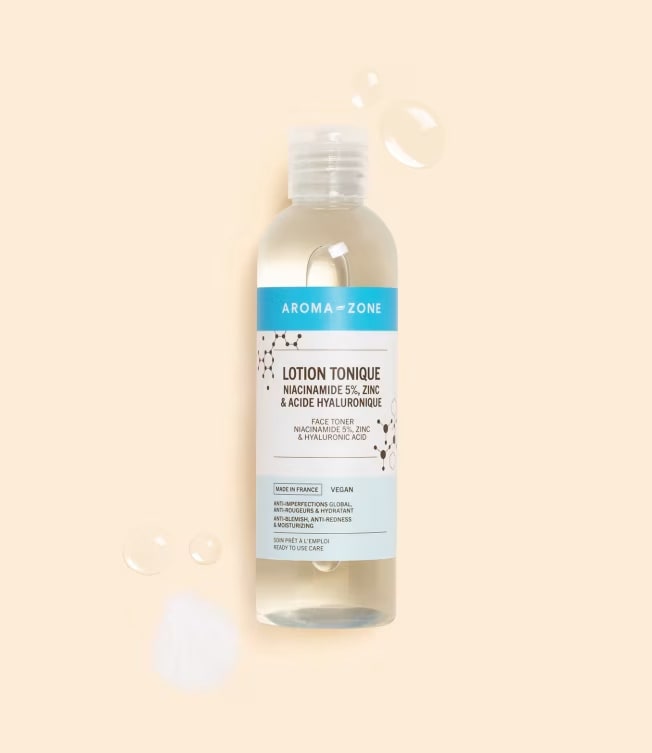
5% Niacinamide, Zinc & Hyaluronic Acid Toner

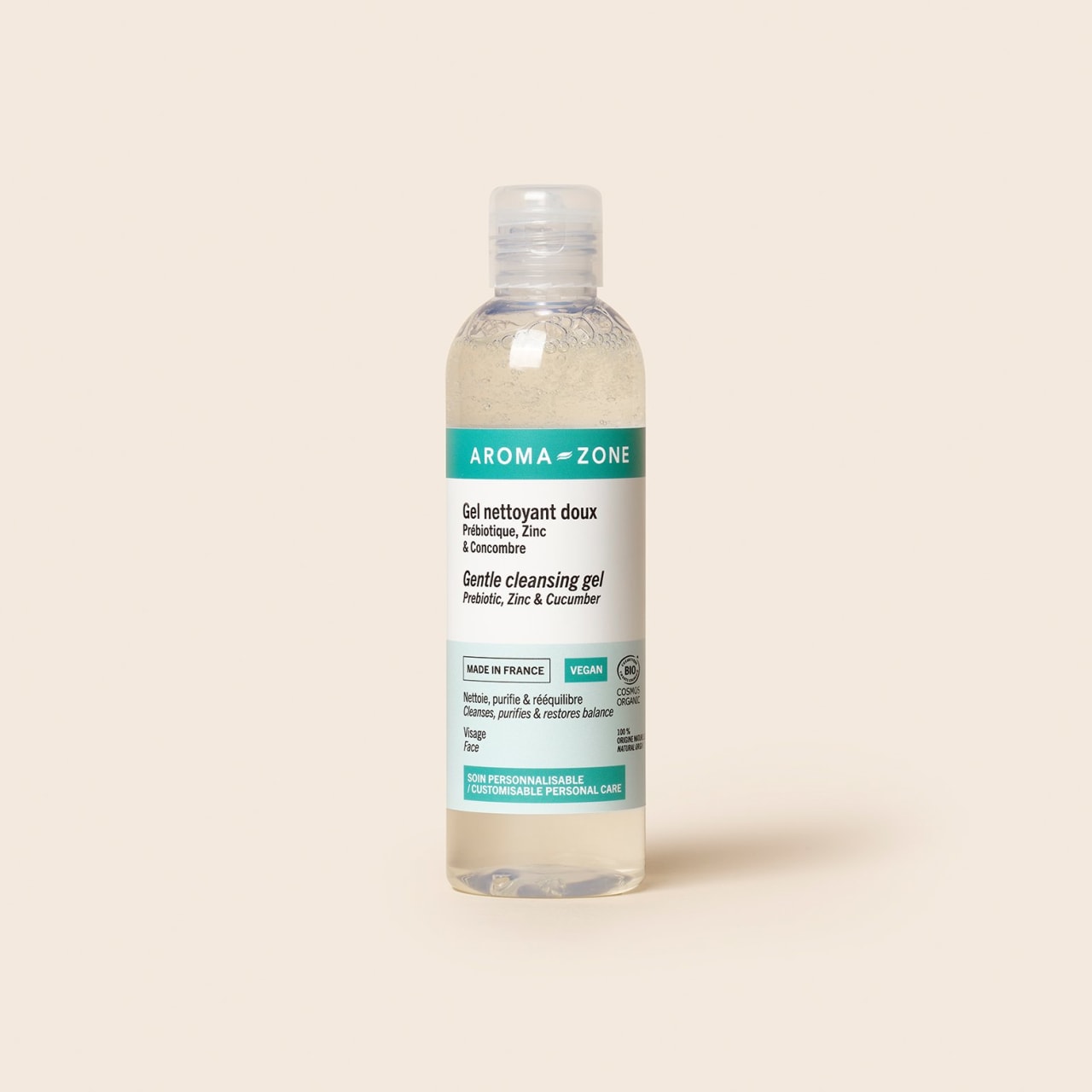
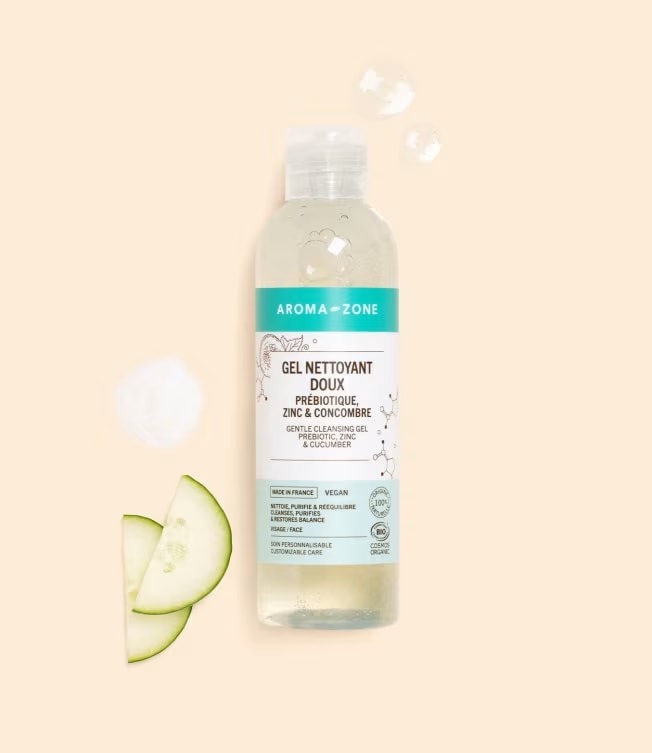
Prebiotic, Zinc & Cucumber Gentle Cleansing Gel

Even better : a complete routine!


These 3 products easily fit into a daily routine tailored for oily and blemish-prone skin.

Discover our clear skin routine

FAQ

How does Zinc PCA interact with the skin microbiome?

Zinc PCA is a combination of zinc and PCA (pyrrolidone carboxylic acid), a natural component of the skin’s natural moisturizing factor (NMF).

Zinc is known for its sebum-regulating properties and its antimicrobial activity against microorganisms involved in blemish-prone skin. It thus helps limit conditions conducive to the development of blemishes, without acting as a stripping agent.

PCA, on the other hand, naturally helps maintain skin hydration. The combination of the two therefore allows the action of zinc to be integrated into a molecule already present in the skin’s physiological balance.

How does zinc control shine without causing dehydration, unlike some harsher purifying products?

Zinc primarily works by regulating sebum production in the sebaceous glands. It helps reduce excess sebum at the source, rather than mechanically stripping away the hydrolipidic film as some more aggressive purifiers may do.

In the case of Zinc PCA, the combination with PCA (a component of the natural moisturizing factor) allows this sebum-regulating action to be integrated into a structure linked to the skin’s moisture balance.

Can zinc be used preventatively, even when the skin doesn’t have any breakouts?

Zinc plays a role in several mechanisms affecting combination to oily skin: sebum regulation and the reduction of microbial imbalances associated with breakouts.

In skin prone to recurring breakouts, these mechanisms may be active even before a pimple becomes visible. Regular use of an active ingredient like Zinc PCA can therefore be part of a strategy to maintain skin balance.

The available clinical data primarily concern skin with mild inflammatory acne or a tendency toward breakouts. To date, there are no clinical studies specifically demonstrating a preventive effect of Zinc PCA in completely healthy skin. Its regular use is therefore based on its documented mechanisms (notably sebum regulation and the modulation of certain factors involved in the development of blemishes) rather than on clinical trials dedicated to prevention alone.

Spotlight on our specialist editor, Delphine Duc.

Delphine DUC, a biological engineer specializing in cosmetology, has been passionate about the field of cosmetics for nearly 10 years. I started making my own homemade cosmetics using Aroma Zone products to address my skin concerns, then decided to train as a cosmetologist, and finally to create a custom-made cosmetics brand to address everyone’s unique skin concerns.

Bibliography

1

SKIN CARE, The Skin, an Aroma-Zone publication by La Plage

2

3

Andrade, J. P.; L. Wagemaker, T. A.; Mercurio, D. G.; B. G. Maia Campos, P. M. Benefits of a Dermocosmetic Formulation with Vitamins B3 and a B6 Derivative Combined with Zinc-PCA for Mild Inflammatory Acne and Acne-Prone Skin: Benefits of a Dermocosmetic Formulation with Vitamin B3 and a Vitamin B6 Derivative Combined with Zinc-PCA for Mild Inflammatory Acne and Acne-Prone Skin. BBR 2018, 15 (2), 214–223.