Flea bites: what are they and how can they be relieved?

Do you think you've been bitten by a flea? Do the bites itch a lot and you don't know how to alleviate them? In this article, fleas and their bites will no longer hold any secrets for you. We explain what a flea bite is, the risks involved and what to do in the event of a flea invasion. We also share our best grandma's remedies for soothing and preventing flea bites naturally.

Reading time: 0 min.

What is a flea bite?

A flea bite is the result of a flea biting the skin. The fleas inject their saliva to reduce blood clotting and make it easier for them to feed.

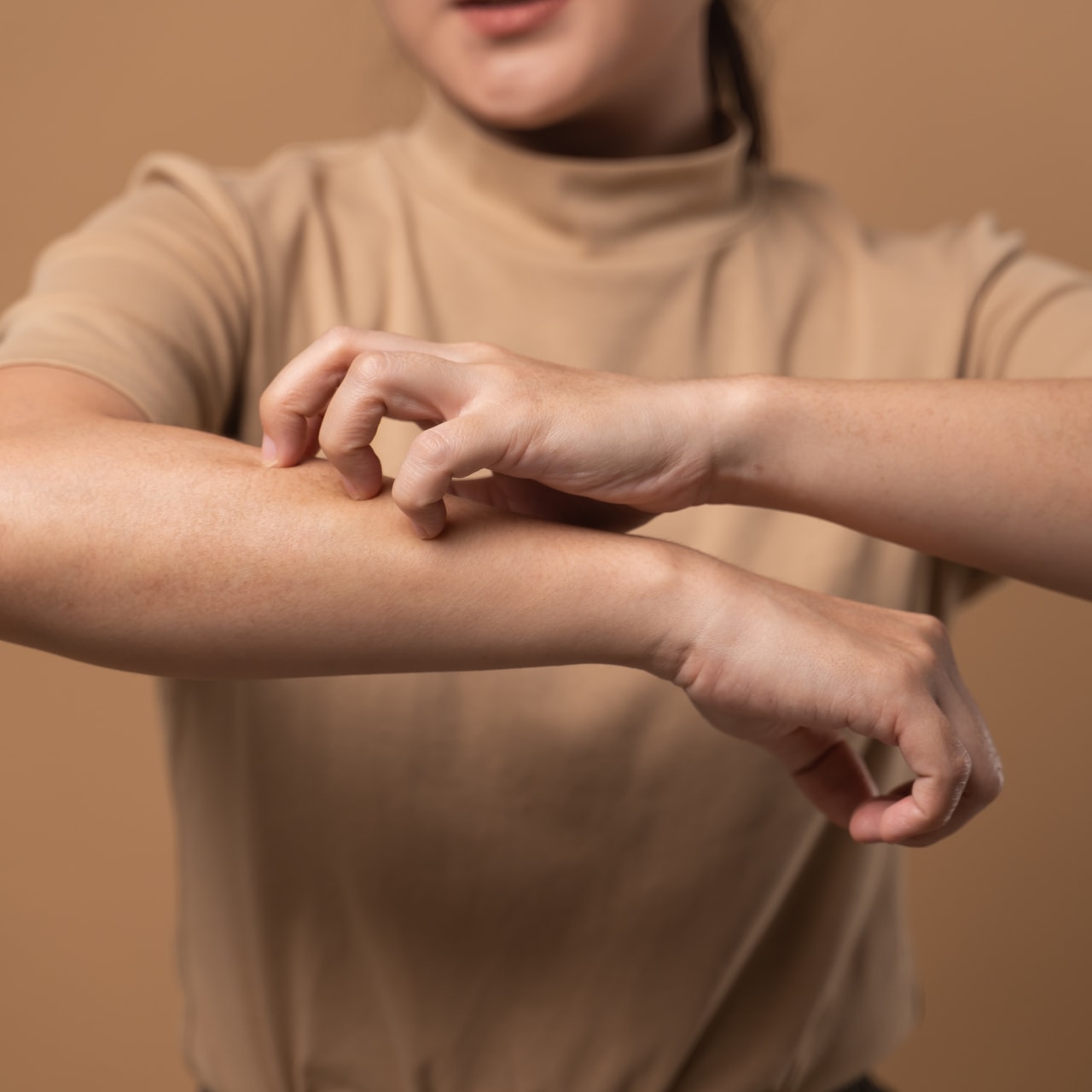
The bite is instantly painful, causing itching and sometimes allergic reactions.

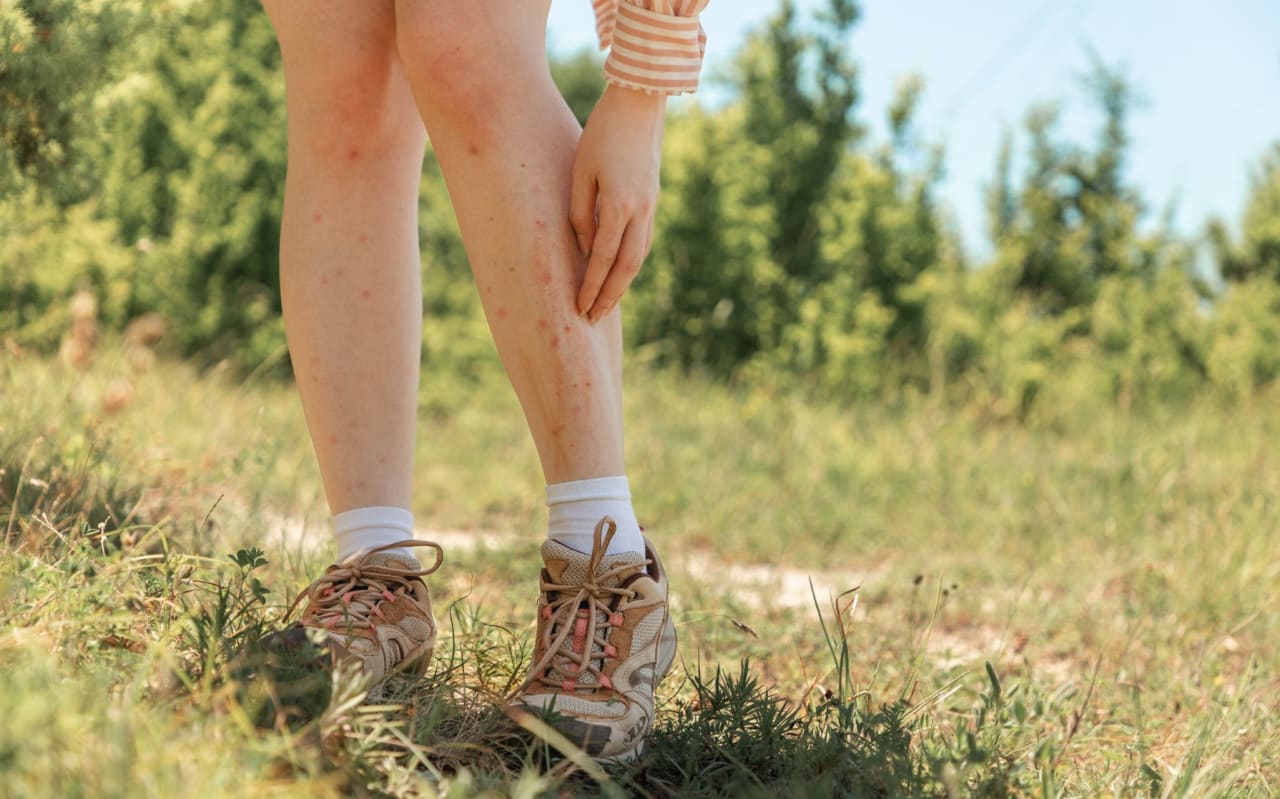
Flea bites are easy to recognise as they take the form of red spots with a brightly coloured or white dot in the centre, and are generally less than 1mm in diameter.

How can you relieve a flea bite?

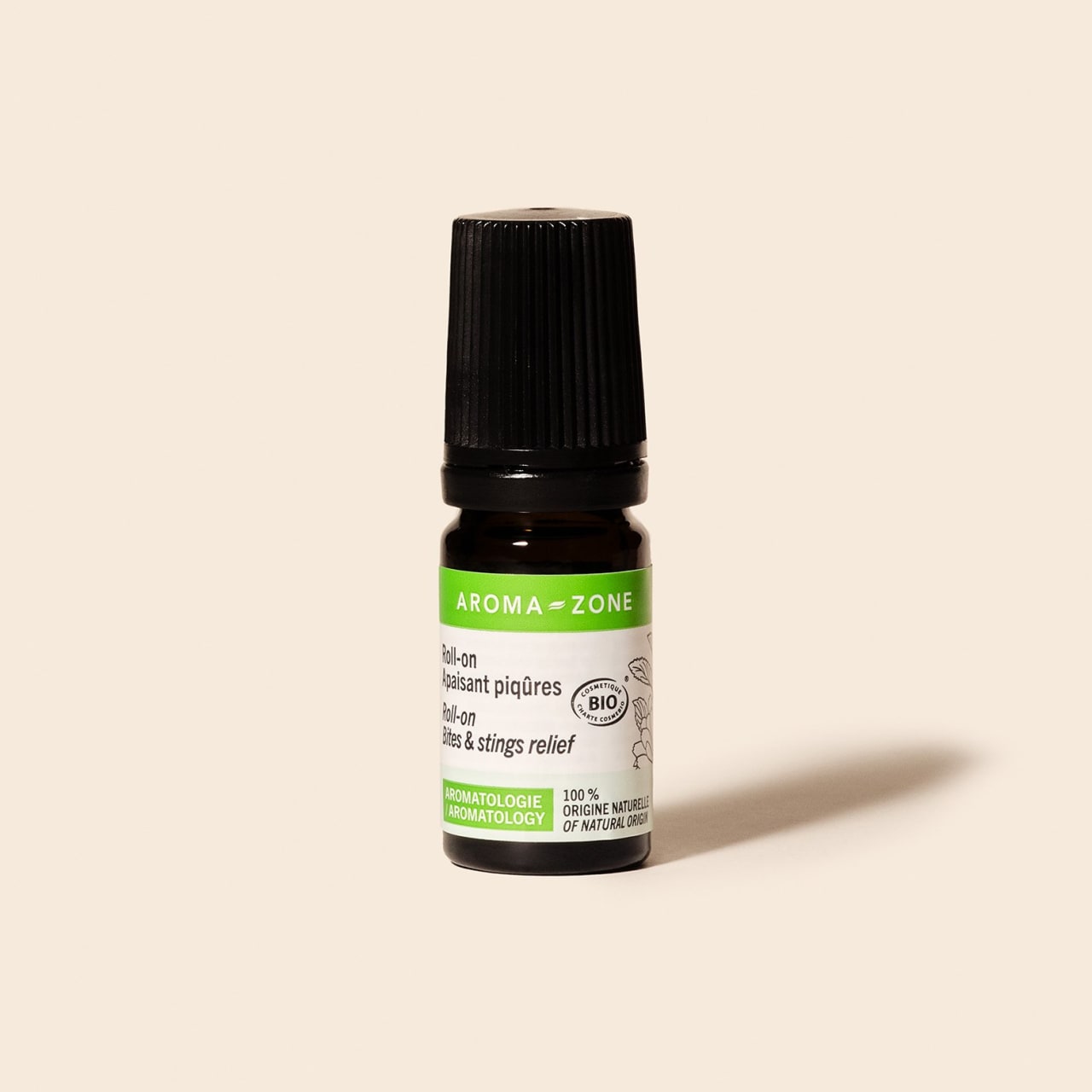
When faced with flea bites, there are a number of solutions to relieve the symptoms and help the skin heal more quickly.

To begin with, we recommend washing the affected area with clear, cool water to remove all impurities and decongest the skin.

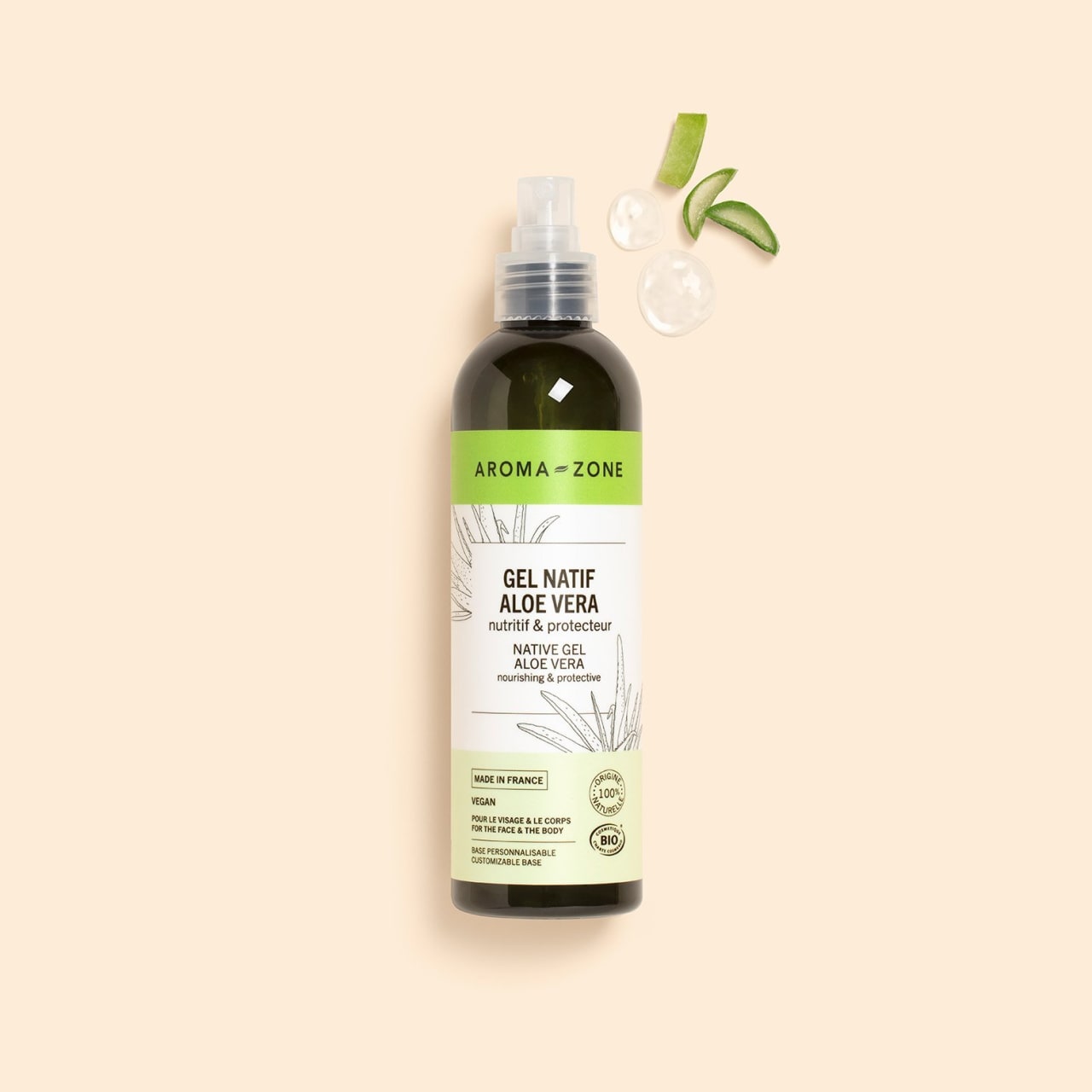
To soothe the itching, we recommend applying a cool compress or ice pack (wrapped in a clean cloth) and applying a non-greasy soothing cream (so as not to suffocate the wound).

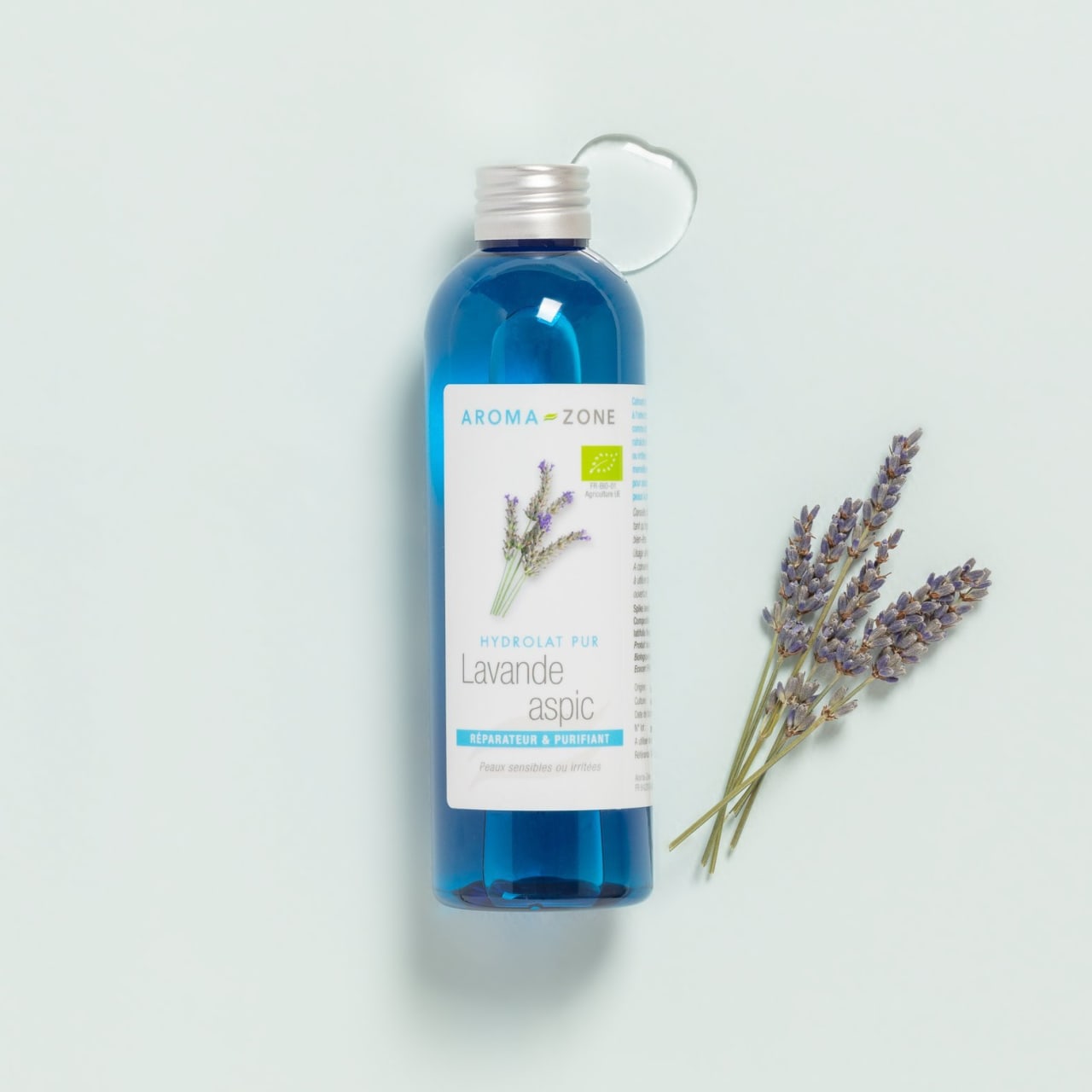
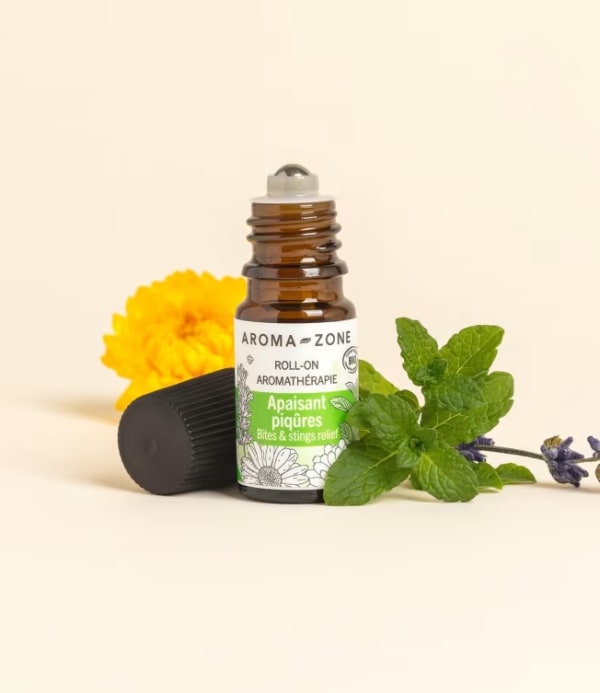
To prevent infection, you can apply an antiseptic lotion to the bite. You can choose to use essential oils(spike lavender or tea tree , for example) diluted in a mild carrier oil ( sweet almond oil, apricot oil, jojoba oil …) to relieve itching and clean the wound.

In the event of an allergic reaction, we advise you to consult your doctor about prescribing a suitable anti-histamine.

Antibiotics may be used if the bite becomes infected, so consult a doctor as soon as possible and avoid touching or scratching the wound as much as possible.

What should I do if I get bitten by a flea?

In the event of a flea bite, it's essential to take the right precautions to avoid making the situation worse. Avoid scratching the bite, even if the itching is intense. Scratching can cause skin lesions, increasing the risk of infection and scarring. In addition, do not apply products that are too aggressive or unsuitable, such as methylated spirits or strongly scented solutions, which can further irritate the skin. You should also avoid using compresses that are too hot, as they could exacerbate the inflammation. Last but not least, in the event of an allergic reaction, do not use creams or medicines without medical advice, especially if you do not know your tolerance to these products. If in doubt or if you have a serious reaction, it is best to consult a health professional.

How do you avoid and prevent a flea bite?

To avoid flea bites and prevent getting any, here are a few simple tips to apply on a daily basis:

  • Vacuum regularly and don't leave small nooks and crannies in your home to gather dust. Wash floors and walls with suitable natural detergents and machine wash infected fabrics at 60°C minimum.

  • Vacuum and treat your mattresses, sofas, carpets, curtains and other fabrics regularly, while keeping an eye out for any small bloodstains on your bedding and clothes, signs of a likely flea invasion.

  • Keep a close eye on your pets and remember to use flea collars, tablets, lotions or sprays to prevent fleas. Don't forget to keep a record of treatment dates, so you don't forget to renew them. We recommend that you ask a vet for advice on which product is best suited to your pet.

  • As a precaution, you can regularly use a special comb with very fine teeth to check that there are no fleas on your pets.

  • Avoid taking your pet to potentially flea-infested areas, such as small, dusty places.

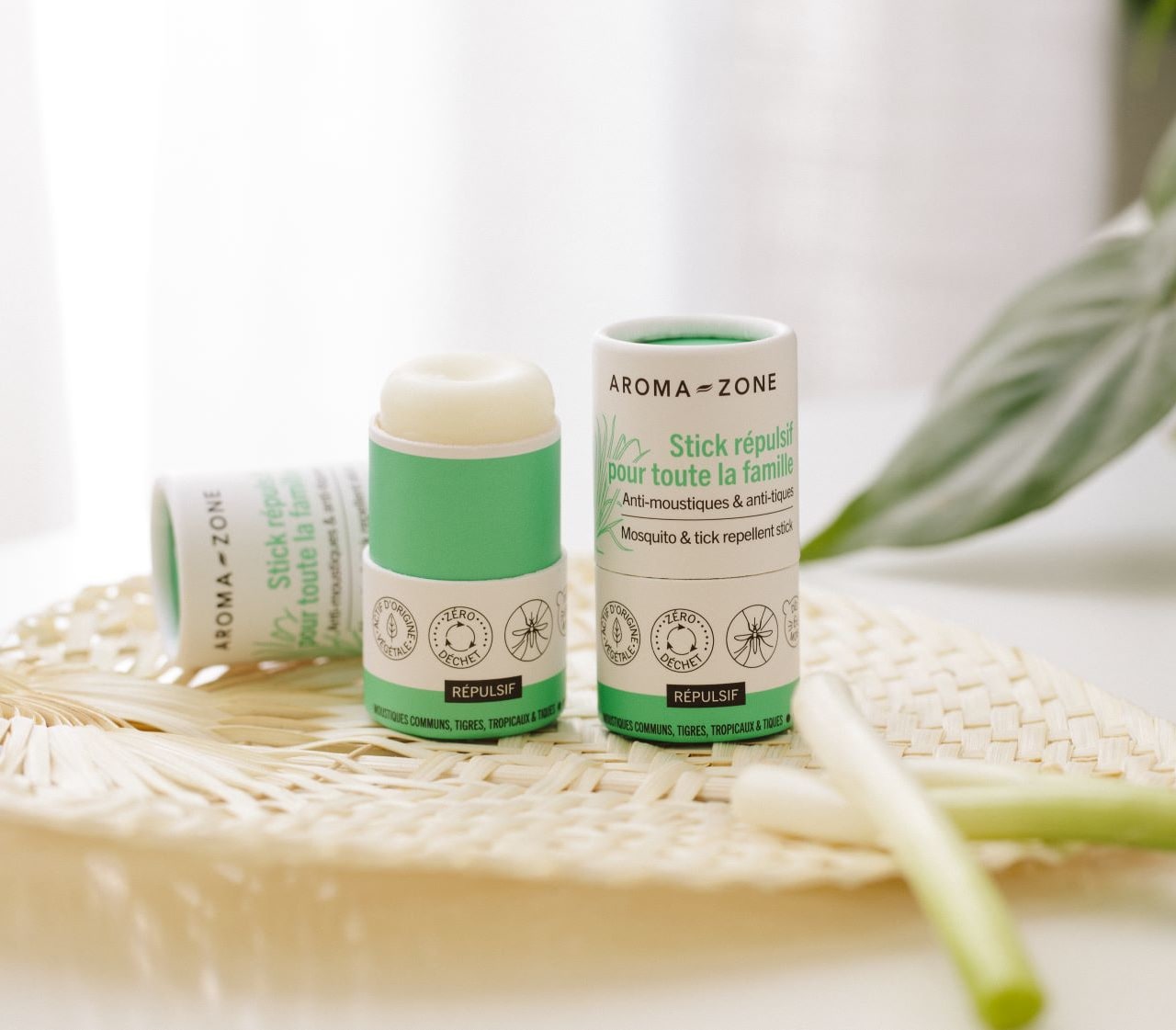
  • When you know you're going to be staying in a potentially flea-infested area, remember to apply a flea-repellent spray to all your clothes to make sure you're well protected.

What is the difference between a flea bite and a bite from another insect?

Telling a flea bite apart from that of another insect can sometimes be complex, as the symptoms vary from one person to another. Generally speaking, flea bites are found in a straight line or in small groups on the skin, unlike other insects, which tend to bite in a more scattered fashion all over the body. The itching caused by flea bites is immediate, persistent and relatively intense, which can also differentiate them from the bites of other insects.

Why do fleas bite humans?

Fleas are haematophagous insects. This means that their only diet is human or animal blood. They bite mainly to feed. They feed on the blood of various hosts, including humans, using their mouthparts, which are suited to pierce the skin.

When a flea bites a human, it injects its saliva into the skin to prevent blood clotting, thus facilitating its blood meal. This saliva contains irritating substances, which explains the itching and skin reactions that generally follow the bite.

Focus on our Naturopathic editor, StƩphanie Catrysse

Stéphanie Catrysse is a naturopath (certified by the FENA), a wellness massage and lymphatic drainage practitioner, and a personal development consultant. 

Passionate about alternative medicine, she practices a holistic approach to health.