Essential oils for repelling moths: which are the most effective?

Essential oils for repelling moths: which are the most effective?


By Catherine Gilette

Published on: Thursday, February 29, 2024, Updated on: Wednesday, October 28, 2026

Which essential oils can help us keep moths at bay? What effective natural solutions can we use to protect our wardrobes and prevent holes in our clothes? Lavender, chamomile, Atlas cedar – let’s discover the best essential oils for keeping moths away without having to use chemical insecticides.

Contents

What is a moth?

The clothes moth is an insect belonging to the moth family, Tineola bisselliella, commonly known as the common clothes moth. This species, measuring 5 to 9 mm, feeds on animal-derived fibres found in clothing, such as silk or wool. The clothes moth poses no health risk, apart from a few very rare cases of asthma-like symptoms or allergic rhinitis.

A female, which lives for no more than 30 days, can lay several hundred eggs. This is enough to cause damage in your wardrobe, as it is the larvae – which are difficult to spot – that feed on natural fibres before transforming into moths.
Why do we get moths?

Moths usually take advantage of an open door or window to make their way – guided by their sense of smell – towards textiles. As they prefer dark places, they lay their eggs in wardrobes, chest of drawers or boxes containing clothes that are rarely or never used, such as old baby clothes. It is this darkness that suits them best. It is therefore a good idea to open your wardrobes regularly, shake out your clothes, expose them to sunlight and store rarely used items in airtight bags.

Which essential oils repel moths?

Many insecticidal essential oils affect the development and fertility of insects. Others act as repellents, driving these insects away. Here is a selection of anti-moth essential oils for clothes.

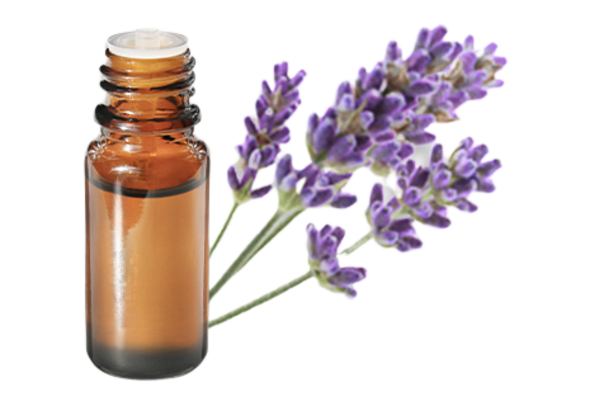
Lavender essential oil: a powerful moth repellent

It’s hard to talk about moths without mentioning True lavender, an excellent moth repellent. This flower, emblematic of the South of France, has insect-repelling properties. It can be used on its own as it is an excellent moth repellent that leaves a pleasant scent in the wardrobe.

FT-Plant EO-Roman Chamomile-removebg-preview

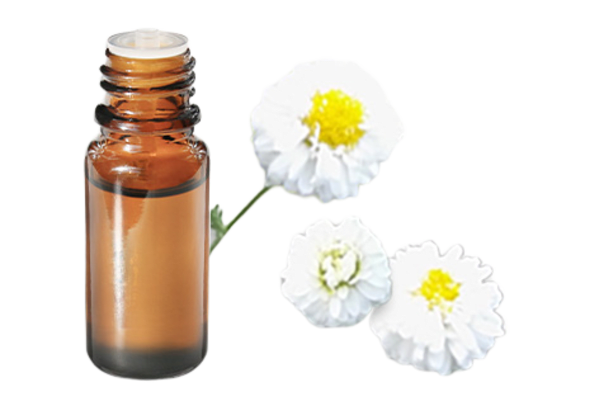
Roman chamomile essential oil

Gentle, very well tolerated by humans and with a very pleasant scent, this essential oil has antiparasitic and acaricidal properties that have been experimentally demonstrated on certain arthropods, which may explain its traditional use as a natural moth repellent. (1) Place a few drops in your cupboards to add a pleasant scent while repelling moths.

FT-Plante HE-Atlas Cedar-removebg-preview

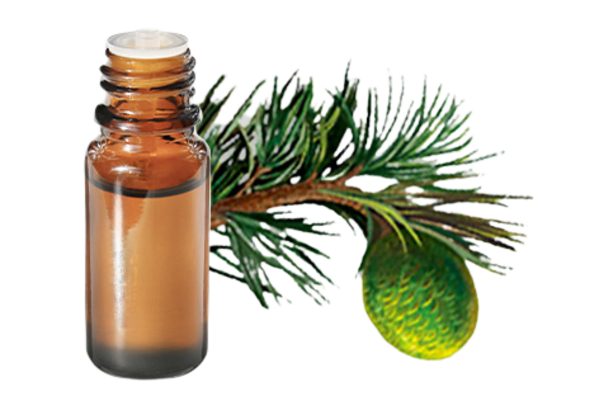
Cedarwood essential oil for repelling moths

Cedar essential oil is one of the anti-mite remedies known since ancient times, and this is one of the reasons why Egyptian sarcophagi were made using this oil. The Atlas cedar is one of the most well-known essential oils for repelling moths. Traditionally, pieces of its wood were placed in wardrobes to repel insects while imparting a pleasant scent to clothes and cupboards.

Essential oils with insecticidal properties

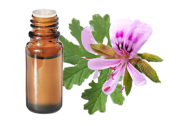
Geraniol and citronellol, found together in Rose geranium, possess insecticidal properties. (2)

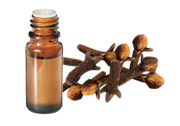
Essential oils rich in phenols, such as Compact oregano, all possess insecticidal properties. For example, eugenol, found in Clove, prevents the development of larvae (2).

Precautions for the use of essential oils

Always check the precautions for use for each essential oil before use. As a general rule, do not use essential oils during pregnancy or whilst breastfeeding, or in the presence of children and babies. When it comes to anti-moth essential oils, the gentlest options are Roman chamomile and true lavender, which you can use in your cupboards (except if you are pregnant, breastfeeding or for children under 6 years of age).

What smell repels pantry moths?

Moths hate all strong smells; our natural repellents are the most popular choice when dealing with moths in your home. Smells such as those found in menthol crystals, the essential oils of Peppermint, Camphor rosemary, from Lavandin, from Lemon eucalyptus, from Clove, from Cinnamon bark, from Sweet basil (linalool), or from Rose geranium. These are all powerful moth repellents that can be used preventatively, taking care to follow the safety instructions for each one.

How to make a natural moth repellent?

This preventative blend for wardrobes should be placed on a diffuser stone and refreshed regularly.

Preventative blend of anti-moth essential oils

Mix the blend in a 10ml dropper bottle, then place 3 drops of this blend onto the scented stone in your wardrobes; repeat this every few weeks.

Precautions for use

Avoid contact with the skin. Do not use in a child’s bedroom, or in the presence of pregnant or breastfeeding women, or pets. Keep the stone and bottle of your anti-moth blend out of the reach of children.

Our other natural and effective anti-moth solutions

  • Moths struggle to cope with heat, light and cold, so you can regularly expose your clothes to the sun or the cold, depending on the season.

  • If a garment has holes that indicate the presence of larvae, you can wrap the item up and place it in the freezer for 24 hours. This will kill all the larvae. You will then simply need to check each item of clothing and clean them thoroughly, along with the wardrobe, to remove any eggs.

  • Tansy is an insect-repellent plant that can be placed in a bouquet in your wardrobe or near the doors and windows of your home. It will also repel other insects.

  • The traditional orange studded with cloves, which you can make yourself, can be placed directly in the wardrobe on a plate. What’s more, it gives off a pleasant scent and lasts for a few weeks.

  • You can also place small bundles of dried lavender or cinnamon sticks amongst your clothes.

Expert advice

By following these tips and staying vigilant, you can effectively prevent and eliminate moths in your home. If the infestation persists despite your best efforts, it may be necessary to call in professional pest control experts.

Precautions

Essential oils are powerful natural concentrates. Please refer carefully to the intended uses and precautions for use on each product information sheet. Store them in a suitable glass bottle, away from light and air. Keep out of reach of children. Do not use on pregnant or breastfeeding women, or on children under 6 years of age. Avoid contact with the eyes and mucous membranes. Please consult the general safety information sheet for essential oils as well as the specific information sheet for each essential oil.

Spotlight on Our Specialist Writer: Catherine Gilette

ada2d2_d8651e3eb63b4f06b1e322964cd90ca6-mv2.webp

Catherine is passionate about plants and their properties. She studied natural cosmetics at the École Lyonnaise des Plantes Médicinales in the early 2000s. Driven by curiosity, she has continued to explore the richness and potential of plants. This led her to train in aromatherapy at the École Française d’Aromathérapie Intégrative. She discovered an almost unexplored world in olfactotherapy, and valuable tools for getting to know herself better and practising what she calls inner ecology.

Bibliography

  1. Macchioni F, Perrucci S, Cecchi F, Cioni PL, Morelli I, Pampiglione S. Acaricidal activity of aqueous extracts of camomile flowers, Matricaria chamomilla, against the mite Psoroptes cuniculi. Med Vet Entomol. 2004 Jun;18(2):205-7.

    doi: 10.1111/j.0269-283X.2004.00488.x. PMID: 15189247.

  2. Zhu, Y.; Wu, T.; Hu, Q.; He, W.; Zheng, Y.; Xie, Y.; Rao, Q.; Liu, X. Plant Essential Oils: Dual Action of Toxicity and Egg-Laying Inhibition on Tetranychus urticae (Acari: Tetranychidae), Unveiling Their Potential as Botanical Pesticides. Plants 2024, 13, 763.

    https://doi.org/10.3390/plants13060763

  3. Essential Oils: Warnings and Precautions for Use

    https://www.aroma-zone.com/public/pdf/GC019.pdf