Perimenopause, menopause and postmenopause: definitions
Perimenopause (or pre-menopause): this is the period of hormonal changes that precedes the onset of the menopause. Statistically, it begins around the age of 45, although it may well occur earlier or later. It can last several months, or even several years. It coincides with the onset of the first symptoms, which reflect the gradual ageing of your ovaries.
Menopause: this usually occurs around the age of 50. Barring pregnancy, the postpartum period or health issues, you can generally consider yourself to be post-menopausal if you have not had a period for more than 12 consecutive months. This means that your body is no longer able to produce viable eggs, and therefore to conceive. Although it can be difficult to cope with, apart from certain specific cases, this is a completely normal process.
Postmenopause: this covers the entire phase beginning at the end of your first year of amenorrhoea. It is therefore the final stage of your hormonal transition, the one that leads towards stability. Rather than an end, it can be seen as a new beginning that invites you to take a different, mindful and caring perspective on your body and your health.
Hormonal changes and their effects on your body
The menopause is the direct result of a drop in the levels of female sex hormones in your blood. The focus is often on the decline in oestrogen; and with good reason, as these hormones, which are found exclusively in women, play an essential role in the female body, which contains numerous dedicated receptors. This explains why their decline leads to a wide variety of discomforts and symptoms that can be difficult to cope with.
But in reality, the process begins quietly with a drop in progesterone. This hormone, produced by your ovaries, works in harmony with your oestrogen. It helps prepare your womb for implantation in the event of fertilisation, but it also affects your mood, as it acts as a natural antidepressant. Its gradual decline is therefore often accompanied by a dip in mood. It is this same ‘bump in the road’ that is found in premenstrual syndrome (PMS).
This hormonal decline is not linear, so you may feel as though your hormones are on a rollercoaster – and it is indeed the case that you may be "up and down". This is, in fact, what makes perimenopause so difficult to cope with, both physically and psychologically.
All these hormonal upheavals contribute to climacteric disorders (or menopausal syndrome), characterised by a long series of symptoms typical of the menopause.
Symptoms you are likely to experience during the menopause
You feel hot. You may simply find your face is redder than usual. You may experience the infamous hot flushes, which can range in how debilitating you find them.
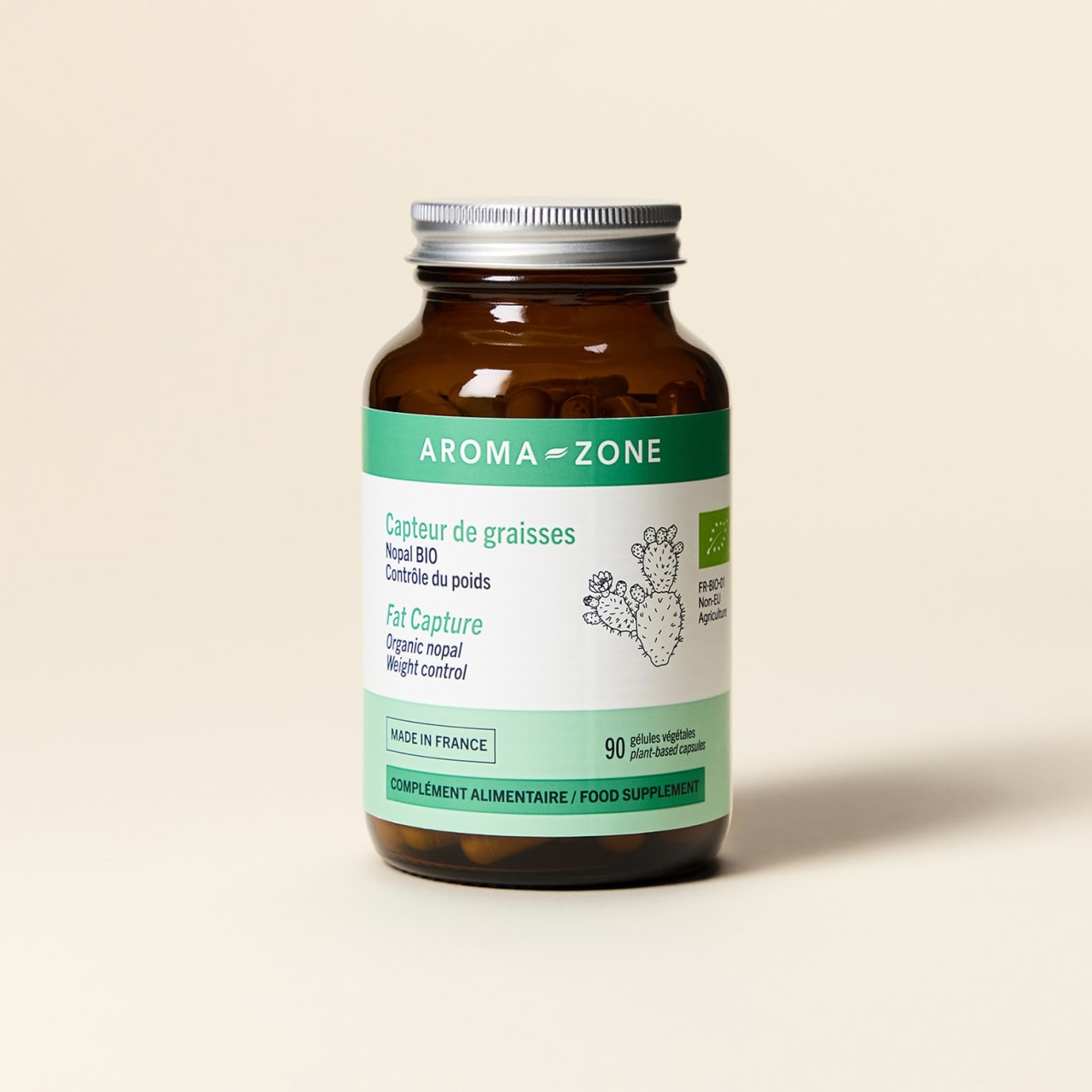
You put on weight. During the menopause, fat tends to accumulate permanently around the tummy. So your figure may change.
You feel lethargic. Hormones from the adrenal and thyroid glands, as they adapt to the drop in oestrogen levels, can contribute to a feeling of exhaustion.
You feel irritable. The drop in oestrogen can affect the regulation of neurotransmitters such as serotonin and dopamine.
Your skin is dry. Your skin becomes thinner, appears more fragile, and loses its suppleness and elasticity. Your wrinkles and fine lines probably seem to be getting deeper and deeper
Your hair is becoming thinner. Some areas are becoming patchy. Conversely, you may notice increased hair growth on your cheeks and above your mouth (a ‘moustache’).
Your sex drive decreases. Vaginal dryness can make sexual intercourse less enjoyable. It is also possible that your mood swings may affect your sex drive.