Chia seeds: does the time of day you eat them make a difference?

Chia seeds: does the time of day you eat them make a difference?


By Laetitia De Rosa

Published on: Friday, December 05, 2025, Updated on: Monday, November 09, 2026

They’re everywhere, easy to use and surprisingly effective: chia seeds have become an everyday ingredient, easy to add to a smoothie, yoghurt or porridge. Their benefits aren’t limited to their high fibre and omega-3 content; it’s also the time of day you eat them that makes all the difference. In the morning to get the day off to a good start, at lunchtime to add nutritional value to your meal, and in the evening to aid digestion… Their versatility makes them an easy addition to your daily routine, tailored to your needs.

Contents

Related products

How do chia seeds affect the body?

Chia seeds owe their health benefits to their high soluble fibre content. When mixed with liquid, this fibre forms a natural gel that slows down the absorption of carbohydrates, aids digestion and provides a mild feeling of fullness. This unique texture explains why the time of day you eat them can make a difference. 

  • In the morning, they help make breakfast more filling 

  • At lunchtime, they can be easily incorporated into various dishes and boost their nutritional value; 

  • In the evening, when well-hydrated, they promote more comfortable digestion.

Chia seeds also provide plant-based omega-3s (ALA), which contribute to overall dietary balance, as well as essential minerals such as calcium, magnesium and phosphorus. Several studies show that soluble fibre, when consumed regularly, supports digestive comfort and contributes to a more balanced eating pattern.

How can you incorporate chia seeds into your day?

You can incorporate chia seeds at different times of the day, depending on the effects you’re looking for.

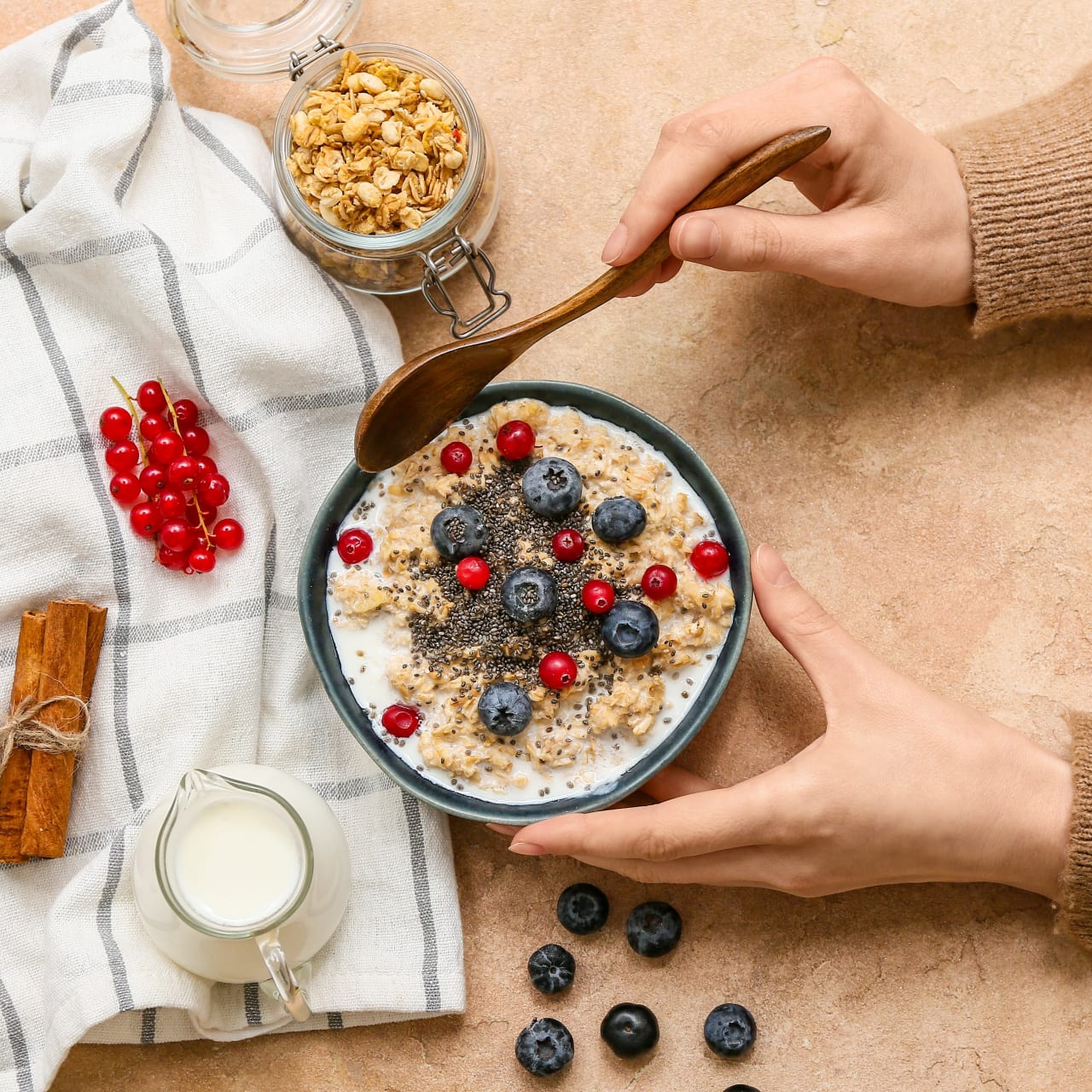
1. In the morning: When added to porridge, a smoothie or yoghurt, they provide soluble fibre that forms a light gel and helps make for a more filling breakfast. A great way to avoid mid-morning hunger pangs…

2. At lunchtime: they can easily be added to a salad, soup or dessert. Their high fibre and nutrient content makes them a simple way to vary the composition of your meal and add a little extra nutritional value without altering the flavours.

3. In the evening: once properly rehydrated, they blend naturally into compote, plant-based milk or pudding. Their soft texture is then easier to digest and can accompany a light meal at the end of the day.

Chia seeds, in fact, reveal their full potential once they’ve had time to swell: it is in this form that they are best tolerated and offer their digestive benefits.

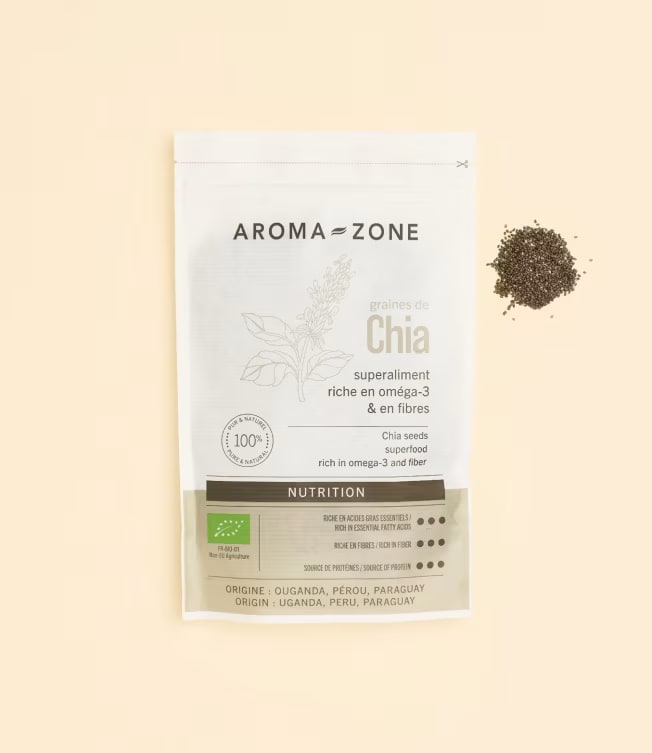
Organic chia seeds – a superfood

Spotlight on the Superfood: Organic Chia Seeds

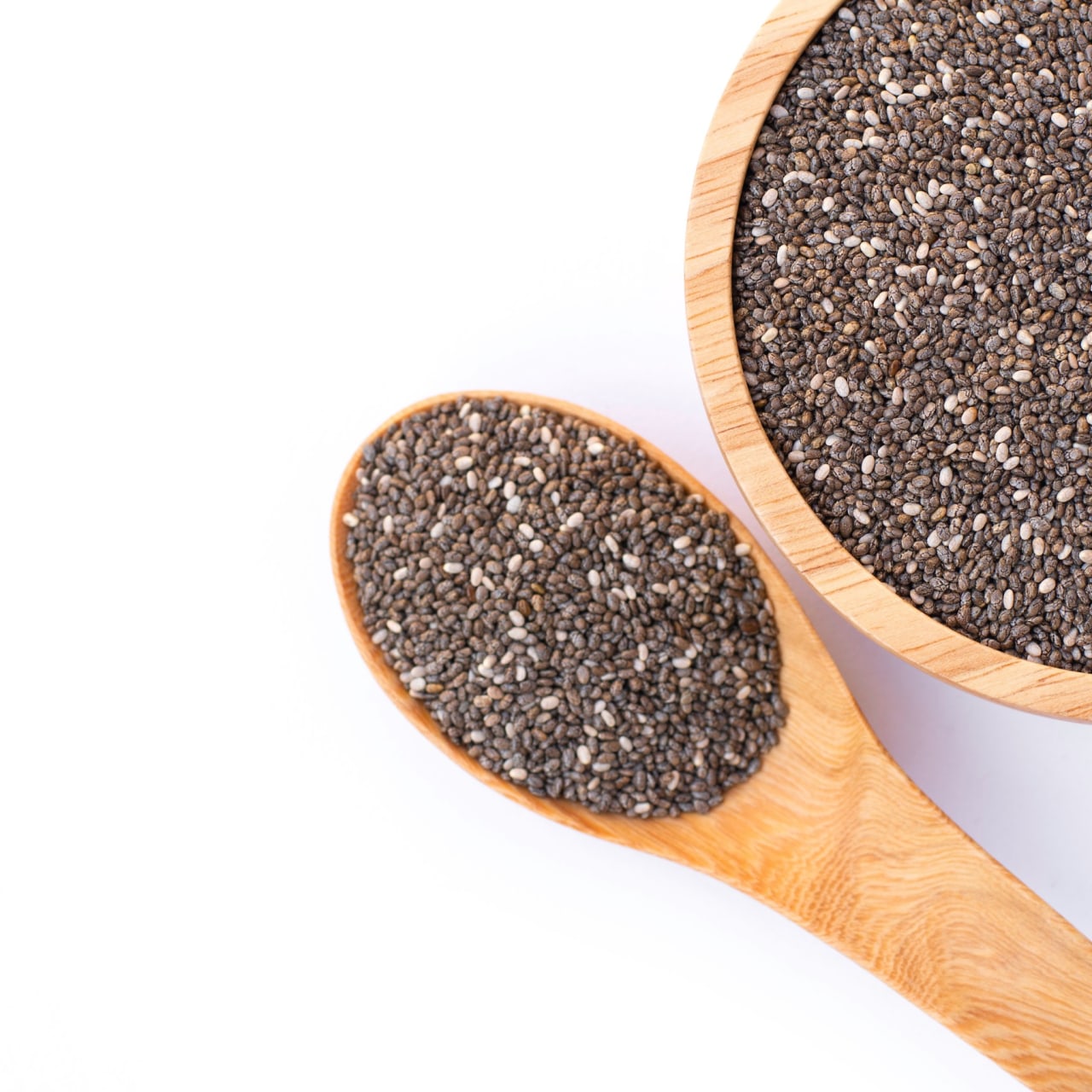
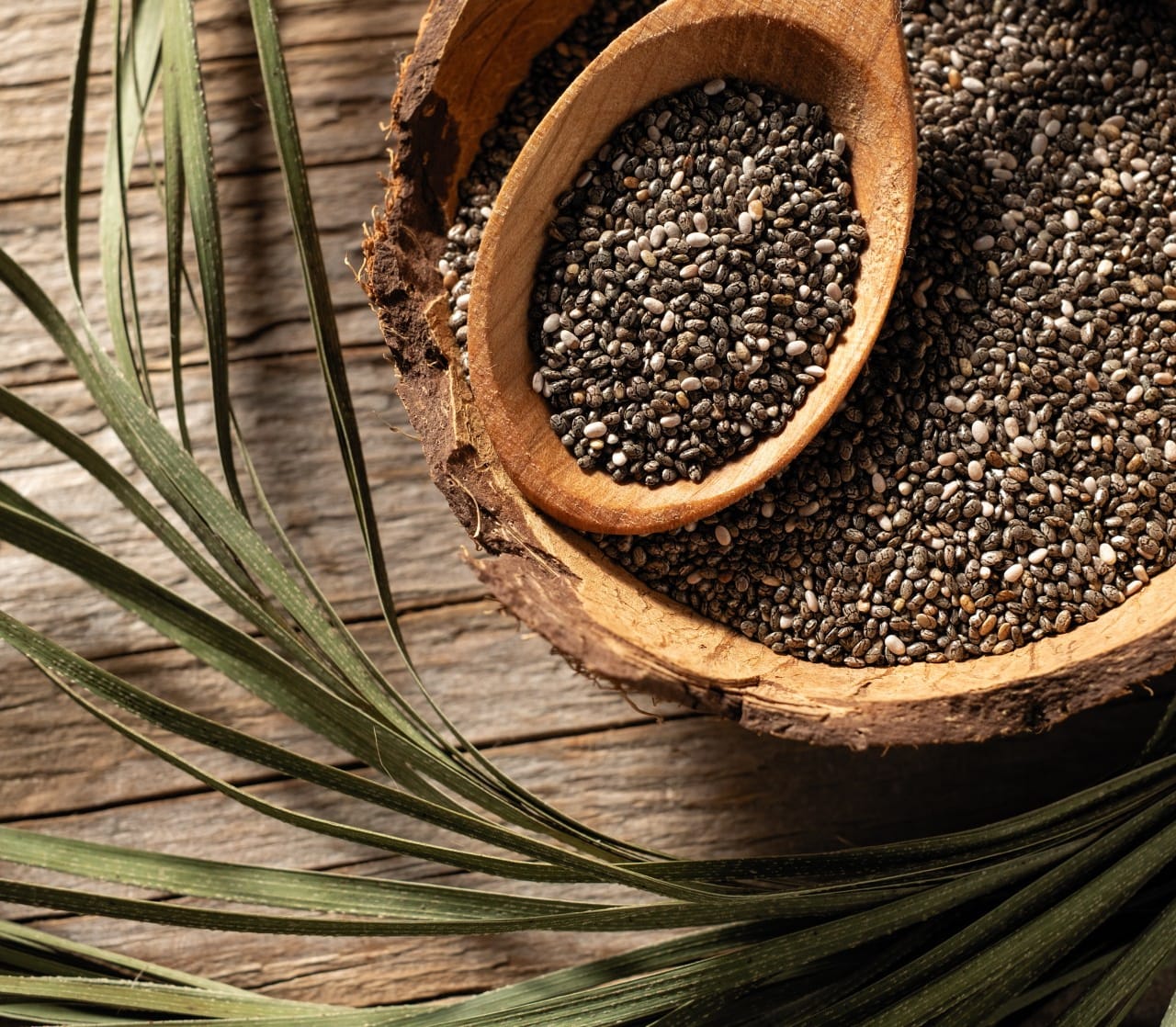
Highly prized for their nutritional qualities and their effect on digestion, these tiny seeds, rich in fibre and essential omega-3 fatty acids, are also a valuable source of protein. Furthermore, these mucilaginous seeds have the unique property of swelling when exposed to liquid, allowing you to create interesting gel-like textures in your recipes!

Discover Our Organic Chia Seeds Superfood

An easy-to-make chia pudding recipe

To incorporate chia seeds at any time of day, make a homemade pudding base that keeps well and takes just a few minutes to prepare.

Ingredients:

Discover all the steps in the full recipe for making this homemade chia pudding.

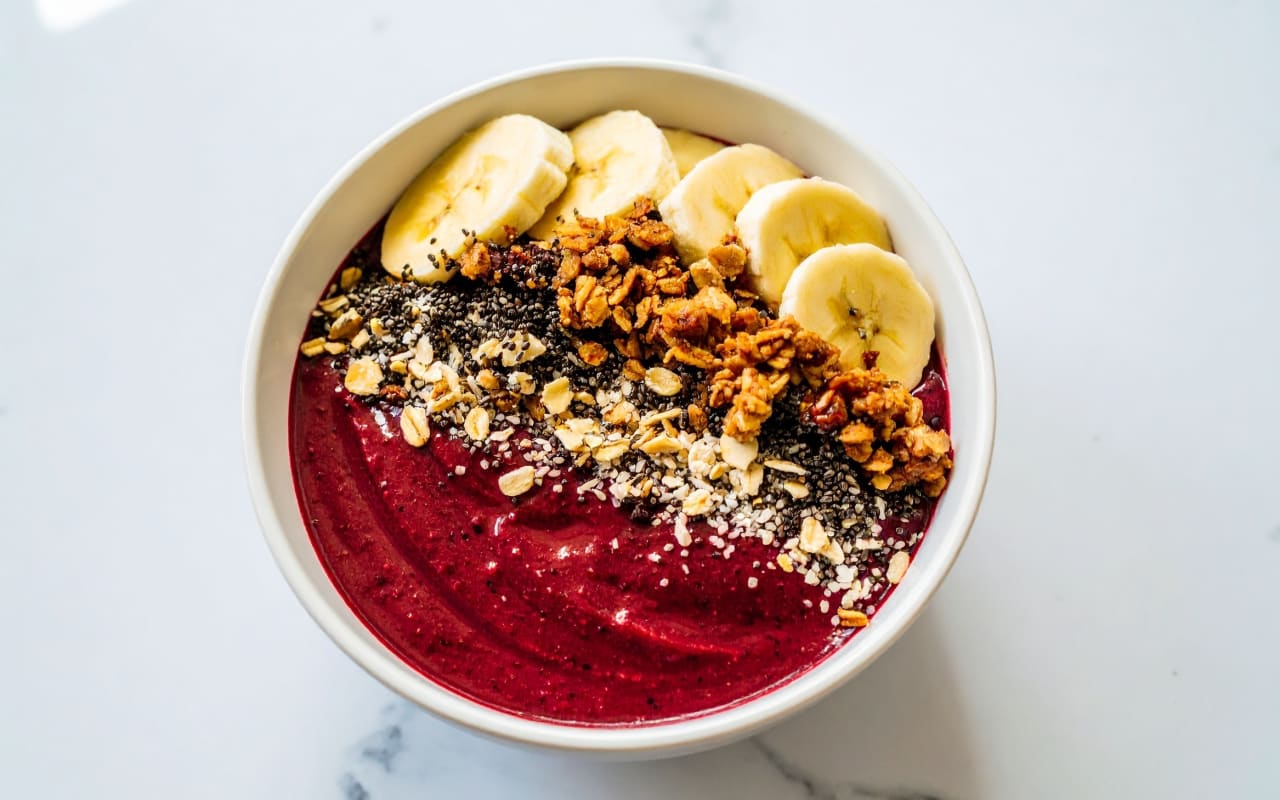
Method: Mix 2 spoonfuls of the base with around 50 ml of milk, leave to thicken for a few minutes, then add fresh fruit, fruit purée or granola as you like.

Spotlight on our expert writer, Laetitia de Rosa

Laetitia de Rosa 3.jpg

Laetitia is an editorial communications consultant specialising in creating beauty and wellbeing content. Passionate about natural cosmetics, she works with socially conscious brands that share her vision of authentic and responsible beauty. Always on the lookout for the latest developments, she enjoys analysing trends and innovations in the sector.

Bibliography

  1. Pam, P., Asemani, S., Azizi, M. H., & Jamilian, P.

    (2024), Chia seed supplementation and inflammatory biomarkers: A systematic review and meta-analysis, Journal of Nutritional Science DOI: https://doi.org/10.1017/jns.2024.70

  2. Karimi, M., Pirzad, S., Shirsalimi, N., Ahmadizad, S., Hashemi, S. M., Karami, S., & Aminzadeh, A.

    (2024), Effects of chia seed (Salvia hispanica L.) supplementation on cardiometabolic health in overweight subjects: A systematic review and meta-analysis of RCTs, Nutrition & Metabolism https://link.springer.com/article/10.1186/s12986-024-00847-3

  3. Motyka, S., Skała, E., Ekiert, H., & Szopa, A.

    (2023), Health-promoting approaches to the use of chia seeds, Journal of Functional Foods https://doi.org/10.1016/j.jff.2023.105480

  4. Ullah, R., Nadeem, M., Khalique, A., Imran, M., Mehmood, S., Javid, A., & Hussain, J.

    (2015), Nutritional and therapeutic perspectives of Chia (Salvia hispanica L.): A review, Journal of Food Science and Technology doi: 10.1007/s13197-015-1967-0