
Proteins are macronutrients that are essential for the body to function. They are made up of smaller units called amino acids, some of which are known as ‘essential’ because the body cannot produce them itself and must therefore obtain them from the diet. Found in all tissues, proteins play a part in numerous physiological processes: maintaining the structure of muscles and skin, as well as enzymatic and hormonal functions. They are found in many foods, both of animal and plant origin, with varying amino acid profiles. The quality of protein intake therefore depends both on the quantity consumed and on the diversity of dietary sources.
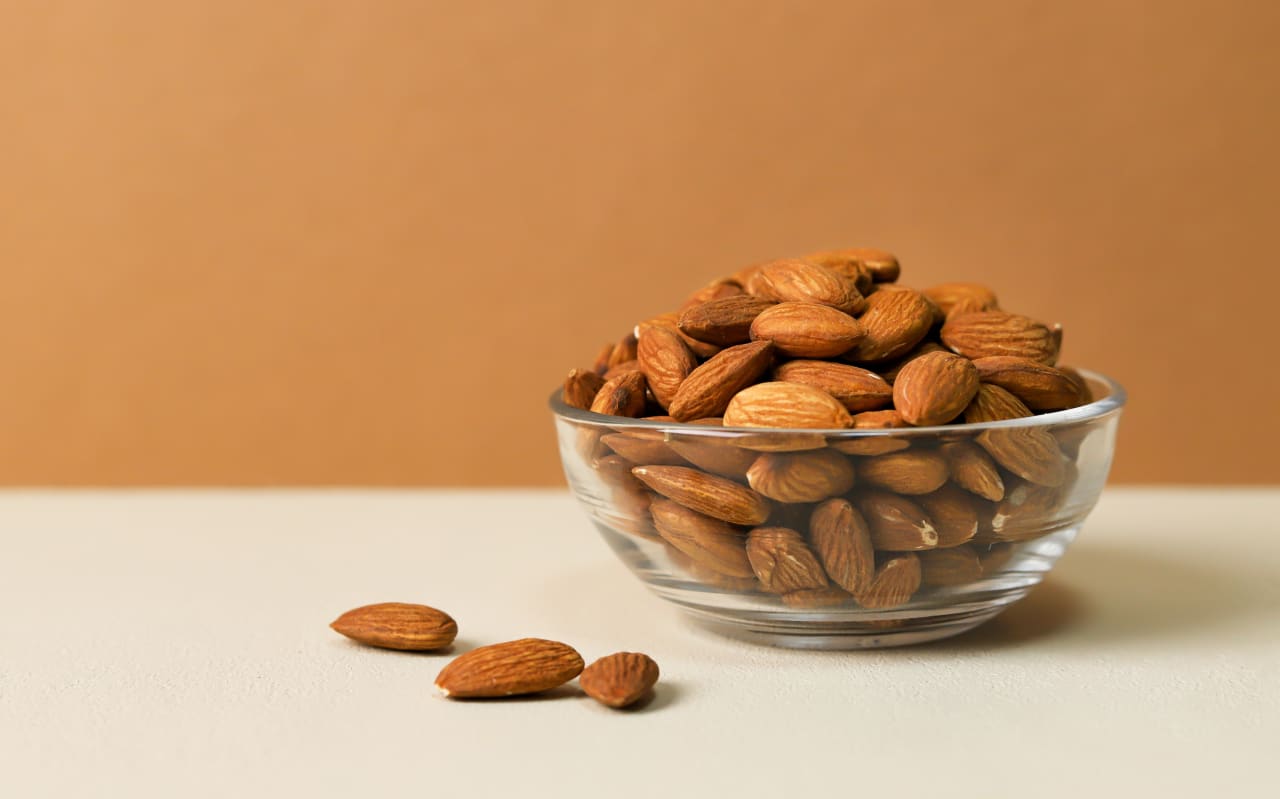
Which dietary supplements are highest in protein?
Published on: Monday, February 02, 2026, Updated on: Friday, October 02, 2026
Protein is essential for a balanced diet, whether you’re active, a casual exerciser or lead a more sedentary lifestyle. When dietary intake isn’t sufficient to meet your needs, certain dietary supplements can help adjust your protein intake. Whether in powder, capsule or tablet form, not all protein sources are the same, nor do they meet the same needs. The aim of this article is to provide an overview to help you better understand the various options available and adopt an approach suited to your individual profile and lifestyle.
Contents
Related products
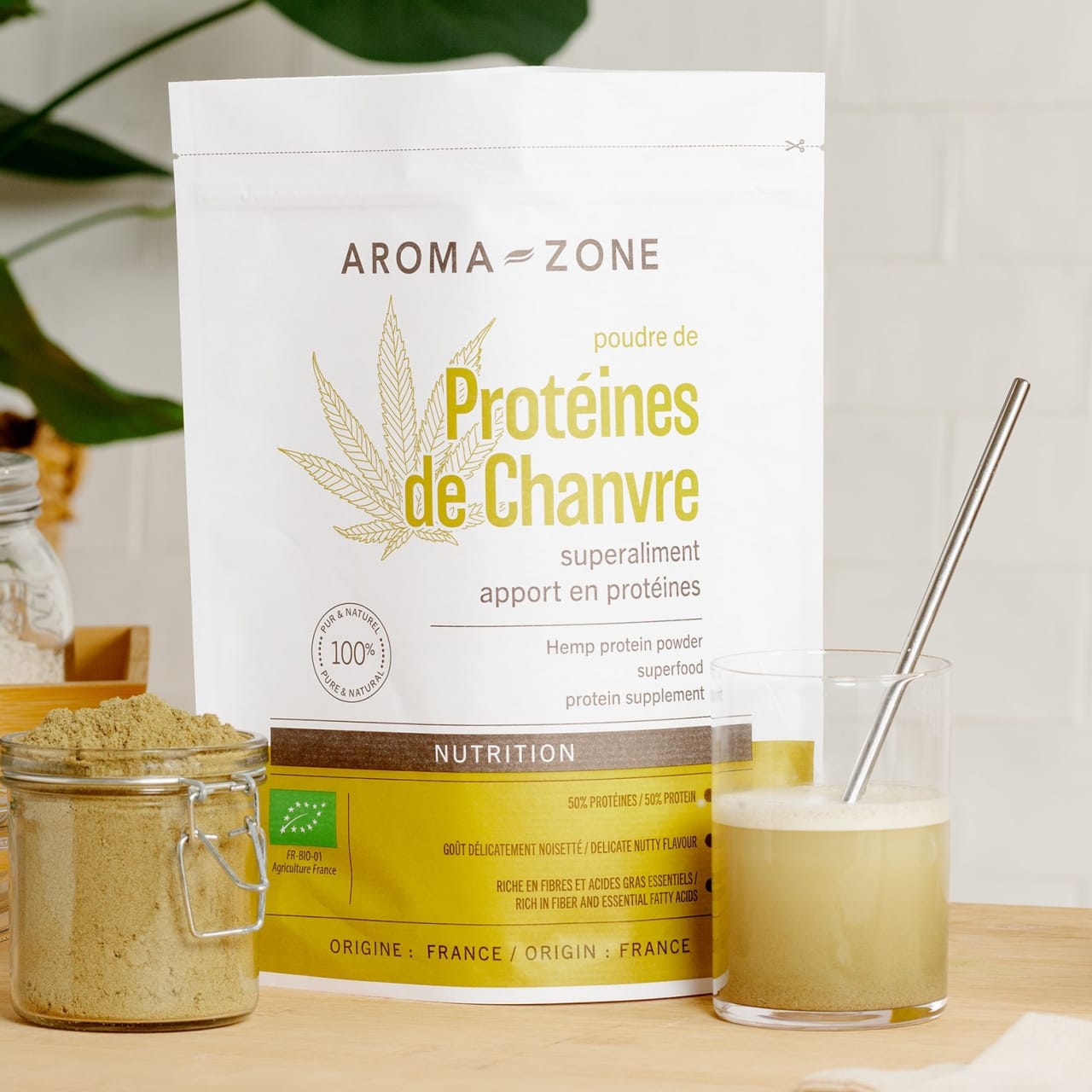
Organic Hemp Protein Powder
High in protein
£13.00
400 g
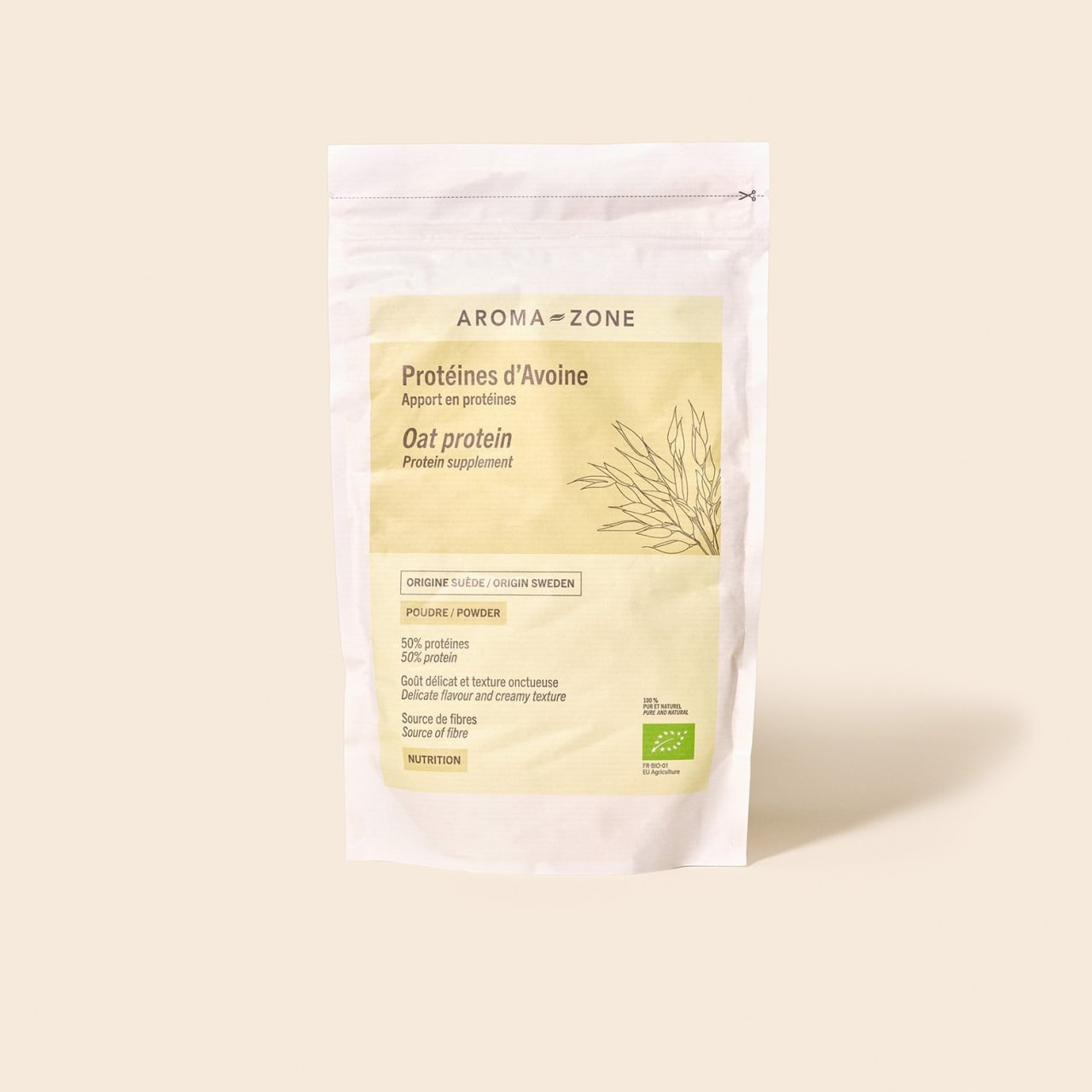
Organic Oat Protein
High in protein
£13.00
300 g
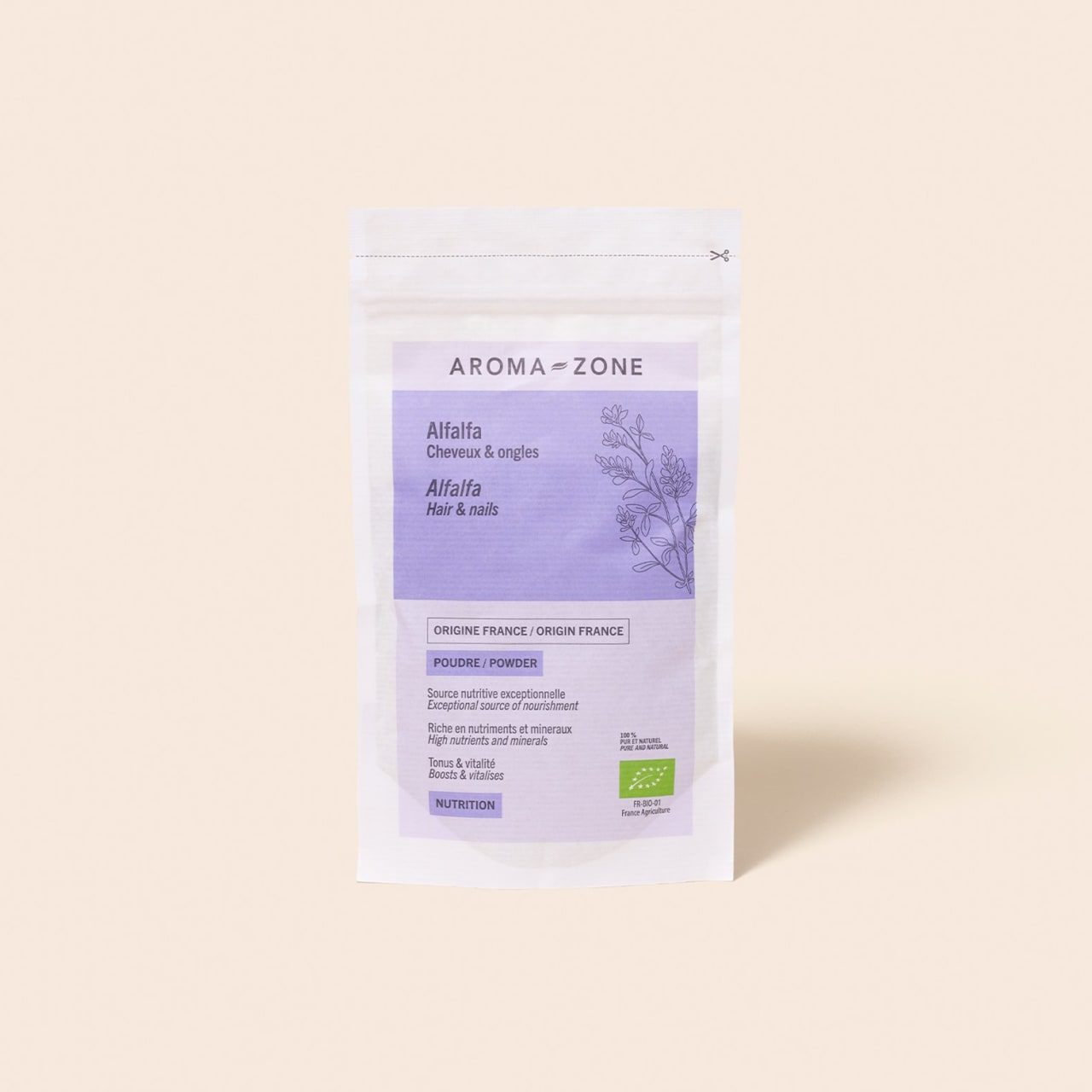
Organic Alfalfa Powder
Hair strengthening
£4.00
100 g
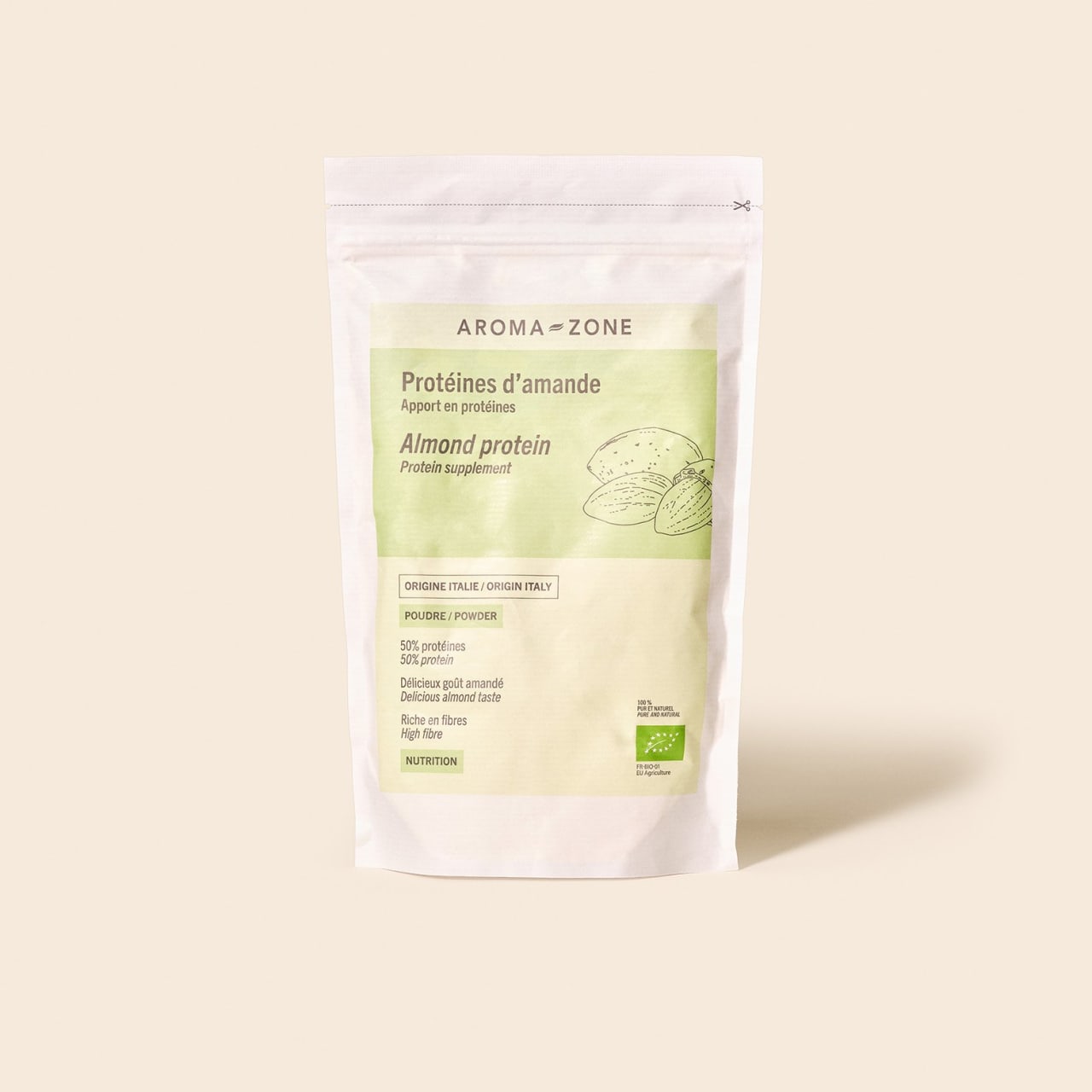
Organic Almond Protein Powder
High in protein
£14.00
300 g
What are proteins?
Protein and dietary supplements: what’s the link?
Protein supplements are used when diet alone does not provide the necessary amounts of protein. They contain protein from various sources, both animal and plant-based, and come in a variety of forms such as powders, capsules or tablets.
However, these formats do not all contain the same amount of protein: powders are generally the most concentrated, whilst capsules or tablets provide smaller amounts, suitable for occasional use.
Unlike whole foods, these formats make it easy to adjust your intake to suit your lifestyle, day-to-day commitments or specific personal goals.
The benefits of protein
Contributes to the maintenance of muscle mass: protein provides the amino acids necessary for the renewal of muscle tissue throughout life
Contributes to tissue renewal: proteins are a component of many of the body’s tissues, such as the skin, hair and nails
Support for key physiological functions: certain proteins are involved in the production of enzymes, hormones and transporters that play a role in metabolism, and are therefore essential for health
Role in nutritional balance: as part of a varied diet, they help meet daily macronutrient requirements
Importance at certain stages of life: protein requirements may change with age, activity levels or at specific times, making their intake very important
Focus on casein, a protein that is beneficial for both muscle recovery and the health of skin and hair.
What are your protein requirements?
General guidelines to be adapted to individual profiles
Protein requirements vary greatly from one person to another and change throughout life. They depend on age, level of physical activity, body composition and dietary habits. There is therefore no single recommendation that applies to everyone, but rather guidelines that should be adjusted according to individual profiles.
As a guide, the reference protein intake for adults is generally estimated at around 0.8 g of protein per kilogram of body weight per day (1). These figures are merely general guidelines and should be adjusted according to overall diet, sources of protein consumed and lifestyle.
Requirements that change with activity levels
For healthy adults, protein intake is primarily intended to meet the needs associated with tissue renewal and the body’s normal functioning. When physical activity increases – for example, through regular sport or physical work – requirements may be higher to support the increased demands placed on the muscles. Conversely, a more sedentary lifestyle generally implies more moderate requirements, provided that the diet remains sufficiently varied.
Special consideration for certain groups
As we get older, the issue of protein becomes increasingly important. Protein intake from food may decrease, while the need for protein remains essential to help maintain muscle mass and function. For older people, it is therefore vital to pay particular attention to the quality and consistency of protein intake, without, however, aiming for excessive amounts.
Dietary choices also influence these requirements. People following a vegetarian or predominantly plant-based diet can easily meet their protein requirements, provided they vary their sources and combine foods wisely.
What natural solutions are there for maintaining an adequate protein intake?
Diet is the primary source of protein and remains the foundation for meeting the body’s needs. However, depending on one’s lifestyle, dietary choices or specific circumstances, it is not always easy to achieve sufficient intake through meals alone. In this context, protein supplements – particularly those in powder form – can prove to be a practical solution when a more concentrated protein intake is required.
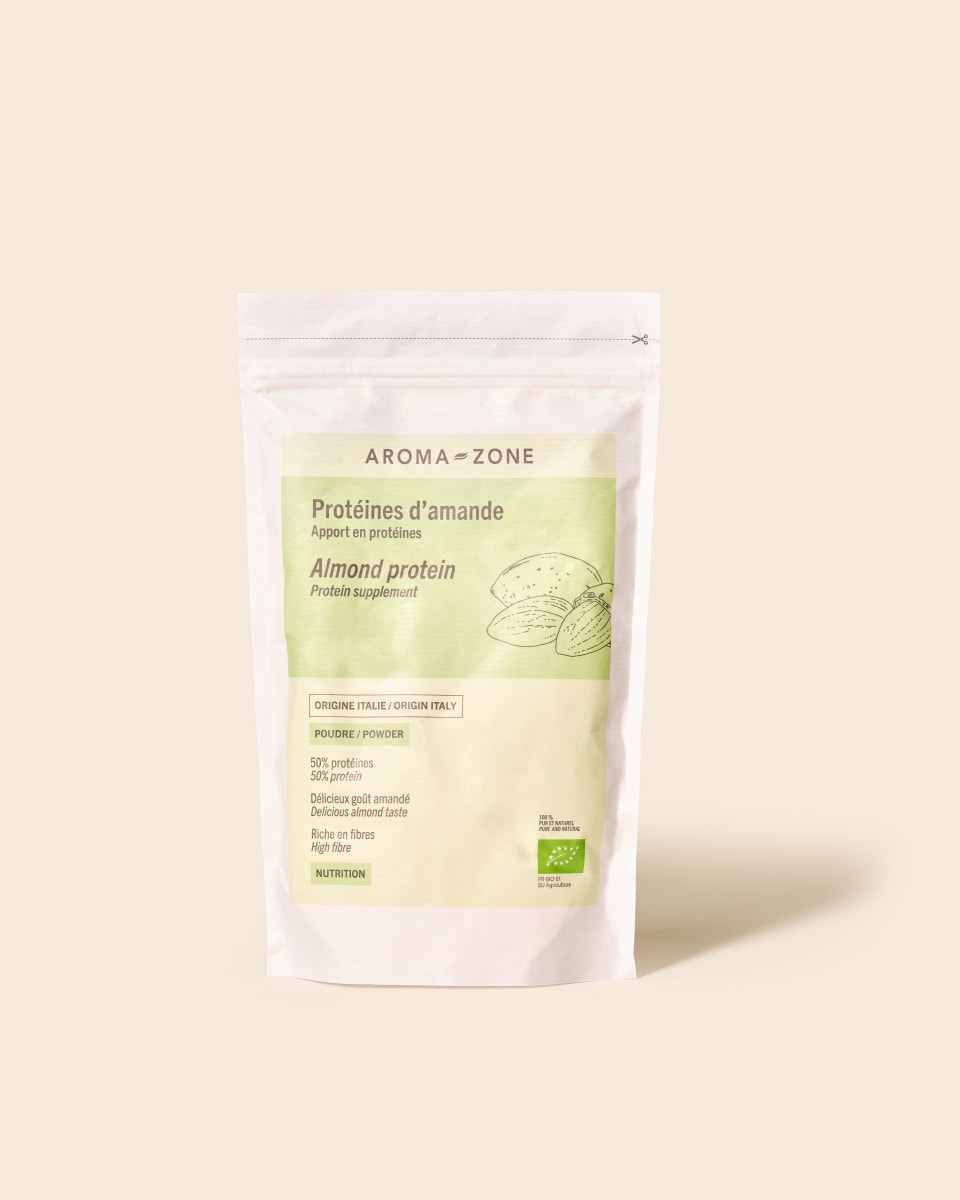
Organic Almond Protein Powder
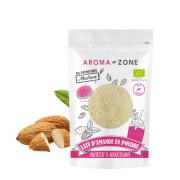
Made from organic sweet almonds grown in Italy, Organic Almond Protein Powder is produced through a cold-pressing process, followed by the fine grinding of the defatted almonds. Naturally rich in plant-based protein, with a content of at least 50 per cent, it stands out for its creamy texture and subtle almond flavour. It blends easily into drinks or dishes, providing a supplementary source of plant-based protein.
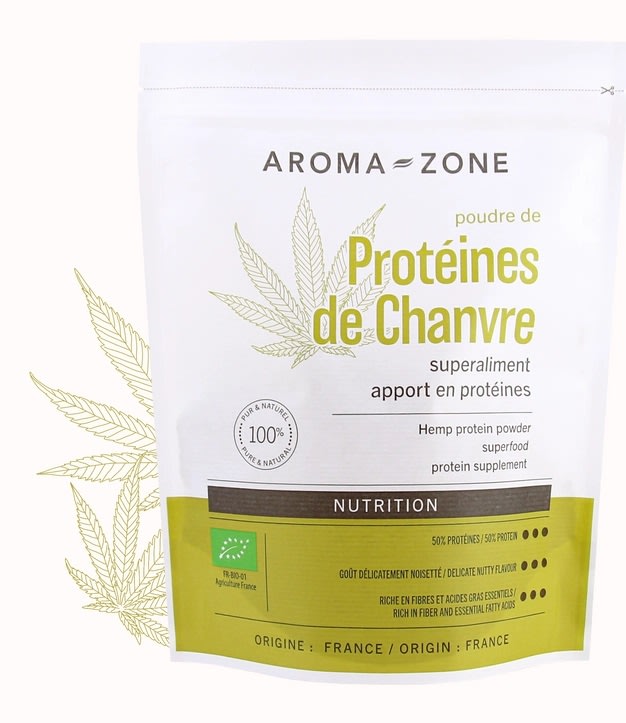
Organic Hemp Protein Powder
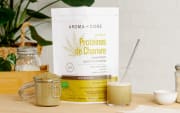
This powder is made from organic hemp seeds grown in France, which are cold-pressed and then finely ground. It provides around 50 per cent plant-based protein, and its slightly nutty flavour and good solubility make it easy to use on a daily basis, both in drinks and in home-cooked recipes.
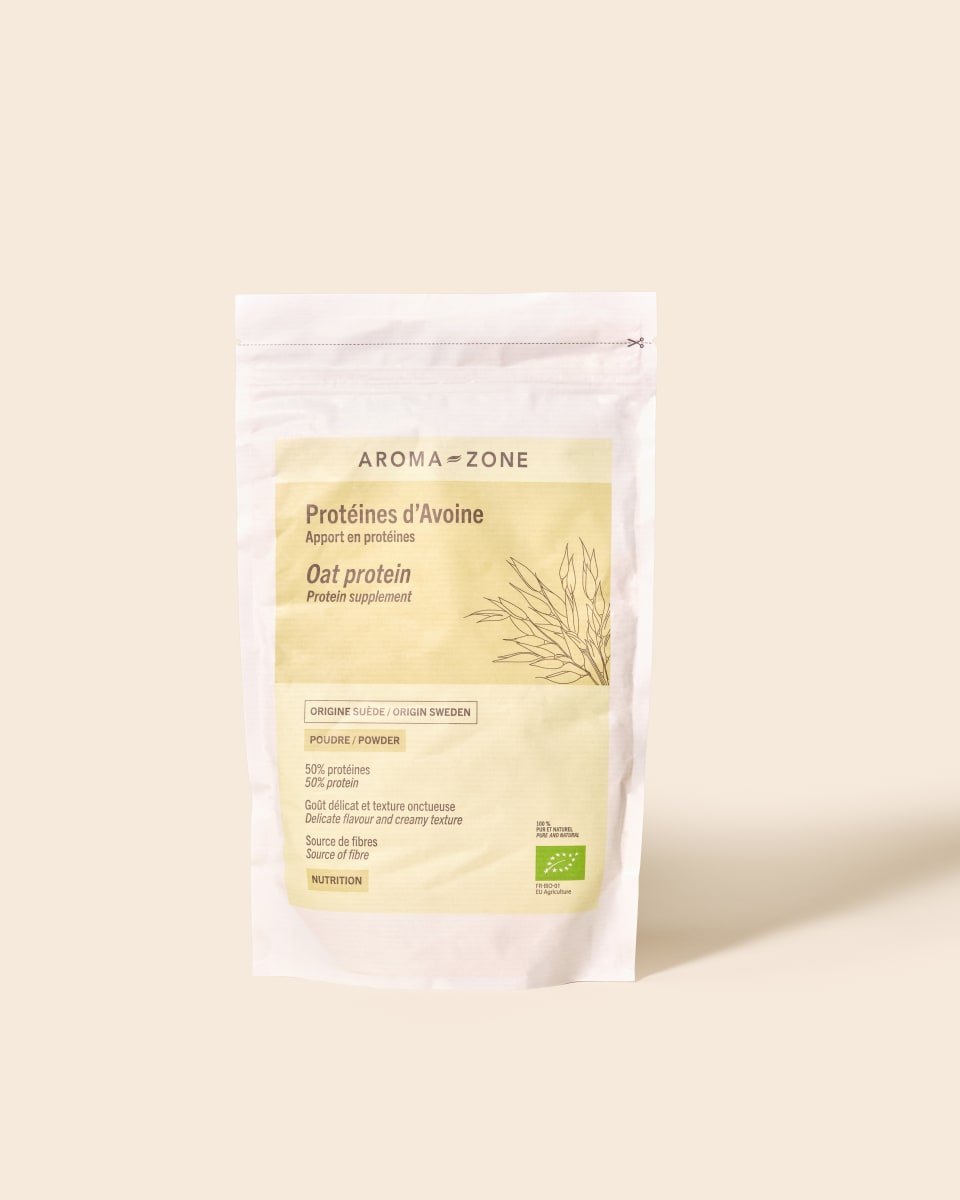
Organic Oat Protein Powder
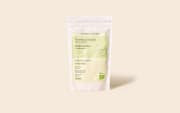
Made from organic oat bran grown in Sweden, this powder is produced by grinding and drying the hulled grains. It provides a high content of plant-based protein – over 50 per cent – while retaining a smooth texture and a mild flavour, making it popular in many recipes.
Precautions for use: This product contains gluten.
When should you take protein supplements?
Even when you know your protein requirements, it is not always easy to meet them through diet alone. A lack of time to cook, a fluctuating appetite, meals eaten on the go or dietary restrictions can lead to irregular intake from one day to the next. In such situations, using a protein supplement can be considered a practical way of adjusting your intake on an ad hoc basis.
The benefits and form of the supplementation needed may vary depending on individual circumstances, such as people with a poor appetite, those on a predominantly plant-based diet, those with a busy lifestyle, or older adults. The aim is always to tailor intake to individual needs.
How can you incorporate a protein supplement into your diet?
The choice of a protein supplement depends first and foremost on the desired effect and the context in which it is used. This might involve, for example, adjusting protein intake on a day when meals are light, making it easier to get protein from snacks, or incorporating an additional source of protein into certain food preparations. The aim is always to complement your diet, not to replace it.
The form of the supplement also plays an important role. Protein powders offer great flexibility of use, as they can be incorporated into drinks as well as sweet or savoury recipes. Capsule or tablet forms, where available, may be suitable for more occasional use, generally providing smaller amounts but being easier to take.
The best time to take protein depends on your individual habits. It can be consumed as a snack, alongside a meal low in protein, or incorporated into a drink or a cooked dish.
As for quantities, it is best to refer to the instructions on the packaging of the chosen product. These take into account the protein concentration and the intended method of use. Intake can then be adjusted on a case-by-case basis, depending on your individual needs and any other sources of protein in the diet.
As with any dietary supplement, the use of a protein supplement requires certain specific circumstances to be taken into account. People with food allergies or intolerances, particularly to gluten or nuts depending on the chosen protein source, should pay close attention to the product’s ingredients. Particular caution is also recommended for those on a specific diet or in a situation requiring tailored nutritional monitoring, so that intake levels can be adjusted appropriately.
Recipes
Precautions
In the event of specific circumstances or if in doubt, it is advisable to seek the advice of a healthcare professional. The advice and solutions presented here are intended to support your wellbeing and are not a substitute for medical care.
We now know that it is better to spread protein intake throughout the day rather than concentrating it in a single meal (2). With this in mind, a protein supplement can be incorporated from time to time, as a snack or with a meal, to support your intake. The key is consistency and adapting to your lifestyle and daily routine.
Spotlight on our naturopathic editor, Olivia Rabadan

A naturopath since 2020 and a wellness massage practitioner, Olivia supports those who wish to regain a lasting sense of balance, naturally. Her approach is both professional and deeply compassionate. For her, writing is a way of combining education and sharing, with simplicity and sincerity. Through her articles, she offers simple, practical and accessible advice, based on a holistic approach to health.
Bibliography
ANSES. Protein: role, sources and recommended intakes, 2025, French Agency for Food, Environmental and Occupational Health & Safety
anses.fr/fr/content/proteines-role-sources-et-apports-recommandes
Mamerow M.M., Mettler J.A., English K.L. et al. Dietary protein distribution positively influences 24-hour muscle protein synthesis in healthy adults, 2014, Journal of Nutrition
pubmed.ncbi.nlm.nih.gov/24477298/
EFSA Panel on Dietetic Products, Nutrition and Allergies (NDA). Scientific Opinion on Dietary Reference Values for protein, 2012, EFSA Journal
efsa.onlinelibrary.wiley.com/doi/10.2903/j.efsa.2012.2557

Frequently Asked Questions
Associated tip
Nutrition tips


