
Vitality reflects our level of physical and mental energy, which is essential for carrying out our daily activities with vigor and dynamism. When our vitality decreases, generalized fatigue sets in, impacting concentration, motivation, and overall well-being. This decline may be temporary or long-lasting, depending on its causes. When it becomes chronic, it can take the form of profound exhaustion, often referred to as asthenia, which affects both the body and the mind.

What natural solutions can help restore vitality?
Published on: Tuesday, April 08, 2025, Updated on: Wednesday, October 21, 2026
Persistent fatigue, lack of energy,a feeling of weakness… We all go through phases of exhaustion. What causes them? Which warning signs should you look out for? And above all, how can you respond naturally? Discover our solutions and practical advice to help restore your vitality and support your everyday wellbeing.
Contents
Related products
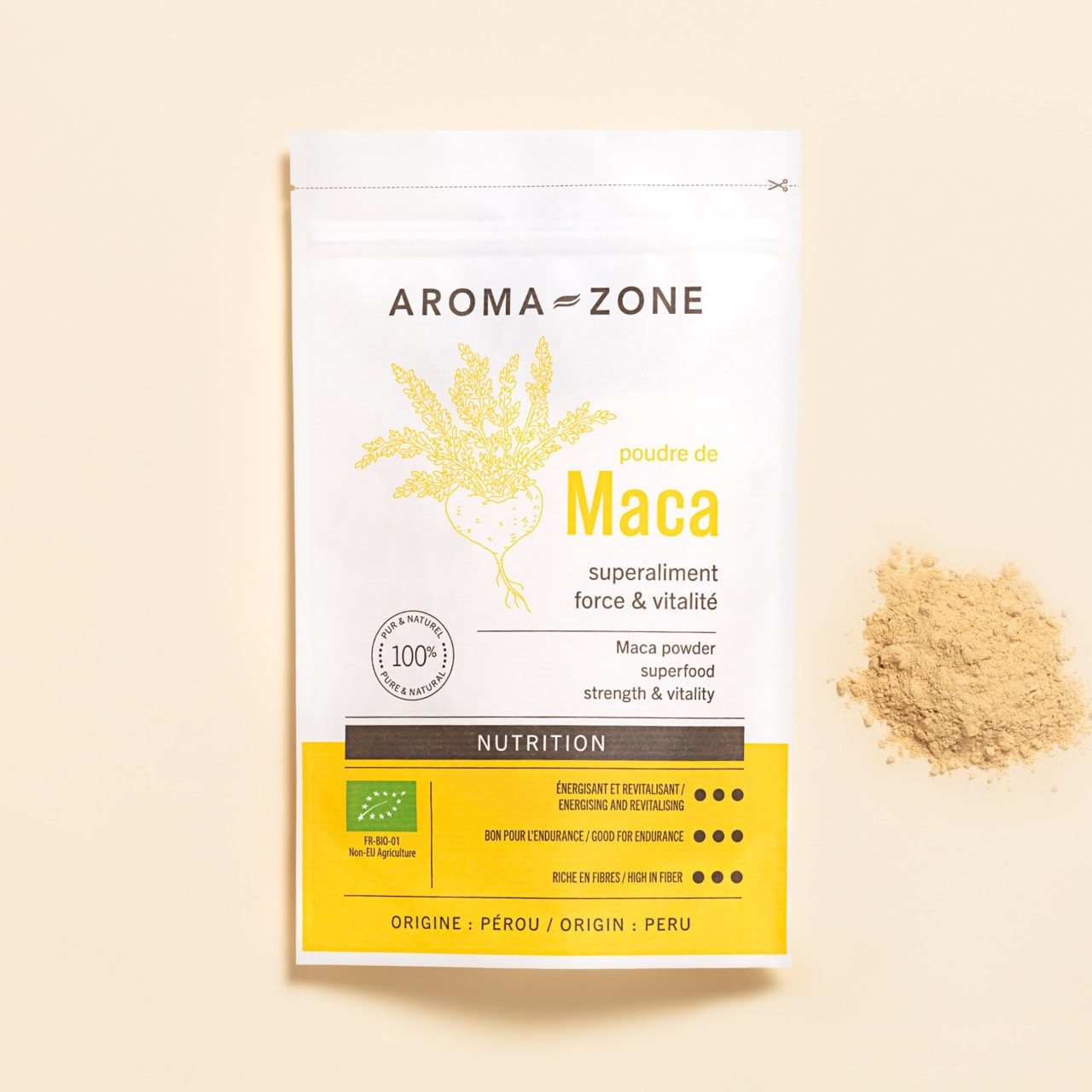
Organic Maca Powder
Vitality
£7.00
200 g
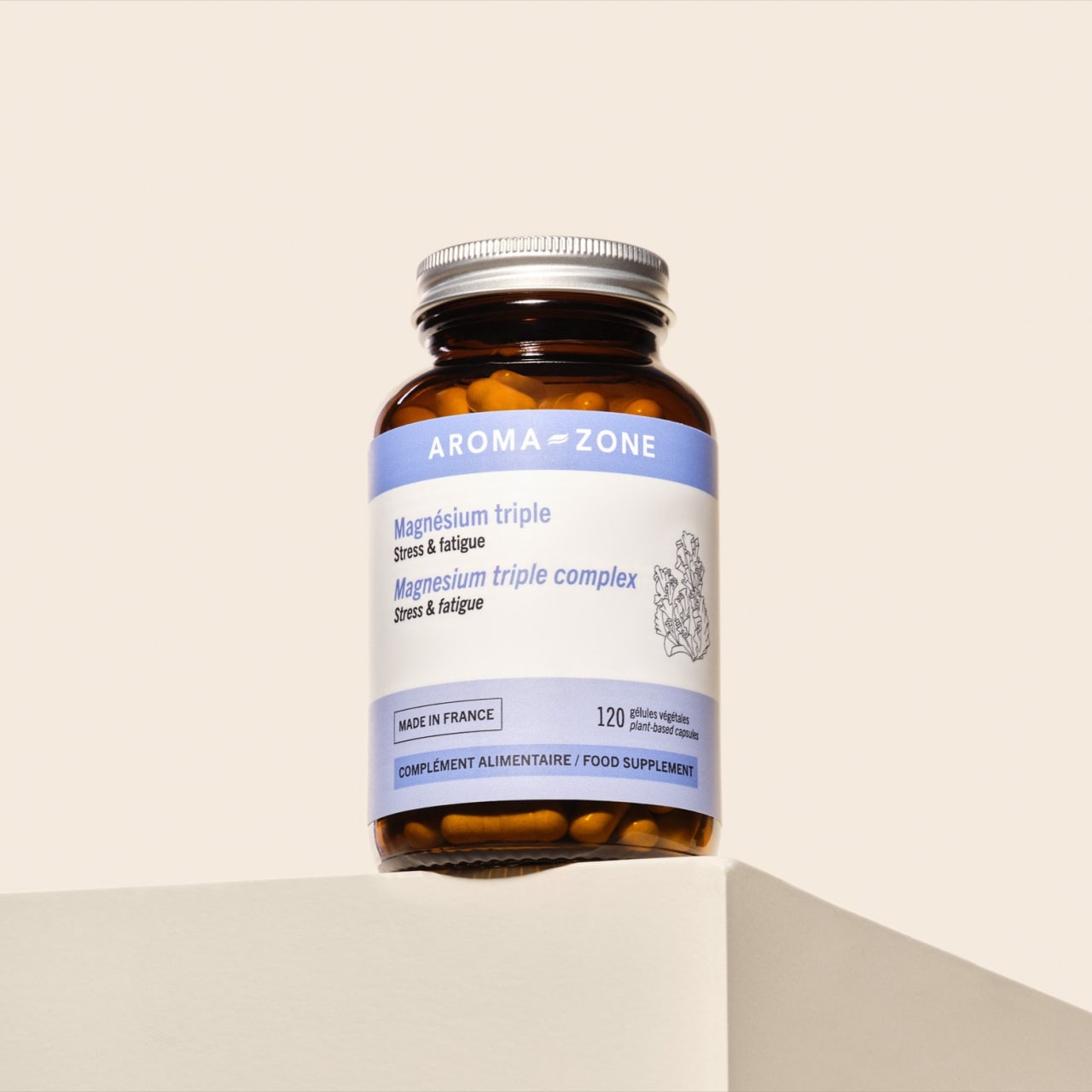
Triple Magnesium Complex - 120 Capsules
Vitality
Stress
£15.00
article
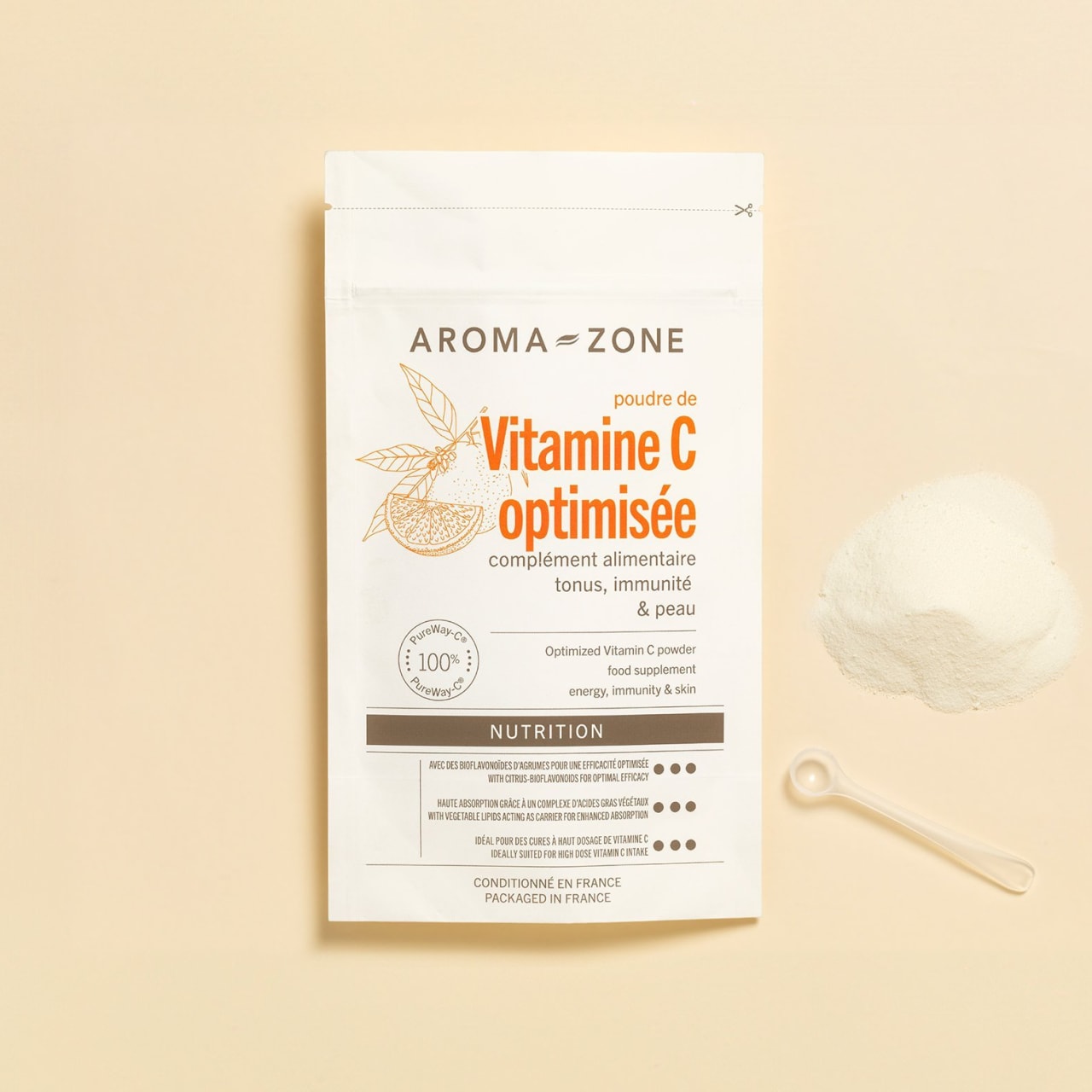
Optimised Vitamin C Powder
Vitality
£16.00
150 g
What is a decline in vitality?
What causes a decline in vitality?
Feeling tired can be explained by several factors related to diet, lifestyle, sleep, or health. These factors often influence each other and can develop gradually:
An unbalanced diet and nutritional deficiencies
An insufficient intake of essential nutrients, such as iron, Magnesium, B vitamins, and omega-3s, can impact energy production and cause persistent fatigue. Iron plays a key role in cell oxygenation, while magnesium supports muscle and nerve function. B vitamins are essential for energy metabolism, and omega-3 contribute to healthy brain function.
The accumulation of toxins
An ultra-processed diet, excessive exposure to pollution, or insufficient elimination of metabolic waste by the liver can disrupt the body and cause fatigue.
Psychological disorders
Chronic stress, anxiety, and depression are major causes of mental and physical exhaustion. They impair sleep quality and affect the production of neurotransmitters involved in energy and motivation (particularly dopamine, serotonin, and norepinephrine).
The side effects of certain medications
Certain treatments, such as antihistamines, antidepressants, anxiolytics, and beta blockers, can cause increased fatigue.
Prolonged lack of sleep
Chronic insomnia or poor sleep quality (frequent nighttime awakenings, sleep apnea) leads to an energy deficit that affects the entire body.
Hormonal imbalance
Hypothyroidism, adrenal gland dysfunction, or hormonal fluctuations, particularly during menopause, can be responsible for persistent fatigue.
Overwork
Excessive workload, a hectic lifestyle, or too much mental stress without any recovery time can deplete your energy reserves and lead to prolonged exhaustion.
Seasonal changes
Reduced exposure to natural light, especially in winter, disrupts the production of melatonin and serotonin, affecting our energy levels and mood. This can also lead to seasonal affective disorder in some people.
A lack of physical activity
A sedentary lifestyle slows down blood circulation, reduces oxygenation of cells, and can lead to a feeling of lasting fatigue. Conversely, moderate and regular physical activity promotes vitality and well-being.
What are the associated signs?
The signs associated with a decrease in vitality can vary from person to person and depending on the context (lifestyle, time of year, mental or physical stress). They often develop gradually and affect both the body and cognitive functions:
Persistent fatigue: a feeling of physical and mental exhaustion that persists despite getting enough sleep or restful sleep
Lack of drive and motivation: a decrease in daily energy and a decline in interest in usual activities
Difficulty concentrating: difficulty maintaining attention, a feeling of "mental fog," or decreased memory
Muscle weakness and physical discomfort: a feeling of lack of energy, sometimes associated with stiffness or cramps
Changes in skin appearance: a duller complexion or unusual paleness
Mood swings: increased emotional sensitivity, which may manifest as irritability, nervousness, or low mood
Sensitivity to cold: increased sensitivity to cold, with a persistent feeling of coldness
Daytime sleepiness: frequent desire to sleep or decreased alertness during the day
Digestive discomfort: perceived slower digestion, sometimes accompanied by bloating
Fragility of the appendages: more brittle nails or perceived increased hair loss
Increased susceptibility to infections: more frequent episodes of colds or seasonal infections
Loss of interest in usual activities: decreased desire or enjoyment of activities that were previously enjoyed.
What natural solutions can help restore vitality?
To combat low energy levels, there are various natural approaches you can try, in addition to leading a balanced lifestyle. Some solutions are based on targeted micronutrient supplementation, while others rely on plants and foods that are naturally rich in bioactive compounds. The goal is to support the body's daily needs without replacing a varied and balanced diet.
Dietary supplements
Dietary supplements can help cover certain nutritional needs, especially during periods of temporary fatigue, stress, or intense activity.
Optimized vitamin C powder (150 g)
Known for contributing to the normal functioning of the immune system and reducing fatigue, it can be easily diluted in a drink or added to a smoothie.
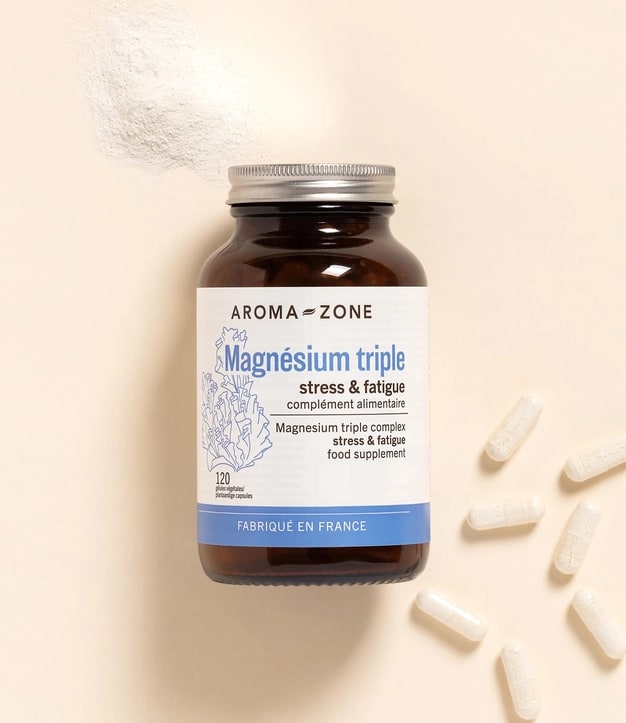
Triple Magnesium (120 capsules)
This supplement combines three forms of magnesium for enhanced bioavailability. It is effective in cases of fatigue and stress and promotes muscle relaxation. Taking 3 capsules per day covers 80% of the recommended daily intake of magnesium. Not recommended for children. Pregnant or breastfeeding women should seek the advice of a healthcare professional before taking any supplements.
Chlorella (240 tablets)
This microalgae is valued for its nutritional richness and natural vitamin B12 content, which helps reduce fatigue and supports normal immune system function. It is often used to combat periods of low energy, particularly in people who follow a vegetarian or vegan diet. Not recommended for children or pregnant or breastfeeding women.
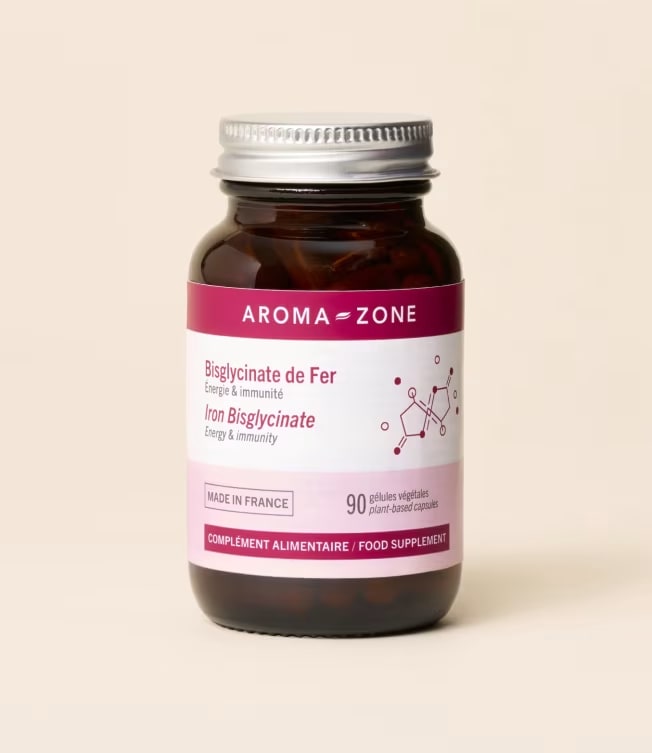
Iron Bisglycinate (90 capsules)
This supplement combines a highly bioavailable chelated form of iron (Ferrochel®) with vitamin C, which promotes its absorption. Iron contributes to oxygen transport and normal red blood cell formation, two functions directly linked to feelings of energy and reduced fatigue. One capsule per day covers 100% of the recommended daily intake of iron and vitamin C. Its use is recommended in cases of proven iron deficiency, on the advice of a healthcare professional.
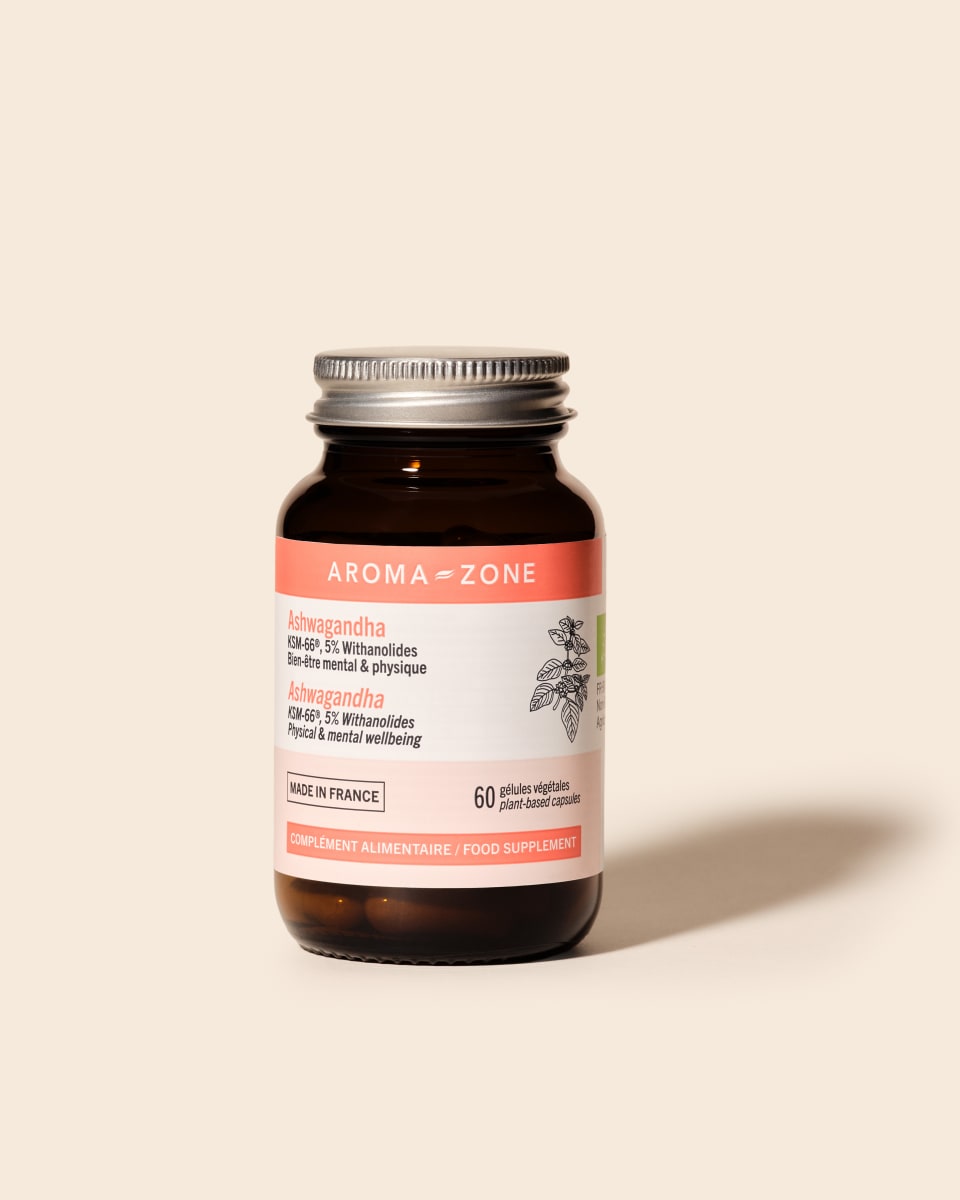
Organic Ashwagandha (60 capsules)
A plant emblematic of Ayurveda, Ashwagandha is valued for its ability to support the body during periods of stress and fatigue. Used daily, it helps to support physical and mental energy, while promoting greater resistance to changes in rhythm and prolonged stress. It fits particularly well into a vitality routine, especially during periods of overwork or low energy. Not recommended for children or pregnant or breastfeeding women.
Superfoods
Superfoods are plants or ingredients that are naturally dense in nutrients. Rich in active compounds, they are an easy way to enrich your daily nutritional balance.
Superfoods
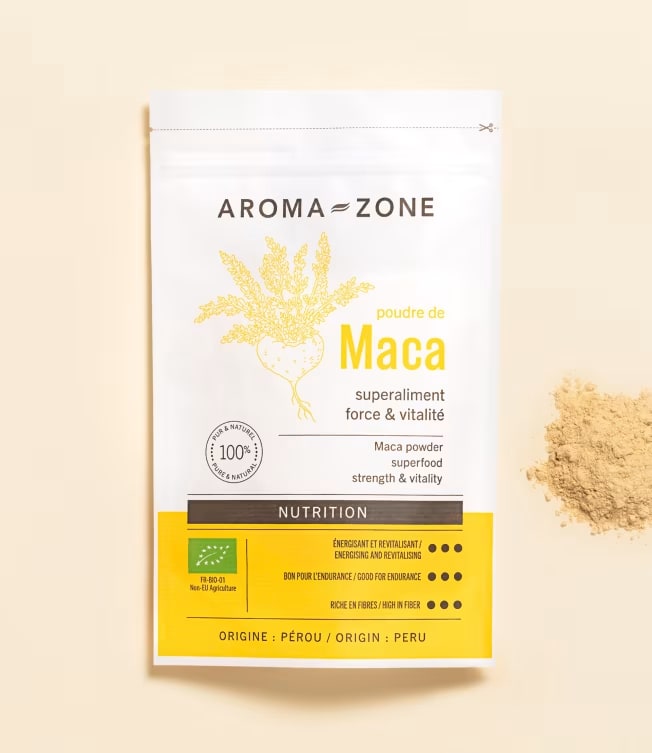
Organic Maca Powder
Native to the Andes, maca is renowned for its beneficial effects on energy and hormonal balance. Its mild flavour blends easily into smoothies, yoghurts and sweet dishes. Not recommended for children, or for pregnant or breastfeeding women.
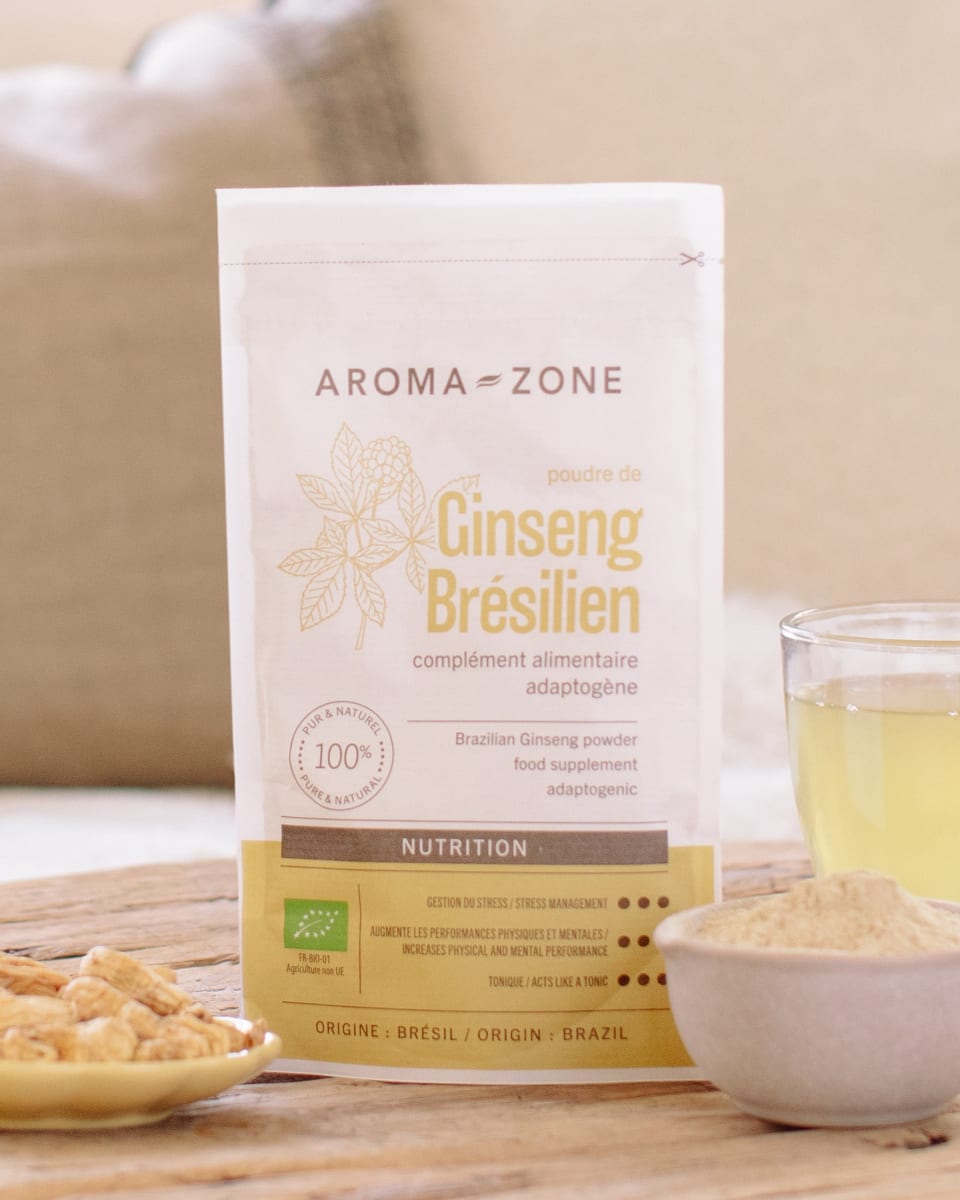
Organic Brazilian Ginseng (Gomphrena) Powder
Traditionally used by Amazonian peoples for its tonic and fortifying properties, this powder is ideal for periods of temporary fatigue. It supports physical tone and mental balance, helping to better manage stress and enhance both physical and mental performance. Not recommended for children, or for pregnant or breastfeeding women.
How can you naturally support your vitality on a daily basis?
Maintaining vitality relies on a consistent lifestyle and nutritional intake tailored to your body’s needs. Combined with a balanced diet, this approach helps you better manage periods of temporary fatigue.
In the morning: upon waking, hydration is essential. You can add a pinch of Organic Maca, prized for its mild flavor and natural energy-boosting compounds, to your usual drink.
During the day: to help reduce fatigue, take Optimized vitamin C or Triple Magnesium is recommended. These nutrients support nervous system and muscle function, especially during periods of stress or sustained physical or mental activity.
During intense periods: Organic Brazilian Ginseng Powder can be added to a drink or smoothie to support physical energy and mental balance.
In the evening: at the end of the day, Organic Ashwagandha promotes mental relaxation. Chlorella or Triple Magnesium contribute to muscle relaxation and support overnight recovery.
How can you prevent a decline in vitality?
Your daily energy level depends largely on your lifestyle habits and your body's overall balance.
1. Adopt a revitalizing diet: a varied diet helps meet essential micronutrient needs. Foods rich in magnesium, high-quality proteins, and the occasional addition of superfoods such as ginseng or maca help maintain energy levels. Regular hydration, through water or herbal teas, also supports the body's proper functioning.
2. Optimize your sleep for better recovery: keeping regular sleep schedules and reducing screen time in the evening promotes more restful sleep. Herbal infusions made from calming plants can easily become part of an evening wind-down ritual.
3. Get regular exercise: moderate activity, such as walking, cycling, or yoga, helps stimulate circulation and supports emotional balance. Daily exposure to natural light also helps regulate your biological rhythm.
4. Manage stress and support your mental well-being: conscious breathing, meditation, or taking regular breaks can help calm the nervous system and maintain mental balance.
5. Detoxify your body for a boost of energy: plants such as rosemary, black radish, and dandelion are commonly incorporated into routines designed to support elimination functions. They can be used in the form of infusions or herbal preparations, especially during periods of seasonal fatigue.
Our natural recipes to support vitality



Precautions for use
Before incorporating dietary supplements or superfoods into your daily routine, it is recommended that you take your personal situation and specific needs into account. If you are pregnant, breastfeeding, have a medical condition, or are undergoing treatment, it is advisable to seek the advice of a healthcare professional. Supplements are not a substitute for a balanced diet and a healthy lifestyle, which remain essential for maintaining vitality.
Expert advice
Remember to have your blood tested regularly! Persistent fatigue can be a sign of iron or vitamin B12 deficiency, especially in vegetarians. A check-up can identify any imbalances and help you adjust your diet or supplementation accordingly.
Spotlight on Our Naturopathic Writer: Stéphanie Catrysse

Stéphanie Catrysse is a naturopath (certified by the FENA), a wellness massage and lymphatic drainage practitioner, and a personal development coach. She is passionate about alternative medicine and practices a holistic approach to health.
Bibliography
Tardy, A. L., Pouteau, E., Marquez, D., Yilmaz, C., & Scholey, A., Vitamins and minerals for energy, fatigue, and cognition: A narrative review of the biochemical and clinical evidence, 2020, Nutrients
DOI: 10.3390/nu12010228
Lane, A. M., Micklewright, D., & Meijen, C., Understanding Fatigue: A Psychological Framework for Health and Performance, 2025, Sci
https://doi.org/10.3390/sci7040162
Huskisson, E., Maggini, S., & Ruf, M., The role of vitamins and minerals in energy metabolism and well-being, 2007, Journal of International Medical Research
DOI: 10.1177/147323000703500301
Frequently Asked Questions
Associated tips

Nutrients, Vitamins, Minerals & Antioxidants

Nutrients, Vitamins, Minerals & Antioxidants


