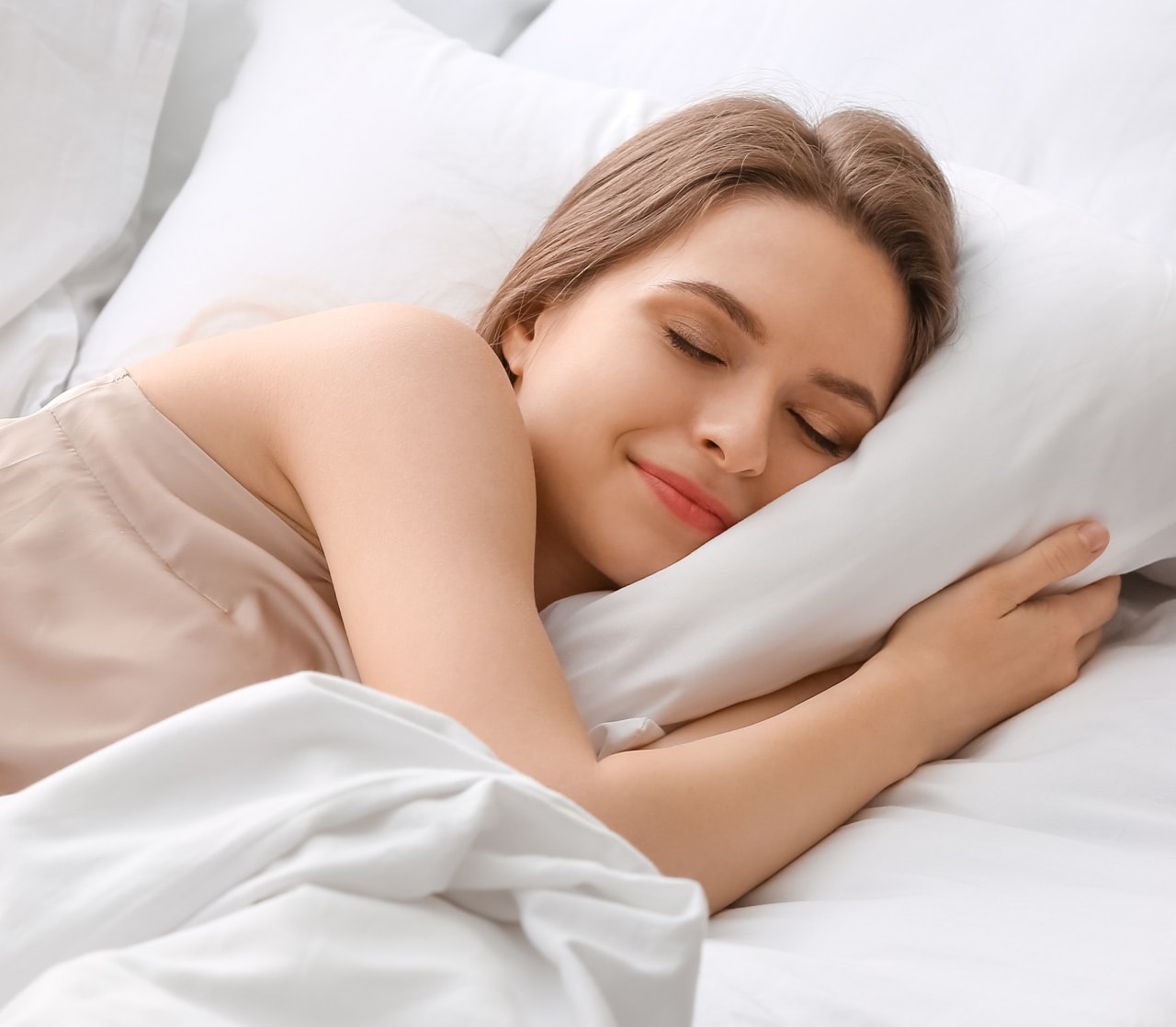
What mistakes are disrupting your sleep?
Published on: Monday, November 09, 2026, Updated on: Thursday, November 12, 2026
Because we know that a bad night’s sleep can quickly sap our daily enthusiasm, Aroma-Zone and its experts have compiled a list of the main sleep mistakes to avoid. If you feel you’ve been sleeping less well over the last few nights, if you feel tired when you wake up, or if your body is struggling to recover, you may be making one of these mistakes without realising it. By familiarising yourself with these mistakes, which are backed by scientific research on sleep, you’re already taking the first step towards more restful nights. Aroma-Zone is here to support you with expert advice and targeted treatments that make the most of popular natural active ingredients such as melatonin and organic essential oils.
Contents
Related products

£6.00
100 ml
£4.50
5 ml
Tanning
Hair dye
£17.50
£25.00
1 article

£19.00
article

High in protein
£13.00
400 g
In brief
The habits that disrupt your sleep can start earlier in the day than you might think, as certain early-afternoon habits can affect the quality of your night’s sleep.
Consuming stimulants, ignoring your body’s natural rhythms and sleeping in an unsuitable environment are the most common mistakes to avoid in your bedtime routine.
To prevent one mistake from leading to another, it’s advisable not to dwell on the consequences of a bad night’s sleep and not to try to force yourself to sleep by staying in bed for longer.
What are the most common sleep mistakes that prevent you from sleeping well?
KEY POINTS
Regular or even occasional consumption of stimulants, an uncomfortable sleeping environment and irregular bedtimes can make it difficult to fall asleep, lead to waking up during the night and hinder your body’s ability to recover.
You may be making these mistakes if:
It takes you more than 30 minutes to fall asleep after going to bed.
You wake up frequently during the night, either briefly or for longer periods.
You feel chronically tired and drowsy during the day.
Consuming caffeine, alcohol or nicotine
If you are in the habit of consuming caffeine and alcohol before going to bed, this may explain your recent sleepless nights. This is because both substances disrupt your sleep patterns: caffeine reduces the duration of deep sleep when consumed in high doses, even six hours before bedtime (1), whilst alcohol delays and shortens the REM sleep phase (2), with effects that are noticeable even in small doses. Yet these are two stages that are essential to your overall well-being, as deep sleep affects your physical recovery and REM sleep affects your memory and emotional wellbeing.
As for nicotine, the key is not to give up your last cigarette of the evening, but rather to cut down on, or even stop, your tobacco use. Regular smokers do indeed experience several sleep problems: they spend more time in the light sleep phase and, conversely, less time in deep slow-wave sleep, as well as waking up more often during the night than non-smokers (3). The consequences to watch out for during the day include drowsiness, reduced alertness and irritability.
See also: The sleep cycle: understanding it and natural ways to optimise it
Ignoring the impact of a bedroom that’s too hot, noise and light
We tend to focus on the quality of our bedding, and all too often forget that our sleeping environment is about more than just a good mattress and clean sheets. If you wake up frequently during the night, our advice is to start by looking into this.
In particular, the issue of noise. For those living in cities, a study has examined the link between noise pollution from urban transport and sleep disturbances. It found that a 10-decibel increase in noise level is enough to raise the risk of experiencing significant sleep disturbance (4). Moreover, bear in mind that just because a noise doesn’t wake you up completely doesn’t mean it isn’t disrupting your sleep in the background.
Another form of pollution: artificial light, prolonged exposure to which can disrupt your circadian rhythms. A word of warning to those who are in the habit of reading to fall asleep: this effect also applies to e-readers, which are said to disrupt our biological clocks and reduce our natural production of melatonin (5) – resulting in a longer time taken to fall asleep.
See also our tips for taking a digital break
Let’s finally talk about the temperature in your bedroom. Not only do we sleep less well, but we also sleep for shorter periods in a room that’s too warm (6). The National Institute for Sleep and Vigilance recommends aiming for a temperature of between 18 and 20 °C at night to ensure a good night’s sleep (7). The concept of the ideal temperature remains, however, quite subjective, so do listen to your instincts as well. Our advice: carry out a 7-day trial by testing a cool environment (around 17 °C), a moderate temperature (around 19 °C) and a warmer bedroom (around 21 °C) to determine the conditions in which you feel most comfortable. For each temperature you try, pay particular attention to how long it takes you to fall asleep, any night-time awakenings, your physical reactions (shivering or sweating) and how refreshed you feel upon waking. By the end of this week-long experiment, you will probably have identified a temperature that suits you.
Adopting irregular bedtimes
We’ve all done it at some point: going to bed at 2 am one night, feeling tired the next day, then going to bed at 10 pm to make up for it, only to go to bed again at midnight the following night. Admittedly, this compensatory strategy may have certain benefits, with the number one objective remaining to avoid chronic sleep deprivation at all costs, but these benefits are limited.
Even if you are an adult, your body still needs regularity. It has its own circadian system which regulates your sleep-wake cycle based on several physiological processes, such as melatonin production and fluctuations in alertness. Your daily routine (mealtimes, activities, sleep) also helps to set the hands of this internal clock. This is why, when you go to bed at different times each night, you drift away from the periods that are biologically most conducive to rest.
This isn’t just about the quality of your sleep, but also your health. A 2020 study suggests, for example, that late bedtimes and a large variation in the amount of sleep you get from one night to the next are associated with poor health indicators (8).
Tip : just as with the temperature in your bedroom, you can try out different bedtimes over the course of a week until you find one that seems to align with your natural rhythm. If you fall asleep quickly and wake up feeling refreshed, you may have found the right bedtime.
Why does staying in bed for longer sometimes make sleep problems worse?
KEY POINTS
Forcing yourself to sleep or to get back to sleep risks trapping your brain in a vicious cycle of chronic insomnia that requires professional help.
The main risk is that your brain will eventually – paradoxically – associate your bed and your bedtime routine with a wake-up signal. Some researchers refer to this sleep-related mistake as ‘conditioned arousal’: by staying in bed without sleeping or even dozing off, you create an association. This phenomenon could be a contributing factor to chronic insomnia, though it is not the sole cause.
Once under the duvet, the first instinct when suffering from sleep disorders is to ‘force’ yourself to sleep. However, sleep cannot be commanded. There is therefore another consequence to bear in mind: cognitive arousal and anticipatory anxiety, which are common among insomniacs. Worrying about not being able to sleep therefore makes it even harder to fall asleep.
To break this vicious circle, sleep specialists recommend, in particular, following stimulus control (9), a method that forms part of cognitive behavioural therapy for insomnia (CBT-I). Other approaches, such as limiting the time spent in bed, should be strictly supervised to avoid exacerbating pre-existing sleep problems.
What are the good habits that don’t disrupt your sleep?
KEY POINTS
The aim is to maintain good sleep hygiene over the long term, by listening to your body and avoiding anything that might disrupt the physiological processes involved in falling asleep.
Try to go to bed at regular times. This is one of the simplest ways to prevent your body clock from becoming out of sync – and the difficulty falling asleep that goes with it. Similarly, if possible, get up at fixed times. Stick to this routine even at the weekend, provided, of course, that it doesn’t leave you sleep-deprived. You’re allowed to have a lie-in now and then.
Limit anything that disrupts your sleep in the evening. The quality of your night’s sleep is determined well in advance, sometimes as early as the afternoon. It is therefore wiser to limit your exposure to stimulants, including caffeine, alcohol and bright artificial light. You could swap your e-reader for a paper book and a soft night light, or replace your afternoon coffee with a rooibos or chicory drink, or a herbal tea.
Turn your bedroom into a sanctuary for sleep. The aim is to create an environment that is as conducive to sleep as possible. To do this, make sure it is quiet, dark and moderately warm. And if you suffer from insomnia, leave this cosy space if you wake up until you feel sleepy again – unless otherwise advised by a doctor. However, if you wake up briefly during the night, you can try to stay in bed.
Key points to remember for adopting beneficial habits:
In the afternoon and evening : cut down on stimulants and bright light
At bedtime: go to bed at fixed times
If you wake up: try to avoid associating your bed with being awake.
The expert’s view
“A bad night’s sleep can happen to anyone – it’s actually quite normal – so it’s important not to dwell on it.
A short nap in the early afternoon can give you a boost of alertness to see you through to the evening.
You should stick to your usual wake-up time to avoid further disrupting your body clock, get some exposure to daylight during the day, and do a bit of exercise.
Consuming caffeine and other energy drinks in the afternoon may delay falling asleep and contribute to insomnia.”
Our tailored skincare range
Cut out stimulants in the evening

Organic Zen Hemp Herbal Tea
Perfect for enjoying at any time of day. Caffeine-free and with no added flavourings, it is made from hemp, a medicinal plant naturally rich in cannabinoids (including cannabidiol, which is THC-free). Its subtle floral flavour offers a gentle, relaxing break.

Organic Chamomile Dreams Herbal Tea
Ideal in the evening to help you wind down. This herbal tea combines six premium herbs renowned for their soothing and relaxing properties, including German chamomile. It helps to ease the day’s tensions with a comforting, honey-like flavour.
Creating a peaceful sleeping environment

Anti-Stress & Sleep Essential Oil Trio Set
To diffuse into the air in your bedroom before going to sleep or to inhale from a handkerchief. Organic Sweet Orange, Marjoram and Organic Petitgrain Bigarade essential oils are renowned for their soothing properties. Example of use if you’re having trouble falling asleep: diffuse Sweet Orange before going to bed. Do not diffuse essential oils in the bedroom whilst you’re asleep. Diffuse the essential oils in the bedroom no later than 30 minutes before bedtime. If using an electric diffuser, do not diffuse the essential oils for more than 20 minutes at a time.
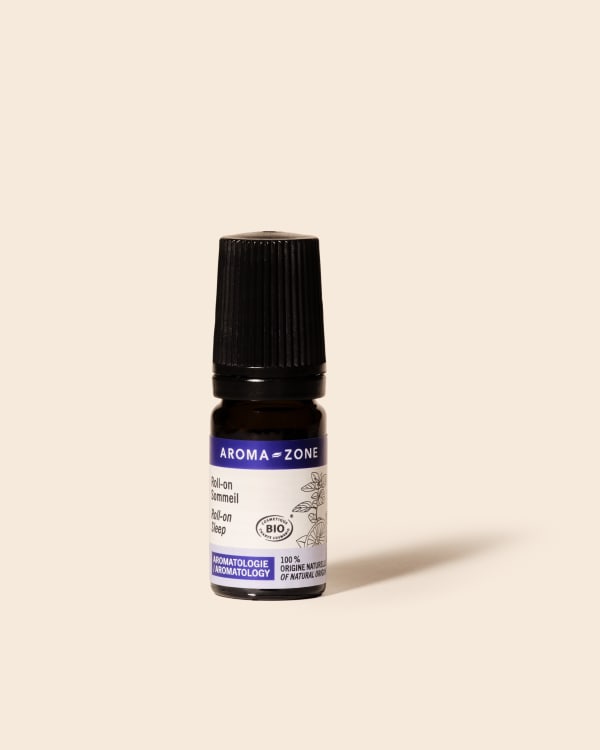
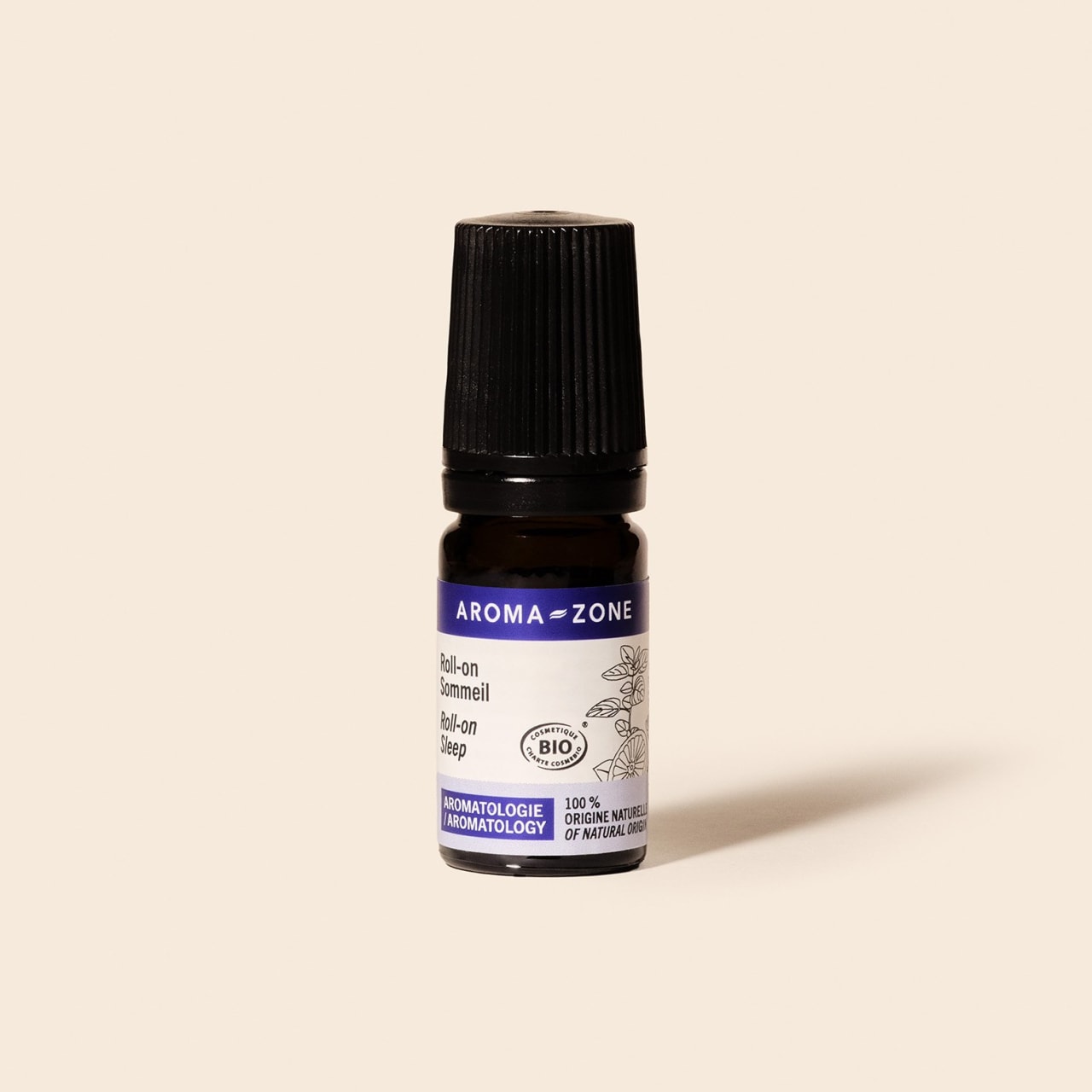
Sleep essential oil roll-on
Apply to your wrists before bed or to your solar plexus. Its soothing base of organic vanilla macerate is enriched with the benefits of organic essential oils of fine lavender (sedative effect), bitter orange petitgrain, Roman chamomile (often recommended for restless nights), marjoram, red mandarin and sweet orange. A simple, portable way to relax and prepare for sleep. Not suitable for use by pregnant or breastfeeding women, or children under 7 years of age.
Dealing with minor, temporary difficulties

Natural plant-based melatonin (food supplement)
For those who have difficulty falling asleep in the evening or who wake up during the night. Derived from St John’s Wort, this 100% plant-based melatonin causes no habituation, no dependence and no grogginess the following morning. Recommended dose: 2 capsules before going to bed. Not recommended for pregnant or breastfeeding women, or for those with inflammatory or autoimmune conditions; should not be taken without medical advice by people with epilepsy, asthma, mood, behavioural or personality disorders, or those taking medication. Do not drive for several hours after taking this product.
Discover our natural plant-based melatonin (food supplement)

Saffron & Rhodiola
For stress and nervous tension, particularly in women going through the menopause. Saffron is known to help you fall asleep, whilst Rhodiola helps the body adapt to emotional and physical stress thanks to its adaptogenic properties. Recommended dosage: 1 capsule per day. Do not use during pregnancy or whilst breastfeeding. Not recommended for people taking antidepressants.
Precautions
These tips on sleep-related mistakes are intended to help with minor, occasional night-time difficulties. If your problems seem to persist or get worse, or if you suspect a medical cause (such as sleep apnoea), we advise you to seek professional medical advice as soon as possible.
Essential oils are powerful natural concentrates. Please refer carefully to the intended uses and precautions for use on each product information sheet. Store them in a suitable glass bottle, away from light and air. Keep out of reach of children. Do not use on pregnant or breastfeeding women, or on children under 6 years of age. Avoid contact with the eyes and mucous membranes. Please consult the general information sheet on precautions relating to essential oils as well as the specific information sheet for each essential oil.
Spotlight on our writer, Hélène Betoux

Hélène Betoux is a French beauty journalist specialising in online media. She writes daily advice, recommendations and guides to help consumers choose the beauty products best suited to their needs. A firm advocate of natural, organic and ‘clean’ cosmetics, she closely follows trends and innovations in the sector, which she enjoys analysing and sharing.
Bibliography
Gardiner, C. L., Weakley, J., Burke, L. M., Fernandez, F., Johnston, R. D., Leota, J., Russell, S., Munteanu, G., Townshend, A., & Halson, S. L. (2025). Dose and timing effects of caffeine on subsequent sleep: a randomised clinical crossover trial. Sleep, 48(4), zsae230. https://doi.org/10.1093/sleep/zsae230
Gardiner, C., Weakley, J., Burke, L. M., Roach, G. D., Sargent, C., Maniar, N., Huynh, M., Miller, D. J., Townshend, A., & Halson, S. L. (2025). The effect of alcohol on subsequent sleep in healthy adults: A systematic review and meta-analysis. Sleep Medicine Reviews, 80, 102030. https://doi.org/10.1016/j.smrv.2024.102030
Catoire, S., Nourredine, M., Lefebvre, S., Couraud, S., Gronfier, C., Rey, R., Peter-Derex, L., Geoffroy, P. A., & Rolland, B. (2021). Tobacco-induced sleep disturbances: A systematic review and meta-analysis. Sleep Medicine Reviews, 60, 101544. https://doi.org/10.1016/j.smrv.2021.101544
Basner, M., & McGuire, S. (2018). WHO Environmental Noise Guidelines for the European Region: A Systematic Review on Environmental Noise and Effects on Sleep. International Journal of Environmental Research and Public Health, 15(3), 519. https://doi.org/10.3390/ijerph15030519
Chang, A. M., Aeschbach, D., Duffy, J. F., & Czeisler, C. A. (2015). Evening use of light-emitting e-readers negatively affects sleep, circadian timing, and next-morning alertness. Proceedings of the National Academy of Sciences of the United States of America, 112(4), 1232–1237. https://doi.org/10.1073/pnas.1418490112
Chevance, G., Minor, K., Vielma, C., Campi, E., O’Callaghan-Gordo, C., Basagaña, X., Ballester, J., & Bernard, P. (2024). A systematic review of ambient heat and sleep in a warming climate. Sleep Medicine Reviews, 75, 101915. https://doi.org/10.1016/j.smrv.2024.101915
INSV, 10 recommendations from our sleep doctors, https://institut-sommeil-vigilance.org/10-recommandations-de-nos-medecins-du-sommeil-pour-bien-dormir [online, accessed 29/10/2026]
Chaput, J. P., Dutil, C., Featherstone, R., Ross, R., Giangregorio, L., Saunders, T. J., Janssen, I., Poitras, V. J., Kho, M. E., Ross-White, A., Zankar, S., & Carrier, J. (2020). Sleep timing, sleep consistency, and health in adults: a systematic review. Applied physiology, nutrition, and metabolism = Physiologie appliquée, nutrition et métabolisme, 45(10 (Suppl. 2)), S232–S247. https://doi.org/10.1139/apnm-2020-0032
Edinger, J. D., Arnedt, J. T., Bertisch, S. M., Carney, C. E., Harrington, J. J., Lichstein, K. L., Sateia, M. J., Troxel, W. M., Zhou, E. S., Kazmi, U., Heald, J. L., & Martin, J. L. (2021). Behavioural and psychological treatments for chronic insomnia disorder in adults: an American Academy of Sleep Medicine systematic review, meta-analysis, and GRADE assessment. Journal of Clinical Sleep Medicine: JCSM: official publication of the American Academy of Sleep Medicine, 17(2), 263–298. https://doi.org/10.5664/jcsm.8988